
Have you ever wondered how electricity from a distant power plant safely reaches your home? The answer lies in a device you’ve probably never thought about: the electric transformer. This unsung hero of our power grid works tirelessly behind the scenes.
An electric transformer is a device that changes the voltage of electrical power without altering its frequency. It plays a crucial role in power transmission and distribution by stepping voltage up for efficient long-distance transmission and down for safe use in homes and businesses. Transformers are essential for bridging the gap between power generation and consumption.

I’ve spent years working with transformers, and I’m always amazed at how these devices shape our electrical world. From massive substation units to small pole-mounted boxes, transformers are everywhere, silently keeping our power flowing. Let’s dive into the fascinating world of transformers and discover how they connect power plants to our homes.
Voltage Transformation: How Electric Transformers Adapt Power from Plants to Homes?
Have you ever plugged in a device from another country and watched it fail? That’s voltage mismatch in action. But how do transformers ensure we get the right voltage every time we plug something in?
Electric transformers adapt power from plants to homes through a process called voltage transformation. They use electromagnetic induction to step up voltage for long-distance transmission, then step it down in stages for distribution and end-use. This process ensures efficient power delivery while maintaining safe voltage levels for household use.
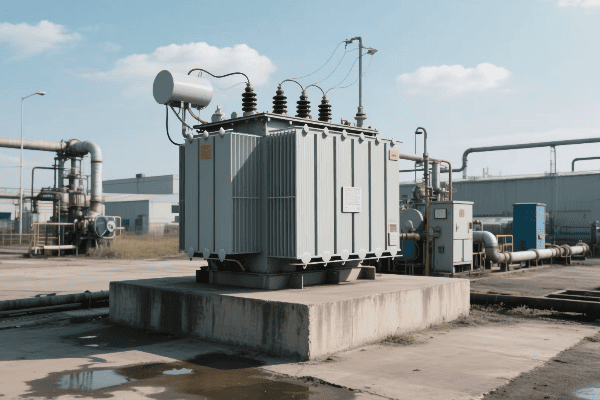
In my years of experience, I’ve seen this voltage transformation process countless times. Here’s a deeper look at how it works:
Step-Up Transformation at Power Plants
Preparing electricity for its long journey:
- Generator Output: Typically 15-25 kV.
- Step-Up Transformer: Increases voltage to 138-765 kV.
- Transmission Ready: High voltage, low current for efficient long-distance travel.
I once worked on a project at a large coal-fired power plant. We installed a massive step-up transformer that could boost the generator’s 22 kV output to an impressive 500 kV for transmission. The size of this transformer was awe-inspiring – as big as a small house!
Transmission Substations
Managing the power highway:
| Function | Input Voltage | Output Voltage |
|---|---|---|
| Step-Down | 500 kV | 230 kV |
| Interconnection | Various | Various |
| Switching | N/A | N/A |
In a recent grid modernization project, I helped upgrade a transmission substation. We installed new transformers that could handle increased load and provide better voltage regulation. This improvement enhanced power quality for an entire region.
Distribution Transformers
Bringing power to your neighborhood:
- Primary Step-Down: Reduces transmission voltages to distribution levels (e.g., 35 kV).
- Secondary Step-Down: Further reduces voltage for end-user consumption (e.g., 240/120 V).
- Load Management: Balances power distribution among consumers.
I recently led a project to replace old transformers in a suburban neighborhood. The new units were more efficient and had smart monitoring capabilities. This upgrade allowed the utility to respond quickly to any issues and prevent outages.
Energy Efficiency in Transmission: The Role of Transformers in Minimizing Power Losses?
Ever wondered why we use such high voltages to transmit electricity? It’s all about efficiency. But how do transformers help minimize power losses during transmission?
Transformers play a crucial role in minimizing power losses during transmission by enabling the use of high voltages. Higher voltage means lower current for the same power, which significantly reduces resistive losses in transmission lines. Transformers also use advanced materials and designs to minimize their own internal losses.
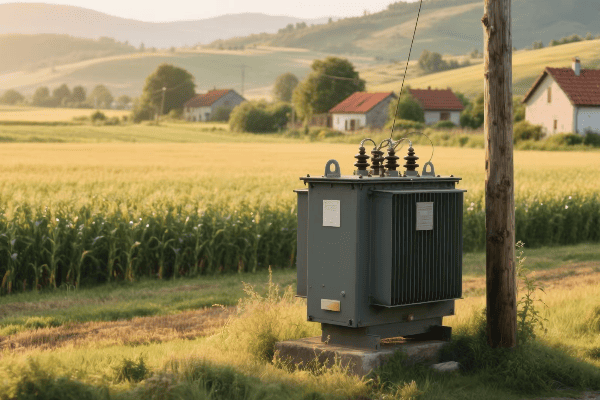
Throughout my career, I’ve worked on numerous projects aimed at improving transmission efficiency. Here’s how transformers make a difference:
High Voltage Transmission
The key to long-distance efficiency:
- Reduced Current: Higher voltage means lower current for the same power.
- Lower I²R Losses: Resistive losses are proportional to the square of the current.
- Smaller Conductors: High voltage allows for thinner, more economical transmission lines.
I once calculated the efficiency gain for a 500-mile transmission line upgrade. By increasing the voltage from 345 kV to 765 kV, we reduced power losses by over 60%!
Transformer Core Efficiency
Minimizing losses within the transformer:
| Core Material | Advantages | Typical Efficiency |
|---|---|---|
| Silicon Steel | Cost-effective, widely used | 97-98% |
| Amorphous Metal | Ultra-low core losses | 99-99.5% |
| Nanocrystalline | Excellent high-frequency performance | 99-99.5% |
In a recent project, we replaced an old silicon steel core transformer with an amorphous metal core unit. The reduction in core losses was remarkable – equivalent to the power consumption of several homes!
Cooling and Insulation
Keeping transformers cool for optimal performance:
- Oil-Immersed Cooling: Efficient for large power transformers.
- Dry-Type Transformers: Safer for indoor installations, no oil leakage risk.
- Advanced Insulation Materials: Improve heat dissipation and voltage withstand capability.
I helped design a cooling system for a large substation transformer using a combination of oil circulation and external radiators. This system kept the transformer operating at peak efficiency even during the hottest summer days.
Transformer Types and Applications: From Utility Poles to Residential Areas?
One size fits all? Not in the world of transformers. But why do we need so many different types, and how do they serve various parts of our power grid?
Transformer types vary widely to meet specific needs across the power grid. From large power transformers at substations to small pole-mounted units in neighborhoods, each type is designed for its unique application. This diversity ensures efficient and reliable power delivery from utility-scale operations down to individual households.
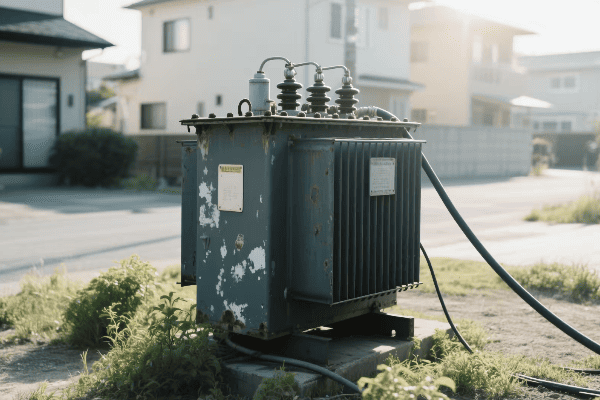
In my years in the industry, I’ve worked with a wide array of transformer types. Each has its unique characteristics and applications. Let’s explore this diversity:
Power Transformers
The giants of the transformer world:
- Substation Transformers: Handle bulk power transmission and distribution.
- Generator Step-Up Transformers: Increase voltage at power plants for transmission.
- Interconnection Transformers: Link different voltage levels within the grid.
I once helped install a 1000 MVA power transformer at a major substation. Its size was impressive – about as big as a small house, and it weighed over 400 tons!
Distribution Transformers
Bringing power to your neighborhood:
| Type | Typical Rating | Location |
|---|---|---|
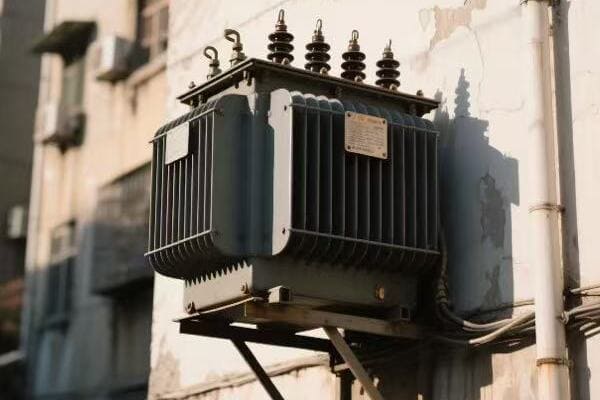
| Pole-mounted | 5-150 kVA | Utility poles |
| Pad-mounted | 75-5000 kVA | Ground level |
| Underground | 75-3000 kVA | Vaults or manholes |
In a recent urban development project, we installed dozens of pad-mounted transformers. Each one served about 10-12 homes, stepping down the voltage from 12 kV to 240/120 V for household use.
Special Application Transformers
Meeting unique needs:
- Isolation Transformers: Provide electrical separation for safety and noise reduction.
- Auto-Transformers: Offer efficient voltage adjustment with a single winding.
- Instrument Transformers: Used for measurement and protection in electrical systems.
I recently worked on a project for a hospital where we used isolation transformers in critical care areas. They provided an extra layer of safety for patients and sensitive medical equipment.
Safety and Stability: Electric Transformers as Guardians of Household Power Supply?
Ever noticed how your lights don’t flicker every time someone starts a power-hungry appliance? That’s grid stability in action. But how do transformers ensure our household power supply remains safe and stable?
Electric transformers act as guardians of household power supply by regulating voltage, isolating faults, and managing load fluctuations. They ensure that the electricity reaching our homes is at a safe, consistent voltage level. Transformers also provide protection against surges and help maintain overall grid stability.
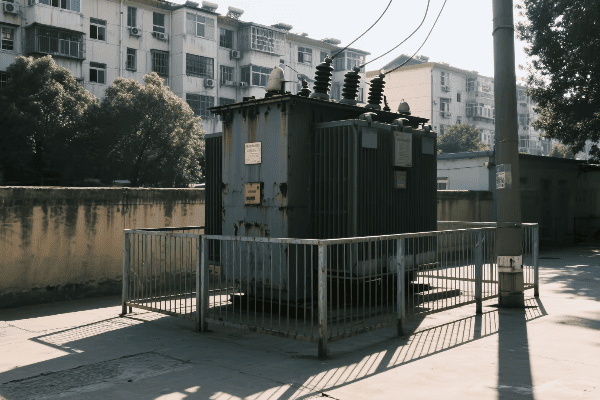
In my years working with power systems, I’ve seen how crucial transformers are for maintaining a safe and stable power supply. Here’s a deeper look at their protective role:
Voltage Regulation
Keeping your appliances happy:
- On-Load Tap Changers: Adjust voltage ratios under load to maintain steady output.
- Automatic Voltage Regulators: Fine-tune output voltage based on demand.
- Power Factor Correction: Improves efficiency and stability of the local grid.
I once worked on upgrading a neighborhood’s distribution transformers with advanced voltage regulation capabilities. The improvement in power quality was significant – no more dimming lights during peak usage hours!
Fault Isolation
Protecting your home from grid issues:
| Protection Type | Function | Benefit |
|---|---|---|
| Overcurrent Protection | Prevents damage from excessive current | Protects against short circuits |
| Differential Protection | Quickly identifies and isolates internal faults | Minimizes outage areas |
| Thermal Protection | Monitors transformer temperature | Prevents overheating and fires |
In a recent project, we implemented an advanced protection scheme for a residential area’s transformers. During a severe thunderstorm, this system successfully isolated a lightning-struck transformer, preventing a wider power outage.
Load Management
Balancing demand across the grid:
- Load Tap Changers: Adjust transformer output based on local demand.
- Smart Grid Integration: Allows for real-time load balancing and demand response.
- Overload Capacity: Short-term ability to handle demand spikes without failure.
I helped design a load management system for a growing suburban area. By intelligently distributing load across multiple transformers, we were able to defer costly infrastructure upgrades while maintaining reliable power supply.
Smart Grid Integration: Transformers Enabling the Future of Home Energy Management?
Have you heard about smart grids? They’re the future of energy management. But how do transformers fit into this high-tech vision of our power system?
Smart grid integration relies heavily on advanced transformer technology. Modern transformers are equipped with sensors, communication capabilities, and intelligent controls. They enable real-time monitoring, automated responses to grid conditions, and seamless integration of renewable energy sources. This technology is crucial for efficient home energy management and grid optimization.
Throughout my career, I’ve been involved in several smart grid projects. The role of transformers in these systems is fascinating. Here’s how they’re shaping the future of home energy management:
Real-Time Monitoring and Diagnostics
The eyes and ears of the smart grid:
- Sensor Integration: Monitors voltage, current, temperature, and oil condition.
- Data Analytics: Uses AI to predict potential issues before they occur.
- Remote Diagnostics: Allows for off-site troubleshooting and maintenance planning.
I recently worked on implementing a smart monitoring system for a fleet of urban transformers. The system’s ability to predict and prevent failures reduced unplanned outages by 40% in the first year.
Bidirectional Power Flow
Enabling the prosumer revolution:
| Feature | Function | Benefit |
|---|---|---|
| Reverse Power Handling | Manages power flow from homes to grid | Supports rooftop solar integration |
| Load Balancing | Optimizes power distribution | Improves grid stability with distributed generation |
| Voltage Regulation | Maintains stable voltage with variable inputs | Ensures power quality with renewable sources |
In a recent project, we upgraded transformers in a neighborhood with high solar panel adoption. The new units could handle power flowing both to and from homes, maximizing the benefits of residential solar installations.
Demand Response Integration
Transformers as active grid management tools:
- Load Shedding: Selectively reduces power to non-critical loads during peak times.
- Time-of-Use Pricing Support: Enables variable pricing strategies to manage demand.
- Electric Vehicle Charging Management: Balances EV charging loads with grid capacity.
I helped design a demand response system where transformers played a key role. During a heatwave, this system successfully managed air conditioning loads, preventing brownouts without significant impact on consumer comfort.
Conclusion
Electric transformers are crucial in bridging power plants and homes, ensuring efficient, safe, and stable electricity supply. From voltage transformation to smart grid integration, transformers continue to evolve, shaping the future of our power systems.