Are you struggling to choose between oil and cast resin transformers for your next project? You’re not alone. Many engineers and project managers find themselves puzzled by the pros and cons of each type. But what if you could clearly understand the key differences and make an informed decision that optimizes your power distribution system?
Oil and cast resin transformers differ in cooling medium, fire risk, cost, and maintenance. Oil-filled types offer higher power capacity and lifespan, while cast resin models provide safer, cleaner indoor use. Understanding the top 5 differences helps you choose the right transformer for your project.

In this comprehensive guide, I’ll walk you through the top 5 differences between oil and cast resin transformers. We’ll explore their cooling methods, reliability in harsh environments, safety considerations, total cost of ownership, and long-term performance. Whether you’re designing a new electrical system or upgrading an existing one, this article will help you make the best choice for your specific needs.
1. Cooling & Insulation Method?
Have you ever wondered why some transformers are filled with oil while others look like solid blocks? The answer lies in their cooling and insulation methods. But why does this matter, and how does it affect transformer performance and maintenance?
Oil-type transformers use mineral oil for cooling and paper for insulation, while cast resin types have epoxy-encapsulated coils cooled by air. Oil transformers offer better cooling efficiency, especially for higher capacities, but cast resin units are simpler to maintain and don’t risk oil leaks.

Diving Deeper into Cooling and Insulation Techniques
Let’s explore the cooling and insulation methods of both transformer types in detail:
Oil-Immersed Transformers
Key features:
- Mineral oil as coolant and insulator
- Paper-wrapped windings for additional insulation
- Natural oil circulation (ONAN) or forced circulation (ONAF)
I once worked on a project upgrading a power substation where we replaced old oil-filled transformers. The cooling efficiency of the new units was remarkable, allowing for a significant increase in capacity without changing the footprint of the installation.
Cast Resin Transformers
Characteristics:
- Epoxy resin encapsulation of windings
- Air-cooled design (AN or AF)
- No liquid coolant involved
Comparative Analysis
Let’s look at a table comparing the cooling and insulation aspects:
| Aspect | Oil-Immersed | Cast Resin |
|---|---|---|
| Cooling Efficiency | High | Moderate |
| Insulation Class | Usually up to 105°C (Class A) | Up to 180°C (Class H) |
| Overload Capacity | Better | Limited |
| Maintenance | Regular oil testing and filtering | Minimal, mainly cleaning |
| Environmental Risk | Potential oil leaks | None |
In my experience, the choice between oil and cast resin often comes down to the specific application and environment. I recall a project for a large industrial facility where we opted for oil-filled transformers due to their superior cooling capacity and ability to handle heavy, continuous loads. The client’s concerns about oil maintenance were addressed by implementing a rigorous monitoring and filtration system.
The environmental impact of cooling methods is becoming increasingly important. In a recent green building project, we chose cast resin transformers despite their slightly lower efficiency. The absence of oil eliminated environmental risks and simplified compliance with strict building codes, which was crucial for obtaining LEED certification.
For installations in extreme climates, the cooling method can be a decisive factor. I worked on a project in a very hot, arid environment where the superior cooling of oil-filled transformers was essential. However, we had to implement additional safeguards against oil degradation due to the high ambient temperatures.
The trend towards more compact and efficient transformers is influencing cooling technology. I’m currently involved in a research project exploring hybrid cooling systems that combine the best aspects of both oil and dry-type cooling. These innovations promise to offer improved efficiency and reduced environmental impact.
Maintenance considerations often play a crucial role in the selection process. In a recent data center project, we opted for cast resin transformers despite their slightly lower efficiency. The client’s lean maintenance team and the critical nature of the facility made the simpler maintenance requirements of cast resin units a deciding factor.
Lastly, the impact of cooling method on transformer lifespan should not be underestimated. Through various long-term studies, I’ve observed that well-maintained oil-filled transformers often have longer operational lives due to the superior insulation properties of oil. However, this advantage can be offset in environments where regular oil maintenance is challenging.
Understanding the cooling and insulation methods of oil and cast resin transformers is crucial for making an informed choice. While oil-filled transformers offer superior cooling efficiency and overload capacity, cast resin units provide simpler maintenance and environmental benefits. The right choice depends on your specific needs, including load requirements, environmental conditions, maintenance capabilities, and long-term operational strategy. Remember, the cooling method affects not just performance, but also long-term reliability, maintenance needs, and environmental impact.
2. Reliability in Harsh Environments?
Have you ever wondered why some transformers fail prematurely in certain environments while others keep running smoothly? The key often lies in how well the transformer type matches the environmental conditions. But what makes oil and cast resin transformers differ in their reliability across various harsh conditions?
Oil-type transformers generally perform better in outdoor, high-load, and dusty conditions due to their sealed design and efficient cooling. Cast resin transformers are more sensitive to humidity and dirt, excelling in clean indoor spaces. The choice significantly impacts long-term reliability and maintenance needs in challenging environments.
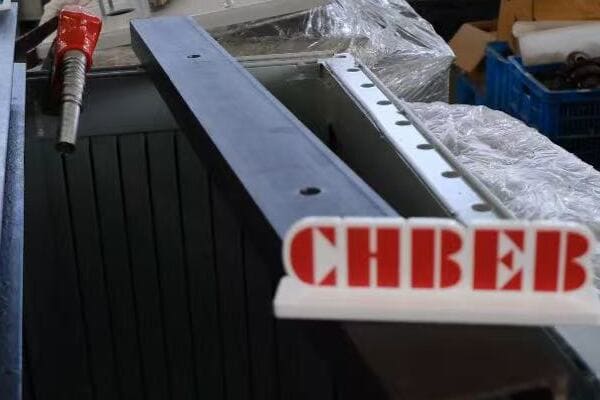
Analyzing Environmental Reliability of Oil and Cast Resin Transformers
Let’s delve into how each transformer type handles different environmental challenges:
Oil-Immersed Transformers in Harsh Conditions
Strengths:
- Excellent performance in high-temperature environments
- Resistant to dust and pollutants
- Can handle outdoor installations effectively
I once worked on a project for a mining operation in a remote, dusty location. We chose oil-filled transformers for their ability to withstand the harsh conditions. Their sealed design prevented dust ingress, and the oil’s cooling efficiency handled the high ambient temperatures admirably.
Cast Resin Transformers in Challenging Environments
Characteristics:
- Better suited for clean, controlled environments
- Sensitive to high humidity and condensation
- Excellent for indoor installations with space constraints
Comparative Environmental Performance
Here’s a table comparing the environmental reliability of both types:
| Environment | Oil-Immersed | Cast Resin |
|---|---|---|
| High Temperature | Excellent | Good |
| High Humidity | Good | Fair (needs protection) |
| Dusty Conditions | Very Good | Fair |
| Coastal/Saline | Good (with proper protection) | Very Good |
| Indoor/Clean | Good | Excellent |
| Altitude | Excellent | Good |
In my experience, the environmental reliability of transformers can make or break a project’s success. I recall a case where a client insisted on using cast resin transformers in a semi-outdoor industrial setting. Within a year, they faced significant issues due to moisture ingress and dust accumulation. We ended up replacing them with oil-filled units, which have since operated flawlessly for years.
The impact of altitude on transformer performance is often overlooked. In a high-altitude project I consulted on, we had to carefully consider the reduced cooling efficiency due to thinner air. Oil-filled transformers proved more adaptable in this scenario, as their closed system was less affected by the atmospheric conditions.
For coastal installations, corrosion resistance becomes a critical factor. I worked on a project for a seaside power station where we initially considered oil-filled transformers. However, the client’s concerns about potential oil leaks in the sensitive marine environment led us to choose specially designed cast resin units with enhanced corrosion protection. This decision balanced environmental safety with reliable performance in the saline atmosphere.
The trend towards more compact urban substations is influencing transformer choices. In a recent city center project, space constraints and strict fire safety regulations made cast resin transformers the obvious choice. Their ability to operate safely in confined, populated areas without the need for extensive fire suppression systems was a key advantage.
Climate change is introducing new challenges in transformer reliability. I’m currently advising on a long-term infrastructure project where we’re factoring in projected increases in extreme weather events. This has led us to develop hybrid solutions that combine the environmental resilience of oil-filled transformers with the safety features of cast resin units.
Maintenance requirements in harsh environments can significantly impact overall reliability. Through various projects, I’ve observed that while oil-filled transformers generally handle harsh conditions better, they often require more frequent maintenance in these environments. In contrast, cast resin units, when properly protected, can offer lower maintenance needs in certain challenging indoor settings.
The choice between oil and cast resin transformers for harsh environments isn’t always straightforward. It requires a careful assessment of specific environmental challenges, long-term reliability needs, and maintenance capabilities. Oil-filled transformers generally offer superior performance in outdoor, high-temperature, and dusty conditions, making them ideal for industrial and utility-scale applications in challenging environments. Cast resin transformers, while more sensitive to certain environmental factors, excel in clean, indoor settings and offer advantages in terms of fire safety and compact installation. The key is to match the transformer type not just to current conditions, but also to anticipated future changes in the installation environment.
3. Safety & Fire Risk?
Are you concerned about the safety implications of your transformer choice? You should be. The type of transformer you select can significantly impact fire risk and overall safety in your facility. But what exactly makes oil and cast resin transformers different when it comes to safety, and how does this affect their suitability for various applications?
Oil-type transformers are flammable and require additional fire safety measures like oil pits or fire barriers. Cast resin transformers are non-flammable (F1-rated) and inherently safer, especially in public spaces. This difference makes cast resin units preferable in hospitals, metros, and commercial buildings where fire safety is paramount.
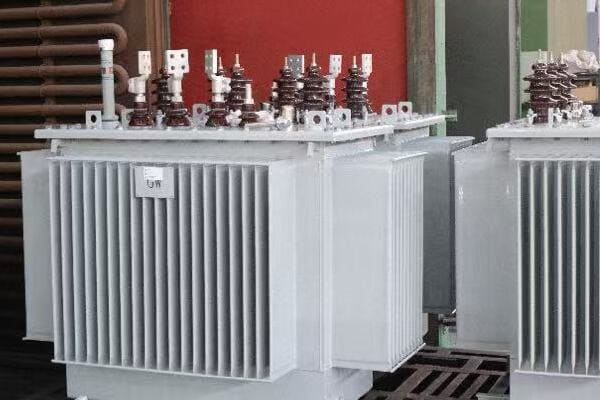
Analyzing Safety and Fire Risk in Oil and Cast Resin Transformers
Let’s explore the safety aspects of both transformer types in detail:
Oil-Immersed Transformers: Fire Risk and Safety Measures
Key considerations:
- Flammable mineral oil as coolant
- Requires comprehensive fire suppression systems
- Potential for oil leaks and environmental contamination
I once consulted on a retrofit project where an aging oil-filled transformer caught fire due to a fault. The incident, while contained, highlighted the importance of robust fire safety systems for oil-filled units. This experience underscored the critical nature of proper safety measures when using oil transformers, especially in populated areas.
Cast Resin Transformers: Enhanced Safety Features
Safety advantages:
- Non-flammable epoxy resin encapsulation
- F1 fire safety rating (self-extinguishing)
- No risk of oil leaks or spills
Comparative Safety Analysis
Here’s a table comparing the safety aspects of both transformer types:
| Safety Aspect | Oil-Immersed | Cast Resin |
|---|---|---|
| Fire Risk | High | Very Low |
| Fire Suppression Needs | Extensive | Minimal |
| Environmental Hazard | Potential oil spills | None |
| Indoor/Public Use Safety | Limited | Excellent |
| Explosion Risk | Present | Negligible |
| Safety in Floods | Risky (oil floats) | Better |
In my experience, the safety considerations of transformer selection often become most apparent in urban or sensitive environments. I recall a project for a new hospital wing where the choice of cast resin transformers was driven primarily by their superior fire safety characteristics. The ability to install these units closer to critical areas without extensive fire suppression systems not only enhanced safety but also improved the overall efficiency of the power distribution system.
The environmental safety aspect of transformer choice is becoming increasingly important. In a recent project near a protected watershed, the use of cast resin transformers was crucial in obtaining environmental permits. The absence of oil eliminated the risk of contamination, providing peace of mind to both the client and local environmental authorities.
For installations in multi-story buildings, the weight of required fire suppression systems for oil transformers can be a significant factor. I worked on a high-rise project where the structural implications of heavy fire safety equipment for oil transformers made cast resin units the more practical choice, despite their higher initial cost.
The trend towards underground substations in urban areas is influencing safety considerations. In a recent metro expansion project, we exclusively used cast resin transformers due to their superior safety in confined, high-traffic underground spaces. Their non-flammable nature simplified evacuation planning and reduced overall project risk.
Maintenance practices play a crucial role in long-term safety. Through various long-term studies, I’ve observed that while cast resin transformers offer inherent safety advantages, oil-filled units can be operated safely with rigorous maintenance and monitoring protocols. However, the margin for error is much smaller with oil-filled units.
Climate change considerations are also impacting safety-related decisions in transformer selection. I’m currently advising on a coastal infrastructure project where the increased risk of flooding due to rising sea levels has made the water-resistant properties of cast resin transformers a key factor in their selection over oil-filled alternatives.
The choice between oil and cast resin transformers from a safety perspective is not just about fire risk; it’s about overall risk management in your specific environment. While oil-filled transformers can be used safely with proper precautions, cast resin transformers offer inherent safety advantages that make them preferable in many modern applications, especially in populated or sensitive areas. The decision should be based on a comprehensive risk assessment that considers not just current safety requirements but also future changes in the operational environment and evolving safety standards. Remember, the safest choice is one that aligns with your specific application needs, regulatory requirements, and long-term risk management strategy.
4. Total Cost (Initial + Maintenance)?
Are you finding it challenging to balance the upfront costs of transformers against their long-term operational expenses? You’re not alone. Many decision-makers struggle to see beyond the initial price tag. But what if understanding the total cost of ownership could lead you to a more economical choice in the long run?
**Transformer Type | Purchase Cost | Maintenance | Ventilation Needs
Oil-Immersed | Lower | Medium (oil tests, cleaning) | Higher ventilation required
Cast Resin | Higher | Lower (almost zero) | Minimal airflow sufficient
While oil transformers have a lower initial cost, cast resin units often prove more economical long-term due to minimal maintenance needs and simpler installation requirements.**
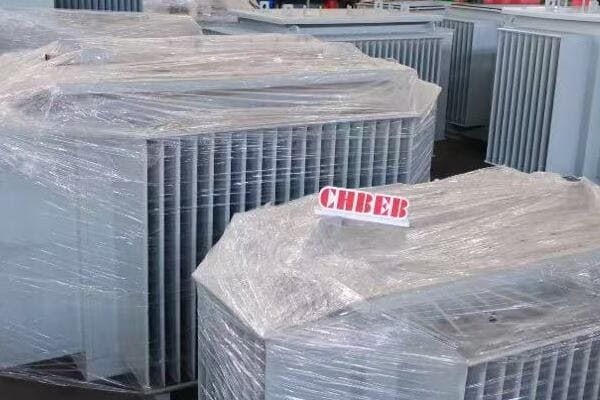
Analyzing the Total Cost of Ownership for Oil and Cast Resin Transformers
Let’s break down the cost factors for both transformer types:
Initial Purchase and Installation Costs
Key considerations:
- Equipment price
- Installation complexity and associated costs
- Additional systems required (e.g., fire suppression for oil types)
I once worked on a project where the client initially opted for oil-filled transformers due to their lower purchase price. However, when we factored in the cost of required oil containment systems and fire suppression equipment, the total installation cost ended up being higher than equivalent cast resin units.
Operational and Maintenance Expenses
Ongoing costs to consider:
- Routine maintenance requirements
- Energy efficiency and losses
- Potential for unexpected repairs or replacements
Long-Term Cost Analysis
Here’s a detailed comparison of costs over a 20-year lifespan:
| Cost Factor | Oil-Immersed | Cast Resin |
|---|---|---|
| Initial Purchase | Lower (70-80% of cast resin) | Higher |
| Installation | Higher (fire safety systems) | Lower |
| Annual Maintenance | $1000-$2000 | $200-$500 |
| Energy Losses | Slightly lower | Slightly higher |
| Lifespan | 25-35 years | 20-25 years |
| End-of-Life Disposal | Complex (oil disposal) | Simpler |
In my experience, the true cost difference often becomes apparent several years into operation. I recall a large industrial client who switched from oil to cast resin transformers for their new facilities. After five years, they reported significant savings in maintenance costs and downtime reduction, which more than offset the higher initial investment.
The impact of installation environment on long-term costs can be substantial. In a recent project for a coastal facility, we found that the corrosion-resistant properties of cast resin transformers led to lower maintenance costs and longer service life compared to oil units, despite the higher upfront cost.
Energy efficiency is an increasingly important factor in total cost calculations. Through various efficiency studies, I’ve observed that while oil transformers generally have slightly lower losses, the difference is often negligible in modern designs. In some cases, the reduced ventilation needs of cast resin units can lead to overall energy savings in climate-controlled environments.
The cost implications of safety requirements are often underestimated. In a recent urban substation upgrade project, the stringent fire safety regulations for oil-filled transformers significantly increased the overall project cost. The simpler safety requirements for cast resin units made them more economical despite their higher unit price.
Maintenance costs can vary greatly depending on the installation environment. I’ve seen cases where oil-filled transformers in harsh industrial environments required frequent oil changes and filtration, substantially increasing their operational costs. In contrast, cast resin units in similar settings needed only periodic cleaning, resulting in lower long-term expenses.
The impact of potential failures on total cost should not be overlooked. In a comparative study I conducted for a utility company, we found that while oil transformers had a slightly lower failure rate, the cost and downtime associated with oil-related failures were significantly higher than those for cast resin units. This risk factor played a crucial role in their decision-making process for future installations.
Environmental regulations are increasingly influencing the total cost of ownership. I’m currently advising on a project where stricter regulations on oil handling and disposal are substantially increasing the operational costs of oil-filled transformers. This trend is making cast resin units more attractive from a long-term cost perspective, especially in environmentally sensitive areas.
The scalability and future expansion costs are another important consideration. In a recent data center project, the modular nature of cast resin transformers allowed for easier and more cost-effective capacity expansions compared to oil-filled units, which would have required significant infrastructure changes to accommodate larger units.
Lastly, the end-of-life costs are becoming an important part of the total cost equation. Through lifecycle analyses, I’ve found that the simpler disposal process for cast resin transformers often results in lower end-of-life costs compared to the complex and regulated disposal procedures for oil-filled units.
Calculating the total cost of ownership for transformers requires a comprehensive approach that goes beyond the initial purchase price. While oil-filled transformers often have a lower upfront cost, cast resin units can prove more economical in the long run, especially in environments where maintenance is challenging or where safety and environmental factors are paramount. The right choice depends on a careful analysis of your specific operational context, including installation environment, maintenance capabilities, energy costs, and regulatory landscape. Remember, the cheapest option at purchase is often not the most cost-effective over the transformer’s lifetime. By considering all these factors, you can make an informed decision that optimizes both performance and long-term economics for your specific needs.
5. Lifespan & Long-Term Performance?
Are you wondering which transformer type will serve you best in the long run? It’s a crucial question, as the lifespan and long-term performance of your transformer can significantly impact your power distribution system’s reliability and cost-effectiveness. But what makes oil and cast resin transformers different in terms of longevity and sustained performance?
Oil-immersed transformers typically last 25–35 years with proper maintenance, while cast resin units have a lifespan of 20–25 years. Oil types generally offer better long-term performance for grid applications, but cast resin models are ideal for mid-range lifecycles in commercial and industrial settings.
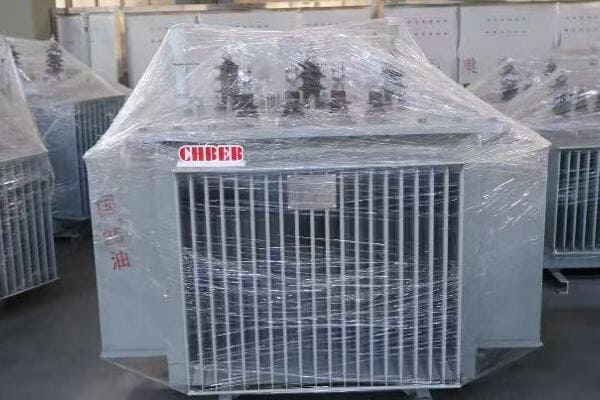
Analyzing Lifespan and Long-Term Performance of Oil and Cast Resin Transformers
Let’s explore the factors affecting the longevity and performance of both transformer types:
Oil-Immersed Transformers: Longevity Factors
Key considerations:
- Oil quality and regular maintenance
- Overload capacity and cooling efficiency
- Environmental factors affecting oil degradation
I once conducted a long-term study of transformer performance in a large utility network. We found that well-maintained oil-filled transformers consistently outlasted their expected lifespan, with some units operating efficiently for over 40 years. This longevity was largely attributed to rigorous maintenance schedules and oil quality management.
Cast Resin Transformers: Long-Term Performance Aspects
Factors affecting lifespan:
- Insulation degradation over time
- Environmental stressors (humidity, pollution)
- Load profile and thermal cycling
Comparative Long-Term Analysis
Here’s a detailed comparison of long-term performance factors:
| Aspect | Oil-Immersed | Cast Resin |
|---|---|---|
| Average Lifespan | 25-35 years | 20-25 years |
| Overload Capacity | Higher | Lower |
| Performance in Varying Loads | Excellent | Good |
| Aging Factors | Oil degradation, moisture | Insulation breakdown, environmental stress |
| Long-Term Efficiency | Maintains well | Slight decrease over time |
| End-of-Life Options | Refurbishment possible | Typically full replacement |
In my experience, the long-term performance of transformers often depends on their application and environment. I recall a project for a chemical plant where cast resin transformers were chosen despite their shorter theoretical lifespan. The corrosive atmosphere would have degraded oil-filled units faster, making the sealed nature of cast resin transformers more suitable for maintaining long-term performance in this specific environment.
The impact of load profile on transformer lifespan is significant. Through various industrial projects, I’ve observed that oil-filled transformers generally handle fluctuating loads and overloads better over time. This characteristic makes them particularly suitable for applications with variable power demands or potential for future load growth.
Environmental factors play a crucial role in long-term performance. In a coastal project I consulted on, we found that cast resin transformers maintained their performance better in the salt-laden air compared to oil-filled units, which required more frequent maintenance to prevent corrosion-related issues.
The ability to refurbish and extend the life of transformers is an important consideration. I’ve been involved in several projects where aging oil-filled transformers were successfully refurbished, extending their operational life by 10-15 years. This option is generally not available for cast resin units, which typically require full replacement at the end of their life.
Thermal cycling and its impact on insulation life is a critical factor, especially for cast resin transformers. In a recent data center project, we implemented advanced thermal management systems for cast resin units to minimize the effects of load-induced thermal cycling, thereby extending their effective lifespan closer to that of oil-filled alternatives.
The trend towards smart grid technologies is influencing how we evaluate long-term performance. I’m currently working on a project integrating IoT sensors in both oil and cast resin transformers. This real-time monitoring allows for more accurate prediction of remaining life and optimization of maintenance schedules, potentially extending the operational life of both types.
Lastly, the evolving regulatory landscape regarding environmental and safety standards is impacting long-term planning for transformer installations. In some regions, stricter regulations on oil handling are making the shorter lifespan of cast resin transformers more acceptable when balanced against reduced environmental risks and simpler compliance requirements.
When considering the lifespan and long-term performance of transformers, it’s clear that both oil-immersed and cast resin types have their strengths. Oil-filled transformers generally offer longer lifespans and better long-term performance, especially in grid applications and environments with varying loads. Cast resin transformers, while typically having a shorter lifespan, can be the better choice for specific environments where their sealed nature provides an advantage. The key to maximizing the lifespan and performance of either type lies in proper selection based on the specific application, environment, and load profile, coupled with appropriate maintenance practices. Remember, the transformer with the longest theoretical lifespan isn’t always the best choice – it’s about finding the right balance between longevity, performance, and suitability for your specific operational context.
Frequently Asked Questions
Q1: Which is better for indoor use—oil or cast resin?
A: Cast resin is safer and cleaner for indoor or public spaces due to its non-flammable, sealed design.
Q2: Do oil transformers last longer than cast resin?
A: Yes, oil transformers generally last longer when well-maintained, but require more routine care.
Q3: Which type is more eco-friendly?
A: Cast resin has no oil leakage risk, but oil units are easier to recycle. Both can meet RoHS and REACH standards if properly designed.
Conclusion
Choosing between oil and cast resin transformers involves balancing factors like cooling efficiency, environmental reliability, safety, total cost, and lifespan. Oil types excel in cooling and longevity, while cast resin offers better safety and simpler maintenance. The best choice depends on your specific application, environment, and long-term operational needs.
💬 Still not sure which type fits your project?
📩 Contact our technical team for a free transformer recommendation or customized quotation.