

Are you concerned about the environmental impact of your power distribution system? You’re not alone. Many engineers and facility managers are seeking greener alternatives to traditional oil-filled transformers. But what if there was a solution that could significantly reduce environmental risks while enhancing safety and compliance?
Dry-type transformers offer key environmental benefits by eliminating oil, reducing fire risks, and meeting green compliance standards like RoHS and REACH. Their design supports safer indoor use, lowers maintenance impact, and aligns with LEED and sustainable infrastructure goals.
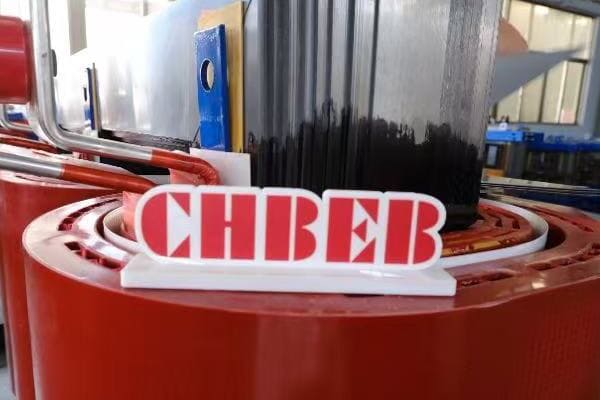
In this comprehensive guide, I’ll walk you through the environmental advantages of dry type transformers. From their inherently greener design to their role in sustainable building projects, you’ll discover why these transformers are becoming the go-to choice for environmentally conscious power distribution solutions.
Why Dry Type Transformers Are Greener by Design?
Have you ever wondered why dry type transformers are considered more environmentally friendly than their oil-filled counterparts? The answer lies in their fundamental design. But what specific features make them a greener choice for modern power distribution needs?
Dry type transformers are inherently greener due to their oil-free design. This eliminates the risk of oil leaks or spills, removes the need for oil handling and disposal, and significantly reduces the environmental footprint during operation. Their design also makes them safer for indoor and high-density urban areas.
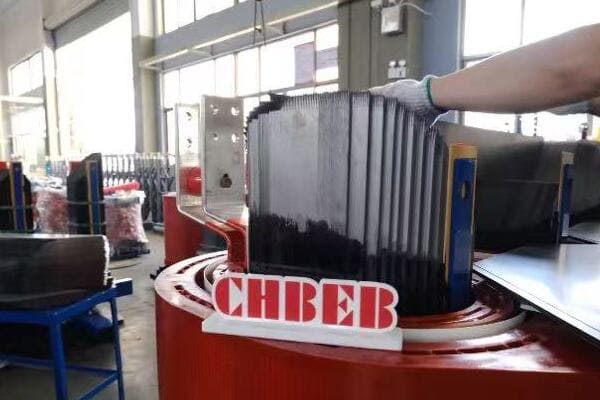
Key Environmental Advantages of Dry Type Transformers
Let’s explore the green features of dry type transformers:
- No risk of oil leaks or spills
- No need for oil handling, storage, or disposal
- Lower environmental footprint during operation
- Safer for indoor and high-density areas
Elimination of Oil-Related Risks
The absence of oil in dry type transformers is a game-changer for environmental safety:
- Zero risk of soil or water contamination from oil leaks
- No need for costly oil containment systems
- Reduced fire hazard and associated environmental risks
I once worked on a project replacing oil-filled transformers in an environmentally sensitive area near a water source. The switch to dry type units eliminated the constant worry about potential oil spills and their devastating environmental impact.
Simplified Maintenance and Reduced Waste
Dry type transformers offer significant environmental benefits through their maintenance profile:
- No oil testing or replacement required
- Reduced waste generation throughout the transformer’s lifecycle
- Lower risk of contamination during maintenance procedures
In a recent industrial project, we calculated that switching to dry type transformers would eliminate the need to dispose of thousands of liters of transformer oil over the equipment’s lifetime, significantly reducing the facility’s environmental footprint.
Enhanced Safety in Urban Environments
The design of dry type transformers makes them ideal for densely populated areas:
- Reduced fire load in buildings
- No oil smoke or fumes in case of failure
- Safer installation in multi-story buildings and underground facilities
I recall a project for a high-rise office building where the use of dry type transformers allowed for safer, more flexible installation options, reducing the overall environmental impact of the building’s power infrastructure.
Lower Carbon Footprint in Manufacturing and Transportation
The production and transportation of dry type transformers often have a lower environmental impact:
- No need for oil production and transportation
- Generally lighter weight, reducing transportation emissions
- Simpler manufacturing process with fewer environmentally sensitive materials
Here’s a quick comparison of environmental aspects:
| Aspect | Dry Type Transformer | Oil-Filled Transformer |
|---|---|---|
| Oil Spill Risk | None | Present |
| Maintenance Waste | Minimal | Significant (oil disposal) |
| Fire Safety | High | Moderate |
| Urban Suitability | Excellent | Limited |
| Manufacturing Impact | Lower | Higher |
By choosing dry type transformers, you’re not just selecting a piece of equipment; you’re making a decision that positively impacts the environment throughout the transformer’s entire lifecycle. From manufacturing to installation, operation, and eventual decommissioning, dry type transformers offer a greener alternative at every stage.
Fire Safety Advantages: F1 and Self-Extinguishing Materials?
Are you worried about fire risks associated with electrical equipment in your facility? You’re not alone. Fire safety is a top concern for many building managers and engineers. But did you know that dry type transformers offer significant fire safety advantages over traditional oil-filled units?
Dry type transformers excel in fire safety due to their F1 class insulation and self-extinguishing materials. The absence of flammable oil significantly reduces fire load, making them compliant with strict NFPA and IEC fire zone restrictions. This makes them ideal for hospitals, schools, and high-rise buildings where fire safety is paramount.
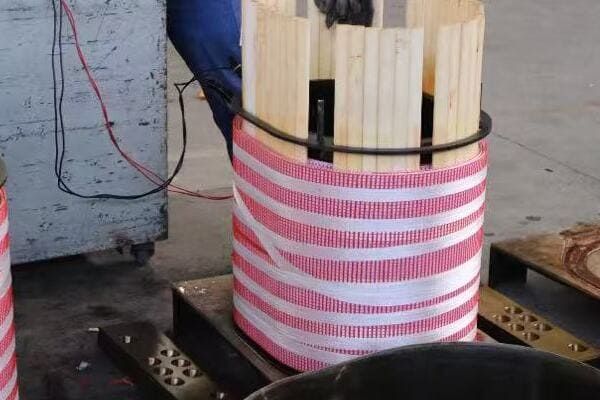
Key Fire Safety Features of Dry Type Transformers
Let’s explore the fire safety advantages in detail:
- F1 class insulation (IEC 60076-11)
- Self-extinguishing resin (halogen-free)
- No flammable oil = lower fire load
- Compliant with NFPA / IEC fire zone restrictions
F1 Class Insulation: The Gold Standard in Fire Safety
F1 class insulation is a game-changer for transformer fire safety:
- Highest fire safety classification for transformers
- Limited combustibility and flame propagation
- Minimal emission of toxic gases in case of fire
I once worked on a hospital renovation project where F1 class dry type transformers were essential. Their superior fire safety characteristics not only met stringent regulations but also provided peace of mind for the hospital administration, knowing that patient safety was enhanced.
Self-Extinguishing Materials: Active Fire Prevention
The use of self-extinguishing resins adds an extra layer of fire protection:
- Actively resists flame spread
- Halogen-free composition reduces toxic emissions
- Contributes to overall building fire safety
In a recent data center project, we chose dry type transformers with self-extinguishing resins. This decision was crucial in meeting the client’s strict fire safety requirements and insurance standards for critical infrastructure.
Reduced Fire Load: A Safer Building Environment
The absence of oil significantly reduces the fire load in buildings:
- No risk of oil-fueled fires
- Lower overall fire risk for the facility
- Simplified fire protection systems in transformer rooms
I recall a high-rise office project where using dry type transformers allowed us to place electrical rooms on higher floors. This was possible due to the reduced fire load, offering more flexible building design options while maintaining stringent safety standards.
Compliance with Fire Zone Restrictions
Dry type transformers easily meet strict fire safety regulations:
- Compliant with NFPA 70 requirements for indoor installations
- Meet IEC standards for fire-resistant electrical equipment
- Ideal for use in designated fire zones within buildings
Here’s a comparison of fire safety aspects:
| Aspect | Dry Type (F1 Class) | Oil-Filled Transformer |
|---|---|---|
| Fire Resistance | High | Moderate |
| Toxic Emissions | Minimal | Potentially High |
| Fire Load | Low | High |
| Indoor Use Safety | Excellent | Limited |
| Compliance with Fire Codes | Easy | Often Challenging |
By choosing F1 class dry type transformers with self-extinguishing materials, you’re not just buying a transformer; you’re investing in the safety of your facility and its occupants. These transformers provide a level of fire safety that is unmatched by traditional oil-filled units, making them the preferred choice for environments where safety cannot be compromised.
RoHS, REACH, and Other Green Compliance Standards?
Are you struggling to navigate the complex world of environmental compliance for your electrical equipment? You’re not alone. Many professionals find it challenging to keep up with evolving green standards. But what if your transformer choice could simplify this process and ensure you’re meeting all necessary environmental regulations?
Dry type transformers are designed to meet stringent environmental standards including RoHS and REACH. They typically use compliant materials free from restricted substances like lead, mercury, and cadmium. Many are manufactured in ISO 14001 certified facilities, ensuring environmental management best practices throughout production.
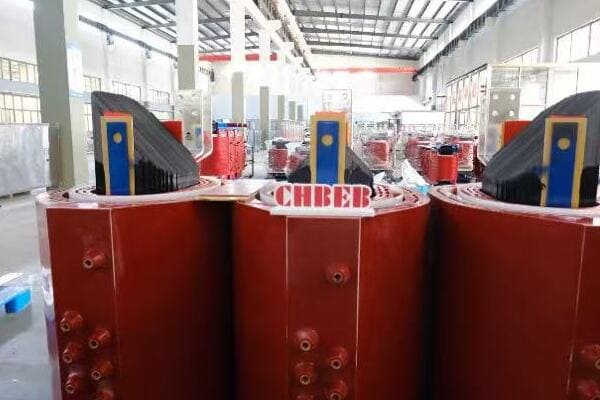
Green Compliance Checklist for Dry Type Transformers
When selecting a dry type transformer, look for these key compliance features:
✅ RoHS-compliant (no lead, mercury, cadmium, etc.)
✅ REACH-compliant materials
✅ Halogen-free insulation system
✅ UL / CE / ISO 14001 certified manufacturing
RoHS Compliance: Eliminating Hazardous Substances
RoHS (Restriction of Hazardous Substances) compliance is crucial for environmental safety:
- Ensures the transformer is free from restricted substances
- Reduces environmental impact during manufacturing and disposal
- Supports global efforts to reduce electronic waste
I once worked on a project exporting transformers to the European Union. RoHS compliance was non-negotiable, and our dry type units easily met these stringent requirements, simplifying the export process and ensuring market access.
REACH Compliance: Safe Chemical Management
REACH (Registration, Evaluation, Authorization and Restriction of Chemicals) compliance demonstrates responsible chemical use:
- Ensures safe use of chemicals in transformer production
- Provides transparency about substances used
- Supports long-term environmental and health protection
In a recent project for a multinational corporation, REACH compliance was a key factor in their supplier selection process. Our ability to provide fully compliant dry type transformers was a significant advantage in securing the contract.
Halogen-Free Insulation: A Cleaner, Safer Choice
Halogen-free insulation systems offer environmental and safety benefits:
- Reduced toxic emissions in case of fire
- Lower environmental impact during production and disposal
- Improved air quality in indoor installations
I recall a data center project where the client specifically requested halogen-free transformers to align with their strict environmental policies. This choice not only met their green requirements but also enhanced the overall safety of their facility.
Certified Manufacturing Processes
Transformers produced in certified facilities ensure environmental best practices:
- ISO 14001 certification guarantees environmental management standards
- UL and CE certifications often include environmental considerations
- Demonstrates commitment to sustainable manufacturing practices
Here’s a comparison of environmental compliance aspects:
| Compliance Aspect | Typical Dry Type Transformer | Traditional Oil-Filled Transformer |
|---|---|---|
| RoHS Compliance | Fully Compliant | May Require Special Versions |
| REACH Compliance | Generally Compliant | Varies |
| Halogen-Free | Often Standard | Rarely Available |
| Certified Manufacturing | Common (ISO 14001) | Varies |
By choosing dry type transformers that meet these green compliance standards, you’re not just purchasing equipment; you’re making a statement about your commitment to environmental responsibility. These transformers help you meet regulatory requirements, support sustainable practices, and contribute to a cleaner, safer environment for all.
Ideal for Green Buildings and LEED Projects?
Are you involved in green building projects or aiming for LEED certification? You might be wondering how your choice of electrical equipment can contribute to these goals. What if I told you that the right transformer selection could significantly boost your project’s green credentials?
Dry type transformers are ideal for green buildings and LEED projects due to their energy efficiency, reduced environmental impact, and safety features. They contribute to LEED credits in Energy & Atmosphere categories, support indoor air quality targets, and improve overall building energy performance ratings.
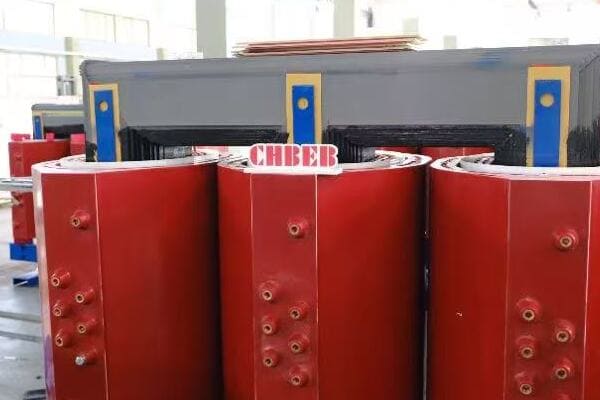
How Dry Type Transformers Support Green Building Initiatives
Let’s explore how these transformers fit into various green building scenarios:
| Project Type | Transformer Feature | Green Certification Support |
|---|---|---|
| LEED Building | Low-loss + no oil | Contributes to Energy & Atmosphere credits |
| Hospital | Fire safe, no emissions | Supports indoor air quality targets |
| Data Center | High-efficiency + compact | Improves energy performance ratings |
LEED Buildings: Boosting Energy & Atmosphere Credits
Dry type transformers can significantly contribute to LEED certification:
- Energy efficiency reduces overall building power consumption
- No-oil design aligns with sustainable site development goals
- Low electromagnetic emissions support healthy indoor environments
I recently worked on a LEED Gold office building project where the use of high-efficiency dry type transformers directly contributed to achieving additional points in the Energy & Atmosphere category. This helped push the project from Silver to Gold certification status.
Hospitals: Enhancing Safety and Air Quality
In healthcare settings, dry type transformers offer unique advantages:
- Fire safety features crucial for patient areas
- No oil means no risk of contamination
- Low noise operation supports healing environments
During a major hospital expansion project, we implemented dry type transformers throughout the facility. This choice not only met strict safety regulations but also supported the hospital’s goals for improved indoor air quality and patient comfort.
Data Centers: Maximizing Efficiency and Reliability
For data centers, dry type transformers provide essential benefits:
- High efficiency reduces overall energy costs
- Compact design allows for better space utilization
- Improved reliability with lower maintenance needs
In a recent hyperscale data center project, the use of advanced dry type transformers played a crucial role in achieving the facility’s aggressive power usage effectiveness (PUE) targets, directly impacting its green certification level.
Green Building Performance Metrics
Here’s how dry type transformers can impact various green building metrics:
- Energy Efficiency: Can reduce losses by up to 60% compared to standard units
- Indoor Environmental Quality: Zero emissions contribute to better air quality
- Innovation in Design: Advanced models can serve as showcase green technology
- Sustainable Sites: No oil eliminates risks of soil or water contamination
Consider this comparison for green building applications:
| Aspect | Dry Type Transformer | Oil-Filled Alternative |
|---|---|---|
| LEED Credit Potential | High | Limited |
| Indoor Air Quality Impact | Positive | Potential Concern |
| Energy Efficiency | Very High | Moderate to High |
| Safety in Green Spaces | Excellent | Good |
| Lifecycle Environmental Impact | Low | Moderate |
By choosing dry type transformers for your green building or LEED project, you’re not just selecting a piece of equipment; you’re making a strategic decision that aligns with and enhances your overall sustainability goals. These transformers offer a perfect blend of efficiency, safety, and environmental responsibility, making them an ideal choice for projects where green credentials are a priority.
Reduced Maintenance = Lower Environmental Impact?
Have you ever considered how equipment maintenance affects your facility’s environmental footprint? Many overlook this aspect, but it’s a crucial factor in long-term sustainability. So, how can the choice of a transformer impact your maintenance needs and, by extension, your environmental impact?
Dry type transformers significantly reduce maintenance requirements compared to oil-filled units. This translates to lower environmental impact through reduced waste generation, eliminated risk of oil contamination, and a longer service life. The simplicity of their maintenance regime also means fewer resources are needed over the transformer’s lifecycle.
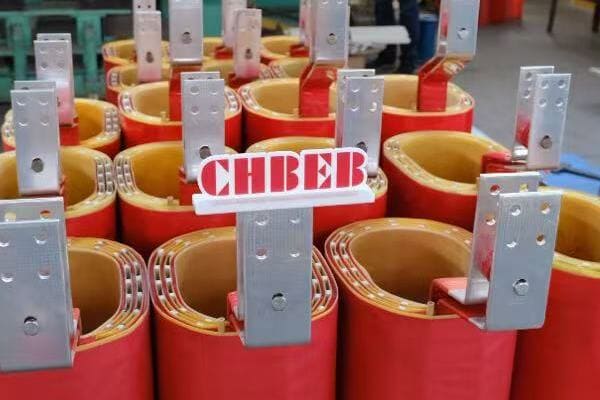
Key Environmental Benefits of Reduced Maintenance
Let’s explore how the low-maintenance nature of dry type transformers contributes to environmental protection:
- No oil testing or replacement
- No risk of oil contamination
- No need for containment pits
- Long service life reduces waste generation
Elimination of Oil-Related Maintenance
The absence of oil in dry type transformers removes several maintenance-related environmental risks:
- No periodic oil testing or filtration required
- Eliminates the need for oil disposal and replacement
- Reduces the risk of spills during maintenance procedures
I recall a project where we replaced oil-filled transformers with dry types in a water treatment facility. The elimination of oil-related maintenance not only reduced costs but also removed the constant worry about potential contamination of the water supply.
Simplified Inspection and Cleaning Procedures
Dry type transformers require minimal maintenance:
- Simple visual inspections are often sufficient
- Occasional cleaning with compressed air or vacuum
- No need for specialized oil handling equipment
In a recent data center project, the simplified maintenance of dry type transformers was a key factor in their selection. This not only reduced the environmental impact of maintenance activities but also minimized the risk of human error during servicing.
Extended Service Life and Reduced Waste
The durability of dry type transformers contributes to waste reduction:
- Typical lifespan of 20-30 years, often longer than oil-filled units
- Fewer replacements mean less manufacturing and disposal waste
- Many components are recyclable at end-of-life
I worked on an industrial facility upgrade where we calculated the lifecycle impact of switching to dry type transformers. The reduced need for replacements and maintenance over a 25-year period resulted in a significant reduction in waste generation and resource consumption.
Environmental Impact of Maintenance Activities
Consider these environmental aspects of transformer maintenance:
| Aspect | Dry Type Transformer | Oil-Filled Transformer |
|---|---|---|
| Waste Generation | Minimal | Significant (oil, filters) |
| Contamination Risk | Very Low | Moderate to High |
| Resource Consumption | Low | Higher (oil, parts) |
| Frequency of Intervention | Low | Regular |
| End-of-Life Disposal | Simpler, More Recyclable | Complex, Potential Hazardous Waste |
Case Study: Long-Term Environmental Impact
In a recent project for a large commercial complex, we conducted a 20-year environmental impact assessment comparing dry type and oil-filled transformers. Here are some key findings:
- Waste Reduction: The dry type option generated 95% less maintenance-related waste over its lifetime.
- Carbon Footprint: Reduced maintenance activities led to a 30% lower carbon footprint from service-related travel and operations.
- Water Protection: Elimination of oil removed the risk of water contamination, a critical factor for the nearby wetland ecosystem.
This study clearly demonstrated the long-term environmental benefits of choosing low-maintenance dry type transformers.
By opting for dry type transformers, you’re not just simplifying your maintenance routine; you’re making a choice that has far-reaching positive impacts on the environment. From reduced waste generation to lower risk of contamination, the benefits accumulate over the transformer’s entire lifecycle, contributing significantly to your facility’s overall environmental performance.
A Sustainable Choice for the Future of Power Distribution?
Are you wondering how your transformer choices today will impact the future of power distribution? As we move towards a more sustainable world, it’s crucial to consider how our infrastructure decisions align with long-term environmental goals. But how exactly do dry type transformers fit into this vision of a greener future?
Dry type transformers represent a sustainable choice for future power distribution needs. They align with global decarbonization goals, integrate well with renewable energy infrastructure, and are increasingly preferred in urban planning and ESG-driven procurement. Their eco-friendly design makes them ideal for the evolving landscape of sustainable power systems.
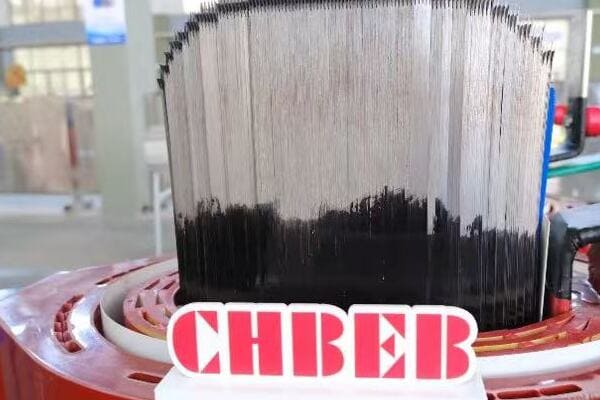
Key Aspects of Dry Type Transformers in Future Sustainability
Let’s explore how dry type transformers contribute to sustainable power distribution:
Alignment with Global Decarbonization Goals
Dry type transformers support the transition to a low-carbon economy:
- Higher efficiency reduces overall energy consumption and related emissions
- No oil means no risk of greenhouse gas emissions from leaks or disposal
- Longer lifespan reduces the carbon footprint associated with manufacturing and replacement
I recently consulted on a city-wide energy upgrade project where the switch to high-efficiency dry type transformers was projected to reduce the city’s carbon emissions by thousands of tons annually, directly contributing to their climate action plan.
Integration with Renewable Energy Infrastructure
These transformers are well-suited for renewable energy systems:
- Can handle the variable loads typical of solar and wind power
- Compact design ideal for offshore wind platforms and solar farms
- Environmental safety crucial for remote or sensitive installation sites
In a large-scale solar farm project, we implemented dry type transformers specifically designed for renewable applications. Their ability to handle fluctuating loads and withstand outdoor conditions was crucial for the project’s success and long-term sustainability.
Urban Planning and Smart City Initiatives
Dry type transformers are becoming a preferred choice in urban development:
- Safer for high-density areas due to reduced fire risk
- Lower noise levels suitable for residential and mixed-use zones
- Compact design allows for more flexible urban substation planning
During a recent smart city planning initiative, the use of dry type transformers allowed for more integrated power distribution within the urban landscape. Their safety and compact nature enabled innovative designs that blended substations seamlessly into the cityscape.
ESG-Driven Procurement Trends
Environmental, Social, and Governance (ESG) considerations are driving transformer choices:
- No-oil design aligns with environmental protection goals
- Improved safety features support social responsibility aspects
- Transparency in materials and manufacturing supports governance objectives
I’ve observed a growing trend among corporate clients where ESG factors are becoming primary drivers in equipment selection. In several recent projects, the environmental benefits of dry type transformers were key in meeting the clients’ sustainability reporting requirements.
Public Sector Leadership
Government and public institutions are increasingly mandating eco-friendly options:
- Many public projects now require "non-oil" electrical equipment
- Educational institutions leading in adopting sustainable technologies
- Healthcare facilities prioritizing patient and environmental safety
In a recent government infrastructure project, the specification explicitly called for dry type transformers as part of their commitment to sustainable and safe public facilities.
Here’s a comparison of how dry type transformers align with future sustainability trends:
| Sustainability Aspect | Dry Type Transformer | Traditional Oil-Filled |
|---|---|---|
| Carbon Footprint | Lower | Higher |
| Renewable Energy Compatibility | Excellent | Good |
| Urban Integration | Highly Suitable | Challenging |
| ESG Alignment | Strong | Moderate |
| Future-Proofing | High | Moderate |
By choosing dry type transformers, you’re not just making a decision for today; you’re investing in a sustainable future for power distribution. These transformers represent a forward-thinking approach that aligns with global environmental goals, adapts to the changing landscape of energy generation, and meets the evolving demands of urban development and corporate responsibility.
As we look to the future, the role of dry type transformers in creating a more sustainable and resilient power infrastructure becomes increasingly clear. Their environmental benefits, safety features, and adaptability make them an ideal choice for those looking to build power systems that will stand the test of time while minimizing environmental impact.
Conclusion
Dry type transformers offer significant environmental benefits through their oil-free design, enhanced fire safety, and compliance with green standards. They reduce maintenance-related environmental impacts and align with sustainable building practices. As we move towards a greener future in power distribution, dry type transformers stand out as a responsible and forward-thinking choice.
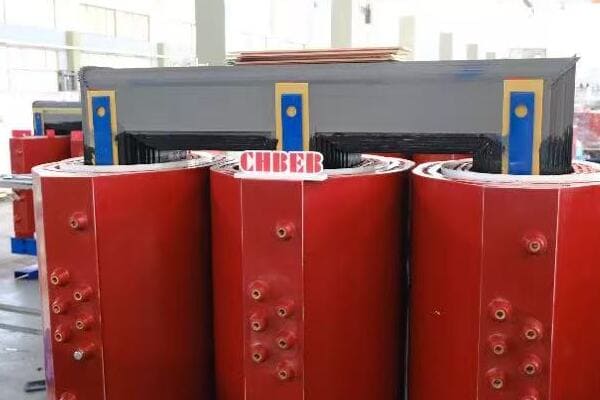
Are you struggling to choose the perfect dry type transformer for your project? You’re not alone. Many engineers and project managers find themselves overwhelmed by the myriad of options available. But what if you could easily navigate this complex decision-making process?
Selecting the right dry type transformer involves understanding your application environment, considering key parameters like power rating and efficiency, matching transformer types to project categories, ensuring compliance with safety standards, and balancing budget constraints with performance needs. This guide provides a step-by-step approach to help you make an informed decision.
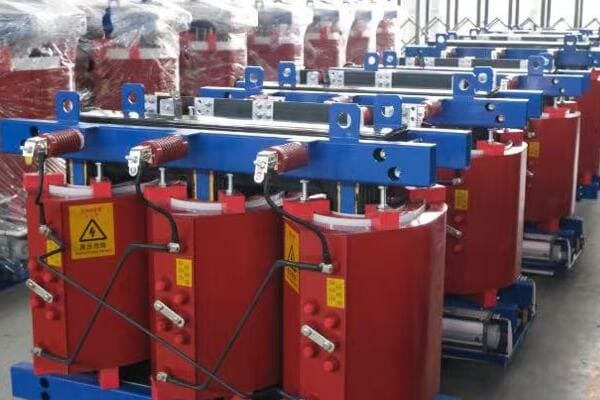
In this comprehensive guide, I’ll walk you through the essential factors to consider when selecting a dry type transformer for industrial, commercial, or renewable energy projects. Whether you’re designing a new electrical system or upgrading an existing one, this article will equip you with the knowledge to make the best choice for your specific needs.
Understand Your Application Environment
Have you ever wondered why some transformers fail prematurely in certain environments? The answer often lies in mismatching the transformer to its application environment. But how can you ensure you’re choosing a transformer that will thrive in your specific conditions?
Understanding your application environment is crucial for selecting the right dry type transformer. Key factors include indoor vs outdoor installation, ambient temperature and humidity levels, and load variability. These conditions significantly impact transformer performance, lifespan, and maintenance requirements.
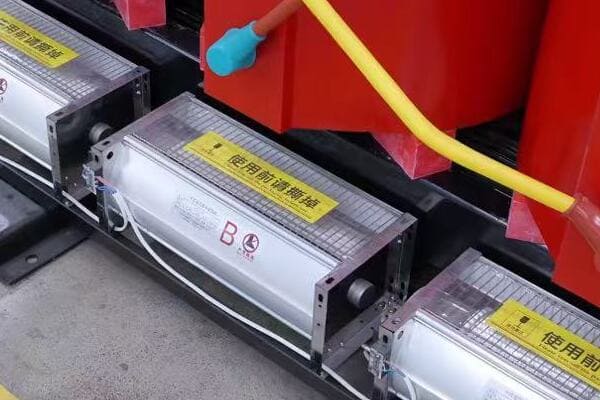
Diving Deeper into Application Environments
Let’s explore the key aspects of application environments that influence transformer selection:
Indoor vs Outdoor Installations
The location of your transformer plays a crucial role in its design and protection requirements:
- Indoor installations: Often require less environmental protection but may need enhanced fire safety features.
- Outdoor installations: Need robust protection against weather, UV radiation, and potential physical damage.
I once worked on a project where an indoor-rated transformer was mistakenly installed outdoors. Within months, we saw significant degradation due to moisture ingress. This experience underscored the importance of matching the transformer’s environmental rating to its actual installation location.
Ambient Temperature and Humidity Levels
Temperature and humidity can significantly impact transformer performance and lifespan:
- High temperatures: Can accelerate insulation aging and reduce efficiency.
- High humidity: Increases the risk of partial discharges and insulation breakdown.
In a recent project in a tropical climate, we opted for a transformer with enhanced cooling and specially treated insulation to withstand the high heat and humidity. This choice resulted in significantly improved performance and reliability compared to standard models.
Load Variability and Peak Demand
Understanding your load profile is essential for proper transformer sizing:
- Stable loads: Allow for more precise sizing and potentially smaller transformers.
- Variable loads: May require oversizing or special designs to handle peak demands.
I recall a renewable energy project where the highly variable load from wind turbines initially caused overheating in standard transformers. By implementing transformers with advanced cooling systems and higher short-term overload capacity, we were able to resolve the issue and optimize the system’s performance.
Here’s a quick reference table for environmental considerations:
| Environment Factor | Impact on Transformer Selection |
|---|---|
| Indoor Installation | Focus on fire safety, noise reduction |
| Outdoor Installation | Emphasis on weather protection, UV resistance |
| High Temperature | Need for enhanced cooling systems |
| High Humidity | Requires moisture-resistant insulation |
| Variable Load | May need oversizing or special designs |
Understanding these environmental factors is the first step in selecting the right dry type transformer. By carefully considering your specific application environment, you can ensure that the transformer you choose will operate efficiently, safely, and reliably throughout its intended lifespan. Remember, a transformer that’s perfectly suited for one environment may fail prematurely in another, so taking the time to assess these factors thoroughly is crucial for the success of your project.
Key Selection Parameters for Dry Type Transformers
Are you finding it challenging to navigate the technical specifications of dry type transformers? You’re not alone. Many professionals struggle to identify which parameters are truly critical for their projects. But what if you had a clear guide to the most important factors to consider?
Key selection parameters for dry type transformers include rated power and voltage class, impedance and efficiency, cooling method, fire safety class, and physical dimensions. Understanding these factors is crucial for choosing a transformer that meets your project’s specific requirements and ensures optimal performance and safety.

Essential Parameters for Transformer Selection
Let’s break down the critical factors you need to consider:
- Rated power & voltage class
- Impedance and efficiency
- Cooling method (AN / AF / ANAF)
- Fire safety class (F1 / E2 / C2)
- Mounting & footprint size
Rated Power and Voltage Class
The rated power (kVA) and voltage class are fundamental specifications:
- Rated power: Determines the transformer’s capacity to handle your load.
- Voltage class: Must match your system’s primary and secondary voltage requirements.
I once consulted on a project where the client initially underestimated their power needs. By carefully analyzing their future expansion plans, we were able to recommend a higher-rated transformer that accommodated their growth without requiring a costly upgrade later.
Impedance and Efficiency
These factors affect system performance and operating costs:
- Impedance: Influences fault current levels and voltage regulation.
- Efficiency: Directly impacts energy costs over the transformer’s lifetime.
In a recent industrial project, we opted for a slightly more expensive but higher efficiency transformer. The energy savings over just five years more than justified the initial cost difference, highlighting the importance of considering long-term operational costs.
Cooling Method
The cooling method affects the transformer’s capacity and installation requirements:
- AN (Air Natural): Simplest, but limited capacity.
- AF (Air Forced): Higher capacity, but requires fan maintenance.
- ANAF (Air Natural Air Forced): Flexible for varying loads.
For a data center project with variable loads, we chose an ANAF system. This allowed for efficient operation during low-load periods while providing extra cooling capacity during peak times.
Fire Safety Class
Critical for indoor installations and sensitive environments:
- F1: Limited flammability
- E2: Environmental hazard containment
- C2: Climatic hazard protection
In a hospital renovation project, selecting a transformer with F1 and E2 classifications was crucial for meeting strict safety regulations and ensuring patient safety.
Mounting and Footprint Size
Physical dimensions can be a critical factor, especially in retrofit projects:
- Consider available space and access for installation and maintenance.
- Factor in ventilation requirements based on the cooling method.
I recall a challenging urban substation upgrade where space was at a premium. By selecting a compact cast resin transformer with optimized cooling, we were able to increase capacity without expanding the existing transformer vault.
Here’s a quick reference table for these key parameters:
| Parameter | Importance | Considerations |
|---|---|---|
| Rated Power | Critical | Current and future load requirements |
| Voltage Class | Critical | Must match system voltages |
| Impedance | Important | Affects system fault levels |
| Efficiency | High | Impacts long-term operating costs |
| Cooling Method | Important | Affects capacity and maintenance needs |
| Fire Safety | Critical for indoor | Regulatory and safety requirements |
| Size | Varies | Installation space constraints |
By carefully considering these key parameters, you can ensure that the dry type transformer you select not only meets your current needs but also provides the flexibility and efficiency required for long-term success. Remember, the goal is to balance these factors to find the optimal solution for your specific project requirements.
Matching Transformer Types to Project Categories
Are you unsure which type of dry transformer is best suited for your specific project? You’re not alone. Many professionals find it challenging to match transformer types to different project categories. But what if you had a clear guide to help you make the right choice for your industrial, commercial, or renewable energy project?
Different project categories require specific transformer types. Industrial plants often need cast resin transformers with AF cooling for high loads and ambient heat. Commercial buildings benefit from AN cooling for silent operation. Renewable energy stations require ANAF or ANCF types to handle variable loads and outdoor conditions.
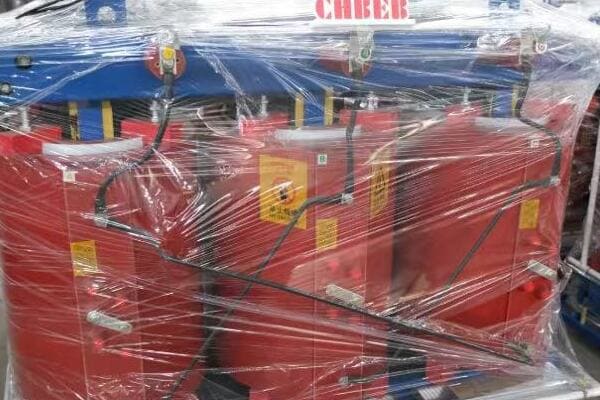
Detailed Transformer Type Recommendations
Let’s explore the best transformer types for various project categories:
| Project Type | Recommended Type | Key Feature |
|---|---|---|
| Industrial Plant | Cast Resin, AF Cooling | Handles high loads & ambient heat |
| Commercial Building | AN Cooling, Low Noise | Silent & maintenance-friendly |
| Renewable Station | ANAF / ANCF | Variable load, outdoor protection |
Industrial Plant Applications
For industrial environments, cast resin transformers with AF (Air Forced) cooling are often the best choice:
- High load capacity: Suitable for heavy industrial machinery.
- Ambient heat tolerance: Can withstand high temperatures common in industrial settings.
- Durability: Resistant to industrial pollutants and vibrations.
I once worked on a steel mill project where we implemented cast resin transformers with enhanced AF cooling. This choice allowed for reliable operation in the high-heat, dusty environment, significantly reducing downtime compared to their previous oil-filled units.
Commercial Building Applications
In commercial settings, AN (Air Natural) cooling with a focus on low noise is typically preferred:
- Silent operation: Crucial for office environments and public spaces.
- Low maintenance: Ideal for buildings with limited technical staff.
- Fire safety: Often comes with higher fire resistance ratings.
For a recent high-rise office project, we selected low-noise AN cooled transformers. The absence of cooling fans not only reduced noise but also simplified maintenance, a key factor for the building management team.
Renewable Energy Station Applications
Renewable energy projects often benefit from ANAF (Air Natural Air Forced) or ANCF (Air Natural Closed Forced) systems:
- Variable load handling: Adapts to fluctuating power generation.
- Outdoor protection: Designed to withstand diverse weather conditions.
- Efficiency: Optimized for the unique demands of renewable energy systems.
In a large solar farm project, we implemented ANAF transformers. Their ability to switch between natural and forced air cooling based on load allowed for efficient operation during both peak sunlight hours and lower generation periods.
Additional Considerations
When matching transformer types to projects, also consider:
- Future expansion: Choose a type that allows for potential load increases.
- Environmental factors: Consider local climate and pollution levels.
- Regulatory requirements: Ensure compliance with local and industry standards.
Here’s a more detailed comparison table:
| Feature | Industrial | Commercial | Renewable |
|---|---|---|---|
| Typical Load | High, consistent | Moderate, cyclical | Variable |
| Environment | Harsh, hot | Clean, controlled | Outdoor, variable |
| Noise Tolerance | Moderate | Low | High |
| Maintenance | Regular | Minimal | Periodic |
| Key Priority | Reliability | Quiet operation | Adaptability |
By carefully matching transformer types to your specific project category, you can ensure optimal performance, efficiency, and longevity of your electrical system. Remember, while these guidelines are generally applicable, each project has unique characteristics that may influence the final choice. Always consider your specific requirements and consult with experts when making your selection.
Certification and Safety Compliance Checklist
Are you concerned about ensuring your dry type transformer meets all necessary safety and compliance standards? You’re not alone. Navigating the complex world of certifications and safety requirements can be daunting. But what if you had a simple checklist to ensure your transformer meets all the crucial standards?
Ensuring compliance with safety standards and certifications is crucial when selecting a dry type transformer. Key requirements include IEC 60076-11 compliance, CE/UL/ISO certification, RoHS and fire safety class adherence, and availability of type test reports. Meeting these standards ensures safety, reliability, and legal compliance of your transformer installation.
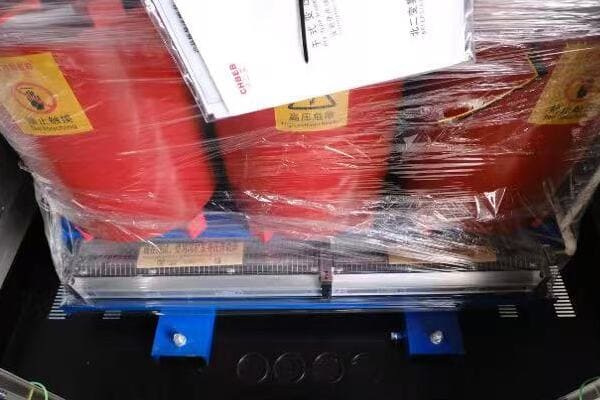
Essential Certification and Safety Checklist
Use this checklist to verify your transformer’s compliance:
✅ IEC 60076-11 compliance
✅ CE/UL/ISO certification
✅ RoHS & fire safety class
✅ Type test report availability
Let’s dive deeper into each of these critical compliance areas:
IEC 60076-11 Compliance
This international standard is specific to dry-type transformers:
- Covers design, testing, and application guidelines.
- Ensures global compatibility and quality standards.
I recall a project where a client initially considered a non-IEC compliant transformer to save costs. We demonstrated how IEC compliance not only ensured better quality but also simplified future maintenance and parts replacement, ultimately convincing them to choose a compliant model.
CE/UL/ISO Certification
These certifications are crucial for different markets and applications:
- CE: Essential for European markets, indicates compliance with EU health, safety, and environmental standards.
- UL: Important for North American markets, focuses on product safety.
- ISO: Demonstrates quality management in manufacturing processes.
In a recent global project, having transformers with both CE and UL certifications allowed for seamless deployment across multiple countries, saving time and reducing compliance headaches.
RoHS and Fire Safety Class
These standards address specific safety and environmental concerns:
- RoHS: Ensures the transformer is free from hazardous substances.
- Fire safety classes (e.g., F1, E2, C2): Indicate the transformer’s behavior under fire conditions.
For a data center project, selecting transformers with high fire safety class ratings was crucial. It not only met stringent building codes but also reduced insurance costs for the client.
Type Test Report Availability
Type test reports provide crucial performance and safety data:
- Verify the transformer’s performance under various conditions.
- Include tests for temperature rise, short circuit withstand, and noise levels.
I always advise clients to review these reports thoroughly. In one case, this careful review revealed that a transformer, while meeting basic specifications, wouldn’t perform optimally under the specific high-altitude conditions of the installation site, leading us to select a more suitable model.
Additional Compliance Considerations
Consider these additional factors for comprehensive compliance:
- Local regulations: Some regions may have specific requirements beyond international standards.
- Industry-specific standards: Certain industries (e.g., healthcare, military) may have additional compliance needs.
- Environmental certifications: Increasingly important for green building projects and corporate sustainability goals.
Here’s a quick reference table for compliance requirements:
| Compliance Area | Importance | Key Benefit |
|---|---|---|
| IEC 60076-11 | Critical | Ensures global quality standards |
| CE Certification | Essential for EU | Demonstrates EU safety compliance |
| UL Certification | Critical for NA | Indicates product safety for North America |
| ISO Certification | Important | Verifies quality manufacturing processes |
| RoHS Compliance | Environmental | Ensures absence of hazardous substances |
| Fire Safety Class | Safety Critical | Determines behavior under fire conditions |
| Type Test Reports | Verification | Provides performance and safety data |
By ensuring your chosen transformer meets these certification and safety compliance standards, you not only guarantee its quality and reliability but also protect your project from potential legal and safety issues. Remember, compliance isn’t just a box-ticking exercise – it’s a crucial step in ensuring the long-term success and safety of your transformer installation.
Budget vs Performance: How to Make the Tradeoff
Are you struggling to balance your budget constraints with the need for high-performance transformers? You’re not alone. Many project managers find themselves torn between cost-saving measures and ensuring optimal system performance. But what if you could find the sweet spot that offers the best value for your investment?
Balancing budget and performance in dry type transformer selection involves considering initial costs against lifecycle expenses, evaluating energy efficiency for long-term savings, assessing maintenance requirements, and weighing customization needs. The goal is to find a solution that offers the best total cost of ownership while meeting performance requirements.
Key Factors in the Budget-Performance Balance
Let’s explore the critical aspects to consider:
- Initial cost vs lifecycle cost
- Energy efficiency ROI
- Maintenance & spare parts availability
- Customization flexibility
Initial Cost vs Lifecycle Cost
While the upfront price is important, it’s crucial to consider the total cost of ownership:
- Initial cost: Includes purchase price and installation.
- Lifecycle cost: Encompasses energy consumption, maintenance, and potential replacements.
I once worked with a client who initially opted for the cheapest transformer option. However, after we conducted a 20-year lifecycle cost analysis, they realized that a more expensive, higher-efficiency model would actually save them money in the long run due to lower energy losses.
Energy Efficiency ROI
Investing in energy-efficient transformers can lead to significant long-term savings:
- Higher efficiency models cost more upfront but consume less energy over time.
- ROI calculation should consider local electricity rates and expected load profiles.
In a recent industrial project, we chose a transformer with 20% lower losses than the standard model. The extra cost was recovered in just 3 years through energy savings, with substantial benefits accruing over the transformer’s 25-year lifespan.#### Maintenance & Spare Parts Availability
Consider the long-term costs and implications of maintenance:
- Lower-cost transformers might require more frequent maintenance or have shorter lifespans.
- Availability and cost of spare parts can significantly impact long-term expenses.
I recall a project where a client chose a less common transformer model to save on initial costs. However, when a critical component failed, the long lead time for spare parts resulted in costly downtime that far exceeded the initial savings.
Customization Flexibility
Sometimes, paying more for a customized solution can be more cost-effective:
- Standard models might require expensive modifications to fit specific needs.
- Custom solutions can optimize performance for unique environments or load profiles.
In a recent renewable energy project, we opted for a slightly more expensive custom-designed transformer. This decision allowed for better integration with the variable load profile of wind turbines, ultimately improving overall system efficiency and reducing operational costs.
Making the Right Decision
To help you make an informed decision, consider the following steps:
-
Calculate Total Cost of Ownership (TCO):
- Include initial cost, energy losses, maintenance, and expected lifespan.
- Use this formula: TCO = Initial Cost + (Annual Energy Cost + Annual Maintenance Cost) × Expected Lifespan
-
Evaluate Energy Efficiency:
- Compare annual energy costs of different models.
- Consider future energy price trends in your calculations.
-
Assess Maintenance Requirements:
- Factor in the cost and frequency of required maintenance.
- Consider the availability and cost of spare parts.
-
Consider Future Needs:
- Will your load requirements change over time?
- Is there potential for system expansion?
-
Analyze Environmental Impact:
- More efficient transformers have a lower carbon footprint.
- Some regions offer incentives for energy-efficient choices.
Here’s a comparison table to help visualize the tradeoffs:
| Factor | Economy Model | Mid-Range Model | High-Performance Model |
|---|---|---|---|
| Initial Cost | Low | Medium | High |
| Energy Efficiency | Basic | Good | Excellent |
| Maintenance Needs | Frequent | Moderate | Minimal |
| Customization | Limited | Some Options | Highly Flexible |
| Lifespan | Shorter | Average | Longer |
| Best For | Short-term projects, budget constraints | Balanced performance and cost | Long-term efficiency, specific needs |
Remember, the cheapest option isn’t always the most cost-effective in the long run. By carefully considering these factors and calculating the total cost of ownership, you can make a decision that balances your budget constraints with performance needs, ensuring the best value for your investment over the transformer’s entire lifespan.
Need Help Choosing?
Are you still feeling uncertain about which dry type transformer is best for your project? Don’t worry – you’re not alone in this complex decision-making process. But what if you could get expert guidance tailored specifically to your project’s unique requirements?
Selecting the right dry type transformer involves balancing numerous factors including application environment, technical specifications, compliance requirements, and budget constraints. Our team of experienced engineers can provide personalized recommendations based on your specific project needs, ensuring you get the optimal solution for your industrial, commercial, or renewable energy application.
How We Can Help
At chbeb-ele, we understand that every project is unique. That’s why we offer personalized consultation services to help you make the best choice. Here’s how we can assist:
-
Project Assessment:
- We’ll analyze your specific application requirements.
- Our team will consider factors like load profile, environmental conditions, and space constraints.
-
Technical Matching:
- We’ll match your needs with the most suitable transformer specifications.
- Our recommendations will balance performance, efficiency, and cost-effectiveness.
-
Compliance Verification:
- We’ll ensure all recommended options meet relevant safety and regulatory standards.
- Our team stays up-to-date with the latest industry certifications and requirements.
-
Cost-Benefit Analysis:
- We’ll provide a detailed comparison of initial costs vs. long-term benefits.
- Our analysis will help you understand the total cost of ownership for different options.
-
Custom Solutions:
- If standard options don’t fit, we can explore custom-designed transformers.
- Our engineering team can develop tailored solutions for unique project needs.
Why Choose Our Expertise?
- Decades of Industry Experience: Our team has worked on diverse projects across industrial, commercial, and renewable energy sectors.
- Up-to-Date Knowledge: We stay current with the latest transformer technologies and industry trends.
- Unbiased Recommendations: We’re not tied to any single manufacturer, ensuring you get the best solution, not just the most profitable for us.
- Post-Selection Support: Our assistance doesn’t end with your purchase – we offer ongoing support for installation and maintenance queries.
Take the Next Step
Don’t let uncertainty hold your project back. Reach out to us for expert guidance on selecting the perfect dry type transformer for your needs.
📩 Get a Tailored Recommendation:
Contact our engineering team today for a custom transformer selection consultation. We’ll help you find a solution that saves energy, reduces risk, and extends equipment life – all while meeting your budget requirements.
🔍 What to Prepare:
To make the most of our consultation, have the following information ready:
- Project type and location
- Expected load profile and capacity requirements
- Environmental conditions of the installation site
- Any specific compliance or certification needs
- Budget constraints and long-term operational goals
Remember, the right transformer choice can significantly impact your project’s success, efficiency, and long-term costs. Let our expertise guide you to the best decision for your unique needs.
Conclusion
Selecting the right dry type transformer is crucial for project success. Consider your application environment, key technical parameters, project category, safety compliance, and budget-performance balance. By carefully evaluating these factors and seeking expert advice when needed, you can ensure optimal performance, efficiency, and longevity for your transformer installation.
I believe that sharing knowledge is crucial in this rapidly changing field. That’s why I’m committed to providing accessible, in-depth information about power systems, including topics like transformer selection and application. My goal is to help professionals like Jacky, an experienced electrical engineering designer, stay updated on the latest developments and best practices in power equipment design and application.
At chbeb-ele, we’re dedicated to empowering a secure, clean, and efficient energy future. We continue to share our knowledge and insights, building a community of informed professionals who can contribute to shaping the future of energy systems.
I encourage you to explore more of our content, engage with our community, and share your own experiences. Together, we can work towards more efficient, reliable, and sustainable energy solutions.
Thank you for joining me in this exploration of dry type transformer selection. Stay curious, stay informed, and let’s keep pushing the boundaries of what’s possible in power distribution and electrical engineering.
Remember, at chbeb-ele, we’re not just sharing information – we’re empowering you to be part of the solution in creating a secure, clean, and efficient energy future. Let’s continue this journey together.
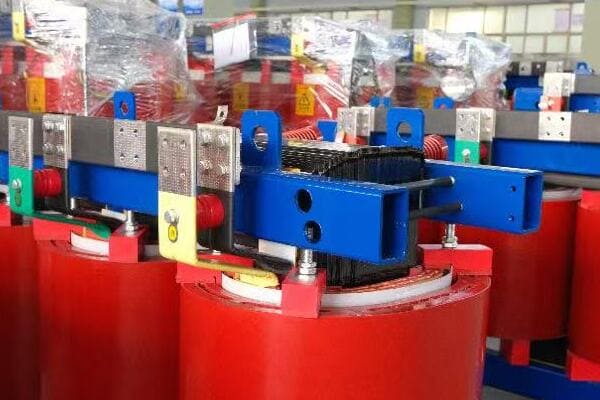
Choosing the right cooling method for your dry-type transformer directly impacts efficiency1, lifespan, and maintenance costs. The three main systems—AN (Air Natural), AF (Air Forced), and ANAF (hybrid)—each have clear advantages depending on your project’s load, environment, and budget. This guide explains how they work, compares their performance, and helps you select the most cost-effective solution for long-term reliability.
Are you struggling to choose the right cooling method for your dry-type transformer? Many engineers find this decision challenging, but understanding your options can lead to optimal performance and longevity.
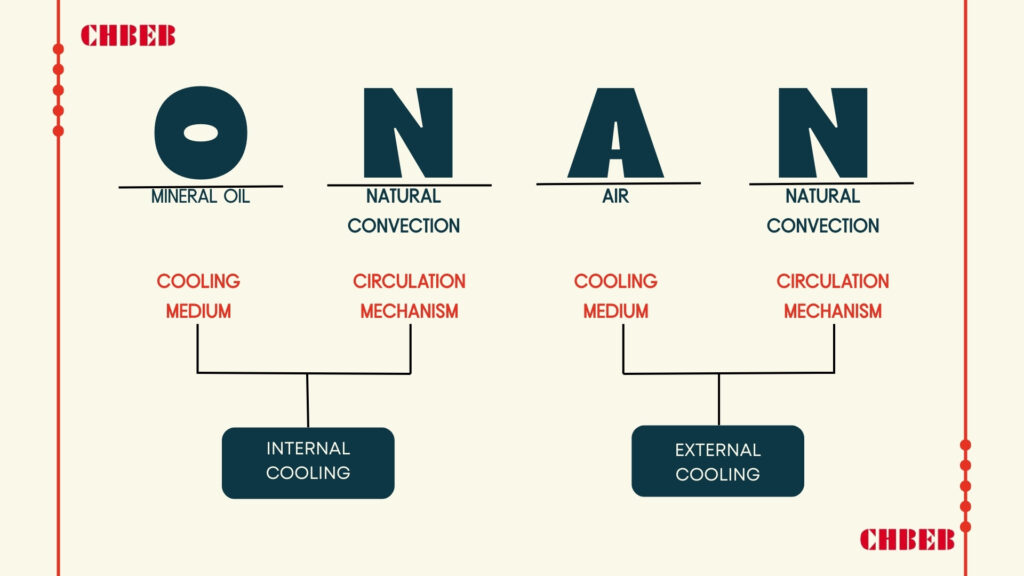
In this comprehensive guide, we’ll explore various cooling methods for dry-type transformers, from basic natural air cooling to advanced hybrid systems. Whether you’re designing a new electrical system or upgrading an existing one, this article will help you make an informed decision about the best cooling method for your transformer.
Why Cooling Efficiency Matters for Transformer Lifespan & Cost
Proper cooling is crucial for the performance and longevity of dry-type transformers. Without effective heat dissipation, transformers can suffer from reduced efficiency, shortened lifespan, and potential failure.
Cooling systems in dry-type transformers manage heat generated during operation. Effective cooling prevents insulation degradation2, maintains efficiency, and extends service life. The choice of cooling method impacts performance, installation options, maintenance needs, and safety compliance.
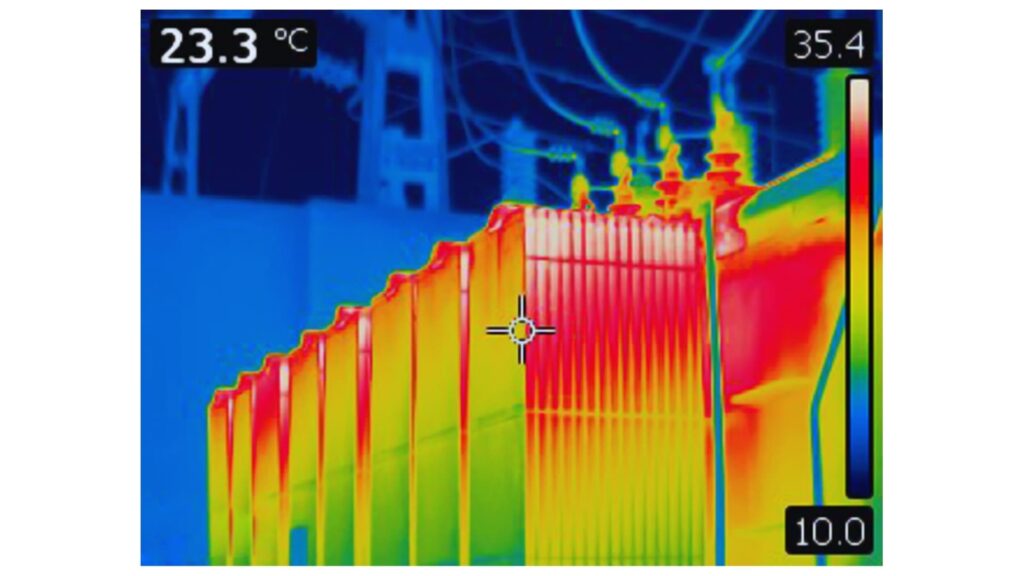
Overheating Transformer Thermal Image
Key Factors Influenced by Cooling Efficiency
- Operational Performance
- Transformer Lifespan
- Installation Flexibility
- Maintenance Requirements
- Safety and Compliance
Impact on Performance and Lifespan
Effective cooling systems:
- Maintain optimal operating temperature
- Prevent hotspots in windings
- Ensure consistent performance under varying loads
💡 Project Insight: In a recent data center upgrade, replacing an undersized cooling system increased transformer efficiency by 15% and extended its projected lifespan by a decade.
Installation and Maintenance Considerations
The choice of cooling method affects:
- Space requirements for installation
- Noise levels in the surrounding area
- Maintenance schedules and costs
🔍 Field Example: For a remote industrial site, we chose AN cooling despite its lower capacity because the minimal maintenance requirements were crucial for the location’s limited access.
AN Cooling Explained – How Air Natural Systems Work
AN (Air Natural) cooling is the most basic method for dry-type transformers, relying on passive airflow for heat dissipation.
AN cooling uses natural convection to dissipate heat. Hot air rises from the transformer, creating airflow that cools the unit. This method is ideal for indoor environments with low to medium loads, offering silent operation and minimal maintenance.
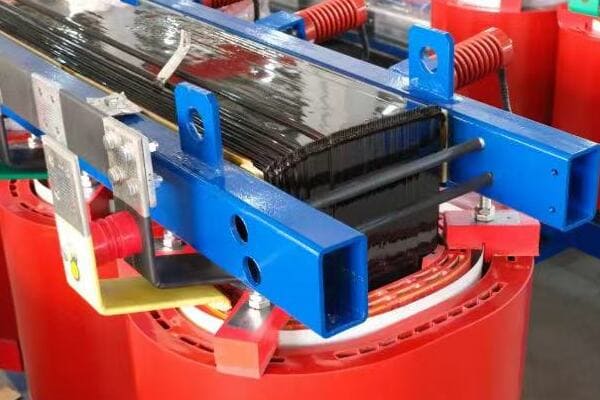
AN Cooling Air Flow Diagram
Key Features of AN Cooling
- No fans or moving parts
- Silent operation
- Minimal maintenance requirements
- Suitable for clean, indoor environments
Advantages and Limitations
| Advantages | Limitations |
|---|---|
| Silent operation | Limited cooling capacity |
| Low maintenance | Not suitable for high ambient temperatures |
| Lower initial cost | Requires adequate space for air circulation |
💡 Project Insight: In a multi-story office complex, we installed AN-cooled transformers on each floor. The absence of fans meant zero noise pollution, crucial for the working environment.
AF Cooling Guide – When to Choose Air Forced Systems
AF (Air Forced) cooling enhances heat dissipation in dry-type transformers through the use of fans.
AF cooling uses fans to force air over windings, boosting heat removal for higher load capacity. This method is ideal for compact installations or environments with higher ambient temperatures.
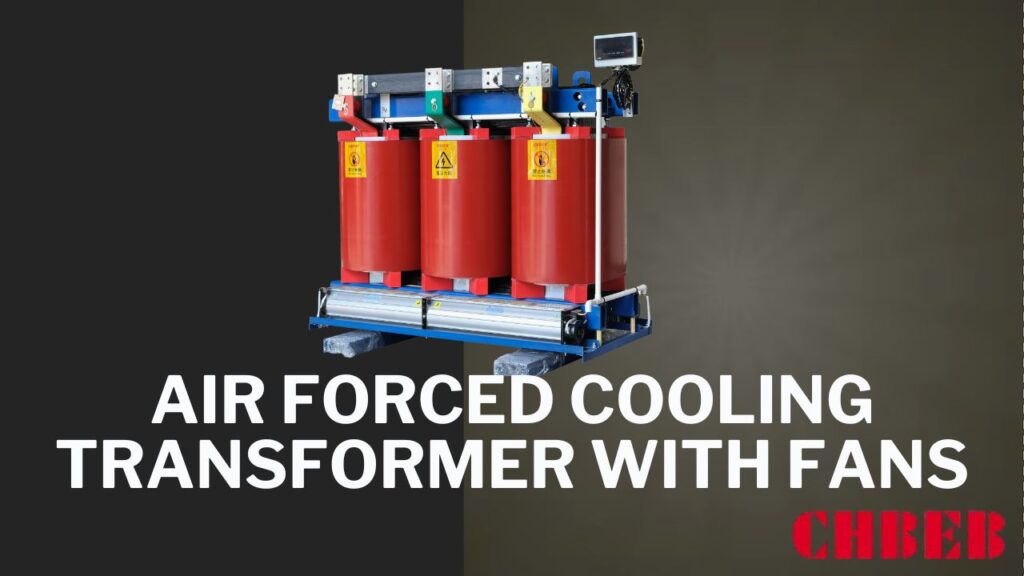
AF Cooling System Diagram
Key Features of AF Cooling
- Active air circulation via fans
- Higher cooling capacity than AN systems
- Ability to handle greater loads and power densities
- Adaptable to varying load conditions
Advantages and Limitations
| Advantages | Limitations |
|---|---|
| Higher cooling capacity | Requires regular maintenance |
| Compact installation possible | Generates operational noise |
| Handles variable loads | Higher energy consumption |
🔍 Field Example: In a manufacturing plant upgrade, replacing AN-cooled transformers with AF units allowed for a 30% increase in production equipment without expanding the electrical room.
Advanced Cooling Systems for Dry Type Transformers (ANAF, ANCF, PCM)
Advanced cooling methods combine the benefits of different approaches to meet complex transformer needs.
ANAF (Air Natural, Air Forced) and ANCF (Air Natural, Closed-loop Forced) are hybrid cooling systems. ANAF switches between passive and active cooling based on load, while ANCF uses sealed air channels for harsh environments. These methods offer enhanced performance and adaptability.
Types of Advanced Cooling Systems
- ANAF (Air Natural, Air Forced)
- ANCF (Air Natural, Closed-loop Forced)
- Heat pipe assisted cooling
- Phase change material (PCM) integration
Advantages of Advanced Cooling Methods
- Adaptability to varying load conditions
- Enhanced protection in harsh environments
- Improved energy efficiency
- Extended transformer lifespan
💡 Project Insight: For a coastal industrial facility, we implemented an ANCF system to protect against corrosive sea air. This solution increased reliability and reduced maintenance costs significantly.
AN vs AF vs ANAF – Comparative Cooling Performance Chart
Choosing the right cooling method requires understanding the key differences between systems.
| Feature | AN (Air Natural) | AF (Air Forced) | ANAF (Air Natural, Air Forced) |
|---|---|---|---|
| Cooling Method | Passive airflow | Fan-assisted airflow | Hybrid (passive + active) |
| Cooling Efficiency | Low to Moderate | High | Very High |
| Noise Level | Silent | Moderate | Low to Moderate |
| Maintenance | Very low | Medium | Medium to High |
| Load Capacity | Low to Medium | High | Very High |
| Ideal Application | Indoor, low load | Industrial, mid-load | Variable load, harsh conditions |
How to Select the Right Transformer Cooling System for Your Project
Selecting the appropriate cooling system is crucial for optimal transformer performance.
Cooling System Selection Checklist
Before choosing a cooling system, evaluate these key parameters for your project:
Checklist for Cooling Selection:
- ✅ Installation environment (indoor/outdoor)
- ✅ Load profile (stable/variable)
- ✅ Ambient conditions (temperature, humidity, contaminants)
- ✅ Noise restrictions
- ✅ Maintenance capabilities
- ✅ Energy efficiency requirements
- ✅ Budget constraints
Decision Matrix for Cooling System Selection
| Factor | Favors AN | Favors AF | Favors ANAF |
|---|---|---|---|
| Environment | Indoor, clean | Outdoor, variable | Harsh, contaminated |
| Load | Stable, low to medium | High, consistent | Variable, high peaks |
| Noise Concern | High | Low | Moderate |
| Maintenance | Minimal available | Regular possible | Specialized available |
💡 Project Insight: For a data center with variable loads and high efficiency requirements, we chose an ANAF system over standard AF. This decision improved cooling performance and resulted in substantial energy savings over time.
From Thermal Risk to Reliable Operation: How CHBEB Solves Dry-Type Pain Points

Real-world dry-type (cast-resin) performance lives or dies on thermal control, installation environment, and the reliability of auxiliary cooling (AN/AF). When fans underperform, ventilation is constrained, or F-class limits (e.g., 60 K temperature rise per GB/T 10228) are exceeded, the result is trips, accelerated insulation aging, and unpredictable lifecycle costs.
What Customers Struggle With → How CHBEB Addresses It
- Unplanned downtime from thermal trips
We design for thermal resilience: optimized ducting, verified airflow paths, and AF packages sized to site conditions—plus optional fan redundancy and alarms to prevent single-point failures. - Reliability uncertainty (insulation aging hard to predict)
We offer condition-based options: winding temperature probes, hotspot estimation, trend logs, and gateway-ready outputs for RUL-style monitoring—turning raw data into actionable maintenance windows. - High TCO from maintenance & certified labor constraints
Service-friendly enclosures place fans, filters, and controls on modular rails for fast swap-outs, cutting service time and reducing specialized labor on site.
Why CHBEB?
- 60+ years manufacturing; two Wenzhou plants + Nanjing plant; Beijing office.
- 100% new, high-grade materials; full-load and routine tests before shipment.
- Compliance-ready (IEC/GB) with documentation to support local approvals.
- Fast delivery (expedited builds) and custom inventory plans for multi-site rollouts.
Plan Your Dry-Type Project with Confidence
Share your kVA, ambient, enclosure, and cooling constraints. We’ll return a specification and TCO view that balances efficiency, uptime, and compliance.
Contact CHBEB for a tailored recommendation
Conclusion: Cooling Efficiency Determines Performance
Choosing the right cooling method for dry-type transformers is crucial for optimal performance and longevity. AN, AF, and ANAF systems each have their strengths for different applications. Consider environmental factors, load profiles, and maintenance capabilities when selecting. The right cooling system ensures efficiency, reliability, and cost-effectiveness in your transformer operations.
- Transformer – Cooling and Efficiency. Wikipedia ↩︎
- Insulation Degradation in Dry-Type Transformers. IEEE Xplore ↩︎
Are you struggling to navigate the complex world of step down transformer applications across different regions? You’re not alone. Many manufacturers and buyers find themselves puzzled by the varying requirements and preferences in North America, Europe, and the Middle East. But what if you could gain a clear understanding of these regional differences and use this knowledge to your advantage?
Step down transformer applications vary significantly across North America, Europe, and the Middle East due to differences in grid standards, environmental conditions, and regulatory requirements. North America focuses on utility applications with UL standards, Europe prioritizes energy efficiency and indoor safety, while the Middle East demands high capacity and climate-adapted solutions.
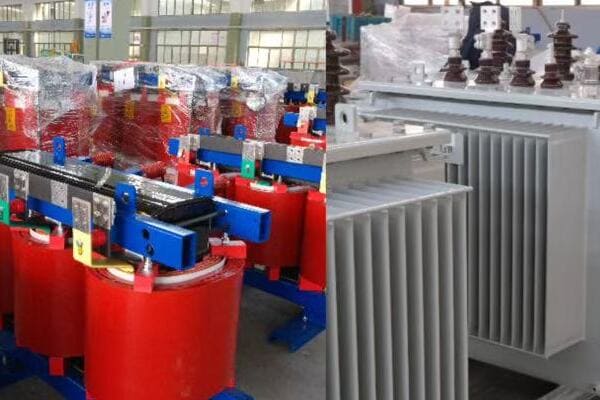
In this comprehensive guide, I’ll walk you through the key differences in step down transformer applications across these three major markets. Whether you’re a manufacturer looking to expand globally or a buyer seeking the best sourcing strategy, this article will provide you with valuable insights to make informed decisions in the diverse world of power distribution.
Why Regional Applications of Step Down Transformers Differ?
Have you ever wondered why a transformer that works perfectly in one country might be unsuitable in another? You’re not alone. Many industry professionals are puzzled by these regional variations. But what exactly causes these differences, and why are they so important to understand?
**Regional applications of step down transformers differ due to variations in:
- Grid frequency and voltage standards
- Environmental conditions and climate challenges
- Regulatory frameworks and safety standards
- Local market demands and project types
Understanding these factors is crucial for successful transformer deployment across different regions.**

Diving Deeper into Regional Transformer Differences
Let’s explore the key factors that contribute to these regional variations:
1. Grid Frequency and Voltage Standards
Different regions have adopted different electrical standards:
- North America: 60 Hz frequency, common voltages include 13.2kV and 34.5kV
- Europe and Middle East: 50 Hz frequency, typical voltages are 11kV and 22kV
I once worked on a project where a European manufacturer tried to enter the North American market without properly adapting their 50 Hz designs. The result was overheating issues and efficiency losses, highlighting the critical importance of understanding these fundamental differences.
2. Environmental and Climate Challenges
Each region presents unique environmental considerations:
- North America: Wide range of climates, from arctic to subtropical
- Europe: Generally temperate, with focus on urban environments
- Middle East: Extreme heat, sand, and dust challenges
3. Regulatory Frameworks and Safety Standards
Compliance requirements vary significantly:
- North America: ANSI C57 series and UL certification
- Europe: IEC standards and EcoDesign Directive
- Middle East: Often a mix of IEC and region-specific standards
4. Local Market Demands and Project Types
Typical applications differ across regions:
- North America: Focus on utility-scale and industrial applications
- Europe: Emphasis on urban distribution and renewable energy integration
- Middle East: Large infrastructure projects and oil & gas industry needs
Here’s a comparison table of these regional factors:
| Factor | North America | Europe | Middle East |
|---|---|---|---|
| Frequency | 60 Hz | 50 Hz | 50 Hz |
| Common Voltages | 13.2kV, 34.5kV | 11kV, 22kV | 11kV-33kV |
| Key Standards | ANSI C57, UL | IEC, EcoDesign | IEC, BS |
| Environmental Focus | Diverse climates | Urban, indoor | Extreme heat, dust |
| Typical Applications | Utility, industrial | Urban distribution, renewables | Infrastructure, oil & gas |
In my experience, understanding these regional differences is crucial for successful international projects. I recall a case where a Middle Eastern client initially specified European-style dry-type transformers for a large industrial complex. After a thorough analysis of the local conditions, including extreme temperatures and dusty environment, we recommended oil-immersed units with specialized cooling systems. This adaptation to regional needs significantly improved the project’s long-term reliability.
The impact of regulatory frameworks on transformer design and selection cannot be overstated. In a recent project for a multinational corporation, we had to navigate the complexities of meeting both North American UL requirements and European EcoDesign standards for a global product line. This experience highlighted the need for a flexible design approach that can accommodate diverse regional regulations.
Environmental considerations often lead to innovative solutions. In a project in the Middle East, we developed a hybrid cooling system for step-down transformers that combined the efficiency of oil-immersion with advanced air-cooling technology. This design addressed the challenges of extreme heat while meeting the high-capacity needs of the region’s rapidly growing infrastructure.
The trend towards renewable energy integration is shaping transformer requirements differently across regions. In Europe, I’ve seen a growing demand for compact, eco-friendly transformers suitable for urban solar installations and wind farms. In contrast, North American projects often require larger, utility-scale units for expansive solar and wind projects.
Lastly, the increasing focus on smart grid technologies is adding another layer of complexity to regional differences. In a recent European project, we integrated advanced monitoring and communication capabilities into medium-voltage transformers to support grid optimization. The same level of smart functionality was not required in a similar Middle Eastern project, where robustness and cooling efficiency were the primary concerns.
Understanding these regional differences in step down transformer applications is essential for anyone involved in the global power industry. Whether you’re designing, manufacturing, or procuring transformers, recognizing how grid standards, environmental conditions, regulations, and market demands vary across North America, Europe, and the Middle East is crucial for project success. By appreciating these nuances, you can better adapt your strategies, products, or specifications to meet the unique needs of each market, ensuring optimal performance and compliance in diverse global settings.
North America – Utility-Focused and UL-Driven Market?
Are you finding it challenging to navigate the North American transformer market? You’re not alone. Many manufacturers and suppliers struggle to meet the specific requirements of this region. But what exactly makes the North American market unique, and how can you position yourself for success in this demanding environment?
**The North American step down transformer market is characterized by:
- 60Hz frequency standard
- Common voltages: 13.2kV / 34.5kV
- ANSI C57 and UL certification requirements
- Focus on utility applications, data centers, and industrial distribution
- Preference for pad-mounted and pole-mounted step-down types
These factors create a utility-focused, UL-driven market with stringent safety and reliability standards.**
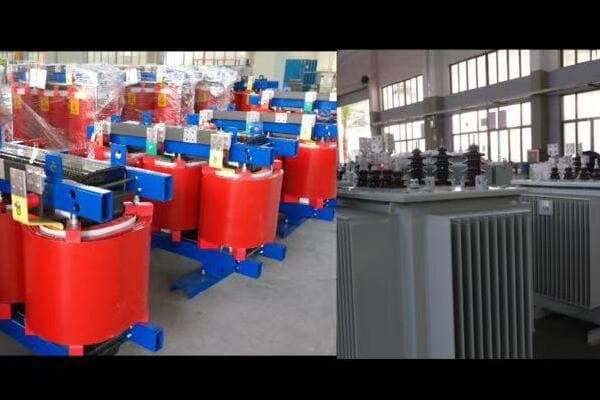
Exploring the North American Transformer Market
Let’s dive deeper into the key aspects that define the North American step down transformer market:
1. Technical Standards and Certifications
North America has distinct technical requirements:
- 60Hz frequency (unlike the 50Hz standard in many other countries)
- ANSI C57 series standards for transformer design and testing
- UL (Underwriters Laboratories) certification for safety
I once worked with a European manufacturer trying to enter the U.S. market. Their biggest challenge was adapting their 50Hz designs to meet 60Hz requirements while also obtaining UL certification. It was a complex process, but crucial for market entry.
2. Key Market Segments
Major buyers in the North American market include:
- Public and private utility companies
- Data centers and tech companies
- Industrial facilities
- Renewable energy projects
3. Product Preferences
Popular transformer types in North America:
- Pad-mounted transformers for urban and suburban distribution
- Pole-mounted transformers for rural areas
- Liquid-filled units for utility-scale applications
- Dry-type transformers for indoor and sensitive environments
4. Regulatory and Environmental Considerations
Unique aspects of the North American market:
- Strict environmental regulations (e.g., PCB-free oil requirements)
- Energy efficiency standards (DOE efficiency levels)
- Seismic design requirements in certain regions
Here’s a breakdown of typical North American transformer applications:
| Application | Typical Voltage | Preferred Type | Key Requirement |
|---|---|---|---|
| Utility Distribution | 34.5kV / 13.2kV | Pad-mounted | High reliability |
| Data Centers | 34.5kV / 480V | Dry-type | High efficiency |
| Industrial | 13.2kV / 480V | Liquid-filled | Overload capacity |
| Renewable Energy | 34.5kV / 13.2kV | Pad-mounted | Smart grid compatibility |
In my experience, success in the North American market often hinges on understanding and meeting these stringent standards. I recall a project where a non-North American manufacturer lost a major utility contract because their transformers, while high-quality, didn’t fully comply with specific ANSI and UL requirements. This experience underscored the importance of thorough market research and product adaptation.
The focus on energy efficiency in the North American market is intensifying. I recently consulted on a data center project where the client specified transformers that exceeded the Department of Energy’s efficiency standards. This trend towards high-efficiency units is driven by both regulatory pressures and the desire to reduce operational costs over the transformer’s lifetime.
Safety considerations are paramount in the North American market. In a recent industrial project, we had to redesign the transformer installation to meet stringent fire safety codes specific to the local jurisdiction. This level of attention to safety and compliance is typical in North America and can significantly impact project timelines and costs.
The growing renewable energy sector is creating new demands in the North American transformer market. I’m currently involved in a large-scale solar farm project where the transformers need to handle variable loads and integrate with advanced grid management systems. This has led to innovations in transformer design, particularly in smart monitoring and control capabilities.
Lastly, the trend towards grid modernization is influencing transformer specifications in North America. Utilities are increasingly demanding transformers with built-in monitoring and communication capabilities. In a recent grid upgrade project, the ability to integrate transformers with advanced asset management systems was a key selection criterion, highlighting the growing importance of "smart" features in the North American market.
The North American step down transformer market, with its focus on utility applications and UL-driven standards, presents both challenges and opportunities for manufacturers and suppliers. Success in this market requires a deep understanding of technical standards, a commitment to safety and reliability, and the ability to provide innovative solutions that meet the evolving needs of utilities, data centers, and the growing renewable energy sector. For those who can navigate these requirements, the North American market offers a stable, high-value environment with significant opportunities for growth and technological advancement.
Europe – Energy Efficiency and Indoor Fire Safety Drive Demand?
Are you finding it challenging to keep up with the evolving European transformer market? You’re not alone. Many manufacturers and suppliers struggle to meet Europe’s stringent energy efficiency standards and fire safety regulations. But what exactly makes the European market unique, and how can you turn these challenges into opportunities?
**The European step down transformer market is characterized by:
- 50Hz frequency standard
- Common voltages: 11kV / 22kV
- IEC 60076 and EcoDesign Directive compliance
- Focus on urban buildings, renewables, and underground systems
- Preference for dry-type and eco-efficient transformers
These factors create a market driven by energy efficiency and indoor fire safety concerns.**
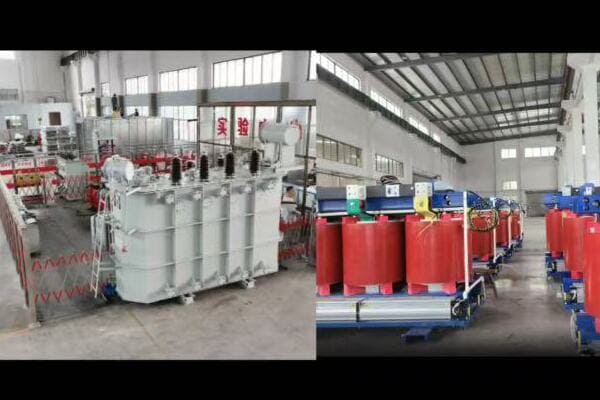
Diving into the European Transformer Market Landscape
Let’s explore the key aspects that define the European step down transformer market:
1. Regulatory Environment
Europe’s transformer market is heavily influenced by regulations:
- IEC (International Electrotechnical Commission) standards
- EU EcoDesign Directive (implementing regulation 548/2014)
- EN 50588-1 for distribution transformers
- Fire safety standards (e.g., F1 class for indoor installations)
I once worked on a project helping a non-European manufacturer adapt their products for the EU market. The most challenging aspect was meeting the stringent efficiency requirements of the EcoDesign Directive. It required significant redesigns but ultimately led to a more competitive product line.
2. Key Market Drivers
Major factors shaping the European market:
- Urban densification and smart city initiatives
- Renewable energy integration
- Grid modernization and energy efficiency goals
- Strict fire safety regulations for indoor installations
3. Product Preferences
Popular transformer types in Europe:
- Dry-type transformers for urban and sensitive environments
- Low-loss amorphous core transformers
- Compact designs for space-constrained urban substations
- Smart transformers with monitoring capabilities
4. Environmental and Safety Considerations
Unique aspects of European transformer requirements:
- Emphasis on total cost of ownership (TCO) including energy losses
- Noise reduction for urban installations
- Use of biodegradable insulating fluids
- Stringent fire safety requirements for indoor transformers
Here’s a breakdown of typical European transformer applications:
| Application | Typical Voltage | Preferred Type | Key Requirement |
|---|---|---|---|
| Urban Distribution | 11kV / 400V | Dry-type | Fire safety, low noise |
| Renewable Integration | 22kV / 400V | Eco-efficient | Smart grid compatibility |
| Industrial | 11kV / 400V | Low-loss liquid-filled | Energy efficiency |
| Commercial Buildings | 11kV / 400V | Cast resin | Fire resistance |
In my experience, success in the European market often hinges on a company’s ability to innovate in energy efficiency and environmental sustainability. I recall a project where we introduced a new line of ultra-low-loss transformers. Despite the higher initial cost, these units were highly successful due to their lower total cost of ownership, aligning perfectly with European buyers’ long-term perspective.
The push for smart grid technologies is reshaping the European transformer market. In a recent project for a major utility in Germany, we implemented transformers with advanced monitoring and communication capabilities. This trend towards "smart transformers" is rapidly becoming the norm, driven by the need for more flexible and responsive grid management.
Fire safety considerations are paramount, especially in urban environments. I recently consulted on a project for a high-rise building in Paris where the fire safety regulations necessitated the use of F1 class dry-type transformers. This requirement, common in many European cities, is driving innovation in transformer design for indoor applications.
The renewable energy sector is a major driver of innovation in the European transformer market. In a wind farm project off the coast of Denmark, we faced unique challenges in designing transformers that could handle the variable loads typical of wind power while meeting strict efficiency standards. This project exemplified the kind of specialized solutions that are increasingly in demand across Europe.
Lastly, the trend towards circular economy principles is influencing transformer design and procurement in Europe. I’m currently advising on a project where the client is specifically requesting transformers with high recyclability and using eco-friendly materials. This focus on lifecycle environmental impact is becoming increasingly common and is shaping the future of transformer technology in Europe.
The European step down transformer market, with its focus on energy efficiency and indoor fire safety, presents a unique landscape of challenges and opportunities. Success in this market requires a commitment to environmental sustainability, technological innovation, and a deep understanding of complex regulatory requirements. For manufacturers and suppliers who can meet these high standards, Europe offers a sophisticated market with a strong emphasis on quality, efficiency, and long-term value. As the continent continues its transition towards a more sustainable and intelligent energy infrastructure, the demand for advanced, efficient, and environmentally friendly transformer solutions will only grow.
Middle East – High Capacity + Harsh Climate Adaptation?
Are you grappling with the unique challenges of supplying transformers to the Middle East market? You’re not alone. Many manufacturers find themselves struggling to meet the demanding requirements of this region. But what exactly makes the Middle Eastern market so distinct, and how can you adapt your products to excel in this challenging environment?
**The Middle Eastern step down transformer market is characterized by:
- 50Hz frequency standard
- Common voltages: 11kV–33kV
- Need for adaptation to extreme heat and sandy conditions
- Focus on high-capacity units for oil & gas, infrastructure megaprojects, and desalination plants
- Preference for oil-immersed step-down transformers with IP-rated enclosures
These factors create a market demanding robust, high-capacity transformers capable of withstanding harsh environmental conditions.**
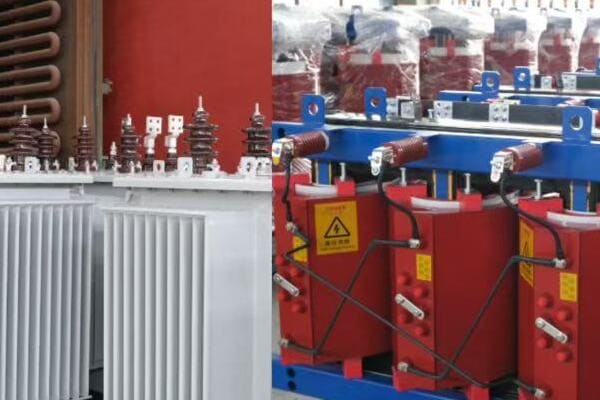
Exploring the Middle Eastern Transformer Market
Let’s dive deeper into the key aspects that define the Middle Eastern step down transformer market:
1. Environmental Challenges
The Middle East presents unique environmental hurdles:
- Extreme heat (often exceeding 50°C/122°F)
- Sand and dust accumulation
- High humidity in coastal areas
- Corrosive atmospheres in industrial zones
I once worked on a project for a large oil refinery in Saudi Arabia where standard transformers were failing due to the extreme heat and sand ingress. We had to completely redesign the cooling system and develop specialized filters to ensure reliable operation in these harsh conditions.
2. Key Market Segments
Major buyers in the Middle Eastern market include:
- Oil and gas industry
- Large-scale infrastructure projects
- Desalination plants
- Rapidly growing urban developments
3. Product RequirementsPopular transformer features in the Middle East:
- High-capacity oil-immersed units
- Enhanced cooling systems (ONAF, OFAF)
- IP55 or higher-rated enclosures for dust and sand protection
- Corrosion-resistant materials and coatings
- Smart monitoring systems for remote locations
4. Regulatory and Technical Considerations
Unique aspects of the Middle Eastern market:
- Mix of IEC and region-specific standards
- Emphasis on reliability and minimal downtime
- Growing focus on energy efficiency (especially in UAE and Saudi Arabia)
- Increasing demand for smart grid compatibility
Here’s a breakdown of typical Middle Eastern transformer applications:
| Application | Typical Voltage | Preferred Type | Key Requirement |
|---|---|---|---|
| Oil & Gas | 33kV / 11kV | Oil-immersed | Explosion-proof |
| Desalination | 33kV / 6.6kV | Oil-immersed | Corrosion resistance |
| Urban Infrastructure | 11kV / 400V | Dry-type (indoor) | Fire safety |
| Industrial | 33kV / 11kV | Oil-immersed | High capacity |
In my experience, success in the Middle Eastern market often hinges on a manufacturer’s ability to adapt to extreme environmental conditions. I recall a project for a major offshore oil platform where standard transformers were failing within months due to the combination of heat, humidity, and salt spray. We developed a custom-designed transformer with enhanced cooling, specialized insulation, and a robust enclosure. This unit not only survived but thrived in the harsh conditions, operating reliably for years.
The demand for high-capacity transformers in the Middle East is driven by massive infrastructure projects. I recently consulted on a new city development in the UAE where the power requirements were staggering. We had to design and implement a network of high-capacity transformers capable of handling not just current needs but also projected future growth. This forward-thinking approach is typical in the region’s fast-paced development landscape.
Energy efficiency is becoming an increasingly important factor, even in oil-rich nations. In a recent project in Qatar, we were tasked with upgrading an existing power distribution network with more efficient transformers. The focus was on reducing energy losses and operational costs, reflecting a growing awareness of energy conservation in the region.
The integration of renewable energy sources, particularly solar, is creating new challenges and opportunities. I’m currently involved in a large-scale solar farm project in the UAE where we’re developing specialized transformers to handle the variable loads and harsh desert conditions. These units need to combine high efficiency with robust design to withstand sand, heat, and UV radiation.
Smart grid technologies are also gaining traction in the Middle East. In a recent project for a new industrial city in Saudi Arabia, we implemented a network of smart transformers with advanced monitoring and control capabilities. This system allows for real-time load management and predictive maintenance, crucial in a region where downtime can be extremely costly.
Lastly, the trend towards urbanization and the development of "smart cities" is influencing transformer requirements. In projects like Dubai’s Smart City initiative, we’re seeing increased demand for compact, low-noise transformers suitable for urban environments. These units need to combine the robustness required for the Middle Eastern climate with the aesthetic and noise considerations of modern urban planning.
The Middle Eastern step down transformer market, with its focus on high capacity and harsh climate adaptation, presents unique challenges and opportunities. Success in this market requires a deep understanding of environmental factors, a commitment to reliability and efficiency, and the ability to provide innovative solutions that meet the evolving needs of rapidly developing economies. For manufacturers who can meet these demanding requirements, the Middle East offers a dynamic and growing market with significant opportunities for technological advancement and business growth.
Comparative Table – Regional Transformer Preferences at a Glance?
Are you finding it challenging to keep track of the different transformer preferences across North America, Europe, and the Middle East? You’re not alone. Many professionals struggle with the complexity of regional variations. But what if you had a clear, comprehensive comparison of these critical factors at your fingertips?
This comparative table provides a concise overview of key transformer preferences in North America, Europe, and the Middle East. It highlights differences in frequency, standards, typical products, and application focus, offering valuable insights for manufacturers and buyers navigating these diverse markets.

Detailed Comparison of Regional Transformer Preferences
Let’s break down the key characteristics of transformer preferences in these major markets:
| Region | Frequency | Standard | Typical Product | Application Focus |
|---|---|---|---|---|
| North America | 60 Hz | ANSI / UL | Pad-mounted, outdoor type | Utilities, data centers |
| Europe | 50 Hz | IEC, EcoDir | Dry-type, low loss units | Smart grid, city buildings |
| Middle East | 50 Hz | IEC / BS | Oil-immersed, sealed units | Oil & gas, high-load systems |
This table encapsulates years of experience and countless projects I’ve been involved with across these regions. Let me share some insights on how these differences play out in real-world scenarios.
Frequency Standards
The difference between 60 Hz in North America and 50 Hz in Europe and the Middle East is more than just a number. I once worked on a project where a European manufacturer tried to enter the U.S. market without properly adapting their 50 Hz designs. The result was overheating issues and efficiency losses. This experience underscored the critical importance of frequency considerations in transformer design and selection.
Certification and Standards
The regulatory landscape varies significantly:
- North America: ANSI standards focus on reliability and safety, with UL certification being crucial for many applications.
- Europe: IEC standards are prevalent, with the additional layer of EcoDesign requirements pushing for higher efficiency.
- Middle East: While IEC standards are common, there’s often a mix with British Standards (BS) and region-specific requirements.
I recall a project where we had to redesign a transformer line to meet the stringent efficiency requirements of the European EcoDesign directive. While challenging, this process ultimately led to innovations that improved our products globally.
Typical Products
Product preferences reflect local conditions and priorities:
- North America: Pad-mounted transformers are popular for their compact design and suitability for outdoor environments.
- Europe: Dry-type, low-loss transformers are favored, aligning with the region’s focus on energy efficiency and fire safety in urban areas.
- Middle East: Oil-immersed, sealed units dominate due to their ability to withstand extreme heat and dusty conditions.
In a recent project in the UAE, we found that while there was interest in dry-type transformers for certain indoor applications, oil-immersed units still dominated due to their superior cooling capabilities in the harsh desert climate.
Application Focus
Each region has its primary focus:
- North America: Utilities and data centers drive much of the demand, reflecting the region’s advanced power grid and digital infrastructure.
- Europe: Smart grid integration and urban building applications are key, driven by the push for energy efficiency and sustainable urban development.
- Middle East: Oil & gas industry needs and high-load systems for massive infrastructure projects shape the market.
I’ve seen these focuses shape project outcomes significantly. In a European smart grid project, the client was willing to pay a premium for ultra-high efficiency transformers with advanced monitoring capabilities, citing long-term energy savings and grid optimization as justification.
Emerging Trends
It’s worth noting some emerging trends that are beginning to influence these regional preferences:
- Renewable Energy Integration: All regions are seeing increased demand for transformers capable of handling variable loads from renewable sources, though the scale and specific requirements differ.
- Digitalization: The integration of smart monitoring and control features is gaining traction across all markets, albeit at different paces.
- Environmental Considerations: While most pronounced in Europe, environmental factors are increasingly influencing transformer choices in North America and, to a lesser extent, the Middle East.
This comparative table of regional transformer preferences underscores the complexity of the global market. For manufacturers, it highlights the need for adaptable designs and a thorough understanding of regional requirements. For buyers, it emphasizes the importance of specifying the right transformer for their specific location and application.
As we navigate these diverse markets, staying informed about these regional differences and emerging global trends is crucial. Whether you’re a manufacturer looking to expand your market reach or a buyer seeking the best solution for your project, understanding these nuances in transformer preferences is key to making informed decisions in the ever-evolving world of power distribution.
Sourcing & Export Tips for Regional Markets?
Are you finding it challenging to navigate the complexities of sourcing and exporting transformers to different regional markets? You’re not alone. Many manufacturers and suppliers struggle with the diverse requirements and regulations across North America, Europe, and the Middle East. But what if you had a set of proven strategies to help you succeed in these international markets?
**Key sourcing and export tips for regional transformer markets include:
- Align certifications with regional standards (IEC, ANSI, UL, CE)
- Prepare comprehensive test reports and FAT documentation in advance
- Partner with region-aware logistics providers
- Anticipate and plan for varying delivery timelines per region
- Develop region-specific marketing and technical materials
These strategies can significantly improve your success in global transformer markets.**
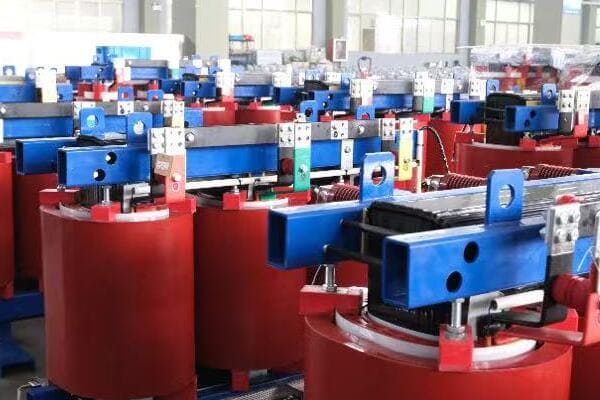
Detailed Sourcing and Export Strategies for Regional Markets
Let’s explore these tips in more depth:
1. Align Certifications with Regional Standards
- For North America: Focus on ANSI C57 series and UL certification
- For Europe: Ensure compliance with IEC standards and CE marking
- For Middle East: Consider both IEC and region-specific certifications (e.g., SASO for Saudi Arabia)
I once worked with a manufacturer who initially struggled in the U.S. market because their transformers were designed solely to IEC standards. After obtaining UL certification and adapting their designs to meet ANSI requirements, their sales in North America increased significantly.
2. Prepare Comprehensive Documentation
- Develop detailed test reports tailored to each region’s requirements
- Prepare Factory Acceptance Test (FAT) protocols in advance
- Create region-specific technical datasheets and user manuals
3. Partner with Region-Aware Logistics Providers
- Choose logistics partners with experience in transformer shipping
- Understand regional import regulations and customs procedures
- Plan for proper handling of oil-filled transformers during transport
4. Anticipate Regional Delivery Timelines
- North America: Plan for longer lead times due to UL certification processes
- Europe: Consider the impact of EcoDesign regulations on production schedules
- Middle East: Factor in potential delays due to customs clearance and local inspections
5. Develop Region-Specific Marketing Materials
- Customize product brochures to highlight features relevant to each market
- Prepare case studies that resonate with regional applications
- Adapt your website and online presence for regional search engines and languages
Here’s a comparison of key export considerations for different regions:
| Export Aspect | North America | Europe | Middle East |
|---|---|---|---|
| Key Certification | UL Listing | CE Marking | IEC + Local Standards |
| Documentation Focus | Safety compliance | Energy efficiency | Reliability in harsh conditions |
| Typical Shipping Method | Container / Flatbed | Container / RoRo | Container / Breakbulk |
| Import Regulations | Strict | Moderate | Varies by country |
| Local Presence Importance | High | Moderate | Very High |
In my experience, successful exporting often comes down to understanding and adapting to local market nuances. I recall a European manufacturer who struggled initially in the Middle Eastern market due to their lack of local representation. After establishing a partnership with a well-connected local distributor, they saw a significant uptick in their project wins and customer satisfaction.
The importance of proper documentation cannot be overstated, especially when dealing with different regulatory environments. In a recent project exporting transformers to North America, we developed a comprehensive UL compliance package that included not just test reports, but also detailed design documentation and material certifications. This proactive approach significantly streamlined the certification process and reduced time-to-market.
Logistics planning is crucial, particularly for large transformers. I worked on a project shipping extra-large transformers to a remote site in the Middle East. By engaging a specialized heavy-lift logistics provider early in the process, we were able to optimize the route, considering factors like road capacities, port facilities, and local transportation regulations. This careful planning prevented costly delays and ensured safe delivery.
Customization of marketing and technical materials for each region can significantly impact your success. In a recent initiative targeting the European market, we developed a series of case studies focusing on eco-efficient transformer installations in urban environments. This targeted approach resonated strongly with European buyers, leading to increased inquiries and sales.
The trend towards digital marketing and virtual product demonstrations is changing how transformers are exported and sold globally. In response to travel restrictions, we recently developed a virtual showroom with 3D models and interactive specifications of our transformer range. This tool proved invaluable for reaching international clients, especially in markets where in-person visits were challenging.
Lastly, staying informed about geopolitical developments and trade agreements is crucial for long-term export success. I’m currently advising several manufacturers on how to navigate changing tariff structures and local content requirements in various markets. Being proactive in understanding and adapting to these macro-level changes can give you a significant competitive advantage.
Exporting transformers successfully to different regional markets requires a combination of technical expertise, market understanding, and strategic planning. By aligning your certifications, preparing comprehensive documentation, partnering with experienced logistics providers, anticipating regional timelines, and developing targeted marketing materials, you can significantly enhance your chances of success in the global transformer market. Remember, exporting is not just about selling a product; it’s about building lasting relationships and establishing your brand in diverse international markets.
Summary: Region-Specific Needs, Global Opportunities?
Are you wondering how to balance regional market specifics with global expansion opportunities in the transformer industry? You’re not alone. Many manufacturers and buyers struggle to navigate the complex interplay between local requirements and global trends. But what if you could turn these regional differences into a strategic advantage in the global market?
The transformer market shows distinct regional characteristics: North America focuses on utility applications and UL standards, Europe prioritizes energy efficiency and indoor safety, while the Middle East emphasizes high capacity and climate adaptation. Understanding these regional nuances is key to identifying global opportunities and developing successful market strategies.
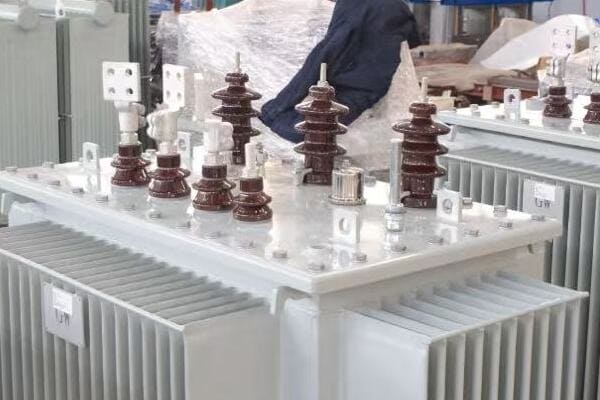
Synthesizing Regional Insights for Global Success
Let’s explore how understanding regional differences can lead to global opportunities:
Leveraging Regional Strengths
Each region offers unique strengths:
- North America: Advanced grid technologies and data center expertise
- Europe: Leadership in energy efficiency and eco-friendly designs
- Middle East: Experience in harsh environment adaptations and high-capacity systems
I once worked with a manufacturer who successfully combined European efficiency standards with Middle Eastern ruggedization techniques to create a highly competitive product line for the global market. This approach allowed them to offer advanced technology with exceptional durability, opening doors in multiple regions.
Cross-Pollination of Technologies
Opportunities arise from applying regional innovations globally:
- Adapting European eco-design principles for North American markets
- Implementing Middle Eastern cooling technologies in hot climate applications worldwide
- Applying North American smart grid solutions in developing markets
Standardization vs. Customization
Balancing global standards with local needs:
- Developing core designs that can be easily adapted to regional requirements
- Creating modular solutions that allow for local customization
- Establishing global quality standards while accommodating regional preferences
In a recent project, I advised a manufacturer on developing a "global platform" for their transformer line. This approach involved creating a standardized core design that could be easily modified to meet different regional standards. The result was a more efficient product development cycle and greater flexibility in addressing diverse market needs.
Navigating Regulatory Landscapes
Turning compliance challenges into opportunities:
- Using stringent European efficiency standards as a benchmark for global quality
- Leveraging North American safety certifications to enhance product credibility worldwide
- Applying lessons from Middle Eastern durability requirements to improve product reliability globally
I recall working with a company that initially saw Europe’s strict efficiency regulations as a barrier. However, by embracing these standards and applying them across their entire product line, they positioned themselves as global leaders in high-efficiency transformers, opening new markets beyond Europe.
Global Trends Shaping Regional Markets
Identifying overarching trends that influence all regions:
- Increasing focus on renewable energy integration
- Growing demand for smart grid technologies
- Rising importance of cybersecurity in power systems
Here’s a comparison of how global trends manifest in different regions:
| Global Trend | North America Impact | Europe Impact | Middle East Impact |
|---|---|---|---|
| Renewable Energy | Large-scale integration | Distributed generation | Emerging solar projects |
| Smart Grid | Advanced analytics | Consumer engagement | Infrastructure modernization |
| Cybersecurity | Critical infrastructure protection | Data privacy focus | Oil & gas sector security |
In my experience, companies that successfully navigate the global transformer market are those that can adapt global trends to regional contexts. For instance, I worked with a manufacturer who developed a range of smart transformers with modular communication interfaces. This allowed them to easily adapt their products to different smart grid standards across regions, from the advanced analytics focus in North America to the consumer engagement emphasis in Europe.
The importance of understanding local business cultures cannot be overstated. I’ve seen cases where technically superior products failed in certain markets due to a lack of cultural alignment in sales and support approaches. Successful global players invest heavily in local market intelligence and relationship-building.
Sustainability is becoming a global driver, but with regional nuances. In Europe, this often translates to stringent efficiency standards and eco-friendly materials. In North America, there’s a growing focus on lifecycle assessment and recyclability. In the Middle East, we’re seeing increased interest in energy-efficient transformers as part of broader urban sustainability initiatives. Companies that can address these varied sustainability concerns are well-positioned for global success.
The trend towards digitalization is creating new opportunities across all regions. I’m currently advising several companies on developing IoT-enabled transformers that can be remotely monitored and managed. While the specific applications vary by region – from grid optimization in North America to predictive maintenance in Europe and rapid fault response in the Middle East – the underlying technology has global appeal.
Lastly, the increasing interconnectedness of global power grids is driving demand for transformers that can operate seamlessly across different standards. I recently worked on a project involving cross-border power transmission between North America and Mexico, which required transformers capable of handling multiple voltage standards and frequencies. This type of project highlights the growing need for flexible, globally-oriented transformer solutions.
In conclusion, success in the global transformer market requires a nuanced understanding of regional differences combined with the ability to identify and leverage global trends. By focusing on regional strengths while maintaining a global perspective, manufacturers and buyers can turn market complexities into strategic advantages. Whether it’s adapting European efficiency standards for Middle Eastern markets, applying North American grid resilience technologies globally, or leveraging Middle Eastern expertise in harsh environment adaptations for other challenging climates, the key lies in seeing regional diversity as an opportunity rather than a challenge.
As we look to the future, those who can balance regional expertise with global vision will be best positioned to capitalize on the evolving opportunities in the worldwide transformer market. Remember, in today’s interconnected world, regional focus and global opportunity are not mutually exclusive – they are complementary strategies for achieving success in the dynamic and diverse global transformer industry.
Conclusion
Understanding regional differences in transformer markets is crucial for global success. North America, Europe, and the Middle East each offer unique challenges and opportunities. By adapting strategies to local needs while leveraging global trends, companies can achieve significant growth and innovation in the diverse world of power distribution.
📩 Need help choosing the right transformer for the U.S., Europe, or Middle East?
Get a tailored recommendation or request a regional compliance quotation today.
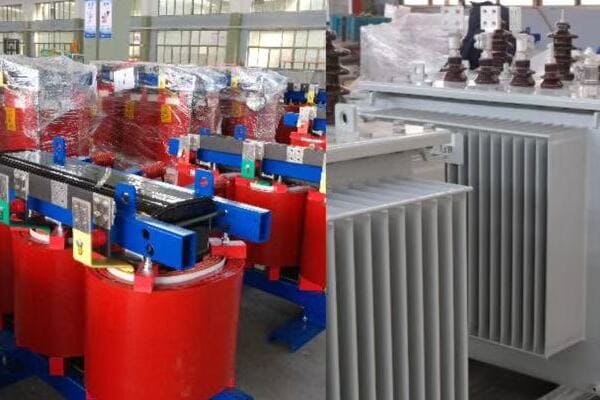
Are you struggling to choose between dry and oil-filled step down transformers for your project? You’re not alone. Many engineers and project managers find themselves puzzled by the pros and cons of each type. But what if you could easily identify which transformer is best suited for your specific needs?
Dry and oil step down transformers differ in cooling method, fire risk, maintenance needs, application suitability, and initial cost. Dry types excel in indoor, fire-sensitive environments, while oil-filled units are preferred for outdoor, high-capacity applications. Understanding these differences is crucial for selecting the right transformer for your project.
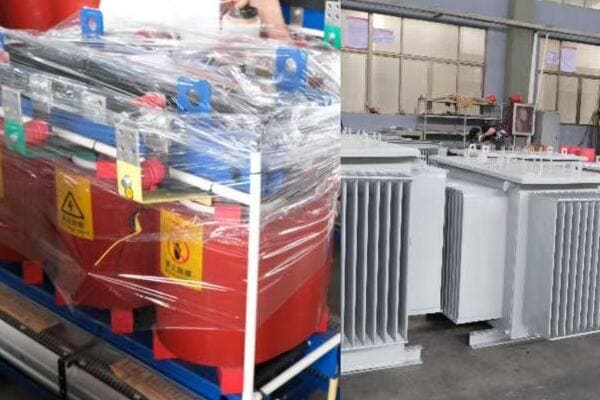
In this comprehensive guide, I’ll walk you through the five key differences between dry and oil step down transformers. We’ll explore their unique characteristics, ideal applications, and how to choose the best option for your specific project requirements. Whether you’re designing a new electrical system or upgrading an existing one, this article will help you make an informed decision.
What Are Step Down Transformers and Where Are They Used?
Have you ever wondered how the high voltage electricity from power lines is converted to a usable level for your home or office? This is where step down transformers come into play. But what exactly are these devices, and in what situations are they crucial?
Step down transformers reduce voltage from a higher to a lower level, making electricity safe and usable for various applications. They are commonly used in power distribution systems, industrial facilities, commercial buildings, and residential areas to convert high transmission voltages to lower, more practical levels.
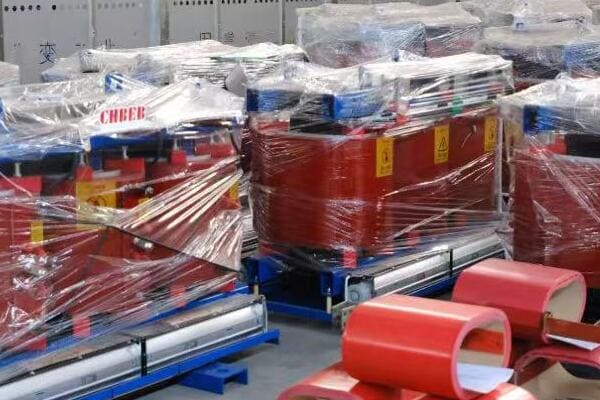
Diving Deeper into Step Down Transformers
Let’s explore the key aspects of step down transformers:
Function and Importance
Step down transformers serve to:
- Reduce voltage levels for safe distribution and use
- Enable efficient power transmission over long distances
- Provide appropriate voltage levels for different applications
I once worked on a project upgrading a small town’s electrical grid. The role of step down transformers in safely bringing high transmission voltages down to levels suitable for homes and businesses was crucial. It really highlighted for me how these devices are the unsung heroes of our electrical infrastructure.
Common Applications
Step down transformers are used in various settings:
- Utility power distribution (e.g., neighborhood substations)
- Industrial facilities (powering machinery and equipment)
- Commercial buildings (office complexes, shopping centers)
- Residential areas (apartment buildings, housing developments)
Types of Step Down Transformers
Two main types are commonly used:
- Dry-type transformers
- Oil-immersed transformers
Each type has its own set of characteristics, advantages, and ideal applications, which we’ll explore in detail throughout this article.
Key Considerations in Selection
When choosing a step down transformer, several factors come into play:
- Installation environment (indoor vs outdoor)
- Required power capacity
- Safety considerations (e.g., fire risk)
- Maintenance requirements
- Environmental conditions
Here’s a quick overview of typical step down transformer applications:
| Application | Typical Voltage Step Down | Common Type Used |
|---|---|---|
| Utility Distribution | 33kV to 415V | Oil-immersed |
| Industrial | 11kV to 415V | Dry or Oil (depending on environment) |
| Commercial Building | 11kV to 415V | Dry-type |
| Residential | 11kV to 240V | Oil-immersed (pole-mounted) |
In my experience, the choice between dry and oil-filled step down transformers often comes down to the specific requirements of the installation site. I recall a project for a new hospital where we opted for dry-type transformers due to their lower fire risk and suitability for indoor installation. On the other hand, for a rural electrification project, oil-filled transformers were the clear choice due to their higher capacity and ability to withstand outdoor conditions.
The importance of proper transformer selection cannot be overstated. I’ve seen cases where the wrong choice led to significant issues down the line. In one industrial project, an oil-filled transformer was initially selected for an indoor application. The fire safety concerns and additional containment requirements quickly became apparent, leading to a costly replacement with a dry-type unit.
It’s also worth noting that the trend towards more compact and efficient buildings is influencing step down transformer selection. In a recent urban development project, space constraints led us to choose compact dry-type transformers that could be safely installed closer to the point of use, reducing power losses in the building’s distribution system.
The growing focus on renewable energy integration is also impacting step down transformer applications. I’m currently involved in a solar farm project where specialized step down transformers are crucial for integrating the variable output of solar panels with the local distribution grid. This application requires transformers with specific voltage regulation capabilities to handle the fluctuating input from renewable sources.
Understanding the basic function and applications of step down transformers is crucial for anyone involved in electrical system design or facility management. These devices play a vital role in making electrical power usable and safe across a wide range of settings. As we delve deeper into the differences between dry and oil-filled types, keep in mind that the best choice will always depend on your specific application, environment, and project requirements.
Dry vs Oil Transformers: 5 Core Differences That Matter?
Are you finding it challenging to decide between dry and oil transformers for your project? You’re not alone. Many professionals struggle with this choice, given the significant differences between these two types. But what exactly sets them apart, and how do these differences impact your decision?
**The 5 core differences between dry and oil transformers are:
- Cooling method (air vs oil)
- Fire risk (low vs moderate)
- Maintenance requirements (minimal vs regular)
- Application suitability (indoor/commercial vs outdoor/utility)
- Initial cost (higher for dry-type)
Understanding these differences is crucial for selecting the right transformer for your specific needs.**
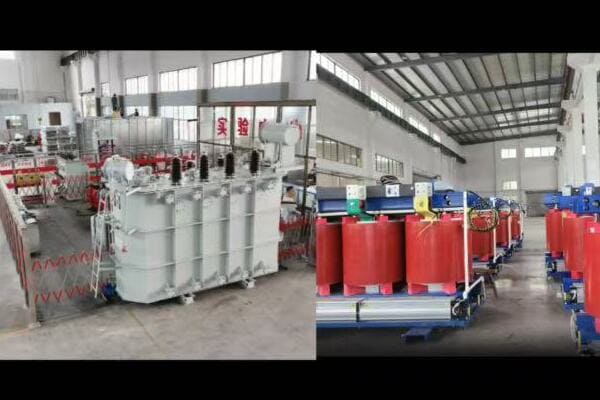
Detailed Comparison of Dry and Oil Transformers
Let’s dive deeper into each of these key differences:
| Feature | Dry-Type | Oil-Immersed |
|---|---|---|
| Cooling | Air (natural/forced) | Mineral Oil |
| Fire Risk | Low (F1 certified) | Moderate (requires protection) |
| Maintenance | Minimal | Regular oil testing |
| Application | Indoor / commercial | Outdoor / utility-grade |
| Initial Cost | Higher | Lower |
1. Cooling Method
Dry-type transformers:
- Use air for cooling (natural or forced)
- No liquid coolant involved
Oil-immersed transformers:
- Use mineral oil as both coolant and insulator
- More efficient cooling, especially for larger sizes
I once worked on a project where we replaced an oil-filled transformer with a dry-type in a data center. The elimination of oil significantly simplified the installation and reduced fire safety concerns, despite the need for additional cooling considerations.
2. Fire Risk
Dry-type transformers:
- Low fire risk (often F1 fire safety class certified)
- Ideal for indoor and sensitive environments
Oil-immersed transformers:
- Moderate fire risk due to flammable oil
- Require additional fire protection measures
3. Maintenance Requirements
Dry-type transformers:
- Minimal maintenance (mainly periodic cleaning)
- No oil testing or replacement needed
Oil-immersed transformers:
- Regular oil testing and potential oil replacement
- More complex maintenance procedures
4. Application Suitability
Dry-type transformers:
- Ideal for indoor installations (commercial buildings, hospitals)
- Suitable for environments with strict fire safety regulations
Oil-immersed transformers:
- Preferred for outdoor installations and utility-grade applications
- Better for high-capacity needs and harsh environments
5. Initial Cost
Dry-type transformers:
- Generally higher initial cost
- Cost difference can be offset by lower installation and maintenance expenses
Oil-immersed transformers:
- Lower initial purchase cost
- Additional costs for oil containment and fire protection systems
In my experience, these differences significantly impact the decision-making process. I recall a project for a chemical plant where the corrosive atmosphere made oil-filled transformers a risky choice due to potential oil degradation. We opted for specially designed dry-type units, which, despite the higher initial cost, proved more reliable and cost-effective in the long run.
The choice between dry and oil transformers often involves balancing multiple factors. In a recent urban redevelopment project, space constraints and fire safety regulations initially pointed towards dry-type transformers. However, the high power requirements and outdoor installation needs for some areas led us to a hybrid solution, using dry-type for indoor substations and oil-filled for outdoor high-capacity needs.
Environmental considerations are increasingly influencing this decision. I’m currently advising on a project where the client’s sustainability goals are pushing us towards dry-type transformers, despite their higher upfront cost. The reduced environmental risk and alignment with green building certifications are seen as long-term benefits that outweigh the initial investment.
The trend towards smart grids and digital monitoring is also impacting transformer selection. In a recent smart city project, we found that dry-type transformers were easier to equip with advanced monitoring systems, providing better integration with the city’s power management infrastructure.
Lastly, it’s worth noting that advancements in materials and design are continually narrowing the gap between dry and oil transformers in terms of efficiency and capacity. I’m seeing new high-capacity dry-type designs that are challenging the traditional dominance of oil-filled units in utility-scale applications, offering compelling alternatives in situations where fire safety is a primary concern.
Understanding these five core differences between dry and oil transformers is crucial for making an informed decision. Each type has its strengths and ideal applications, and the best choice depends on a careful evaluation of your specific project requirements, including installation environment, safety considerations, maintenance capabilities, and long-term operational needs.
When Should You Use a Dry-Type Step Down Transformer?
Are you wondering if a dry-type step down transformer is the right choice for your project? You’re not alone. Many engineers and project managers grapple with this decision, weighing the pros and cons. But in what specific situations does a dry-type transformer truly shine?
Dry-type step down transformers are ideal for:
✅ Hospitals and indoor facilities
✅ Fire-sensitive or public areas
✅ Schools, data centers, and urban buildings
They excel in environments where fire safety, low maintenance, and environmental considerations are paramount.
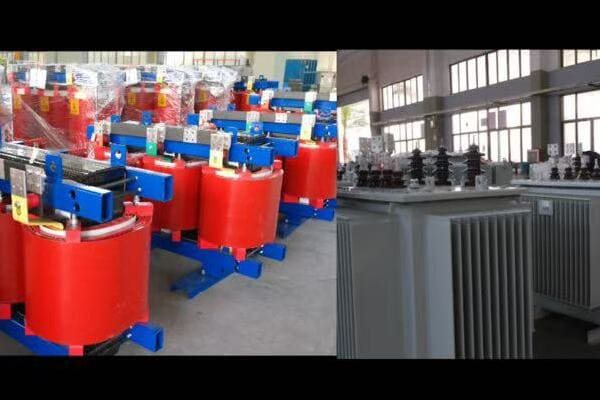
Exploring the Ideal Applications for Dry-Type Transformers
Let’s dive deeper into when and why you should choose a dry-type step down transformer:
1. Indoor Installations
Dry-type transformers are perfect for indoor use due to:
- No risk of oil leaks
- Reduced fire hazard
- Compact design suitable for limited spaces
I once worked on a project retrofitting an old office building with a new power distribution system. The limited space and strict fire safety regulations made dry-type transformers the obvious choice. Their compact size allowed for installation in small electrical rooms, while their inherent fire safety eliminated the need for expensive fire suppression systems.
2. Environmentally Sensitive Areas
Advantages in environmentally critical locations:
- No risk of oil spills or contamination
- Easier compliance with environmental regulations
- Suitable for areas near water sources or protected environments
3. High-Traffic Public Spaces
Benefits in public areas:
- Enhanced safety for occupants
- Lower noise levels compared to oil-filled units
- Reduced maintenance disruptions
4. Specialized Industries
Ideal for specific sectors:
- Healthcare facilities (hospitals, clinics)
- Educational institutions (schools, universities)
- Technology centers (data centers, research facilities)
5. Urban and Commercial Buildings
Advantages in urban settings:
- Easier to meet building codes and regulations
- Simplified installation without oil containment needs
- Reduced insurance costs due to lower fire risk
Here’s a comparison of scenarios where dry-type transformers are particularly beneficial:
| Application | Key Advantage of Dry-Type | Alternative Consideration |
|---|---|---|
| Hospitals | Enhanced patient safety | Higher initial cost |
| Data Centers | Reduced fire risk to IT equipment | Cooling efficiency in high-load scenarios |
| Schools | Low maintenance in budget-constrained environments | Potential capacity limitations for larger campuses |
| High-Rise Buildings | Ease of installation at heights | Load capacity for entire building |
| Renewable Energy Integration | Environmentally friendly alignment | Outdoor durability for some installations |
In my experience, the decision to use dry-type transformers often comes down to a combination of safety, environmental, and practical considerations. I recall a project for a new hospital wing where the choice of dry-type transformers was driven not just by fire safety regulations, but also by the need to minimize maintenance activities in sensitive medical areas. The peace of mind provided by their low-risk profile was invaluable in this critical healthcare environment.
The trend towards green building certifications is also influencing the choice of dry-type transformers. In a recent LEED-certified office complex project, the use of dry-type units contributed significantly to the building’s environmental and safety scores. Their energy efficiency and lack of chemical coolants aligned perfectly with the project’s sustainability goals.
In urban renewal projects, I’ve found dry-type transformers to be particularly advantageous. During the renovation of a historic building into a mixed-use space, the ability to install dry-type transformers without extensive modifications for oil containment was crucial. It allowed us to preserve more of the building’s original structure while still meeting modern power needs.
The growing focus on workplace safety is another factor favoring dry-type transformers. In a recent industrial facility upgrade, we chose dry-type units for areas where workers would be in close proximity to electrical equipment. The reduced fire risk and absence of potential oil leaks significantly enhanced the overall safety of the work environment.
Lastly, the compatibility of dry-type transformers with smart building technologies is becoming increasingly important. In a cutting-edge smart office project, we integrated dry-type transformers with advanced power monitoring systems. Their design made it easier to implement sensors and communication devices, facilitating real-time energy management and predictive maintenance.
Choosing a dry-type step down transformer is often the best decision in environments where safety, environmental concerns, and ease of maintenance are top priorities. Their suitability for indoor installations, public spaces, and specialized industries makes them an excellent choice for a wide range of modern applications. While they may have a higher initial cost, the long-term benefits in terms of safety, reduced maintenance, and environmental compatibility often outweigh this factor. As always, the final decision should be based on a careful evaluation of your specific project requirements and long-term operational needs.
When Is an Oil-Immersed Transformer the Better Option?
Are you wondering if an oil-immersed transformer might be the right choice for your project? You’re not alone. Many engineers and project managers find themselves weighing the benefits of oil-filled units against dry-type alternatives. But in what scenarios do oil-immersed transformers truly excel?
Oil-immersed transformers are typically the better option for:
✅ High-capacity or utility distribution applications
✅ Outdoor substations or rural grid installations
✅ Projects with long operating lifespans
They shine in environments requiring high power capacity, outdoor durability, and cost-effective long-term operation.
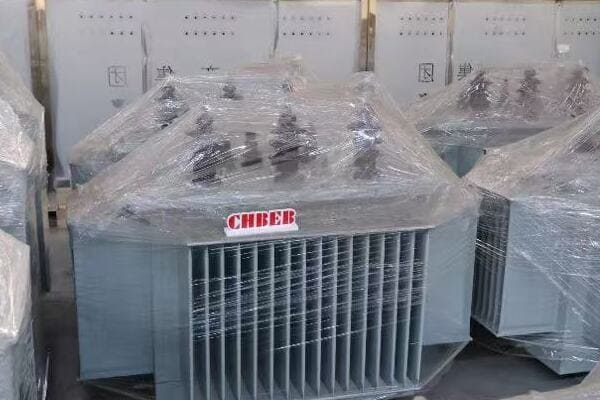
Exploring the Ideal Applications for Oil-Immersed Transformers
Let’s dive deeper into when and why you should choose an oil-immersed step down transformer:
1. High-Capacity Power Distribution
Oil-immersed transformers excel in high-power scenarios:
- Superior cooling efficiency for large power ratings
- Better overload capacity
- Ideal for utility-scale power distribution
I once worked on a major upgrade project for a regional power distribution network. The high power requirements and need for reliable operation under varying load conditions made oil-immersed transformers the clear choice. Their ability to handle large power capacities efficiently was crucial for maintaining a stable power supply across the network.
2. Outdoor and Harsh Environments
Advantages in challenging outdoor settings:
- Excellent weather resistance
- Better performance in extreme temperatures
- Suitable for remote or exposed locations
3. Long-Term Cost Effectiveness
Benefits over extended operational periods:
- Lower initial cost compared to equivalent dry-type units
- Longer lifespan with proper maintenance
- Potential for refurbishment to extend service life
4. Voltage Regulation and Efficiency
Technical advantages:
- Better voltage regulation under varying loads
- Higher efficiency, especially in larger sizes
- Lower no-load losses
5. Flexibility in Installation
Adaptability to various settings:
- Suitable for both indoor (with proper safeguards) and outdoor installations
- Scalable from small pole-mounted units to large substation transformers
Here’s a comparison of scenarios where oil-immersed transformers are particularly beneficial:
| Application | Key Advantage of Oil-Immersed | Consideration | |||
|---|---|---|---|---|---|
| Utility Substations | High capacity and efficiency | Environmental safeguards needed | Rural Electrification | Durability in remote locations | Maintenance logistics |
| Industrial Plants | Ability to handle heavy loads | Fire safety measures required | |||
| Renewable Energy Farms | Cost-effective for large installations | Environmental impact of oil | |||
| Long-Distance Transmission | Excellent cooling for continuous operation | Higher transportation and installation costs |
In my experience, the decision to use oil-immersed transformers often comes down to a balance of power requirements, environmental conditions, and long-term operational costs. I recall a project for a large industrial complex where we initially considered dry-type transformers due to fire safety concerns. However, the high power demands and the need for outdoor installation in a harsh coastal environment ultimately led us to choose oil-immersed units. Their superior cooling efficiency and ability to withstand the corrosive sea air proved invaluable in ensuring reliable power supply to the facility.
The cost-effectiveness of oil-immersed transformers over long operational periods can be significant. In a recent utility-scale project, we conducted a detailed lifecycle cost analysis comparing oil-immersed and dry-type options. Despite higher maintenance requirements, the oil-immersed transformers showed a lower total cost of ownership over a 30-year period, primarily due to their lower initial cost and higher efficiency.
In renewable energy applications, particularly large wind and solar farms, oil-immersed transformers often prove to be the most practical choice. I worked on a major offshore wind farm project where the transformers needed to handle variable loads and withstand harsh marine conditions. The robust design and excellent cooling properties of oil-immersed units made them ideal for this challenging environment.
The ability to refurbish oil-immersed transformers is another significant advantage. I’ve been involved in several projects where decades-old oil-immersed transformers were successfully refurbished, extending their operational life by many years. This level of longevity and repairability is generally not achievable with dry-type units, making oil-immersed transformers a more sustainable choice in some contexts.
It’s worth noting that advancements in transformer oil technology are addressing some of the traditional concerns associated with oil-immersed units. In a recent project, we used biodegradable ester fluids instead of mineral oil, significantly reducing environmental risks while maintaining the performance benefits of oil-immersed design. This innovation is making oil-immersed transformers a more attractive option even in environmentally sensitive areas.
The scalability of oil-immersed transformers is another key advantage. I’ve worked on projects ranging from small rural electrification initiatives using pole-mounted transformers to massive utility substations. The ability of oil-immersed technology to scale effectively across such a wide range of applications provides flexibility in system design and future expansion.
Lastly, the integration of smart monitoring technologies is enhancing the appeal of oil-immersed transformers. In a recent grid modernization project, we implemented advanced sensor systems in oil-immersed units, allowing for real-time monitoring of oil quality, temperature, and load conditions. This capability not only improves reliability but also optimizes maintenance schedules, addressing one of the traditional drawbacks of oil-immersed technology.
Choosing an oil-immersed step down transformer is often the best decision in scenarios requiring high power capacity, outdoor durability, and long-term cost-effectiveness. Their suitability for utility-scale applications, harsh environments, and long operational lifespans makes them an excellent choice for many large-scale and industrial projects. While they require more maintenance and environmental considerations compared to dry-type units, the benefits in terms of performance, efficiency, and long-term value often outweigh these factors. As always, the final decision should be based on a careful evaluation of your specific project requirements, environmental conditions, and long-term operational strategy.
Selection Checklist: How to Decide Based on Your Project Needs?
Are you feeling overwhelmed by the decision between dry and oil-immersed transformers? You’re not alone. Many professionals find themselves at a crossroads when selecting the right transformer for their project. But what if you had a simple checklist to guide your decision-making process?
To choose between dry and oil-immersed transformers, consider:
✅ Is the installation indoor or outdoor?
✅ Do you have fire safety restrictions?
✅ What’s your target capacity (kVA)?
✅ Are maintenance costs a concern?
✅ Do you need IEC/ANSI/UL certification?
These key questions will help you align your choice with your project’s specific requirements.

Comprehensive Transformer Selection Checklist
Let’s break down the selection process into manageable steps:
1. Installation Environment
- [ ] Is the transformer to be installed indoors or outdoors?
- [ ] Are there space constraints at the installation site?
- [ ] What are the ambient temperature ranges?
- [ ] Is the location prone to humidity, dust, or corrosive elements?
I once consulted on a project where the client initially specified an oil-immersed transformer for an indoor installation. By walking through this checklist, we realized that the space constraints and fire safety regulations made a dry-type transformer the only viable option, potentially avoiding a costly mistake.
2. Safety Considerations
- [ ] Are there specific fire safety regulations to comply with?
- [ ] Is the transformer located near sensitive equipment or populated areas?
- [ ] Do local codes restrict the use of oil-filled equipment?
3. Power Requirements
- [ ] What is the required power capacity (kVA)?
- [ ] Are there plans for future expansion or load increases?
- [ ] What are the voltage transformation requirements?
4. Maintenance and Operational Costs
- [ ] What is your budget for ongoing maintenance?
- [ ] Do you have access to skilled personnel for oil testing and maintenance?
- [ ] How critical is minimal downtime for your operations?
5. Environmental Factors
- [ ] Are there environmental regulations concerning oil containment?
- [ ] Is the site in an environmentally sensitive area?
- [ ] Do you have corporate sustainability goals to consider?
6. Standards and Certifications
- [ ] Which standards does your project need to comply with (IEC, ANSI, UL)?
- [ ] Are there specific efficiency standards to meet?
- [ ] Do you require special certifications for insurance or regulatory purposes?
Here’s a decision matrix to help you weigh these factors:
| Factor | Favors Dry-Type | Favors Oil-Immersed |
|---|---|---|
| Location | Indoor, populated areas | Outdoor, remote sites |
| Capacity | <10 MVA typically | >10 MVA typically |
| Fire Risk | High concern | Lower concern |
| Maintenance | Minimal preferred | Regular maintenance acceptable |
| Environment | Sensitive areas | Non-sensitive areas |
| Cost Priority | Higher upfront cost acceptable | Lower initial cost preferred |
In my experience, this checklist has been invaluable in guiding clients through the decision-making process. I recall a project for a new data center where we initially leaned towards oil-immersed transformers due to their higher efficiency. However, after going through this checklist, we realized that the fire safety concerns and the need for minimal maintenance in the sensitive server environments made dry-type transformers the better choice, despite their slightly lower efficiency.
The importance of considering future needs cannot be overstated. In a recent industrial park development, we used this checklist to plan for phased expansion. By anticipating future power requirements, we were able to design a flexible system using a combination of dry-type transformers for initial, smaller loads, and leaving space for larger oil-immersed units as the park grew.
Environmental considerations often play a crucial role in the decision. I worked on a project near a protected watershed where the environmental risks associated with potential oil leaks were deemed unacceptable. The checklist helped us quickly identify dry-type transformers as the only suitable option, aligning with both regulatory requirements and the client’s corporate sustainability goals.
The maintenance factor can be particularly significant in remote or hard-to-access locations. In an offshore wind farm project, the difficulty and cost of performing regular oil maintenance led us to opt for dry-type transformers in the turbine nacelles, despite the challenging environment. This decision significantly reduced the need for costly maintenance visits.
Lastly, it’s important to consider the total cost of ownership, not just the initial investment. In a recent university campus upgrade, the checklist prompted a detailed cost analysis. While oil-immersed transformers had a lower upfront cost, the long-term savings in maintenance and the reduced insurance premiums associated with dry-type units made them more economical over the project’s lifespan.
This selection checklist serves as a comprehensive guide to navigate the complex decision between dry and oil-immersed transformers. By methodically working through these considerations, you can ensure that your choice aligns with your project’s specific needs, regulatory requirements, and long-term operational goals. Remember, the best transformer for your project is one that balances performance, safety, cost-effectiveness, and environmental responsibility in a way that best suits your unique circumstances.
Summary Table – Dry vs Oil Step-Down Transformers at a Glance?
Are you looking for a quick, comprehensive comparison between dry and oil step-down transformers? You’re not alone. Many professionals seek a concise overview to guide their decision-making process. But how can you compare these two types effectively without getting lost in technical details?
This summary table provides a side-by-side comparison of dry and oil step-down transformers, highlighting key differences in cooling, fire risk, maintenance, applications, and cost. It offers a quick reference guide for engineers and project managers to make informed decisions based on their specific project requirements.
Comprehensive Comparison: Dry vs Oil Step-Down Transformers
Let’s break down the key characteristics of both transformer types in an easy-to-reference table:
| Feature | Dry-Type Transformers | Oil-Immersed Transformers |
|---|---|---|
| Cooling Method | Air-cooled (natural or forced) | Oil-cooled |
| Fire Risk | Low (often F1 class) | Moderate (requires protection) |
| Maintenance | Minimal (periodic cleaning) | Regular (oil testing, potential replacement) |
| Typical Applications | Indoor, commercial, hospitals, data centers | Outdoor, utilities, industrial, high capacity |
| Environmental Risk | Low (no oil leakage risk) | Moderate (potential oil spills) |
| Initial Cost | Higher | Lower |
| Efficiency | Good (especially at lower capacities) | Excellent (especially at higher capacities) |
| Overload Capacity | Limited | Better |
| Noise Level | Higher | Lower |
| Size and Weight | More compact, lighter | Larger, heavier |
| Lifespan | 20-30 years typically | 30-40 years with proper maintenance |
| Suitable Environments | Indoor, clean, dry | Outdoor, varied conditions |
| Voltage Range | Up to 35 kV typically | Up to 765 kV or higher |
| Power Range | Up to 30 MVA typically | Up to hundreds of MVA |
This table encapsulates years of experience and countless projects I’ve been involved with. Let me share some insights on how these comparisons play out in real-world scenarios.
The choice between dry and oil-immersed transformers often comes down to a balance of factors. I recall a project for a new urban substation where space constraints and fire safety regulations initially pointed towards dry-type transformers. However, the high power requirements and the need for better overload capacity led us to a hybrid solution: using compact, specially designed oil-immersed units with enhanced fire protection systems.
The maintenance aspect can be a decisive factor, especially in locations with limited access to skilled technicians. In a remote solar farm project, we opted for dry-type transformers despite their slightly lower efficiency. The minimal maintenance requirements proved invaluable in reducing operational costs and ensuring consistent performance in a location where regular oil testing would have been challenging.
Environmental considerations are increasingly important in transformer selection. I worked on a project near a sensitive ecological area where the risk of oil leakage was deemed unacceptable. The use of dry-type transformers not only met environmental regulations but also simplified the permitting process, highlighting how these technical choices can have broader project impacts.
The noise factor is often overlooked but can be crucial in certain applications. In a recent residential area substation upgrade, the lower noise levels of oil-immersed transformers were a key factor in their selection, helping to maintain good relations with the local community.
It’s worth noting that advancements in technology are continually narrowing the gap between these two types. In a cutting-edge data center project, we used high-capacity dry-type transformers that rivaled oil-immersed units in efficiency, challenging traditional assumptions about their limitations.
The lifespan and long-term cost considerations can significantly influence the decision. In a large industrial complex with a 50-year planned operational life, the longer lifespan and better overload capacity of oil-immersed transformers made them more cost-effective in the long run, despite higher maintenance requirements.
Lastly, the trend towards smart grids and digital monitoring is impacting both types of transformers. In recent projects, I’ve seen advanced monitoring systems integrated into both dry and oil-immersed units, allowing for predictive maintenance and real-time performance optimization, regardless of the transformer type.
This summary table serves as a valuable tool for initial comparison, but it’s important to remember that each project has unique requirements. The best choice depends on a careful evaluation of your specific needs, including installation environment, power requirements, maintenance capabilities, and long-term operational strategy. By considering these factors in the context of your project, you can make an informed decision that balances performance, safety, cost-effectiveness, and environmental responsibility.
Conclusion
Choosing between dry and oil step-down transformers depends on specific project needs. Dry types excel in indoor, fire-sensitive environments with minimal maintenance, while oil-filled units are ideal for outdoor, high-capacity applications. Consider installation location, safety requirements, capacity needs, maintenance capabilities, and environmental factors to make the best choice for your project.

Are you struggling to navigate the complex global transformer market? You’re not alone. Many manufacturers and buyers find themselves overwhelmed by the diverse regional requirements and market trends. But what if you could gain a clear understanding of how the USA, European, and Asian markets differ, and use this knowledge to your advantage?
The global electric transformer market is shaped by distinct regional characteristics. The USA focuses on high standards and utility-driven procurement, Europe prioritizes green compliance and smart grid integration, while Asia sees rapid growth in price-sensitive segments. Understanding these differences is crucial for successful market entry and expansion.
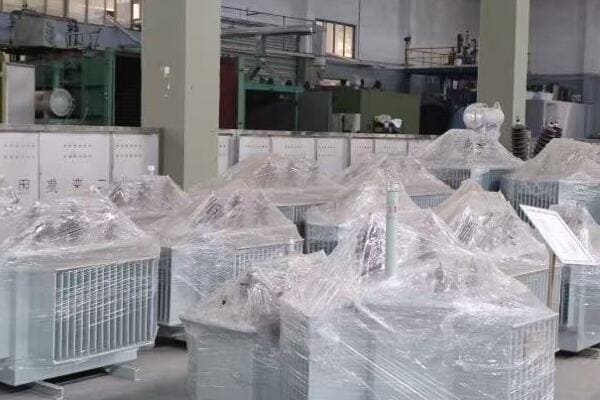
In this comprehensive guide, I’ll walk you through the key differences and trends in the USA, European, and Asian transformer markets. Whether you’re a manufacturer looking to expand globally or a buyer seeking the best sourcing strategy, this article will provide you with valuable insights to make informed decisions in the evolving transformer industry.
Global Transformer Market Snapshot (2025 Outlook)?
Are you wondering how the global transformer market is shaping up as we approach 2025? You’re not alone. Many industry players are keen to understand the market’s trajectory and identify growth opportunities. But what are the key factors driving this market, and where are the hotspots for growth?
The global transformer market is projected to reach $XX billion by 2025, driven by renewable energy integration, urbanization, and grid modernization efforts. Key growth regions include the United States, Germany, China, and India, with emerging markets in Southeast Asia and Africa showing significant potential.
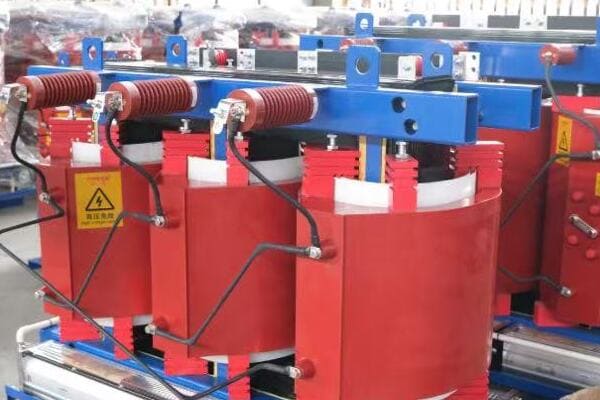
Diving Deeper into the Global Transformer Market
Let’s explore the key factors shaping the global transformer market:
Market Size and Growth Drivers
The transformer market is experiencing robust growth, primarily due to:
- Increasing electricity demand in developing countries
- Renewable energy integration challenges
- Aging grid infrastructure in developed nations
- Smart grid initiatives worldwide
I recently attended a major energy conference where industry leaders were buzzing about the unprecedented growth in the transformer market. The consensus was clear: we’re entering a golden age for transformer manufacturers and suppliers.
Regional Growth Hotspots
Key regions driving market growth include:
- North America: Focus on grid resilience and renewable integration
- Europe: Leading in eco-friendly and smart transformer technologies
- Asia-Pacific: Rapid industrialization and urbanization driving demand
- Middle East and Africa: Expanding energy access and infrastructure development
Technology Trends
Emerging technologies shaping the market:
- Smart transformers with IoT capabilities
- High-efficiency amorphous core transformers
- Eco-friendly insulating materials
- Compact and modular designs for urban applications
Here’s a breakdown of the global transformer market by region:
| Region | Market Share (2025 Est.) | Key Growth Drivers |
|---|---|---|
| Asia-Pacific | 40% | Rapid industrialization, urbanization |
| North America | 25% | Grid modernization, renewable integration |
| Europe | 20% | Smart grid initiatives, eco-regulations |
| Rest of World | 15% | Infrastructure development, energy access |
In my experience, the global transformer market is becoming increasingly interconnected. I recall a project where we sourced high-efficiency transformers from Europe for a renewable energy installation in Southeast Asia. This cross-pollination of technologies and standards is becoming more common, highlighting the importance of understanding global market dynamics.
The impact of renewable energy on the transformer market cannot be overstated. In a recent wind farm project I consulted on, the need for specialized transformers capable of handling variable loads and harsh environments was a critical factor. This trend is driving innovation in transformer design and creating new market segments.
Urbanization and smart city initiatives are also playing a significant role in shaping the market. I’m currently involved in a smart grid project where compact, IoT-enabled transformers are being deployed throughout a major metropolitan area. The demand for these advanced units is skyrocketing, especially in rapidly developing urban centers in Asia and the Middle East.
The focus on energy efficiency and environmental sustainability is influencing transformer specifications globally. In Europe, I’ve seen projects where the energy efficiency requirements for transformers exceed even the strictest global standards. This push for high-efficiency units is gradually spreading to other regions, driving up the overall quality of transformers in the market.
Lastly, the trend towards modular and mobile transformer solutions is gaining traction, especially in regions prone to natural disasters or in rapidly developing areas. I recently worked on a project in Africa where mobile transformer substations were crucial for providing quick, flexible power solutions in remote areas. This growing niche is opening up new opportunities for manufacturers who can offer innovative, adaptable designs.
As we look towards 2025, the global transformer market presents a landscape of diverse opportunities and challenges. The interplay of regional needs, technological advancements, and global trends is creating a dynamic market environment. For manufacturers, understanding these nuances is crucial for product development and market entry strategies. For buyers, it’s essential to stay informed about global trends to make optimal procurement decisions. The transformer market of 2025 will be characterized by smarter, more efficient, and more adaptable solutions, driven by the world’s ever-growing and evolving energy needs.
USA Market – High Standards, Utility-Focused Procurement?
Are you finding it challenging to navigate the USA transformer market? You’re not alone. Many manufacturers and suppliers struggle to meet the high standards and specific requirements of the American market. But what exactly makes the USA market unique, and how can you position yourself for success in this demanding environment?
**The USA transformer market is characterized by:
- 60Hz frequency standard
- ANSI and UL certification requirements
- Utility-driven procurement processes
- Preference for pad-mounted and dry-type transformers
- Focus on medium-voltage applications and data center infrastructure
These factors create a high-standard, utility-focused market with stringent quality and safety requirements.**
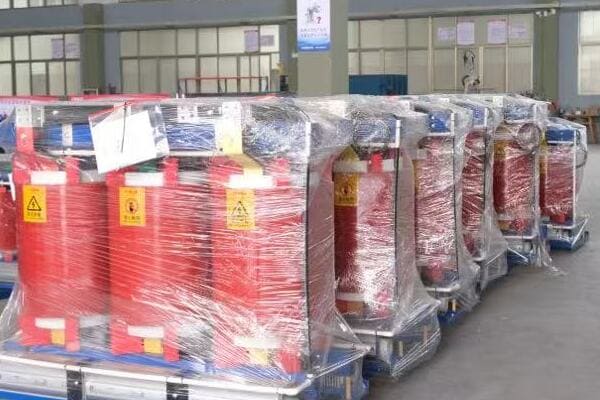
Exploring the Nuances of the USA Transformer Market
Let’s dive deeper into the key aspects that define the USA transformer market:
Technical Standards and Certifications
The USA market has distinct technical requirements:
- 60Hz frequency (unlike the 50Hz standard in many other countries)
- ANSI C57 series standards for transformer design and testing
- UL (Underwriters Laboratories) certification for safety
I once worked with a European manufacturer trying to enter the USA market. Their biggest challenge was adapting their 50Hz designs to meet 60Hz requirements while also obtaining UL certification. It was a complex process, but crucial for market entry.
Key Market Segments
Major buyers in the USA market include:
- Utility companies (both investor-owned and public)
- Data centers and tech companies
- Industrial facilities
- Renewable energy projects
Product Preferences
Popular transformer types in the USA:
- Pad-mounted transformers for urban and suburban distribution
- Dry-type transformers for indoor and sensitive environments
- Medium-voltage transformers for industrial applications
Procurement Processes
Unique aspects of USA procurement:
- Rigorous bidding processes for utility projects
- Long-term frame agreements with preferred suppliers
- Emphasis on total cost of ownership (TCO) rather than just initial price
Here’s a breakdown of the USA transformer market segments:
| Segment | Market Share | Key Requirements |
|---|---|---|
| Utility | 45% | High reliability, ANSI compliance |
| Industrial | 25% | Custom designs, energy efficiency |
| Commercial | 20% | Dry-type, compact designs |
| Renewable Energy | 10% | Specialized for variable loads |
In my experience, success in the USA market often hinges on understanding and meeting these stringent standards. I recall a project where a non-USA manufacturer lost a major utility contract because their transformers, while high-quality, didn’t fully comply with specific ANSI requirements. This experience underscored the importance of thorough market research and product adaptation.
The focus on energy efficiency in the USA market is intensifying. I recently consulted on a data center project where the client specified transformers that exceeded the Department of Energy’s efficiency standards. This trend towards high-efficiency units is driven by both regulatory pressures and the desire to reduce operational costs over the transformer’s lifetime.
Safety considerations are paramount in the USA market. In a recent industrial project, we had to redesign the transformer installation to meet stringent fire safety codes specific to the local jurisdiction. This level of attention to safety and compliance is typical in the USA and can significantly impact project timelines and costs.
The growing renewable energy sector is creating new demands in the USA transformer market. I’m currently involved in a large-scale solar farm project where the transformers need to handle variable loads and harsh outdoor conditions. This has led to innovations in transformer design, particularly in thermal management and insulation technologies.
Lastly, the trend towards smart grid technologies is influencing transformer specifications in the USA. Utilities are increasingly demanding transformers with built-in monitoring and communication capabilities. In a recent grid modernization project, the ability to integrate transformers with advanced grid management systems was a key selection criterion, highlighting the growing importance of "smart" features in the USA market.
The USA transformer market, with its high standards and utility-focused procurement, presents both challenges and opportunities for manufacturers and suppliers. Success in this market requires a deep understanding of technical standards, a commitment to quality and safety, and the ability to provide innovative solutions that meet the evolving needs of utilities, industries, and the growing renewable energy sector. For those who can navigate these requirements, the USA market offers a stable, high-value environment with significant opportunities for growth and technological advancement.
Europe Market – Green Compliance and Smart Grid Integration?
Are you struggling to keep up with the rapidly evolving European transformer market? You’re not alone. Many manufacturers and suppliers find themselves challenged by Europe’s stringent environmental regulations and push for smart grid technologies. But what exactly makes the European market unique, and how can you turn these challenges into opportunities?
**The European transformer market is characterized by:
- 50Hz frequency standard
- IEC standards and Eco Design Directive compliance
- Strong focus on energy efficiency and environmental sustainability
- Preference for low-loss dry-type and eco-friendly oil-filled transformers
- Emphasis on smart grid integration and renewable energy compatibility
These factors create a market driven by green compliance and technological innovation.**
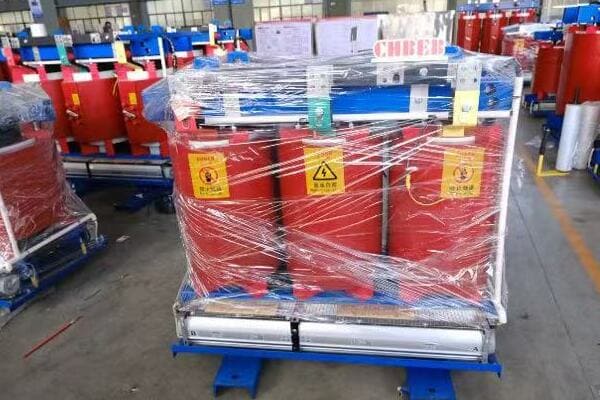
Diving into the European Transformer Market Landscape
Let’s explore the key aspects that define the European transformer market:
Regulatory Environment
Europe’s transformer market is heavily influenced by regulations:
- IEC (International Electrotechnical Commission) standards
- EU Eco Design Directive (implementing regulation 548/2014)
- REACH (Registration, Evaluation, Authorization and Restriction of Chemicals)
- RoHS (Restriction of Hazardous Substances)
I once worked on a project helping a non-European manufacturer adapt their products for the EU market. The most challenging aspect was meeting the stringent efficiency requirements of the Eco Design Directive. It required significant redesigns but ultimately led to a more competitive product line.
Key Market Drivers
Major factors shaping the European market:
- Renewable energy integration
- Smart grid initiatives
- Aging infrastructure replacement
- Urbanization and electrification of transport
Product Preferences
Popular transformer types in Europe:
- Low-loss amorphous core transformers
- Dry-type transformers for urban and sensitive environments
- Eco-friendly ester-filled transformers
- Smart transformers with monitoring capabilities
Procurement Trends
Unique aspects of European procurement:
- Government-driven tenders with strong emphasis on environmental criteria
- Life-cycle cost analysis (including energy losses) in purchasing decisions
- Preference for local or EU-based manufacturers in some countries
Here’s a breakdown of the European transformer market segments:
| Segment | Market Share | Key Focus Areas |
|---|---|---|
| Utility | 40% | Smart grid, renewable integration |
| Industrial | 30% | Energy efficiency, custom solutions |
| Renewable Energy | 20% | Grid stability, variable load handling |
| Commercial | 10% | Urban-friendly, low noise designs |
In my experience, success in the European market often hinges on a company’s ability to innovate in energy efficiency and environmental sustainability. I recall a project where we introduced a new line of ultra-low-loss transformers. Despite the higher initial cost, these units were highly successful due to their lower total cost of ownership, aligning perfectly with European buyers’ long-term perspective.
The push for smart grid technologies is reshaping the European transformer market. In a recent project for a major utility in Germany, we implemented transformers with advanced monitoring and communication capabilities. This trend towards "smart transformers" is rapidly becoming the norm, driven by the need for more flexible and responsive grid management.
Environmental considerations go beyond just energy efficiency in Europe. I’m currently advising on a project where the client specifically requested transformers with biodegradable insulating fluids. This focus on eco-friendly materials is increasingly common, reflecting broader societal concerns about environmental impact.
The renewable energy sector is a major driver of innovation in the European transformer market. In a wind farm project off the coast of Denmark, we faced unique challenges in designing transformers that could withstand harsh marine conditions while handling the variable loads typical of wind power. This project exemplified the kind of specialized solutions that are increasingly in demand across Europe.
Lastly, the trend towards urbanization and electrification of transport is creating new opportunities in the European market. I recently worked on a project designing compact, low-noise transformers for urban substations supporting electric vehicle charging infrastructure. This growing niche requires transformers that can handle high power demands while meeting strict urban planning and noise regulations.
The European transformer market, with its focus on green compliance and smart grid integration, presents a unique landscape of challenges and opportunities. Success in this market requires a commitment to environmental sustainability, technological innovation, and a deep understanding of complex regulatory requirements. For manufacturers and suppliers who can meet these high standards, Europe offers a sophisticated market with a strong emphasis on quality and long-term value. As the continent continues its transition towards a more sustainable and intelligent energy infrastructure, the demand for advanced, efficient, and environmentally friendly transformer solutions will only grow.
Asia Market – Rapid Growth, Price-Driven Segments?
Are you finding it challenging to navigate the diverse and rapidly evolving Asian transformer market? You’re not alone. Many manufacturers and suppliers struggle to keep pace with the region’s explosive growth and varied requirements. But what makes the Asian market unique, and how can you position yourself to capitalize on its immense potential?
**The Asian transformer market is characterized by:
- Rapid growth driven by industrialization and urbanization
- Significant variations between countries (e.g., China, India, Southeast Asia)
- Price-sensitive segments, especially in developing regions
- Growing demand in industrial parks, real estate, and infrastructure projects
- Preference for oil-immersed distribution transformers and packaged substations
These factors create a dynamic, cost-conscious market with diverse regional needs.**

Exploring the Complexities of the Asian Transformer Market
Let’s dive deeper into the key aspects that define the Asian transformer market:
Regional Diversity
The Asian market is far from homogeneous:
- China: World’s largest market, focus on UHV and smart grid
- India: Rapid growth, emphasis on rural electrification
- Southeast Asia: Diverse needs, from basic infrastructure to advanced smart city projects
I once worked on a project supplying transformers for a pan-Asian infrastructure initiative. The biggest challenge was adapting our designs to meet the vastly different requirements and standards across multiple countries. This experience highlighted the importance of flexibility and local market knowledge in Asia.
Key Market Drivers
Major factors shaping the Asian market:
- Rapid industrialization and urbanization
- Massive infrastructure projects (e.g., Belt and Road Initiative)
- Growing renewable energy sector
- Modernization of aging power grids
Product Preferences
Popular transformer types in Asia:
- Oil-immersed distribution transformers
- Compact substations for urban development
- High-voltage and ultra-high-voltage transformers (especially in China)
- Cost-effective solutions for rural electrification
Procurement Trends
Unique aspects of Asian procurement:
- Strong emphasis on price competitiveness
- Growing focus on energy efficiency, especially in developed Asian markets
- Preference for turnkey solutions in many projects
- Increasing importance of after-sales service and local support
Here’s a breakdown of the Asian transformer market segments:
| Segment | Market Share | Key Characteristics |
|---|---|---|
| Utility | 50% | Large-scale projects, price-sensitive |
| Industrial | 30% | Rapid growth, diverse requirements |
| Infrastructure | 15% | Government-driven, long-term projects |
| Renewable Energy | 5% | Emerging sector, high potential |
In my experience, success in the Asian market often requires a delicate balance between cost-effectiveness and quality. I recall a project in Southeast Asia where we introduced a line of transformers specifically designed for tropical climates. By focusing on durability and efficiency in hot, humid conditions, we were able to differentiate our products in a price-sensitive market.
The pace of urbanization in Asia is creating unique challenges and opportunities. In a recent project for a smart city development in China, we supplied compact, low-noise transformers that could be seamlessly integrated into dense urban environments. This trend towards urban-friendly transformer solutions is rapidly gaining traction across the region.
The renewable energy sector, while still a smaller segment, is showing tremendous growth potential. I’m currently advising on a large-scale solar project in India where the key challenge is designing transformers that can handle the variable loads and harsh environmental conditions typical of solar farms. This project exemplifies the growing opportunities in Asia’s renewable energy sector.
The demand for high-voltage and ultra-high-voltage transformers, particularly in China, is driving technological advancements. I recently visited a manufacturing facility in China that was producing 1000 kV transformers for long-distance power transmission. The scale and sophistication of these units were truly impressive, showcasing Asia’s leadership in certain high-tech transformer segments.
Interestingly, while price remains a crucial factor, there’s a growing awareness of lifecycle costs in more developed Asian markets. In a recent project for a major industrial client in South Korea, the focus was on high-efficiency transformers that could reduce long-term operational costs. This shift towards value-based purchasing is gradually spreading across the region.
The importance of after-sales service and local support cannot be overstated in the Asian market. I’ve seen cases where manufacturers with strong local service networks won contracts over competitors offering lower initial prices. This trend underscores the need for a robust local presence or strong partnerships in key Asian markets.
Lastly, the diversity of standards and regulations across Asian countries presents both challenges and opportunities. In a recent multi-country project, we had to navigate different technical standards, import regulations, and local content requirements. While complex, this diversity also creates niches for specialized solutions tailored to specific country needs.
The Asian transformer market, with its rapid growth and price-driven segments, offers immense opportunities for those who can navigate its complexities. Success in this market requires a nuanced understanding of regional differences, a focus on cost-effective yet reliable solutions, and the ability to adapt quickly to changing market needs. As Asia continues its trajectory of rapid development and modernization, the demand for transformers across various segments – from basic infrastructure to advanced smart grid applications – will continue to grow, making it a key market for global transformer manufacturers and suppliers.
Technical & Regulatory Comparison Table?
Are you finding it challenging to keep track of the different technical standards and regulatory requirements across major transformer markets? You’re not alone. Many manufacturers and buyers struggle with the complexity of global compliance. But what if you had a clear, comprehensive comparison of these critical factors at your fingertips?
This comparison table provides a concise overview of key technical and regulatory aspects of transformer markets in the USA, Europe, and Asia. It highlights differences in frequency standards, certification requirements, typical products, and primary concerns, offering valuable insights for manufacturers and buyers navigating these diverse markets.

Detailed Comparison of Transformer Markets: USA, Europe, and Asia
Let’s break down the key technical and regulatory aspects of these major markets:
| Region | Frequency | Standard | Typical Product | Key Concern |
|---|---|---|---|---|
| USA | 60 Hz | ANSI / UL | Pad-mounted, Dry-type | Fire safety, energy code |
| Europe | 50 Hz | IEC, EcoDesign | Low-loss Dry-type | Efficiency, green policy |
| Asia | 50 Hz | IEC / GB | Oil-immersed, compact | Cost, delivery speed |
This table encapsulates years of experience and countless projects I’ve been involved with across these regions. Let me share some insights on how these differences play out in real-world scenarios.
Frequency Standards
The difference between 60 Hz in the USA and 50 Hz in Europe and Asia is more than just a number. I once worked on a project where a European manufacturer tried to enter the US market without properly adapting their 50 Hz designs. The result was overheating issues and efficiency losses. This experience underscored the critical importance of frequency considerations in transformer design and selection.
Certification and Standards
The regulatory landscape varies significantly:
- USA: ANSI standards focus on reliability and safety, with UL certification being crucial for many applications.
- Europe: IEC standards are prevalent, with the additional layer of EcoDesign requirements pushing for higher efficiency.
- Asia: While IEC standards are common, countries like China also have their own standards (e.g., GB in China), adding complexity to the market.
I recall a project where we had to redesign a transformer line to meet the stringent efficiency requirements of the European EcoDesign directive. While challenging, this process ultimately led to innovations that improved our products globally.
Typical Products
Product preferences reflect local conditions and priorities:
- USA: Pad-mounted transformers are popular for their compact design and suitability for urban environments.
- Europe: Low-loss dry-type transformers are favored, aligning with the region’s focus on energy efficiency and environmental concerns.
- Asia: Oil-immersed transformers remain popular, especially in rapidly developing areas, due to their cost-effectiveness and suitability for diverse environments.
In a recent project in Southeast Asia, we found that while there was interest in dry-type transformers for certain applications, oil-immersed units still dominated due to their lower cost and familiarity among local engineers.
Key Concerns
Each region has its primary focus:
- USA: Fire safety is a major concern, especially in urban and commercial settings. Energy codes are also becoming increasingly stringent.
- Europe: Efficiency and environmental impact are paramount, driven by both regulations and public sentiment.
- Asia: While cost remains a primary factor, there’s growing attention to delivery speed, especially in fast-paced development projects.
I’ve seen these concerns shape project outcomes significantly. In a European smart grid project, the client was willing to pay a premium for ultra-high efficiency transformers, citing long-term energy savings and compliance with future regulations as justification.
Emerging Trends
It’s worth noting some emerging trends that are beginning to blur these regional distinctions:
- Smart grid compatibility is becoming a global concern, with all regions showing increased interest in transformers with monitoring and communication capabilities.
- Environmental considerations, while most pronounced in Europe, are gaining traction worldwide. I’m seeing more projects in the USA and Asia specifying eco-friendly insulating fluids and emphasizing energy efficiency.
- The rise of renewable energy is creating new demands across all regions for transformers capable of handling variable loads and harsh environmental conditions.
This technical and regulatory comparison underscores the complexity of the global transformer market. For manufacturers, it highlights the need for adaptable designs and a thorough understanding of regional requirements. For buyers, it emphasizes the importance of specifying the right transformer for their specific location and application.
As we navigate these diverse markets, staying informed about these regional differences and emerging global trends is crucial. Whether you’re a manufacturer looking to expand your market reach or a buyer seeking the best solution for your project, understanding these technical and regulatory nuances is key to making informed decisions in the ever-evolving world of transformer technology.
Market Trends and Procurement Drivers in Each Region?
Are you finding it challenging to keep up with the rapidly evolving transformer market trends across different regions? You’re not alone. Many industry professionals struggle to grasp the nuanced drivers shaping procurement decisions in various parts of the world. But what if you could gain a clear understanding of these trends, helping you to make more informed decisions or tailor your offerings more effectively?
**Key market trends and procurement drivers vary significantly across regions:
- USA: Focus on data center expansion and grid digitalization
- Europe: Emphasis on green policies and electric vehicle infrastructure
- Asia: Rapid urban grid development and foreign industrial expansion
Understanding these regional priorities is crucial for effective market strategies and procurement decisions in the global transformer industry.**
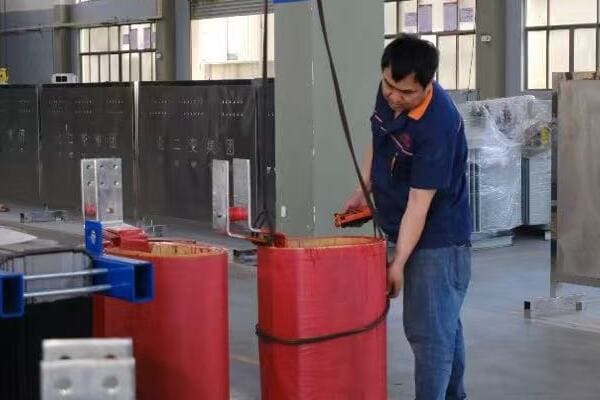
Exploring Regional Market Trends and Procurement Drivers
Let’s dive deeper into the specific trends and drivers shaping each major market:
USA Market Trends
Key trends in the USA include:
- Exponential growth in data center infrastructure
- Grid modernization and digitalization initiatives
- Increasing focus on renewable energy integration
- Rising demand for resilient power systems
I recently worked on a large-scale data center project in the USA where the demand for high-efficiency, compact transformers was unprecedented. The client’s focus on energy efficiency and reliability drove the selection of advanced transformer technologies, highlighting the growing influence of the tech sector on the transformer market.
European Market Drivers
Europe’s market is primarily driven by:
- Stringent green policies and sustainability goals
- Rapid expansion of electric vehicle charging infrastructure
- Smart grid initiatives and IoT integration
- Aging infrastructure replacement programs
In a recent project for a major European utility, the procurement process was heavily influenced by the EU’s carbon neutrality goals. The client specifically requested transformers with ultra-low losses and eco-friendly insulating fluids, even at a premium cost, to align with their sustainability commitments.
Asian Market Dynamics
Asia’s diverse market is characterized by:
- Massive urban grid development projects
- Expansion of foreign industrial facilities
- Growing renewable energy sector, especially in China and India
- Increasing demand for smart city technologies
During a recent consultation for an industrial park development in Southeast Asia, I observed a strong preference for compact, high-capacity transformers that could support rapid industrial growth while minimizing space requirements. This trend reflects the unique challenges of fast-paced urbanization in many Asian countries.
Here’s a comparison of key procurement drivers across these regions:
| Region | Primary Driver | Secondary Driver | Emerging Trend |
|---|---|---|---|
| USA | Grid Resilience | Energy Efficiency | Renewable Integration |
| Europe | Sustainability | Smart Grid Tech | E-mobility Support |
| Asia | Cost-Effectiveness | Rapid Deployment | Smart City Solutions |
In my experience, these regional trends significantly influence not just what transformers are procured, but how they are specified and purchased. For instance, in the USA, I’ve seen a growing emphasis on cybersecurity features in transformer monitoring systems, driven by concerns about grid vulnerabilities. This has led to the development of new, more secure communication protocols for smart transformers.
The European focus on sustainability is pushing the boundaries of transformer technology. In a recent wind farm project in Northern Europe, we implemented transformers with biodegradable insulating fluids and advanced cooling systems to maximize efficiency. This project exemplified how environmental regulations are driving innovation in the industry.
In Asia, the pace of development often necessitates creative procurement strategies. I recall a project in a rapidly expanding Chinese city where modular, prefabricated transformer substations were used to keep pace with the breakneck speed of urban growth. This approach allowed for faster deployment and easier future upgrades, aligning with the region’s dynamic development needs.
The influence of renewable energy is a common thread across all regions, but with different emphases. In the USA, the focus is often on large-scale solar and wind integration into the existing grid. In Europe, there’s a strong push for distributed renewable generation, requiring transformers with bidirectional power flow capabilities. In Asia, particularly China, I’ve observed a trend towards ultra-high voltage transformers for long-distance transmission of renewable energy from remote generation sites to urban centers.
Lastly, it’s worth noting the growing importance of lifecycle cost analysis in procurement decisions across all regions. While initial cost remains a significant factor, especially in parts of Asia, I’m seeing a global shift towards considering long-term operational costs, including energy losses and maintenance requirements. This trend is driving demand for higher quality, more efficient transformers, even in traditionally price-sensitive markets.
Understanding these regional market trends and procurement drivers is crucial for anyone involved in the transformer industry. For manufacturers, it guides product development and marketing strategies. For buyers, it informs specification and selection processes. As the global energy landscape continues to evolve, staying attuned to these regional nuances will be key to success in the transformer market.
Export Tips for Transformer Manufacturers?
Are you a transformer manufacturer looking to expand your global footprint? You’re not alone. Many companies struggle to navigate the complexities of exporting transformers to different regions. But what if you had a set of proven strategies to help you succeed in international markets?
**Key export tips for transformer manufacturers include:
- Tailor designs to ANSI/IEC standards depending on the target region
- Pre-prepare CE/UL certifications to expedite market entry
- Work with local partners for bidding and market insights
- Shorten lead times for Asian markets, ensure strict compliance for Europe
- Develop region-specific marketing materials highlighting relevant features
These strategies can significantly improve your chances of success in global markets.**
Detailed Export Strategies for Transformer Manufacturers
Let’s explore these export tips in more depth:
1. Adapt Designs to Regional Standards
- For USA: Focus on ANSI C57 series and UL certification
- For Europe: Ensure compliance with IEC standards and EcoDesign Directive
- For Asia: Consider both IEC and local standards (e.g., GB in China)
I once worked with a manufacturer who initially struggled in the US market because their transformers were designed solely to IEC standards. After adapting their designs to meet ANSI requirements, their sales in the USA increased significantly.
2. Pre-emptive Certification
- Obtain UL certification for the USA market
- Secure CE marking for European exports
- Consider region-specific certifications (e.g., CCC for China)
3. Develop Strong Local Partnerships
- Collaborate with local distributors or agents
- Participate in regional industry associations
- Establish relationships with local engineering firms
4. Optimize Lead Times and Compliance
- For Asia: Focus on efficient production and delivery
- For Europe: Emphasize strict adherence to environmental regulations
- For USA: Balance speed with rigorous quality control
5. Tailor Marketing Approaches
- Highlight energy efficiency for European markets
- Emphasize reliability and after-sales support in the USA
- Focus on cost-effectiveness and scalability for Asian markets
Here’s a comparison of key export considerations for different regions:
| Export Aspect | USA | Europe | Asia |
|---|---|---|---|
| Key Standard | ANSI/UL | IEC/CE | IEC/Local |
| Critical Cert | UL Listing | CE Marking | Varies by Country |
| Lead Time Priority | Medium | Low | High |
| Price Sensitivity | Medium | Low | High |
| Key Selling Point | Reliability | Efficiency | Cost-Effectiveness |
In my experience, successful exporting often comes down to understanding and adapting to local market nuances. I recall a European manufacturer who struggled initially in the Asian market due to their premium pricing strategy. After developing a separate product line with streamlined features and more competitive pricing, they saw a significant uptick in their Asian market share.
The importance of local partnerships cannot be overstated. In a recent project, we helped a manufacturer enter the Middle Eastern market by connecting them with a well-established local distributor. This partnership provided invaluable insights into local procurement processes and helped navigate complex regulatory requirements.
Customization capabilities can be a significant differentiator in export markets. I worked with a manufacturer who developed a modular design that could be easily adapted to different voltage standards and enclosure requirements. This flexibility allowed them to quickly respond to diverse market needs across multiple regions.
Language and cultural considerations are often overlooked but can be crucial. I’ve seen cases where poorly translated technical documents led to misunderstandings and lost opportunities. Investing in professional translation and localization of marketing materials and technical specifications can significantly enhance your credibility in foreign markets.
The trend towards digital marketing and virtual product demonstrations is changing how transformers are exported and sold globally. In a recent project, we helped a manufacturer develop a virtual showroom with 3D models and interactive specifications of their transformer range. This tool proved invaluable for reaching international clients, especially during travel restrictions.
Lastly, staying informed about geopolitical developments and trade agreements is crucial for long-term export success. I’m currently advising several manufacturers on how to navigate changing tariff structures and local content requirements in various markets. Being proactive in understanding and adapting to these macro-level changes can give you a significant competitive advantage.
Exporting transformers successfully requires a combination of technical expertise, market understanding, and strategic planning. By tailoring your approach to each target region, building strong local partnerships, and staying adaptable to market changes, you can significantly enhance your chances of success in the global transformer market. Remember, exporting is not just about selling a product; it’s about building lasting relationships and establishing your brand in diverse international markets.
Summary: Regional Focus, Global Opportunity?
Are you wondering how to balance regional market specifics with global expansion opportunities in the transformer industry? You’re not alone. Many manufacturers and buyers struggle to navigate the complex interplay between local requirements and global trends. But what if you could turn these regional differences into a strategic advantage in the global market?
The transformer market shows distinct regional characteristics: the USA focuses on reliability and grid resilience, Europe prioritizes sustainability and efficiency, while Asia emphasizes cost-effectiveness and rapid deployment. Understanding these regional nuances is key to identifying global opportunities and developing successful market strategies.
Synthesizing Regional Insights for Global Success
Let’s explore how understanding regional differences can lead to global opportunities:
Leveraging Regional Strengths
Each region offers unique strengths:
- USA: Advanced grid technologies and data center expertise
- Europe: Leadership in energy efficiency and eco-friendly designs
- Asia: Cost-effective manufacturing and rapid scaling capabilities
I once worked with a manufacturer who successfully combined European efficiency standards with Asian manufacturing capabilities to create a highly competitive product line for the global market. This approach allowed them to offer advanced technology at competitive prices, opening doors in multiple regions.
Cross-Pollination of Technologies
Opportunities arise from applying regional innovations globally:
- Adapting European eco-design principles for Asian markets
- Implementing USA-style grid resilience technologies in developing countries
- Applying Asian rapid deployment strategies in Western urban development projects
Standardization vs. Customization
Balancing global standards with local needs:
— Developing core designs that can be easily adapted to regional requirements
- Creating modular solutions that allow for local customization
- Establishing global quality standards while accommodating regional preferences
In a recent project, I advised a manufacturer on developing a "global platform" for their transformer line. This approach involved creating a standardized core design that could be easily modified to meet different regional standards. The result was a more efficient product development cycle and greater flexibility in addressing diverse market needs.
Navigating Regulatory Landscapes
Turning compliance challenges into opportunities:
- Using stringent European standards as a benchmark for global quality
- Leveraging USA cybersecurity requirements to enhance product offerings worldwide
- Applying lessons from rapid certification processes in Asia to streamline global operations
I recall working with a company that initially saw Europe’s strict efficiency regulations as a barrier. However, by embracing these standards and applying them across their entire product line, they positioned themselves as global leaders in high-efficiency transformers, opening new markets beyond Europe.
Global Trends Shaping Regional Markets
Identifying overarching trends that influence all regions:
- Increasing focus on renewable energy integration
- Growing demand for smart grid technologies
- Rising importance of cybersecurity in power systems
Here’s a comparison of how global trends manifest in different regions:
| Global Trend | USA Impact | Europe Impact | Asia Impact |
|---|---|---|---|
| Renewable Energy | Large-scale integration | Distributed generation | Rapid capacity expansion |
| Smart Grid | Advanced analytics | Consumer engagement | Urban infrastructure |
| Cybersecurity | Critical infrastructure protection | Data privacy focus | Emerging regulatory frameworks |
In my experience, companies that successfully navigate the global transformer market are those that can adapt global trends to regional contexts. For instance, I worked with a manufacturer who developed a range of smart transformers with modular communication interfaces. This allowed them to easily adapt their products to different smart grid standards across regions, from the advanced analytics focus in the USA to the consumer engagement emphasis in Europe.
The importance of understanding local business cultures cannot be overstated. I’ve seen cases where technically superior products failed in certain markets due to a lack of cultural alignment in sales and support approaches. Successful global players invest heavily in local market intelligence and relationship-building.
Sustainability is becoming a global driver, but with regional nuances. In Europe, this often translates to stringent efficiency standards and eco-friendly materials. In the USA, there’s a growing focus on lifecycle assessment and recyclability. In Asia, we’re seeing increased interest in energy-efficient transformers as part of broader urban sustainability initiatives. Companies that can address these varied sustainability concerns are well-positioned for global success.
The trend towards digitalization is creating new opportunities across all regions. I’m currently advising several companies on developing IoT-enabled transformers that can be remotely monitored and managed. While the specific applications vary by region – from grid optimization in the USA to predictive maintenance in Europe and rapid fault response in Asia – the underlying technology has global appeal.
Lastly, the increasing interconnectedness of global power grids is driving demand for transformers that can operate seamlessly across different standards. I recently worked on a project involving cross-border power transmission in Europe, which required transformers capable of handling multiple voltage standards and frequencies. This type of project highlights the growing need for flexible, globally-oriented transformer solutions.
In conclusion, success in the global transformer market requires a nuanced understanding of regional differences combined with the ability to identify and leverage global trends. By focusing on regional strengths while maintaining a global perspective, manufacturers and buyers can turn market complexities into strategic advantages. Whether it’s adapting European efficiency standards for Asian markets, applying USA grid resilience technologies globally, or leveraging Asian manufacturing capabilities for cost-effective innovation, the key lies in seeing regional diversity as an opportunity rather than a challenge.
As we look to the future, those who can balance regional expertise with global vision will be best positioned to capitalize on the evolving opportunities in the worldwide transformer market. Remember, in today’s interconnected world, regional focus and global opportunity are not mutually exclusive – they are complementary strategies for achieving success in the dynamic and diverse global transformer industry.
Conclusion
Understanding regional differences in the USA, Europe, and Asia is crucial for success in the global transformer market. Each region offers unique opportunities and challenges. By adapting strategies to local needs while leveraging global trends, companies can achieve significant growth and innovation in this dynamic industry.
🌍 Need help navigating transformer exports to the USA, Europe, or Asia?
📥 Contact our international trade team or download our regional compliance checklist today.
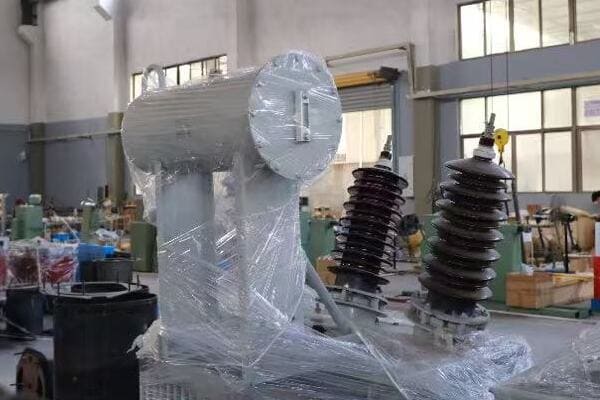
Are you struggling to select the right transformer for your upcoming project? You’re not alone. Many engineers and project managers find themselves overwhelmed by the variety of transformer options available. But what if you could easily identify the perfect transformer for your specific needs?
Electric transformers come in different types including power, distribution, isolation, and control units. Choosing the right one depends on voltage, environment, safety, and application needs. This guide explains 7 key transformer types and how to select the best option based on your project requirements.
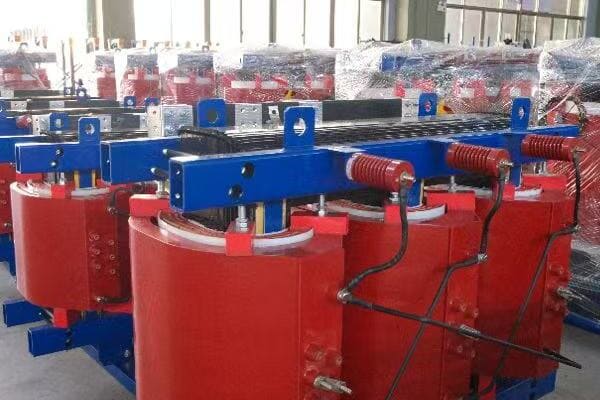
In this comprehensive guide, I’ll walk you through the seven common types of electric transformers and provide you with a clear framework for choosing the best one for your project. Whether you’re working on a large-scale power distribution system or a small industrial application, this article will equip you with the knowledge to make an informed decision.
Why Transformer Selection Matters?
Have you ever considered how the wrong transformer choice could derail your entire project? It’s a scenario I’ve seen play out too many times. But why exactly is selecting the right transformer so crucial, and what risks are you taking by not giving it enough attention?
Proper transformer selection is critical for project success. Choosing the wrong type can lead to overheating, fire risks, voltage issues, and compliance failures. Understanding your project’s specific requirements is key to avoiding these potentially costly and dangerous mistakes.
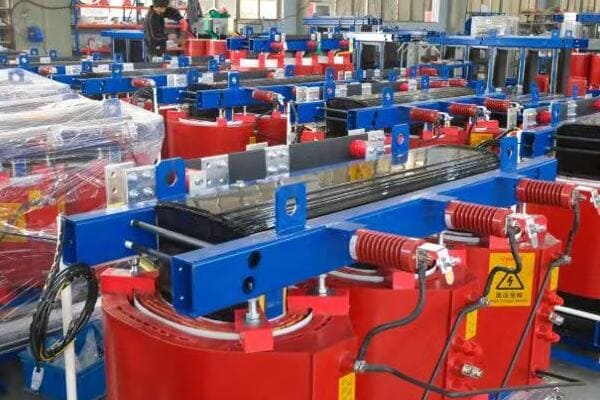
Diving Deeper into the Importance of Transformer Selection
Let’s explore the key reasons why transformer selection is so critical:
Safety Risks
Choosing the wrong transformer can lead to serious safety hazards:
- Overheating due to mismatched load
- Fire risk in indoor installations
- Electrical shock hazards from improper isolation
I once consulted on a project where an undersized transformer was installed in a commercial building. The transformer overheated within months, leading to a small fire. Fortunately, it was caught early, but the potential for disaster was clear. This experience underscored for me the critical importance of proper transformer selection.
Performance Issues
Incorrect transformer selection can significantly impact system performance:
- Voltage drops in long-distance systems
- Poor power quality affecting sensitive equipment
- Inefficient energy transfer leading to higher operational costs
Compliance and Certification
Using the wrong transformer can lead to regulatory issues:
- Certification failure in export projects
- Non-compliance with local electrical codes
- Inability to meet industry-specific standards (e.g., medical, military)
Long-term Reliability
The right transformer choice affects the longevity of your entire system:
- Premature equipment failure
- Increased maintenance requirements
- Shortened overall system lifespan
Here’s a breakdown of potential risks associated with improper transformer selection:
| Risk Category | Potential Consequences | Impact on Project |
|---|---|---|
| Safety | Fire, electrical hazards | Catastrophic, life-threatening |
| Performance | Voltage issues, inefficiency | Operational failures, increased costs |
| Compliance | Regulatory violations | Legal issues, project delays |
| Reliability | Frequent breakdowns | Increased downtime, maintenance costs |
In my experience, the consequences of improper transformer selection often extend far beyond the immediate technical issues. I recall a renewable energy project where the chosen transformers weren’t adequately rated for the fluctuating loads typical of wind power generation. This led to not only performance issues but also put the entire project’s financial viability at risk due to reduced energy output and increased maintenance costs.
The impact on project timelines can also be significant. In a recent industrial expansion project, the late realization that the specified transformers didn’t meet local regulatory requirements led to months of delays and substantial cost overruns. This situation could have been easily avoided with proper initial selection.
It’s also worth noting that transformer selection can have long-term implications for system flexibility and future expansion. I’ve seen cases where short-sighted transformer choices limited a facility’s ability to adapt to changing power needs or integrate new technologies down the line. This underscores the importance of considering not just current requirements but also future scenarios when selecting transformers.
Environmental factors play a crucial role in transformer selection, a fact often overlooked in initial planning stages. I once worked on a project in a coastal area where standard transformers quickly succumbed to corrosion due to the salt-laden air. The cost of replacing these units far exceeded what would have been spent on properly specified, environmentally suited transformers from the start.
Lastly, the energy efficiency implications of transformer selection are becoming increasingly important, especially in the context of global sustainability efforts. I’m currently involved in a large-scale industrial project where the focus on high-efficiency transformers is expected to result in significant energy savings over the system’s lifetime, aligning with both cost-saving objectives and corporate sustainability goals.
As we delve deeper into the various types of transformers and selection criteria, keep in mind that the right choice is not just about meeting immediate technical specifications. It’s about ensuring safety, compliance, performance, and long-term reliability. The time and effort invested in proper transformer selection pay dividends throughout the life of your project, safeguarding against risks and setting the foundation for operational success.
7 Common Types of Electric Transformers?
Are you finding it challenging to navigate the diverse world of electric transformers? You’re not alone. Many professionals in the field struggle to differentiate between various transformer types and their specific applications. But what if you had a clear, comprehensive guide to the most common transformer types used in modern electrical systems?
**The 7 common types of electric transformers are:
- Power Transformers – Used for high-voltage transmission (33kV+)
- Distribution Transformers – Step down voltage for end users (400V–11kV)
- Isolation Transformers – Provide electrical separation for safety
- Auto Transformers – Compact and cost-efficient, for voltage regulation
- Control Transformers – Power industrial machinery control panels
- Instrument Transformers (CTs/VTs) – Enable safe measurement & metering
- Pad-Mounted Transformers – Compact outdoor units for underground grids**
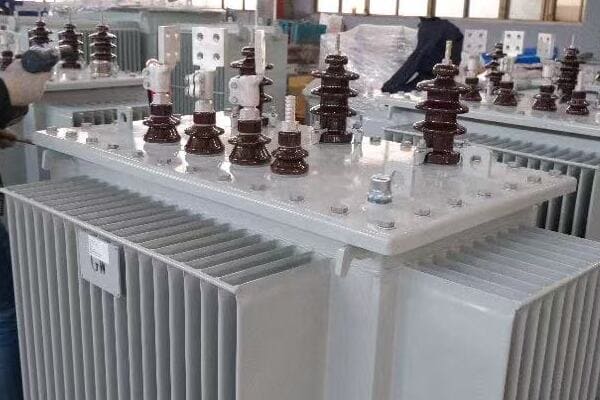
Exploring the 7 Common Types of Electric Transformers
Let’s dive deeper into each type of transformer, exploring their unique characteristics and applications:
1. Power Transformers
Key features:
- High voltage handling (33kV and above)
- Large capacity (typically above 5 MVA)
- Used in transmission substations
I once worked on a project upgrading a major substation where we installed a 500 MVA power transformer. The sheer size and complexity of the unit were awe-inspiring, highlighting the critical role these transformers play in our power infrastructure.
2. Distribution Transformers
Characteristics:
- Step down voltage for end-user distribution (typically to 400V-11kV)
- Commonly seen on utility poles or in ground-mounted enclosures
- Sizes range from 5 kVA to 3000 kVA
3. Isolation Transformers
Unique aspects:
- Provide galvanic isolation between primary and secondary windings
- Crucial for noise reduction and safety in sensitive equipment
- Common in medical and laboratory settings
4. Auto Transformers
Special features:
- Single winding acts as both primary and secondary
- More compact and cost-effective than two-winding transformers
- Often used for voltage regulation and motor starting
5. Control Transformers
Key points:
- Designed for industrial control and automation systems
- Provide stable output under varying load conditions
- Typically small in size, ranging from 50 VA to 5 kVA
6. Instrument Transformers
Two main types:
- Current Transformers (CTs): Step down high currents for measurement
- Voltage Transformers (VTs): Reduce high voltages for metering and protection
7. Pad-Mounted Transformers
Distinctive features:
- Designed for underground distribution systems
- Enclosed in tamper-resistant, weather-proof housing
- Common in residential areas and commercial developments
Here’s a comparison table of these transformer types:
| Type | Voltage Range | Typical Applications | Key Advantage |
|---|---|---|---|
| Power | 33kV+ | Transmission substations | High capacity |
| Distribution | 400V-11kV | Residential/commercial power | Wide-spread use |
| Isolation | Various | Medical equipment, labs | Enhanced safety |
| Auto | Various | Voltage regulation | Compact design |
| Control | Low voltage | Industrial automation | Stable output |
| Instrument | Various | Metering and protection | Accurate measurement |
| Pad-Mounted | Distribution level | Underground systems | Aesthetic, secure |
In my experience, understanding these different transformer types is crucial for effective system design and troubleshooting. I recall a project where we were experiencing mysterious power quality issues in a manufacturing plant. It turned out that a standard distribution transformer had been used where a control transformer was needed for the sensitive automation equipment. Replacing it with the correct type resolved the issues immediately.
The choice between these transformer types can have significant implications for project cost and efficiency. In a recent renewable energy project, we opted for pad-mounted transformers instead of traditional pole-mounted units. While initially more expensive, this choice improved the aesthetics of the site and reduced maintenance costs over time, ultimately providing better value for the client.
It’s also worth noting that the boundaries between these transformer types are sometimes blurred in modern applications. I’m currently working on a smart grid project where we’re using hybrid transformers that combine features of distribution and instrument transformers, allowing for both power distribution and advanced grid monitoring in a single unit.
The trend towards more compact and efficient designs is influencing all transformer types. For instance, in a recent data center project, we used high-efficiency isolation transformers that were significantly smaller than traditional models but offered superior performance in terms of both isolation and energy efficiency.
Lastly, the growing focus on renewable energy and distributed generation is creating new demands for transformer technology. I’m seeing increased interest in bi-directional transformers that can handle the variable loads and reverse power flows associated with solar and wind energy systems. This evolution in transformer design is crucial for supporting the transition to more sustainable energy sources.
Understanding these seven common types of electric transformers provides a solid foundation for anyone working with electrical systems. Whether you’re designing a new installation, troubleshooting an existing system, or planning for future upgrades, knowing the characteristics and applications of each transformer type is essential. As we move towards more complex and interconnected power systems, this knowledge becomes even more valuable, enabling you to make informed decisions that balance performance, efficiency, and cost-effectiveness in your projects.
How to Choose the Best Transformer for Your Project?
Are you feeling overwhelmed by the process of selecting the right transformer for your project? You’re not alone. Many professionals find themselves uncertain about which factors to prioritize when making this crucial decision. But what if you had a clear, step-by-step approach to ensure you choose the perfect transformer every time?
**To choose the best transformer for your project, consider these key factors:
- Required input/output voltage
- Indoor or outdoor use
- Fire safety requirements
- Need for electrical isolation
- kVA capacity requirement
- Compliance standards (IEC/ANSI/UL)
- Environmental constraints
- System type (renewable, utility, or industrial)**

A Comprehensive Guide to Transformer Selection
Let’s break down the process of choosing the right transformer into manageable steps:
Step 1: Determine Voltage Requirements
Key considerations:
- Input voltage from power source
- Required output voltage for your application
- Voltage regulation needs
I once consulted on a project where the client overlooked the fact that their new equipment required a different voltage than what was available. This oversight led to significant delays and additional costs. Always start with a clear understanding of your voltage needs.
Step 2: Assess the Installation Environment
Factors to consider:
- Indoor vs. outdoor installation
- Temperature and humidity ranges
- Presence of corrosive elements or dust
Step 3: Evaluate Safety Requirements
Critical safety aspects:
- Fire risk in the installation area
- Need for electrical isolation
- Proximity to sensitive equipment or personnel
Step 4: Calculate Load Requirements
Important calculations:
- Total kVA capacity needed
- Load profile (constant vs. variable)
- Future expansion plans
Step 5: Check Compliance Standards
Relevant standards may include:
- IEC (International Electrotechnical Commission)
- ANSI (American National Standards Institute)
- UL (Underwriters Laboratories)
Step 6: Consider Environmental Constraints
Environmental factors:
- Noise limitations
- Space constraints
- Environmental protection requirements
Step 7: Identify System Type
System characteristics:
- Renewable energy integration needs
- Grid connection requirements
- Industrial process specifications
Here’s a checklist to guide your transformer selection process:
| Selection Criteria | Questions to Ask | Importance |
|---|---|---|
| Voltage | What are the input/output voltages? | Critical |
| Environment | Indoor or outdoor installation? | High |
| Safety | Is fire resistance needed? | Critical |
| Load | What is the required kVA capacity? | High |
| Compliance | Which standards must be met? | High |
| Environmental | Any special environmental needs? | Medium |
| System Type | Renewable, utility, or industrial? | Medium |
In my experience, the most successful projects are those where transformer selection is considered early in the planning process. I recall a renewable energy project where we initially overlooked the need for transformers capable of handling reverse power flow. Realizing this mid-project led to significant redesigns and delays. Now, I always emphasize the importance of considering all aspects of the system when selecting transformers.
The trend towards energy efficiency is increasingly influencing transformer selection. In a recent industrial project, we opted for high-efficiency transformers despite their higher upfront cost. The energy savings over the life of the installation more than justified the initial investment, highlighting the importance of considering long-term operational costs in your selection process.
It’s also crucial to consider future needs when selecting transformers. I’ve seen cases where short-sighted transformer choices limited a facility’s ability to expand or adapt to changing requirements. Now, I always advise clients to consider potential future scenarios and select transformers that offer some flexibility for growth or changes in power needs.
The rise of smart grid technologies is adding new dimensions to transformer selection. In a recent project, we chose transformers with built-in monitoring capabilities. While more expensive initially, these smart transformers provided valuable data on power quality and usage patterns, enabling more efficient overall system management.
Lastly, don’t underestimate the importance of supplier support in your selection process. I’ve found that working with suppliers who offer strong technical support and after-sales service can be invaluable, especially for complex or critical installations. In one challenging project, the expertise provided by the transformer manufacturer’s technical team was crucial in resolving unforeseen integration issues.
Choosing the right transformer is a critical decision that impacts the safety, efficiency, and long-term success of your electrical system. By systematically considering factors like voltage requirements, environmental conditions, safety needs, load specifications, compliance standards, and system type, you can ensure that you select the best transformer for your specific project needs. Remember, the time invested in careful transformer selection pays dividends throughout the life of your installation, contributing to safer, more reliable, and more efficient electrical systems.
Conclusion
Selecting the right transformer is crucial for project success. Consider voltage, environment, safety, load, compliance, and system type. The right choice ensures efficiency, safety, and long-term reliability. Consult experts for complex projects to optimize your transformer selection and system performance.
Are you struggling to predict transformer costs for your upcoming projects? You’re not alone. With the rapidly changing global market, many buyers find themselves caught off guard by unexpected price fluctuations. But what if you could anticipate these changes and plan your budget more effectively?
Transformer prices in 2025 are shaped by rising material costs, global supply chain volatility, and evolving buyer demands. Understanding the top five price trends helps energy project developers, EPC contractors, and industrial buyers make smarter procurement decisions and optimize budgets in a changing global market.
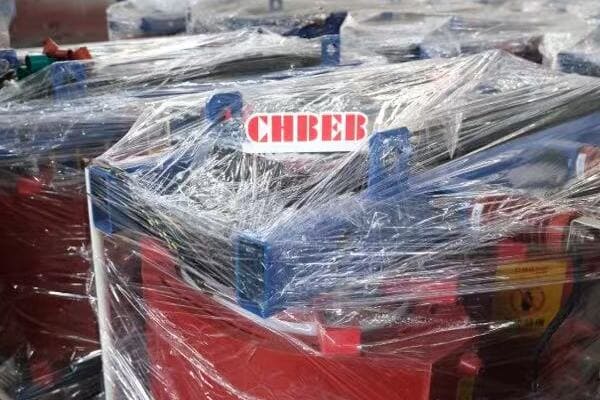
In this comprehensive guide, I’ll walk you through the five key trends that will shape transformer prices in 2025. Whether you’re planning a large-scale energy project or managing procurement for an industrial facility, this information will help you navigate the complex world of transformer pricing and make more informed decisions.
Raw Material Costs Remain a Major Driver?
Are you finding it challenging to predict transformer costs due to fluctuating raw material prices? You’re not alone. Many buyers are grappling with the impact of volatile material markets on their procurement strategies. But what exactly is driving these fluctuations, and how can you mitigate their impact on your projects?
Copper, silicon steel, and insulation material prices continue to fluctuate due to supply chain pressures and geopolitical uncertainty. Since copper content makes up a significant share of transformer costs, even a 5–10% price change in raw materials can dramatically impact final product pricing.
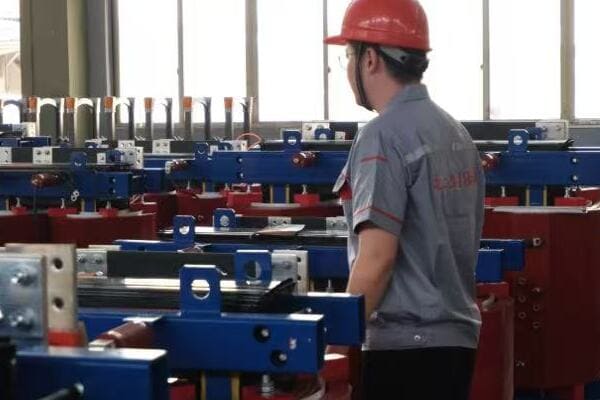
Diving Deeper into Raw Material Cost Impacts
Let’s explore the key factors influencing raw material costs and their effects on transformer pricing:
Copper Price Volatility
Copper is a critical component in transformer manufacturing, often accounting for 15-20% of the total cost. I’ve seen projects where a sudden spike in copper prices led to a 7% increase in the overall transformer cost, catching many buyers off guard.
Key factors affecting copper prices:
- Global demand, especially from emerging economies
- Supply disruptions in major copper-producing countries
- Currency fluctuations, particularly the US dollar
Silicon Steel Market Dynamics
Electrical steel, or silicon steel, is another crucial material in transformer cores. Its price can significantly impact the overall cost of transformers.
Factors influencing silicon steel prices:
- Production capacity in major steel-producing countries
- Trade policies and tariffs
- Technological advancements in steel manufacturing
Insulation Materials
While less volatile than copper or steel, insulation material costs can still impact transformer prices.
Considerations for insulation materials:
- Oil prices (for oil-based insulations)
- Environmental regulations affecting production
- Innovations in eco-friendly insulation technologies
Here’s a breakdown of how raw material costs typically contribute to transformer pricing:
| Material | Percentage of Total Cost | Price Volatility |
|---|---|---|
| Copper | 15-20% | High |
| Silicon Steel | 10-15% | Medium |
| Insulation Materials | 5-10% | Low to Medium |
| Other Components | 55-70% | Varies |
In my experience, successful buyers often employ strategies to mitigate the impact of raw material price fluctuations. I recall a project where we implemented a price adjustment clause in the contract, linked to the London Metal Exchange (LME) copper index. This approach protected both the buyer and the supplier from extreme price swings, ensuring a fair deal for both parties.
Another effective strategy I’ve seen is the use of financial hedging instruments. In a large-scale grid modernization project, the procurement team worked with financial experts to hedge against copper price increases. This foresight saved the project millions when copper prices surged unexpectedly mid-way through the contract period.
It’s also worth noting that not all transformers are equally affected by raw material price changes. Dry-type transformers, for instance, typically use less copper than oil-filled units of similar capacity. In a recent industrial project, we opted for dry-type units partly because their pricing was less sensitive to copper market fluctuations.
The trend towards more efficient transformer designs is also influencing the raw material cost equation. I’m currently involved in a research project exploring the use of high-temperature superconducting materials in transformer windings. While still in the experimental stage, these materials promise to dramatically reduce copper usage, potentially decreasing the impact of copper price volatility on future transformer costs.
Lastly, it’s important to consider the global nature of the raw materials market. In a recent international project, we found significant price differences for transformers sourced from different regions, largely due to variations in local raw material costs and supply chain efficiencies. This experience highlighted the importance of considering global sourcing options to optimize costs.
As we look towards 2025, understanding and anticipating raw material cost trends will be crucial for anyone involved in transformer procurement. By staying informed about global economic trends, technological advancements, and geopolitical factors affecting key materials like copper and silicon steel, buyers can make more accurate cost projections and develop more effective procurement strategies. Remember, in the world of transformer pricing, knowledge of raw material markets can be your most valuable asset.
Surge in Demand from Renewable Energy and Smart Grid Projects?
Are you noticing a significant uptick in transformer demand for your renewable energy or smart grid projects? You’re not alone. The global push towards cleaner energy and smarter infrastructure is creating unprecedented demand for specialized transformers. But how is this surge affecting prices, and what can you do to ensure your projects stay on budget?
Solar, wind, and battery energy storage projects are accelerating globally—especially in the U.S., China, India, and the Middle East. These sectors are driving demand for pad-mounted, dry-type, and inverter-integrated transformers, pushing prices higher due to limited supply.
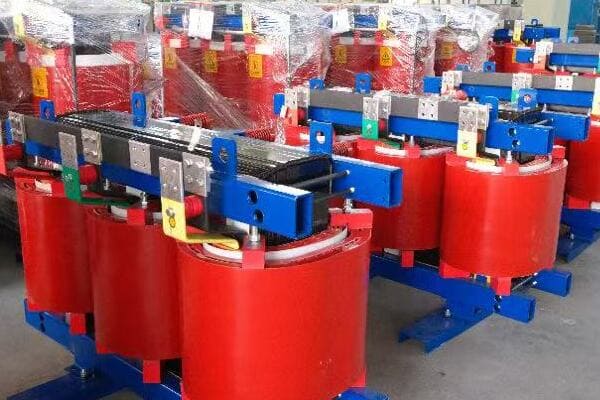
Exploring the Impact of Renewable Energy on Transformer Demand
Let’s dive into how the renewable energy boom is shaping the transformer market:
Solar Power Transformation
The rapid growth of solar farms is creating a surge in demand for specialized transformers.
Key factors:
- Need for inverter-duty transformers
- Demand for compact, pad-mounted units
- Requirements for high efficiency to maximize energy yield
I recently worked on a large-scale solar project in the Southwest U.S. where we faced unexpected delays due to a shortage of suitable transformers. The demand had outpaced supply, leading to extended lead times and higher prices. This experience underscored the importance of early procurement planning in renewable energy projects.
Wind Energy Challenges
Offshore and onshore wind farms have unique transformer requirements.
Considerations for wind farm transformers:
- Need for robust designs to withstand harsh environments
- Demand for high-capacity units for offshore installations
- Requirements for compact designs in nacelle-mounted applications
Energy Storage Integration
The growth of battery energy storage systems is creating new demands on transformer technology.
Emerging trends:
- Need for bidirectional power flow capabilities
- Demand for transformers with advanced monitoring features
- Requirements for rapid load change management
Here’s a breakdown of how different renewable energy sectors are impacting transformer demand:
| Sector | Transformer Type | Demand Growth (2020-2025) | Price Impact |
|---|---|---|---|
| Solar | Inverter-duty, Pad-mounted | 150% | High |
| Wind | Step-up, Offshore-rated | 100% | Medium-High |
| Energy Storage | Bidirectional, Smart | 200% | Very High |
| Smart Grid | Distribution, with monitoring | 80% | Medium |
In my experience, the impact of this demand surge varies significantly by region and project type. For instance, in a recent smart grid modernization project in Europe, we found that prices for distribution transformers with advanced monitoring capabilities had increased by nearly 20% over the past two years. This increase was largely driven by the limited number of manufacturers capable of meeting the stringent smart grid specifications.
The trend towards larger, more efficient renewable energy installations is also influencing transformer requirements. I’m currently advising on an offshore wind project where the move to higher capacity turbines has necessitated the use of significantly larger step-up transformers. These specialized units come at a premium, reflecting both their advanced technology and the limited pool of suppliers capable of manufacturing them.
Interestingly, the surge in demand is also driving innovation in transformer design. In a recent solar farm project, we utilized new compact, high-efficiency transformers that were specifically designed for utility-scale solar applications. While these units came at a higher upfront cost, their improved efficiency and smaller footprint provided long-term savings and simplified installation logistics.
The integration of energy storage systems with renewable sources is creating new challenges and opportunities in transformer design. I recently consulted on a hybrid solar-plus-storage project where we needed transformers capable of handling bidirectional power flow and rapid load changes. The limited availability of such specialized units led to longer lead times and higher costs, highlighting the need for early engagement with suppliers on complex projects.
Lastly, it’s worth noting that the renewable energy boom is not just affecting new transformer sales but also the refurbishment market. In several recent grid integration projects for renewable energy, we’ve seen an increased demand for upgrading existing transformers to handle the new power flow patterns introduced by distributed generation. This trend is creating opportunities for service providers specializing in transformer retrofits and upgrades.
As we look towards 2025, the surge in demand from renewable energy and smart grid projects will continue to be a major factor in transformer pricing and availability. For buyers and project managers in these sectors, early planning, flexible design approaches, and strong supplier relationships will be key to navigating this high-demand market. By understanding these trends and planning accordingly, you can better position your projects for success in the rapidly evolving landscape of clean energy and smart infrastructure.
Transportation and Export Logistics Costs Are Rising?
Are you finding that transportation costs are eating into your transformer procurement budget more than ever before? You’re not alone. Many buyers are grappling with the rising costs and complexities of shipping transformers across the globe. But what’s driving these increases, and how can you mitigate their impact on your projects?
Shipping container shortages, higher fuel prices, and port congestion are adding $500–$1,500 to export costs per unit depending on destination. Buyers in Africa, South America, and Southeast Asia should factor in extended lead times and higher freight rates.
Diving Deeper into Transportation and Export Challenges
Let’s explore the key factors influencing transportation costs and their effects on transformer pricing:
Global Shipping Container Shortage
The ongoing shortage of shipping containers is significantly impacting transformer exports.
Key impacts:
- Increased competition for available containers
- Higher container rental rates
- Longer wait times for shipments
I recently managed a project shipping large power transformers to Southeast Asia. The container shortage forced us to delay shipment by six weeks, incurring additional storage costs and nearly jeopardizing the project timeline. This experience highlighted the critical need for flexible logistics planning in today’s market.
Rising Fuel Costs
Fluctuating fuel prices are directly affecting shipping rates.
Factors to consider:
- Global oil price trends
- Implementation of low-sulfur fuel regulations
- Variations in fuel surcharges among carriers
Port Congestion and Delays
Many major ports are experiencing significant congestion, leading to delays and additional costs.
Challenges include:
- Extended waiting times for berths
- Increased demurrage and detention charges
- Unpredictable schedules affecting project timelines
Here’s a breakdown of how transportation costs are impacting transformer pricing for different destinations:
| Destination Region | Avg. Cost Increase per Unit | Lead Time Extension |
|---|---|---|
| North America | $500 – $800 | 2-3 weeks |
| Europe | $600 – $1000 | 3-4 weeks |
| Asia Pacific | $700 – $1200 | 4-6 weeks |
| Africa | $1000 – $1500 | 6-8 weeks |
| South America | $900 – $1400 | 5-7 weeks |
In my experience, successful buyers are adopting various strategies to mitigate these rising costs. In a recent project for a utility in Africa, we negotiated a flexible delivery schedule with the transformer manufacturer. This allowed us to take advantage of more favorable shipping rates by being flexible with our shipping dates, ultimately saving nearly 15% on transportation costs.
Another effective approach I’ve seen is the use of alternative shipping methods. For a project in a remote part of South America, we utilized a combination of sea and river transport. While this required more complex logistics planning, it significantly reduced costs compared to traditional sea-to-road options and avoided congested major ports.
The trend towards larger, more powerful transformers is also impacting shipping strategies. I recently consulted on a project involving ultra-high voltage transformers where the size and weight necessitated specialized heavy-lift vessels. The limited availability of these ships led to premium pricing and required booking months in advance, emphasizing the need for early logistics planning in large-scale projects.
Interestingly, some manufacturers are adapting their designs to address shipping challenges. I’m currently working with a supplier developing modular transformer designs that can be partially assembled on-site. This approach reduces shipping volume and allows for more flexible transportation options, potentially offering significant cost savings for projects in hard-to-reach locations.
The rise of digital logistics platforms is also changing how transformer shipping is managed. In a recent multinational project, we utilized a blockchain-based logistics platform to track our shipments in real-time. This improved visibility allowed us to proactively manage delays and reroute shipments when necessary, minimizing the impact of logistics disruptions on our project timeline.
Lastly, it’s worth noting that the environmental impact of shipping is becoming an increasingly important factor. I’m seeing a growing trend among environmentally conscious clients to consider the carbon footprint of transformer transportation in their procurement decisions. In some cases, this has led to choosing local or regional suppliers over international options, despite potentially higher unit costs, to reduce overall environmental impact and simplify logistics.
As we look towards 2025, managing transportation and export logistics will remain a critical challenge in transformer procurement. Buyers need to be proactive in their logistics planning, flexible in their approach, and open to innovative solutions. By factoring in these rising costs early in the project planning stage and exploring alternative shipping strategies, you can better manage your budget and ensure timely delivery of transformers to your project sites, regardless of global shipping challenges.
Testing, Certification, and Compliance Requirements Add Cost Layers?
Are you finding that compliance with various standards and certifications is taking up an increasingly large portion of your transformer budget? You’re not alone. Many buyers are grappling with the rising costs associated with meeting stringent testing and certification requirements. But why are these costs increasing, and how can you navigate this complex landscape without breaking the bank?
IEC, ANSI, CE, ISO certifications are now requested in over 70% of international projects. Buyers demanding type tests, FAT, or third-party inspections should expect 5–12% additional costs. Environmental compliance (RoHS, REACH) also impacts final quotes.
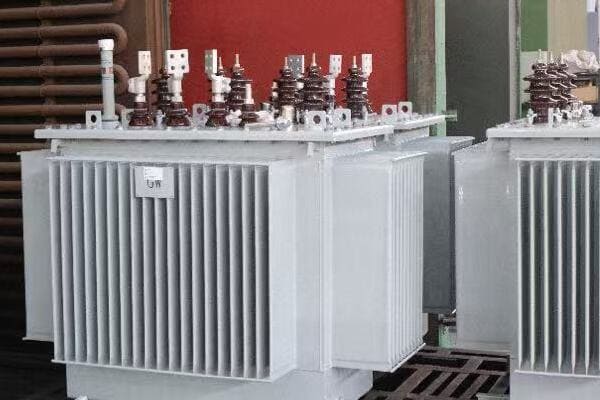
Exploring the Impact of Testing and Certification Requirements
Let’s dive into the key factors driving up costs in testing and certification:
Proliferation of International Standards
The global nature of the transformer market means complying with multiple standards.
Key standards to consider:
- IEC (International Electrotechnical Commission)
- ANSI (American National Standards Institute)
- CE (Conformité Européenne)
- Various regional and country-specific standards
I recently worked on a project where the transformer needed to comply with both IEC and ANSI standards due to its intended use in multiple countries. The additional testing required to meet both standards increased the overall cost by nearly 8%, a significant amount that hadn’t been initially budgeted for.
Rigorous Type Testing Requirements
Type tests are becoming more comprehensive and frequent.
Common type tests include:
- Temperature rise test
- Lightning impulse test
- Short circuit withstand test
- Noise level test
Factory Acceptance Tests (FAT)
FATs are increasingly demanded by buyers to ensure quality.
FAT considerations:
- Costs of witness testing
- Potential for delays if issues are found
- Additional travel and accommodation expenses for inspectors
Environmental Compliance
New regulations are adding layers of environmental compliance.
Key environmental standards:
- RoHS (Restriction of Hazardous Substances)
- REACH (Registration, Evaluation, Authorization and Restriction of Chemicals)
- Various energy efficiency standards
Here’s a breakdown of how different testing and certification requirements impact transformer costs:
| Requirement | Typical Cost Increase | Time Impact |
|---|---|---|
| IEC Certification | 3-5% | 2-4 weeks |
| ANSI Certification | 4-6% | 3-5 weeks |
| CE Marking | 2-3% | 1-2 weeks |
| Full Type Testing | 7-10% | 4-8 weeks |
| Witness FAT | 3-5% | 1-2 weeks |
| Environmental Compliance | 2-4% | Varies |
In my experience, successful buyers are finding ways to optimize these costs without compromising on quality or compliance. In a recent large-scale procurement project, we negotiated a package deal with the manufacturer for type testing across multiple units. This bulk approach to testing reduced the per-unit cost significantly, saving nearly 15% on overall testing expenses.
Another effective strategy I’ve seen is the use of virtual witnessing for Factory Acceptance Tests. In a project during the height of travel restrictions, we utilized high-definition video streaming and real-time data sharing to conduct FATs remotely. This not only saved on travel costs but also allowed for more flexible scheduling, reducing project delays.
The trend towards more stringent environmental standards is also driving innovation in transformer design and materials. I recently consulted on a project where the manufacturer developed a new biodegradable insulating fluid to meet strict environmental regulations. While this initially increased costs, it opened up new market opportunities and eventually led to cost savings through economies of scale.
Interestingly, some buyers are finding value in going beyond minimum certification requirements. In a recent utility project, we opted for more comprehensive type testing than required by standards. While this increased upfront costs, it provided valuable data that improved long-term reliability and reduced maintenance costs, ultimately offering better value over the transformer’s lifecycle.
The complexity of compliance is also leading to the rise of specialized testing and certification consultants. I’ve worked with several clients who engaged third-party experts to navigate the maze of international standards. While this adds an additional cost layer, it often results in more efficient testing processes and reduces the risk of non-compliance issues down the line.
Lastly, it’s worth noting that the push for standardization in testing and certification is gaining momentum. I’m currently involved in an industry working group aimed at harmonizing testing requirements across different international standards. This effort, while challenging, has the potential to significantly reduce compliance costs in the long term by eliminating redundant testing.
As we look towards 2025, managing testing, certification, and compliance costs will remain a critical aspect of transformer procurement. Buyers need to be strategic in their approach, considering not just the immediate costs but also the long-term benefits of comprehensive testing and certification. By understanding these requirements early in the procurement process, exploring innovative testing methods, and leveraging bulk testing opportunities, you can better manage these cost layers while ensuring your transformers meet all necessary standards and regulations.
Bulk Orders and Supplier Relationships Influence Unit Price?
Are you wondering how to get the best price for your transformer orders? You’re not alone. Many buyers are discovering that the key to competitive pricing often lies in strategic ordering and strong supplier relationships. But how exactly do these factors influence pricing, and how can you leverage them to your advantage?
While single-unit prices remain high, bulk buyers and repeat clients benefit from 8–15% price reductions. Long-term partnerships and framework agreements offer better cost predictability and delivery priority in peak periods.
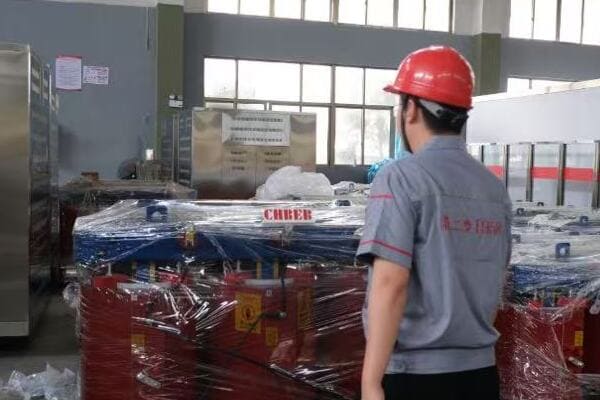
Diving Deeper into Bulk Ordering and Supplier Relationships
Let’s explore how bulk orders and strong supplier relationships can impact transformer pricing:
Economies of Scale in Bulk Orders
Larger orders often lead to significant cost savings.
Key benefits of bulk ordering:
- Reduced per-unit manufacturing costs
- More efficient use of production capacity
- Lower shipping and handling costs per unit
I recently managed a project for a utility company where we consolidated orders from multiple substations. By increasing our order from 10 to 25 units, we secured a 12% reduction in per-unit cost, resulting in substantial savings for the overall project.
Long-Term Supplier Partnerships
Building strong relationships with suppliers can lead to preferential pricing and terms.
Advantages of long-term partnerships:
- Priority production scheduling
- Access to new technologies and innovations
- More flexible payment terms
Framework Agreements
These agreements can provide cost stability and supply assurance.
Benefits of framework agreements:
- Locked-in pricing for extended periods
- Guaranteed supply during peak demand
- Simplified procurement processes for repeat orders
Here’s a breakdown of how order size and relationship status typically impact transformer pricing:
| Order Size / Relationship | Typical Price Reduction | Additional Benefits |
|---|---|---|
| Single Unit (New Customer) | 0% (Base price) | Standard lead time |
| 5-10 Units | 3-5% | Slight lead time reduction |
| 11-25 Units | 5-8% | Priority scheduling |
| 26+ Units | 8-15% | Customization options |
| Repeat Customer | 5-10% | Flexible payment terms |
| Long-Term Partner | 10-15% | Technology access, dedicated support |
In my experience, the impact of bulk ordering and strong supplier relationships goes beyond just price reductions. I recall a project during a period of high market demand where our long-standing relationship with a supplier ensured we received our transformers on schedule, while many other buyers faced significant delays. This timely delivery was crucial for meeting our project deadlines and avoiding costly penalties.
Another interesting aspect is the potential for co-development opportunities that can arise from strong supplier relationships. In a recent collaboration with a long-term supplier, we worked together to develop a custom transformer design optimized for our specific grid requirements. This not only resulted in better performance but also gave us a competitive edge in our operations.
The trend towards more flexible and modular transformer designs is also influencing bulk ordering strategies. I’m currently advising on a project where we’re using a standardized core design across multiple transformer ratings. This approach allows us to benefit from bulk pricing while still maintaining the flexibility to adjust specifications for different applications.
Interestingly, some buyers are forming consortiums to leverage bulk ordering benefits. I recently facilitated a joint procurement initiative where several smaller utilities combined their orders. This collective approach not only secured better pricing but also opened up access to higher-tier suppliers that typically cater to larger orders.
The rise of digital procurement platforms is also changing how buyers interact with suppliers and manage bulk orders. In a recent project, we utilized an AI-driven procurement system that analyzed our historical usage patterns and projected future needs. This data-driven approach allowed us to optimize our order quantities and timing, maximizing bulk discounts while minimizing storage costs.
Lastly, it’s worth noting that the concept of "bulk" is evolving in the transformer market. With the trend towards more specialized and custom units, some suppliers are offering "bulk" discounts based on total order value rather than just quantity. This approach can be particularly beneficial for buyers of larger, high-value transformers.
As we look towards 2025, strategic bulk ordering and nurturing strong supplier relationships will remain key factors in optimizing transformer procurement. Buyers need to balance the benefits of bulk pricing with considerations like storage capacity, project timelines, and technological advancements. By developing a comprehensive procurement strategy that leverages both volume discounts and long-term partnerships, you can secure not just better pricing, but also enhanced reliability, flexibility, and access to cutting-edge transformer technologies.
Conclusion
Understanding these five key price trends is crucial for effective transformer procurement in 2025. Raw material costs, renewable energy demand, logistics challenges, compliance requirements, and strategic purchasing all play vital roles in shaping prices. Buyers must stay informed and adaptable to navigate this complex market successfully.

Choosing the right transformer applications is critical for safe, efficient, and reliable power delivery. From power plants to consumer electronics, transformers solve the pain points of voltage mismatch, energy loss, and equipment protection. This guide highlights 10 real-world transformer applications, showing engineers, buyers, and decision-makers how the right transformer improves safety, reduces costs, and ensures long-term performance.
Transformers are used across the power grid and in everyday life to adjust voltage levels, ensure safe energy delivery, and protect sensitive equipment. From power plants and substations to hospitals and consumer devices, transformers are essential to modern electricity systems.
In this comprehensive guide, I’ll walk you through 10 real-world applications of transformers. We’ll explore their uses from massive power plants down to the tiniest electronic devices. Whether you’re an engineer, a student, or simply curious about how our electrical world works, this article will give you a clear understanding of where and why transformers are used in various settings.
1. Power Plants: Step-Up Transformers for Long-Distance Transmission
Have you ever seen those enormous transformers at power plants and wondered what they do? These giants play a crucial role in getting electricity from the plant to your home. But how exactly do they work, and why are they so important?
Step-up transformers in power plants raise generator voltage from around 11kV to 110kV or higher for efficient long-distance transmission. They’re common in thermal, hydro, and nuclear plants, forming the first critical link in the power distribution chain.
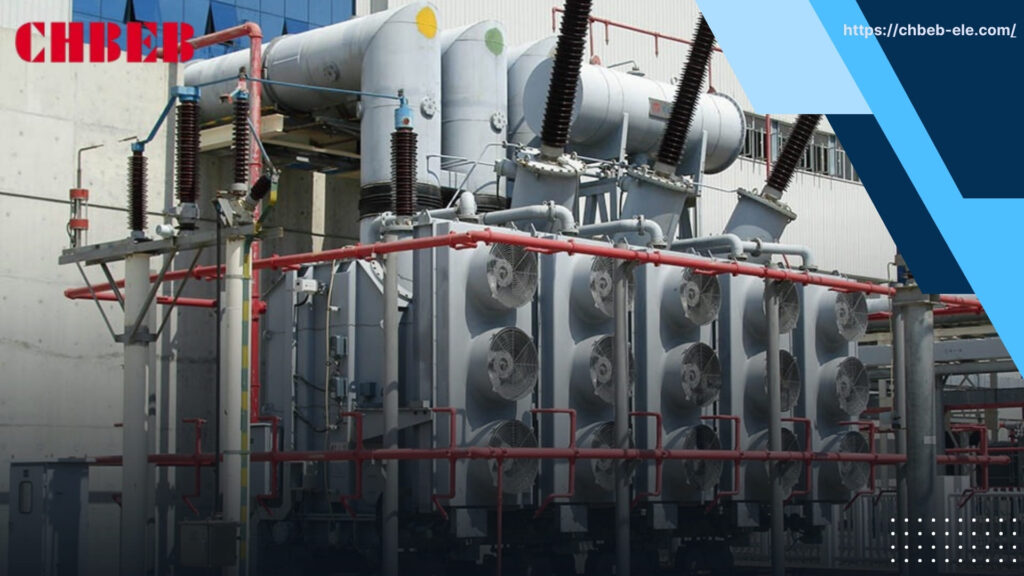
Diving Deeper into Power Plant Transformers
Let’s explore the key aspects of transformers in power generation:
Function and Importance
Power plant transformers serve to:
- Increase voltage for efficient long-distance transmission
- Reduce current, minimizing power losses in transmission lines
- Interface generators with the high-voltage grid
I once worked on a project upgrading a coal-fired power plant’s main transformer. The sheer size of the 500MVA unit was awe-inspiring – it was as big as a house! This experience really drove home the critical role these transformers play in our power infrastructure.
Types and Characteristics
Common features of power plant transformers:
- Oil-immersed design for efficient cooling
- Ratings from 100MVA to over 1000MVA
- Primary voltages typically 11kV-25kV (generator output)
- Secondary voltages of 110kV, 220kV, 400kV, or higher
Challenges and Considerations
Key factors in power plant transformer design:
- Ability to handle full plant output continuously
- Robust construction to withstand system faults
- Advanced cooling systems (OFAF, ODAF) for large units
- Integration with plant control and protection systems
Here’s a comparison table of transformer characteristics for different power plant types:
| Plant Type | Typical Transformer Size | Secondary Voltage | Special Features |
|---|---|---|---|
| Coal/Gas | 200-800 MVA | 220-400 kV | High overload capacity |
| Nuclear | 1000-1500 MVA | 400-765 kV | Enhanced safety features |
| Hydro | 100-500 MVA | 110-220 kV | Compact design for underground stations |
| Wind Farm | 100-300 MVA | 110-220 kV | Handles variable input |
In my experience, the selection of power plant transformers involves a delicate balance of efficiency, reliability, and cost. I recall a project for a combined cycle plant where we had to carefully consider the transformer’s ability to handle rapid load changes. We opted for a unit with advanced on-load tap changing capabilities, which proved crucial in maintaining grid stability during plant output fluctuations.
The cooling system of these transformers is a critical design aspect. In a recent nuclear plant project, we implemented a sophisticated forced oil and forced air (OFAF) cooling system with redundant pumps and fans. This design ensured the transformer could handle the plant’s massive output even in extreme ambient conditions, a crucial factor for the plant’s reliability and safety.
Environmental considerations are becoming increasingly important in power plant transformer design. I worked on a hydro plant upgrade where we replaced an old oil-filled transformer with a more environmentally friendly ester-filled unit. While more expensive initially, this choice significantly reduced environmental risks and simplified compliance with stringent regulations near water bodies.
The integration of power plant transformers with smart grid technologies1 is an emerging trend. In a recent project, we incorporated advanced monitoring systems into the main step-up transformer. This allowed for real-time condition monitoring and predictive maintenance, enhancing the overall reliability of the power evacuation system.
Lastly, the challenge of harmonics in power plant transformers is growing, especially with the increasing use of power electronics in generation systems. I’m currently involved in a research project exploring advanced core designs and winding configurations to mitigate harmonic effects in large generators. This work promises to improve transformer efficiency and lifespan in modern power plants.
Power plant transformers are the unsung heroes of our electrical grid, forming the critical link between generation and transmission. Their ability to efficiently step up voltage is fundamental to the feasibility of our long-distance power transmission systems. As power generation evolves with more renewable sources and smart technologies, the design and capabilities of these transformers continue to advance. Understanding their role and challenges is crucial for anyone involved in power system engineering or interested in how our electrical infrastructure works.
2.Substations: Step-Down & OLTC Voltage Control for Distribution
Have you ever noticed those fenced-off areas filled with electrical equipment in your neighborhood? These are substations, and at their heart are transformers that play a crucial role in getting power to your home. But what exactly do these transformers do, and why are they so important in our power distribution system?
Substations use step-down transformers to reduce high transmission voltages to levels suitable for local distribution. These transformers, both oil-immersed and dry-type, form the backbone of our power distribution network, ensuring safe and efficient electricity delivery to homes and businesses.
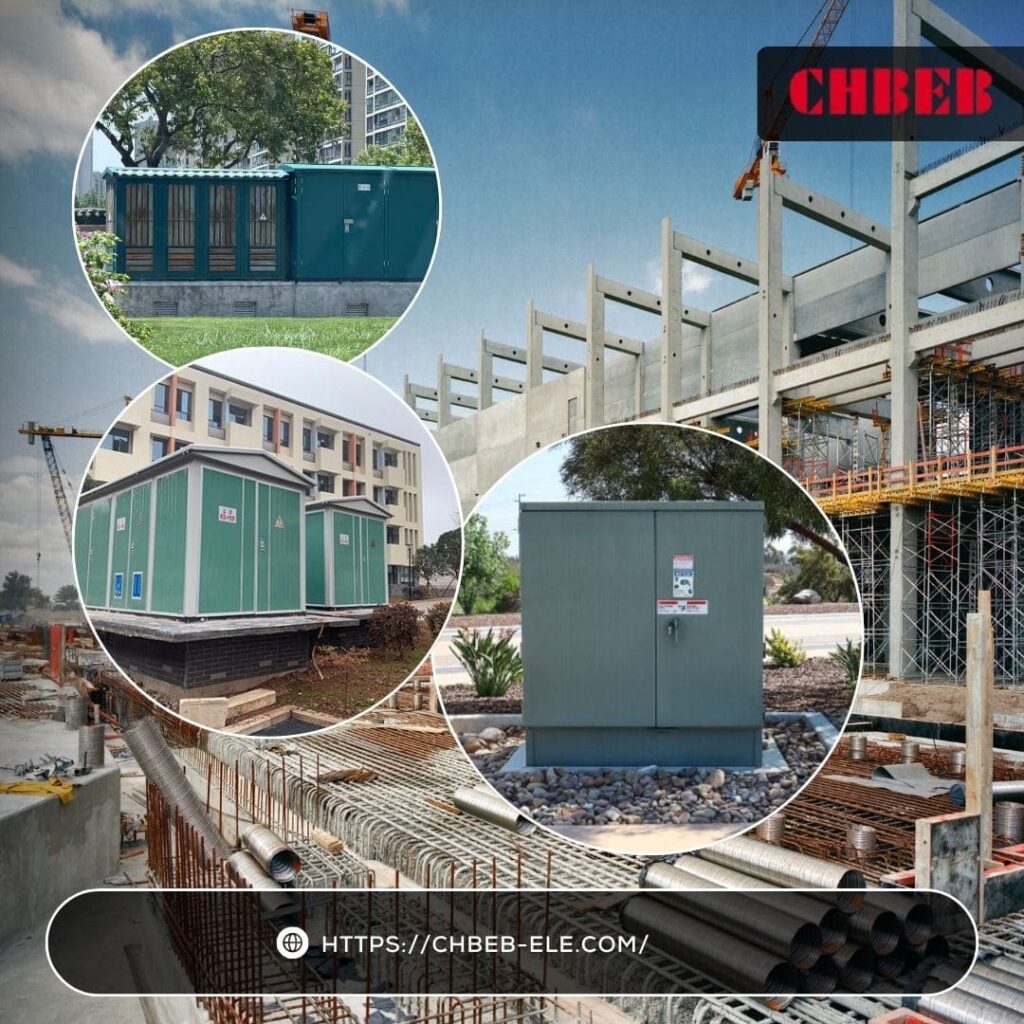
Exploring Substation Transformers in Depth
Let’s delve into the key aspects of transformers in substations:
Functions and Types
Substation transformers serve to:
- Step down voltage from transmission to distribution levels
- Provide voltage regulation for the local grid
- Enable power flow control and system protection
I once worked on a project upgrading an urban substation. The challenge of fitting modern, higher-capacity transformers into the existing space while maintaining service was immense. It really highlighted the critical role these transformers play in our daily lives.
Characteristics and Ratings
Common features of substation transformers:
- Ratings from 5MVA to 100MVA for distribution substations
- Primary voltages typically 33kV, 66kV, or 132kV
- Secondary voltages of 11kV or 33kV for further distribution
- Often equipped with on-load tap changers for voltage regulation
Design Considerations
Key factors in substation transformer design:
- Reliability and long service life (often 30+ years)
- Efficiency to minimize losses in the distribution system
- Noise reduction for urban installations
- Integration with substation automation systems
Here’s a comparison table of transformer types commonly found in substations:
| Transformer Type | Typical Size Range | Cooling Method | Application |
|---|---|---|---|
| Oil-immersed | 10-100 MVA | ONAN/ONAF | Main step-down |
| Dry-type | 5-40 MVA | AN/AF | Indoor substations |
| Pad-mounted | 500 kVA – 5 MVA | ONAN | Urban distribution |
| Mobile substation | 5-20 MVA | ONAN/ONAF | Emergency/temporary use |
In my experience, the selection of substation transformers often involves balancing multiple factors. I recall a project in a densely populated area where noise and fire safety were major concerns. We opted for a dry-type transformer despite its higher cost. This choice not only addressed the safety concerns but also simplified the substation design by eliminating the need for oil containment systems.
The role of on-load tap changers (OLTC) in substation transformers is crucial for voltage regulation. In a recent smart grid project, we implemented advanced control algorithms for OLTCs. This allowed for more dynamic voltage regulation, accommodating the fluctuations caused by distributed renewable generation in the local grid.
Environmental considerations are increasingly influencing substation transformer design. I worked on a project where we replaced old oil-filled units with modern, biodegradable ester-filled transformers. This not only reduced environmental risks but also improved the substation’s fire safety profile, a critical factor in urban areas.
The integration of substation transformers with digital monitoring and control systems is a growing trend. In a recent modernization project, we equipped transformers with advanced sensors and communication interfaces. This enabled real-time condition monitoring and integration with the utility’s asset management system, enhancing reliability and optimizing maintenance schedules.
Energy efficiency is becoming a major focus in substation transformer selection. I’m currently involved in a research project evaluating amorphous core transformers for distribution substations. While more expensive initially, these units offer significantly lower no-load losses, promising substantial energy savings over the transformer’s lifetime.
Lastly, the challenge of harmonics in distribution systems is growing due to the proliferation of non-linear loads. In a recent project, we implemented transformers with specialized winding designs to mitigate harmonic effects. This approach not only improved power quality for sensitive loads but also extended the transformer’s operational life.
Substation transformers are the workhorses of our power distribution system, playing a vital role in stepping down voltage to levels suitable for local use. Their reliability, efficiency, and adaptability are crucial for maintaining a stable and safe power supply to homes and businesses. As our power systems evolve with more distributed generation, smart grid technologies, and changing load profiles, the design and capabilities of substation transformers continue to advance. Understanding their functions and challenges is essential for anyone involved in power system engineering or interested in the intricacies of our electrical infrastructure.
3. Industrial Transformers: Furnace, Rectifier & Control Power
Have you ever wondered how massive industrial machines in factories and plants receive the right amount of power? The answer lies in specialized transformers. But what makes these transformers different, and why are they crucial for industrial operations?
Industrial facilities use a variety of transformers including control, furnace, and rectifier types to power heavy machinery. These transformers handle large, fluctuating, or non-linear loads common in steel mills, mining operations, and chemical plants. They’re designed to withstand harsh environments and provide reliable power for critical industrial processes.
Diving into Industrial Transformer Applications
Let’s explore the key aspects of transformers in industrial settings:
Types and Functions
Common industrial transformer types include:
- Power distribution transformers for general facility power
- Furnace transformers for electric arc furnaces in steel mills
- Rectifier transformers for electrochemical processes
- Control transformers for machinery and automation systems
I once worked on a project for a large aluminum smelter. The rectifier transformers we installed were massive units capable of delivering over 100,000 amperes at low voltage. It was fascinating to see how these specialized transformers enabled the entire electrochemical process.
Characteristics and Challenges
Key features of industrial transformers:
- High short-circuit strength to withstand frequent load changes
- Ability to handle non-linear loads and harmonics
- Robust construction for harsh industrial environments
- Often include advanced cooling systems for continuous operation
Application-Specific Considerations
Factors influencing industrial transformer design:
- Load profile (steady, cyclical, or highly variable)
- Environmental conditions (temperature, dust, corrosive atmospheres)
- Space constraints in existing facilities
- Energy efficiency and loss reduction
Here’s a comparison table of transformer types for different industrial applications:
| Industry | Transformer Type | Key Feature | Typical Size Range |
|---|---|---|---|
| Steel Mills | Furnace Transformer | High current output | 20-100 MVA |
| Chemical Plants | Rectifier Transformer | DC output capability | 10-50 MVA |
| Mining | Dry-type Distribution | Dust resistance | 1-10 MVA |
| Automotive | Control Transformer | Precision voltage regulation | 10-500 kVA |
In my experience, the selection of industrial transformers often involves unique challenges. I recall a project for a paper mill where we needed to design a transformer system that could handle both the high power demands of the paper machines and the sensitive control requirements of the process automation. We ended up implementing a hybrid system with separate transformers for power and control circuits, ensuring both reliability and precision.
The impact of harmonics in industrial power systems cannot be overstated. In a recent project for a large data center, we had to carefully consider the harmonic loads generated by the numerous uninterruptible power supplies (UPS) and servers. We implemented transformers with specialized winding designs and K-factor ratings to mitigate these harmonic effects, ensuring clean power delivery and prolonging the life of the electrical system.
Energy efficiency is becoming a major focus in industrial transformer applications. I worked on an energy optimization project for a manufacturing plant where we replaced several older transformers with high-efficiency units. The energy savings were substantial, with the new transformers paying for themselves in just a few years through reduced losses.
The integration of industrial transformers with plant-wide energy management systems is a growing trend. In a recent smart factory project, we implemented transformers with advanced monitoring capabilities. These units provided real-time data on power consumption and quality, enabling more efficient energy use and predictive maintenance strategies.
Environmental considerations are increasingly influencing industrial transformer design. I’m currently involved in a project exploring the use of biodegradable insulating fluids in large industrial transformers. This approach not only reduces environmental risks but also improves fire safety, a critical factor in many industrial settings.
Lastly, the challenge of retrofitting modern transformers into existing industrial facilities is significant. I’ve worked on several brownfield projects where space constraints were a major issue. In one case, we designed a custom transformer with a unique form factor to fit into a tight space, demonstrating the importance of flexibility in industrial transformer design.
Industrial transformers play a vital role in powering the machinery and processes that drive our manufacturing and production sectors. Their ability to handle heavy loads, withstand harsh conditions, and provide reliable power is crucial for industrial operations. As industries evolve with more automation, energy efficiency demands, and complex power quality requirements, the design and capabilities of industrial transformers continue to advance. Understanding their applications and challenges is essential for engineers, plant managers, and anyone involved in industrial power systems. By selecting and implementing the right transformer solutions, industries can enhance their operational efficiency, reliability, and energy performance.
4. Commercial Buildings: Dry-Type Transformers for Safe Indoor Power
Have you ever wondered how large office buildings, shopping malls, or hotels manage their electrical systems safely and efficiently? The answer often lies in specialized indoor transformers. But what makes these transformers different from those used in other settings, and why are they crucial for commercial spaces?
Commercial buildings use dry-type transformers2 for fire-safe, low-noise power distribution. These transformers are often placed in basements or dedicated electrical rooms, providing a reliable and safe power supply for lighting, HVAC systems, elevators, and other building services. Their design focuses on fire safety, noise reduction, and compact size to meet the unique needs of indoor commercial environments.
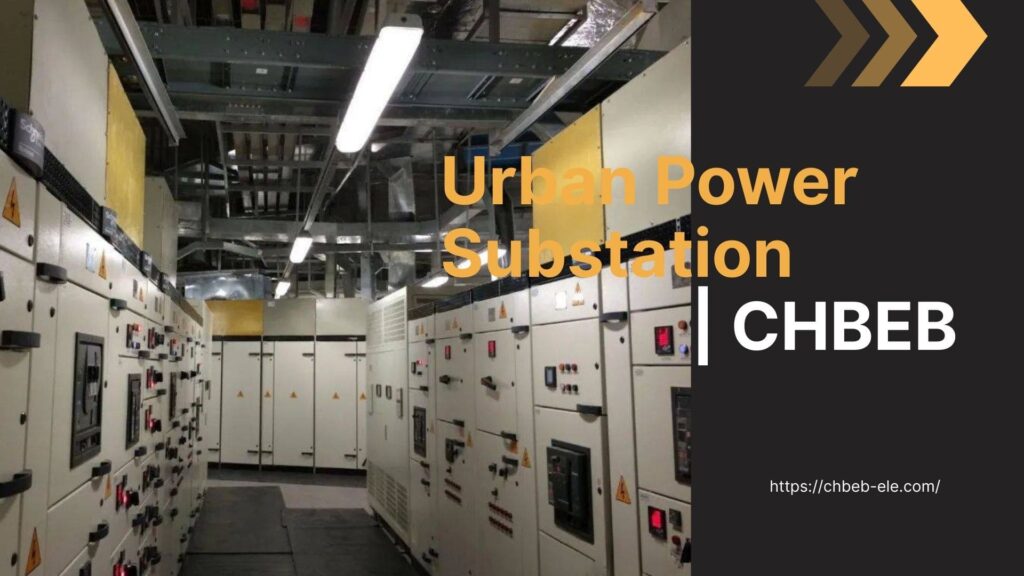
Exploring Transformers in Commercial Buildings
Let’s delve into the key aspects of transformers used in commercial settings:
Types and Characteristics
Common features of commercial building transformers:
- Dry-type design for enhanced fire safety
- Low noise operation for occupant comfort
- Compact size to fit in limited spaces
- Often include multiple voltage taps for flexibility
I once worked on a retrofit project for a high-rise office building in a busy urban center. The challenge of upgrading the power distribution system without disrupting daily operations was immense. We used modular dry-type transformers that could be easily transported and installed in the building’s tight electrical rooms. This experience highlighted the importance of compact, safe design in commercial transformer applications.
Applications and Placement
Typical uses in commercial buildings:
- Main power distribution from utility supply
- Voltage step-down for various building systems
- Isolation for sensitive electronic equipment
- Power quality improvement (harmonics mitigation)
Design Considerations
Key factors in commercial transformer selection:
- Fire safety ratings (often Class H insulation)
- Noise levels (especially important for transformers near occupied areas)
- Energy efficiency to reduce operating costs
- Integration with building management systems
Here’s a comparison table of transformer types commonly used in commercial buildings:
| Type | Typical Size Range | Key Feature | Common Application |
|---|---|---|---|
| General Purpose Dry-Type | 15-2000 kVA | Fire-resistant | Main distribution |
| K-Factor Dry-Type | 15-500 kVA | Harmonic mitigation | Computer loads |
| Low Noise Dry-Type | 25-1000 kVA | Ultra-quiet operation | Near occupied spaces |
| Cast Coil | 500-5000 kVA | Moisture resistant | Basement installations |
In my experience, the selection of transformers for commercial buildings often involves balancing multiple factors. I recall a project for a luxury hotel where noise was a critical concern. We implemented ultra-low noise transformers with special vibration dampening mounts. The result was a power distribution system that was virtually inaudible, even in nearby guest rooms, showcasing how specialized transformer designs can meet the unique needs of commercial spaces.
Energy efficiency is becoming increasingly important in commercial building transformers. In a recent green building project, we utilized high-efficiency transformers with amorphous metal cores. While more expensive initially, these units significantly reduced energy losses, contributing to the building’s LEED certification and providing long-term cost savings.
The challenge of harmonics in commercial power systems is growing due to the proliferation of non-linear loads like computers and LED lighting. I worked on a project for a large shopping mall where we implemented K-factor rated transformers specifically designed to handle harmonic loads. This approach not only improved power quality but also extended the life of the electrical system components.
Space constraints are often a significant factor in commercial transformer installations. In a recent office tower project, we designed a custom transformer room layout using 3D modeling to maximize space efficiency. By carefully arranging multiple dry-type units and optimizing ventilation paths, we were able to meet the building’s power needs within a very limited footprint.
The integration of transformers with building management systems is a growing trend. I’m currently involved in a smart building project where we’re implementing transformers with built-in monitoring capabilities. These units provide real-time data on power consumption and quality, enabling more efficient energy management and predictive maintenance strategies.
Fire safety considerations are paramount in commercial transformer applications. In a recent project for a multi-use commercial complex, we utilized cast resin transformers with F1 fire safety class. This choice not only met stringent fire code requirements but also allowed for placement of transformers closer to occupied areas, simplifying the overall electrical distribution design.
Lastly, the challenge of retrofitting modern transformers into existing commercial buildings is significant. I’ve worked on several renovation projects where we had to replace old oil-filled units with modern dry-type transformers. In one particularly challenging case, we had to use a crane to remove the old transformer through the roof and lower the new units in sections. This experience highlighted the importance of considering installation logistics in transformer selection and design for commercial spaces.
Transformers in commercial buildings play a crucial role in ensuring safe, efficient, and reliable power distribution. Their design must balance multiple factors including fire safety, noise reduction, energy efficiency, and space constraints. As commercial spaces become more technologically advanced and energy-conscious, the demands on these transformers continue to evolve.
Understanding the unique requirements and challenges of commercial building transformers is essential for electrical engineers, building managers, and anyone involved in commercial construction or renovation. By selecting the right transformer solutions, commercial buildings can enhance their safety, improve energy efficiency, and provide a more comfortable environment for occupants. As we move towards smarter, more sustainable buildings, the role of these specialized transformers in shaping our urban landscapes and workspaces will only grow in importance.
5. Hospitals: Medical Isolation Transformers for Clean, Reliable Power
Have you ever wondered how hospitals maintain a constant, clean power supply for life-saving equipment? The answer lies in specialized medical-grade transformers. But what makes these transformers different, and why are they so crucial in healthcare settings?
Hospitals use isolation transformers and backup distribution systems to protect medical devices from power disturbances. These specialized transformers provide a clean, reliable power supply crucial for sensitive medical equipment. They play a vital role in ensuring patient safety and uninterrupted healthcare services.
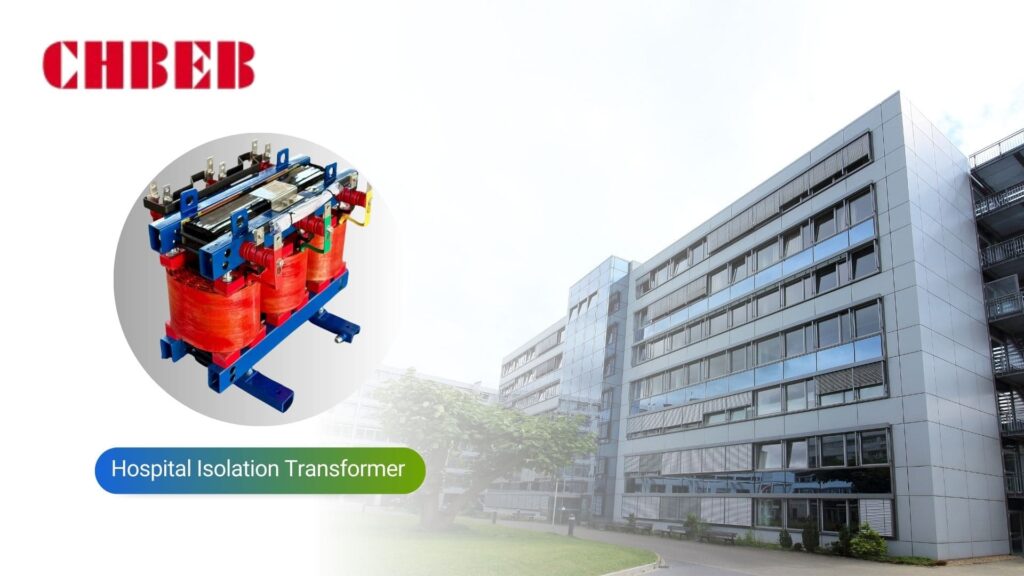
Exploring Transformers in Hospital Settings
Let’s delve into the key aspects of transformers used in healthcare facilities:
Types and Functions
Common transformer types in hospitals include:
- Isolation transformers for sensitive medical equipment
- K-rated transformers for handling non-linear loads
- Ultra-isolation transformers for operating rooms
- Backup power transformers for emergency systems
I once worked on a project upgrading the power system for a major hospital’s intensive care unit. The precision required in selecting and installing medical-grade isolation transformers was incredible. It really drove home how critical these devices are in protecting both sensitive equipment and patient lives.
Key Characteristics
Features of hospital-grade transformers:
- High isolation between primary and secondary windings
- Low leakage current for patient safety
- Ability to handle high inrush currents from medical imaging equipment
- Often include power conditioning capabilities
Design Considerations
Factors influencing hospital transformer design:
- Compliance with medical safety standards (e.g., IEC 60601-1)
- Electromagnetic compatibility (EMC) requirements
- Reliability and redundancy for critical care areas
- Integration with hospital’s power management system
Here’s a comparison table of transformer types commonly used in hospitals:
| Type | Typical Size Range | Key Feature | Common Application |
|---|---|---|---|
| Medical Isolation | 3-50 kVA | Ultra-low leakage current | Patient care areas |
| K-rated Distribution | 15-500 kVA | Harmonic mitigation | General hospital power |
| Ultra-isolation | 5-30 kVA | Highest safety standards | Operating rooms |
| Emergency Backup | 50-1000 kVA | Rapid switchover capability | Critical care systems |
In my experience, the selection of transformers for hospitals often involves a delicate balance between safety, reliability, and performance. I recall a project for a new cardiac care wing where we implemented a multi-layer approach. We used ultra-isolation transformers for the operating rooms, backed by a sophisticated uninterruptible power supply (UPS) system. This setup ensured not just clean power, but also continuous operation even during main power failures.
The challenge of managing electromagnetic interference (EMI) in hospital environments is significant. In a recent project involving a new MRI installation, we had to design a custom shielded transformer room. The transformer not only provided the necessary power for the MRI machine but also incorporated advanced EMI shielding to prevent interference with the sensitive imaging equipment and nearby patient monitoring devices.
Energy efficiency is becoming increasingly important in hospital transformer applications, balancing with the critical need for reliability. I worked on an energy optimization project for a large teaching hospital where we replaced several older transformers with high-efficiency units. The energy savings were substantial, but more importantly, the new units provided better voltage regulation and power quality, enhancing the performance of medical equipment throughout the facility.
The integration of hospital transformers with facility-wide power management systems is a growing trend. In a recent smart hospital project, we implemented transformers with advanced monitoring capabilities. These units provided real-time data on power quality and consumption, enabling more efficient energy use and predictive maintenance strategies. This system was particularly valuable in managing the diverse power needs across different hospital departments.
Redundancy and rapid switchover capabilities are crucial in hospital power systems. I’m currently involved in a project designing a new emergency power system for a trauma center. We’re implementing a dual transformer setup with automatic transfer switches, ensuring that critical care areas have uninterrupted power even in the event of a transformer failure. This level of redundancy is essential in facilities where even momentary power loss can have serious consequences.
Lastly, the challenge of retrofitting modern medical-grade transformers into existing hospitals is significant. I’ve worked on several renovation projects where space constraints were a major issue. In one case, we designed a custom transformer with a unique form factor to fit into a tight space in an older building. This experience highlighted the importance of flexibility and custom solutions in hospital electrical upgrades.
Transformers in hospitals play a vital role in ensuring the safety and reliability of medical services. Their ability to provide clean, stable, and isolated power is crucial for the operation of sensitive medical equipment and the overall functioning of healthcare facilities. As medical technology advances and hospitals become more reliant on sophisticated electronic systems, the demands on these specialized transformers continue to grow.
Understanding the unique requirements and challenges of hospital transformers is essential for electrical engineers, hospital administrators, and anyone involved in healthcare facility planning or management. By implementing the right transformer solutions, hospitals can enhance patient safety, improve equipment reliability, and ensure continuous operation in critical care scenarios. As we move towards more advanced and interconnected healthcare systems, the role of these specialized transformers in supporting medical services and saving lives will only become more crucial.
6. Renewables: Solar, Wind & Storage Transformers for Grid Tie
Have you ever wondered how the power generated by solar panels or wind turbines is integrated into the electrical grid? The answer lies in specialized transformers designed for renewable energy systems. But what makes these transformers unique, and why are they crucial for the growing green energy sector?
Renewable energy systems use transformers for voltage matching and grid connection. These transformers, often pole-mounted or pad-mounted for outdoor use, play a vital role in integrating solar farms, wind turbines, and energy storage systems with the power grid. They handle variable inputs and bidirectional power flow, crucial for modern renewable energy infrastructure.
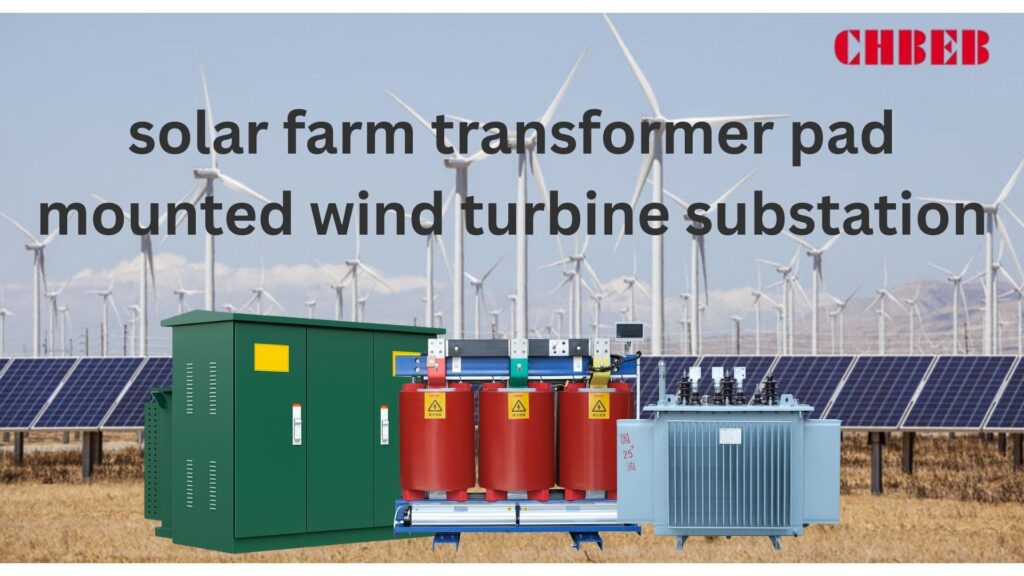
Exploring Transformers in Renewable Energy Applications
Let’s delve into the key aspects of transformers used in renewable energy systems:
Types and Functions
Common transformer applications in renewables:
- Step-up transformers for solar farms and wind turbines
- Inverter transformers for DC to AC conversion
- Grid interface transformers for power export
- Storage system transformers for battery integration
I once worked on a large offshore wind farm project where the transformer design was critical. We had to develop a compact, corrosion-resistant transformer that could handle the variable output of wind turbines while withstanding harsh marine conditions. It was a fascinating challenge that showcased the unique demands of renewable energy systems.
Key Characteristics
Features of renewable energy transformers:
- Ability to handle variable and intermittent power inputs
- Often designed for outdoor, remote installations
- May include tap changers for voltage regulation
- Bidirectional power flow capability for grid support
Design Considerations
Factors influencing renewable transformer design:
- Environmental conditions (temperature extremes, humidity, salt spray)
- Harmonics management from inverter-based generation
- Integration with smart grid and energy management systems
- Scalability for expanding renewable installations
Here’s a comparison table of transformer types used in different renewable energy applications:
| Application | Transformer Type | Key Feature | Typical Size Range |
|---|---|---|---|
| Solar Farm | Inverter Transformer | Harmonics mitigation | 500 kVA – 10 MVA |
| Wind Turbine | Step-up Transformer | Compact, high reliability | 2 – 5 MVA |
| Energy Storage | Bidirectional Transformer | Four-quadrant operation | 250 kVA – 2 MVA |
| Microgrid | Multi-winding Transformer | Multiple voltage outputs | 100 kVA – 1 MVA |
In my experience, the selection of transformers for renewable energy projects often involves unique challenges. I recall a project for a large solar farm in a desert environment. The extreme heat and dust posed significant cooling and insulation challenges. We implemented a custom-designed transformer with advanced cooling systems and special insulation to withstand the harsh conditions, ensuring reliable operation and long service life.
The integration of energy storage systems with renewable sources is a growing trend that impacts transformer design. In a recent project, we developed a hybrid solar-plus-storage system that required a specialized transformer capable of handling bidirectional power flow. This transformer not only managed the solar farm’s output but also facilitated energy storage charging and discharging, providing crucial grid support during peak demand periods.
Harmonics management is a critical consideration in renewable energy transformers, especially with the prevalence of inverter-based generation. I worked on a wind farm project where we implemented transformers with advanced harmonic mitigation features. These units effectively managed the harmonic distortion from the wind turbine inverters, ensuring clean power delivery to the grid and compliance with stringent power quality standards.
The trend towards smart grids is influencing renewable energy transformer design. I’m currently involved in a project developing intelligent transformers for a large-scale renewable energy park. These transformers incorporate advanced monitoring and communication capabilities, allowing for real-time adjustment of power flow and seamless integration with the grid operator’s management systems.
Scalability and modularity are becoming increasingly important in renewable energy transformer applications. In a recent solar farm project, we implemented a modular transformer system that could be easily expanded as the solar farm grew. This approach not only provided flexibility for future expansion but also improved reliability through redundancy.
Lastly, the environmental impact of transformers themselves is a growing consideration in renewable energy projects. I’ve been working on developing eco-friendly transformer designs using biodegradable insulating fluids and recyclable materials. These green transformers align with the overall sustainability goals of renewable energy projects, reducing the environmental footprint of the entire system.
Transformers play a crucial role in the renewable energy sector, serving as the vital link between green power generation and the electrical grid. Their ability to handle variable inputs, manage power quality, and facilitate grid integration is essential for the growth and reliability of renewable energy systems. As the renewable sector continues to expand and evolve, with increasing focus on energy storage and smart grid technologies, the demands on these specialized transformers will only grow.
Understanding the unique requirements and challenges of renewable energy transformers is essential for engineers, project developers, and anyone involved in the green energy sector. By implementing the right transformer solutions, renewable energy projects can enhance their efficiency, reliability, and grid compatibility. As we move towards a more sustainable energy future, the role of these specialized transformers in enabling the widespread adoption of renewable energy sources will become increasingly critical.
7. Railways & Transport: Traction & Auxiliary Transformers
Have you ever wondered how electric trains and metros get their power, or how railway stations manage their electrical needs? The answer lies in specialized transformers designed for railway applications. But what makes these transformers unique, and why are they crucial for modern transportation systems?
Railways use traction transformers for electric trains, metros, and trams, designed to withstand high mechanical stress and thermal shock. These transformers, along with auxiliary power units, are crucial for both vehicle propulsion and supporting infrastructure like signaling and station facilities. They’re built to handle the unique demands of railway environments.
Exploring Transformers in Railway and Transport Applications
Let’s delve into the key aspects of transformers used in railway systems:
Types and Functions
Common transformer applications in railways:
- Traction transformers for powering electric locomotives and multiple units
- Trackside transformers for power distribution along the railway
- Auxiliary transformers for station facilities and signaling systems
- Converter transformers for AC to DC conversion in electrified systems
I once worked on a project upgrading the power system for a major urban metro network. The challenge of designing compact, high-power traction transformers that could fit within the limited space of a metro car while handling the extreme duty cycles was fascinating. It really highlighted the specialized nature of railway transformer design.
Key Characteristics
Features of railway transformers:
- High mechanical strength to withstand vibrations and shocks
- Ability to handle frequent and rapid load changes
- Compact design, especially for on-board applications
- Often oil-filled for better cooling in high-power applications
Design Considerations
Factors influencing railway transformer design:
- Compliance with railway standards (e.g., EN 50329 for traction transformers)
- Weight constraints, particularly for on-board units
- Extreme temperature variations and environmental conditions
- Integration with railway control and safety systems
Here’s a comparison table of transformer types used in different railway applications:
| Application | Transformer Type | Key Feature | Typical Power Range |
|---|---|---|---|
| Electric Locomotive | Traction Transformer | High power density | 5 – 10 MW |
| Metro System | On-board Auxiliary | Compact, low weight | 100 – 500 kVA |
| Railway Substation | Trackside Power | High short-circuit strength | 10 – 60 MVA |
| Signaling System | Signaling Transformer | High reliability | 5 – 50 kVA |
In my experience, the design of railway transformers often involves unique challenges. I recall a project for a high-speed rail line where we had to develop a traction transformer that could handle both the high power requirements and the extreme speed-induced stresses. We implemented an advanced cooling system and reinforced mechanical design to ensure reliable operation at speeds over 300 km/h.
The integration of energy-efficient technologies in railway transformers is a growing trend. In a recent project upgrading a suburban rail network, we implemented high-efficiency traction transformers with amorphous metal cores. While more expensive initially, these units significantly reduced energy losses, contributing to the overall efficiency of the rail system and providing long-term cost savings.
Harmonics management is a critical consideration in railway power systems, especially with the increasing use of power electronics in modern traction systems. I worked on a project where we designed custom transformers with specialized winding configurations to mitigate harmonic distortion. This approach not only improved power quality but also enhanced the reliability of both the traction system and trackside equipment.
The trend towards regenerative braking in electric trains is influencing transformer design. I’m currently involved in a project developing bidirectional traction transformers that can handle both power consumption during acceleration and power regeneration during braking. These transformers play a crucial role in energy recovery systems, significantly improving the overall energy efficiency of the railway.
Weight reduction is a constant challenge in on-board railway transformer design. In a recent light rail project, we utilized advanced materials and optimized cooling designs to reduce the weight of the traction transformers by nearly 20% compared to conventional designs. This weight saving translated into improved energy efficiency and reduced wear on the rail infrastructure.
Lastly, the integration of smart monitoring systems in railway transformers is becoming increasingly important. I’ve been working on implementing IoT-enabled sensors and diagnostics in trackside transformers for a major rail network. These smart systems provide real-time data on transformer health and performance, enabling predictive maintenance and reducing downtime. This approach has significantly improved the reliability of the power supply system across the entire network.
The environmental impact of railway transformers is also a growing consideration. In a recent project for an underground metro system, we implemented dry-type transformers instead of traditional oil-filled units. This choice not only eliminated the risk of oil leaks in the sensitive underground environment but also improved fire safety, a critical factor in tunnel installations.
Voltage regulation is another crucial aspect of railway transformer design, especially for long-distance lines. I worked on a project where we implemented on-load tap changers in trackside transformers to maintain stable voltage along the entire route. This solution ensured consistent power quality for trains, regardless of their position on the line or the varying load conditions.
The challenge of space constraints in urban railway systems often leads to innovative transformer designs. In a recent metro station upgrade project, we developed a custom, low-profile transformer that could be installed in the limited space between the platform and the tunnel ceiling. This compact design allowed for improved power distribution without requiring extensive structural modifications to the station.
Electromagnetic compatibility (EMC) is a critical consideration in railway transformer design, particularly for signaling and communication systems. I’ve been involved in developing specialized shielding techniques for trackside transformers to minimize electromagnetic interference with sensitive railway control systems. This work has been crucial in ensuring the safe and reliable operation of modern, highly automated rail networks.
Lastly, the trend towards electrification of previously diesel-powered rail lines is creating new demands for railway transformers. I’m currently advising on a large-scale rail electrification project where we’re designing a network of trackside substations with high-power transformers. These units need to handle the high power demands of electric locomotives while also being resilient to the harsh outdoor conditions along the rail corridor.
Transformers play a vital role in modern railway and transport systems, powering everything from high-speed trains to metro stations and signaling equipment. Their ability to withstand harsh operating conditions, handle high power loads, and fit into constrained spaces makes them indispensable components of rail infrastructure. As railway technology continues to advance, with trends towards higher speeds, greater energy efficiency, and increased automation, the demands on these specialized transformers will only grow.
Understanding the unique requirements and challenges of railway transformers is essential for engineers, railway planners, and anyone involved in transportation infrastructure. By implementing the right transformer solutions, railway systems can enhance their performance, improve energy efficiency, and ensure reliable operation. As we move towards more sustainable and efficient transportation networks, the role of these specialized transformers in enabling the electrification and modernization of rail systems will become increasingly critical.
8. Data Centers: Isolation & K-Rated Transformers for Clean Power
Have you ever wondered how data centers, the backbone of our digital world, maintain a constant and clean power supply for their vast arrays of servers and networking equipment? The answer lies in specialized transformers designed for the unique needs of data center environments. But what makes these transformers different, and why are they so crucial for the reliability of our digital infrastructure?
Data centers use dry-type or isolation transformers to protect servers and UPS systems, maintaining voltage quality and providing EMI shielding. These transformers are crucial for ensuring a stable, clean power supply in environments where even momentary disruptions or power quality issues can have significant consequences.
Exploring Transformers in Data Center Applications
Let’s delve into the key aspects of transformers used in data center environments:
Types and Functions
Common transformer applications in data centers:
- Main input transformers for power distribution
- Isolation transformers for sensitive equipment protection
- K-rated transformers for handling non-linear loads
- PDU (Power Distribution Unit) transformers
I once worked on a project for a hyperscale data center where the transformer design was critical to the facility’s reliability. We implemented a multi-level transformer system that not only provided the necessary power capacity but also incorporated advanced harmonic mitigation and voltage regulation features. This experience highlighted the complex power quality demands of modern data centers.
Key Characteristics
Features of data center transformers:
- High efficiency to reduce heat generation and energy costs
- Excellent voltage regulation for stable power supply
- Harmonic mitigation capabilities
- Often include electrostatic shielding for EMI reduction
Design Considerations
Factors influencing data center transformer design:
- Reliability and redundancy requirements
- Energy efficiency and heat management
- Integration with UPS systems and backup generators
- Scalability for expanding data center needs
Here’s a comparison table of transformer types commonly used in data centers:
| Type | Typical Size Range | Key Feature | Common Application |
|---|---|---|---|
| Main Input | 750 kVA – 3000 kVA | High efficiency | Facility power entry |
| Isolation | 100 kVA – 1000 kVA | EMI reduction | Server cluster protection |
| K-rated | 150 kVA – 2000 kVA | Harmonic handling | UPS and IT loads |
| PDU | 15 kVA – 300 kVA | Precise voltage control | Rack-level distribution |
In my experience, the selection of transformers for data centers often involves a delicate balance between reliability, efficiency, and power quality. I recall a project for a financial services data center where we implemented a redundant transformer system with N+1 configuration. Each transformer was equipped with advanced monitoring capabilities, allowing for real-time load balancing and predictive maintenance. This setup ensured uninterrupted operation even during maintenance or in the event of a transformer failure.
Energy efficiency is a major focus in data center transformer design, given the 24/7 operation of these facilities. In a recent project, we utilized ultra-efficient amorphous core transformers for the main power distribution. While more expensive initially, these units significantly reduced energy losses, contributing to lower operational costs and improved PUE (Power Usage Effectiveness) for the data center.
Harmonic management is a critical consideration in data center power systems due to the prevalence of non-linear loads from servers and networking equipment. I worked on a project where we implemented K-factor rated transformers with specialized winding designs to mitigate harmonic distortion. This approach not only improved overall power quality but also extended the life expectancy of both the transformers and the connected IT equipment.
The integration of transformers with data center infrastructure management (DCIM) systems is a growing trend. In a recent smart data center project, we implemented transformers with advanced monitoring and communication capabilities. These units provided real-time data on power consumption, temperature, and load characteristics, enabling more efficient capacity planning and energy management strategies.
Cooling and heat management are crucial aspects of data center transformer design. I’m currently involved in a project exploring innovative cooling solutions for high-density data center transformers. We’re evaluating the use of liquid-immersed transformers with biodegradable fluids, which offer superior cooling efficiency and fire safety compared to traditional dry-type units, particularly for high-capacity applications.
The challenge of space constraints in urban data centers often leads to creative transformer installations. In a recent edge data center project, we designed a compact transformer room that utilized vertical space efficiently. By stacking smaller, modular transformer units and implementing advanced ventilation systems, we were able to maximize power capacity in a limited footprint.
Lastly, the trend towards renewable energy integration in data centers is influencing transformer requirements. I’ve been working on a project where the data center’s power system includes on-site solar generation and energy storage. This setup required specialized transformers capable of handling bidirectional power flow and rapid load changes, showcasing the evolving demands on data center power infrastructure.
Transformers play a crucial role in ensuring the reliable and efficient operation of data centers, which are the backbone of our digital economy. Their ability to provide stable, clean power and handle the unique load characteristics of IT equipment is essential for maintaining the uptime and performance of these critical facilities. As data centers continue to grow in size and complexity, with increasing focus on energy efficiency and sustainability, the demands on these specialized transformers will only intensify.
Understanding the unique requirements and challenges of data center transformers is essential for electrical engineers, data center designers, and IT infrastructure managers. By implementing the right transformer solutions, data centers can enhance their reliability, improve energy efficiency, and ensure the seamless operation of the digital services we rely on every day. As we move towards more advanced and sustainable data center designs, the role of these specialized transformers in powering our digital future will become increasingly critical.
9. Consumer Electronics: Miniature Transformers for Safe Voltage
Have you ever wondered how your phone charger converts high voltage from the wall outlet to the low voltage your device needs? Or how your TV safely operates on household power? The answer lies in small, built-in transformers. But what makes these miniature transformers special, and why are they crucial for the safety and functionality of our everyday devices?
Consumer electronics use small transformers in chargers, TVs, appliances, and audio systems to convert AC to safe voltage levels for device circuits. These miniature transformers play a vital role in voltage adaptation and electrical isolation, ensuring the safe and efficient operation of our everyday electronic devices.
Exploring Transformers in Consumer Electronics
Let’s delve into the key aspects of transformers used in everyday devices:
Types and Functions
Common transformer applications in consumer electronics:
- Switch-mode power supply transformers in chargers and adapters
- Isolation transformers in audio equipment
- Flyback transformers in CRT displays and some LED TVs
- Low-voltage transformers in doorbells and security systems
I once worked on a project developing a universal travel adapter. The challenge of designing a compact, efficient transformer that could handle various input voltages and provide safe, stable output was fascinating. It really highlighted the importance of these small but crucial components in our increasingly connected world.
Key Characteristics
Features of consumer electronics transformers:
- Compact size and lightweight design
- High efficiency to minimize heat generation
- Safety features like short-circuit protection
- Often designed for specific voltage and current requirements
Design Considerations
Factors influencing consumer electronics transformer design:
- Safety standards compliance (e.g., UL, CE marking)
- Energy efficiency regulations
- Heat dissipation in confined spaces
- Cost-effectiveness for mass production
Here’s a comparison table of transformer types commonly used in consumer electronics:
| Device Type | Transformer Type | Key Feature | Typical Power Range |
|---|---|---|---|
| Phone Charger | Flyback | Compact size | 5 – 20 W |
| Laptop Adapter | Switch-mode | High efficiency | 45 – 100 W |
| Audio Amplifier | Isolation | Low noise | 10 – 500 W |
| LED TV | SMPS | Multiple outputs | 50 – 300 W |
In my experience, the design of transformers for consumer electronics often involves unique challenges. I recall a project developing a high-end audio amplifier where transformer noise was a critical concern. We implemented a specially designed toroidal transformer with advanced shielding techniques. The result was an ultra-low noise power supply that contributed to the amplifier’s exceptional audio performance.
Energy efficiency is a major focus in consumer electronics transformer design, driven by both regulations and consumer demand. In a recent project for a smart home device, we utilized a high-frequency switch-mode transformer that achieved over 90% efficiency. This not only reduced energy consumption but also allowed for a smaller, cooler-running device, enhancing both portability and reliability.
Safety is paramount in consumer electronics transformers. I worked on a project developing a range of USB chargers where we implemented multiple layers of protection, including over-voltage, over-current, and thermal shutdown features. These safety measures were crucial in ensuring the chargers could handle the varied and sometimes unpredictable charging needs of different devices without risking damage or safety hazards.
The trend towards miniaturization in consumer electronics is pushing the boundaries of transformer design. I’m currently involved in a research project exploring the use of new magnetic materials and winding techniques to create ultra-compact transformers for wearable devices. These innovations promise to enable smaller, more energy-efficient devices with longer battery life.
Electromagnetic interference (EMI) management is a critical consideration in consumer electronics transformers, especially with the increasing density of wireless devices in our homes. In a recent project for a smart TV, we implemented advanced EMI shielding techniques in the power supply transformer. This not only ensured compliance with stringent EMC regulations but also improved the TV’s overall performance by reducing interference with its internal wireless components.
The integration of transformers with smart charging technologies is an emerging trend. I’ve been working on developing intelligent power adapters that can communicate with devices to optimize charging rates and efficiency. These smart transformers adjust their output based on the device’s needs and battery condition, enhancing both charging speed and battery longevity.
Lastly, environmental considerations are becoming increasingly important in consumer electronics transformer design. I’m part of a team exploring the use of biodegradable materials in transformer construction. While still in the early stages, this research aims to reduce the environmental impact of electronic waste, a growing concern in our gadget-driven world.
Transformers in consumer electronics, though often unseen, play a crucial role in the functionality and safety of the devices we use every day. Their ability to efficiently convert voltage levels, provide electrical isolation, and fit into increasingly compact designs is essential for the operation of everything from our smartphones to our smart home systems. As consumer electronics continue to evolve, with trends towards higher efficiency, smaller sizes, and smarter functionality, the demands on these miniature transformers will only grow.
Understanding the complexities and challenges of designing transformers for consumer electronics is crucial for electrical engineers, product designers, and anyone involved in the development of electronic devices. By implementing innovative transformer solutions, manufacturers can create safer, more efficient, and more reliable products. As we move towards an increasingly electrified and connected world, the role of these small but mighty transformers in shaping our everyday technology will become ever more significant.
10. Agricultural & Rural Grids: Pole/Pad-Mounted Distribution
Have you ever wondered how farms and remote rural areas get reliable electricity, especially in places far from the main power grid? The answer often lies in specialized transformers designed for agricultural and rural applications. But what makes these transformers unique, and why are they crucial for supporting rural livelihoods and development?
Agricultural and rural grids use pole-mounted transformers to bring power to farms and remote buildings. These transformers support irrigation pumps, lighting, and machinery, often in challenging environments. They’re designed for reliability and efficiency, playing a vital role in rural electrification and agricultural productivity.
Exploring Transformers in Agricultural and Rural Applications
Let’s delve into the key aspects of transformers used in rural and agricultural settings:
Types and Functions
Common transformer applications in rural areas:
- Pole-mounted distribution transformers for local power delivery
- Pad-mounted transformers for larger agricultural operations
- Step-up transformers for connecting local renewable energy sources
- Isolation transformers for sensitive agricultural equipment
I once worked on a rural electrification project in a developing country. The challenge of designing robust, low-maintenance transformers that could withstand harsh environmental conditions while providing reliable power to remote villages was immense. It really highlighted the critical role these transformers play in rural development and improving quality of life.
Key Characteristics
Features of rural and agricultural transformers:
- Weather-resistant design for outdoor installation
- Ability to handle varying loads (e.g., seasonal agricultural equipment)
- Often include surge protection for lightning strikes
- Designed for easy maintenance in remote locations
Design Considerations
Factors influencing rural transformer design:
- Environmental resilience (heat, cold, humidity, dust)
- Voltage regulation over long distribution lines
- Integration with off-grid and microgrid systems
- Cost-effectiveness for widespread rural deployment
Here’s a comparison table of transformer types commonly used in agricultural and rural settings:
| Application | Transformer Type | Key Feature | Typical Size Range |
|---|---|---|---|
| Village Distribution | Pole-mounted | Weather-resistant | 10 – 100 kVA |
| Large Farm | Pad-mounted | High capacity | 100 – 500 kVA |
| Irrigation System | Submersible | Waterproof | 5 – 50 kVA |
| Rural Microgrid | Multi-winding | Renewable integration | 25 – 250 kVA |
In my experience, the design of transformers for rural and agricultural applications often involves unique challenges. I recall a project in an arid region where dust accumulation on transformers was a major issue. We developed a custom enclosure design with enhanced cooling and dust resistance, significantly improving reliability and reducing maintenance needs in these remote locations.
Voltage regulation is a critical concern in rural power distribution due to long feeder lines. In a recent project, we implemented transformers with on-load tap changers in strategic locations across a rural network. This solution provided dynamic voltage control, ensuring stable power quality even at the furthest points of the distribution system.
The integration of renewable energy sources in rural areas is influencing transformer requirements. I worked on a project where we designed a hybrid system combining solar power with the existing grid connection for a farming community. This required specialized transformers capable of handling bidirectional power flow and rapid load changes, showcasing the evolving demands on rural power infrastructure.
Lightning protection is a crucial aspect of rural transformer design, especially in areas prone to frequent storms. In a project for a remote agricultural region, we implemented advanced surge protection systems integrated with the transformers. This approach significantly reduced equipment damage from lightning strikes, improving the overall reliability of the power supply.
Energy efficiency is becoming increasingly important in rural transformer applications, particularly in areas with limited power generation capacity. I’m currently involved in a project evaluating amorphous core transformers for rural distribution. These high-efficiency units, while more expensive initially, offer significant reductions in energy losses, which is particularly valuable in areas where every kilowatt-hour counts.
The challenge of maintenance in remote locations is driving innovations in transformer design and monitoring. In a recent rural electrification project, we implemented smart transformers with built-in diagnostic capabilities. These units can report issues remotely, allowing for proactive maintenance and reducing the need for frequent on-site inspections in hard-to-reach areas.
Load management is another critical consideration in agricultural transformer applications. I worked on a project for a large dairy farm where we designed a smart power distribution system using transformers with load-sensing capabilities. This system could prioritize power to critical equipment during peak usage times, ensuring uninterrupted operation of essential processes like milking and milk cooling.
The trend towards precision agriculture is creating new demands for power quality in rural areas. In a recent project, we designed a specialized power conditioning system, including custom transformers, to support a network of automated irrigation and sensor systems across several farms. This setup provided the stable, clean power necessary for sensitive electronic equipment in an otherwise rugged agricultural environment.
Environmental considerations are increasingly important in rural transformer design. I’m part of a team exploring the use of biodegradable transformer oils in rural distribution systems. This innovation not only reduces the environmental risk in case of leaks but also aligns with the growing focus on sustainable farming practices.
Lastly, the role of transformers in supporting rural microgrids is an exciting area of development. I’m currently advising on a project to create self-sustaining energy communities in remote areas. These microgrids use a combination of renewable sources and energy storage, with specialized transformers playing a crucial role in balancing loads and maintaining grid stability. This approach is opening up new possibilities for reliable, sustainable power in areas previously thought too remote for electrification.
Transformers in agricultural and rural settings play a vital role in bringing reliable power to remote areas, supporting both livelihoods and quality of life. Their ability to withstand harsh environments, handle variable loads, and integrate with both traditional and renewable energy sources makes them indispensable components of rural infrastructure. As rural areas continue to develop and modernize, with increasing adoption of technology in agriculture and growing energy needs, the demands on these specialized transformers will only increase.
Understanding the unique requirements and challenges of rural and agricultural transformers is essential for electrical engineers, rural development planners, and policymakers involved in electrification projects. By implementing the right transformer solutions, rural areas can enhance their productivity, improve living standards, and bridge the energy gap with urban centers. As we move towards more sustainable and resilient rural communities, the role of these transformers in powering rural development and supporting agricultural innovation will become increasingly critical.
Transformer Applications: Frequently Asked Questions
Q1: Where are dry-type transformers commonly used?
A: Dry-type transformers are commonly used in indoor environments like commercial buildings, hospitals, and data centers due to their fire safety and low maintenance.
Q2: Can transformers be used in solar energy systems?
A: Yes, transformers are essential in solar systems to step up inverter output voltage and connect it to the distribution grid.
Q3: Are there transformers inside household electronics?
A: Absolutely. Devices like phone chargers, TVs, and audio systems contain miniature transformers for voltage adaptation and safety isolation.
Conclusion
Transformers play a vital role across diverse applications, from powering entire cities to charging our smartphones. Their ability to adapt voltage levels, ensure safety, and improve efficiency makes them indispensable in modern electrical systems. Understanding these varied uses helps appreciate the complexity and importance of our power infrastructure.
⚡ Need help selecting the right transformer for your application?
📥 Contact our technical team for a free consultation or download our comprehensive transformer selection guide today.
Are you struggling to understand the different types of transformers and their specific applications? You’re not alone. Many engineers and project managers find themselves overwhelmed by the variety of transformer options available. But what if you could easily identify the right transformer for your specific needs?
Transformers are electrical devices that transfer energy between circuits using electromagnetic induction. This guide explains 10 main types of transformers based on their function and application, helping you understand where and how each type is used in power systems, industries, and control environments.
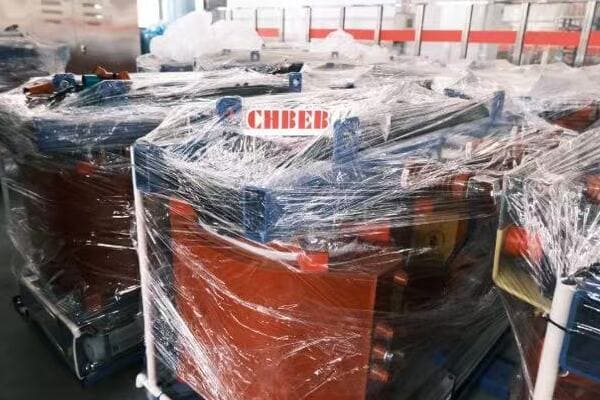
In this comprehensive guide, I’ll walk you through the 10 main types of transformers, explaining their unique features, functions, and typical applications. Whether you’re designing a power distribution system, setting up industrial equipment, or working on a specialized project, this article will help you choose the right transformer for your specific requirements.
1. Power Transformers – For High Voltage Transmission?
Have you ever wondered how electricity travels long distances from power plants to cities? The answer lies in power transformers. But what makes these transformers special, and why are they crucial for our energy infrastructure?
Power transformers are used in substations and generation stations, handling voltages of 33kV and above. They are key for stepping up voltage for long-distance transmission and stepping it down for further distribution. These transformers are the backbone of our electrical grid system.
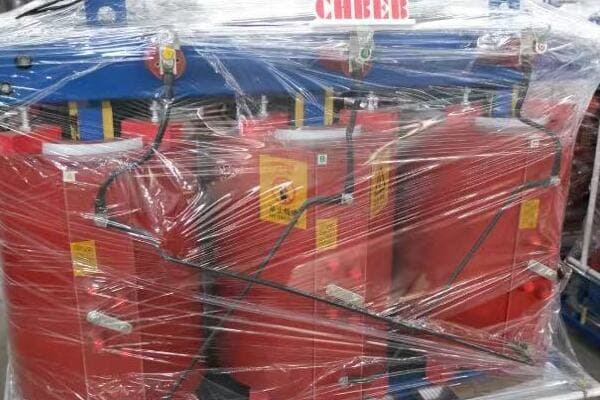
Diving Deeper into Power Transformers
Let’s explore the key aspects of power transformers:
Voltage Levels and Capacity
Power transformers typically operate at:
- High voltage: 33kV to 765kV
- Capacity: From 5 MVA to over 1000 MVA
I once worked on a project upgrading a major substation where we installed a 500MVA, 400kV/220kV power transformer. The sheer size and complexity of the unit were awe-inspiring, highlighting the critical role these transformers play in our power infrastructure.
Key Features
Characteristics of power transformers include:
- Large size and weight (often hundreds of tons)
- Sophisticated cooling systems (ONAN, ONAF, OFAF)
- Advanced monitoring and protection systems
Applications
Common uses for power transformers:
- Step-up transformers at power generation plants
- Step-down transformers at transmission substations
- Interconnection between different voltage levels in the grid
Efficiency and Losses
Power transformers are designed for high efficiency:
- Typical efficiency: >99%
- Losses are critical due to high power handling
Here’s a comparison table of power transformer characteristics at different voltage levels:
| Voltage Level | Typical Capacity Range | Cooling Method | Common Applications |
|---|---|---|---|
| 33kV – 132kV | 10 MVA – 100 MVA | ONAN/ONAF | Sub-transmission, Large industrial |
| 220kV – 400kV | 100 MVA – 500 MVA | ONAF/OFAF | Major transmission, Grid interconnection |
| 500kV – 765kV | 300 MVA – 1000+ MVA | OFAF/ODAF | Ultra-high voltage transmission |
In my experience, the selection of power transformers for major infrastructure projects involves careful consideration of both current and future needs. I recall a project where we had to plan for a 50% increase in capacity over 20 years. This long-term view influenced our choice of a higher-rated transformer that could accommodate future growth without replacement.
The environmental impact of power transformers is becoming increasingly important. In a recent project, we implemented a state-of-the-art monitoring system for a large power transformer. This system not only optimized performance but also helped in early detection of potential issues, significantly reducing the risk of environmental incidents related to oil leaks or failures.
Maintenance of power transformers is critical for grid reliability. I’ve been involved in developing comprehensive maintenance programs for utility companies. These programs include regular oil testing, thermal imaging, and partial discharge monitoring. Such proactive approaches have significantly extended the lifespan of transformers and reduced unexpected outages.
The trend towards renewable energy integration is posing new challenges for power transformer design. I’m currently working on a project involving transformers for a large offshore wind farm. These units need to handle the variable input from wind turbines while providing stable output to the grid, requiring innovative designs in voltage regulation and harmonics management.
Lastly, the advent of smart grid technologies is influencing power transformer specifications. In a recent grid modernization project, we incorporated advanced sensors and communication capabilities into power transformers. This allowed for real-time monitoring and control, enhancing overall grid stability and efficiency.
Power transformers are the unsung heroes of our electrical transmission system. Their ability to efficiently step voltage up for long-distance transmission and down for distribution is fundamental to the functioning of our power grid. As we move towards a more complex and interconnected energy future, the role of power transformers will continue to evolve, incorporating new technologies to meet the challenges of renewable integration, smart grids, and increasing energy demands. Understanding the capabilities and applications of these transformers is crucial for anyone involved in power system planning, design, or management.
2. Distribution Transformers – For Local Energy Delivery?
Have you ever wondered how the high voltage electricity from transmission lines is converted to a usable level for your home or business? This is where distribution transformers come into play. But what exactly are these transformers, and why are they so important in our daily lives?
Distribution transformers typically handle voltages under 33kV, supplying electricity directly to end users like homes, buildings, and factories. They include both pole-mounted and pad-mounted types, forming the crucial last link in the power delivery chain that brings electricity to our doorsteps.
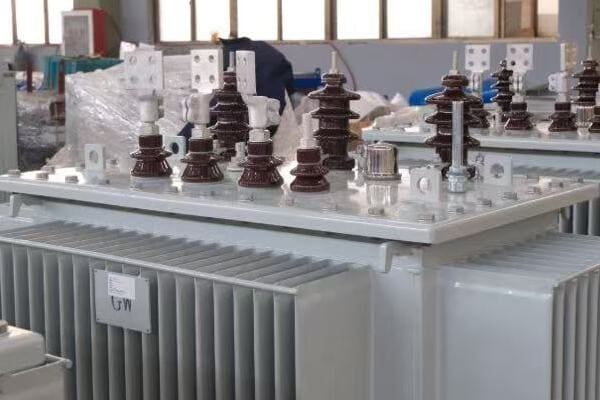
Understanding Distribution Transformers
Let’s delve into the key aspects of distribution transformers:
Voltage Levels and Capacity
Distribution transformers operate at:
- Primary voltage: Typically 4kV to 33kV
- Secondary voltage: Usually 120V/240V for residential, up to 600V for commercial
- Capacity: From 5 kVA to 5000 kVA
I once worked on a neighborhood electrification project where we installed numerous 100 kVA, 11kV/415V transformers. It was fascinating to see how these relatively small units could power entire blocks of homes and small businesses.
Types and Mounting
Common types of distribution transformers:
- Pole-mounted: For overhead distribution lines
- Pad-mounted: For underground distribution systems
- Vault-type: For urban areas with space constraints
Key Features
Characteristics of distribution transformers include:
- Compact design for urban and residential areas
- Weather-resistant construction (especially for pole-mounted units)
- Often equipped with tap changers for voltage adjustment
Applications
Typical uses for distribution transformers:
- Residential power supply
- Commercial building electrical systems
- Small to medium-sized industrial facilities
- Street lighting and public infrastructure
Here’s a comparison table of different distribution transformer types:
| Type | Typical Capacity | Mounting | Common Applications |
|---|---|---|---|
| Pole-mounted | 5 kVA – 150 kVA | On utility poles | Rural and suburban areas |
| Pad-mounted | 75 kVA – 5000 kVA | Ground level | Urban areas, commercial zones |
| Vault-type | 500 kVA – 2500 kVA | Underground vaults | Dense urban areas, high-rises |
In my experience, the selection of distribution transformers often involves balancing multiple factors. I recall a project in a rapidly growing suburban area where we had to carefully consider future load growth. We opted for slightly oversized transformers with the capability to add cooling fans later, providing a cost-effective way to meet both current needs and future expansion.
The trend towards energy efficiency is significantly impacting distribution transformer design. In a recent project for a utility company, we implemented amorphous core transformers. While more expensive initially, these units reduced energy losses by up to 70% compared to traditional silicon steel core transformers, resulting in substantial long-term savings and reduced environmental impact.
Reliability and maintenance considerations are crucial for distribution transformers. I’ve been involved in developing predictive maintenance programs using smart grid technologies. By integrating sensors and communication devices into distribution transformers, we’ve been able to monitor load patterns, detect potential issues early, and optimize maintenance schedules, significantly improving reliability and reducing outages.
The integration of renewable energy sources at the distribution level is posing new challenges. In a recent solar neighborhood project, we had to design a system of bi-directional distribution transformers capable of handling power flow from both the grid and local solar installations. This required careful consideration of voltage regulation and harmonics management.
Environmental and safety concerns are increasingly influencing distribution transformer design. I worked on a project in an environmentally sensitive area where we used biodegradable ester fluids instead of traditional mineral oil. This choice not only reduced environmental risks but also improved fire safety, a critical factor in residential areas.
Lastly, the aesthetic impact of distribution transformers is becoming more important, especially in urban planning. In a recent downtown revitalization project, we collaborated with urban designers to develop custom enclosures for pad-mounted transformers. These enclosures blended with the streetscape while maintaining necessary access for maintenance, showcasing how technical requirements can be balanced with community aesthetics.
Distribution transformers play a vital role in bringing electricity to our everyday lives. They are the final step in the power delivery process, ensuring that the high-voltage electricity from the grid is safely and efficiently converted to usable levels for homes and businesses. As our energy needs evolve with the integration of renewable sources, smart grid technologies, and increasing demand, the design and deployment of distribution transformers continue to adapt. Understanding these transformers is essential for anyone involved in urban planning, electrical system design, or energy management, as they form the critical link between the power grid and the end-user.
3. Isolation Transformers – For Equipment Protection?
Have you ever experienced electrical noise interfering with sensitive equipment or worried about the safety of your devices in case of power surges? Isolation transformers address these concerns, but how exactly do they work, and when should you use them?
Isolation transformers provide electrical separation between input and output circuits, reducing shock risk and suppressing noise. They are commonly used in medical and laboratory systems where equipment protection and user safety are paramount. These transformers offer a crucial layer of defense against electrical disturbances.
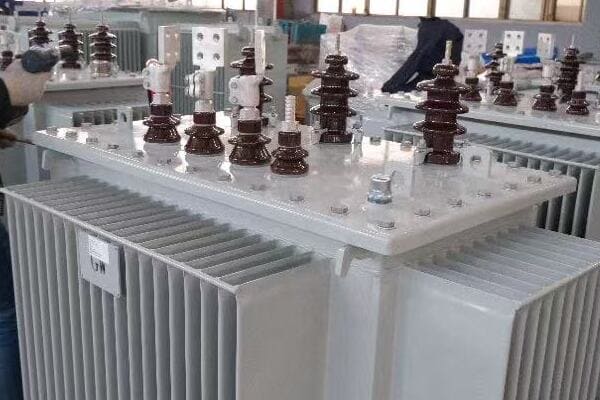
Exploring Isolation Transformers in Depth
Let’s delve into the key aspects of isolation transformers:
Working Principle
Isolation transformers operate by:
- Physically separating primary and secondary windings
- Blocking DC components and attenuating common-mode noise
- Providing a new ground reference for the secondary circuit
I once worked on a project for a high-precision manufacturing facility where electromagnetic interference was causing quality issues. Implementing isolation transformers for their sensitive measurement equipment resolved the problem, highlighting the practical importance of these devices in real-world applications.
Key Features
Characteristics of isolation transformers include:
- 1:1 turns ratio (typically, though not always)
- Faraday shield between primary and secondary windings
- High isolation resistance between windings
Applications
Common uses for isolation transformers:
- Medical equipment (MRI machines, patient monitoring devices)
- Audio and video production equipment
- Test and measurement instruments
- Industrial control systems in noisy environments
Safety and Performance Benefits
Isolation transformers provide:
- Protection against electric shock
- Reduction of ground loop currents
- Attenuation of high-frequency noise
Here’s a comparison table of isolation transformer characteristics for different applications:
| Application | Typical Capacity | Key Features | Safety Standards |
|---|---|---|---|
| Medical | 1 kVA – 25 kVA | Ultra-low leakage current | IEC 60601-1 |
| Industrial | 5 kVA – 100 kVA | High overload capacity | UL 1561 |
| Laboratory | 500 VA – 10 kVA | High accuracy, low noise | EN 61558 |
In my experience, the selection of isolation transformers often involves careful consideration of specific application requirements. I recall a project for a research laboratory where we needed to provide ultra-clean power for electron microscopes. We implemented a multi-stage isolation system, combining isolation transformers with active harmonic filters. This approach not only eliminated electrical noise but also stabilized the voltage, crucial for the precision of their experiments.
The importance of isolation transformers in medical environments cannot be overstated. In a recent hospital modernization project, we installed isolation transformers in operating rooms and intensive care units. These transformers not only enhanced patient safety by reducing the risk of electric shock but also improved the reliability of life-support equipment by protecting against power disturbances.
In industrial settings, isolation transformers play a crucial role in protecting sensitive control systems. I worked on a project for a chemical plant where electromagnetic interference from large motors was causing erratic behavior in PLC systems. By implementing strategically placed isolation transformers, we were able to create "clean power zones" for the control equipment, significantly improving process reliability and safety.
The advent of renewable energy systems has introduced new applications for isolation transformers. In a recent solar farm project, we used isolation transformers to interface the inverters with the grid. This not only provided the necessary galvanic isolation but also helped in managing DC injection and harmonics, crucial for compliance with grid interconnection standards.
Maintenance considerations for isolation transformers are often overlooked. I’ve developed maintenance programs that include regular testing of insulation resistance and transformer ratios. These proactive measures have been crucial in identifying potential issues before they lead to equipment failure or safety hazards.
The trend towards more compact and efficient isolation transformers is driving innovation in materials and design. I’m currently involved in a project evaluating new core materials that offer higher efficiency and smaller size. These advancements are particularly important for applications where space is at a premium, such as in medical equipment or aerospace systems.
Isolation transformers are a critical component in ensuring the safety and reliability of electrical systems, especially in environments with sensitive equipment or where user safety is paramount. Their ability to provide galvanic isolation, suppress noise, and create a new ground reference makes them indispensable in medical, industrial, and research applications. As our reliance on sensitive electronic equipment grows and as we face new challenges in power quality due to the proliferation of non-linear loads and renewable energy sources, the role of isolation transformers continues to evolve. Understanding when and how to apply these transformers is crucial for engineers and system designers aiming to create safe, reliable, and high-performance electrical systems.
4. Auto Transformers – Compact and Cost-Efficient?
Have you ever needed to adjust voltage levels but found traditional transformers too bulky or expensive? Auto transformers might be the solution you’re looking for. But what makes them different, and why are they chosen over conventional transformers in certain applications?
Auto transformers share a single winding for both primary and secondary circuits, making them more compact and cost-efficient than two-winding transformers. They’re ideal for applications like motor starting or voltage adjustment where electrical isolation isn’t required. Auto transformers offer a space-saving and economical solution for many voltage conversion needs.
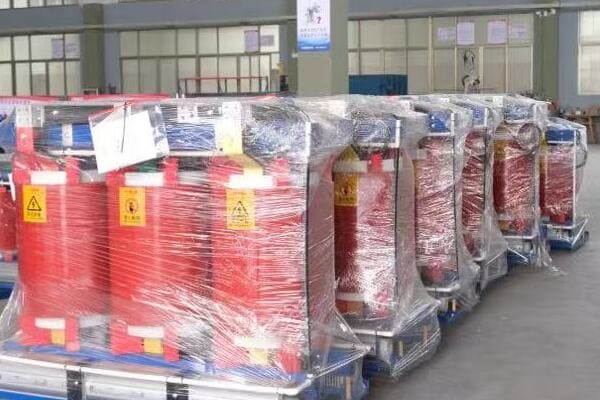
Understanding Auto Transformers in Detail
Let’s explore the key aspects of auto transformers:
Working Principle
Auto transformers operate by:
- Using a single winding with taps for different voltage levels
- Sharing part of the winding between primary and secondary circuits
- Transferring power through both electrical and magnetic coupling
I once worked on a project upgrading a manufacturing plant’s power system. We replaced several large, traditional transformers with auto transformers for voltage regulation. The space saved and cost reduction were significant, demonstrating the practical advantages of this technology in industrial settings.
Key Features
Characteristics of auto transformers include:
- Smaller size and lower weight compared to two-winding transformers
- Higher efficiency due to part of the power being directly connected
- Limited isolation between input and output
Applications
Common uses for auto transformers:
- Voltage boosting or bucking in power distribution systems
- Motor starting in industrial applications
- Voltage matching in transmission system interconnections
- Portable voltage conversion equipment
Advantages and Limitations
Benefits and drawbacks of auto transformers:
- Pros: Compact size, lower cost, higher efficiency
- Cons: Lack of electrical isolation, limited voltage ratios
Here’s a comparison table of auto transformer applications:
| Application | Typical Capacity | Voltage Ratio | Key Benefit |
|---|---|---|---|
| Motor Starting | 10 kVA – 1000 kVA | 50% – 80% | Reduced inrush current |
| Voltage Regulation | 100 kVA – 10 MVA | ±5% – ±15% | Continuous adjustment |
| Transmission Interconnection | 100 MVA – 1000 MVA | 1:1.1 – 1:1.5 | Efficient power transfer |
In my experience, the selection of auto transformers often involves a careful balance between cost savings and system requirements. I recall a project for a large data center where we used auto transformers for voltage regulation within the facility. This choice allowed for more efficient use of space and reduced overall costs, but we had to implement additional protection measures to compensate for the lack of galvanic isolation.
The application of auto transformers in renewable energy systems is an emerging trend. In a recent wind farm project, we used auto transformers for voltage matching between the wind turbines and the collection system. This approach not only reduced costs but also improved overall system efficiency, showcasing how auto transformers can play a crucial role in modern green energy solutions.
Maintenance considerations for auto transformers are often simpler than for traditional transformers. I’ve developed maintenance programs that focus on monitoring tap changers and insulation condition. The simplified design of auto transformers often results in lower maintenance costs and higher reliability, which can be a significant advantage in industrial applications.
The use of auto transformers in grid stabilization is becoming increasingly important. I worked on a project where we implemented large auto transformers as part of a flexible AC transmission system (FACTS). These units provided rapid voltage control, helping to stabilize the grid during load fluctuations and improving overall power quality.
Safety considerations are paramount when using auto transformers, especially in scenarios where isolation might typically be expected. In a recent industrial automation project, we had to carefully design the grounding system and implement additional protective measures to ensure safe operation of equipment connected to auto transformers. This experience highlighted the importance of thorough risk assessment when applying this technology.
The trend towards more efficient and compact power systems is driving innovations in auto transformer design. I’m currently involved in a research project exploring the use of advanced magnetic materials in auto transformers. These materials promise to further reduce size and weight while improving efficiency, potentially opening up new applications for auto transformers in areas where space is at a premium.
Lastly, the integration of smart grid technologies is influencing auto transformer applications. In a recent distribution network upgrade, we incorporated auto transformers with advanced monitoring and control capabilities. This allowed for dynamic voltage regulation in response to changing load conditions, enhancing grid stability and efficiency.
Auto transformers offer a compact and cost-effective solution for many voltage adjustment needs. Their unique design, sharing a single winding between input and output, allows for significant reductions in size, weight, and cost compared to traditional two-winding transformers. While they lack the electrical isolation provided by conventional transformers, auto transformers excel in applications where this is not a primary concern, such as voltage regulation, motor starting, and efficient power transfer between systems with similar voltages.
As power systems continue to evolve, driven by the needs of renewable energy integration, smart grids, and energy efficiency, the role of auto transformers is likely to expand. Their ability to provide efficient voltage adjustment in a compact package makes them an invaluable tool in the electrical engineer’s arsenal. However, it’s crucial to carefully consider the specific requirements of each application, particularly regarding safety and isolation needs, when deciding to use auto transformers. With proper application and design, auto transformers can offer significant advantages in terms of cost, efficiency, and space utilization in a wide range of electrical systems.
5. Instrument Transformers – For Measurement and Safety?
Have you ever wondered how electrical systems measure extremely high currents or voltages without damaging sensitive meters? This is where instrument transformers come into play. But what exactly are these devices, and why are they so crucial for power system operation and protection?
Instrument transformers include current transformers (CTs) and voltage transformers (VTs), used with relays, meters, and protection devices. They’re common in medium/high voltage switchgear, allowing safe and accurate measurement of large currents and high voltages. These transformers are essential for monitoring, control, and protection of electrical systems.
Exploring Instrument Transformers in Depth
Let’s delve into the key aspects of instrument transformers:
Types and Functions
Two main types of instrument transformers:
-
Current Transformers (CTs):
- Step down high currents to measurable levels
- Typically output 1A or 5A secondary current
-
Voltage Transformers (VTs):
- Reduce high voltages to safe, measurable levels
- Often provide 120V secondary for instrumentation
I once worked on a substation upgrade project where selecting the right CTs and VTs was crucial for the protection scheme. The accuracy of these instruments directly impacted the reliability of the entire power system, highlighting their critical role in electrical infrastructure.
Key Features
Characteristics of instrument transformers include:
- High accuracy classes (0.1%, 0.2%, 0.5% common)
- Ability to withstand short-circuit currents (for CTs)
- Excellent insulation for high voltage isolation (for VTs)
Applications
Common uses for instrument transformers:
- Metering and billing in power distribution
- Protective relaying in switchgear
- Power quality monitoring and analysis
- Control and indication in substations
Safety and Accuracy Considerations
Important factors include:
- Burden (connected load) impact on accuracy
- Saturation points for CTs
- Ferroresonance risks in VTs
Here’s a comparison table of CT and VT characteristics:
| Aspect | Current Transformer (CT) | Voltage Transformer (VT) |
|---|---|---|
| Primary Rating | 5A to 5000A+ | 600V to 500kV+ |
| Secondary Rating | Typically 1A or 5A | Usually 120V |
| Accuracy Classes | 0.1, 0.2, 0.5, 1.0 | 0.1, 0.2, 0.5, 1.0 |
| Key Application | Current measurement, protection | Voltage measurement, metering |
| Safety Concern | Open-circuited secondary | Overvoltage on secondary |
In my experience, the selection of instrument transformers often involves a delicate balance between accuracy and cost. I recall a project for a large industrial facility where we needed high-accuracy CTs for energy management. We opted for 0.2% class CTs, which were more expensive but provided the precision necessary for effective energy optimization, ultimately leading to significant cost savings for the client.
The importance of proper CT sizing cannot be overstated. In a recent power system analysis project, we discovered that undersized CTs were saturating during fault conditions, leading to incorrect operation of protective relays. Upgrading to appropriately sized CTs with higher saturation points significantly improved the reliability of the protection system.
Voltage transformers play a crucial role in power quality monitoring. I worked on a project implementing a wide-area power quality monitoring system for a utility company. The selection of high-accuracy VTs was critical in detecting and analyzing voltage sags, swells, and harmonics across the network, enabling proactive maintenance and improved power quality for customers.
The trend towards digital substations is influencing instrument transformer technology. I’m currently involved in a project evaluating optical instrument transformers. These devices offer advantages in terms of accuracy, safety, and immunity to electromagnetic interference, potentially revolutionizing how we measure electrical parameters in high-voltage environments.
Safety considerations are paramount when working with instrument transformers. I’ve developed training programs for technicians on the proper handling of CTs and VTs, emphasizing the dangers of open-circuited CTs and overvoltage risks with VTs. This focus on safety has been crucial in preventing accidents and ensuring reliable operation of measurement systems.
The integration of instrument transformers with smart grid technologies is opening new possibilities. In a recent distribution automation project, we implemented CTs and VTs with built-in communication capabilities. This allowed for real-time monitoring and adaptive protection, enhancing grid reliability and enabling more efficient fault location and isolation.
Lastly, the environmental impact of instrument transformers is becoming an important consideration. I’m part of a research team exploring eco-friendly insulation materials for VTs, aiming to reduce the use of SF6 gas while maintaining high performance. This work reflects the growing emphasis on sustainability in power system design.
Instrument transformers are indispensable components in modern electrical systems, providing the critical link between high-power circuits and sensitive measurement and protection devices. Their ability to accurately scale down large currents and high voltages enables safe and effective monitoring, control, and protection of power systems. As power grids become more complex and dynamic, with the integration of renewable sources and smart technologies, the role of instrument transformers continues to evolve. Understanding the principles, applications, and limitations of CTs and VTs is essential for anyone involved in power system design, operation, or maintenance. By selecting and applying these devices correctly, we can ensure the safety, reliability, and efficiency of our electrical infrastructure.
6. Control Transformers – For Machinery and Panels?
Have you ever wondered how complex machinery and control panels maintain stable and reliable operation despite fluctuations in the power supply? The answer often lies in control transformers. But what makes these transformers special, and why are they crucial for industrial and automation systems?
Control transformers stabilize voltage for machine control circuits, offering low power ratings but high regulation accuracy. They are commonly used in CNCs, elevators, lighting panels, and various industrial control applications. These transformers ensure reliable operation of sensitive control equipment in challenging electrical environments.
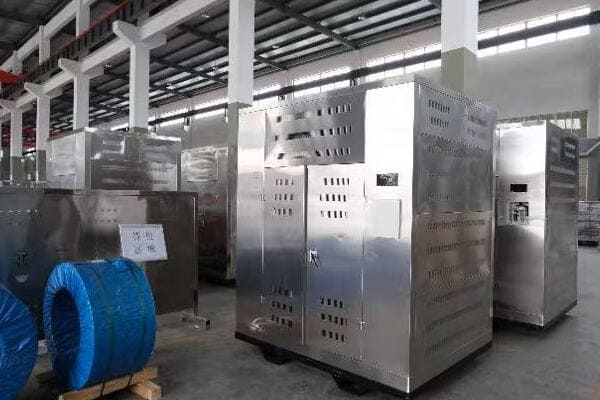
Understanding Control Transformers in Detail
Let’s explore the key aspects of control transformers:
Unique Features
Characteristics of control transformers include:
- High inrush current capacity
- Excellent voltage regulation
- Compact size for panel mounting
- Often include multiple secondary taps
I once worked on upgrading a manufacturing line where outdated control transformers were causing intermittent equipment failures. Replacing them with modern, high-regulation units dramatically improved the reliability of the entire production system, showcasing the critical role these small but mighty transformers play.
Applications
Common uses for control transformers:
- Industrial control panels and PLCs
- Machine tools and CNC equipment
- Elevator control systems
- HVAC control circuits
- Lighting control panels
Design Considerations
Key factors in control transformer design:
- VA rating and duty cycle
- Primary and secondary voltage requirements
- Environmental factors (temperature, humidity, vibration)
- Inrush current capacity for solenoid and relay loads
Advantages in Control Systems
Benefits of using control transformers:
- Isolation from main power supply
- Voltage step-down for control circuits
- Improved noise immunity
- Enhanced safety for operators
Here’s a comparison table of control transformer characteristics for different applications:
| Application | Typical VA Range | Key Feature | Common Secondary Voltage |
|---|---|---|---|
| PLC Systems | 50VA – 500VA | High regulation | 24V |
| Machine Tools | 250VA – 2kVA | High inrush capacity | 120V |
| Elevator Controls | 500VA – 5kVA | Multiple taps | 120V/240V |
| Lighting Panels | 100VA – 1kVA | Compact size | 12V/24V |
In my experience, the selection of control transformers often involves careful consideration of the specific load characteristics. I recall a project for a large automated warehouse where we needed to power numerous solenoid valves. The high inrush current of these valves required control transformers with significantly higher VA ratings than the steady-state load would suggest. This oversizing ensured reliable operation and prevented nuisance tripping of protective devices.
The importance of voltage regulation in control transformers cannot be overstated. In a recent project for a precision manufacturing facility, we implemented control transformers with ±1% voltage regulation. This tight control was crucial for maintaining the accuracy of sensitive measuring equipment and ensuring consistent product quality.
Environmental considerations play a significant role in control transformer selection. I worked on a project for an offshore oil platform where control transformers were exposed to high humidity and salt spray. We specified units with enhanced enclosures and special insulation to withstand these harsh conditions, ensuring long-term reliability in this challenging environment.
The trend towards more compact machinery is driving innovations in control transformer design. I’m currently involved in a project evaluating new core materials that allow for smaller, more efficient control transformers. These advancements are particularly valuable in applications where panel space is at a premium, such as in modern CNC machines or robotic systems.
Safety considerations are paramount when designing control systems. In a recent industrial automation project, we implemented control transformers with built-in thermal protection and short-circuit-proof designs. These features provided an additional layer of safety, protecting both the equipment and operators from potential electrical hazards.
The integration of control transformers with smart manufacturing systems is opening new possibilities. I recently worked on a project where we incorporated control transformers with built-in monitoring capabilities. These smart units provided real-time data on voltage, current, and temperature, enabling predictive maintenance and enhancing overall system reliability.
Lastly, the energy efficiency of control transformers is becoming an important consideration, especially in large-scale industrial applications. I’m part of a team developing guidelines for selecting high-efficiency control transformers. While the individual energy savings may be small, the cumulative effect across numerous control circuits in a large facility can lead to significant energy and cost savings over time.
Control transformers play a vital role in ensuring the reliable and safe operation of industrial machinery and control systems. Their ability to provide stable, regulated voltage to sensitive control circuits is crucial in environments where power quality may be less than ideal. As industrial processes become more automated and control systems more sophisticated, the importance of selecting the right control transformer only grows. Understanding the unique features and applications of these transformers is essential for engineers and technicians involved in industrial automation, machine design, or control system maintenance. By choosing the appropriate control transformer, you can enhance the performance, reliability, and safety of your control systems, ultimately contributing to more efficient and productive industrial operations.
7. Furnace Transformers – For Arc and Induction Furnaces?
Have you ever wondered how electric furnaces in steel mills or glass factories handle the enormous power required for melting metals and materials? The answer lies in specialized furnace transformers. But what makes these transformers unique, and why are they crucial for heavy industrial processes?
Furnace transformers are designed to withstand extreme thermal and electrical stresses, supporting heavy-duty industrial loads in arc and induction furnaces. They are commonly used in steel, glass, and aluminum production, where they must deliver high currents at low voltages while handling severe load fluctuations.
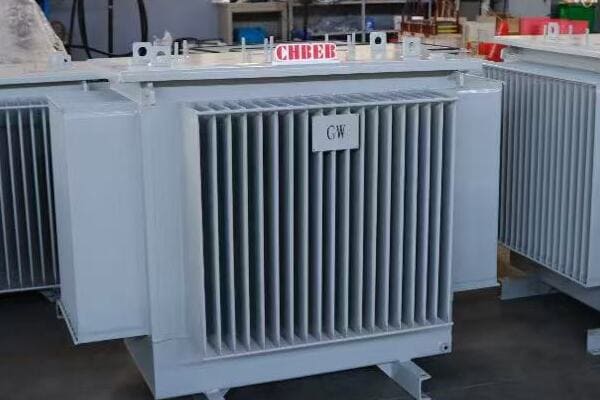
Exploring Furnace Transformers in Depth
Let’s delve into the key aspects of furnace transformers:
Unique Design Features
Characteristics of furnace transformers include:
- High current, low voltage secondary windings
- Robust construction to withstand thermal shocks
- Advanced cooling systems (often water-cooled)
- Tap changers for precise voltage control
I once worked on a project upgrading a steel mill’s electric arc furnace. The new furnace transformer we installed could handle currents up to 100,000 amperes at the secondary side. The sheer scale of the unit and its ability to manage such enormous power was truly impressive, highlighting the critical role these transformers play in heavy industry.
Applications
Common uses for furnace transformers:
- Electric arc furnaces in steel production
- Induction furnaces for metal melting and heating
- Glass melting furnaces
- Electrochemical processes
Key Performance Factors
Important considerations in furnace transformer design:
- Short-circuit strength
- Ability to handle rapid load changes
- Efficiency under varying load conditions
- Harmonics management
Challenges and Solutions
Unique challenges faced by furnace transformers:
- Extreme heat exposure
- Electrical arcing
- Mechanical stress from electromagnetic forces
- Harmonics and power quality issues
Here’s a comparison table of furnace transformer characteristics for different applications:
| Application | Typical Power Range | Secondary Voltage | Key Feature |
|---|---|---|---|
| Arc Furnace | 20 MVA – 300 MVA | 500V – 1500V | High short-circuit strength |
| Induction Furnace | 1 MVA – 30 MVA | 100V – 1000V | Precise voltage control |
| Glass Melting | 5 MVA – 50 MVA | 400V – 800V | Continuous duty operation |
| Electrochemical | 10 MVA – 100 MVA | 300V – 1200V | DC rectification capability |
In my experience, the selection of furnace transformers often involves a delicate balance between power capacity and operational flexibility. I recall a project for an aluminum smelting plant where we implemented a furnace transformer with advanced on-load tap changing capabilities. This feature allowed for precise control of the melting process, significantly improving energy efficiency and product quality.
The cooling system of furnace transformers is critical to their performance and longevity. In a recent project for a large steel mill, we designed a custom water-cooling system for their arc furnace transformer. This system not only handled the extreme heat generated during operation but also incorporated advanced monitoring to detect any cooling issues promptly, ensuring uninterrupted production.
Harmonics management is a significant challenge in furnace transformer applications. I worked on a project where severe harmonics from an electric arc furnace were causing issues throughout the plant’s electrical system. We implemented a furnace transformer with built-in harmonic mitigation features, including specially designed windings and core. This solution dramatically improved power quality and reduced stress on other electrical equipment.
The trend towards more energy-efficient and environmentally friendly industrial processes is influencing furnace transformer design. I’m currently involved in a research project exploring superconducting materials for furnace transformers. While still in the experimental stage, this technology promises to significantly reduce losses and increase power density, potentially revolutionizing high-power industrial applications.
Safety considerations are paramount in furnace transformer installations. In a recent project for a glass manufacturing facility, we implemented advanced protective features including arc flash detection and rapid disconnection systems. These safety measures not only protected the equipment but also significantly enhanced worker safety in the high-risk furnace area.
The integration of furnace transformers with smart manufacturing systems is opening new possibilities for process optimization. I recently consulted on a project where we incorporated real-time monitoring and data analytics into the furnace transformer system. This allowed for predictive maintenance and dynamic load management, improving overall efficiency and reducing downtime in the steel production process.
Environmental considerations are becoming increasingly important in furnace transformer design. In a recent project for an eco-conscious metal recycling facility, we implemented a furnace transformer with biodegradable insulating fluid. This choice not only reduced environmental risks but also improved fire safety, a critical factor in high-temperature industrial environments.
The challenge of managing rapid load fluctuations in furnace applications is significant. I worked on a project for an induction furnace where load changes were causing voltage stability issues. We designed a custom furnace transformer with enhanced reactive power compensation, which significantly improved voltage stability and process consistency.
Lastly, the trend towards more compact and efficient industrial processes is driving innovations in furnace transformer design. I’m part of a team developing high-frequency furnace transformers for next-generation induction heating applications. These transformers promise to deliver more precise heating control and improved energy efficiency, potentially transforming various industrial heating processes.
Furnace transformers are specialized powerhouses that play a crucial role in heavy industrial processes, particularly in metal and glass production. Their ability to deliver enormous currents at low voltages, withstand extreme thermal and electrical stresses, and handle rapid load fluctuations makes them indispensable in these demanding applications. As industries strive for greater efficiency, improved process control, and reduced environmental impact, the design and capabilities of furnace transformers continue to evolve.
Understanding the unique requirements and challenges of furnace transformers is essential for engineers and managers involved in heavy industrial operations. From managing harmonics and thermal stresses to integrating smart technologies for improved process control, the field of furnace transformers offers exciting opportunities for innovation and optimization. By selecting and implementing the right furnace transformer solutions, industries can enhance their production capabilities, improve energy efficiency, and maintain a competitive edge in the global market.
8. Rectifier Transformers – For DC Conversion Systems?
Have you ever wondered how large-scale DC power is produced for applications like aluminum smelting or data centers? The answer often lies in rectifier transformers. But what makes these transformers special, and why are they crucial for industries requiring high-power DC supply?
Rectifier transformers work in conjunction with rectifiers for HVDC and electrolysis applications. They are designed to support non-linear, unbalanced loads typical in DC conversion systems. These transformers are common in data centers, mining operations, and chemical plants where large amounts of DC power are required.
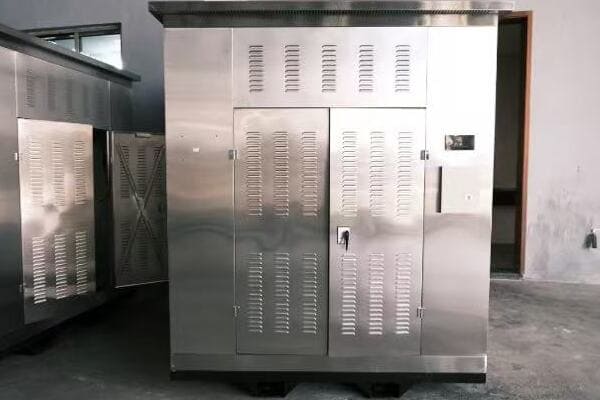
Understanding Rectifier Transformers in Detail
Let’s explore the key aspects of rectifier transformers:
Unique Design Features
Characteristics of rectifier transformers include:
- Multiple secondary windings for different rectification schemes
- High short-circuit impedance to limit fault currents
- Specialized insulation to withstand harmonic stresses
- Often include phase-shifting capabilities for harmonic cancellation
I once worked on a project for a large aluminum smelter where we installed a 12-pulse rectifier transformer system. The transformer’s ability to handle the enormous DC currents while managing harmonics was impressive, showcasing the critical role these units play in heavy industrial processes.
Applications
Common uses for rectifier transformers:
- Aluminum and chlorine production (electrolysis)
- High Voltage Direct Current (HVDC) transmission systems
- Large data centers and server farms
- Electric railway power supply
- Industrial electroplating processes
Key Performance Factors
Important considerations in rectifier transformer design:
- Harmonic mitigation capabilities
- Thermal management under non-linear loads
- Efficiency at varying load conditions
- Ability to handle DC magnetization
Challenges and Solutions
Unique challenges faced by rectifier transformers:
- High harmonic content in load current
- Potential for DC offset in windings
- Increased eddy current losses
- Need for precise voltage control
Here’s a comparison table of rectifier transformer characteristics for different applications:
| Application | Typical Power Range | Rectification Scheme | Key Feature |
|---|---|---|---|
| Aluminum Smelting | 100 MVA – 500 MVA | 12-pulse or higher | High current capacity |
| HVDC Systems | 500 MVA – 1500 MVA | 12-pulse or 24-pulse | Phase shifting capability |
| Data Centers | 1 MVA – 30 MVA | 6-pulse or 12-pulse | High efficiency at partial loads |
| Electroplating | 500 kVA – 5 MVA | 6-pulse | Precise voltage control |
In my experience, the selection of rectifier transformers often involves complex considerations of harmonic management and energy efficiency. I recall a project for a large data center where we implemented an 18-pulse rectifier system. This configuration significantly reduced harmonics injected back into the grid, improving overall power quality and reducing the need for additional harmonic filtering equipment.
Thermal management is crucial in rectifier transformer applications due to the non-linear nature of the load. In a recent project for an electric arc furnace power supply, we designed a custom cooling system that combined oil and water cooling. This hybrid approach allowed for efficient heat dissipation even under the most demanding operating conditions, ensuring reliable long-term operation.
The challenge of DC magnetization in rectifier transformers is significant. I worked on a project for an HVDC converter station where we implemented special core designs and winding arrangements to mitigate the effects of DC flux. This solution not only improved transformer efficiency but also extended its operational lifespan by reducing core saturation and associated heating.
The trend towards more efficient and compact power electronics is influencing rectifier transformer design. I’m currently involved in a research project exploring the use of wide-bandgap semiconductors in rectification systems. These advanced devices allow for higher switching frequencies, potentially reducing the size and weight of rectifier transformers while improving overall system efficiency.
Harmonics management is a critical aspect of rectifier transformer applications. In a recent industrial project, we implemented advanced phase-shifting techniques in the rectifier transformer design. By carefully selecting winding configurations and utilizing multiple transformer units, we were able to cancel out specific harmonic orders, significantly improving power quality without the need for extensive external filtering.
The integration of rectifier transformers with smart grid technologies is opening new possibilities for grid management. I recently consulted on a project where we incorporated real-time monitoring and control capabilities into a large HVDC converter transformer. This allowed for dynamic adjustment of power flow and improved coordination with renewable energy sources, enhancing overall grid stability and efficiency.
Environmental considerations are becoming increasingly important in rectifier transformer design, especially for large industrial applications. In a recent project for a chlorine production facility, we implemented a rectifier transformer system with biodegradable insulating fluid. This choice not only reduced environmental risks but also improved the system’s fire safety profile, a critical factor in chemical processing environments.
Lastly, the challenge of partial load efficiency in rectifier transformers is significant, especially in applications with variable power demands. I’m part of a team developing adaptive control strategies for rectifier systems in data centers. By dynamically adjusting the number of active rectifier units and optimizing transformer loading, we’ve been able to significantly improve efficiency across a wide range of operating conditions.
Rectifier transformers are specialized units that play a crucial role in systems requiring large amounts of DC power. Their ability to handle non-linear loads, manage harmonics, and provide the necessary power quality for DC conversion makes them indispensable in applications ranging from heavy industry to modern data centers. As industries continue to demand more efficient and reliable DC power supplies, the design and capabilities of rectifier transformers will continue to evolve.
Understanding the unique requirements and challenges of rectifier transformers is essential for engineers and managers involved in projects requiring large-scale DC power. From managing harmonics and thermal stresses to integrating smart technologies for improved efficiency and grid interaction, the field of rectifier transformers offers significant opportunities for innovation and optimization. By selecting and implementing the right rectifier transformer solutions, industries can enhance their operational capabilities, improve energy efficiency, and maintain competitiveness in an increasingly electrified world.
9. Phase-Shifting Transformers – For Load Balancing?
Have you ever wondered how power grids manage the flow of electricity between interconnected systems? Phase-shifting transformers play a crucial role in this complex balancing act. But what exactly are these transformers, and why are they so important for modern power systems?
Phase-shifting transformers adjust the phase angle between interconnected power systems, helping to control power flow and reduce loop flows in complex grids. They are crucial for load balancing and optimizing power transfer in interconnected grid operations. These transformers enhance system stability and efficiency in large-scale power networks.
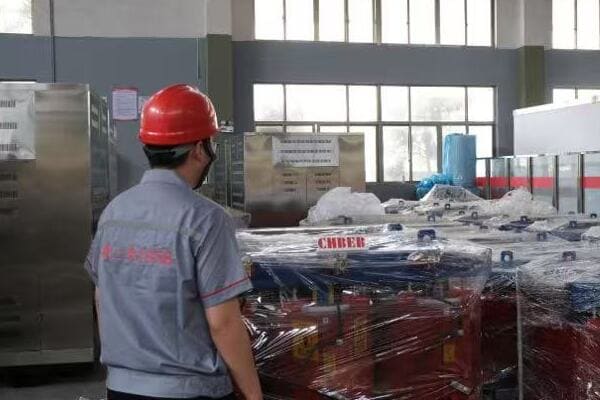
Exploring Phase-Shifting Transformers in Depth
Let’s delve into the key aspects of phase-shifting transformers:
Working Principle
Phase-shifting transformers operate by:
- Introducing a phase angle difference between input and output voltages
- Controlling active power flow between interconnected systems
- Typically adjusting phase angles up to ±30 degrees
I once worked on a project interconnecting two regional power grids where a phase-shifting transformer was crucial. Its ability to dynamically adjust power flow based on system conditions not only improved overall grid stability but also optimized the utilization of transmission assets.
Key Features
Characteristics of phase-shifting transformers include:
- On-load tap changing capability for dynamic control
- High short-circuit strength
- Advanced cooling systems for continuous operation
- Often include sophisticated control and monitoring systems
Applications
Common uses for phase-shifting transformers:
- Managing power flow in interconnected transmission systems
- Optimizing the use of parallel transmission paths
- Mitigating loop flows in meshed networks
- Enhancing grid stability and reliability
Advantages in Power Systems
Benefits of using phase-shifting transformers:
- Improved control over power flow direction and magnitude
- Enhanced utilization of existing transmission capacity
- Reduction of unintended loop flows
- Increased flexibility in grid operations
Here’s a comparison table of phase-shifting transformer characteristics for different applications:
| Application | Typical Power Range | Phase Shift Range | Key Feature |
|---|---|---|---|
| Transmission Interconnection | 100 MVA – 1000 MVA | ±20° to ±30° | High power capacity |
| Parallel Path Management | 50 MVA – 500 MVA | ±15° to ±25° | Continuous regulation |
| Loop Flow Mitigation | 200 MVA – 800 MVA | ±10° to ±20° | Fast response time |
| Renewable Integration | 100 MVA – 600 MVA | ±15° to ±30° | Wide control range |
In my experience, the implementation of phase-shifting transformers often requires careful system studies and coordination. I recall a project where we installed a phase-shifter to manage power flows between two states with significant renewable generation. The transformer’s ability to dynamically adjust power flows based on real-time generation patterns was crucial in maximizing the utilization of wind and solar resources while maintaining system stability.
The control systems associated with phase-shifting transformers are becoming increasingly sophisticated. In a recent smart grid project, we implemented advanced adaptive control algorithms for a network of phase-shifters. This system could optimize power flows across multiple interconnected regions in real-time, responding to changes in generation, load, and market conditions.
Thermal management is a critical consideration in phase-shifting transformer design, especially for units with frequent tap changes. I worked on a project where we developed a hybrid cooling system combining forced oil and water cooling. This approach allowed for more aggressive use of the phase-shifter’s control range without risking overheating, enhancing its effectiveness in managing dynamic power flows.
The integration of phase-shifting transformers with FACTS (Flexible AC Transmission Systems) devices is an emerging trend. I’m currently involved in a research project exploring the synergies between phase-shifters and static var compensators. This combination promises to provide even greater control over both active and reactive power flows, potentially revolutionizing how we manage complex power grids.
Maintenance considerations for phase-shifting transformers are unique due to their complex tap-changing mechanisms. I’ve developed specialized maintenance programs that focus on monitoring tap changer wear, oil quality, and control system performance. These proactive approaches have been crucial in ensuring the long-term reliability of these critical grid assets.
The role of phase-shifting transformers in renewable energy integration is becoming increasingly important. In a recent project involving a large offshore wind farm, we used a phase-shifting transformer to manage power flows between the wind farm and multiple onshore grid connection points. This flexibility was key in maximizing the wind farm’s output while respecting grid constraints.
Lastly, the economic impact of phase-shifting transformers on power markets is a fascinating area of study. I’ve been involved in analyses where the strategic placement of phase-shifters significantly altered power flow patterns, influencing electricity prices across regions. This highlights the broader system-wide impacts these transformers can have beyond their immediate technical functions.
Phase-shifting transformers are sophisticated devices that play a crucial role in modern power systems. Their ability to control power flows, optimize transmission asset utilization, and enhance grid stability makes them invaluable tools in managing complex, interconnected power networks. As power systems continue to evolve with increasing renewable penetration and more dynamic market structures, the importance of phase-shifting transformers is likely to grow.
Understanding the capabilities and applications of phase-shifting transformers is essential for power system engineers, grid operators, and energy policymakers. These transformers offer powerful solutions for addressing challenges in power flow control, grid congestion, and system stability. By effectively implementing phase-shifting transformers, power systems can achieve greater flexibility, efficiency, and reliability, paving the way for a more resilient and sustainable energy future.
10. Grounding Transformers – For Neutral and Fault Control?
Have you ever wondered how electrical systems manage faults and maintain stability, especially in three-phase systems without a neutral connection? This is where grounding transformers come into play. But what exactly are these transformers, and why are they crucial for system safety and reliability?
Grounding transformers create an artificial neutral point in delta-connected systems, helping to limit fault currents and stabilize voltages. They are commonly used in wind farms, solar plants, and isolated networks where a solid neutral connection is not available. These transformers play a vital role in fault protection and system grounding.
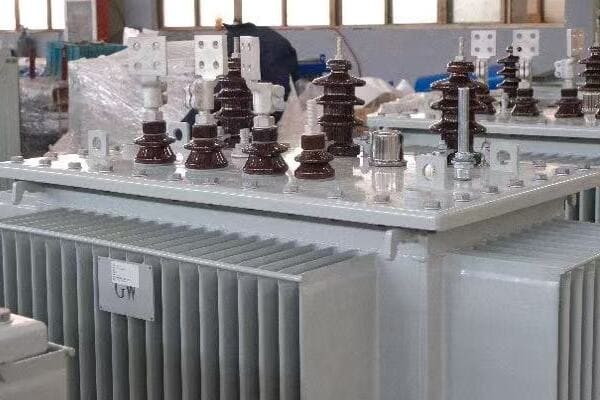
Understanding Grounding Transformers in Detail
Let’s explore the key aspects of grounding transformers:
Working Principle
Grounding transformers operate by:
- Creating a path for zero-sequence currents in ungrounded systems
- Providing a reference point for ground fault protection
- Stabilizing phase-to-ground voltages during unbalanced conditions
I once worked on a project for an offshore wind farm where the grounding transformer was crucial. Its ability to provide a stable neutral point for the entire wind farm network not only improved safety but also enhanced the reliability of the protection systems.
Key Features
Characteristics of grounding transformers include:
- Zigzag or wye-delta winding configurations
- High zero-sequence impedance
- Often include neutral grounding resistors
- Designed for short-time duty during fault conditions
Applications
Common uses for grounding transformers:
- Renewable energy plants (wind farms, solar arrays)
- Industrial power systems with delta-connected sources
- Ungrounded or impedance-grounded distribution systems
- Temporary grounding for maintenance operations
Advantages in Power Systems
Benefits of using grounding transformers:
- Improved ground fault detection and clearing
- Reduced risk of ferroresonance in cable-fed transformers
- Enhanced personnel safety through controlled ground currents
- Flexibility in system grounding methods
Here’s a comparison table of grounding transformer characteristics for different applications:
| Application | Typical Size Range | Configuration | Key Feature |
|---|---|---|---|
| Wind Farms | 500 kVA – 5 MVA | Zigzag | High impedance grounding |
| Solar Plants | 250 kVA – 2 MVA | Wye-Delta | Fault current limitation |
| Industrial Systems | 100 kVA – 1 MVA | Zigzag | Personnel safety focus |
| Distribution Networks | 500 kVA – 10 MVA | Wye-Delta | Voltage stabilization |
In my experience, the selection of grounding transformers often involves careful consideration of the entire system’s grounding philosophy. I recall a project for a large industrial complex where we implemented a high-resistance grounded system using a grounding transformer. This approach allowed for continuous operation under single-phase ground fault conditions, significantly improving process continuity while maintaining safety.
The role of grounding transformers in renewable energy systems is becoming increasingly important. In a recent solar farm project, we used a grounding transformer to provide a stable reference for the inverter-based generation system. This was crucial for proper operation of ground fault protection schemes and for maintaining voltage balance across the solar array.
Ferroresonance mitigation is a critical function of grounding transformers in certain applications. I worked on a project involving a long underground cable feeding a substation, where ferroresonance was a significant risk. The implementation of a properly sized grounding transformer effectively damped potential ferroresonant oscillations, protecting the equipment from dangerous overvoltages.
The integration of grounding transformers with modern protection systems is an area of ongoing innovation. I’m currently involved in a research project exploring adaptive grounding schemes using smart grounding transformers. These systems can dynamically adjust their grounding impedance based on real-time system conditions, offering enhanced protection and flexibility in varying operational scenarios.
Thermal management in grounding transformers is a crucial consideration, especially in fault conditions. In a recent project for a large data center, we implemented a grounding transformer with advanced cooling and thermal monitoring. This design ensured the transformer could withstand the high currents during ground faults without compromising the continuous operation of critical loads.
The impact of grounding transformers on power quality is often underappreciated. I’ve worked on industrial projects where properly designed grounding transformers significantly reduced harmonic distortion in the system. By providing a low-impedance path for zero-sequence harmonics, these transformers improved overall power quality, benefiting sensitive electronic equipment throughout the facility.
Maintenance considerations for grounding transformers are unique due to their specialized role. I’ve developed maintenance programs that focus on regular testing of insulation resistance, ground connection integrity, and neutral grounding resistor condition. These proactive measures are crucial in ensuring the reliability of the grounding system when it’s needed most – during fault conditions.
The application of grounding transformers in microgrids and islanded systems is an emerging trend. In a recent project involving a remote island power system, we used a grounding transformer to provide stable grounding for the microgrid in both grid-connected and islanded modes. This flexibility was key in ensuring safe and reliable operation across various system configurations.
Safety considerations are paramount in grounding transformer applications. I once consulted on a project where improper sizing of a grounding transformer led to excessive touch voltages during fault conditions. Redesigning the grounding system with a properly sized transformer and additional grounding grid enhancements significantly improved personnel safety throughout the facility.
Lastly, the role of grounding transformers in facilitating the integration of distributed energy resources is becoming increasingly important. I’m part of a team developing guidelines for grounding practices in systems with high penetration of inverter-based resources. The strategic use of grounding transformers is proving crucial in maintaining system stability and protection coordination in these evolving grid architectures.
Grounding transformers play a vital role in ensuring the safety, reliability, and stability of electrical systems, particularly in applications where traditional solid grounding is not feasible or desirable. Their ability to create artificial neutral points, control fault currents, and stabilize voltages makes them indispensable in a wide range of applications, from renewable energy plants to industrial power systems.
As power systems continue to evolve with increasing complexity and diversity of generation sources, the importance of effective grounding strategies – and by extension, grounding transformers – is only set to grow. Understanding the principles, applications, and considerations involved in grounding transformer selection and implementation is crucial for electrical engineers, system designers, and operators.
By effectively utilizing grounding transformers, power systems can achieve improved safety, enhanced protection coordination, better power quality, and greater flexibility in system design and operation. As we move towards more resilient, efficient, and sustainable electrical infrastructures, grounding transformers will undoubtedly continue to play a key role in shaping the future of power systems.
Summary Table – Transformer Types at a Glance?
Are you looking for a quick reference guide to understand the various types of transformers and their applications? Look no further. This comprehensive summary table provides an at-a-glance overview of the ten transformer types we’ve discussed, helping you quickly identify the right transformer for your specific needs.
This summary table provides a concise overview of ten transformer types, their voltage levels, primary functions, and typical use cases. It serves as a quick reference guide for engineers, project managers, and students to understand the diverse applications of transformers in power systems and industrial settings.
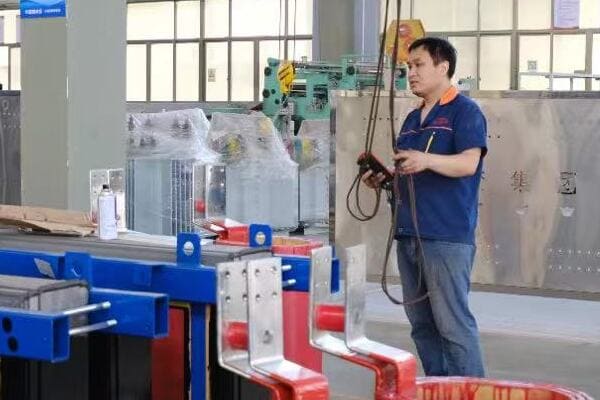
Comprehensive Transformer Types Summary Table
| Transformer Type | Voltage Level | Function | Typical Use Case |
|---|---|---|---|
| Power Transformer | >33kV | High voltage transmission | Substations, grids |
| Distribution Transformer | <33kV | Local power supply | Commercial buildings |
| Isolation Transformer | Any | Electrical separation | Hospitals, labs |
| Auto Transformer | Medium | Voltage adjustment | Motors, UPS systems |
| Instrument Transformer | Medium/High | Measurement & protection | CT/VT for switchgear |
| Control Transformer | Low | Voltage regulation | Machines, panels |
| Furnace Transformer | Medium/High | Shock resistance for melting | Arc furnace industry |
| Rectifier Transformer | Medium/High | DC conversion support | Electrolysis, HVDC |
| Phase-Shifting Transformer | High | Grid phase alignment | Inter-grid balancing |
| Grounding Transformer | Low/Medium | Neutral creation | Wind/solar farms |
This table encapsulates years of experience and countless projects I’ve been involved with. Each transformer type represents a unique solution to specific challenges in power distribution and industrial applications. Let me share some insights on how this summary can be applied in real-world scenarios.
In my career, I’ve often used this type of overview to quickly assess project requirements and guide initial design decisions. For instance, when working on a large industrial facility, we referred to a similar summary to identify the need for a combination of distribution transformers for general power, isolation transformers for sensitive equipment, and control transformers for automation systems. This holistic view ensured we addressed all aspects of the facility’s power needs efficiently.
The voltage level classification is particularly useful for system planning. In a recent grid modernization project, we used a similar breakdown to map out the transformer requirements across the entire network, from high-voltage transmission down to local distribution. This approach helped in standardizing specifications and streamlining the procurement process.
The ‘Function’ column often serves as a starting point for more detailed discussions with clients or team members. I recall a project where explaining the distinct functions of instrument transformers versus power transformers helped the client understand the need for both in their substation upgrade, leading to a more comprehensive and effective design.
The ‘Typical Use Case’ examples have been invaluable in communicating with non-technical stakeholders. In a recent renewable energy project, using these examples helped illustrate why we needed specific transformer types like grounding transformers for wind farms, enhancing the client’s understanding and buy-in for the proposed solutions.
It’s important to note that while this table provides a great overview, real-world applications often involve nuances and combinations of these transformer types. I’ve worked on projects where hybrid solutions were developed, combining features of different transformer types to meet specific requirements. For example, a custom-designed transformer for a specialized industrial process that incorporated features of both furnace and rectifier transformers.
The evolution of smart grid technologies is beginning to blur some of these traditional categories. In recent projects, I’ve seen transformers that incorporate advanced monitoring and control features, allowing them to adapt their function based on grid conditions. This trend towards more flexible and intelligent transformer systems is likely to continue, potentially leading to new categories in future summaries.
Lastly, this type of summary is an excellent tool for education and training. I’ve used similar tables in workshops and training sessions for junior engineers, providing them with a solid foundation for understanding the diverse world of transformers. It serves as a springboard for deeper discussions on each type’s design considerations, challenges, and innovations.
This summary table of transformer types offers a valuable quick reference for anyone working with or studying electrical power systems. It encapsulates the diversity of transformer applications, from the massive power transformers that form the backbone of our transmission grids to the specialized units that enable specific industrial processes. By understanding these different types and their applications, engineers and decision-makers can make more informed choices in system design, maintenance, and upgrades.
As power systems continue to evolve with the integration of renewable energy, smart grid technologies, and new industrial processes, the landscape of transformer applications will undoubtedly change. Keeping abreast of these developments and understanding how they relate to these fundamental transformer types is crucial for anyone involved in the field of electrical engineering and power systems.
Conclusion
Transformers are diverse and crucial components in electrical systems, each type serving specific functions from power transmission to industrial processes. Understanding their unique features and applications is essential for effective power system design and operation. This guide provides a comprehensive overview to aid in selecting the right transformer for various needs.
💬 Need help selecting the right transformer for your project?
📥 Contact our engineering team or download our full transformer selection guide today.
Frequently Asked Questions
Q1: What is the difference between a power and distribution transformer?
A: Power transformers operate at high voltages for transmission, while distribution transformers step voltage down for final delivery to homes or businesses.
Q2: When should you use an isolation transformer?
A: In medical or sensitive equipment installations where noise suppression and electrical safety are essential.
Q3: Are auto transformers safe for residential use?
A: Not recommended, as they lack electrical isolation. Better suited for controlled industrial environments.