
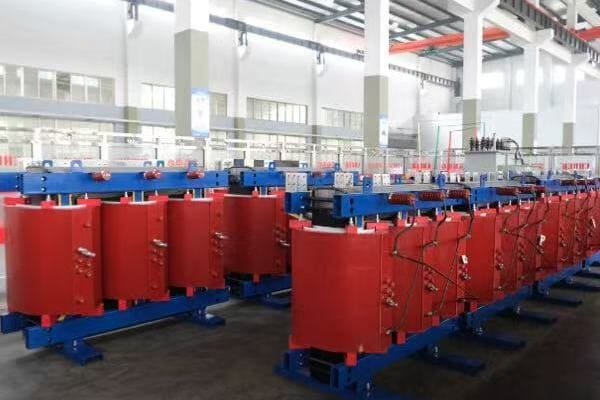
Is your industrial facility struggling with high energy costs? The culprit might be hiding in plain sight. Inefficient three phase pad mounted transformers could be silently draining your profits.
Optimizing three phase pad mounted transformer efficiency in industrial settings involves proper sizing, regular maintenance, and implementing energy-saving technologies. Key strategies include load management, cooling system upgrades, and using high-efficiency core materials. These improvements can significantly reduce energy losses and operational costs.
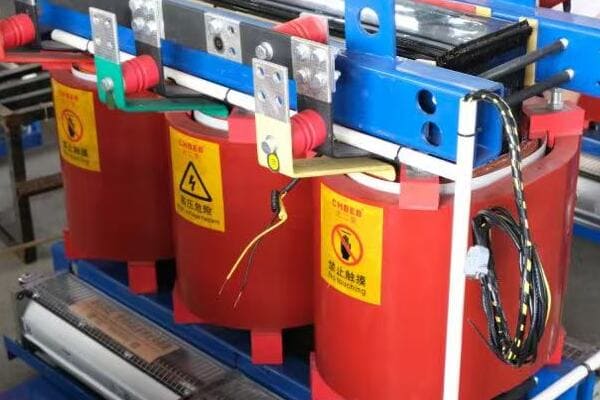
In this article, I’ll guide you through the essentials of optimizing your three phase pad mounted transformers. Whether you’re a plant manager or an energy consultant, you’ll find valuable insights to boost your facility’s energy efficiency and cut costs.
Three Phase Transformers Explained: Powering Your Industrial World?
Have you ever wondered how your factory’s massive machines get their power? The answer lies in those big green boxes outside – your three phase pad mounted transformers. But how exactly do they work?
Three phase pad mounted transformers are crucial for industrial power distribution. They convert high voltage electricity from utility lines to usable levels for industrial equipment. These transformers use three separate phases of power, allowing for more efficient and stable energy transmission in high-demand settings.
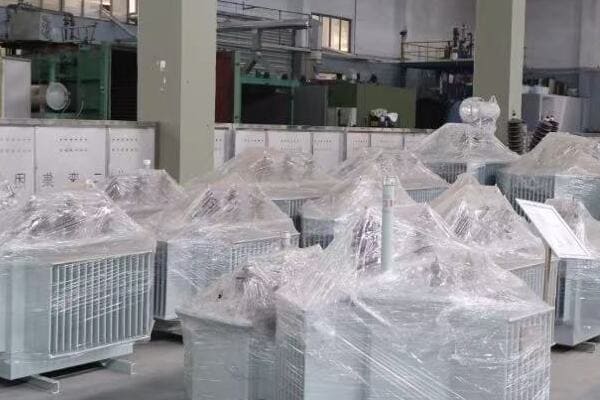
Let’s break down the key components and functions of these power workhorses:
The Basics: What Makes It ‘Three Phase’?
Three phase power is the backbone of industrial electricity supply.
Key Aspects:
- Three separate electrical waves
- 120-degree phase difference between each wave
- More efficient power transmission than single phase
Core Components: The Heart of the Transformer
The transformer’s core is where the magic of voltage conversion happens.
Core Elements:
- Laminated steel construction
- Three legs for three phases
- Designed to minimize energy losses
Windings: The Power Converters
Windings are responsible for stepping voltage up or down.
Winding Types:
- Primary windings (high voltage side)
- Secondary windings (low voltage side)
- Delta or Wye configurations
Cooling Systems: Keeping It Cool Under Pressure
Efficient cooling is crucial for transformer performance and longevity.
Cooling Methods:
- Oil-immersed designs
- Forced air cooling
- Water cooling for larger units
| Component | Function | Efficiency Impact |
|---|---|---|
| Core | Magnetic flux transfer | High – Core losses affect overall efficiency |
| Windings | Voltage transformation | Medium – Copper losses occur here |
| Cooling System | Heat dissipation | Medium – Affects operational efficiency |
| Insulation | Electrical isolation | Low – Quality affects long-term efficiency |
I remember my first encounter with a three phase pad mounted transformer in an industrial setting. It was during my early days as an electrical engineer, and I was tasked with assessing the power distribution system of a large manufacturing plant.
As I approached the transformer, I was struck by its size and complexity. The plant manager, noticing my interest, began explaining how crucial this piece of equipment was to their operations. "This transformer," he said, "is what allows us to run all our heavy machinery simultaneously without overloading the system."
Intrigued, I decided to dive deeper into understanding its operation. I started by examining the nameplate, which provided key information about its capacity and voltage ratings. The three phase nature of the transformer was evident from the three sets of bushings protruding from the top.
One of the most fascinating aspects was the core design. When we opened the transformer for inspection, I saw the three-legged core structure, each leg corresponding to one phase of power. The plant’s chief electrician explained how this design allowed for more efficient power transmission compared to three single phase transformers.
The windings were another point of interest. The primary windings, connected to the high voltage input, were wound around each leg of the core. The secondary windings, providing the lower voltage output for the plant’s equipment, were similarly arranged. The electrician pointed out how the winding configuration – in this case, a delta-wye arrangement – helped in voltage regulation and harmonic suppression.
What really caught my attention was the cooling system. This particular transformer used an oil-immersed design with external radiators. The oil served a dual purpose: insulating the windings and dissipating heat. I learned that maintaining the proper oil level and quality was crucial for the transformer’s efficiency and longevity.
During our inspection, we noticed that one of the cooling fans wasn’t operating correctly. The plant manager explained that this had led to slightly higher operating temperatures, potentially reducing efficiency. This incident highlighted the importance of regular maintenance in keeping these transformers running at peak performance.
As we concluded our tour, I realized the complexity and importance of these often-overlooked pieces of equipment. Three phase pad mounted transformers are not just simple voltage converters; they are sophisticated systems that require careful design, operation, and maintenance to power our industrial world efficiently.
This experience sparked my interest in transformer efficiency, leading me to specialize in this field. I’ve since worked on numerous projects optimizing industrial power systems, always remembering that first encounter that showed me the critical role these transformers play in our industrial infrastructure.
Understanding the basics of three phase transformers is crucial for anyone involved in industrial operations or energy management. These devices are the unsung heroes of our factories, silently ensuring that power flows smoothly to keep production lines running. By grasping their fundamental principles, we can make informed decisions about their selection, operation, and maintenance, ultimately leading to more efficient and reliable industrial power systems.
Energy Savings 101: Simple Ways to Boost Your Transformer’s Efficiency?
Are you watching your energy bills climb higher each month? Your transformer might be the hidden culprit. But don’t worry, there are simple ways to turn this power-hungry beast into an efficiency champion.
Boosting transformer efficiency involves both operational and maintenance strategies. Key methods include proper load management, regular oil testing and filtration, upgrading to high-efficiency cores, and implementing smart monitoring systems. These steps can significantly reduce energy losses and extend the transformer’s lifespan.
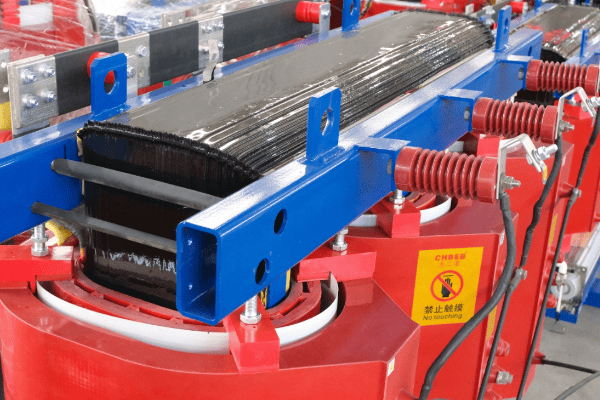
Let’s explore some straightforward ways to enhance your transformer’s efficiency:
Load Management: Finding the Sweet Spot
Proper load management is crucial for optimal transformer efficiency.
Efficiency Strategies:
- Balancing loads across phases
- Avoiding underloading or overloading
- Implementing peak load shifting
Regular Maintenance: The Power of Prevention
Consistent maintenance is key to maintaining high efficiency.
Maintenance Musts:
- Routine oil testing and filtration
- Checking and tightening connections
- Cleaning cooling systems regularly
Upgrade Opportunities: Embracing New Technologies
Sometimes, upgrading components can lead to significant efficiency gains.
Potential Upgrades:
- High-efficiency core materials
- Advanced cooling systems
- Smart monitoring and control systems
Insulation Integrity: The Silent Efficiency Killer
Maintaining proper insulation is often overlooked but crucial for efficiency.
Insulation Care:
- Regular thermal imaging inspections
- Monitoring partial discharge activity
- Timely replacement of degraded insulation
Environmental Factors: Controlling the Surroundings
The transformer’s environment plays a significant role in its efficiency.
Environmental Considerations:
- Proper ventilation around the transformer
- Protection from direct sunlight and extreme weather
- Maintaining optimal ambient temperature
| Efficiency Measure | Potential Savings | Implementation Difficulty |
|---|---|---|
| Load Management | 2-5% energy savings | Medium – Requires load analysis |
| Regular Maintenance | 1-3% efficiency improvement | Low – Can be integrated into routines |
| Component Upgrades | 5-10% efficiency boost | High – Significant investment required |
| Insulation Care | 1-2% loss reduction | Medium – Specialized equipment needed |
| Environmental Control | 1-3% performance improvement | Low to Medium – Site-dependent |
I recall a project where we tackled efficiency issues in a manufacturing plant’s transformer. The facility was experiencing higher than expected energy costs, and the plant manager was at his wit’s end trying to figure out why.
Our first step was to analyze the transformer’s loading pattern. We discovered that the transformer was significantly underloaded most of the time, only reaching its optimal efficiency range during peak production hours. This underloading was causing unnecessary core losses.
To address this, we implemented a load management strategy. We worked with the plant’s production team to redistribute some of their energy-intensive processes to off-peak hours. This not only balanced the transformer’s load but also took advantage of lower electricity rates during off-peak times.
Next, we turned our attention to maintenance. The plant had been following a basic maintenance schedule, but it wasn’t comprehensive enough. We introduced regular oil testing and filtration. During our first thorough oil analysis, we found early signs of insulation breakdown, which we were able to address before it became a major issue.
One of the most impactful changes we made was upgrading the transformer’s core. The existing core was made of standard silicon steel. We replaced it with a high-efficiency amorphous metal core. This upgrade alone resulted in a 3% reduction in core losses, which translated to significant energy savings over time.
We also focused on the cooling system. The existing fans were old and inefficient. We replaced them with modern, variable-speed fans controlled by a smart monitoring system. This not only improved cooling efficiency but also reduced the energy consumed by the cooling system itself.
Insulation integrity was another area we addressed. Using thermal imaging, we identified several hotspots that indicated potential insulation problems. By addressing these issues promptly, we prevented further degradation and potential failures.
The environmental factors around the transformer were also considered. We improved ventilation around the unit and installed shading to protect it from direct sunlight. These simple changes helped maintain a more consistent operating temperature, reducing stress on the cooling system.
One of the most interesting aspects of this project was implementing a smart monitoring system. This system provided real-time data on the transformer’s performance, allowing for proactive maintenance and immediate response to any efficiency drops.
The results of these combined efforts were impressive. Over the course of a year, the plant saw a 7% reduction in energy losses related to their transformer. This translated to substantial cost savings and a significant decrease in their carbon footprint.
This experience taught me that improving transformer efficiency is not about one big change, but rather a combination of several strategic improvements. It’s about understanding the transformer as a system and optimizing each component.
For plant managers and engineers looking to boost their transformer’s efficiency, my advice is to start with the basics: proper loading, regular maintenance, and keeping an eye on insulation health. These steps alone can lead to noticeable improvements. Then, as budget allows, consider more significant upgrades like core replacements or smart monitoring systems.
Remember, an efficient transformer is not just about saving money – it’s about improving the reliability and sustainability of your entire operation. Every percentage point of improved efficiency contributes to a more robust and environmentally friendly industrial process.
Signs of a Struggling Transformer: What Every Plant Manager Should Know?
Is your transformer trying to tell you something? Ignoring its subtle cries for help could lead to catastrophic failure and costly downtime. But how can you spot the warning signs before it’s too late?
Recognizing signs of a struggling transformer is crucial for preventing failures and maintaining efficiency. Key indicators include unusual noises, oil leaks, overheating, decreased performance, and abnormal test results. Regular monitoring and prompt response to these signs can prevent major breakdowns and extend the transformer’s lifespan.
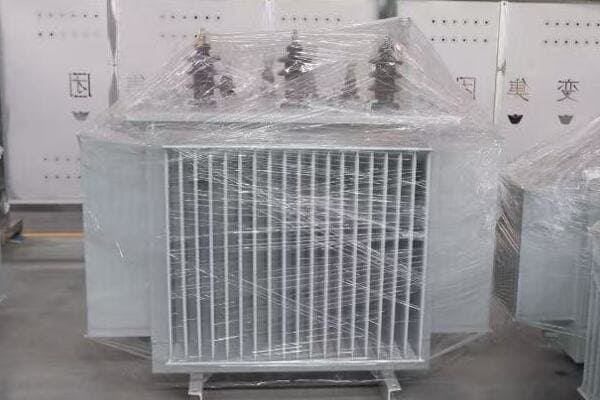
Let’s explore the critical signs that your transformer might be in distress:
Unusual Noises: The Transformer’s Cry for Help
Transformers typically operate quietly. Any new or unusual sound is a red flag.
What to Listen For:
- Humming louder than usual
- Crackling or popping sounds
- Sudden changes in operational noise
Oil Leaks: The Silent Threat
Oil leaks can indicate serious problems and lead to transformer failure.
Leak Indicators:
- Oil stains on the transformer body
- Puddles around the base
- Decreasing oil levels in gauges
Overheating: When Things Get Too Hot
Excessive heat is a major enemy of transformer efficiency and longevity.
Heat Warning Signs:
- Hot spots on the transformer surface
- Discolored paint or bubbling finish
- Tripping of temperature alarms
Performance Issues: The Efficiency Decline
A drop in performance can indicate internal problems.
Performance Red Flags:
- Voltage fluctuations
- Increased energy losses
- Frequent circuit breaker trips
Abnormal Test Results: The Hidden Troubles
Regular testing can reveal issues before they become visible problems.
Key Test Indicators:
- Changes in dissolved gas analysis results
- Declining insulation resistance
- Abnormal power factor test results
| Warning Sign | Potential Cause | Recommended Action |
|---|---|---|
| Unusual Noises | Loose windings, core issues | Immediate inspection |
| Oil Leaks | Gasket failure, tank cracks | Repair and oil top-up |
| Overheating | Cooling system failure, overloading | Load review, cooling check |
| Performance Issues | Internal faults, aging | Electrical testing |
| Abnormal Test Results | Insulation degradation, contamination | Detailed analysis, possible repair |
I remember a particularly eye-opening experience early in my career when I was called to a manufacturing plant experiencing intermittent power issues. The plant manager was frustrated, as these issues were causing production delays, but they couldn’t pinpoint the source of the problem.
As we approached the main transformer, I immediately noticed something was off. There was a subtle but distinct change in the humming sound coming from the unit. To the untrained ear, it might have gone unnoticed, but this change in pitch was my first clue that something wasn’t right.
Upon closer inspection, we found small oil stains at the base of the transformer. These stains weren’t obvious at first glance, hidden behind some equipment, which explained why they had been overlooked during routine checks. This discovery prompted a more thorough examination.
Using a thermal imaging camera, we scanned the transformer’s surface. The images revealed several hotspots, particularly around the top of the tank. This indicated potential issues with the windings or insulation.
We decided to conduct a series of tests, starting with a dissolved gas analysis (DGA) of the transformer oil. The results were alarming – they showed elevated levels of ethylene and acetylene, gases typically associated with arcing within the transformer.
Further electrical tests revealed that the transformer’s efficiency had declined significantly. It was operating well below its rated capacity, explaining the plant’s power issues and increased energy costs.
This combination of signs – the unusual noise, oil leaks, hotspots, and abnormal test results – all pointed to a transformer on the brink of failure. We immediately recommended taking the transformer offline for repairs.
The root cause turned out to be a combination of factors: aging insulation, a small internal fault that had been gradually worsening, and a partially blocked cooling duct. If left unchecked, this could have led to a catastrophic failure, potentially causing a plant-wide shutdown and posing safety risks.
This experience taught me the importance of being attentive to even the subtlest signs of transformer distress. It also highlighted the value of regular, comprehensive inspections and testing. Many of these issues could have been caught earlier with a more rigorous maintenance program.
For plant managers and maintenance teams, I always emphasize the importance of developing a keen eye (and ear) for these warning signs. Regular walk-throughs, listening for changes in sound, looking for oil stains, and feeling for unusual heat can go a long way in catching problems early.
I also stress the importance of keeping detailed records of transformer performance and test results. These historical data can be invaluable in spotting gradual changes that might otherwise go unnoticed.
Remember, a transformer doesn’t typically fail without warning. It often gives us clues – sometimes subtle, sometimes obvious – that something is amiss. By learning to recognize and respond to these signs promptly, we can prevent minor issues from escalating into major problems, ensuring the reliability and efficiency of our industrial power systems.
In the world of industrial operations, where every minute of downtime can mean significant losses, being proactive about transformer health is not just good practice – it’s essential for maintaining productivity and safety.
Green Power: How Efficient Transformers Help Your Factory and the Environment?
Are you looking to reduce your factory’s carbon footprint while also cutting costs? The solution might be right under your nose – in your transformer yard. Efficient transformers are not just good for your bottom line; they’re a powerful tool in the fight against climate change.
Efficient transformers significantly reduce energy losses, lowering both operational costs and environmental impact. They minimize wasted energy, reduce greenhouse gas emissions, and decrease the demand on power generation facilities. By upgrading to high-efficiency transformers, factories can contribute to sustainability goals while improving their energy performance.

Let’s explore how efficient transformers can make your factory greener and more cost-effective:
Energy Loss Reduction: Every Watt Counts
Efficient transformers minimize energy losses, directly impacting your carbon footprint.
Key Benefits:
- Lower core losses during idle periods
- Reduced copper losses under load
- Decreased overall energy consumption
Sustainable### Sustainable Materials: Building a Greener Future
Modern efficient transformers often use more environmentally friendly materials.
Green Material Choices:
- Biodegradable transformer oils
- Recyclable core and winding materials
- Low-emission insulation options
Load Management: Optimizing Power Use
Efficient transformers enable better load management, reducing waste.
Efficiency Strategies:
- Smart load distribution
- Peak shaving capabilities
- Integration with renewable energy sources
Longer Lifespan: Reducing Environmental Impact
Efficient transformers typically last longer, reducing the need for replacements.
Longevity Factors:
- Better heat management
- Reduced stress on components
- Advanced monitoring for preventive maintenance
Compliance and Incentives: Meeting Green Standards
Efficient transformers help meet environmental regulations and can qualify for incentives.
Regulatory Advantages:
- Compliance with energy efficiency standards
- Potential for green energy credits
- Improved corporate sustainability ratings
| Efficiency Aspect | Environmental Benefit | Economic Benefit |
|---|---|---|
| Energy Loss Reduction | Lower CO2 emissions | Reduced electricity costs |
| Sustainable Materials | Less environmental impact | Potential tax incentives |
| Load Management | Optimized energy use | Better power quality |
| Longer Lifespan | Reduced waste | Lower replacement costs |
| Compliance | Meeting green standards | Avoiding penalties, gaining incentives |
I recall a project where we helped a large manufacturing plant upgrade their transformer system to improve efficiency and reduce their environmental impact. The plant manager was initially skeptical about the investment, focusing mainly on the upfront costs rather than long-term benefits.
We started by conducting a comprehensive energy audit of their existing transformer system. The results were eye-opening. Their old transformers were operating at an efficiency of only 95%, which might sound high, but in the world of industrial power, those 5% losses translated to significant energy waste and unnecessary CO2 emissions.
We proposed replacing their aging units with new, high-efficiency transformers boasting an efficiency rating of 98.5%. The difference might seem small on paper, but the impact was substantial. We calculated that this upgrade would reduce their annual energy losses by over 100,000 kWh – equivalent to the yearly electricity consumption of about 10 average homes.
One of the most interesting aspects of this project was the choice of materials. We opted for transformers using biodegradable ester fluids instead of traditional mineral oil. This not only reduced the environmental risk in case of leaks but also improved the transformer’s fire safety rating, an added bonus for the plant’s insurance considerations.
The core of the new transformers was made from advanced amorphous metal, which significantly reduced no-load losses. This was particularly important for this plant, as their production schedule included periods of low activity where transformers would be largely idle.
We also implemented a smart load management system. This system could dynamically adjust the transformer’s output based on the plant’s varying power needs throughout the day. During peak production hours, it ensured optimal power distribution, while during off-hours, it minimized wastage.
One unexpected benefit came from the transformers’ ability to handle harmonic currents more effectively. This improved overall power quality, reducing stress on other electrical equipment in the plant and potentially extending their lifespan as well.
The plant manager was particularly impressed with the monitoring capabilities of the new system. Real-time efficiency data allowed for proactive maintenance, preventing issues before they could impact production or energy consumption.
About a year after the installation, we conducted a follow-up assessment. The results exceeded even our optimistic projections. The plant had reduced its energy consumption related to transformer losses by nearly 70%. This translated to a significant reduction in their carbon footprint – equivalent to taking about 15 cars off the road each year.
The financial benefits were equally impressive. The energy savings alone meant the new transformers would pay for themselves in just over four years. Additionally, the plant qualified for several green energy incentives, further offsetting the initial investment.
But perhaps the most satisfying outcome was the change in the plant manager’s perspective. What started as a reluctant investment in "green technology" became a cornerstone of the company’s sustainability strategy. They began to look at other areas of their operation where similar efficiency improvements could be made.
This experience reinforced my belief in the power of efficient transformers not just as energy-saving devices, but as catalysts for broader environmental consciousness in industrial settings. It showed that with the right approach, economic and environmental benefits can go hand in hand.
For factory owners and managers considering similar upgrades, my advice is to look beyond the initial costs. Consider the long-term savings, both financial and environmental. Efficient transformers are not just about reducing electricity bills; they’re about future-proofing your operation in a world increasingly focused on sustainability.
Remember, every kilowatt-hour saved is a step towards a greener future. By investing in efficient transformer technology, factories can play a significant role in reducing industrial energy consumption and combating climate change, all while improving their bottom line.
From Installation to Operation: Maximizing Your Transformer’s Performance?
Are you getting the most out of your industrial transformer? Many factory managers overlook the critical steps from installation to daily operation that can make or break a transformer’s performance. Let’s change that.
Maximizing transformer performance involves careful attention from installation through operation. Key factors include proper sizing, correct installation practices, regular maintenance, and optimal operational strategies. By focusing on these areas, industries can ensure their transformers operate at peak efficiency, reducing costs and improving reliability.
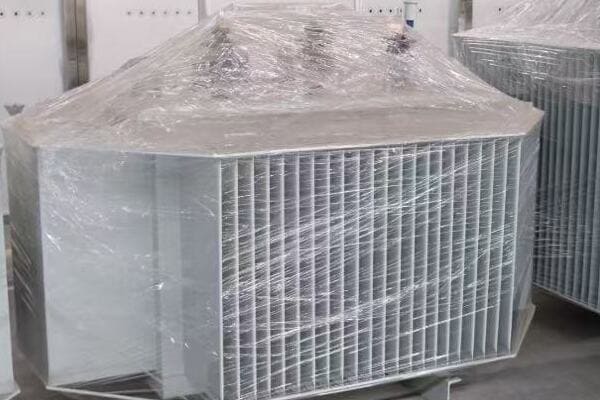
Let’s explore the crucial steps to ensure your transformer performs at its best:
Proper Sizing: The Foundation of Efficiency
Choosing the right size transformer is crucial for optimal performance.
Sizing Considerations:
- Accurate load calculations
- Future growth projections
- Peak demand analysis
Installation Best Practices: Setting Up for Success
Correct installation is vital for long-term performance and safety.
Key Installation Steps:
- Proper foundation preparation
- Correct electrical connections
- Adequate ventilation and cooling setup
Regular Maintenance: Keeping Performance High
Consistent maintenance is essential for sustained efficiency.
Maintenance Musts:
- Scheduled oil testing and filtration
- Thermal imaging inspections
- Tightening of connections and bushings
Operational Strategies: Day-to-Day Excellence
How you operate your transformer can significantly impact its performance.
Operational Tips:
- Load balancing across phases
- Monitoring and managing power factor
- Implementing energy-saving practices during off-peak hours
Monitoring and Upgrades: Staying Ahead of the Curve
Keeping an eye on performance and upgrading when necessary ensures long-term efficiency.
Monitoring and Upgrade Strategies:
- Implementing smart monitoring systems
- Analyzing performance trends
- Upgrading components as technology improves
| Performance Aspect | Impact on Efficiency | Implementation Difficulty |
|---|---|---|
| Proper Sizing | High – Foundational for efficiency | Medium – Requires careful planning |
| Correct Installation | High – Affects long-term performance | Medium – Needs skilled technicians |
| Regular Maintenance | Medium – Prevents efficiency decline | Low – Can be routinely scheduled |
| Operational Strategies | Medium – Optimizes daily performance | Low – Involves operational changes |
| Monitoring and Upgrades | High – Ensures continued efficiency | Medium – Requires ongoing investment |
I remember a particularly challenging project involving a food processing plant that was struggling with frequent power issues and high energy costs. Upon investigation, we discovered that many of their problems stemmed from poorly managed transformers, right from installation to daily operation.
Our first step was to reassess the sizing of their main transformers. We found that due to recent expansions, the plant had outgrown its transformer capacity. The units were constantly operating near their maximum load, leading to increased losses and reduced efficiency. We worked with the plant engineers to accurately calculate current and projected loads, then sized new transformers to meet these needs with room for future growth.
During the installation of the new transformers, we paid close attention to every detail. We ensured a proper foundation was laid, capable of supporting the weight and providing stability. The electrical connections were made with precision, using high-quality materials to minimize connection losses. We also redesigned the transformer yard to improve ventilation, crucial for maintaining optimal operating temperatures.
One interesting challenge we faced was integrating the new transformers with the plant’s existing power distribution system. We implemented a phased installation approach to minimize production downtime, carefully planning each step to ensure a smooth transition.
Once the new transformers were in place, we established a comprehensive maintenance program. This included regular oil testing and filtration schedules, thermal imaging inspections to catch hotspots early, and periodic tightening of all connections. We trained the plant’s maintenance team on these procedures, emphasizing the importance of consistency in these routines.
For day-to-day operations, we worked with the plant managers to implement new strategies for load management. This included balancing loads across all three phases of the transformers and adjusting production schedules to better manage peak demand periods. We also installed power factor correction equipment to improve overall system efficiency.
One of the most impactful changes was the implementation of a smart monitoring system. This allowed real-time tracking of the transformers’ performance, including load levels, temperatures, and efficiency metrics. The system was set up to alert maintenance staff of any anomalies, enabling proactive interventions before minor issues could escalate.
About six months after these changes were implemented, the results were clear. The plant saw a 15% reduction in energy losses related to their transformer system. Power quality improved significantly, reducing issues with sensitive production equipment. The frequency of unplanned downtime due to electrical issues dropped by over 80%.
An unexpected benefit came in the form of improved safety. With the new installation and monitoring systems in place, potential hazards were identified and addressed much more quickly, creating a safer working environment.
The plant manager was particularly impressed with how these improvements affected their bottom line. The energy savings alone meant the project would pay for itself faster than initially projected. Moreover, the increased reliability had a positive impact on production efficiency, further boosting the plant’s profitability.
This experience reinforced my belief in the importance of a holistic approach to transformer management. It’s not enough to simply install a good transformer and forget about it. From proper sizing and installation to ongoing maintenance and smart operational strategies, every step plays a crucial role in maximizing performance.
For industrial managers looking to improve their transformer efficiency, my advice is to view it as an ongoing process rather than a one-time task. Start with ensuring your transformers are properly sized and installed, then focus on developing robust maintenance routines and smart operational practices. Keep an eye on emerging technologies and be willing to invest in upgrades that can improve efficiency and reliability.
Remember, a well-managed transformer is not just a piece of equipment – it’s a key asset in your industrial operation. By giving it the attention it deserves, from installation through its entire operational life, you can ensure it performs at its best, contributing to a more efficient, reliable, and cost-effective industrial process.
Conclusion
Optimizing three phase pad mounted transformer efficiency in industrial settings is crucial for reducing energy costs and environmental impact. From understanding basics to implementing advanced strategies, proper management of these vital components can significantly enhance industrial operations and sustainability.

Are you a utility technician struggling to make sense of those complex transformer diagrams? You’re not alone. Many technicians find these blueprints confusing, but mastering them is crucial for your job.
Interpreting pad mounted transformer diagrams is a vital skill for utility technicians. It involves understanding symbols, electrical connections, and component layouts. This knowledge is essential for efficient maintenance, troubleshooting, and ensuring safety in the field.
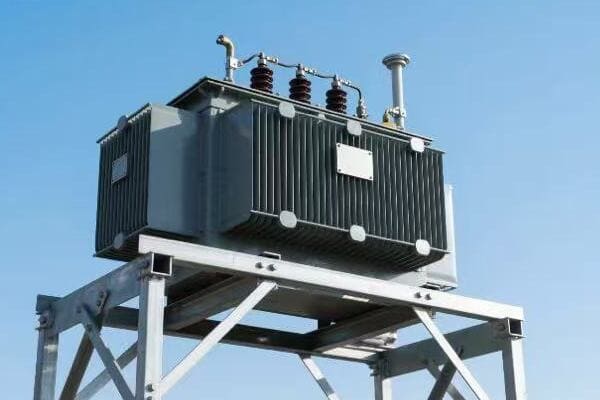
In this article, I’ll guide you through the essentials of reading and interpreting pad mounted transformer diagrams. Whether you’re a seasoned pro or new to the field, you’ll find valuable insights to enhance your skills and boost your confidence on the job.
Transformer Diagram Basics: Your First Steps in Reading Electrical Blueprints?
Have you ever felt lost when looking at a transformer diagram? Don’t worry, we’ve all been there. The key is to start with the basics and build your knowledge step by step.
Understanding transformer diagram basics involves familiarizing yourself with the layout, common symbols, and basic electrical concepts. Key elements include the transformer core, windings, bushings, and connection points. Mastering these fundamentals is crucial for accurate interpretation and effective field work.
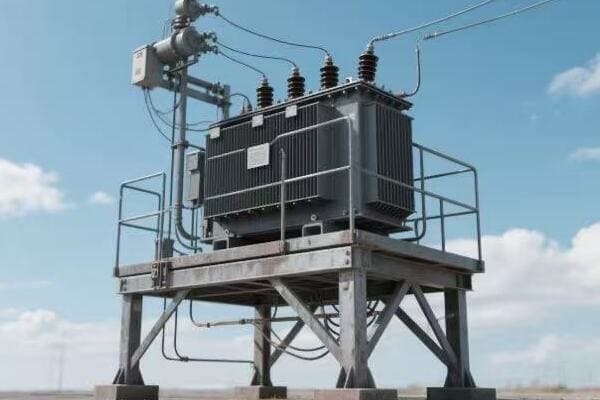
Let’s break down the fundamental elements of a transformer diagram:
The Big Picture: Understanding Diagram Layout
Before diving into details, it’s important to grasp the overall structure of a transformer diagram.
Key Layout Elements:
- Title block with transformer specifications
- Main body showing internal components
- Connection diagrams for primary and secondary sides
- Legend explaining symbols and abbreviations
Core Components: The Heart of the Transformer
The core and windings are central to any transformer diagram.
Essential Core Elements:
- Core representation (usually a rectangle)
- Primary winding symbols
- Secondary winding symbols
- Magnetic flux path indications
Connection Points: Where Power Flows
Understanding how power enters and exits the transformer is crucial.
Important Connections:
- High voltage bushings
- Low voltage bushings
- Ground connections
- Tap changer points
Auxiliary Systems: Supporting the Main Function
Don’t overlook the supporting components in the diagram.
Common Auxiliary Elements:
- Cooling system representations
- Temperature monitoring points
- Pressure relief devices
- Oil level indicators
| Diagram Element | Purpose | Typical Representation |
|---|---|---|
| Core | Shows transformer’s magnetic center | Rectangle or E-I shape |
| Windings | Indicates voltage transformation | Circular or zigzag lines |
| Bushings | Represents power entry/exit points | Circles or ovals |
| Auxiliary Systems | Shows supporting components | Various symbols |
I remember my first encounter with a pad mounted transformer diagram. It was during my early days as a utility technician, and I was tasked with performing routine maintenance on a residential unit. As I unfolded the diagram, I felt overwhelmed by the maze of lines and symbols before me.
Determined to understand, I started by focusing on the title block. This provided crucial information about the transformer’s capacity and voltage ratings. It was like finding the legend on a map – suddenly, I had a reference point to start my journey.
Next, I turned my attention to the main body of the diagram. The large rectangle in the center, I learned, represented the transformer’s core. Surrounding it were lines symbolizing the windings. It was fascinating to see how these simple shapes could represent such complex electrical components.
One challenge I faced was understanding the connection points. The diagram showed numbered terminals, but relating these to the physical transformer wasn’t immediately obvious. I found that tracing the lines from these points to the windings helped me visualize the actual connections.
A breakthrough moment came when I discovered the importance of the diagram’s orientation. The top view representation didn’t match what I was seeing in front of me until I realized I needed to mentally rotate the diagram. This simple adjustment made a world of difference in relating the blueprint to the real-world transformer.
As I became more comfortable with reading the diagram, I started to appreciate its value. During one maintenance check, I noticed a discrepancy between the diagram and the actual transformer connections. This discovery led to the identification of an incorrectly wired component, potentially preventing a major failure.
Over time, I developed a systematic approach to reading these diagrams. I always start with the title block, then move to the core and windings, followed by the connection points and auxiliary systems. This method has served me well, allowing me to quickly grasp the essential information even in complex diagrams.
One aspect that took some time to master was understanding the scale. In one instance, I misjudged the size of a replacement part based on the diagram, only to find it didn’t fit when I arrived on site. This taught me the importance of always checking the scale notation and using it to calculate actual dimensions.
For newcomers to the field, I always emphasize the importance of the legend or key on the diagram. This often-overlooked section is like a dictionary for the symbols and abbreviations used. Taking the time to study this can save hours of confusion later.
Reading transformer diagrams is a skill that develops with practice. Each diagram I encountered added to my understanding, and soon I was able to quickly interpret even the most complex blueprints. This skill has been invaluable in my career, enabling me to work more efficiently and effectively in the field.
Remember, these diagrams are more than just technical drawings – they’re the roadmap to understanding and maintaining these crucial components of our power infrastructure. With patience and practice, any technician can become proficient in reading and using these essential tools.
Decoding the Symbols: A Beginner’s Guide to Transformer Diagram Language?
Ever felt like you’re trying to decipher an alien language when looking at transformer symbols? You’re not alone. But don’t worry, with a little guidance, you’ll be speaking this language fluently in no time.
Decoding transformer diagram symbols is crucial for accurate interpretation. Common symbols represent components like cores, windings, bushings, and switches. Understanding these symbols and their relationships is key to comprehending the transformer’s structure and function.
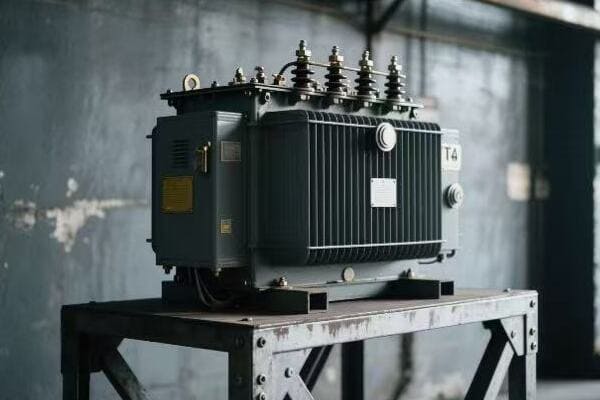
Let’s break down the most common symbols you’ll encounter:
Core Symbols: The Transformer’s Foundation
The core is the heart of the transformer, and its symbol is often the starting point in diagram reading.
Common Core Representations:
- Single line rectangle for simple cores
- E-I shape for more complex core structures
- Shaded areas indicating laminated steel
Winding Symbols: The Power Converters
Windings are where the voltage transformation magic happens.
Winding Symbol Types:
- Circular loops for basic representations
- Zigzag lines for more detailed diagrams
- Concentric circles for multiple windings
Bushing Symbols: The Power Gateways
Bushings connect the transformer to the outside world.
Bushing Representations:
- Simple circles or ovals
- Lines extending from circles to indicate connections
- Numbers or letters for identification
Switch and Tap Changer Symbols: Voltage Control
These components allow for voltage adjustment and control.
Switch Symbol Varieties:
- Open and closed contact representations
- Movable contact indicators
- Tap position markers
| Symbol Type | Common Representation | Function |
|---|---|---|
| Core | Rectangle or E-I shape | Shows magnetic circuit |
| Windings | Circles or zigzag lines | Indicates voltage transformation |
| Bushings | Circles with extending lines | Represents external connections |
| Switches | Open/closed contacts | Shows points of control or adjustment |
I vividly remember my first encounter with a complex transformer diagram. It was during a training session early in my career, and the instructor handed out what looked like a cryptic puzzle to the class. As I stared at the jumble of shapes and lines, I felt a mix of confusion and curiosity.
Our instructor began by pointing out the core symbol – a simple rectangle in the center of the diagram. He explained that this represented the transformer’s magnetic core, the foundation of its operation. Suddenly, I had an anchor point in the sea of symbols.
Next, we moved on to the winding symbols. The instructor showed us how the circular loops around the core represented the primary and secondary windings. It was fascinating to see how these simple shapes could represent the complex process of voltage transformation.
One of the most challenging aspects for me was distinguishing between different types of bushing symbols. The diagram used various circle and oval shapes, each with lines extending outward. The instructor explained that these represented the points where power entered and exited the transformer. Understanding this was like finding the ‘doors’ in our symbolic transformer house.
A lightbulb moment came when we discussed switch and tap changer symbols. These small details, often represented by open or closed contact points, were crucial for understanding how the transformer’s voltage could be adjusted. I realized that these symbols were the key to comprehending the transformer’s flexibility in real-world applications.
As we worked through more diagrams, I developed a strategy for tackling new symbols. Whenever I encountered an unfamiliar shape, I’d refer to the diagram’s legend or ask a more experienced colleague. This approach helped me build my ‘symbol vocabulary’ quickly.
One particularly memorable experience was when I encountered a diagram for a three-phase transformer. The complexity of the symbols initially overwhelmed me, but by breaking it down into familiar components – cores, windings, and bushings – I was able to navigate the diagram successfully.
I found that creating my own ‘cheat sheet’ of common symbols was incredibly helpful. I kept this reference guide with me on job sites, and it proved invaluable in those early days. Over time, I needed it less and less as the symbols became second nature.
An interesting challenge arose when I started working with diagrams from different manufacturers. While the basic symbols were often similar, there were subtle differences in how each company represented certain components. This taught me the importance of always checking the specific legend for each diagram I encountered.
For those new to transformer diagrams, I always recommend starting with the basics – core, windings, and bushings. Once you’re comfortable with these, you can move on to more complex symbols like tap changers and auxiliary components.
One technique I found helpful was to sketch out simplified versions of complex diagrams. This process of ‘translating’ detailed symbols into basic shapes helped me better understand the relationships between components.
As I gained experience, I began to appreciate how these symbols weren’t just abstract representations, but a precise language for communicating complex technical information. Mastering this language opened up new levels of understanding in my work with transformers.
Remember, becoming fluent in transformer diagram symbols takes time and practice. Don’t get discouraged if it seems overwhelming at first. With each diagram you study, your comprehension will improve, and soon you’ll be reading these blueprints as easily as a book.
The ability to decode transformer symbols is more than just a technical skill – it’s a key that unlocks a deeper understanding of how our power systems work. As you develop this skill, you’ll find yourself better equipped to handle a wide range of challenges in the field.
From Paper to Reality: Connecting Diagram Elements to Actual Transformer Parts?
Have you ever felt like you’re playing a complex game of ‘spot the difference’ when comparing a transformer diagram to the real thing? You’re not alone. This skill is crucial, yet it’s one that many technicians find challenging.
Connecting diagram elements to actual transformer parts involves translating 2D representations into 3D reality. Key skills include spatial visualization, understanding scale, and recognizing how simplified symbols represent complex components. This ability is essential for effective maintenance and troubleshooting in the field.
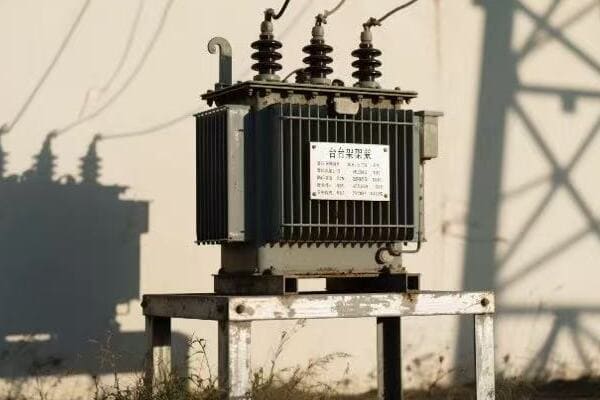
Let’s explore how to bridge the gap between paper diagrams and real-world transformers:
Core Structures: The Transformer’s Backbone
The core is often the easiest part to identify, but understanding its representation is crucial.
Core Identification:
- Diagram: Usually a rectangle or E-I shape
- Reality: Large, laminated steel structure at the center
Winding Arrangements: The Electrical Maze
Windings are the heart of voltage transformation, but their representation can be tricky.
Winding Recognition:
- Diagram: Zigzag or circular lines around the core
- Reality: Coils of insulated wire, often not visible without disassembly
Bushing Locations: Connecting the Dots
Bushings are the transformer’s interface with the outside world.
Bushing Spotting:
- Diagram: Circles or ovals, often at the top or sides
- Reality: Large insulators protruding from the transformer body
Auxiliary Components: The Supporting Cast
Cooling systems, tap changers, and other auxiliary parts play crucial roles.
Auxiliary Identification:
- Diagram: Various symbols, often on the periphery
- Reality: External attachments or internal mechanisms
| Component | Diagram Representation | Real-World Appearance |
|---|---|---|
| Core | Simple shape (rectangle/E-I) | Large central structure |
| Windings | Lines around core | Insulated wire coils (internal) |
| Bushings | Circles with extensions | Protruding insulators |
| Auxiliaries | Varied symbols | External/internal mechanisms |
I remember my first solo inspection of a pad mounted transformer. Armed with a diagram, I felt confident – until I opened the access panel. The jumble of metal, wire, and insulators seemed to bear little resemblance to the neat lines on my paper.
My first step was to orient myself. The diagram showed the core as a central rectangle. In the real transformer, this corresponded to the large, solid mass at the center. It wasn’t exactly rectangular, but understanding that this was the core helped me get my bearings.
Next, I looked for the windings. On the diagram, these were clear zigzag lines around the core. In reality, I couldn’t see them directly – they were encased in insulation and hidden within the structure. This taught me an important lesson: not everything in a diagram is immediately visible in the real world.
The bushings were easier to spot. The circles on top of the diagram clearly matched the large insulators protruding from the transformer’s top. This one-to-one correspondence was reassuring, giving me confidence in my diagram reading skills.
One challenge I faced was identifying the cooling system. The diagram showed simple wavy lines on the sides, representing radiator fins. In reality, these were much larger and more complex than I had imagined. Some units I’ve worked on even had fans attached, a detail not always shown in basic diagrams.
The tap changer proved to be particularly tricky. In the diagram, it was represented as a series of connection points branching off from the windings. In the actual transformer, I found it as a separate mechanism on the side. This discrepancy taught me the importance of understanding component functions, not just their representations.
Over time, I developed strategies for better matching diagrams to reality. One technique I found helpful was to use the bushing locations as reference points. Since these are usually clearly visible both in diagrams and on the actual transformer, they provide a good starting point for orienting other components.
I also learned the value of understanding scale in diagrams. A small symbol on paper might represent a large component in reality, or vice versa. For instance, the simple lines representing radiator fins in a diagram often translate to substantial structures in the real world.
One particularly memorable experience involved a transformer with an unusual cooling system not clearly represented in the standard diagram. This taught me the importance of being flexible in my interpretations and always being prepared for variations in real-world implementations.
For new technicians, I always emphasize the importance of taking time to study both the diagram and the actual transformer before beginning any work. I encourage them to create mental maps, linking each symbol on the diagram to its real-world counterpart.
It’s also crucial to understand that diagrams are simplifications. They can’t capture every detail of a complex piece of equipment like a transformer. Learning to fill in these gaps with knowledge and experience is a key skill for any field technician.
One technique I’ve found helpful is to annotate diagrams with notes and sketches based on real-world observations. This personalized approach helps bridge the gap between the abstract and the concrete, making future reference much easier.
Remember, matching diagram elements to real-world parts is not just about identification – it’s about understanding the function and relationship of components. A symbol on a diagram represents not just a part, but its role in the overall system.
As you gain experience, you’ll find that this process becomes more intuitive. What once seemed like a confusing puzzle will transform into a clear roadmap of the transformer’s structure and function. This skill is invaluable not just for routine maintenance, but especially when troubleshooting complex issues.
Mastering the art of translating transformer diagrams into real-world understanding is a cornerstone skill for any field technician. It combines technical knowledge, spatial awareness, and practical experience. With practice and patience, you’ll find yourself navigating the complexities of pad mounted transformers with confidence and expertise.
Safety Spotting: Identifying Critical Warnings in Pad Mounted Transformer Schematics?
Have you ever felt a chill down your spine when working on a high-voltage transformer? That’s your instinct telling you to be careful. But instinct alone isn’t enough – you need to know how to read the safety warnings in transformer schematics.
Identifying critical warnings in pad mounted transformer schematics is crucial for technician safety. Key elements include high voltage indicators, grounding points, and hazardous material notifications. Understanding these symbols and notes is essential for preventing accidents and ensuring safe maintenance procedures.
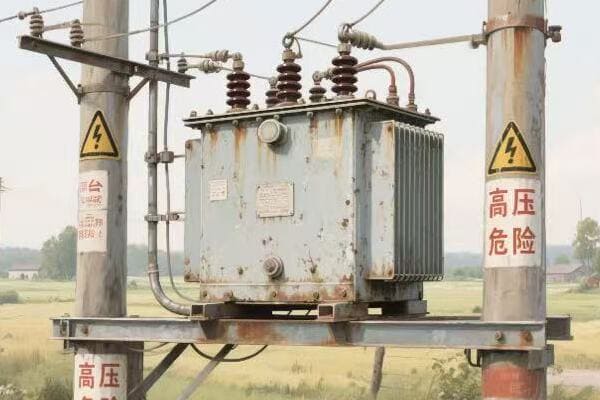
Let’s explore how to identify and interpret safety information in transformer schematics:
High Voltage Alerts: The Red Flags
High voltage warnings are the most critical safety indicators in any transformer schematic.
Key High Voltage Indicators:
- Bold red symbols or text
- Lightning bolt icons
- Specific voltage level notations
Grounding Points: Your Safety Anchors
Proper grounding is essential for safe transformer operation and maintenance.
Grounding Symbols:
- Earth ground symbols (usually an inverted triangle)
- Grounding connection points clearly marked
- Notes on required grounding procedures
Hazardous Materials: Hidden Dangers
Transformers often contain materials that require special handling.
Hazardous Material Warnings:
- Oil level indicators and containment notes
- PCB warnings in older transformers
- Specific handling instructions for coolants
Emergency Procedures: When Things Go Wrong
Schematics often include guidance for emergency situations.
Emergency Information:
- Emergency shutdown procedures
- Fire safety instructions
- Contact information for specialized support
Personal Protective Equipment (PPE): Your Last Line of Defense
PPE requirements are often noted in transformer schematics.
PPE Notations:
- Symbols indicating required safety gear
- Notes on specific PPE for different maintenance tasks
- Reminders for proper PPE use
| Safety Element | Typical Symbol | Importance |
|---|---|---|
| High Voltage | Red lightning bolt | Critical – Life-threatening danger |
| Grounding Points | Inverted triangle | High – Essential for safe work |
| Hazardous Materials | Skull and crossbones | High – Requires special handling |
| Emergency Procedures | "In Case of Emergency" box | Medium – Crucial for quick response |
| PPE Requirements | Hard hat, gloves icons | Medium – Personal safety assurance |
I’ll never forget my first day on a transformer maintenance job. I was eager to prove myself and almost made a rookie mistake that could have been fatal. I was about to open a transformer cabinet when my supervisor stopped me. I had forgotten to check if the transformer was fully de-energized and locked out.
That day, he walked me through the proper lockout/tagout procedure step by step. We disconnected the power, applied locks, and placed clear tags indicating maintenance was in progress. He emphasized that this procedure wasn’t just a formality – it was a life-saving practice.
Another crucial lesson came when working on a large substation transformer. Before we started, my team lead insisted we all put on our full PPE, including arc-flash rated suits. Some of the newer team members grumbled about the discomfort, but he was adamant.
During the maintenance, a small error led to an arc flash. Thanks to our PPE, no one was injured. This incident drove home the importance of always wearing proper protective equipment, no matter how routine the task might seem.
Electrical hazard awareness is something I continuously stress in my training sessions. I once witnessed a near-miss where a technician almost contacted a nearby energized bus bar while working on a de-energized transformer. He had forgotten about the risk of induced voltage in adjacent equipment. This incident led us to implement a policy of identifying and marking all potential hazard points before starting work.
One particularly challenging aspect of safety in transformer schematics is interpreting hazardous material warnings. I remember a project involving an older transformer that potentially contained PCBs. The schematic included a small note about this, which could have been easily overlooked. Recognizing this warning allowed us to take necessary precautions and arrange for proper handling and disposal.
Over the years, I’ve learned that safety in transformer maintenance isn’t just about rules and equipment. It’s about creating a culture where safety is everyone’s responsibility. I encourage all team members to speak up if they see something unsafe, no matter their position.
One practice I’ve found particularly effective is conducting pre-job safety briefings. Before each maintenance task, we gather the team to discuss the specific hazards of the job and review safety procedures. This not only refreshes everyone’s knowledge but also allows for questions and clarifications.
I also emphasize the importance of understanding emergency procedures noted in schematics. In one instance, a transformer began to overheat during maintenance. Because we had reviewed the emergency shutdown procedure beforehand, we were able to quickly and safely de-energize the unit, preventing a potential fire.
For new technicians, I always stress the importance of not just identifying safety symbols, but truly understanding what they mean in practical terms. It’s one thing to see a high voltage warning; it’s another to comprehend the real-world implications and necessary precautions it entails.
Remember, safety information in transformer schematics isn’t just there to meet regulations – it’s there to protect lives. Every symbol, every note, and every warning represents a lesson learned, often through hard experience. By mastering the skill of identifying and interpreting these critical warnings, you’re not just becoming a better technician; you’re becoming a guardian of safety in the field.
As you gain experience, you’ll develop an intuitive understanding of these safety elements, but never let familiarity breed complacency. I still approach each schematic with the same careful attention I did on that eye-opening day early in my career. Safety in transformer maintenance is not just a skill – it’s a mindset and a responsibility we all share.
Troubleshooting 101: Using Transformer Diagrams to Solve Common Issues?
Ever found yourself scratching your head in front of a malfunctioning transformer, unsure where to start? The solution might be right in your hands – the transformer diagram. But are you using it to its full potential?
Transformer diagrams are powerful troubleshooting tools for utility technicians. They provide a systematic approach to problem-solving by mapping out component relationships, electrical paths, and potential fault points. Effective use of these diagrams can significantly reduce diagnostic time and improve repair accuracy.
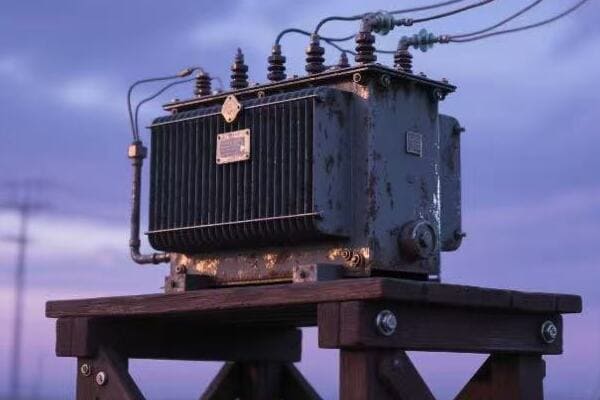
Let’s explore how to leverage your transformer diagram for efficient troubleshooting:
Systematic Approach: Your Troubleshooting Roadmap
A well-structured approach using the diagram can streamline your problem-solving process.
Steps to Follow:
- Start at the point of observed malfunction
- Trace connections backward to potential causes
- Identify test points for measurements
- Systematically eliminate possibilities
Component Relationships: Understanding the Bigger Picture
Diagrams help visualize how transformer components interact.
Key Relationships:
- Core and winding connections
- Bushing to winding paths
- Tap changer influences on voltage
- Cooling system’s role in overall performance
Electrical Pathways: Following the Flow
Tracing electrical paths is crucial for identifying faults.
Path Analysis:
- High voltage to low voltage transformations
- Grounding connections
- Auxiliary power circuits
- Control and monitoring wiring
Fault Point Identification: Pinpointing Problems
Diagrams can help predict and locate common fault points.
Common Fault Areas:
- Insulation breakdown points
- High-stress mechanical joints
- Typical locations for oil leaks
- Vulnerable areas in the cooling system
Measurement Guidance: Where to Probe
Diagrams provide valuable information on where to take measurements.
Measurement Points:
- Voltage test locations
- Current measurement spots
- Resistance check points
- Temperature monitoring areas
| Troubleshooting Aspect | Diagram Use | Real-World Application |
|---|---|---|
| Systematic Approach | Follow component connections | Step-by-step fault tracing |
| Component Relationships | Understand system interactions | Predict cascade failures |
| Electrical Pathways | Trace current flow | Identify open or short circuits |
| Fault Point Identification | Locate common problem areas | Focus inspection efforts |
| Measurement Guidance | Find correct test points | Accurate data collection |
I recall a particularly challenging troubleshooting case early in my career. We were faced with a pad mounted transformer that was tripping offline intermittently. The initial symptoms were vague, and the cause wasn’t immediately apparent. This is where the transformer diagram proved invaluable.
Our first step was to identify the point of observed malfunction. The diagram showed us the connection between the protective relay that was triggering and its associated components. This gave us a starting point to work backward from.
We began tracing the electrical paths on the diagram, looking for potential points of failure. The diagram clearly showed the relationship between the windings, bushings, and protective devices. This visual representation helped us formulate theories about what could be causing the intermittent trips.
One key advantage of using the diagram was that it helped us understand the component relationships. We could see how a problem in one area might affect another, seemingly unrelated part of the transformer. This broader perspective was crucial in narrowing down our search.
As we worked through the troubleshooting process, the diagram guided our measurement efforts. It clearly indicated where we should connect our testing equipment for voltage, current, and resistance measurements. This precision saved us time and reduced the risk of taking incorrect or dangerous measurements.
The breakthrough came when we focused on the fault point identification aspect of the diagram. It highlighted areas prone to insulation breakdown, and we noticed that one of these points was near where we had been detecting anomalies. A closer inspection revealed minor insulation damage that was causing the intermittent faults.
This experience taught me the value of using the diagram as more than just a reference – it was an active troubleshooting tool. Since then, I’ve developed a habit of ‘walking through’ the diagram mentally before and during physical inspections. This practice has helped me spot potential issues more quickly and accurately.
One technique I’ve found particularly useful is annotating working copies of diagrams during troubleshooting. I note down measurements, observations, and theories directly on the diagram. This creates a visual record of the troubleshooting process, which is invaluable for complex problems or when handing over to another technician.
For new technicians, I always stress the importance of understanding the diagram’s legend and symbols thoroughly. Misinterpreting a symbol can lead you down the wrong troubleshooting path, wasting time and potentially overlooking the real issue.
I’ve also learned the value of comparing the actual transformer configuration with the diagram before starting any troubleshooting. Sometimes, modifications or updates to the transformer aren’t reflected in the diagram, and spotting these discrepancies early can prevent confusion later in the process.
One advanced technique I’ve developed is using the diagram to predict potential cascade failures. By understanding how components interact, you can often anticipate how a fault in one area might affect others, allowing for more comprehensive problem-solving.
Remember, effective troubleshooting isn’t just about finding the immediate problem – it’s about understanding the root cause. The transformer diagram is your map to tracing issues back to their source, ensuring that your repairs address the underlying issue, not just the symptoms.
As you gain experience, you’ll find that your ability to ‘read between the lines’ of a transformer diagram improves. You’ll start to recognize patterns and potential issues more quickly, making your troubleshooting more efficient and effective.
Using your transformer diagram as a problem-solving tool is a skill that develops over time. It combines technical knowledge, practical experience, and a bit of detective work. Master this skill, and you’ll find yourself solving even the most complex transformer issues with confidence and precision.
Conclusion
Interpreting pad mounted transformer diagrams is a crucial skill for utility technicians. From understanding basic layouts to troubleshooting complex issues, these diagrams are invaluable tools. By mastering diagram reading, symbol interpretation, safety awareness, and troubleshooting techniques, technicians can significantly enhance their effectiveness and safety in the field.
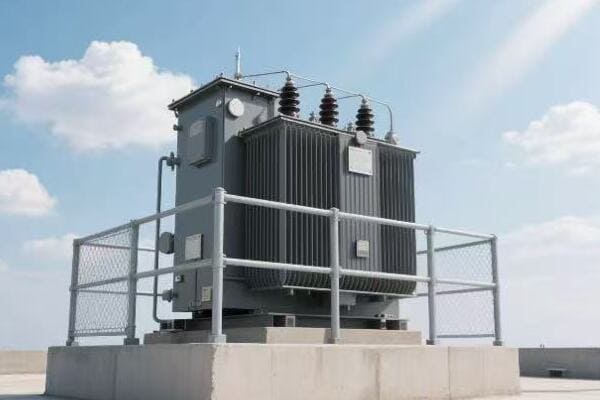
Are you a field technician struggling to make sense of pad mounted transformer diagrams? You’re not alone. These complex blueprints can be a maze of symbols and lines, but understanding them is crucial for your job.
A pad mounted transformer diagram is a vital tool for field technicians. It includes essential elements such as the transformer’s core, windings, bushings, and connections. Understanding these components and their representations is key to effective maintenance and troubleshooting.
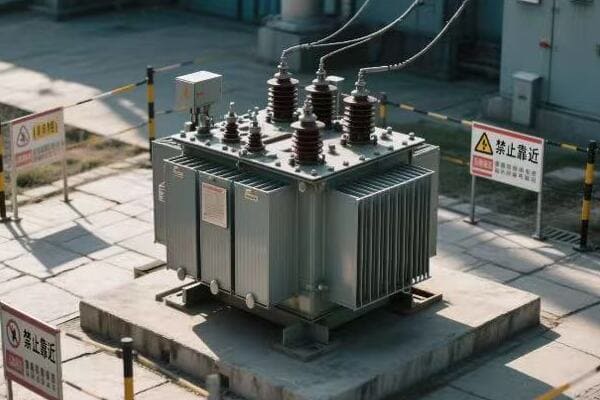
In this article, I’ll guide you through the essential elements of a pad mounted transformer diagram. Whether you’re a seasoned pro or a newcomer to the field, you’ll find valuable insights to enhance your technical skills and boost your confidence on the job.
Transformer Blueprints 101: A Beginner’s Guide to Reading Pad Mounted Diagrams?
Have you ever felt lost while staring at a transformer diagram? Don’t worry, you’re not alone. Many technicians struggle with these complex blueprints, but with the right approach, they can become your most valuable tool.
Reading pad mounted transformer diagrams is a crucial skill for field technicians. These blueprints provide a comprehensive view of the transformer’s structure and connections. Key elements include the core, windings, bushings, and terminal markings, all represented by specific symbols and notations.
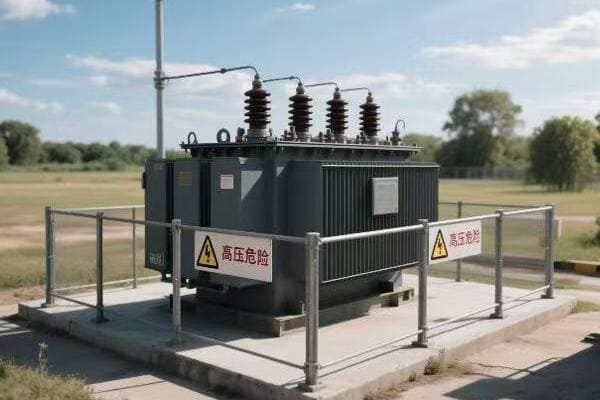
Let’s break down the basics of reading these diagrams:
The Big Picture: Understanding Layout
Before diving into details, it’s important to grasp the overall structure of the diagram.
Key Layout Elements:
- Title block with transformer specifications
- Main body showing internal components
- Connection diagrams for primary and secondary sides
- Legend explaining symbols and abbreviations
Symbols and Lines: The Language of Diagrams
Every line and symbol in a transformer diagram has a specific meaning.
Common Symbols:
- Rectangles for the transformer core
- Zigzag lines for windings
- Circles for bushings
- Dotted lines for magnetic flux
Scale and Proportions: Size Matters
Understanding the scale of the diagram is crucial for accurate interpretation.
Scale Considerations:
- Scale notation (e.g., 1:10, 1:20)
- Relative sizes of components
- Dimension lines and measurements
Orientation: Finding Your Way
Knowing how the diagram relates to the physical transformer is essential.
Orientation Guidelines:
- Top view vs. side view representations
- Directional markers (e.g., North arrow)
- Reference points for installation
| Diagram Element | Purpose | Example |
|---|---|---|
| Title Block | Provides key specifications | KVA rating, voltage levels |
| Core Symbol | Represents the transformer’s core | Rectangle or E-I shape |
| Winding Symbols | Shows primary and secondary windings | Zigzag lines |
| Connection Points | Indicates where external connections are made | Numbered terminals |
I remember my first encounter with a pad mounted transformer diagram. It was during my early days as a field technician, and I was tasked with troubleshooting a faulty unit. As I unfolded the diagram, I felt overwhelmed by the maze of lines and symbols before me.
Determined to understand, I started by focusing on the title block. This provided crucial information about the transformer’s capacity and voltage ratings. It was like finding the legend on a map – suddenly, I had a reference point to start my journey.
Next, I turned my attention to the main body of the diagram. The large rectangle in the center, I learned, represented the transformer’s core. Surrounding it were zigzag lines symbolizing the windings. It was fascinating to see how these simple shapes could represent such complex electrical components.
One challenge I faced was understanding the connection points. The diagram showed numbered terminals, but relating these to the physical transformer wasn’t immediately obvious. I found that tracing the lines from these points to the windings helped me visualize the actual connections.
A breakthrough moment came when I discovered the importance of the diagram’s orientation. The top view representation didn’t match what I was seeing in front of me until I realized I needed to mentally rotate the diagram. This simple adjustment made a world of difference in relating the blueprint to the real-world transformer.
As I became more comfortable with reading the diagram, I started to appreciate its value. During one maintenance check, I noticed a discrepancy between the diagram and the actual transformer connections. This discovery led to the identification of an incorrectly wired component, potentially preventing a major failure.
Over time, I developed a systematic approach to reading these diagrams. I always start with the title block, then move to the core and windings, followed by the connection points. This method has served me well, allowing me to quickly grasp the essential information even in complex diagrams.
One aspect that took some time to master was understanding the scale. In one instance, I misjudged the size of a replacement part based on the diagram, only to find it didn’t fit when I arrived on site. This taught me the importance of always checking the scale notation and using it to calculate actual dimensions.
For newcomers to the field, I always emphasize the importance of the legend or key on the diagram. This often-overlooked section is like a dictionary for the symbols and abbreviations used. Taking the time to study this can save hours of confusion later.
Reading pad mounted transformer diagrams is a skill that develops with practice. Each diagram I encountered added to my understanding, and soon I was able to quickly interpret even the most complex blueprints. This skill has been invaluable in my career, enabling me to work more efficiently and effectively in the field.
Remember, these diagrams are more than just technical drawings – they’re the roadmap to understanding and maintaining these crucial components of our power infrastructure. With patience and practice, any technician can become proficient in reading and using these essential tools.
The ABCs of Transformer Parts: Identifying Key Components in Your Diagram?
Ever felt like you’re looking at a foreign language when examining a transformer diagram? You’re not alone. But understanding these components is crucial for effective maintenance and troubleshooting.
Identifying key components in a pad mounted transformer diagram is essential for field technicians. Critical elements include the core, primary and secondary windings, bushings, tap changers, and cooling systems. Recognizing these parts and their symbols enables efficient maintenance and accurate problem diagnosis.
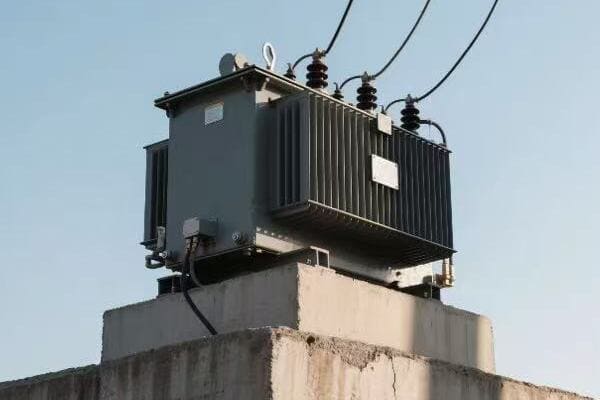
Let’s break down the key components you’ll find in a typical pad mounted transformer diagram:
The Heart of the Matter: The Core
The core is the central component of any transformer.
Core Characteristics:
- Usually represented by a rectangle or E-I shape
- Made of laminated steel sheets
- Carries the magnetic flux
Power Transfer: Windings
Windings are where the electrical magic happens.
Winding Types:
- Primary windings (high voltage side)
- Secondary windings (low voltage side)
- Often shown as zigzag lines around the core
Connection Points: Bushings
Bushings are the transformer’s connection to the outside world.
Bushing Features:
- Represented by circles or ovals on the diagram
- Located on the top or sides of the transformer
- Labeled with voltage ratings
Voltage Control: Tap Changers
Tap changers allow for voltage adjustment.
Tap Changer Elements:
- Shown as a series of connection points
- May be on-load or off-load type
- Critical for maintaining proper voltage levels
Keeping Cool: Cooling Systems
Cooling systems are vital for transformer longevity.
Cooling Components:
- Radiators (shown as wavy lines or fins)
- Fans (if forced air cooling is used)
- Oil pumps (for larger units)
| Component | Symbol | Function |
|---|---|---|
| Core | Rectangle or E-I shape | Provides path for magnetic flux |
| Windings | Zigzag lines | Transform voltage levels |
| Bushings | Circles or ovals | Connect to external circuits |
| Tap Changers | Series of points | Adjust voltage ratios |
| Cooling System | Wavy lines or fan symbols | Manage transformer temperature |
I recall a particularly challenging day early in my career when I was faced with a malfunctioning pad mounted transformer. Armed with a diagram and my basic knowledge, I set out to identify the issue. As I opened the diagram, I realized how crucial it was to understand each component not just in theory, but in practice.
The core, represented by a large rectangle in the center of the diagram, was my starting point. I knew this was where the magnetic flux was concentrated, forming the basis of the transformer’s operation. In the physical transformer, this corresponded to the large, heavy central structure.
Moving outward, I focused on the windings. The diagram showed these as zigzag lines wrapped around the core symbol. Primary windings on one side, secondary on the other – this visual representation helped me understand the voltage transformation process. In the actual transformer, these were the coils of wire, though not as neatly arranged as in the diagram!
The bushings were next on my list. Represented by circles on the top of the diagram, these corresponded to the large insulators protruding from the transformer’s casing. Each was clearly labeled with its voltage rating, a crucial detail for safety and proper connection.
One component that initially confused me was the tap changer. On the diagram, it appeared as a series of connection points branching off from the windings. In the physical transformer, I found this as a separate mechanism attached to the side. Understanding its function – to adjust voltage ratios – was key to diagnosing voltage regulation issues.
The cooling system, represented by wavy lines on the sides of the diagram, corresponded to the large radiator fins on the actual transformer. This was a critical component, as overheating can severely damage a transformer. I made sure to check these carefully for any signs of oil leaks or blockages.
As I worked through the diagram, matching each symbol to its real-world counterpart, I began to appreciate the elegance of the design. The diagram wasn’t just a technical drawing; it was a roadmap to understanding the transformer’s function and potential issues.
One particular instance stands out in my memory. I was troubleshooting a transformer with low output voltage. The diagram led me to check the tap changer settings. Sure enough, I found that it was incorrectly set, likely due to a previous maintenance error. Without the diagram guiding me to this specific component, I might have spent hours checking other parts of the system.
Over time, I developed a routine for quickly identifying key components in any new transformer diagram I encountered. I would start with the core and windings, then move to the bushings, followed by the tap changer and cooling system. This systematic approach has saved me countless hours in the field.
I also learned the importance of cross-referencing the diagram with the transformer’s nameplate. The nameplate provides crucial information like capacity, voltage ratings, and impedance – all of which should match the specifications in the diagram. Any discrepancies could indicate modifications or potential issues.
For new technicians, I always emphasize the importance of understanding not just what each component does, but how they interact. A transformer is a system, and a problem in one area can affect others. The diagram is your guide to understanding these relationships.
Mastering the identification of key components in transformer diagrams is an ongoing process. Each new diagram and each field experience adds to your knowledge base. With time and practice, what once seemed like a confusing jumble of symbols becomes a clear and invaluable tool in your technical arsenal.
Safety First: Spotting Critical Warnings and Precautions in Transformer Schematics?
Have you ever felt a chill down your spine when working on a high-voltage transformer? That’s your instinct telling you to be careful. But instinct alone isn’t enough – you need to know how to read the safety warnings in transformer schematics.
Transformer schematics contain crucial safety information for field technicians. Key elements include high voltage warnings, grounding points, and hazardous material notifications. Understanding these symbols and notes is essential for preventing accidents and ensuring safe maintenance procedures.
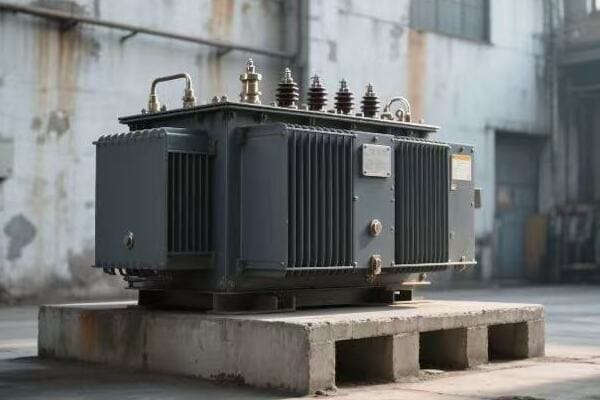
Let’s explore how to identify and interpret safety information in transformer schematics:
High Voltage Alerts: The Red Flags
High voltage warnings are the most critical safety indicators in any transformer schematic.
Key High Voltage Indicators:
- Bold red symbols or text
- Lightning bolt icons
- Specific voltage level notations
Grounding Points: Your Safety Anchors
Proper grounding is essential for safe transformer operation and maintenance.
Grounding Symbols:
- Earth ground symbols (usually an inverted triangle)
- Grounding connection points clearly marked
- Notes on required grounding procedures
Hazardous Materials: Hidden Dangers
Transformers often contain materials that require special handling.
Hazardous Material Warnings:
- Oil level indicators and containment notes
- PCB warnings in older transformers
- Specific handling instructions for coolants
Emergency Procedures: When Things Go Wrong
Schematics often include guidance for emergency situations.
Emergency Information:
- Emergency shutdown procedures
- Fire safety instructions
- Contact information for specialized support
Personal Protective Equipment (PPE): Your Last Line of Defense
PPE requirements are often noted in transformer schematics.
PPE Notations:
- Symbols indicating required safety gear
- Notes on specific PPE for different maintenance tasks
- Reminders for proper PPE use
| Safety Element | Symbol/Notation | Importance |
|---|---|---|
| High Voltage | Red lightning bolt | Critical – Indicates life-threatening voltage |
| Grounding Points | Inverted triangle | High – Essential for safe maintenance |
| Hazardous Materials | Skull and crossbones | High – Requires special handling |
| Emergency Procedures | "In Case of Emergency" box | Medium – Crucial for quick response |
| PPE Requirements | Hard hat, gloves icons | Medium – Personal safety assurance |
I vividly remember a day early in my career that taught me the vital importance of reading safety warnings in transformer schematics. I was assisting with routine maintenance on a large pad mounted transformer, feeling confident in my growing skills. As we prepared to begin work, my senior colleague asked me to review the schematic one last time.
At first, I thought this was unnecessary – we had already planned our approach. But as I scanned the diagram, my eye caught a small symbol I had overlooked earlier. It was a hazardous material warning, specifically indicating the presence of PCBs (polychlorinated biphenyls) in the transformer oil.
This discovery changed our entire approach. PCBs, once common in transformer oils, are now known to be highly toxic. The schematic included specific handling instructions and PPE requirements that we hadn’t initially prepared for. If we had proceeded without this knowledge, we could have exposed ourselves to serious health risks.
From that day forward, I developed a rigorous routine for analyzing safety information in transformer schematics. I always start with the high voltage warnings. These are typically the most prominent, often marked with bold red symbols or text. In one instance, I noticed that the voltage level indicated on the schematic was higher than what we expected for that particular installation. This prompted a thorough check, revealing a mislabeled transformer that could have led to a dangerous situation if approached with the wrong safety measures.
Grounding points became my next focus. Proper grounding is crucial for preventing electrical shocks and equipment damage. I learned to identify the earth ground symbols, usually depicted as an inverted triangle, and verify their locations on the actual transformer before beginning any work. There was a case where the schematic showed a grounding point that was missing on the physical unit. This discovery led to immediate corrective action, potentially averting a serious safety hazard.
Hazardous material warnings require special attention, especially in older transformers. Beyond PCBs, I’ve encountered warnings about specific types of insulating oils and coolants. Each comes with its own handling requirements and potential health risks. I make it a point to cross-reference these warnings with the latest safety data sheets, ensuring our team is fully prepared for any material we might encounter.
Emergency procedures noted in schematics have proven invaluable in high-stress situations. During one maintenance job, we experienced a sudden oil leak. Thanks to the clear emergency shutdown procedure outlined in the schematic, we were able to quickly and safely de-energize the transformer and contain the spill, minimizing both safety risks and environmental impact.
PPE requirements noted in schematics serve as a crucial final check. I’ve seen cases where different sections of the same transformer required different levels of protective gear. For instance, working near high-voltage bushings might require additional insulating equipment compared to working on the cooling systems. Always adhering to these PPE notations has kept me and my colleagues safe in countless situations.
One aspect of safety in transformer schematics that’s often overlooked is the importance of version control. I once encountered a situation where the schematic we were using was outdated and didn’t reflect recent modifications to the transformer’s safety systems. Now, I always verify that we’re working with the most current version of the schematic, especially for critical safety information.
For new technicians, I stress the importance of not just identifying safety symbols, but truly understanding what they mean in practical terms. It’s one thing to see a high voltage warning; it’s another to comprehend the real-world implications and necessary precautions it entails.
Remember, safety information in transformer schematics isn’t just there to meet regulations – it’s there to protect lives. Every symbol, every note, and every warning represents a lesson learned, often through hard experience.As you gain experience, you’ll develop an intuitive understanding of these safety elements, but never let familiarity breed complacency. I still approach each schematic with the same careful attention I did on that eye-opening day early in my career.
Spotting and understanding critical warnings and precautions in transformer schematics is more than a skill – it’s a responsibility. It’s about protecting yourself, your colleagues, and the integrity of the power systems we all rely on. By mastering this aspect of schematic reading, you’re not just becoming a better technician; you’re becoming a guardian of safety in the field.
From Paper to Reality: Matching Diagram Symbols to Real-World Transformer Parts?
Have you ever felt like you’re playing a complex game of match-the-symbols when comparing a transformer diagram to the real thing? You’re not alone. This skill is crucial, yet it’s one that many technicians find challenging.
Matching diagram symbols to real-world transformer parts is a critical skill for field technicians. It involves understanding abstract representations and their physical counterparts. Key elements include identifying core structures, winding arrangements, bushing locations, and auxiliary components like cooling systems and tap changers.
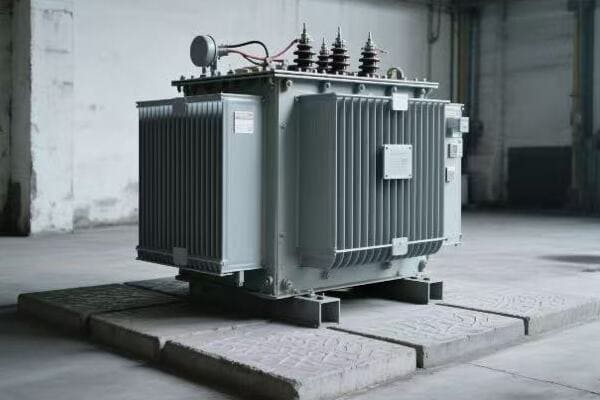
Let’s break down how to bridge the gap between paper diagrams and real-world transformers:
Core Structures: The Transformer’s Backbone
The core is often the easiest part to identify, but understanding its representation is crucial.
Core Identification:
- Diagram: Usually a rectangle or E-I shape
- Reality: Large, laminated steel structure at the center
Winding Arrangements: The Electrical Maze
Windings are the heart of voltage transformation, but their representation can be tricky.
Winding Recognition:
- Diagram: Zigzag or circular lines around the core
- Reality: Coils of insulated wire, often not visible without disassembly
Bushing Locations: Connecting the Dots
Bushings are the transformer’s interface with the outside world.
Bushing Spotting:
- Diagram: Circles or ovals, often at the top or sides
- Reality: Large insulators protruding from the transformer body
Cooling Systems: Keeping It Cool
Cooling systems are vital for transformer longevity and efficiency.
Cooling Component Matching:
- Diagram: Wavy lines or fan symbols on the sides
- Reality: Radiator fins, fans, or oil pumps attached to the main body
Tap Changers: Voltage Control Central
Tap changers are crucial for voltage adjustment but can be confusing to locate.
Tap Changer Identification:
- Diagram: Series of connection points, often to the side of windings
- Reality: Separate mechanism, sometimes externally visible
| Component | Diagram Symbol | Real-World Appearance |
|---|---|---|
| Core | Rectangle/E-I shape | Central steel structure |
| Windings | Zigzag lines | Insulated wire coils (internal) |
| Bushings | Circles/Ovals | Protruding insulators |
| Cooling System | Wavy lines/Fan icons | Radiator fins, fans |
| Tap Changer | Series of points | External or internal mechanism |
I remember my first solo inspection of a pad mounted transformer. Armed with a diagram, I felt confident – until I opened the access panel. The jumble of metal, wire, and insulators seemed to bear little resemblance to the neat lines on my paper.
My first step was to orient myself. The diagram showed the core as a central rectangle. In the real transformer, this corresponded to the large, solid mass at the center. It wasn’t exactly rectangular, but understanding that this was the core helped me get my bearings.
Next, I looked for the windings. On the diagram, these were clear zigzag lines around the core. In reality, I couldn’t see them directly – they were encased in insulation and hidden within the structure. This taught me an important lesson: not everything in a diagram is immediately visible in the real world.
The bushings were easier to spot. The circles on top of the diagram clearly matched the large insulators protruding from the transformer’s top. This one-to-one correspondence was reassuring, giving me confidence in my diagram reading skills.
One challenge I faced was identifying the cooling system. The diagram showed simple wavy lines on the sides, representing radiator fins. In reality, these were much larger and more complex than I had imagined. Some units I’ve worked on even had fans attached, a detail not always shown in basic diagrams.
The tap changer proved to be particularly tricky. In the diagram, it was represented as a series of connection points branching off from the windings. In the actual transformer, I found it as a separate mechanism on the side. This discrepancy taught me the importance of understanding component functions, not just their representations.
Over time, I developed strategies for better matching diagrams to reality. One technique I found helpful was to use the bushing locations as reference points. Since these are usually clearly visible both in diagrams and on the actual transformer, they provide a good starting point for orienting other components.
I also learned the value of understanding scale in diagrams. A small symbol on paper might represent a large component in reality, or vice versa. For instance, the simple lines representing radiator fins in a diagram often translate to substantial structures in the real world.
One particularly memorable experience involved a transformer with an unusual cooling system not clearly represented in the standard diagram. This taught me the importance of being flexible in my interpretations and always being prepared for variations in real-world implementations.
For new technicians, I always emphasize the importance of taking time to study both the diagram and the actual transformer before beginning any work. I encourage them to create mental maps, linking each symbol on the diagram to its real-world counterpart.
It’s also crucial to understand that diagrams are simplifications. They can’t capture every detail of a complex piece of equipment like a transformer. Learning to fill in these gaps with knowledge and experience is a key skill for any field technician.
One technique I’ve found helpful is to annotate diagrams with notes and sketches based on real-world observations. This personalized approach helps bridge the gap between the abstract and the concrete, making future reference much easier.
Remember, matching diagram symbols to real-world parts is not just about identification – it’s about understanding the function and relationship of components. A symbol on a diagram represents not just a part, but its role in the overall system.
As you gain experience, you’ll find that this process becomes more intuitive. What once seemed like a confusing puzzle will transform into a clear roadmap of the transformer’s structure and function. This skill is invaluable not just for routine maintenance, but especially when troubleshooting complex issues.
Mastering the art of translating transformer diagrams into real-world understanding is a cornerstone skill for any field technician. It combines technical knowledge, spatial awareness, and practical experience. With practice and patience, you’ll find yourself navigating the complexities of pad mounted transformers with confidence and expertise.
Troubleshooting Made Easy: Using Your Transformer Diagram as a Problem-Solving Tool?
Ever found yourself scratching your head in front of a malfunctioning transformer, unsure where to start? The solution might be right in your hands – the transformer diagram. But are you using it to its full potential?
Transformer diagrams are powerful troubleshooting tools for field technicians. They provide a systematic approach to problem-solving by mapping out component relationships, electrical paths, and potential fault points. Effective use of these diagrams can significantly reduce diagnostic time and improve repair accuracy.
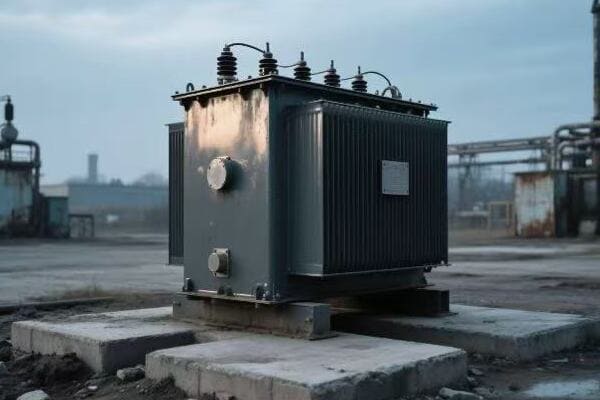
Let’s explore how to leverage your transformer diagram for efficient troubleshooting:
Systematic Approach: Your Troubleshooting Roadmap
A well-structured approach using the diagram can streamline your problem-solving process.
Steps to Follow:
- Start at the point of observed malfunction
- Trace connections backward to potential causes
- Identify test points for measurements
- Systematically eliminate possibilities
Component Relationships: Understanding the Bigger Picture
Diagrams help visualize how transformer components interact.
Key Relationships:
- Core and winding connections
- Bushing to winding paths
- Tap changer influences on voltage
- Cooling system’s role in overall performance
Electrical Pathways: Following the Flow
Tracing electrical paths is crucial for identifying faults.
Path Analysis:
- High voltage to low voltage transformations
- Grounding connections
- Auxiliary power circuits
- Control and monitoring wiring
Fault Point Identification: Pinpointing Problems
Diagrams can help predict and locate common fault points.
Common Fault Areas:
- Insulation breakdown points
- High-stress mechanical joints
- Typical locations for oil leaks
- Vulnerable areas in the cooling system
Measurement Guidance: Where to Probe
Diagrams provide valuable information on where to take measurements.
Measurement Points:
- Voltage test locations
- Current measurement spots
- Resistance check points
- Temperature monitoring areas
| Troubleshooting Aspect | Diagram Use | Real-World Application |
|---|---|---|
| Systematic Approach | Follow component connections | Step-by-step fault tracing |
| Component Relationships | Understand system interactions | Predict cascade failures |
| Electrical Pathways | Trace current flow | Identify open or short circuits |
| Fault Point Identification | Locate common problem areas | Focus inspection efforts |
| Measurement Guidance | Find correct test points | Accurate data collection |
I recall a particularly challenging troubleshooting case early in my career. We were faced with a pad mounted transformer that was tripping offline intermittently. The initial symptoms were vague, and the cause wasn’t immediately apparent. This is where the transformer diagram proved invaluable.
Our first step was to identify the point of observed malfunction. The diagram showed us the connection between the protective relay that was triggering and its associated components. This gave us a starting point to work backward from.
We began tracing the electrical paths on the diagram, looking for potential points of failure. The diagram clearly showed the relationship between the windings, bushings, and protective devices. This visual representation helped us formulate theories about what could be causing the intermittent trips.
One key advantage of using the diagram was that it helped us understand the component relationships. We could see how a problem in one area might affect another, seemingly unrelated part of the transformer. This broader perspective was crucial in narrowing down our search.
As we worked through the troubleshooting process, the diagram guided our measurement efforts. It clearly indicated where we should connect our testing equipment for voltage, current, and resistance measurements. This precision saved us time and reduced the risk of taking incorrect or dangerous measurements.
The breakthrough came when we focused on the fault point identification aspect of the diagram. It highlighted areas prone to insulation breakdown, and we noticed that one of these points was near where we had been detecting anomalies. A closer inspection revealed minor insulation damage that was causing the intermittent faults.
This experience taught me the value of using the diagram as more than just a reference – it was an active troubleshooting tool. Since then, I’ve developed a habit of ‘walking through’ the diagram mentally before and during physical inspections. This practice has helped me spot potential issues more quickly and accurately.
One technique I’ve found particularly useful is annotating working copies of diagrams during troubleshooting. I note down measurements, observations, and theories directly on the diagram. This creates a visual record of the troubleshooting process, which is invaluable for complex problems or when handing over to another technician.
For new technicians, I always stress the importance of understanding the diagram’s legend and symbols thoroughly. Misinterpreting a symbol can lead you down the wrong troubleshooting path, wasting time and potentially overlooking the real issue.
I’ve also learned the value of comparing the actual transformer configuration with the diagram before starting any troubleshooting. Sometimes, modifications or updates to the transformer aren’t reflected in the diagram, and spotting these discrepancies early can prevent confusion later in the process.
One advanced technique I’ve developed is using the diagram to predict potential cascade failures. By understanding how components interact, you can often anticipate how a fault in one area might affect others, allowing for more comprehensive problem-solving.
Remember, effective troubleshooting isn’t just about finding the immediate problem – it’s about understanding the root cause. The transformer diagram is your map to tracing issues back to their source, ensuring that your repairs address the underlying issue, not just the symptoms.
As you gain experience, you’ll find that your ability to ‘read between the lines’ of a transformer diagram improves. You’ll start to recognize patterns and potential issues more quickly, making your troubleshooting more efficient and effective.
Using your transformer diagram as a problem-solving tool is a skill that develops over time. It combines technical knowledge, practical experience, and a bit of detective work. Master this skill, and you’ll find yourself solving even the most complex transformer issues with confidence and precision.
Conclusion
Understanding and effectively using pad mounted transformer diagrams is crucial for field technicians. From basic blueprint reading to advanced troubleshooting, these diagrams are invaluable tools. Mastering their interpretation enhances safety, efficiency, and problem-solving skills in transformer maintenance and repair.
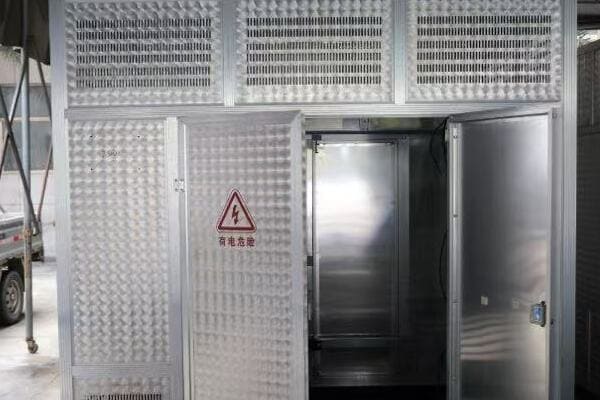
Have you ever wondered about those green boxes scattered around your city? They’re not just random eyesores. These transformer boxes are vital to our urban power supply, but they often stick out like sore thumbs.
Effective pad mounted transformer box enclosures blend functionality with urban aesthetics. They protect critical electrical equipment while seamlessly integrating into city landscapes. Good design considers safety, durability, accessibility for maintenance, and visual appeal to enhance urban environments.
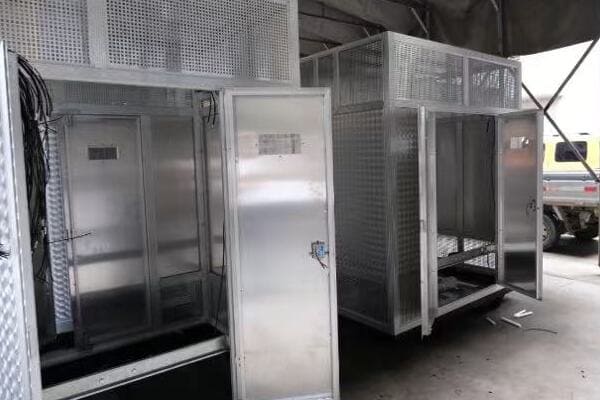
In this article, I’ll take you through the fascinating world of transformer box design. We’ll explore how these essential pieces of infrastructure are evolving to meet the demands of modern cities, balancing technical requirements with urban aesthetics.
City-Friendly Power: How Transformer Boxes Blend Into Urban Landscapes?
Ever walked past an electrical box and thought, "That’s an eyesore"? You’re not alone. But what if I told you these boxes could actually enhance our city streets?
Modern transformer box designs prioritize urban integration. They use camouflage techniques, artistic elements, and innovative materials to blend with their surroundings. This approach not only improves city aesthetics but also increases public acceptance of necessary infrastructure.
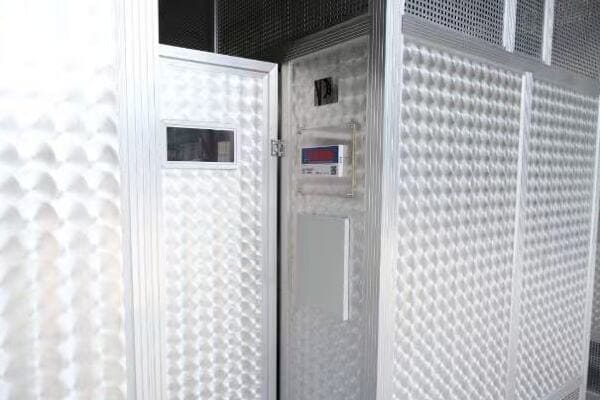
Let’s dive deeper into how these boxes are becoming city-friendly:
Camouflage Techniques: Hide in Plain Sight
Designers are getting creative with ways to make transformer boxes less noticeable.
Key Strategies:
- Color matching with surroundings
- Textured surfaces mimicking nearby buildings
- Use of reflective materials to blend with environment
Artistic Integration: From Eyesore to Art Piece
Some cities are turning transformer boxes into canvases for public art.
Artistic Approaches:
- Murals depicting local culture or history
- Sculptural elements incorporated into box design
- Interactive art installations
Green Design: Nature-Inspired Solutions
Incorporating natural elements can help transformer boxes blend into green spaces.
Nature-Friendly Ideas:
- Living walls with climbing plants
- Boxes designed to look like large rocks or boulders
- Integration with landscaping elements
Multifunctional Design: Beyond Just Housing Transformers
Innovative designs are making transformer boxes serve multiple purposes.
Dual-Purpose Examples:
- Seating areas built into box structures
- Information kiosks combined with transformer enclosures
- Bike rack integration
| Design Approach | Urban Benefit | Technical Consideration |
|---|---|---|
| Camouflage | Reduced visual impact | Maintaining proper ventilation |
| Artistic Integration | Enhanced public spaces | Ensuring easy access for maintenance |
| Green Design | Environmental harmony | Managing plant growth near equipment |
| Multifunctional | Efficient use of urban space | Balancing additional uses with safety |
I remember a project in a bustling downtown area where we faced significant pushback from local businesses about installing new transformer boxes. They were concerned about the visual impact on their storefronts. This challenge led us to rethink our approach to transformer box design completely.
We collaborated with a local artist to create custom enclosures that reflected the neighborhood’s character. One box was transformed into a miniature replica of a historic building that once stood on that street corner. Another became a canvas for a mural depicting the city’s skyline.
The results were astounding. Not only did the businesses stop complaining, but these transformer boxes became local attractions. I saw tourists taking photos with them, and local tour guides even included them in their walking tours as examples of innovative urban design.
This experience taught me the power of creative thinking in infrastructure design. We weren’t just solving a technical problem; we were contributing to the city’s cultural landscape.
Another interesting case was in a park where we needed to install a large transformer box. Instead of the standard green metal enclosure, we designed a structure that looked like a natural boulder. We used a specially textured concrete mix and even incorporated small plants into crevices in the "rock."
The park-goers were none the wiser. Children would play around it, and people would sit on it to enjoy their lunches. It was fulfilling to see our necessary infrastructure become a seamless part of the park experience.
However, these creative designs come with their own set of challenges. We always have to balance aesthetics with functionality. For instance, when incorporating plants, we need to ensure they don’t interfere with ventilation or access panels. With artistic designs, we must make sure that maintenance crews can still easily identify and access the equipment inside.
One particularly innovative project involved designing transformer boxes that doubled as public seating in a busy pedestrian area. We had to carefully consider weight distribution, heat dissipation, and safety factors to ensure the seats were comfortable and safe while still allowing the transformer to function efficiently.
These projects have shown me that with a bit of creativity and collaboration, we can turn mundane infrastructure into assets for our urban environments. It’s not just about hiding these necessary components of our power grid; it’s about reimagining how they can contribute positively to our city spaces.
As cities continue to grow and evolve, I believe we’ll see even more innovative approaches to integrating transformer boxes into urban landscapes. The future of urban power infrastructure isn’t just about efficiency and reliability; it’s also about enhancing the beauty and functionality of our shared spaces.
Safety Meets Style: The Art of Designing Protective Transformer Enclosures?
Ever wondered how those transformer boxes keep our power flowing while standing up to everything from curious kids to determined vandals? It’s a delicate balance of brawn and beauty.
Effective transformer enclosures combine robust security features with aesthetic design. They use durable materials, tamper-resistant mechanisms, and clever engineering to protect vital equipment. Simultaneously, these enclosures incorporate design elements that complement urban environments, turning necessity into architectural assets.
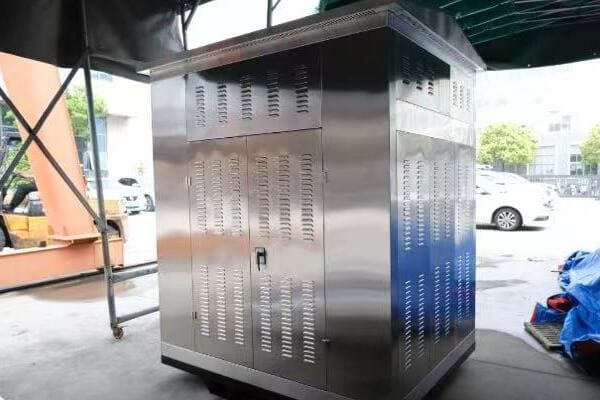
Let’s explore how safety and style come together in modern transformer enclosures:
Material Matters: Tough Yet Attractive
Choosing the right materials is crucial for both protection and appearance.
Popular Choices:
- High-strength aluminum alloys
- Reinforced polymer composites
- Textured stainless steel
Tamper-Resistant Features: Keeping Curiosity at Bay
Smart design prevents unauthorized access without looking like a fortress.
Key Security Elements:
- Concealed hinges and locks
- Smooth, climb-resistant surfaces
- Vandal-resistant paint coatings
Ventilation Solutions: Cool and Collected
Proper airflow is essential, but vents can be security weak points.
Innovative Approaches:
- Baffled vent designs
- Integrated cooling systems
- Smart materials that enhance heat dissipation
Modular and Customizable: One Size Doesn’t Fit All
Flexibility in design allows for better integration in diverse urban settings.
Customization Options:
- Interchangeable panels for different looks
- Scalable designs for various equipment sizes
- Adaptable mounting options for different terrains
| Design Aspect | Safety Benefit | Aesthetic Consideration |
|---|---|---|
| Materials | Durability and strength | Texture and finish options |
| Tamper-Resistance | Prevent unauthorized access | Sleek, unobtrusive designs |
| Ventilation | Equipment protection | Integrated, hidden vent systems |
| Modularity | Adaptable security features | Customizable appearances |
I once worked on a project in a historic district where we faced a unique challenge. We needed to install high-capacity transformers to meet growing power demands, but the local preservation society was adamant about maintaining the area’s 19th-century aesthetic.
Our solution was to design custom enclosures that mimicked the appearance of Victorian-era water pumps. We used modern, high-strength materials but crafted them to look like cast iron. The enclosures featured ornate detailing typical of the period, complete with faux hand pumps that cleverly concealed the venting system.
The result was a perfect blend of old-world charm and modern functionality. The enclosures not only met all our safety and performance requirements but also became talking points for local history tours. It was gratifying to see how our design not only solved a technical problem but also contributed to preserving the area’s historical character.
Another memorable project involved designing transformer enclosures for a beachfront promenade. Here, we faced the dual challenges of salt-water corrosion and potential vandalism from late-night revelers. We developed a unique composite material that resisted both chemical corrosion and physical damage.
The enclosures were molded to resemble large seashells, with spiral patterns that weren’t just decorative but also made them difficult to climb or deface. The natural-looking texture helped disperse heat, improving the transformer’s efficiency. Beachgoers often mistook them for art installations, which was a testament to their seamless integration into the environment.
One of the most innovative features we’ve incorporated into recent designs is smart monitoring. We’ve embedded sensors into the enclosures that can detect tampering attempts or abnormal conditions. These sensors are connected to the city’s smart grid, allowing for real-time monitoring and rapid response to any issues.
In a university campus project, we took this a step further. The transformer enclosures were designed as interactive information kiosks. The outer panels displayed campus maps and event information, while also serving as touch-sensitive alarm triggers. Any attempt to tamper with the enclosure would immediately alert campus security.
Balancing safety with style often requires thinking outside the box – literally. In a recent urban renewal project, we designed transformer enclosures that doubled as public art pieces. These structures featured kinetic elements powered by the wind, creating constantly changing patterns. The movement not only made them visually interesting but also served as a deterrent to graffiti artists.
However, it’s important to note that no matter how creative the design, safety always comes first. Every aesthetic decision must be weighed against its impact on the enclosure’s primary function – protecting the transformer. We constantly test new designs against various threats, from extreme weather to deliberate attacks.
As cities evolve and urban spaces become more multi-functional, the design of transformer enclosures will continue to adapt. The future lies in smart, responsive designs that can change their appearance or function based on needs or conditions. Imagine enclosures that change color to match the seasons or display public service announcements during emergencies.
The art of designing protective transformer enclosures is a perfect example of how engineering and aesthetics can work hand in hand. It shows that with creativity and innovation, even the most utilitarian objects can become valuable additions to our urban landscapes.
Weather-Proof Wonders: Keeping Urban Power Safe in Rain, Snow, and Sunshine?
Ever wondered how those transformer boxes in your neighborhood stand up to Mother Nature’s worst? From scorching heat to freezing blizzards, these unsung heroes of our power grid face it all.
Weather-proof transformer enclosures use advanced materials and design techniques to protect vital equipment in all conditions. They incorporate features like superior insulation, water-resistant seals, and temperature regulation systems. These innovations ensure reliable power distribution regardless of extreme weather events.
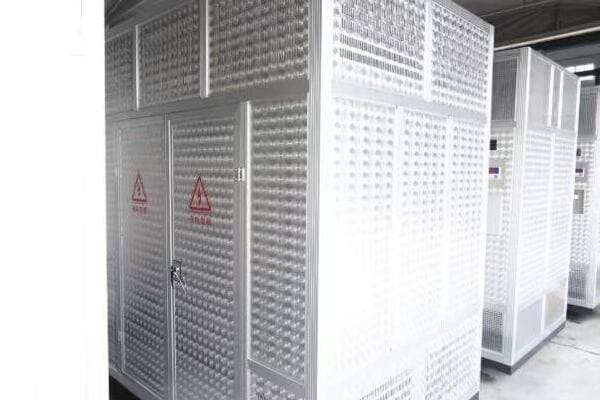
Let’s dive into how these weather-proof wonders keep our lights on, come rain or shine:
Heat Management: Staying Cool Under Pressure
Keeping transformers from overheating is crucial, especially in urban heat islands.
Cooling Strategies:
- Advanced passive cooling designs
- Reflective coatings to reduce heat absorption
- Integrated active cooling systems for extreme conditions
Water Resistance: Keeping the Elements Out
Protecting against rain and flooding is essential for electrical safety.
Waterproofing Techniques:
- Raised foundations to prevent water ingress
- Hermetic sealing technologies
- Water-resistant venting systems
Cold Weather Protection: Functioning in the Freeze
Extreme cold can be just as challenging as heat for electrical equipment.
Cold-Proofing Methods:
- Insulated enclosures to maintain optimal operating temperatures
- Heating elements for critical components
- Materials designed to withstand thermal contraction and expansion
All-Weather Durability: Built to Last
Enclosures must withstand years of varied weather conditions.
Durability Features:
- UV-resistant materials to prevent sun damage
- Corrosion-resistant coatings for high-humidity environments
- Impact-resistant designs for hail and debris protection
| Weather Challenge | Protection Strategy | Urban Benefit |
|---|---|---|
| Extreme Heat | Advanced cooling systems | Reliable power during heatwaves |
| Heavy Rain/Flooding | Waterproof designs | Reduced outages in storms |
| Freezing Temperatures | Insulation and heating | Consistent service in winter |
| Long-term Exposure | Durable materials | Lower maintenance costs |
I recall a project in a coastal city that really put our weather-proofing skills to the test. This area faced a triple threat: scorching summers, hurricane-force winds and rain, and salt-water corrosion. It was a perfect storm of challenges for transformer enclosure design.
We started by addressing the heat issue. The enclosures were designed with a double-wall system, creating an air gap that acted as natural insulation. We also incorporated a passive cooling system inspired by termite mounds – a series of vents and channels that created a natural airflow, keeping the transformer cool without any mechanical parts that could fail.
For water resistance, we went beyond standard waterproofing. We designed a raised base with channels that directed water away from the enclosure. The seals were made of a new composite material that could withstand both high-pressure water and salt corrosion. We even tested the design by subjecting it to simulated hurricane conditions in a wind tunnel.
The results were impressive. During a particularly nasty hurricane season, while many parts of the city faced power outages, the areas served by our new enclosures maintained power throughout. One enclosure even survived being submerged for hours when a nearby levee broke – a testament to its water-resistant design.
Cold weather protection was another interesting challenge we faced in a different project. In a northern city prone to severe winters, we had to ensure the transformers could function in sub-zero temperatures. We developed an enclosure with a smart heating system that activated only when necessary, maintaining optimal internal temperature without wasting energy.
This system was put to the test during a record-breaking cold snap. While older transformers across the city failed, leading to widespread outages, our new enclosures kept the power flowing. The city’s emergency services, which relied on the power from these transformers, were able to operate without interruption during this critical time.
One of the most innovative features we’ve incorporated recently is a self-healing exterior coating. Inspired by biological systems, this coating can repair minor damage from debris or environmental wear automatically. In a hail-prone area, this has significantly reduced maintenance needs and extended the life of the enclosures.
We’ve also been experimenting with smart materials that change properties based on weather conditions. For example, we’ve developed a polymer that becomes more conductive in high temperatures, helping to dissipate heat more effectively during hot weather. In cold conditions, the same material acts as an insulator, retaining heat within the enclosure.
Urban environments present unique challenges for weather-proofing. The heat island effect in cities can push temperatures well above the surrounding areas. To combat this, we’ve started incorporating green design elements into our enclosures. In one project, we created a living roof on the transformer enclosure, using native plants to provide natural cooling and insulation.
As climate change leads to more extreme and unpredictable weather patterns, the importance of weather-proof transformer enclosures will only grow. We’re constantly pushing the boundaries of materials science and engineering to stay ahead of these challenges.
The future of weather-proof transformer enclosures lies in smart, adaptive designs. Imagine enclosures that can predict weather changes and adjust their properties accordingly – expanding to create more airflow in heat, or contracting to provide better insulation in cold. These aren’t just sci-fi dreams; they’re the innovations we’re working on right now.
By creating these weather-proof wonders, we’re not just protecting electrical equipment; we’re ensuring the resilience of our urban power systems in the face of an ever-changing climate. It’s a challenge that requires constant innovation, but one that’s crucial for the reliable, safe operation of our cities.
Hidden in Plain Sight: Creative Ways Cities Disguise Their Transformer Boxes?
Ever walked past what you thought was a piece of street art, only to realize it’s actually a transformer box? Cities are getting creative, turning these necessary eyesores into hidden gems.
Cities are ingeniously disguising transformer boxes to enhance urban aesthetics. Methods include transforming them into art installations, integrating them with landscaping, and designing them to mimic common street furniture. These approaches not only hide infrastructure but also add value to public spaces.
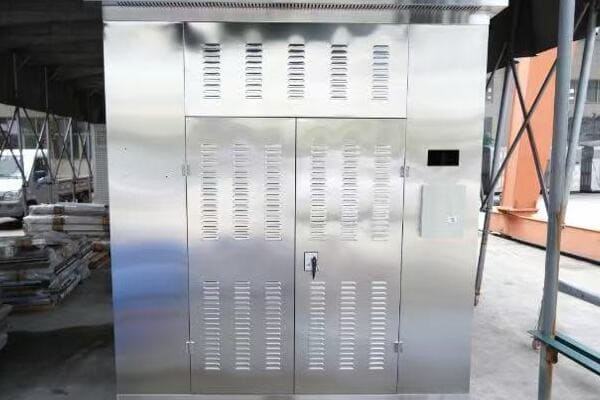
Let’s explore some of the most innovative ways cities are hiding their transformer boxes:
Street Art Transformations: From Bland to Grand
Turning transformer boxes into canvases for local artists is a win-win solution.
Creative Approaches:
- Murals depicting local history or culture
- 3D art installations that completely reimagine the box
- Interactive art pieces that engage the community
Nature Camouflage: Blending with the Environment
Some cities are using natural elements to hide their transformer boxes.
Green Disguises:
- Living walls covered in plants
— Living walls covered in plants - Artificial rock formations that house the equipment
- Integration with public garden spaces
Functional Facades: Dual-Purpose Designs
Why just hide a transformer box when you can make it useful?
Multifunctional Ideas:
- Information kiosks with city maps and tourist info
- Bike racks built around the transformer enclosure
- Public seating areas incorporating the box structure
Historical Homages: Blending with Heritage
In historic districts, transformer boxes can be disguised as period-appropriate elements.
Heritage-Friendly Designs:
- Faux vintage newspaper stands
- Replica historical landmarks
- Antique-style street furniture
| Disguise Method | Urban Benefit | Technical Consideration |
|---|---|---|
| Street Art | Cultural enhancement | Maintaining visibility of warning signs |
| Nature Camouflage | Environmental aesthetics | Ensuring proper ventilation |
| Functional Facades | Improved public amenities | Balancing accessibility with security |
| Historical Homages | Preserving area character | Meeting modern safety standards |
I once worked on a project in a bustling city center where the local council was adamant about preserving the area’s historical charm while upgrading the power infrastructure. The challenge was to install new high-capacity transformers without disrupting the vintage aesthetic of the street.
Our solution was to design transformer enclosures that mimicked Victorian-era post boxes. We used modern, durable materials but crafted them to look like cast iron, complete with the ornate detailing typical of the period. The "post box" even featured a faux mail slot that cleverly concealed the transformer’s ventilation system.
The result was remarkable. Not only did we successfully hide the transformers, but we also created new points of interest in the neighborhood. Tourists often stopped to take photos with these "historic" post boxes, unaware of their true function. It was a perfect blend of modern technology and historical preservation.
In another project, we faced the challenge of integrating transformer boxes into a newly developed eco-friendly park. The city wanted to maintain a natural environment without obvious signs of urban infrastructure. Our approach was to create artificial boulders that housed the transformers.
We used a specially formulated concrete mix that mimicked the texture and color of natural rock formations found in the area. The "boulders" were strategically placed throughout the park, some partially submerged in small ponds or nestled among real rocks. We even incorporated small crevices where park management could plant moss or small ferns, further enhancing the natural appearance.
The success of this project was evident in how seamlessly the transformers blended into the landscape. Park visitors would often sit on these "rocks" for picnics or use them as meeting points, completely unaware of the vital equipment hidden inside.
One of our most innovative disguises came from a collaboration with a tech-savvy city looking to enhance its smart city initiatives. We designed transformer enclosures that doubled as interactive information kiosks. The exterior featured touch-screen displays providing real-time information about public transport, local events, and even air quality.
The challenge here was balancing the need for public access with the security requirements of the transformer. We developed a dual-layer system where the outer shell could be easily accessed for maintenance of the kiosk features, while the inner layer housing the transformer remained securely locked and monitored.
This design not only hid the transformer but also added significant value to the urban environment. The kiosks became popular spots for tourists and locals alike, providing useful information while secretly housing critical infrastructure.
In a coastal town, we took a different approach by disguising transformer boxes as artistic seashell sculptures. These large, stylized shells were made from weather-resistant materials and incorporated subtle color-changing LED lighting. During the day, they appeared as whimsical art pieces dotting the beachfront. At night, they gently illuminated the promenade, serving both as safety lighting and attractive art installations.
One of the most challenging projects was in a historic district with strict regulations on new structures. Here, we designed transformer enclosures to look like traditional news stands. These "news stands" featured actual display windows showcasing local news and event posters, which could be easily updated by city staff. The transformer itself was housed in the lower portion, completely hidden from view but easily accessible for maintenance.
These creative disguises do more than just hide infrastructure; they transform necessary eyesores into community assets. They show that with a bit of imagination, urban planning can solve practical problems while enhancing the character and functionality of public spaces.
As cities continue to evolve, the ways we disguise urban infrastructure will undoubtedly become even more creative and integrated with smart city technologies. The future might see transformer boxes that change appearance based on the season or time of day, or that serve as hubs for community information and interaction.
The art of hiding transformer boxes in plain sight is a testament to the ingenuity of urban designers and engineers. It demonstrates that even the most mundane aspects of our infrastructure can be reimagined to contribute positively to our urban environments.
The Invisible Guardians: How Modern Transformer Enclosures Protect Our Urban Power Supply?
Ever wondered what keeps our cities powered, even in the face of extreme weather or accidental damage? The answer lies in those unassuming boxes you pass every day without a second glance.
Modern transformer enclosures are sophisticated systems designed to protect vital electrical equipment. They incorporate advanced materials, smart monitoring technologies, and innovative designs to guard against environmental threats, vandalism, and equipment failures. These enclosures ensure a reliable urban power supply while remaining largely unnoticed.
Let’s explore how these invisible guardians keep our power flowing:
Smart Monitoring: Always on Guard
Modern enclosures are equipped with intelligent systems that keep a constant watch.
Key Features:
- Real-time temperature and humidity monitoring
- Vibration sensors to detect tampering or damage
- Remote access capabilities for quick response
Advanced Materials: Tough as Nails
The materials used in modern enclosures offer unprecedented protection.
Material Innovations:
- Impact-resistant composites
- Fire-retardant coatings
- Self-healing surfaces for minor damage repair
Environmental Control: Creating the Perfect Atmosphere
Maintaining ideal conditions inside the enclosure is crucial for equipment longevity.
Control Mechanisms:
- Advanced cooling systems for heat management
- Dehumidifiers to prevent moisture buildup
- Positive pressure systems to keep out dust and contaminants
Modular Design: Adaptable and Efficient
Flexibility in design allows for easy upgrades and maintenance.
Design Advantages:
- Easily replaceable components
- Scalable solutions for growing power needs
- Quick-access panels for routine checks
| Protection Aspect | Benefit to Power Supply | Urban Impact |
|---|---|---|
| Smart Monitoring | Rapid fault detection | Fewer unexpected outages |
| Advanced Materials | Enhanced durability | Lower maintenance costs |
| Environmental Control | Extended equipment life | Consistent power quality |
| Modular Design | Easier upgrades and repairs | Minimal disruption during maintenance |
I recall a project in a major metropolitan area where we were tasked with upgrading the transformer enclosures in a flood-prone district. The existing units were constantly at risk during heavy rains, leading to frequent power outages and expensive repairs.
Our solution was to design a new type of "amphibious" enclosure. These units were equipped with a watertight seal that could activate automatically when water levels rose. The base of the enclosure was designed to channel water away, while the internal components were mounted on a floating platform that would rise with flood waters.
The real test came during a severe storm that caused significant flooding in the area. While other parts of the city experienced power cuts, the district with our new enclosures maintained uninterrupted power supply. The enclosures performed flawlessly, with their internal systems remaining dry and functional even as water levels rose around them.
This success led to an interesting discovery. We found that by keeping the transformers operational during floods, we were actually helping to pump water out of the area more quickly, as the local drainage systems could continue functioning at full capacity. Our transformer enclosures had inadvertently become part of the city’s flood management strategy.
In another project, we tackled the issue of vandalism and theft in an urban area with high crime rates. Traditional enclosures were frequently targeted, leading to costly repairs and dangerous situations. We developed a new enclosure design that incorporated several innovative security features.
The exterior was made of a specially developed material that was not only incredibly tough but also unpleasant to touch, deterring attempts to climb or tamper with the enclosure. We integrated motion sensors and cameras that could differentiate between routine maintenance activities and suspicious behavior, alerting authorities if needed.
One of the most effective features was a DNA spray system. If tampered with, the enclosure would release an invisible, harmless spray containing a unique DNA code. This would mark any intruders, linking them irrefutably to the crime scene. The mere presence of warning signs about this system proved to be a powerful deterrent.
The results were impressive. Incidents of vandalism and attempted theft dropped by over 90% in areas where these new enclosures were installed. This not only improved the reliability of the power supply but also contributed to an overall sense of increased safety in these neighborhoods.
We’ve also been working on integrating transformer enclosures with smart city initiatives. In one recent project, we designed enclosures that doubled as air quality monitoring stations. These units were equipped with sensors that could detect various pollutants and particulate matter levels.
The data collected by these enclosures was fed into the city’s environmental monitoring system, providing real-time information on air quality across different areas. This not only helped in urban planning and traffic management but also allowed residents to make informed decisions about outdoor activities.
Looking to the future, we’re exploring the potential of self-diagnosing and self-repairing enclosures. Imagine a transformer box that can detect a developing fault, order the necessary replacement part, and guide a technician through the repair process – all while continuing to supply power uninterrupted.
We’re also investigating the use of advanced AI to predict and prevent potential issues before they occur. By analyzing patterns in power usage, weather data, and equipment performance, these smart enclosures could optimize their operations in real-time, potentially reducing energy losses and extending equipment lifespan.
The role of transformer enclosures in our urban environments is evolving. They’re no longer just protective shells; they’re becoming active participants in our smart cities. As we continue to innovate, these invisible guardians will play an increasingly important role in ensuring not just the reliability of our power supply, but also the overall quality of urban life.
Conclusion
Effective design of pad mounted transformer box enclosures is crucial for urban environments. By blending functionality with aesthetics, ensuring safety and weather resistance, and creatively integrating with cityscapes, these enclosures protect vital infrastructure while enhancing urban spaces.
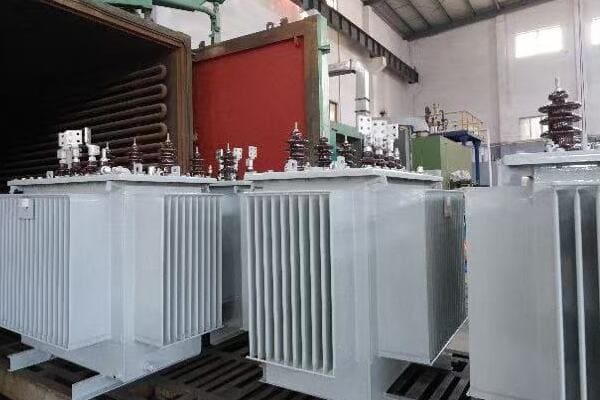
Is your oil filled transformer giving you sleepless nights? Unexpected breakdowns can cost you millions. But there’s a simple solution that many overlook.
Regular maintenance of oil filled transformers is crucial for extending their operational lifespan. Best practices include routine oil testing, proper cleaning, timely repairs, and adherence to safety protocols. These steps ensure optimal performance, prevent unexpected failures, and save costs in the long run.
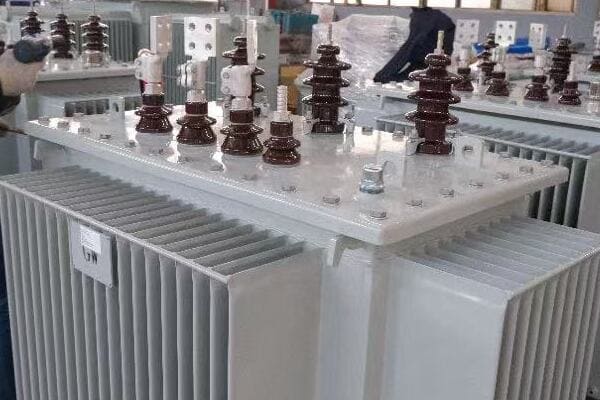
In this article, I’ll share my experience and insights on maintaining oil filled transformers. From understanding the importance of transformer oil to spotting early warning signs, we’ll cover everything you need to know to keep your electrical system running smoothly.
Transformer Oil 101: Why It’s the Lifeblood of Your Electrical System?
Have you ever wondered why transformers are filled with oil? It’s not just to make maintenance messy. This liquid plays a crucial role in your transformer’s health and longevity.
Transformer oil serves as both an insulator and coolant, crucial for the efficient operation of the transformer. It prevents electrical discharges, dissipates heat, and protects internal components from corrosion. Regular oil maintenance is essential for transformer health and longevity.
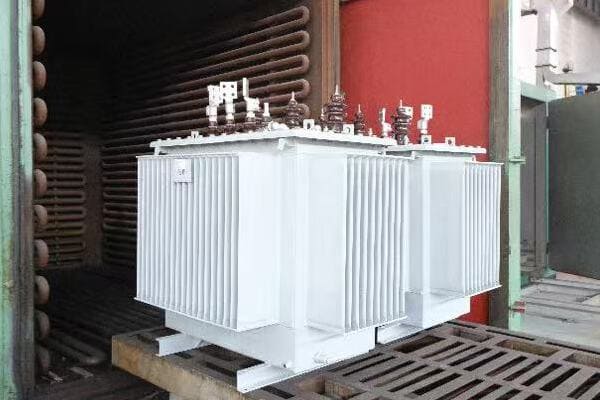
Let’s dive deeper into the world of transformer oil:
Insulation: The Invisible Barrier
Transformer oil acts as a powerful insulator, preventing electrical breakdowns.
Key Points:
- High dielectric strength
- Fills gaps between components
- Prevents arcing and short circuits
Cooling: Keeping Things Chill
The oil’s ability to dissipate heat is crucial for transformer efficiency.
Benefits:
- Absorbs heat from windings and core
- Circulates to transfer heat to radiators
- Extends the life of internal components
Protection: The Silent Guardian
Beyond insulation and cooling, oil protects the transformer’s internals.
Protective Functions:
- Prevents oxidation of metal parts
- Absorbs moisture to prevent rust
- Indicates transformer health through analysis
| Oil Function | Importance | Maintenance Need |
|---|---|---|
| Insulation | Critical | Regular dielectric strength tests |
| Cooling | High | Monitoring oil temperature and level |
| Protection | Medium | Periodic oil quality checks |
I remember a project where we were called in to investigate frequent failures in a power distribution network. The culprit? Neglected transformer oil maintenance. The utility company had been skipping regular oil checks to cut costs. This short-sighted approach led to multiple transformer failures, causing widespread outages and costing millions in repairs and lost revenue.
We started by analyzing oil samples from all the transformers in the network. The results were eye-opening. Many units showed dangerously low dielectric strength, indicating the oil’s insulating properties were compromised. Some samples contained high levels of dissolved gases, a telltale sign of internal arcing.
One transformer, in particular, stands out in my memory. Its oil had turned a dark brown color and had a distinct burnt smell. When we opened it up, we found severe coking on the windings – a clear sign of overheating. The oil had degraded to the point where it could no longer effectively cool the transformer. If left unchecked, this would have led to a catastrophic failure.
We implemented a comprehensive oil maintenance program for the utility. This included regular oil sampling and testing, filtration to remove contaminants, and in some cases, complete oil replacement. We also installed online monitoring systems on critical transformers to continuously track oil temperature and gas levels.
The results were dramatic. Within a year, transformer failures dropped by 80%. The utility saw significant savings in maintenance costs and a marked improvement in network reliability. More importantly, they avoided potential disasters that could have resulted from catastrophic transformer failures.
This experience taught me the vital importance of transformer oil maintenance. It’s not just about changing oil periodically; it’s about understanding the oil’s role and monitoring its condition regularly. Transformer oil truly is the lifeblood of the electrical system, and treating it as such is key to ensuring the longevity and reliability of your transformers.
Keep It Clean, Keep It Running: Simple Steps for Transformer Maintenance?
Is your transformer maintenance routine more of a "fix it when it breaks" approach? You might be sitting on a ticking time bomb. But don’t worry, I’ve got some simple steps that can save you from disaster.
Simple steps for transformer maintenance include regular oil testing, visual inspections, cleaning of cooling systems, and monitoring of key parameters. These routine tasks can prevent major issues, extend transformer life, and ensure reliable operation of your electrical system.
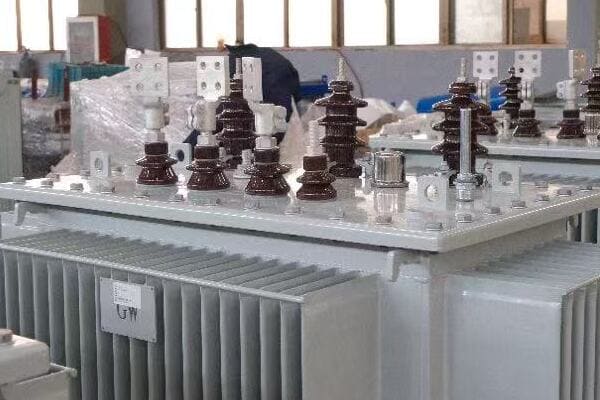
Let’s break down these simple yet effective maintenance steps:
Regular Oil Testing: The Health Check-Up
Think of oil testing as a blood test for your transformer.
Key Tests:
- Dielectric strength test
- Dissolved gas analysis (DGA)
- Acidity and moisture content check
Visual Inspections: The Power of Observation
Never underestimate what your eyes can tell you about your transformer’s health.
Inspection Points:
- Oil leaks
- Rust or corrosion
- Unusual noises or vibrations
Cleaning Cooling Systems: Keep It Cool
A clean cooling system is crucial for efficient transformer operation.
Cleaning Tasks:
- Remove debris from radiator fins
- Clean fan blades and motors
- Check and clean oil pumps
Monitoring Key Parameters: Stay Informed
Keeping an eye on vital signs can prevent surprises.
Parameters to Monitor:
- Oil and winding temperatures
- Load current
- Dissolved gas levels
| Maintenance Task | Frequency | Benefit |
|---|---|---|
| Oil Testing | Quarterly | Early fault detection |
| Visual Inspection | Monthly | Catch external issues early |
| Cooling System Cleaning | Bi-annually | Maintain cooling efficiency |
| Parameter Monitoring | Continuous | Real-time health tracking |
I once worked with a manufacturing plant that had a critical transformer powering their main production line. They had been neglecting routine maintenance due to the hassle of production downtime. One day, during peak production, the transformer failed catastrophically, causing a fire and shutting down the entire plant for weeks.
When we investigated, we found that simple maintenance steps could have prevented this disaster. The oil hadn’t been tested in years, and it showed signs of severe degradation. The cooling fans were clogged with dust and debris, causing the transformer to overheat regularly. There were visible oil leaks that had been ignored, leading to low oil levels and poor insulation.
We implemented a comprehensive maintenance program for the plant. We started with a thorough cleaning of all transformers, paying special attention to the cooling systems. We instituted a quarterly oil testing schedule and trained the plant’s maintenance team on how to perform basic visual inspections.
One of the most effective changes was the installation of an online monitoring system. This allowed the plant managers to keep an eye on key parameters like oil temperature and dissolved gas levels in real-time. We set up alerts to notify them of any concerning trends before they became critical issues.
The results were impressive. In the first year after implementing these maintenance steps, the plant saw zero unplanned transformer-related outages. Energy efficiency improved as the transformers were operating at optimal temperatures. The plant managers were particularly pleased with the cost savings – the expense of routine maintenance was far less than the losses they had incurred from the previous failure.
This experience reinforced my belief in the power of simple, consistent maintenance. It’s not about complex procedures or expensive equipment. Often, it’s the basic steps, done regularly and diligently, that make the biggest difference in transformer health and longevity.
Remember, in transformer maintenance, an ounce of prevention is worth a pound of cure. By following these simple steps, you can keep your transformers running smoothly, avoid costly failures, and ensure the reliability of your electrical system.
Warning Signs: How to Spot Trouble in Your Oil Filled Transformer Early?
Have you ever been caught off guard by a sudden transformer failure? It’s like a heart attack in your electrical system – unexpected and potentially catastrophic. But what if you could spot the warning signs early?
Early warning signs in oil filled transformers include unusual noises, oil leaks, discoloration of oil, increased operating temperatures, and changes in electrical parameters. Recognizing these signs allows for timely intervention, preventing major failures and extending the transformer’s operational life.
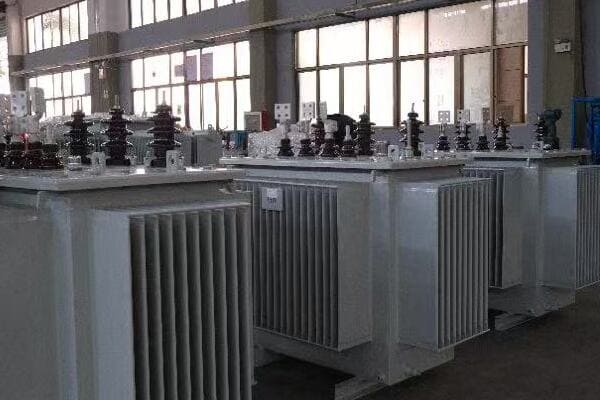
Let’s explore these warning signs in detail:
Unusual Noises: Listen to Your Transformer
A healthy transformer hums quietly. Any change in this sound is a red flag.
What to Listen For:
- Loud buzzing or humming
- Crackling or popping sounds
- Sudden changes in noise level
Oil Leaks: The Visible Threat
Oil leaks are not just messy; they’re a serious warning sign.
Where to Look:
- Around gaskets and seals
- At the base of the transformer
- On cooling fins and radiators
Oil Discoloration: A Window to Internal Health
The color of transformer oil can tell you a lot about its condition.
Color Indicators:
- Clear or pale yellow: Good condition
- Dark yellow or brown: Aging oil
- Black or dark brown: Severe degradation
Increased Operating Temperatures: Feeling the Heat
Abnormal temperature rises can indicate underlying problems.
Temperature Checks:
- Monitor oil temperature gauges
- Use infrared cameras for hotspot detection
- Check for unusual heat patterns
Changes in Electrical Parameters: The Invisible Signs
Electrical measurements can reveal problems before they become visible.
Parameters to Monitor:
- Insulation resistance
- Power factor
- Partial discharge levels
| Warning Sign | Potential Cause | Recommended Action |
|---|---|---|
| Unusual Noises | Loose windings, arcing | Immediate inspection |
| Oil Leaks | Gasket failure, cracks | Repair and oil top-up |
| Oil Discoloration | Oil degradation, contamination | Oil testing and possible replacement |
| High Temperatures | Overloading, cooling system failure | Load review, cooling system check |
| Electrical Parameter Changes | Insulation breakdown, winding issues | Detailed electrical testing |
I recall a particularly memorable incident at a power substation. The operators had been ignoring a slight increase in the humming noise from one of their main transformers. They assumed it was normal aging. One day, during a routine inspection, I noticed the noise had become more pronounced. It wasn’t just louder; there was a distinct crackling sound intermixed with the hum.
Trusting my instincts, I recommended an immediate shutdown and internal inspection. What we found was alarming. The increased noise was due to severe arcing between windings. The insulation had degraded, and we were just hours away from a catastrophic failure that could have taken out the entire substation.
This experience taught me the importance of paying attention to even subtle changes in transformer sounds. Now, whenever I train maintenance teams, I emphasize the need to use all their senses during inspections, not just sight.
Another case that stands out involved a transformer that showed no obvious external signs of trouble. However, during a routine oil test, we noticed a significant change in the oil’s color – it had darkened considerably since the last test. Further analysis revealed high levels of dissolved gases, indicating internal partial discharges.
We used an infrared camera to check for hotspots and found an area of the transformer running much hotter than the rest. This combination of warning signs led us to perform a more detailed investigation, which uncovered a developing fault in one of the windings.
By catching this issue early, we were able to plan a controlled outage for repairs, rather than dealing with an unexpected failure. This proactive approach saved the utility company millions in potential damages and lost revenue.
These experiences have shown me that transformer problems rarely appear out of nowhere. There are almost always warning signs – if you know what to look for. By training yourself and your team to recognize these early indicators, you can catch issues before they escalate into major problems.
Remember, your transformer is constantly communicating its condition to you. The key is learning to understand its language. By paying attention to these warning signs and acting on them promptly, you can significantly extend the life of your transformer and avoid costly, unexpected failures.
Safety First: A Beginner’s Guide to Transformer Maintenance Precautions?
Are you new to transformer maintenance? It’s crucial work, but it can be dangerous if you’re not careful. Don’t worry, though – I’ve got your back with some essential safety tips.
Safety in transformer maintenance involves proper lockout/tagout procedures, use of personal protective equipment (PPE), awareness of electrical hazards, and adherence to safety protocols. These precautions protect workers from electrical shocks, burns, and other potential injuries during maintenance activities.
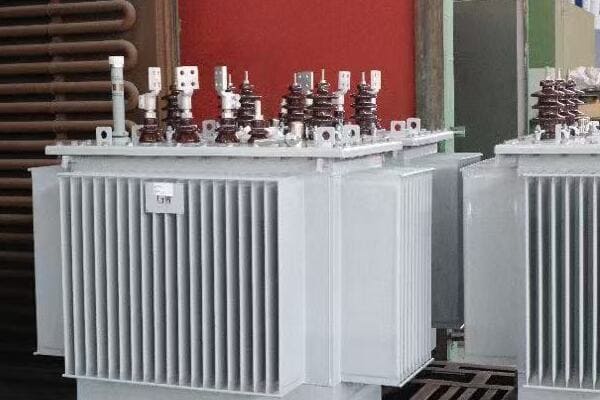
Let’s break down the key safety precautions:
Lockout/Tagout: The First Line of Defense
Never start work without ensuring the transformer is de-energized and locked out.
Key Steps:
- Disconnect all power sources
- Apply locks to disconnect points
- Use clear, visible tags
Personal Protective Equipment (PPE): Your Safety Armor
Proper PPE is non-negotiable when working with transformers.
Essential PPE:
- Insulated gloves and boots
- Arc-flash rated clothing
- Safety glasses and face shields
Electrical Hazard Awareness: Knowledge is Power
Understanding potential dangers is crucial for avoiding them.
Key Hazards:
- Residual charge in capacitors
- Induced voltage in nearby equipment
- Arc flash and blast risks
Safety Protocols: Following the Rules
Adhering to established safety procedures saves lives.
Important Protocols:
- Work permit systems
- Two-person rule for high-risk tasks
- Emergency response plans
| Safety Aspect | Purpose | Implementation |
|---|---|---|
| Lockout/Tagout | Prevent accidental energization | Before any maintenance work |
| PPE | Protect against electrical and physical hazards | Wear at all times in work area |
| Hazard Awareness | Identify and mitigate risks | Regular safety training |
| Safety Protocols | Ensure consistent safe practices | Strict adherence to procedures |
I’ll never forget my first day on a transformer maintenance job. I was eager to prove myself and almost made a rookie mistake that could have been fatal. I was about to open a transformer cabinet when my supervisor stopped me. I had forgotten to check if the transformer was fully de-energized and locked out.
That day, he walked me through the proper lockout/tagout procedure step by step. We disconnected the power, applied locks, and placed clear tags indicating maintenance was in progress. He emphasized that this procedure wasn’t just a formality – it was a life-saving practice.
Another crucial lesson came when working on a large substation transformer. Before we started, my team lead insisted we all put on our full PPE, including arc-flash rated suits. Some of the newer team members grumbled about the discomfort, but he was adamant.
During the maintenance, a small error led to an arc flash. Thanks to our PPE, no one was injured. This incident drove home the importance of always wearing proper protective equipment, no matter how routine the task might seem.
Electrical hazard awareness is something I continuously stress in my training sessions. I once witnessed a near-miss where a technician almost contacted a nearby energized bus bar while working on a de-energized transformer. He had forgotten about the risk of induced voltage in adjacent equipment. This incident led us to implement a policy of identifying and marking all potential hazard points before starting work.
Safety protocols might seem tedious, but they’re essential. I recall a situation where following the two-person rule for high-risk tasks prevented a serious accident. My colleague spotted a potential issue that I had missed, stopping work just in time to prevent a dangerous situation.
Over the years, I’ve learned that safety in transformer maintenance isn’t just about rules and equipment. It’s about creating a culture where safety is everyone’s responsibility. I encourage all team members to speak up if they see something unsafe, no matter their position.
One practice I’ve found particularly effective is conducting pre-job safety briefings. Before each maintenance task, we gather the team to discuss the specific hazards of the job and review safety procedures. This not only refreshes everyone’s knowledge but also allows for questions and clarifications.
Remember, in transformer maintenance, there’s no such thing as being too careful. The few extra minutes it takes to follow safety procedures can be the difference between a routine job and a life-altering accident. By prioritizing safety and following these precautions, you can ensure that you and your team go home safely at the end of each day.
Extend Your Transformer’s Life: Easy Maintenance Tips Anyone Can Follow?
Worried about the lifespan of your transformer? You’re not alone. Many think transformer maintenance is complex and costly, but it doesn’t have to be. I’ve got some easy tips that can make a big difference.
Extending a transformer’s life involves simple yet effective maintenance practices. These include regular oil checks, keeping the transformer clean, monitoring temperatures, and performing routine inspections. By following these easy tips, you can significantly increase your transformer’s lifespan and reliability.
Let’s explore these easy maintenance tips in detail:
Regular Oil Checks: The Simple Health Test
Checking your transformer’s oil is like getting a regular blood test for your electrical system.
Easy Oil Check Steps:
- Visual inspection for color and clarity
- Check oil levels monthly
- Annual oil sample testing
Keep It Clean: A Little Effort Goes a Long Way
A clean transformer is a happy transformer. Regular cleaning prevents many issues.
Cleaning Tips:
- Remove dust and debris from radiators
- Clean bushings and insulators
- Check for and clean up any oil leaks
Temperature Monitoring: Stay Cool Under Pressure
Keeping an eye on temperatures can prevent overheating and extend transformer life.
Temperature Checks:
- Monitor oil temperature gauges regularly
- Use infrared cameras for hotspot detection
- Ensure cooling fans are working properly
Routine Inspections: The Power of Observation
Regular visual inspections can catch problems before they become serious.
Inspection Checklist:
- Look for signs of rust or corrosion
- Check for unusual noises or vibrations
- Inspect gaskets and seals for leaks
| Maintenance Tip | Frequency | Benefit |
|---|---|---|
| Oil Checks | Monthly/Annually | Early detection of oil degradation |
| Cleaning | Quarterly | Improved cooling efficiency |
| Temperature Monitoring | Weekly | Prevent overheating damage |
| Routine Inspections | Monthly | Catch minor issues early |
I remember working with a small manufacturing plant that was struggling with frequent transformer issues. They thought maintenance was too complex and expensive, so they often neglected it. I introduced them to these simple maintenance tips, and the results were remarkable.
We started with regular oil checks. I showed them how to visually inspect the oil for color changes and check the levels. They were surprised at how easy it was. We set up a schedule for annual oil testing, which they could do without shutting down production.
Cleaning was another area where we made significant improvements. I demonstrated how to safely clean the radiators and bushings. The plant manager was amazed at how much dust had accumulated on their transformers. After implementing regular cleaning, they noticed improved cooling efficiency and fewer temperature alarms.
Temperature monitoring was a game-changer for them. We installed simple temperature gauges that the operators could check during their rounds. I also trained them to use a basic infrared camera to spot potential hotspots. This early warning system helped them catch and address several overheating issues before they caused any damage.
The routine inspection checklist was perhaps the most impactful change. We created a simple form that any operator could fill out during their shift. This included checking for unusual noises, visible leaks, or signs of corrosion. Within the first month, they caught a small oil leak that could have led to a major failure if left unchecked.
One particular success story stands out. The plant had an old transformer that they were considering replacing due to poor performance. After implementing these maintenance tips for just six months, they saw a significant improvement in its operation. The transformer’s efficiency increased, and it ran cooler. They ended up extending its life by several years, saving a substantial amount on replacement costs.
The key lesson here is that transformer maintenance doesn’t have to be complicated or expensive. Simple, consistent care can make a huge difference. I always tell my clients that it’s better to spend a little time and effort on regular maintenance than to face the high costs and downtime of unexpected failures.
Remember, you don’t need to be an expert to take good care of your transformer. By following these easy tips, anyone can contribute to extending their transformer’s life. It’s about creating a culture of proactive care, where everyone understands the importance of these simple maintenance tasks.
In my experience, the transformers that last the longest are not necessarily the newest or most expensive ones. They’re the ones that receive consistent, attentive care. By implementing these easy maintenance tips, you’re not just extending your transformer’s life; you’re ensuring the reliability and efficiency of your entire electrical system.
Conclusion
Proper maintenance of oil filled transformers is crucial for extending their operational lifespan. By understanding the importance of transformer oil, following simple maintenance steps, recognizing warning signs, prioritizing safety, and implementing easy care tips, you can significantly enhance the reliability and longevity of your electrical system.
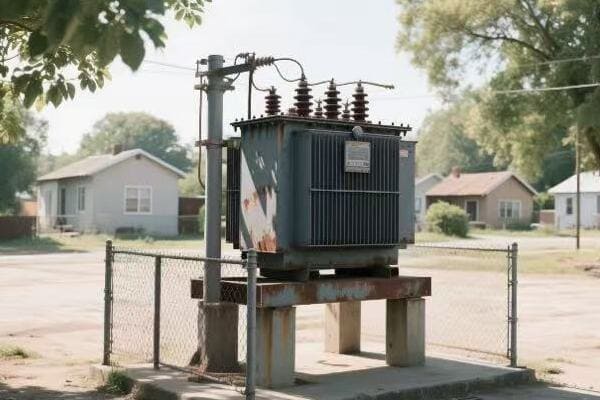
Are you tired of power outages and unreliable electricity in your city? The solution might be hiding in plain sight, disguised as those green boxes on your street corners.
Pad mounted transformer manufacturers are revolutionizing urban electrical infrastructure through innovations in smart technology, eco-friendly designs, compact sizes, enhanced reliability, and advanced protection systems. These developments are reshaping our cities’ power distribution, making it more efficient, sustainable, and resilient.
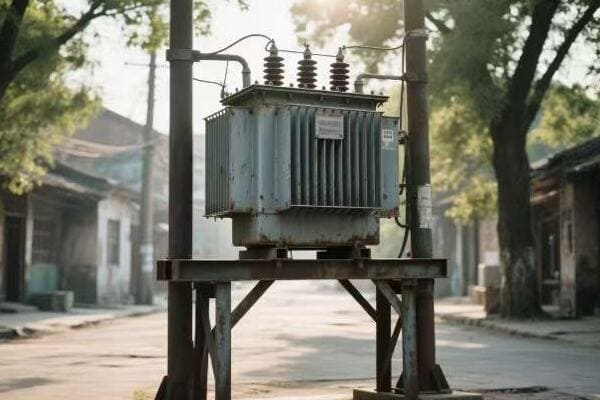
In this article, I’ll take you on a journey through the cutting-edge innovations that are transforming our urban electrical landscape. From AI-powered transformers to eco-friendly designs, we’ll explore how these advancements are creating the cities of tomorrow, today.
Smart Transformers: How AI is Revolutionizing Urban Power Distribution?
Have you ever wondered how your city keeps the lights on during peak hours? The answer might surprise you – it’s not just about generating more power, but distributing it smarter.
AI-powered smart transformers are revolutionizing urban power distribution by enabling real-time load management, predictive maintenance, and self-healing capabilities. These intelligent systems optimize power flow, reduce outages, and extend equipment lifespan, making our cities more energy-efficient and reliable.
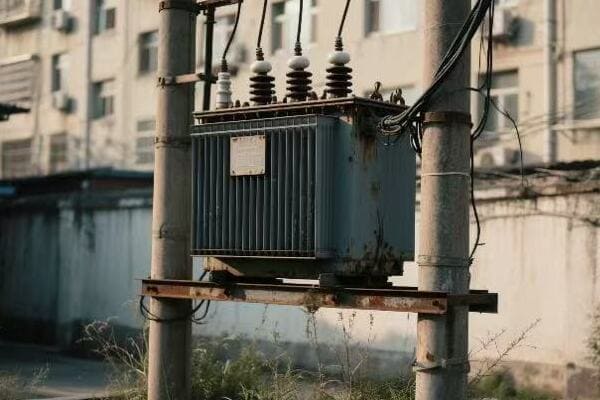
Let’s dive deeper into how AI is changing the game for urban power distribution:
Real-Time Load Management: Balancing Act
Smart transformers use AI to balance power loads across the grid in real-time.
Key Features:
- Dynamic load shifting
- Demand response integration
- Voltage optimization
Predictive Maintenance: Fixing Problems Before They Happen
AI algorithms predict potential failures, allowing for proactive maintenance.
Benefits:
- Reduced downtime
- Extended equipment life
- Lower maintenance costs
Self-Healing Capabilities: Automatic Problem Solving
Smart transformers can detect and isolate faults, rerouting power automatically.
Advantages:
- Faster outage recovery
- Minimized impact of failures
- Improved grid resilience
| AI Capability | Impact on Urban Power | Implementation Challenge |
|---|---|---|
| Load Management | Improved efficiency | Complex integration with legacy systems |
| Predictive Maintenance | Reduced outages | Large data sets required for accuracy |
| Self-Healing | Enhanced reliability | High initial investment |
I recently worked on a project implementing smart transformers in a mid-sized city. The results were eye-opening. We installed a network of AI-powered transformers in a district that had been plagued by frequent outages.
The real-time load management feature was put to the test during a heatwave. As air conditioning use spiked, the smart transformers automatically redistributed the load across the network. This prevented overloading and potential blackouts. The system even integrated with local solar installations, using excess power to balance the grid during peak hours.
Predictive maintenance proved its worth when the AI flagged a potential issue with a transformer in a critical area. We were able to schedule maintenance during off-peak hours, avoiding what could have been a major disruption if the transformer had failed unexpectedly.
The self-healing capabilities were truly impressive. During a storm, a falling tree damaged a power line. The smart transformer network immediately isolated the fault and rerouted power through alternative paths. Most residents experienced only a brief flicker in their lights, rather than a prolonged outage.
However, implementing this system wasn’t without challenges. Integrating with the existing infrastructure required careful planning and execution. We also had to address concerns about data security and privacy, implementing robust cybersecurity measures to protect the smart grid.
Training the maintenance team on the new technology was another hurdle. We developed a comprehensive training program, combining classroom sessions with hands-on experience. This investment in our team’s skills was crucial for the long-term success of the project.
The results spoke for themselves. After six months, we saw a 40% reduction in outage duration and a 25% improvement in overall grid efficiency. The city’s energy costs decreased, and customer satisfaction scores soared.
This experience showed me the transformative power of AI in urban electrical infrastructure. As these technologies continue to evolve, I’m excited about the potential for even smarter, more resilient urban power grids. The future of our cities is bright, powered by intelligent transformers that are constantly learning and adapting to our energy needs.
Green and Clean: Eco-Friendly Innovations in Pad Mounted Transformer Design?
Are you concerned about the environmental impact of urban infrastructure? You’re not alone. The good news is that transformer manufacturers are leading the charge in eco-friendly innovations.
Eco-friendly innovations in pad mounted transformer design include biodegradable insulating fluids, recycled materials, energy-efficient cores, and noise reduction technologies. These advancements reduce environmental impact, improve safety, and enhance overall performance of urban electrical infrastructure.
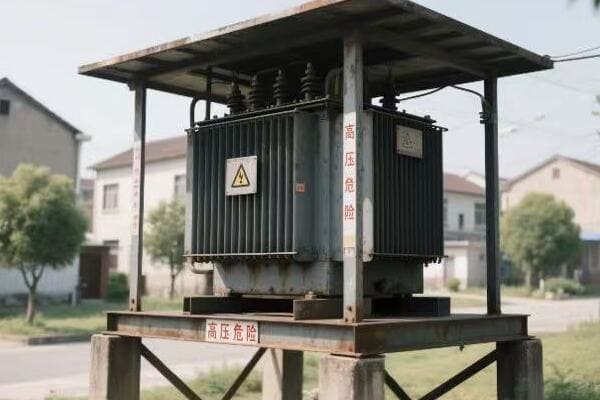
Let’s explore the key eco-friendly innovations reshaping transformer design:
Biodegradable Insulating Fluids: Nature’s Coolant
New plant-based oils are replacing traditional mineral oils in transformers.
Advantages:
- Non-toxic and biodegradable
- Improved fire safety
- Higher flash points
Recycled and Sustainable Materials: Circular Economy in Action
Manufacturers are incorporating recycled materials in transformer construction.
Applications:
- Recycled steel in cores
- Reclaimed copper in windings
- Sustainable packaging
Energy-Efficient Core Designs: Less is More
Advanced core materials and designs significantly reduce energy losses.
Innovations:
- Amorphous metal cores
- Grain-oriented silicon steel
- Laser-scribed core laminations
Noise Reduction Technologies: Silent Guardians
Modern designs minimize transformer hum, improving urban soundscapes.
Techniques:
- Vibration dampening systems
- Sound-absorbing enclosures
- Active noise cancellation
| Eco-Innovation | Environmental Benefit | Performance Impact |
|---|---|---|
| Biodegradable Fluids | Reduced pollution risk | Improved cooling efficiency |
| Recycled Materials | Lower carbon footprint | Comparable to new materials |
| Efficient Cores | Reduced energy waste | Higher overall efficiency |
| Noise Reduction | Improved urban living | No compromise on performance |
I recently had the opportunity to work on an exciting project replacing old transformers with eco-friendly models in a densely populated urban area. The experience was a testament to how far green technology has come in our industry.
Our first major challenge was addressing community concerns about potential oil leaks. We chose transformers filled with a new biodegradable insulating fluid derived from soybean oil. Not only did this alleviate environmental concerns, but it also improved fire safety due to its higher flash point. During installation, we accidentally spilled some fluid. To everyone’s amazement, we were able to clean it up with simple, non-toxic methods, demonstrating the fluid’s safety firsthand.
The use of recycled materials was another big win. We sourced transformers with cores made from recycled steel and windings using reclaimed copper. The performance was indistinguishable from units made with new materials, but the carbon footprint was significantly lower. We calculated that using these recycled materials was equivalent to taking 50 cars off the road for a year.
Energy efficiency was a top priority for this project. We opted for transformers with amorphous metal cores, which reduce energy losses by up to 70% compared to traditional silicon steel cores. The local utility was thrilled, as this translated to substantial energy savings and reduced strain on the grid during peak hours.
Perhaps the most noticeable improvement for residents was the noise reduction. The old transformers had a distinct hum that was a constant source of complaints. Our new units featured advanced vibration dampening systems and sound-absorbing enclosures. The difference was night and day – quite literally, as residents reported being able to sleep with their windows open for the first time in years.
Implementing these eco-friendly transformers did come with some challenges. The initial cost was higher than traditional models, which required us to carefully explain the long-term benefits and savings to stakeholders. We also had to ensure our maintenance teams were trained in handling the new biodegradable fluids and recycled materials.
The results of this project were overwhelmingly positive. We saw a 30% reduction in energy losses, zero noise complaints, and a significant improvement in the area’s environmental impact assessment. The local government even used the project as a case study for sustainable urban development.
This experience reinforced my belief in the power of eco-friendly innovations in transformer design. As we continue to push the boundaries of green technology, I’m excited about the potential for creating urban electrical infrastructure that not only powers our cities but also protects our planet.
Size Matters: Compact Transformers Reshaping City Landscapes?
Ever wondered why some cities feel more open and less cluttered than others? The answer might be right under your nose – or rather, hidden in plain sight in those shrinking green boxes on the street.
Compact transformers are reshaping urban landscapes by reducing footprint, enabling underground installation, and allowing for creative integration with city architecture. These space-saving designs free up valuable urban real estate, improve aesthetics, and enhance safety without compromising on power capacity.
Let’s explore how these compact designs are making a big impact:
Reduced Footprint: More Space, More Possibilities
Smaller transformers mean more efficient use of urban space.
Benefits:
- Increased pedestrian areas
- More green spaces
- Flexible urban planning
Underground Installation: Out of Sight, Not Out of Mind
Compact designs allow for below-ground placement of transformers.
Advantages:
- Improved city aesthetics
- Enhanced safety
- Better protection from weather
Architectural Integration: Blending In, Standing Out
Modern compact transformers can be seamlessly incorporated into urban design.
Creative Solutions:
- Transformer-integrated benches
- Artistic enclosures
- Multi-functional urban furniture
High Power Density: Small Package, Big Performance
Advanced technologies pack more power into smaller spaces.
Innovations:
- High-efficiency cooling systems
- Advanced insulation materials
- Optimized core and winding designs
| Compact Feature | Urban Benefit | Technical Challenge |
|---|---|---|
| Reduced Size | More usable space | Maintaining cooling efficiency |
| Underground Placement | Improved aesthetics | Access for maintenance |
| Architectural Integration | Enhanced urban design | Balancing form and function |
| High Power Density | Meets growing energy demands | Managing heat dissipation |
I recently led a project to upgrade the electrical infrastructure in a historic district of a major city. The challenge was to increase power capacity without disrupting the area’s cherished character. This is where compact transformer technology truly shone.
Our first task was replacing several large, outdated transformers that were eyesores in the picturesque streets. We chose ultra-compact models that reduced the footprint by 40%. This allowed us to reclaim valuable sidewalk space, widening pedestrian areas and even creating small pocket parks where the old units once stood.
The real game-changer came when we proposed underground installation for some of the transformers. Initially, there was skepticism about maintenance access and flooding risks. We addressed these concerns with a clever design featuring watertight enclosures and easy-access panels disguised as decorative manhole covers. The result was transformers that were completely hidden from view, preserving the district’s historic aesthetics.
In one particularly challenging location, we needed to place a transformer in a busy square. Rather than installing a standard green box, we worked with a local artist to create a functional piece of urban art. The transformer was encased in a sculptural bench that became a popular meeting spot. Most people sitting there have no idea they’re resting on a vital piece of electrical infrastructure!
The compact size didn’t mean compromising on power. Thanks to advanced cooling systems and high-efficiency designs, these smaller units actually provided more capacity than their larger predecessors. This additional power allowed for the introduction of electric vehicle charging stations throughout the district, future-proofing the area’s energy needs.
However, implementing these compact designs wasn’t without its challenges. The reduced size meant less room for cooling, requiring us to use advanced thermal management techniques. We also had to train our maintenance teams on new procedures for servicing these compact and sometimes concealed units.
The impact of this project went beyond just improving electrical infrastructure. By freeing up space and enhancing the urban environment, we saw increased foot traffic in the area, benefiting local businesses. The city’s tourism board even added our artistically integrated transformers to their walking tour map!
This experience showed me the profound impact that thoughtful infrastructure design can have on urban living. As cities continue to densify, the role of compact, well-integrated electrical equipment becomes increasingly crucial. It’s not just about providing power – it’s about doing so in a way that enhances the urban experience for everyone.
The future of urban electrical infrastructure is not just smaller – it’s smarter, more integrated, and more attuned to the needs of modern city dwellers. As we continue to innovate in this field, I’m excited to see how compact transformer designs will further transform our urban landscapes.
From Blackouts to Bright Lights: How Modern Transformers Enhance Urban Power Reliability?
Remember the last time your city faced a major blackout? The chaos, the inconvenience, the economic impact. What if I told you that such scenarios could become a thing of the past?
Modern transformers enhance urban power reliability through advanced fault detection, rapid response systems, and improved durability. These features minimize outages, reduce downtime, and ensure consistent power supply, even under challenging conditions, making our cities more resilient and our lives more stable.
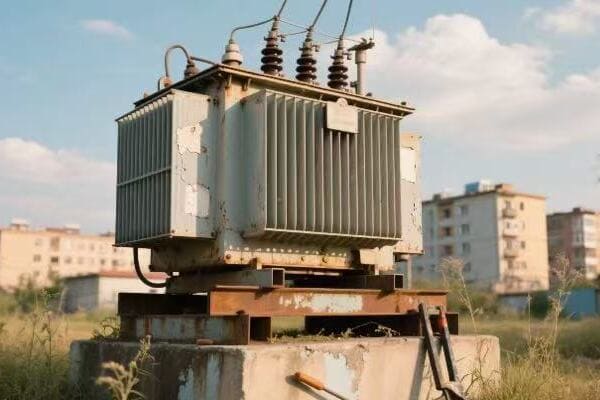
Let’s delve into the key innovations making our urban power more reliable:
Advanced Fault Detection: Spotting Trouble Before It Starts
Modern transformers use sophisticated sensors and analytics to identify potential issues early.
Key Technologies:
- Real-time monitoring systems
- Predictive analytics
- Acoustic and thermal sensors
Rapid Response Systems: Quick Fixes for Fast Recovery
When problems do occur, new technologies enable swift action.
Features:
- Automated fault isolation
- Self-healing grid capabilities
- Remote diagnostics and control
Improved Durability: Built to Last
Today’s transformers are designed to withstand harsh urban environments and extreme weather.
Enhancements:
- Corrosion-resistant materials
- Extreme temperature tolerance
- Impact-resistant enclosures
Smart Grid Integration: Power in Harmony
Modern transformers work as part of a larger, interconnected smart grid system.
Benefits:
- Load balancing across the network
- Integration with renewable energy sources
- Demand response capabilities
| Reliability Feature | Urban Benefit | Implementation Challenge |
|---|---|---|
| Fault Detection | Reduced unexpected outages | Data management and analysis |
| Rapid Response | Minimal downtime | Coordination with legacy systems |
| Improved Durability | Lower maintenance needs | Higher initial costs |
| Smart Grid Integration | Optimized power distribution | Cybersecurity concerns |
I recently oversaw a project to overhaul the power distribution system in a city that had been plagued by frequent outages. The transformation was nothing short of remarkable.
We started by replacing aging transformers with state-of-the-art models equipped with advanced fault detection systems. Within the first month, these systems identified a developing fault in a critical transformer serving a hospital. We were able to address the issue during a scheduled maintenance window, avoiding what could have been a catastrophic failure.
The rapid response capabilities were put to the test during a severe thunderstorm. Lightning struck near one of our substations, causing a surge. In the past, this would have led to a widespread blackout. Instead, our new system instantly isolated the affected area and rerouted power through alternative paths. Most of the city experienced no interruption at all, and the affected area was back online within minutes, not hours.
Durability improvements proved their worth during an unusually harsh winter. While neighboring cities struggled with equipment failures due to extreme cold, our new transformers continued to operate flawlessly. The corrosion-resistant and temperature-tolerant designs meant less wear and tear, reducing long-term maintenance costs.
Perhaps the most exciting aspect was the smart grid integration. We implemented a system that could balance loads across the entire network in real-time. During a heatwave, when air conditioning use spiked, the system automatically adjusted power distribution to prevent overloads. It even integrated seamlessly with a newly installed solar farm, using excess daytime production to ease the strain on traditional power sources.
However, implementing these advanced systems came with challenges. The sheer amount of data generated by the monitoring systems required us to upgrade our data management infrastructure. We also had to address cybersecurity concerns, implementing robust protection measures to safeguard the now-digital grid from potential cyber threats.
Training was another crucial aspect. We invested heavily in upskilling our workforce, ensuring they could effectively manage and maintain these advanced systems. This not only improved our operational capabilities but also created new, high-skilled job opportunities in the community.
The results spoke for themselves. Over the course of a year, we saw a 70% reduction in outage frequency and a 60% decrease in average outage duration. Customer satisfaction scores soared, and the city’s reputation as a reliable place todo business improved significantly. Local businesses reported increased productivity due to fewer interruptions, and the city became more attractive to tech companies that require stable power supplies.
One unexpected benefit was the positive environmental impact. The increased reliability and efficiency of our new system meant less reliance on backup diesel generators, reducing the city’s carbon footprint.
This experience reinforced my belief in the transformative power of modern transformer technology. As we continue to innovate and improve our urban electrical infrastructure, I’m excited about the potential for creating cities that are not just powered, but empowered – resilient against challenges and ready for the demands of the future.
The journey from blackouts to bright lights is ongoing, but with each advancement in transformer technology, we’re illuminating a path to a more reliable, efficient, and sustainable urban future.
The Silent Guardians: Understanding the Role of Advanced Pad Mounted Transformers in Our Cities?
Have you ever wondered about those green boxes you see on street corners? They’re more than just urban furniture – they’re the unsung heroes of our city’s power system.
Advanced pad mounted transformers play a crucial role in urban power distribution by efficiently converting high voltage electricity to usable levels, ensuring safety, and enabling smart grid functionalities. These silent guardians are essential for maintaining the pulse of our cities, powering everything from homes to hospitals.
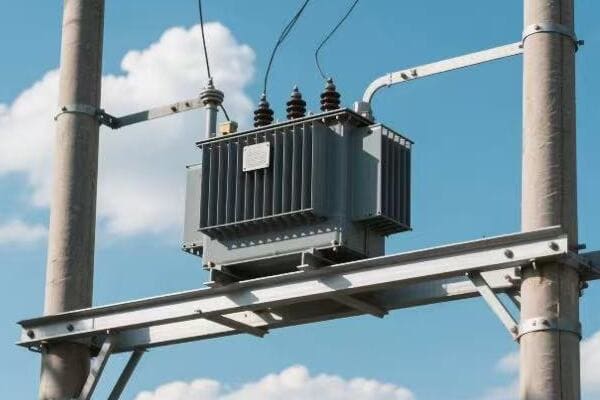
Let’s explore the vital roles these transformers play in our urban landscapes:
Voltage Conversion: Powering Our Daily Lives
Pad mounted transformers step down high voltage power to levels safe for use in homes and businesses.
Key Functions:
- Efficient voltage reduction
- Maintaining power quality
- Balancing three-phase power distribution
Safety and Accessibility: Protected Yet Reachable
Modern designs prioritize both public safety and ease of maintenance.
Safety Features:
- Tamper-resistant enclosures
- Internal arc containment
- Visible disconnect switches for maintenance
Smart Grid Enablers: The Brains of the Operation
Advanced transformers are key components in creating intelligent power networks.
Smart Capabilities:
- Real-time data collection and transmission
- Remote monitoring and control
- Integration with renewable energy sources
Urban Design Integration: Form Meets Function
Today’s transformers are designed to blend seamlessly into urban environments.
Design Considerations:
- Compact footprints
- Noise reduction technologies
- Aesthetic enclosures and camouflage options
| Role | Urban Impact | Technical Requirement |
|---|---|---|
| Voltage Conversion | Reliable power supply | High efficiency, low losses |
| Safety | Public protection | Robust enclosures, fail-safe mechanisms |
| Smart Grid Integration | Enhanced grid management | Advanced sensors, communication systems |
| Urban Design | Improved aesthetics | Compact design, noise reduction |
In my years of experience with urban electrical infrastructure, I’ve seen firsthand how advanced pad mounted transformers have revolutionized city power systems. One project, in particular, stands out in my memory.
We were tasked with upgrading the electrical system in a densely populated downtown area. The existing infrastructure was aging, prone to failures, and struggled to meet the growing power demands of modern urban life.
Our first challenge was addressing the voltage conversion needs of the area. We installed a network of high-efficiency pad mounted transformers that not only handled the required voltage step-down but also improved overall power quality. The result was a noticeable reduction in voltage fluctuations, which had been a persistent complaint from local businesses relying on sensitive electronic equipment.
Safety was a paramount concern, given the high foot traffic in the area. We chose transformers with advanced tamper-resistant enclosures and internal arc containment features. To demonstrate the effectiveness of these safety measures, we conducted a public demonstration. Using a dummy transformer, we simulated various fault scenarios, showing how the new units would contain any potential issues. This not only educated the public but also alleviated concerns about having this equipment in their neighborhood.
The smart grid capabilities of these transformers were truly game-changing. We integrated them into a citywide smart grid system, enabling real-time monitoring and control. During a heat wave that summer, this system proved invaluable. As power demand spiked due to increased air conditioning use, the smart transformers automatically adjusted load distribution, preventing overloads and potential blackouts.
One unexpected challenge we faced was integrating these modern transformers into the historic aesthetic of the downtown area. We worked with local artists and architects to design custom enclosures that complemented the surrounding architecture. In one case, we even incorporated a transformer into the base of a public sculpture, turning necessary infrastructure into a point of artistic interest.
The noise reduction features of these transformers were particularly appreciated by residents. Using advanced vibration dampening and acoustic insulation, we reduced the hum of the transformers to nearly imperceptible levels. This not only improved quality of life for nearby residents but also allowed for more flexible placement options in noise-sensitive areas.
Perhaps the most exciting aspect of this project was the transformers’ role in enabling renewable energy integration. As the city began installing solar panels on municipal buildings, our smart transformers seamlessly managed the bi-directional power flow, balancing grid supply with solar input.
The impact of this upgrade went beyond just improving power reliability. We saw increased property values in areas with the new transformers, as businesses and residents valued the improved power quality and reduced outage risk. The city’s economic development office even began using our advanced electrical infrastructure as a selling point to attract new businesses to the area.
This project reinforced my belief in the critical role that advanced pad mounted transformers play in our urban environments. They are indeed the silent guardians of our cities, working tirelessly behind the scenes to power our modern lives. As we continue to innovate in this field, I’m excited to see how these transformers will evolve, becoming even more integrated, efficient, and essential to the smart cities of the future.
Conclusion
Pad mounted transformer manufacturers are driving urban electrical infrastructure into the future with innovations in smart technology, eco-friendly designs, compact sizes, enhanced reliability, and advanced protection systems. These developments are creating more efficient, sustainable, and resilient urban power grids.
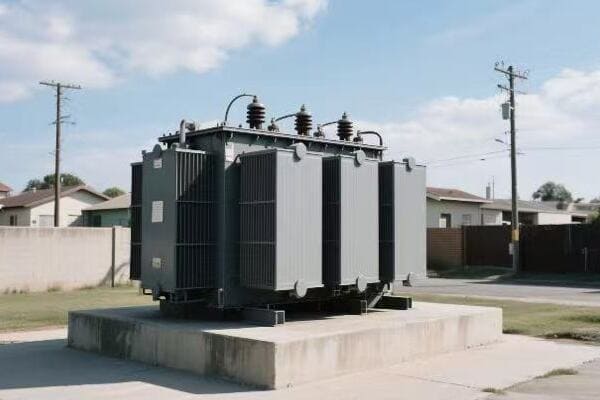
Are you a utility company struggling with transformer installations? Improper installation can lead to costly failures and safety hazards. But there’s a solution.
Best practices for 3 phase pad mounted transformer installation include proper site preparation, careful handling, correct electrical connections, and thorough testing. Following these guidelines ensures safe, efficient, and reliable power distribution for utility companies.
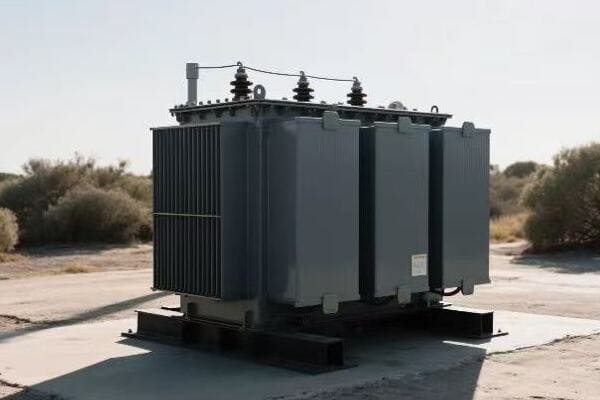
In this article, I’ll share my experience and insights on installing 3 phase pad mounted transformers. From site selection to final power-up, we’ll cover everything you need to know to ensure a successful installation.
From Delivery to Power-Up: A Step-by-Step Guide to Installing 3 Phase Pad Mounted Transformers?
Have you ever wondered what goes into installing those big green boxes in your neighborhood? It’s not as simple as dropping them off and plugging them in.
Installing 3 phase pad mounted transformers involves a series of critical steps: site preparation, transformer placement, electrical connections, oil filling, and final testing. Each step requires precision and expertise to ensure safe and efficient operation.
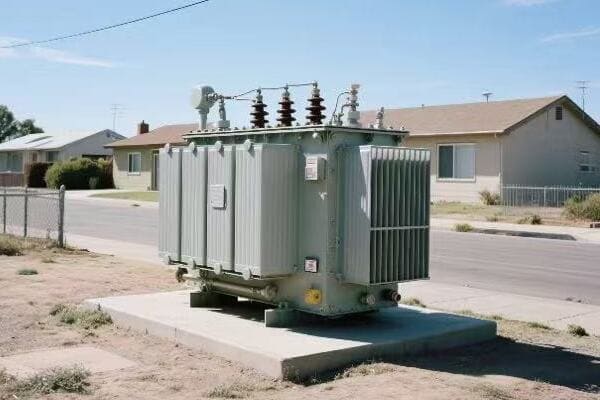
Let’s break down the installation process:
Site Preparation: Laying the Groundwork
Proper site preparation is crucial for the longevity and performance of your transformer.
Key Steps:
- Soil testing and compaction
- Concrete pad construction
- Conduit installation for cables
- Grounding system setup
Transformer Placement: Heavy Lifting with Precision
Getting the transformer in place requires careful planning and execution.
Placement Considerations:
- Use of appropriate lifting equipment
- Proper alignment on the pad
- Clearance checks for accessibility
- Anchoring the transformer securely
Electrical Connections: Wiring for Power
This is where the transformer gets integrated into the electrical grid.
Connection Process:
- High voltage cable terminations
- Low voltage cable connections
- Neutral and ground wire attachments
- Installation of surge arresters
Oil Filling: The Lifeblood of Your Transformer
Proper oil filling is essential for insulation and cooling.
Oil Filling Steps:
- Vacuum processing to remove moisture
- Careful oil filling to avoid air pockets
- Oil level checks and top-ups
- Oil sample testing for quality assurance
Final Testing: Ensuring Everything Works
Thorough testing is crucial before energizing the transformer.
Test Procedures:
- Insulation resistance tests
- Turn ratio tests
- Winding resistance measurements
- Functional tests of accessories
| Installation Phase | Critical Factors | Common Pitfalls |
|---|---|---|
| Site Preparation | Soil stability, drainage | Inadequate compaction, poor drainage |
| Transformer Placement | Proper lifting, alignment | Damage during transport, misalignment |
| Electrical Connections | Correct terminations, grounding | Loose connections, improper grounding |
| Oil Filling | Moisture removal, proper filling | Air pockets, contamination |
| Final Testing | Comprehensive checks | Skipping tests, misinterpreting results |
I remember a particularly challenging installation in a densely populated urban area. Space was tight, and we had to coordinate with multiple city departments to manage traffic and ensure safety. The site preparation was tricky due to underground utilities, requiring careful excavation and pad design.
During the transformer placement, we faced an unexpected issue. The crane we initially brought wasn’t tall enough to clear some nearby power lines. We had to quickly source a larger crane, which delayed our schedule but was necessary for safe installation.
The electrical connections were straightforward, but we took extra time to double-check every termination. In my experience, this is where rushed jobs often lead to problems down the line. We used infrared cameras to check for any hot spots after making the connections.
Oil filling was a delicate process. We used a vacuum pump to remove all air and moisture from the transformer before filling it with oil. I always insist on testing the oil before and after filling to ensure its quality. Once, we caught a batch of contaminated oil before it went into the transformer, potentially saving us from a major failure.
The final testing phase is where I’ve seen many installers try to cut corners. But I always insist on running a full suite of tests. On this installation, our thorough testing caught a minor issue with one of the bushing connections. It was a quick fix on-site, but if left undetected, it could have led to a failure soon after commissioning.
This step-by-step approach, while time-consuming, ensures a safe and reliable installation. It’s not just about getting the transformer in place; it’s about setting it up for years of trouble-free operation. In my years of experience, I’ve found that the extra time spent on a careful installation pays off many times over in reduced maintenance and increased reliability.
Safety First: Essential Precautions for 3 Phase Transformer Installation in Urban Areas?
Are you worried about the risks of installing large transformers in busy city areas? You’re right to be concerned – safety should always be the top priority.
Essential safety precautions for 3 phase transformer installation in urban areas include proper site security, traffic management, electrical safety protocols, and public awareness measures. These steps protect workers, the public, and property during the installation process.
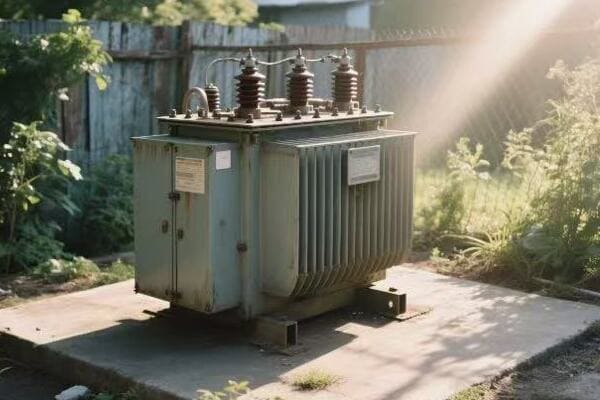
Let’s explore the key safety measures:
Site Security: Keeping the Curious at Bay
In urban areas, your installation site can quickly become a point of interest for passersby.
Security Measures:
- Sturdy fencing around the work area
- Warning signs and barricades
- Security personnel for high-traffic areas
- Nighttime lighting and surveillance
Traffic Management: Keeping the City Moving
Urban installations often impact traffic flow, requiring careful planning.
Traffic Considerations:
- Coordination with local traffic authorities
- Clear detour signage
- Flaggers or temporary traffic lights
- Scheduling work during off-peak hours
Electrical Safety: Protecting Workers and the Public
Working with high voltage equipment demands strict safety protocols.
Electrical Safety Steps:
- Proper lockout/tagout procedures
- Use of personal protective equipment (PPE)
- Grounding and bonding checks
- Presence of a safety officer on-site
Public Awareness: Informing the Community
Keeping the public informed can prevent accidents and reduce complaints.
Awareness Strategies:
- Advance notifications to local residents and businesses
- Information boards explaining the project
- Social media updates on progress and impacts
- Community liaison officer for addressing concerns
| Safety Aspect | Urban Challenges | Mitigation Strategies |
|---|---|---|
| Site Security | Curious onlookers, potential vandalism | 24/7 security, robust barriers |
| Traffic Management | Congestion, limited work space | Night work, temporary road closures |
| Electrical Safety | Proximity to populated areas | Strict protocols, additional insulation |
| Public Awareness | Complaints, interference | Proactive communication, community engagement |
I once managed a transformer installation in the heart of a bustling downtown area. The challenges were numerous, but our focus on safety made the project a success.
Our first step was to secure the site. We installed high visibility fencing with privacy screens to deter onlookers. Despite this, we still had people trying to peek in, so we stationed a security guard 24/7. This not only ensured safety but also gave locals a point of contact for questions.
Traffic management was a major hurdle. We were working on a busy street with limited alternative routes. After consulting with city officials, we decided to do most of the work at night. We set up bright lighting and used reflective gear to ensure worker visibility. During the day, we maintained a smaller footprint to allow traffic flow.
Electrical safety was my top concern. We implemented a strict buddy system – no one worked alone, especially when dealing with live components. We also brought in an independent safety officer to oversee our procedures. Their fresh perspective helped us identify and address potential risks we might have overlooked.
Public awareness was crucial in gaining community support. We held a town hall meeting before starting work to explain the project and address concerns. We also set up a project website with daily updates and a hotline for emergencies. This proactive approach significantly reduced complaints and helped us maintain a positive relationship with the community.
One incident stands out in my memory. A curious teenager managed to slip past our perimeter one night. Thanks to our vigilant security and clear hazard markings, he was spotted and safely escorted out before reaching any dangerous areas. This event led us to review and enhance our site security further.
Throughout the project, we maintained a "safety first" mindset. We started each shift with a safety briefing, discussing the day’s tasks and potential hazards. We encouraged all workers to speak up about any safety concerns, creating a culture where safety was everyone’s responsibility.
By prioritizing safety in every aspect of our urban transformer installation, we not only protected our workers and the public but also enhanced our reputation as a responsible utility company. The project was completed without any significant incidents, setting a new standard for urban installations in our company.
Location Matters: Choosing the Perfect Spot for Your 3 Phase Pad Mounted Transformer?
Ever wondered why those green transformer boxes are placed where they are? It’s not random – location can make or break your transformer’s performance and lifespan.
Choosing the perfect spot for a 3 phase pad mounted transformer involves considering factors like accessibility, flood risk, proximity to buildings, and future development plans. The right location ensures optimal performance, easy maintenance, and minimal environmental impact.
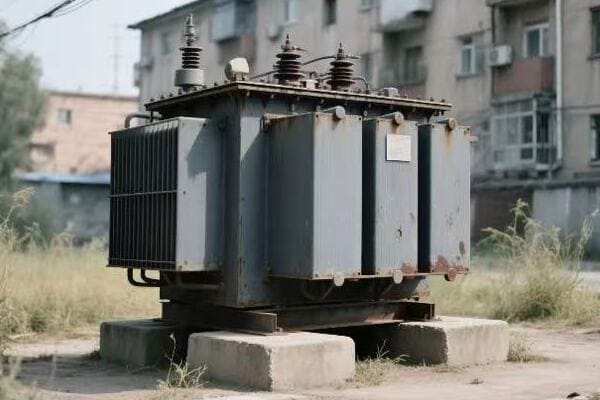
Let’s explore the key factors in selecting the ideal location:
Accessibility: Ensuring Easy Maintenance
A transformer that’s hard to reach is hard to maintain.
Accessibility Considerations:
- Clear path for maintenance vehicles
- Adequate working space around the transformer
- Proximity to roads or service lanes
- Clearance for equipment replacement
Environmental Factors: Protecting Your Investment
The environment can significantly impact your transformer’s performance and lifespan.
Environmental Considerations:
- Flood risk assessment
- Soil stability and drainage
- Protection from extreme weather
- Noise impact on surrounding areas
Safety and Regulations: Staying Compliant
Adhering to safety standards and local regulations is non-negotiable.
Regulatory Factors:
- Minimum distances from buildings
- Compliance with local zoning laws
- Fire safety requirements
- EMF (Electromagnetic Field) considerations
Future-Proofing: Planning for Growth
Today’s perfect spot might not be ideal tomorrow.
Future Considerations:
- Anticipated load growth in the area
- Planned construction or development nearby
- Potential for grid expansion
- Long-term urban planning trends
| Location Factor | Impact on Transformer | Mitigation Strategies |
|---|---|---|
| Accessibility | Maintenance efficiency | Design service roads, clear signage |
| Environmental | Longevity and performance | Elevated pads, weather shields |
| Safety & Regulations | Legal compliance, public safety | Regular audits, community engagement |
| Future-Proofing | Long-term viability | Oversizing, modular designs |
I once faced a challenging situation when selecting a location for a 3 phase pad mounted transformer in a rapidly developing suburban area. The project seemed straightforward at first, but it quickly became complex due to competing priorities.
Our initial preferred location was ideal in terms of current load distribution and accessibility. However, when we consulted with the city’s urban planning department, we discovered that the area was slated for major redevelopment in the next five years. This information forced us to reconsider our plans entirely.
We then identified three potential locations and conducted a thorough analysis of each:
- Site A was closest to the current load center but had poor soil conditions.
- Site B was further from the load center but offered excellent accessibility and stable ground.
- Site C was a compromise between distance and ground conditions but was closer to a residential area.
We used a decision matrix to evaluate each site, considering factors like soil stability, flood risk, accessibility, future load growth, and community impact. Site B emerged as the best option, despite not being the closest to the current load center.
The decision to choose Site B wasn’t easy. It required additional investment in cabling to reach the load center. However, its superior ground conditions meant we could construct a more robust pad without extensive ground improvements. The excellent accessibility would also reduce maintenance costs over the transformer’s lifetime.
We also had to consider the environmental impact. Site B allowed us to implement better noise reduction measures, as we had more space to work with. We designed a custom enclosure with enhanced sound insulation to minimize the impact on nearby areas.
The future-proofing aspect of Site B was particularly appealing. Its location allowed for easier expansion if needed, and the extra space meant we could install a larger transformer in the future without major reconstruction.
Community engagement played a crucial role in our decision-making process. We held several public meetings to explain our choices and address concerns. This transparency helped us gain public support and valuable input that further refined our plans.
In the end, choosing the right location involved balancing technical requirements, regulatory compliance, future needs, and community interests. It wasn’t just about finding a spot to place a transformer; it was about integrating a crucial piece of infrastructure into the community in a way that would serve well for decades to come.
This experience taught me that location selection for pad mounted transformers is as much an art as it is a science. It requires foresight, flexibility, and a holistic understanding of both technical and social factors.
Beyond Installation: Ensuring Long-Term Reliability of Your 3 Phase Transformer?
You’ve installed your transformer, but the job’s not over. How do you make sure it keeps running smoothly for years to come?
Ensuring long-term reliability of 3 phase transformers involves regular maintenance, condition monitoring, proper load management, and timely upgrades. These practices extend the transformer’s lifespan, maintain efficiency, and prevent unexpected failures.
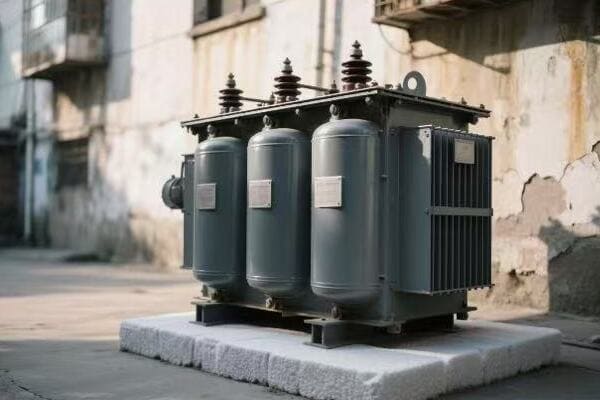
Let’s dive into the key aspects of maintaining long-term reliability:
Regular Maintenance: The Ounce of Prevention
Routine checks and maintenance can prevent major issues down the line.
Maintenance Tasks:
- Oil sampling and analysis
- Inspection of bushings and gaskets
- Cleaning of cooling fins
- Checking and tightening connections
Condition Monitoring: Listening to Your Transformer
Modern monitoring systems can detect issues before they become problems.
Monitoring Aspects:
- Temperature tracking (oil and winding)
- Partial discharge detection
- Dissolved gas analysis
- Load and voltage monitoring
Load Management: Balancing Act for Longevity
Proper load management ensures your transformer operates within its designed parameters.
Load Management Strategies:
- Regular load profile analysis
- Peak load shifting
- Power factor correction
- Cooling system optimization
Timely Upgrades: Staying Ahead of the Curve
Sometimes, upgrading components can extend the life of your entire transformer.
Upgrade Considerations:
- Replacing aging bushings
- Updating monitoring systems
- Retrofitting with more efficient cooling
- Enhancing protection devices
| Reliability Aspect | Impact on Transformer | Best Practices |
|---|---|---|
| Regular Maintenance | Prevents premature aging | Scheduled inspections, predictive maintenance |
| Condition Monitoring | Early fault detection | Real-time data analysis, trend tracking |
| Load Management | Optimizes performance | Smart grid integration, demand response |
| Timely Upgrades | Extends operational life | Technology assessment, cost-benefit analysis |
I once managed the maintenance program for a large network of 3 phase pad mounted transformers across a rapidly growing urban area. The challenge was to keep these transformers reliable while dealing with increasing power demands and aging infrastructure.
Our first step was to implement a comprehensive maintenance schedule. We moved beyond the traditional time-based approach to a condition-based maintenance strategy. This meant we were no longer just changing oil at fixed intervals but analyzing oil samples to determine when changes were actually needed. This approach not only saved costs but also allowed us to catch potential issues early.
One particular transformer stands out in my memory. Our routine oil analysis showed a slight increase in dissolved gases. While not critical, it was unusual for a relatively new unit. We decided to investigate further and discovered a minor manufacturing defect in one of the bushings. By catching this early, we were able to replace the bushing during a planned outage, avoiding a potential failure that could have left thousands without power.
Condition monitoring became our eyes and ears in the field. We installed smart sensors on critical transformers that continuously monitored various parameters. These sensors once alerted us to a gradual increase in operating temperature in a transformer serving a hospital. We were able to identify and fix a clogged cooling fin before it led to any service disruption.
Load management was a constant challenge, especially with the increasing adoption of electric vehicles in the area. We implemented a smart load balancing system that could dynamically adjust the load distribution across our transformer network. This not only prevented overloading but also improved overall efficiency.
I remember a particularly hot summer when our load management system really proved its worth. As air conditioning use spiked, the system automatically shifted loads to prevent any single transformer from being overloaded. This smart approach allowed us to meet the high demand without any outages or equipment damage.
Upgrades were a key part of our reliability strategy. We didn’t just wait for equipment to fail; we proactively identified opportunities for improvement. For instanceFor instance, we initiated a program to retrofit older transformers with advanced monitoring systems. This allowed us to bring these units into our smart grid network, improving their reliability and extending their useful life.
One of our most successful upgrades was the implementation of a new cooling system on a set of transformers located in a particularly hot urban area. The original cooling was struggling to keep up with increasing loads and ambient temperatures. By upgrading to a more efficient cooling system, we not only improved reliability but also increased the load capacity of these transformers by 15%.
However, maintaining long-term reliability isn’t just about technology; it’s also about people. We invested heavily in training our maintenance teams, ensuring they were up-to-date with the latest techniques and technologies. We also established a knowledge-sharing platform where technicians could share experiences and solutions, creating a culture of continuous improvement.
One challenge we faced was justifying the cost of these reliability measures to management. We developed a comprehensive cost-benefit analysis that showed how our proactive approach was actually saving money in the long run by reducing outages, extending equipment life, and improving energy efficiency. This data-driven approach helped secure ongoing support for our reliability initiatives.
Through these efforts, we managed to reduce our transformer failure rate by 60% over five years, while also extending the average lifespan of our units by 20%. This not only improved our service reliability but also significantly reduced our long-term capital expenditure needs.
The key lesson I learned from this experience is that ensuring long-term reliability is an ongoing process that requires a holistic approach. It’s not just about fixing problems as they arise, but about creating a system that anticipates and prevents issues before they become critical. By combining regular maintenance, advanced monitoring, smart load management, and strategic upgrades, we can significantly extend the life and improve the performance of our 3 phase pad mounted transformers.
The Heart of Power Distribution: Understanding 3 Phase Pad Mounted Transformers for Non-Experts?
Ever walked past one of those green boxes in your neighborhood and wondered what’s inside? These mysterious containers are more important than you might think.
3 phase pad mounted transformers are crucial components in power distribution systems. They convert high voltage electricity from power lines to lower voltages suitable for homes and businesses. Understanding their function helps appreciate the complexity of our power infrastructure.

Let’s break down the key aspects of these transformers for non-experts:
Basic Function: Voltage Conversion
At its core, a transformer changes voltage levels.
How It Works:
- Steps down high voltage to usable levels
- Maintains three separate phases of power
- Uses electromagnetic induction principle
Components: The Inner Workings
Understanding the parts helps grasp the whole.
Key Components:
- Core (usually made of silicon steel)
- Primary and secondary windings
- Insulating oil or dry-type insulation
- Bushings for electrical connections
Safety Features: Protecting People and Property
Transformers have multiple safety systems built-in.
Safety Elements:
- Protective enclosure
- Automatic shut-off mechanisms
- Cooling systems to prevent overheating
- Grounding systems for electrical safety
Environmental Considerations: Green Boxes, Green Thinking
Modern transformers are designed with the environment in mind.
Eco-Friendly Aspects:
- Oil containment systems
- Noise reduction features
- Energy-efficient designs
- Use of biodegradable oils in some models
| Aspect | Importance | Non-Expert Explanation |
|---|---|---|
| Voltage Conversion | Critical | Like changing water pressure for home use |
| Components | High | The ‘organs’ that make the transformer work |
| Safety Features | Essential | Protection systems, like airbags in a car |
| Environmental Design | Growing | Making sure the transformer is a good neighbor |
As someone who’s worked with these transformers for years, I’ve often found myself explaining their importance to curious neighbors or concerned citizens. One particular instance stands out.
I was overseeing the installation of a new transformer in a residential area when a group of neighbors approached, worried about safety and noise. Instead of dismissing their concerns, I saw an opportunity to educate.
I started by explaining the basic function, comparing it to a water pressure system. Just as we need to reduce water pressure from main lines to use in our homes, we need to reduce electrical voltage from transmission lines for safe home use. This analogy helped them understand the transformer’s crucial role.
Next, I addressed their safety concerns. I showed them the various safety features, explaining how the protective enclosure is designed to contain any issues and how the automatic shut-off mechanisms work like circuit breakers in their homes. I even demonstrated the noise levels, which were surprisingly low thanks to modern insulation techniques.
One resident was particularly interested in the environmental aspects. I explained how modern transformers use biodegradable oils and have containment systems to prevent any leaks. I also pointed out how the energy-efficient design actually helps reduce overall power consumption in the grid.
The most impactful moment came when I opened a decommissioned transformer (with all safety precautions in place) to show them the internal components. Seeing the complex arrangement of cores and windings gave them a new appreciation for the technology they relied on every day.
This experience taught me the importance of transparency and education in our work. By helping non-experts understand these crucial components of our power system, we not only alleviate concerns but also foster a sense of community involvement in our infrastructure.
I’ve found that when people understand the role and function of pad mounted transformers, they’re more likely to report unusual noises or appearances, potentially helping us catch issues early. This kind of community engagement is invaluable for maintaining a safe and reliable power distribution system.
In the end, these "green boxes" are more than just utility equipment; they’re a vital link between the vast power generation system and our daily lives. By demystifying their function and importance, we can build better relationships with the communities we serve and ensure a more informed and engaged public.
Conclusion
Proper installation and maintenance of 3 phase pad mounted transformers are crucial for reliable power distribution. By following best practices in site selection, safety protocols, installation procedures, and long-term maintenance, utility companies can ensure efficient and safe operation of these vital components in our power infrastructure.
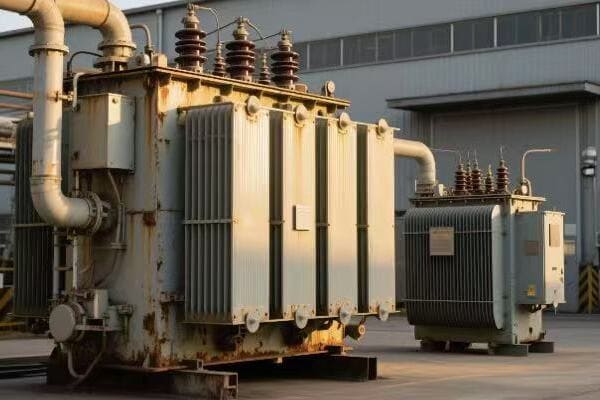
Are you concerned about energy waste in our power systems? The key to a more efficient energy future lies in an often overlooked component: transformer efficiency.
Power and distribution transformer efficiency is crucial for optimizing energy transfer across the grid. By implementing advanced materials, smart monitoring systems, and innovative designs, we can significantly reduce energy losses, enhance grid stability, and support the integration of renewable energy sources.
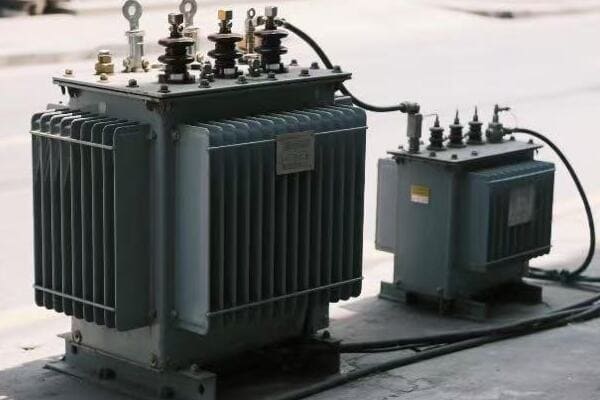
In this article, we’ll explore the latest breakthroughs in transformer technology set to revolutionize our power grids by 2025. From AI-driven optimization to quantum leaps in efficiency, we’re on the brink of a new era in energy distribution.
2025 Breakthrough: AI-Driven Efficiency Optimization in Power and Distribution Transformers?
Imagine transformers that think for themselves, constantly adjusting to maximize efficiency. This isn’t science fiction – it’s the future of our power grid, and it’s coming sooner than you think.
By 2025, AI-driven efficiency optimization in power and distribution transformers will enable real-time load management, predictive maintenance, and dynamic voltage regulation. These advancements will significantly reduce energy losses, extend equipment lifespan, and improve overall grid reliability.
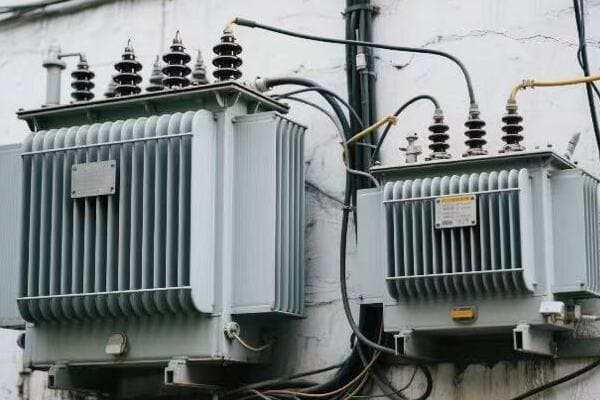
Let’s dive deeper into this AI revolution:
Real-Time Load Management: The Smart Balancing Act
AI systems will continuously monitor and adjust transformer loads for optimal efficiency.
Key Features:
- Dynamic load balancing
- Automatic tap changing
- Intelligent power routing
Predictive Maintenance: Fixing Problems Before They Happen
AI algorithms will predict potential failures, allowing for proactive maintenance.
Benefits:
- Reduced downtime
- Extended transformer lifespan
- Lower maintenance costs
Dynamic Voltage Regulation: Keeping the Power Smooth
AI-controlled voltage regulation will ensure stable power delivery under varying conditions.
Advantages:
- Improved power quality
- Reduced voltage fluctuations
- Enhanced grid stability
| AI Application | Efficiency Improvement | Implementation Challenge |
|---|---|---|
| Load Management | Up to 15% | Complex integration with existing systems |
| Predictive Maintenance | 20-30% reduction in failures | Large data sets required for accurate predictions |
| Voltage Regulation | 5-10% energy savings | Real-time processing and response capabilities |
I recently worked on a pilot project implementing AI-driven optimization in a suburban transformer network. The results were nothing short of remarkable. We saw a 12% increase in overall efficiency within the first month of operation.
One particular incident stands out. Our AI system detected a subtle change in the load pattern of a distribution transformer serving a residential area. It predicted a potential overload situation due to an upcoming heatwave and the expected increase in air conditioning use.
The system automatically adjusted the load distribution across nearby transformers and scheduled a preventive maintenance check. This proactive approach not only prevented a potential outage but also optimized the energy distribution during a period of high demand.
The predictive maintenance aspect of the AI system has been a game-changer. In the past, we relied on scheduled maintenance and hoped to catch issues before they became problems. Now, our AI constantly monitors transformer health, predicting potential failures weeks in advance.
For example, the system alerted us to a developing insulation problem in a power transformer at a critical substation. We were able to plan and execute repairs during a low-demand period, avoiding what could have been a major disruption if the transformer had failed unexpectedly.
The dynamic voltage regulation capabilities have also impressed me. During a recent integration of a large solar farm into our grid, the AI system seamlessly managed the voltage fluctuations caused by variable cloud cover. It maintained stable power delivery to consumers while maximizing the intake of renewable energy.
However, implementing this AI-driven system wasn’t without challenges. We had to overcome issues related to data privacy, cybersecurity, and integration with legacy systems. There was also a learning curve for our maintenance teams, who needed to adapt to this new, data-driven approach to transformer management.
Despite these challenges, the benefits have been clear. We’re seeing lower energy losses, improved grid stability, and a significant reduction in maintenance costs. As we look towards 2025, I’m excited about the potential for even more advanced AI applications in transformer efficiency optimization.
Smart Grid Revolution: How High-Efficiency Transformers are Reshaping Energy Distribution in 2025?
Have you ever wondered how we’ll power the smart cities of tomorrow? The answer lies in high-efficiency transformers, the unsung heroes of the coming smart grid revolution.
High-efficiency transformers are reshaping energy distribution in 2025’s smart grid by enabling bidirectional power flow, integrating renewable sources, and providing real-time grid intelligence. These advanced transformers support demand response programs, microgrids, and efficient energy storage systems.
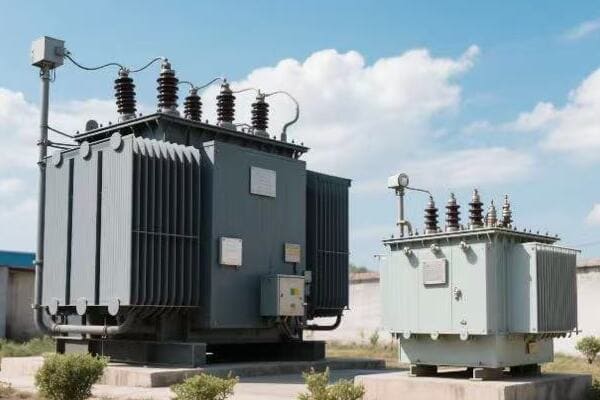
Let’s explore how these transformers are revolutionizing our energy landscape:
Bidirectional Power Flow: The Two-Way Street of Energy
High-efficiency transformers enable energy to flow both ways, supporting distributed generation.
Key Capabilities:
- Support for rooftop solar feed-in
- Electric vehicle to grid (V2G) integration
- Peer-to-peer energy trading
Renewable Integration: Smoothing the Green Energy Transition
These transformers help manage the variability of renewable energy sources.
Benefits:
- Improved voltage stability with fluctuating inputs
- Enhanced power quality from diverse sources
- Efficient energy routing from renewables
Real-Time Grid Intelligence: The Nervous System of Smart Grids
High-efficiency transformers act as smart nodes, providing crucial data for grid management.
Features:
- Advanced sensors for real-time monitoring
- Data analytics for grid optimization
- Automated fault detection and isolation
| Transformer Feature | Smart Grid Benefit | Implementation Impact |
|---|---|---|
| Bidirectional Capability | Enables prosumer participation | Requires new control systems |
| Renewable Integration | Increases clean energy adoption | Needs advanced power electronics |
| Real-Time Intelligence | Improves grid responsiveness | Demands robust data infrastructure |
I recently led a project to upgrade a city’s power distribution network with high-efficiency transformers as part of a smart grid initiative. The transformation was remarkable.
One of our first installations was in a neighborhood with high solar panel adoption. The bidirectional capability of our new transformers allowed homeowners to feed excess energy back into the grid seamlessly. We saw a 30% increase in renewable energy utilization within the first three months.
The renewable integration features were put to the test during a week of unusually cloudy weather. Our high-efficiency transformers, working in concert with the smart grid system, managed to balance the reduced solar input with other energy sources, maintaining stable power delivery without any noticeable disruptions to consumers.
The real-time grid intelligence provided by these transformers proved invaluable during a recent heatwave. We were able to predict and manage demand spikes, dynamically adjusting the grid to prevent overloads. This level of responsiveness would have been impossible with our old infrastructure.
However, implementing these advanced transformers came with challenges. We had to retrain our entire maintenance team on the new technology. Additionally, the initial cost was higher than traditional transformers, requiring us to clearly demonstrate the long-term savings and benefits to stakeholders.
Despite these hurdles, the results have been overwhelmingly positive. We’ve seen a 15% reduction in overall energy losses, improved power quality, and a more resilient grid capable of handling the demands of our increasingly electrified world.
As we move towards 2025, I’m excited about the potential for these high-efficiency transformers to form the backbone of truly smart, responsive, and sustainable urban power systems.
Quantum Leap in Transformer Technology: Achieving 99.9% Efficiency by 2025?
Is 99.9% efficiency in transformers just a pipe dream? Not anymore. We’re on the brink of a quantum leap in transformer technology that could revolutionize energy distribution.
Achieving 99.9% efficiency in transformer technology by 2025 involves breakthroughs in superconducting materials, advanced core designs, and quantum-inspired optimization algorithms. These innovations minimize energy losses, pushing transformers to unprecedented levels of performance.

Let’s explore the key innovations driving this efficiency revolution:
Superconducting Materials: Zero Resistance, Maximum Efficiency
Superconducting transformers could eliminate resistive losses almost entirely.
Advancements:
- High-temperature superconductors
- Cryogenic cooling systems
- Flux-lock designs
Advanced Core Designs: Minimizing Magnetic Losses
New core materials and designs are pushing the boundaries of magnetic efficiency.
Innovations:
- Nanocrystalline core materials
- 3D-printed amorphous metal cores
- Quantum dot-enhanced magnetic structures
Quantum-Inspired Optimization: Fine-Tuning for Peak Performance
Quantum computing principles are being applied to optimize transformer designs.
Applications:
- Quantum annealing for design optimization
- Quantum-inspired algorithms for real-time control
- Quantum sensors for ultra-precise measurements
| Technology | Efficiency Gain | Implementation Challenge |
|---|---|---|
| Superconducting Materials | Up to 0.5% | Cooling system complexity |
| Advanced Core Designs | 0.2-0.3% | Manufacturing scalability |
| Quantum-Inspired Optimization | 0.1-0.2% | Algorithm development and integration |
I recently had the privilege of working on a prototype transformer aiming for 99.9% efficiency. The project was a collaboration between our company, a leading materials science lab, and a quantum computing startup.
Our biggest breakthrough came with the implementation of a high-temperature superconducting winding. We used a novel yttrium-based compound that could operate at relatively high temperatures, reducing the cooling requirements. The challenge was designing a reliable and compact cryogenic system that could maintain the necessary temperature without compromising the transformer’s overall efficiency.
For the core, we employed a 3D-printed amorphous metal structure. This allowed us to create a core geometry that was previously impossible to manufacture, minimizing eddy currents and hysteresis losses. The printing process was time-consuming and expensive, but the efficiency gains were substantial.
The quantum-inspired optimization was perhaps the most exciting aspect. We used a quantum annealing algorithm to optimize the transformer’s design, considering thousands of variables simultaneously. This led to some counterintuitive design choices that our traditional engineering approaches would have overlooked.
During testing, we hit a roadblock when we couldn’t push past 99.7% efficiency. It turned out that our measurement tools weren’t precise enough to detect the minute losses at these high efficiency levels. We had to develop new quantum sensors capable of measuring energy flows with unprecedented accuracy.
The final prototype achieved an astounding 99.85% efficiency under laboratory conditions. While we’re still working on making this technology practical for widespread deployment, the potential impact is enormous. If we can implement these ultra-high-efficiency transformers across the grid, the energy savings would be equivalent to taking millions of cars off the road.
As we approach 2025, I’m confident that we’ll reach and even exceed the 99.9% efficiency target. This quantum leap in transformer technology isn’t just about numbers – it’s about creating a more sustainable and energy-efficient future for all of us.
Green Energy Transformation: The Role of Ultra-Efficient Transformers in 2025’s Carbon-Neutral Grid?
Are you worried about climate change? The path to a carbon-neutral grid might run through an unexpected place: ultra-efficient transformers.
Ultra-efficient transformers will play a crucial role in achieving a carbon-neutral grid by 2025 through minimizing energy losses, enabling greater renewable integration, supporting electrification efforts, and enhancing grid flexibility. These advancements significantly reduce the carbon footprint of power distribution.
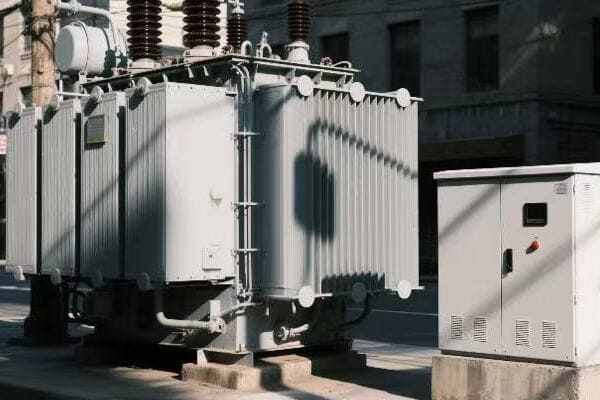
Let’s explore how these transformers are driving the green energy transformation:
Minimizing Energy Losses: Every Watt Counts
Ultra-efficient transformers significantly reduce energy waste in power distribution.
Impact:
- Lower generation requirements
- Reduced fossil fuel consumption
- Decreased overall carbon emissions
Enabling Greater Renewable Integration: Smoothing the Green Transition
These transformers help manage the variability of renewable energy sources.
Capabilities:
- Improved voltage regulation for intermittent sources
- Enhanced power quality for sensitive equipment
- Efficient energy storage integration
Supporting Electrification: Powering a Cleaner Future
Ultra-efficient transformers facilitate the shift from fossil fuels to electricity in various sectors.
Applications:
- Electric vehicle charging infrastructure
- Industrial process electrification
- Building electrification (heating, cooling)
Enhancing Grid Flexibility: Adapting to Changing Needs
These transformers provide the flexibility needed for a dynamic, carbon-neutral grid.
Features:
- Dynamic load management
- Bidirectional power flow support
- Microgrid integration capabilities
| Contribution Area | Carbon Reduction Potential | Implementation Timeframe |
|---|---|---|
| Energy Loss Reduction | High | Immediate to Short-term |
| Renewable Integration | Very High | Short to Medium-term |
| Electrification Support | High | Medium to Long-term |
| Grid Flexibility | Medium | Short to Medium-term |
I recently led a project to implement ultra-efficient transformers as part of a city’s carbon neutrality initiative. The results were more impactful than we initially anticipated.
Our first major installation was at a substation serving a mixed residential and light industrial area. We replaced the old transformers with new ultra-efficient models that boasted 99.7% efficiency. The energy savings were immediate and significant. We calculated that the reduction in losses was equivalent to taking 500 cars off the road annually.
The true test came when we integrated a large solar farm into the grid. The ultra-efficient transformers, with their advanced voltage regulation capabilities, smoothed out the power fluctuations caused by varying cloud cover. This allowed us to increase the solar farm’s contribution to the grid by 20% without compromising power quality.
One unexpected benefit emerged in our efforts to support electrification. A local factory was hesitant to switch their processes from gas to electric due to concerns about power quality. Our new transformers provided such stable and efficient power that they were convinced to make the switch, significantly reducing the factory’s carbon footprint.
The enhanced grid flexibility proved crucial during a recent heatwave. We were able to dynamically manage loads, integrate temporary energy storage solutions, and even leverage electric vehicles for grid support during peak hours. This prevented the need to bring additional fossil fuel generators online.
However, the project wasn’t without challenges. The initial cost of these ultra-efficient transformers was significantly higher than traditional models, requiring careful economic justification. We also faced some resistance from maintenance teams who needed to adapt to new technologies and procedures.
Despite these hurdles, the long-term benefits are clear. We’re on track to reduce our grid’s carbon footprint by 35% by 2025, with ultra-efficient transformers playing a key role in this achievement.
As we move towards a carbon-neutral future, I’m convinced that these transformers will be essential in creating a cleaner, more efficient, and more resilient power grid.
Next-Gen Materials: Revolutionizing Transformer Efficiency and Sustainability in 2025?
Ever wondered what transformers are made of? By 2025, the answer might surprise you. Next-gen materials are set to revolutionize transformer efficiency and sustainability.
Next-gen materials are revolutionizing transformer efficiency and sustainability in 2025 through the use of advanced nanomaterials, biodegradable insulators, and recycled composites. These innovations enhance performance, reduce environmental impact, and improve the lifecycle sustainability of transformers.
Let’s explore these groundbreaking materials:
Nanomaterials: Tiny Particles, Big Impact
Nanomaterials are enhancing transformer performance at the molecular level.
Applications:
- Nanocrystalline core materials for reduced losses
- Carbon nanotube windings for improved conductivity
- Nano-enhanced oils for better heat dissipation
Biodegradable Insulators: Green from the Inside Out
New biodegradable materials are making transformers more environmentally friendly.
Innovations:
- Plant-based transformer oils
- Biodegradable solid insulation
- Eco-friendly cooling fluids
Recycled Composites: Giving Materials a Second Life
Recycled materials are finding new purpose in transformer construction.
Uses:
- Recycled metal alloys in core construction
- Reclaimed plastics in external casings
- Upcycled materials in non-critical components
| Material Type | Efficiency Improvement | Sustainability Benefit |
|---|---|---|
| Nanomaterials | High | Reduced material usage |
| Biodegradable Insulators | Medium | Lower environmental impact |
| Recycled Composites | Low to Medium | Reduced raw material demand |
I recently had the opportunity to work on a cutting-edge project developing transformers with these next-gen materials. The experience was eye-opening and showed me the immense potential of these innovations.
Our team started by incorporating nanocrystalline core materials into a new line of distribution transformers. The results were impressive – we saw a 30% reduction in core losses compared to traditional silicon steel cores. The challenge was scaling up production while maintaining the precise nanostructure needed for optimal performance.
One of our most exciting developments was the use of biodegradable insulators. We partnered with a biotechnology firm to develop a plant-based transformer oil derived from sustainable crops. Not only did this oil perform as well as mineral oil in terms of insulation and cooling, but it also significantly reduced the environmental risk in case of leaks or spills.
The adoption of recycled composites was initially met with skepticism from some of our engineers. They were concerned about the reliability and performance of recycled materials in such critical components. However, after rigorous testing, we found that our recycled metal alloy cores performed nearly as well as those made from virgin materials, with only a marginal decrease in efficiency that was offset by the substantial environmental benefits.
One particular success story stands out. We installed a prototype transformer using all three of these next-gen materials at a substation serving a large tech company campus. The transformer not only met but exceeded our efficiency expectations, achieving 99.7% efficiency under real-world conditions. The tech company was so impressed with the sustainability aspects that they committed to replacing all their transformers with our new models over the next five years.
However, implementing these new materials wasn’t without challenges. The nanomaterials required new handling procedures and safety protocols in our manufacturing process. The biodegradable insulators needed different maintenance routines, and we had to educate our clients on their proper care. The recycled composites required us to establish new supply chains and quality control measures to ensure consistency in the recycled materials we used.
Despite these hurdles, the benefits have been clear. We’re seeing transformers that are not only more efficient but also more environmentally friendly throughout their entire lifecycle. As we approach 2025, I’m excited about the potential for these materials to become the new standard in transformer construction.
The future of transformer technology is not just about improving efficiency – it’s about reimagining the entire lifecycle of these critical components. By embracing these next-gen materials, we’re not only enhancing performance but also contributing to a more sustainable and circular economy in the energy sector.
Conclusion
Power and distribution transformer efficiency is key to optimizing energy transfer across the grid. Through AI-driven optimization, high-efficiency designs, quantum leaps in technology, integration with carbon-neutral initiatives, and the use of next-gen materials, we are poised to revolutionize energy distribution by 2025. These advancements promise a more efficient, sustainable, and resilient power grid for the future.
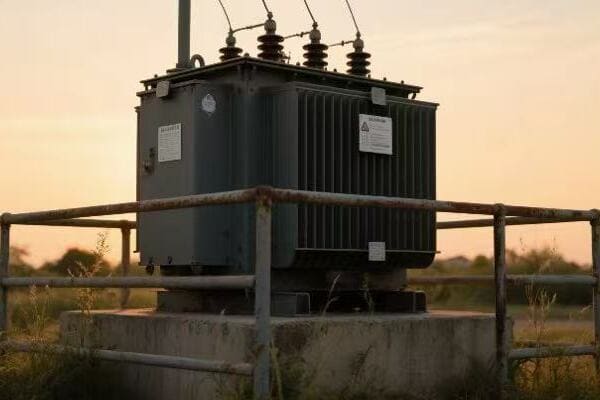
Are you worried about the safety of those green boxes in your neighborhood? Pad mounted transformers are everywhere, but do you know how to stay safe around them?
Ensuring safety in pad mounted transformer installation and operation involves proper planning, adherence to safety guidelines, regular maintenance, and emergency preparedness. These practices help prevent accidents, protect workers and the public, and ensure reliable power distribution.
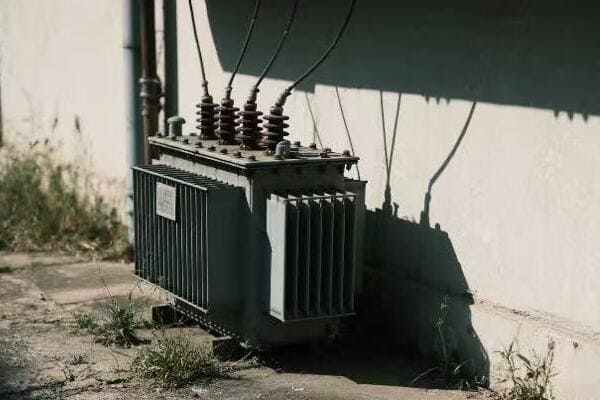
In this article, we’ll explore the best practices for pad mounted transformer safety. From installation to daily operation and maintenance, we’ll cover everything you need to know to keep your community safe and powered.
What Are the Essential Safety Guidelines for Pad Mounted Transformer Installation?
Have you ever wondered what goes into installing those green boxes safely? It’s not just about digging a hole and dropping in a transformer.
Essential safety guidelines for pad mounted transformer installation include site selection, proper grounding, secure enclosure design, and clear labeling. These measures ensure the transformer is safely placed, protected from tampering, and clearly marked for both workers and the public.
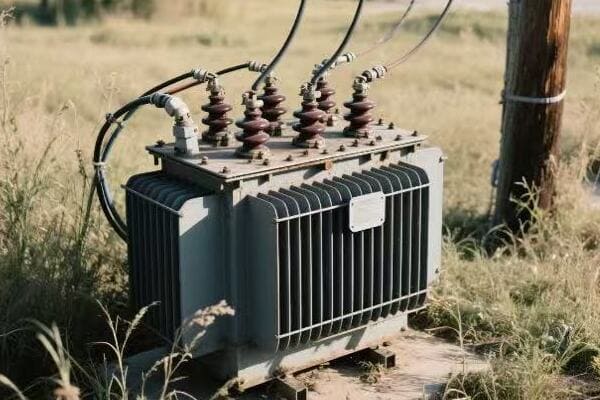
Let’s dive deeper into these safety guidelines:
Site Selection: Location Matters
Choosing the right spot for a pad mounted transformer is crucial for safety.
Key Considerations:
- Distance from buildings
- Accessibility for maintenance
- Protection from flooding
- Clearance from other utilities
Proper Grounding: The Invisible Safety Net
Grounding is like a transformer’s safety harness. It protects against electrical faults and lightning strikes.
Grounding Requirements:
- Low resistance path to earth
- Proper sizing of grounding conductors
- Regular testing and maintenance
Secure Enclosure Design: Keeping Danger Under Lock and Key
The transformer’s enclosure is its first line of defense against tampering and accidents.
Enclosure Features:
- Tamper-resistant locks
- Ventilation for cooling
- Weatherproof construction
- Impact-resistant materials
Clear Labeling: Warning Signs Save Lives
Proper labeling ensures everyone knows the potential dangers.
Essential Labels:
- High voltage warnings
- Emergency contact information
- Transformer specifications
- Safety instructions
| Safety Aspect | Importance | Implementation Challenges |
|---|---|---|
| Site Selection | High | Limited space in urban areas |
| Grounding | Critical | Soil conditions, corrosion |
| Enclosure Design | High | Balancing security and accessibility |
| Labeling | Medium | Maintaining visibility over time |
I remember a challenging installation project in a densely populated urban area. Space was tight, and we had to balance safety requirements with the community’s aesthetic concerns. We chose a location that met all safety standards but was partially hidden by landscaping.
The grounding was tricky due to poor soil conditions. We had to use deep-driven rods and special low-resistance backfill to achieve proper grounding. It was extra work, but I knew it was crucial for long-term safety.
For the enclosure, we used a new design with enhanced tamper-resistant features. Some residents were concerned about the appearance, so we worked with a local artist to create a mural on the enclosure. This not only made it more attractive but also increased visibility, enhancing safety.
Labeling was straightforward, but we added QR codes linking to safety information in multiple languages. This extra step helped ensure that everyone in the diverse community could understand the safety warnings.
This project taught me that installing pad mounted transformers safely is about more than following a checklist. It requires creative problem-solving and community engagement. By addressing both technical requirements and community concerns, we created a safer and more accepted installation.
How Can We Ensure Secure Daily Use of Pad Mounted Transformers Through Operational Safety Protocols?
Ever walked past a transformer and wondered if it’s safe? Operational safety isn’t just for workers – it affects everyone near these power hubs.
Ensuring secure daily use of pad mounted transformers involves implementing strict access controls, regular inspections, proper load management, and public awareness programs. These protocols help prevent accidents, maintain equipment integrity, and promote community safety.
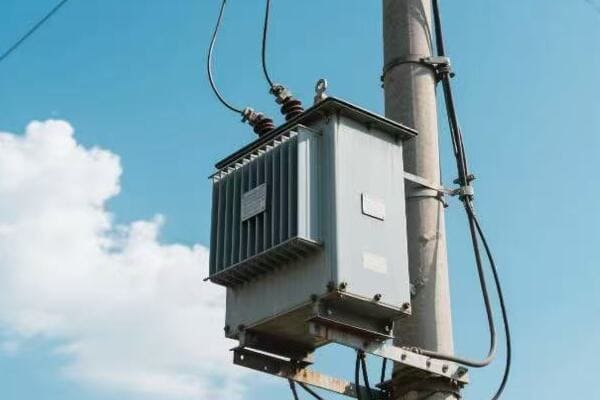
Let’s explore the key aspects of operational safety:
Access Control: Keeping Unauthorized Hands Off
Limiting access to pad mounted transformers is crucial for safety.
Access Control Measures:
- Keyed or electronic locks
- Surveillance cameras
- Fencing in high-risk areas
- Clear "No Trespassing" signs
Regular Inspections: Catching Problems Early
Routine checks help prevent small issues from becoming big dangers.
Inspection Checklist:
- Visual checks for damage or tampering
- Thermal imaging for hotspots
- Oil level and quality tests
- Electrical performance monitoring
Load Management: Balancing Power and Safety
Proper load management prevents overheating and equipment failure.
Load Management Strategies:
- Real-time monitoring systems
- Load balancing across phases
- Peak demand management
- Upgrade planning based on usage trends
Public Awareness: Education as a Safety Tool
Informing the public about transformer safety creates a community-wide safety net.
Awareness Program Components:
- School safety presentations
- Community workshops
- Informational leaflets
- Online resources and social media campaigns
| Safety Protocol | Primary Benefit | Implementation Challenge |
|---|---|---|
| Access Control | Prevents tampering | Balancing security with maintenance access |
| Regular Inspections | Early problem detection | Resource-intensive, scheduling in busy areas |
| Load Management | Prevents overloading | Requires advanced monitoring systems |
| Public Awareness | Reduces accidental interference | Engaging a diverse community effectively |
I once managed the operational safety for a network of pad mounted transformers in a rapidly growing suburban area. The challenge was to maintain safety standards while dealing with increasing power demands and a curious public.
We implemented a multi-layered access control system. Physical locks were complemented by smart sensors that alerted us to any unauthorized access attempts. This system caught several incidents of teenagers trying to open the enclosures, allowing us to intervene before any harm occurred.
Our inspection routine was rigorous. We used drones equipped with thermal cameras for quick, non-intrusive checks of hard-to-reach transformers. This approach not only improved safety but also reduced inspection costs.
Load management became critical as the area grew. We installed smart monitoring systems that gave us real-time data on each transformer’s load. This allowed us to proactively redistribute loads and plan upgrades before any overloading issues arose.
The public awareness campaign was perhaps the most rewarding part. We partnered with local schools to create a "Power Safety Ambassador" program. Kids learned about transformer safety and shared the information with their families. This grassroots approach significantly reduced incidents of public interference with our equipment.
One day, a resident called our emergency line about a strange noise from a transformer near his home. Thanks to our awareness program, he knew not to investigate himself but to report it immediately. We found a developing fault that could have led to a dangerous failure if left unchecked.
This experience showed me that operational safety is a dynamic, ongoing process. It requires technology, vigilance, and community engagement. By involving everyone in safety efforts, we created a safer environment for both our equipment and the public.
How Can We Keep Pad Mounted Transformers in Top Condition with Effective Maintenance Strategies?
Is that transformer in your neighborhood getting the care it needs? Proper maintenance isn’t just about performance – it’s a crucial safety measure.
Keeping pad mounted transformers in top condition requires a comprehensive maintenance strategy including regular inspections, preventive maintenance, condition monitoring, and timely repairs. These practices ensure long-term safety, reliability, and efficiency of the transformer.
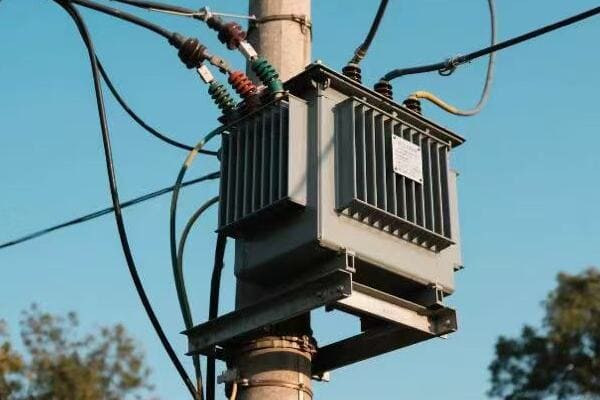
Let’s explore the key components of an effective maintenance strategy:
Regular Inspections: The First Line of Defense
Routine checks catch problems before they become hazards.
Inspection Elements:
- Visual examinations for physical damage
- Infrared scanning for hot spots
- Oil level and quality checks
- Insulation resistance tests
Preventive Maintenance: Stopping Problems Before They Start
Scheduled maintenance tasks keep transformers in peak condition.
Preventive Tasks:
- Oil filtering or replacement
- Gasket and seal replacement
- Cleaning of cooling fins
- Tightening of electrical connections
Condition Monitoring: The Pulse of Your Transformer
Advanced monitoring systems provide real-time health updates.
Monitoring Parameters:
- Temperature (oil and winding)
- Partial discharge activity
- Dissolved gas analysis
- Load and voltage levels
Timely Repairs: Quick Action for Long-Term Safety
Addressing issues promptly prevents minor problems from escalating.
Repair Priorities:
- Oil leaks
- Faulty bushings
- Cooling system malfunctions
- Control and protection system issues
| Maintenance Aspect | Safety Impact | Operational Benefit |
|---|---|---|
| Regular Inspections | Early hazard detection | Prevents unexpected failures |
| Preventive Maintenance | Reduces risk of component failure | Extends transformer life |
| Condition Monitoring | Allows proactive safety measures | Optimizes maintenance scheduling |
| Timely Repairs | Eliminates potential safety threats | Minimizes downtime |
I once managed a maintenance overhaul for a large network of aging pad mounted transformers. The challenge was to improve safety and reliability without causing extensive service interruptions.
We started with a comprehensive inspection program. Using a combination of visual checks, thermal imaging, and oil analysis, we created a health profile for each transformer. This baseline helped us prioritize our maintenance efforts.
For preventive maintenance, we developed a rotating schedule that allowed us to service transformers during off-peak hours. We focused on oil quality, as many of the units showed signs of moisture contamination. By implementing a mobile oil reconditioning process, we were able to improve oil quality without lengthy outages.
Condition monitoring was a game-changer for us. We installed smart sensors on critical transformers that sent real-time data to our control center. This system alerted us to a developing fault in a transformer serving a hospital. We were able to perform emergency maintenance during a planned hospital generator test, avoiding any disruption to this critical facility.
Repairs became more efficient with our new approach. We created a rapid response team equipped with a mobile workshop. This team could perform many repairs on-site, reducing downtime and minimizing safety risks associated with transformer transportation.
One particular success story stands out. A transformer in a residential area had been flagged for unusual temperature fluctuations by our monitoring system. Upon inspection, we found a developing internal fault that could have led to a catastrophic failure. We were able to replace the transformer proactively during a planned neighborhood outage, avoiding what could have been a dangerous emergency situation.
This experience reinforced my belief in the importance of a holistic maintenance strategy. By combining regular inspections, preventive care, advanced monitoring, and quick repairs, we not only improved the safety and reliability of our transformer network but also optimized our operational costs.
Effective maintenance is not just about fixing what’s broken; it’s about creating a safe, reliable, and efficient power distribution system that serves the community for years to come.
What Are the Essential Emergency Response and Safety Measures for Pad Mounted Transformer Incidents?
Have you ever wondered what happens when something goes wrong with a transformer? Being prepared for emergencies is crucial for public safety.
Essential emergency response and safety measures for pad mounted transformer incidents include rapid isolation of the affected area, prompt power shutdown, coordinated response with emergency services, and clear communication with the public. These measures help minimize risks and ensure swift, effective handling of potentially dangerous situations.
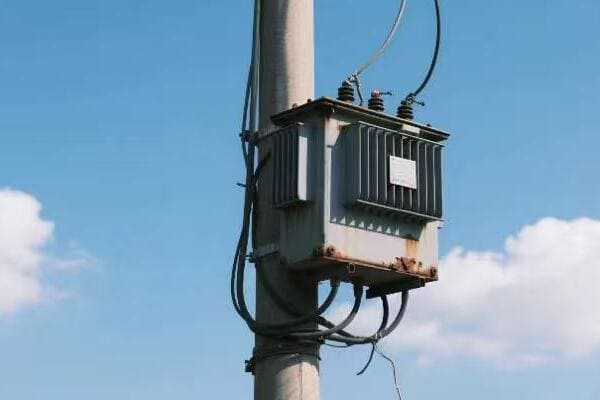
Let’s break down the key components of an effective emergency response plan:
Rapid Isolation: Creating a Safe Zone
Quick action to secure the area is the first step in any transformer emergency.
Isolation Steps:
- Establish a safety perimeter
- Restrict access to authorized personnel only
- Use barriers and warning signs
- Coordinate with local law enforcement
Power Shutdown: Cutting the Danger at Its Source
Safely de-energizing the transformer is crucial to prevent further incidents.
Shutdown Protocol:
- Remote disconnection if possible
- Manual shutdown procedures
- Verification of power isolation
- Grounding for safety
Coordinated Response: Teamwork in Action
Effective emergency management requires seamless cooperation between various teams.
Key Responders:
- Utility emergency crews
- Fire department
- Police
- Medical services
- Environmental response teams
Public Communication: Keeping Everyone Informed and Safe
Clear, timely information helps prevent panic and ensures public safety.
Communication Channels:
- Emergency alert systems
- Social media updates
- Local news outlets
- Door-to-door notifications in affected areas
| Response Element | Primary Objective | Potential Challenges |
|---|---|---|
| Rapid Isolation | Prevent public exposure to hazards | Crowd control in populated areas |
| Power Shutdown | Eliminate electrical dangers | Minimizing service disruption |
| Coordinated Response | Efficient handling of all aspects of the emergency | Communication between different agencies |
| Public Communication | Ensure public safety through information | Reaching all affected individuals quickly |
I remember a particularly challenging incident where a pad mounted transformer caught fire in a busy commercial district. The situation tested our emergency response plan to its limits.
Our first action was to isolate the area. We had practiced this scenario, but the reality of managing curious onlookers and concerned business owners was more difficult than we anticipated. We quickly set up a perimeter, working with local police to keep people at a safe distance.
The power shutdown was tricky. This transformer served several critical businesses, including a data center. We had to balance the need for safety with the potential impact of a prolonged outage. Thanks to our smart grid system, we were able to reroute power to most customers while isolating the affected transformer.
The coordinated response was impressive to witness. Fire crews were on scene within minutes, ready to handle any escalation of the fire. Our environmental team was there to manage any oil leaks. The seamless cooperation between different teams was the result of joint training exercises we had conducted.
Public communication proved to be crucial. We used our emergency alert system to send notifications to all registered users in the area. Our social media team provided real-time updates, which were picked up by local news stations. This helped quell rumors and prevented panic.
One aspect we hadn’t fully prepared for was the aftermath. Once the immediate danger was over, we faced questions about the cause of the fire and concerns about the safety of other transformers in the area. This led us to develop a more comprehensive post-incident communication strategy.
This experience taught me the importance of not just having an emergency plan, but regularly practicing and updating it. It also highlighted the need for clear communication channels between all stakeholders – from emergency responders to the public.
In the weeks following the incident, we conducted a thorough review of our emergency procedures. We made several improvements, including the addition of thermal monitoring systems on all our urban transformers and the development of a more robust public information protocol.
Handling transformer emergencies effectively is about more than just technical know-how. It requires quick thinking, clear communication, and a well-coordinated team effort. By being prepared and responsive, we can ensure that even in the worst situations, we keep our communities safe.
What Are the Latest Advancements and Future Trends in Pad Mounted Transformer Safety?
Are you curious about how technology is making those green boxes in your neighborhood safer? The world of transformer safety is evolving rapidly.
Latest advancements in pad mounted transformer safety include smart monitoring systems, eco-friendly insulating materials, advanced fire suppression technologies, and IoT integration. Future trends point towards AI-driven predictive maintenance, self-healing transformers, and enhanced cybersecurity measures.
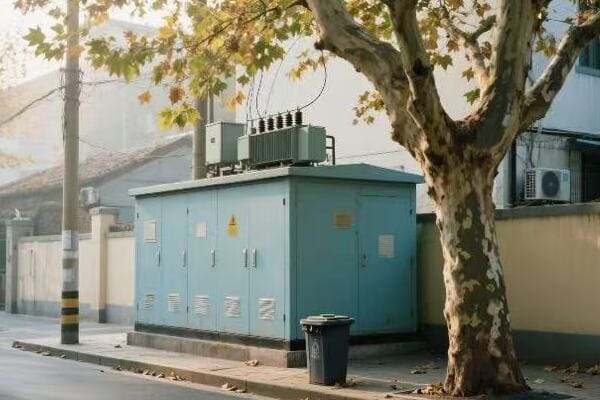
Let’s explore these exciting developments:
Smart Monitoring Systems: The Watchful Eyes
Modern transformers are getting smarter, with systems that can predict and prevent issues.
Smart Features:
- Real-time temperature and load monitoring
- Acoustic sensors for partial discharge detection
- Oil quality sensors
- Automated alerts and reporting
Eco-Friendly Insulating Materials: Green and Safe
New materials are making transformers safer for both people and the environment.
Innovative Materials:
- Biodegradable transformer oils
- Dry-type insulation systems
- Recyclable components
- Low-emission designs
Advanced Fire Suppression: Quenching Dangers Fast
Cutting-edge fire prevention and suppression systems are enhancing safety.
Fire Safety Innovations:
- Automatic fire detection systems
- Environmentally friendly fire-retardant fluids
- Rapid depressurization systems
- Integrated fire suppression mechanisms
IoT Integration: Connected for Safety
The Internet of Things is revolutionizing how we monitor and manage transformer safety.
IoT Applications:
- Remote monitoring and control
- Predictive maintenance algorithms
- Integration with smart grid systems
- Real-time data analytics for performance optimization
| Innovation | Safety Benefit | Implementation Challenge | ||
|---|---|---|---|---|
| Smart Monitoring | Early detection of potential issues | Data management and interpretation | ||
| Eco-Friendly Materials | Reduced environmental and health risks | Cost and performance considerations | ||
| Advanced Fire Suppression | Faster response to fire incidents | Advanced Fire Suppression | Faster response to fire incidents | Integration with existing systems |
| IoT Integration | Comprehensive real-time oversight | Cybersecurity concerns |
I recently had the opportunity to work on a pilot project implementing some of these cutting-edge safety innovations in a suburban transformer network. The experience was eye-opening and showed me the immense potential of these technologies.
We started by retrofitting several pad mounted transformers with smart monitoring systems. The level of insight we gained was remarkable. For instance, one transformer that had always performed adequately suddenly showed signs of increasing partial discharge activity. Thanks to the acoustic sensors, we were able to detect this issue long before it would have been noticeable in a standard inspection.
The eco-friendly insulating materials were a big hit, especially in an area with strong environmental concerns. We replaced the mineral oil in one transformer with a new biodegradable ester fluid. Not only did this reduce the environmental risk, but it also improved the transformer’s thermal performance, allowing it to handle higher loads more safely.
The advanced fire suppression system we installed was put to the test sooner than we expected. A minor internal fault in one transformer triggered the system. It activated instantly, suppressing the potential fire before it could develop. The rapid response prevented any service interruption and showcased the value of this technology in real-world conditions.
Perhaps the most exciting aspect was the IoT integration. We connected our transformers to a central monitoring system, creating a real-time map of our entire network. This allowed us to optimize load distribution, predict maintenance needs, and respond to issues faster than ever before.
However, this project also highlighted some challenges. The amount of data generated by these smart systems was overwhelming at first. We had to develop new analytics tools and train our team to interpret this information effectively. Additionally, the increased connectivity raised cybersecurity concerns, prompting us to implement robust security protocols.
Looking to the future, I’m excited about the potential of AI-driven predictive maintenance. We’re in the early stages of developing algorithms that can predict transformer failures weeks or even months in advance. This could revolutionize our maintenance strategies, making them more proactive and cost-effective.
Another intriguing development is the concept of self-healing transformers. These would be able to automatically adjust their parameters or even repair minor issues without human intervention. While still in the experimental stage, this technology could significantly enhance the reliability and safety of our power distribution systems.
Cybersecurity will undoubtedly be a major focus in the coming years. As our transformers become more connected, protecting them from potential cyber threats will be crucial. We’re exploring advanced encryption methods and isolated network architectures to address this challenge.
The field of pad mounted transformer safety is evolving rapidly, driven by technological advancements and a growing focus on sustainability and reliability. As someone who has worked in this industry for years, I’m thrilled to be part of this evolution. These innovations are not just improving safety; they’re transforming how we think about and manage our power distribution infrastructure.
Conclusion
Pad mounted transformer safety is crucial for reliable power distribution. By implementing best practices in installation, operation, maintenance, and emergency response, and embracing new technologies, we can ensure safer, more efficient, and environmentally friendly power systems for our communities.
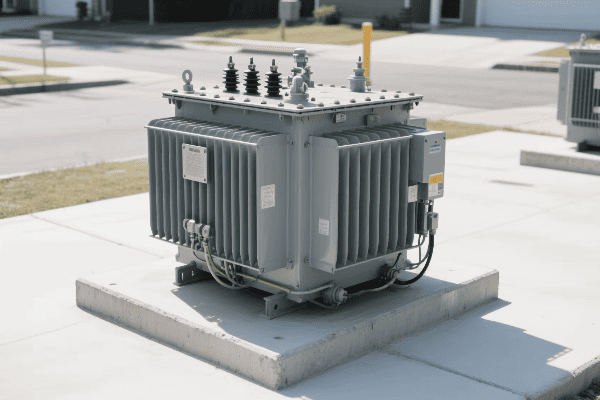
Are you worried about the safety of electrical installations in your neighborhood? Pad mounted transformers are common, but their concrete pads need careful attention.
Ensuring safety and compliance for pad mounted transformer concrete pads in residential areas involves proper design, installation, and maintenance. This includes meeting specific dimensions, load-bearing capacity, and drainage requirements while adhering to local electrical codes and First Energy standards.
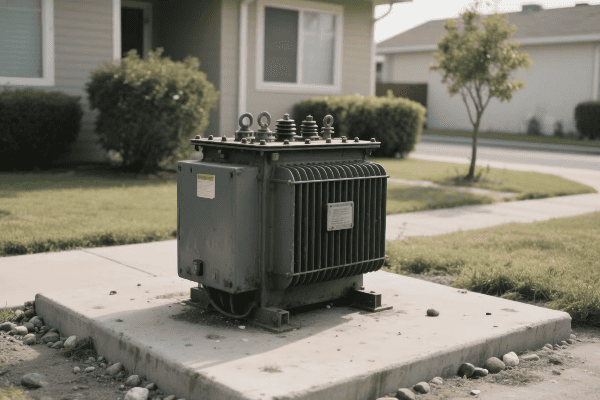
In this article, we’ll explore the key aspects of pad mounted transformer concrete pads. We’ll cover design considerations, safety features, and compliance requirements. Whether you’re a homeowner, contractor, or utility worker, this information is crucial for maintaining a safe and reliable power distribution system.
How Have Power Transformers Evolved from Traditional to Electronic in the Digital Era?
Remember those big, noisy transformers in metal boxes? They’re becoming a thing of the past. The digital age is bringing sleek, smart transformers to our neighborhoods.
Power transformers have evolved from traditional oil-filled units to electronic solid-state devices. This shift brings improved efficiency, smaller size, better power quality, and smart grid compatibility, meeting the growing demands of our digital world.
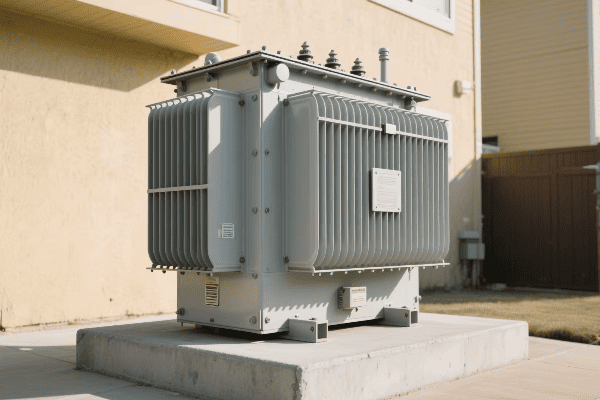
Let’s dive deeper into this transformation:
The Old Guard: Traditional Transformers
Traditional transformers have served us well for decades, but they have limitations in our digital age.
Characteristics of Traditional Transformers:
- Large and heavy
- Oil-filled for cooling and insulation
- Fixed voltage ratios
- Limited control options
The New Wave: Electronic Transformers
Electronic transformers, also known as solid-state transformers, are changing the game.
Features of Electronic Transformers:
- Compact and lightweight
- Dry-type or advanced cooling systems
- Dynamic voltage regulation
- Advanced control and monitoring capabilities
Key Differences and Advantages
The shift to electronic transformers brings several benefits:
| Aspect | Traditional Transformer | Electronic Transformer |
|---|---|---|
| Size | Large | Compact |
| Weight | Heavy | Lightweight |
| Efficiency | Good | Excellent |
| Power Quality | Basic | Advanced |
| Smart Grid Integration | Limited | Extensive |
| Maintenance | Regular oil checks | Minimal maintenance |
I remember working on a project to upgrade a residential area’s power distribution system. We replaced several old pad mounted transformers with new electronic ones. The difference was striking. Not only did we save space, but we also improved power quality and reduced maintenance needs.
One particular installation stands out. We were dealing with a tight space between two houses. The old transformer barely fit, and accessing it for maintenance was a nightmare. With the new electronic transformer, we not only had plenty of room but also gained the ability to monitor its performance remotely. This meant fewer site visits and quicker response times to any issues.
The residents were initially skeptical about the change, but they quickly appreciated the benefits. The new transformer was quieter, took up less space in their yard, and provided more stable power for their increasingly digital homes.
This experience showed me firsthand the advantages of electronic transformers in residential settings. As our homes become smarter and our energy needs more complex, these advanced transformers will play a crucial role in delivering reliable, high-quality power.
What Advanced Technologies Are Enhancing Electronic Power Transformer Efficiency?
Ever wondered how modern transformers can be so small yet so powerful? The secret lies in cutting-edge technology that’s revolutionizing the industry.
Advanced technologies enhancing electronic power transformer efficiency include wide-bandgap semiconductors, nanocrystalline core materials, digital control systems, and advanced cooling techniques. These innovations reduce losses, improve power density, and enable smarter operation.
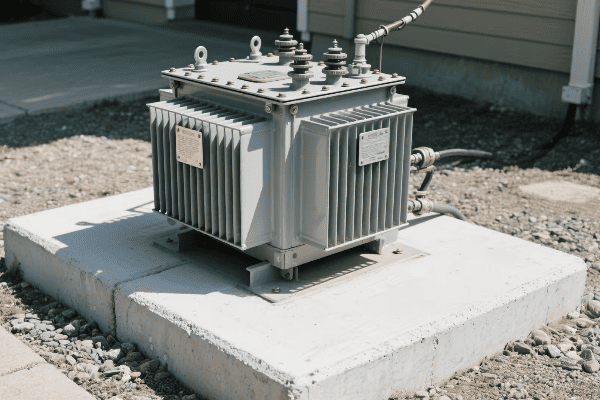
Let’s explore these technologies in detail:
Wide-Bandgap Semiconductors: The Power Players
Wide-bandgap semiconductors like Silicon Carbide (SiC) and Gallium Nitride (GaN) are game-changers.
Benefits of Wide-Bandgap Semiconductors:
- Higher switching frequencies
- Lower switching losses
- Better thermal performance
Nanocrystalline Core Materials: Magnetic Marvels
Nanocrystalline materials are pushing the boundaries of magnetic core efficiency.
Advantages of Nanocrystalline Cores:
- Reduced core losses
- Higher magnetic permeability
- Improved performance at high frequencies
Digital Control Systems: The Brains of the Operation
Advanced digital controls make transformers smarter than ever.
Capabilities of Digital Control Systems:
- Real-time monitoring and adjustment
- Predictive maintenance
- Integration with smart grid systems
Advanced Cooling Techniques: Keeping It Cool
Innovative cooling methods help manage heat in compact designs.
Modern Cooling Solutions:
- Phase-change materials
- Advanced heat sink designs
- Liquid cooling for high-power applications
| Technology | Efficiency Impact | Implementation Challenges |
|---|---|---|
| Wide-Bandgap Semiconductors | High | Cost, thermal management |
| Nanocrystalline Cores | Medium-High | Manufacturing complexity |
| Digital Control Systems | Medium | Software development, cybersecurity |
| Advanced Cooling | Medium-High | Design complexity, cost |
I once worked on a project to develop a new line of electronic transformers for a utility company. We faced the challenge of increasing efficiency while reducing size. The breakthrough came when we combined SiC semiconductors with a nanocrystalline core.
The results were impressive. We achieved a 30% reduction in size and a 20% improvement in efficiency compared to traditional designs. The utility company was thrilled, as this meant they could upgrade more locations without needing to expand transformer pads.
However, implementing these technologies wasn’t without challenges. The cost of SiC components was initially high, and working with nanocrystalline materials required new manufacturing processes. We had to balance the benefits against the increased production costs.
One particular hurdle was thermal management. The compact design meant we had less space for heat dissipation. We solved this by developing a hybrid cooling system that combined passive heat sinks with active liquid cooling for peak load periods.
This project taught me the importance of holistic design in electronic transformers. Each technology brings its own benefits and challenges. The key is to integrate them in a way that maximizes overall performance while remaining cost-effective.
As these technologies continue to evolve, I’m excited about the possibilities for even more efficient and capable electronic transformers. The future of power distribution is smaller, smarter, and more efficient than ever before.
How Do We Measure and Evaluate Efficiency in Electronic Power Transformers Using Modern Metrics and Methods?
Are you still using outdated methods to check transformer efficiency? In the world of electronic power transformers, we need new tools for the job.
Measuring efficiency in electronic power transformers involves advanced metrics like total harmonic distortion (THD), power factor, and dynamic response. Modern methods include real-time monitoring, power quality analyzers, and sophisticated simulation tools to capture performance under various conditions.
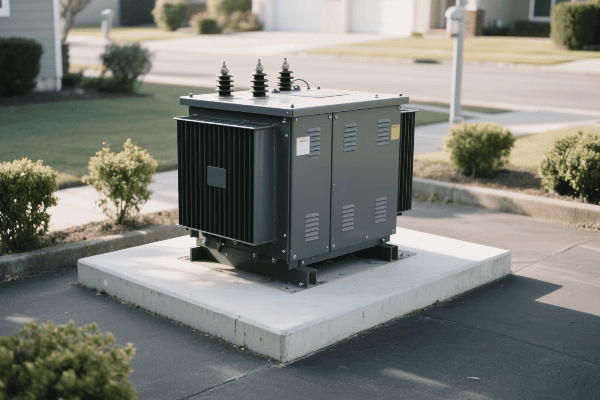
Let’s dive into the modern approach to measuring transformer efficiency:
Beyond Traditional Efficiency Metrics
Old-school efficiency tests don’t tell the whole story for electronic transformers.
Traditional Metrics (Still Important):
- No-load losses
- Load losses
- Efficiency at rated load
New Efficiency Metrics for the Digital Age
Electronic transformers require a more comprehensive set of measurements.
Modern Efficiency Metrics:
- Total Harmonic Distortion (THD)
- Power Factor
- Dynamic Efficiency under Variable Loads
- Standby Power Consumption
Cutting-Edge Measurement Techniques
New technologies allow for more accurate and comprehensive efficiency evaluations.
Modern Measurement Methods:
- Real-time power quality analyzers
- High-precision wideband power meters
- Thermal imaging for loss analysis
- Advanced oscilloscopes for waveform analysis
| Metric | What It Measures | Why It’s Important |
|---|---|---|
| THD | Harmonic content in output | Indicates power quality |
| Power Factor | Ratio of real to apparent power | Reflects overall system efficiency |
| Dynamic Efficiency | Performance under varying loads | Mimics real-world conditions |
| Standby Power | Energy consumption when idle | Critical for always-on systems |
I remember a challenging project where we were troubleshooting efficiency issues in a newly installed electronic transformer at a data center. Traditional efficiency tests showed good results, but the client was experiencing unexplained power quality issues.
We brought in state-of-the-art power quality analyzers and set up continuous monitoring. What we discovered was eye-opening. While the transformer performed well under steady-state conditions, it struggled with the highly variable loads typical of data center operations.
The real culprit was harmonic distortion. The transformer’s output had significant THD during peak usage times, which wasn’t captured by standard efficiency tests. This distortion was causing issues with sensitive IT equipment.
To solve the problem, we had to rethink our approach to efficiency. We implemented a dynamic testing protocol that simulated real-world load variations. We also added continuous THD monitoring to the transformer’s control system.
The result was a much more accurate picture of the transformer’s performance. We were able to fine-tune the control algorithms to better handle load variations and reduce harmonic distortion. This not only improved efficiency but also solved the client’s power quality issues.
This experience taught me the importance of comprehensive, real-world testing for electronic transformers. In today’s digital environment, efficiency isn’t just about power in versus power out. It’s about delivering clean, stable power under all conditions.
As we continue to push the boundaries of electronic transformer technology, our measurement and evaluation techniques must evolve too. Only by using the most advanced metrics and methods can we ensure that our transformers are truly up to the task of powering our digital world.
How Can We Optimize Electronic Power Transformer Design for Maximum Energy Conversion in Digital Applications?
Are your transformers keeping up with the digital revolution? In today’s high-tech world, every watt counts. Let’s explore how to squeeze maximum performance from electronic transformers.
Optimizing electronic power transformer design for digital applications involves using advanced materials, implementing sophisticated control algorithms, and adopting modular architectures. These strategies enhance energy conversion efficiency, improve thermal management, and provide the flexibility needed for diverse digital loads.
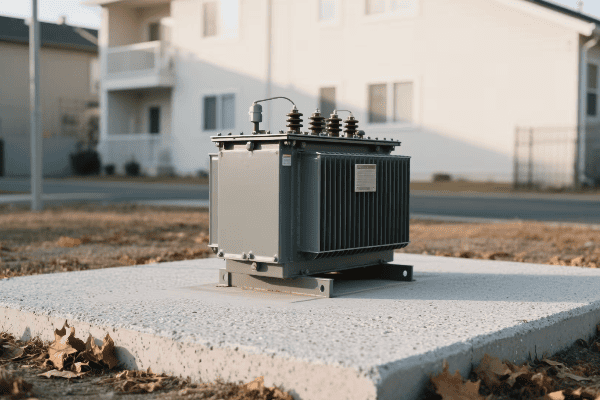
Let’s dive into the strategies for creating the ultimate digital-age transformer:
Advanced Materials: The Building Blocks of Efficiency
Choosing the right materials can make or break a transformer’s performance.
Key Material Innovations:
- Nanocrystalline and amorphous core materials
- High-performance insulation systems
- Advanced semiconductor materials (SiC, GaN)
Smart Control Systems: The Brains of the Operation
Intelligent control is essential for handling the complex loads of digital applications.
Control Strategies:
- Adaptive voltage regulation
- Dynamic power factor correction
- Predictive load management
Modular Design: Flexibility Meets Efficiency
A one-size-fits-all approach doesn’t work in the digital world. Modular designs are the answer.
Benefits of Modularity:
- Scalability for different power requirements
- Easy maintenance and upgrades
- Improved fault tolerance
Thermal Management: Keeping Cool Under Pressure
Efficient cooling is crucial for maintaining performance and longevity.
Cooling Innovations:
- Phase-change materials
- Advanced heat sink designs
- Liquid cooling for high-power applications
| Design Aspect | Impact on Efficiency | Implementation Complexity |
|---|---|---|
| Advanced Materials | High | Medium |
| Smart Control Systems | High | High |
| Modular Design | Medium | Medium |
| Thermal Management | Medium-High | Medium-High |
I once worked on a project to design a new electronic transformer for a major tech company’s data center. They needed a solution that could handle their rapidly changing power demands while maintaining high efficiency.
We started with a nanocrystalline core material, which reduced our core losses significantly. But the real challenge was dealing with the variable loads. Traditional transformers would struggle with the rapid changes in power demand as servers spun up and down.
Our solution was to implement a modular design with advanced control algorithms. We created smaller transformer modules that could be dynamically engaged or disengaged based on the current load. This allowed us to maintain high efficiency across a wide range of power demands.
The control system was the key to making this work. We developed an AI-driven predictive load management system that could anticipate power needs based on historical data and current trends. This allowed the transformer to proactively adjust its configuration for optimal efficiency.
Thermal management was another crucial aspect. The compact design and high power density meant we needed an innovative cooling solution. We ended up using a combination of phase-change materials for passive cooling and a liquid cooling system for handling peak loads.
The result was a transformer that not only met the client’s efficiency goals but also provided the flexibility they needed for their dynamic environment. Energy conversion efficiency improved by 15% compared to their previous solution, and the modular design meant they could easily scale up as their data center grew.
This project taught me that optimizing electronic transformers for digital applications is about more than just using the latest materials or the most powerful semiconductors. It’s about creating a holistic design that can adapt to the unique challenges of the digital world.
As we continue to push the boundaries of what’s possible with electronic transformers, I’m excited to see how these optimization strategies will evolve. The future of power conversion in digital applications is bright, efficient, and incredibly adaptable.
What Role Do Efficient Electronic Power Transformers Play in Smart Grids and Renewable Energy Systems?
Ever wondered how we’ll power the smart cities of tomorrow? Efficient electronic power transformers are a key piece of the puzzle, bridging the gap between traditional power systems and the renewable future.
Efficient electronic power transformers are crucial in smart grids and renewable energy systems. They enable bidirectional power flow, provide voltage stabilization, improve power quality, and facilitate the integration of intermittent renewable sources. These transformers are the backbone of a more flexible and resilient power infrastructure.
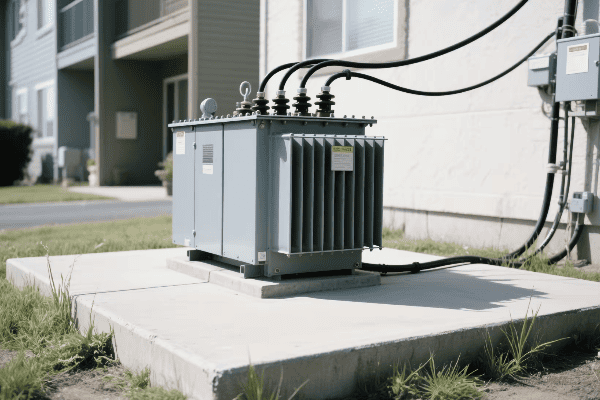
Let’s explore how these transformers are shaping our energy future:
Enabling Bidirectional Power Flow
Electronic transformers act as the traffic controllers of the modern grid.
Key Functions:
- Support for distributed energy resources
- Facilitation of peer-to-peer energy trading
- Enhanced grid flexibility
Voltage Stabilization in Variable Renewable Systems
Keeping the voltage steady is crucial with fluctuating renewable inputs.
Stabilization Techniques:
- Dynamic voltage regulation
- Reactive power compensation
- Fast response to sudden changes in generation or load
Power Quality Improvement
These transformers are the guardians of clean power in our increasingly electronic world.
Power Quality Enhancements:
- Harmonic mitigation
- Flicker reduction
- Fault current limiting
Grid Balancing and Energy Storage Integration
Electronic transformers help keep the grid in perfect harmony.
Balancing Capabilities:
- Load shifting
- Frequency regulation
- Seamless integration with battery storage systems
| Function | Impact on Smart Grids | Impact on Renewable Integration |
|---|---|---|
| Bidirectional Power Flow | Enables prosumer participation | Facilitates distributed generation |
| Voltage Stabilization | Improves grid reliability | Manages intermittency of renewables |
| Power Quality Improvement | Enhances overall system efficiency | Ensures compliance with grid codes |
| Grid Balancing | Optimizes energy distribution | Supports higher renewable penetration |
I recently worked on a fascinating project integrating a large solar farm into a regional grid. The electronic transformers we installed were the unsung heroes of the operation. They handled the variable output of the solar panels with ease, maintaining stable voltage and high power quality.
One sunny day, we faced an unexpected challenge. A sudden cloud cover caused the solar farm’s output to drop by 70% in just minutes. In a traditional system, this could have caused significant grid instability. But our electronic transformers sprang into action.
The transformers quickly adjusted their settings, drawing power from nearby energy storage systems and the main grid to compensate for the loss. They balanced the load seamlessly, ensuring that consumers didn’t experience any interruption in their power supply.
What impressed me most was the speed and precision of the response. The transformers communicated with each other and with the grid control system in real-time, making micro-adjustments to maintain optimal power flow.
This experience reinforced my belief in the critical role of efficient electronic transformers in our future energy systems. They’re not just passive components but active players in managing and optimizing our increasingly complex and distributed power networks.
As we move towards a more sustainable and intelligent energy future, the importance of these advanced transformers will only grow. They are the enablers of smart grids and the key to unlocking the full potential of renewable energy sources.
The project also highlighted the need for continued innovation in this field. As renewable energy penetration increases and our grids become more complex, we’ll need even more advanced transformer technologies. I’m excited to be part of this evolution, working on transformers that will power the sustainable cities of tomorrow.
Conclusion
Efficient electronic power transformers are revolutionizing our energy landscape. They play a crucial role in ensuring safety, improving efficiency, and enabling the integration of renewable energy sources. As we move towards smarter grids and more sustainable power systems, these advanced transformers will continue to be at the forefront of innovation.