Choosing the right distribution transformer manufacturers can be overwhelming. Prices, delivery times, and technical capabilities vary widely across brands. This guide compares global leaders and regional champions on technology, production capacity, and logistics so you can balance quality, cost, and reliability for 2025 projects—and pick a partner that matches your standards, budget, and timeline.
Top 10 Distribution Transformer Manufacturers
This article compares the top 10 distribution transformer manufacturers, including global leaders like ABB and Siemens, and regional champions such as TBEA and CHBEB. We analyze their strengths in technology, production capacity, and delivery capabilities. This comparison helps buyers make informed decisions based on project requirements, budget constraints, and regional preferences in 2025.
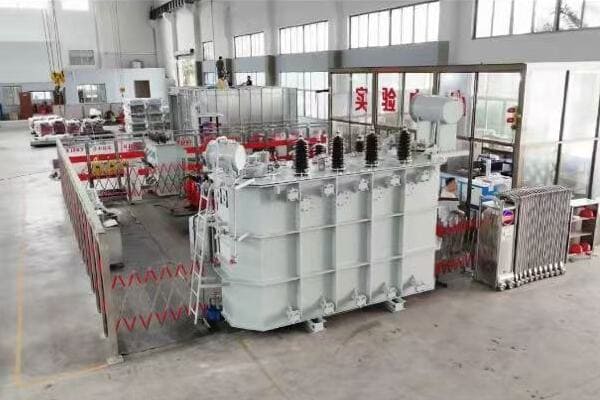
In this comprehensive guide, I’ll walk you through the leading global and regional manufacturers in the distribution transformer market. Whether you’re sourcing for a utility-scale project, industrial application, or commercial installation, this article will provide you with valuable insights to select the best partner for your specific needs.
Global Leaders: ABB, Siemens Energy, Schneider, Eaton, GE
Are you wondering which companies dominate the global distribution transformer market? Understanding the strengths of these industry giants can significantly impact your procurement decisions. But what sets these global leaders apart, and how do they compare to each other?
The global distribution transformer1 market is led by companies like ABB, Siemens Energy, Schneider Electric, Eaton, and GE Grid Solutions. These manufacturers are known for their advanced technologies, wide product ranges, and global presence. They excel in areas such as energy efficiency, smart grid compatibility, and innovative designs that cater to diverse international standards and requirements.
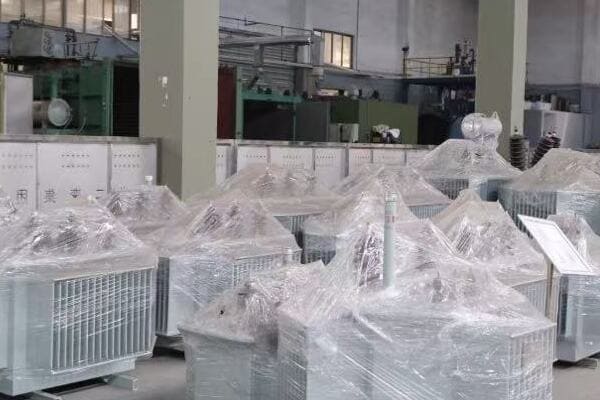
Global Distribution Transformer Leaders
Analyzing Global Market Leaders
Let’s explore the key players in the global distribution transformer market:
- ABB
- Siemens Energy
- Schneider Electric
- Eaton
- GE Grid Solutions
ABB — Digital Integration & Renewables
ABB is a frontrunner in distribution transformer technology:
- Wide range of oil-immersed and dry-type transformers
- Focus on energy efficiency and digital solutions
- Strong presence in renewable energy and smart grid applications
I recently worked on a project where ABB’s smart transformers were crucial in integrating a large solar farm into the existing grid. Their ability to handle bidirectional power flow and provide real-time monitoring was impressive.
Siemens Energy — Ester Fluids & Low-Noise Urban Designs
Siemens Energy is known for its innovative approaches:
- Specializes in medium-voltage distribution transformers
- Emphasis on environmentally friendly designs
- Strong R&D in areas like ester fluids and amorphous core technology
During a recent urban substation upgrade, we chose Siemens Energy transformers for their compact design and low noise levels, which were perfect for the densely populated area.
Schneider Electric — Sustainability & TCO
Schneider Electric focuses on sustainability and efficiency:
- Leader in eco-designed transformers
- Strong in commercial and industrial applications
- Emphasis on total cost of ownership optimization
Here’s a quick comparison of these global leaders:
| Brand | Key Strength | Typical Applications |
|---|---|---|
| ABB | Digital integration | Utility, Renewables |
| Siemens Energy | Innovation in materials | Industrial, Urban |
| Schneider Electric | Sustainability | Commercial, Data Centers |
| Eaton | Reliability | Critical Infrastructure |
| GE Grid Solutions | Grid modernization | Utility, Smart Cities |
Eaton — Reliability for Critical InfrastructureEaton — Reliability for Critical Infrastructure
Eaton excels in reliability and customization:
- Strong in both liquid-filled and dry-type transformers
- Focus on critical power applications
- Known for robust designs and long service life
I recall a data center project where Eaton’s transformers were selected for their exceptional reliability and after-sales support, crucial factors for such critical infrastructure.
GE Grid Solutions — Grid Modernization & Smart Cities
GE Grid Solutions is a leader in grid modernization:
- Expertise in large power transformers and distribution solutions
- Strong focus on smart grid technologies
- Emphasis on grid resilience and efficiency
Key considerations when evaluating global market leaders:
- Assess their technological innovations and how they align with your project needs
- Consider their global presence and ability to provide local support
- Evaluate their experience in your specific industry or application
- Look at their sustainability initiatives and how they align with your corporate goals
- Consider the total cost of ownership, including efficiency and maintenance costs
In my experience, these global leaders often provide cutting-edge solutions but may come at a premium price. I’ve seen projects where the initial higher cost was justified by long-term energy savings and reduced maintenance needs.
As we move forward to discuss regional champions, keep in mind that while these global leaders offer extensive capabilities, regional manufacturers can sometimes provide more tailored solutions or better pricing for specific markets.
Regional Champions Making an Impact?
Are you curious about the regional players that are challenging the global giants in the distribution transformer market? These companies are making significant strides in their local markets and beyond. But what makes them stand out, and how are they competing on the global stage?
Regional champions in the distribution transformer market include TBEA and CHBEB from China, Howard Industries from the USA, Wilson Transformers from Australia, and Crompton Greaves from India. These manufacturers often excel in areas like cost-effectiveness, local market knowledge, and customization for specific regional needs. They are increasingly expanding their global footprint, especially in emerging markets.
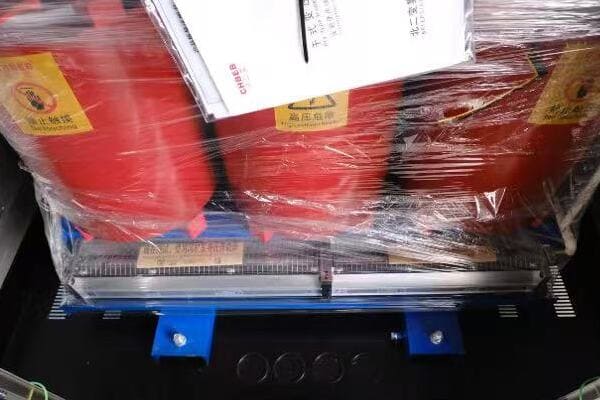
Regional Transformer Manufacturers’ Global Reach
Regional Champions: TBEA, CHBEB, Howard, Wilson, CG
Let’s examine some key regional players making waves in the distribution transformer market:
- TBEA (China)
- CHBEB (China)
- Howard Industries (USA)
- Wilson Transformers (Australia)
- Crompton Greaves (India)
TBEA — Large-Scale Capacity & BRI Projects
TBEA is a major player in the Asian market:
- Large-scale production capabilities
- Strong presence in Belt and Road Initiative projects
- Competitive pricing for high-capacity transformers
I recently visited a TBEA factory and was impressed by their advanced manufacturing processes and quality control measures. Their ability to produce large quantities of transformers efficiently gives them a significant advantage in large-scale projects.
CHBEB — Customization & Fast Delivery for Emerging Markets
CHBEB is recognized as one of China’s regional champions in the distribution transformer industry.
- Customization Strength: CHBEB specializes in adapting transformer designs for non-standard voltages, project-specific grid codes, and customer-driven requirements.
- Fast Turnaround: The company is known for rapid production and delivery cycles, supporting projects with strict deadlines in emerging markets.
- Regional Growth: With a growing footprint in Southeast Asia, the Middle East, and Africa, CHBEB is increasingly chosen by EPCs and utilities looking for reliable yet cost-effective alternatives.
Case Example: In a recent Southeast Asian utility project, CHBEB supplied distribution transformers tailored to the local 11/22kV requirements. The ability to deliver within 30 days helped the client commission the substation on schedule, avoiding costly delays.
Howard Industries — ANSI Compliance for Utilities
Howard Industries is a key player in the North American market:
- Focus on meeting ANSI standards
- Strong in utility and industrial applications
- Known for reliability and after-sales support
Here’s a comparison of these regional champions:
| Brand | Key Strength | Primary Markets |
|---|---|---|
| TBEA | Large-scale production | Asia, Africa |
| CHBEB | Customization | Emerging markets |
| Howard Industries | ANSI compliance | North America |
| Wilson Transformers | Energy efficiency | Australia, Southeast Asia |
| Crompton Greaves | Cost-effectiveness | India, Middle East |
Wilson Transformers — Energy-Efficient Designs
Wilson Transformers excels in energy-efficient designs:
- Leader in Australian and New Zealand markets
- Focus on low-loss transformer technology
- Growing exports to Southeast Asian countries
I worked on a project in Australia where Wilson’s transformers were chosen for their compliance with local energy efficiency standards and their ability to handle the harsh environmental conditions of the outback.
Crompton Greaves — Value Engineering & Cost-Effectiveness
Crompton Greaves is known for its cost-effective solutions:
- Strong presence in Indian and Middle Eastern markets
- Wide range of distribution transformers
- Focus on value engineering for emerging markets
Key considerations when evaluating regional champions:
- Assess their understanding of local standards and regulations
- Consider their production capacity and ability to meet project timelines
- Evaluate their export experience and global support capabilities
- Look at their R&D investments and technological advancements
- Consider their pricing strategy and how it fits with your budget constraints
In my experience, these regional champions often offer a great balance of quality and cost-effectiveness. I’ve seen projects where choosing a regional manufacturer led to significant cost savings without compromising on quality or performance.
As we move forward to compare global and regional manufacturers, keep in mind that the choice between them often depends on specific project requirements, budget constraints, and the importance of local support and customization.
Global vs. Regional: Which Fits Your Project?
Are you finding it challenging to weigh the pros and cons of global versus regional distribution transformer manufacturers? This comparison is crucial for making informed procurement decisions. But how do these different types of manufacturers stack up against each other in key areas?
Global manufacturers like ABB and Siemens often lead in technology and have extensive international experience. Regional champions like TBEA and CHBEB excel in cost-effectiveness and local market knowledge. Global brands typically offer advanced features and worldwide support, while regional manufacturers provide faster customization and often better pricing. The choice depends on project specifics, budget, and required technological sophistication.

Global vs Regional Manufacturer Comparison
Analyzing Global vs Regional Manufacturers
Let’s break down the key differences between global and regional manufacturers:
- Technological Capabilities
- Market Presence and Support
- Customization and Flexibility
- Pricing and Cost-Effectiveness
- Compliance and Certifications
Technology & Standards Compliance: What Buyers Should Know
Global and regional manufacturers often differ in their technological offerings:
- Global: Often lead in cutting-edge technologies and innovations
- Regional: Focus on adapting technologies to local needs and conditions
I once worked on a smart grid project where we chose a global manufacturer for their advanced IoT integration capabilities, which weren’t available from regional suppliers at the time.
Market Presence and After-Sales Support Compared
The scope and nature of market presence vary:
- Global: Worldwide presence with standardized support systems
- Regional: Strong local presence with personalized support
Here’s a comparison table of market presence and support:
| Aspect | Global Manufacturers | Regional Manufacturers |
|---|---|---|
| Geographic Reach | Worldwide | Focused on specific regions |
| Local Knowledge | Broad but sometimes generalized | Deep understanding of local markets |
| After-Sales Support | Standardized global processes | Often more personalized and responsive |
| Spare Parts Availability | Wide network, but can be slower | Usually faster local availability |
Customization, Lead Time & Local Support: Why It Matters
Ability to tailor products to specific needs differs:
- Global: Standardized product lines with some customization options
- Regional: Often more flexible in adapting to unique local requirements
During a recent project in a developing country, we opted for a regional manufacturer due to their willingness to modify designs to meet specific local grid conditions, which global manufacturers were less flexible about.
Price vs. Total Cost of Ownership: Which Is Better Value?
Pricing strategies and cost structures vary:
- Global: Often premium pricing, justified by brand value and advanced features
- Regional: Generally more competitive pricing, especially in their home markets
Key considerations for comparing global and regional manufacturers:
- Assess the level of technological sophistication required for your project
- Consider the importance of local support and market understanding
- Evaluate the need for customization versus standardized solutions
- Analyze the total cost of ownership, not just initial purchase price
- Consider long-term factors like reliability, efficiency, and upgrade potential
In my experience, the choice between global and regional manufacturers often comes down to a balance of factors. I’ve seen projects where the advanced features of global brands were crucial for success, and others where the cost-effectiveness and local knowledge of regional manufacturers were more valuable.
As we continue to explore what sets these brands apart, remember that the best choice depends on your specific project requirements, budget constraints, and long-term operational needs.
What Really Sets Brands Apart: Tech, Capacity, Delivery
Are you wondering what truly differentiates top distribution transformer manufacturers from each other? Understanding these distinctions is crucial for making the right choice for your project. But what specific factors in technology, production capacity, and delivery capabilities set these brands apart?
Leading transformer brands differentiate themselves through technological innovations, production capacities, and delivery capabilities. Global leaders often excel in advanced technologies like smart grid integration and energy efficiency. Regional champions typically offer advantages in production flexibility and faster delivery times. Key differentiators include R&D investments, manufacturing scale, customization abilities, and supply chain efficiencies.

Transformer Manufacturer Differentiators
Analyzing Key Differentiating Factors
Let’s explore what sets these brands apart in three crucial areas:
- Technological Innovations
- Production Capacity and Scalability
- Delivery and Supply Chain Efficiency
Technological Innovations: How R&D Shapes Competitive Advantage
Innovation is a key differentiator among manufacturers:
- Advanced materials (e.g., amorphous core technology)
- Smart features (e.g., IoT integration, real-time monitoring)
- Energy efficiency improvements
I recently worked on a project where we chose a manufacturer specifically for their advanced ester-based insulation technology, which offered superior fire safety and environmental benefits compared to traditional mineral oil.
Production Scale, Automation & Quality Control: Why It Matters
Manufacturing capabilities vary significantly:
- Large-scale production vs. specialized manufacturing
- Automation levels and quality control processes
- Ability to scale production for large projects
Here’s a comparison of production capabilities:
| Aspect | Global Leaders | Regional Champions |
|---|---|---|
| Production Scale | Very large, often global | Medium to large, often regional |
| Automation Level | Highly automated | Varies, often balancing automation and labor |
| Customization Ability | Standardized with some customization | Often more flexible for customization |
| Quality Control | Rigorous, standardized processes | Varies, often with strong local adaptations |
Delivery and Supply Chain Efficiency: What Buyers Should Compare
Delivery capabilities can be a crucial differentiator:
- Global vs. regional supply chain networks
- Lead times and on-time delivery performance
- Flexibility in order sizes and specifications
During a time-critical project in Southeast Asia, we opted for a regional manufacturer due to their ability to deliver custom transformers in half the time quoted by global competitors, which was crucial for meeting our project deadlines.
Key factors that set brands apart:
- R&D investment and pace of innovation
- Manufacturing technology and process efficiency
- Customization capabilities and flexibility
- Global vs. regional supply chain strengths
- After-sales support and service network
In my experience, the true differentiators often become apparent in challenging situations. I’ve seen cases where a manufacturer’s ability to quickly adapt to unexpected project changes or their robust after-sales support made a significant difference in project outcomes.
For instance, during a recent renewable energy project, a global manufacturer’s advanced load management technology proved crucial in handling the variable output from wind turbines, significantly improving grid stability.
As we move towards discussing how to choose the right partner, keep in mind that these differentiating factors should be weighed against your specific project requirements and operational context.
Choosing the Right Partner: What to Consider in 2025?
Are you feeling overwhelmed by the options available when selecting a distribution transformer manufacturer for your 2025 projects? Making the right choice is crucial for project success, but what factors should you prioritize in this rapidly evolving industry landscape?
When choosing a distribution transformer partner in 2025, consider factors like technological advancements in smart grid compatibility and energy efficiency. Evaluate manufacturers’ sustainability practices, digital integration capabilities, and adaptability to renewable energy trends. Also, assess their global vs. local presence, customization abilities, and long-term support. The right partner should align with your project’s specific needs, budget constraints, and future scalability requirements.
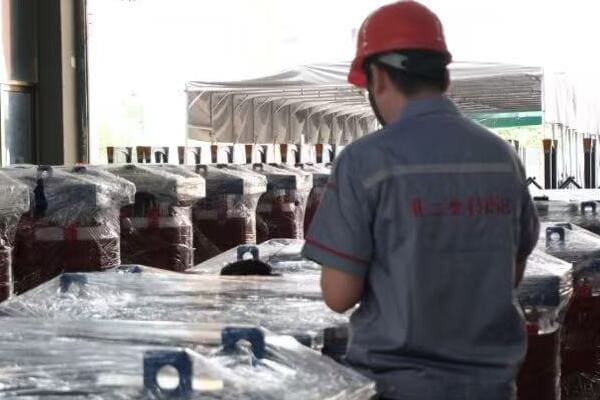
Transformer Manufacturer Selection Process
Key Considerations for Choosing a Transformer Partner
Let’s explore the crucial factors to consider when selecting a manufacturer:
- Technological Alignment with Future Trends
- Sustainability and Environmental Impact
- Customization and Flexibility
- Global vs. Local Support
- Total Cost of Ownership
Technological Alignment with Future Trends: How to Future-Proof Your Project
Ensure the manufacturer’s technology roadmap aligns with industry trends:
- Smart grid compatibility and IoT integration
- Advanced materials for improved efficiency
- Adaptability to renewable energy integration
I recently advised a client to choose a manufacturer with advanced digital twin capabilities for their transformers. This technology allowed for predictive maintenance and optimized performance, crucial for their smart city project.
Sustainability and Environmental Impact
Environmental considerations are increasingly important:
- Use of eco-friendly materials and processes
- Energy efficiency ratings and lifecycle assessments
- Compliance with future environmental regulations
Here’s a comparison of sustainability factors:
| Factor | Traditional Approach | Future-Focused Approach |
|---|---|---|
| Insulation | Mineral oil | Biodegradable esters |
| Core Material | Silicon steel | Amorphous metals |
| Efficiency Standards | Meets current standards | Exceeds future projections |
| Recyclability | Basic | Comprehensive end-of-life management |
Customization and Flexibility: What to Expect from Your Supplier
Ability to adapt to specific project needs is crucial:
- Tailoring designs to unique specifications
- Flexibility in production schedules
- Capacity to handle both standard and non-standard requirements
During a recent project in a remote area with extreme weather conditions, we chose a manufacturer known for their willingness to customize. They modified their standard design to include enhanced cooling and insulation, which was crucial for the transformer’s longevity in that harsh environment.
Global vs. Local Support: How to Balance Expertise and Presence
Consider the balance between global expertise and local presence:
- Availability of local technical support
- Speed of spare parts delivery
- Understanding of local regulations and standards
I once worked on a project where we initially chose a global manufacturer for their advanced technology. However, we faced significant delays due to lack of local support. In subsequent phases, we switched to a manufacturer with a strong local presence, which greatly improved our project efficiency.
Total Cost of Ownership: What Buyers Should Calculate
Look beyond the initial purchase price:
- Energy efficiency and operational costs
- Maintenance requirements and costs
- Expected lifespan and reliability
Key considerations for choosing the right partner in 2025:
- Assess the manufacturer’s investment in R&D and future technologies
- Evaluate their commitment to sustainability and environmental responsibility
- Consider their ability to provide customized solutions for your specific needs
- Weigh the benefits of global expertise against the advantages of local support
- Calculate the total cost of ownership over the transformer’s expected lifespan
In my experience, the best choice often comes from balancing these factors based on your project’s specific requirements. I’ve seen cases where paying a premium for a more technologically advanced transformer resulted in significant long-term savings through improved efficiency and reduced maintenance needs.
For example, in a recent grid modernization project, we chose a manufacturer that offered slightly higher upfront costs but provided advanced remote monitoring capabilities. This feature allowed for predictive maintenance, significantly reducing downtime and operational costs over the life of the transformers.
As we move to discuss transformer supplier trends to watch in 2025, keep in mind that the ideal partner should not only meet your current needs but also be well-positioned to adapt to future industry developments.
Distribution Transformer Supplier Trends to Watch in 2025?
Are you wondering how the distribution transformer market will evolve by 2025? Staying ahead of industry trends is crucial for making informed decisions about your power infrastructure. But what key developments should you be watching, and how might they impact your choice of transformer suppliers?
Key trends in the distribution transformer market for 2025 include increased focus on smart grid compatibility, adoption of eco-friendly materials, integration of AI for predictive maintenance, and advancements in energy efficiency. Suppliers are also moving towards modular designs for easier upgrades and exploring new materials like high-temperature superconductors. These trends are reshaping product offerings and supplier strategies.

2025 Transformer Market Trends
Analyzing Key Trends in the Transformer Market
Let’s explore the major trends shaping the distribution transformer industry:
- Smart Grid Integration and IoT Connectivity
- Eco-Friendly and Sustainable Designs
- AI and Predictive Maintenance
- Modular and Scalable Solutions
- Advanced Materials and Efficiency Improvements
Smart Grid Integration and IoT Connectivity: How Transformers Are Getting Smarter
Transformers are becoming key nodes in smart grid networks:
- Real-time monitoring and data analytics capabilities
- Enhanced grid stability and load management features
- Cybersecurity considerations in transformer design
I recently worked on a project where we implemented smart transformers with advanced IoT capabilities. These units provided real-time data on power quality and usage patterns, allowing for dynamic load balancing and significantly improving overall grid efficiency.
Eco-Friendly and Sustainable Designs: Why Green Matters in 2025
Sustainability is becoming a core focus:
- Increased use of biodegradable insulating fluids
- Designs optimized for recyclability and reduced environmental impact
- Focus on reducing carbon footprint in manufacturing processes
Here’s a comparison of traditional vs. eco-friendly approaches:
| Aspect | Traditional Approach | Eco-Friendly Approach |
|---|---|---|
| Insulation | Mineral oil | Natural esters or synthetic esters |
| Core Material | Conventional silicon steel | Amorphous metals or high-grade silicon steel |
| Cooling System | Forced air or oil | Natural cooling or biodegradable coolants |
| End-of-Life | Limited recyclability | Designed for easy recycling and material recovery |
AI and Predictive Maintenance: What Buyers Should Expect
Artificial Intelligence is revolutionizing transformer maintenance:
- AI-driven predictive maintenance to prevent failures
- Machine learning algorithms for optimizing performance
- Integration with broader asset management systems
During a recent utility modernization project, we implemented AI-enabled transformers that could predict potential failures weeks in advance. This capability significantly reduced unplanned downtime and maintenance costs.
Modular and Scalable Solutions: How Suppliers Deliver Flexibility
Flexibility in design and deployment is becoming crucial:
- Modular transformer designs for easier upgrades and replacements
- Scalable solutions to accommodate growing power needs
- Plug-and-play components for faster installation and commissioning
Key trends to watch in the transformer market:
- Increased adoption of digital twin technology for lifecycle management
- Development of hybrid transformers combining different voltage technologies
- Integration of energy storage capabilities within transformer units
- Enhanced focus on cybersecurity features in smart transformers
- Exploration of new materials like high-temperature superconductors
In my experience, staying ahead of these trends can provide significant advantages in both performance and cost-effectiveness. I’ve seen projects where early adoption of trends like AI-driven maintenance or eco-friendly designs led to substantial long-term benefits, including reduced operational costs and improved regulatory compliance.
For instance, a forward-thinking utility company I worked with invested in modular, easily upgradable transformers. This decision initially seemed costly, but it paid off when they were able to quickly adapt to new smart grid requirements without replacing entire units.
As we conclude our exploration of the distribution transformer market, remember that these trends will likely shape the industry’s future. Suppliers who are at the forefront of these developments may offer significant advantages in terms of future-proofing your power infrastructure investments.
Conclusion
Choosing the right distribution transformer manufacturer is crucial for project success. Global leaders offer advanced technology and worldwide support, while regional champions excel in cost-effectiveness and local knowledge. Consider factors like smart grid compatibility, sustainability, and total cost of ownership when making your decision. Stay informed about emerging trends to ensure your choice aligns with future industry developments.
Remember, at chbeb-ele, we’re not just sharing information – we’re empowering you to be part of the solution in creating a secure, clean, and efficient energy future. Let’s continue this journey together.
Want to compare more transformer options and technical details?
Download our full transformer catalog here or reach out to CHBEB for a personalized quotation.