
Are you concerned about the environmental impact of your power distribution system? You’re not alone. Many engineers and facility managers are seeking safer, cleaner alternatives to traditional oil-filled transformers. But what if there was a solution that could eliminate oil leaks, reduce fire risks, and allow for safer indoor installations?
Dry type transformers offer key environmental benefits: they use no oil, generate minimal emissions, and eliminate fire and leakage risks. Their safe, low-maintenance design makes them ideal for indoor use in commercial, industrial, and public infrastructure projects.
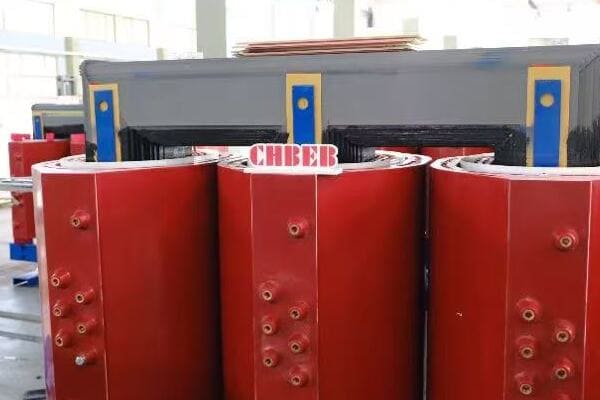
In this article, I’ll explore the significant environmental advantages of dry type transformers. We’ll dive into their oil-free design, enhanced fire safety, suitability for indoor use, and compliance with green energy standards. Whether you’re planning a new installation or upgrading an existing system, understanding these benefits will help you make an informed decision that’s both environmentally responsible and operationally sound.
Why Environmental Considerations Matter in Transformer Selection?
Have you ever wondered about the long-term environmental impact of your transformer choice? It’s a question that’s becoming increasingly important in our eco-conscious world. But why exactly should environmental factors play a crucial role in your transformer selection process?
**Environmental considerations in transformer selection are crucial for several reasons:
- Regulatory compliance with stricter environmental laws
- Reduced risk of soil and water contamination
- Enhanced safety for personnel and surrounding areas
- Lower long-term costs associated with environmental management
- Alignment with corporate sustainability goals and public image**
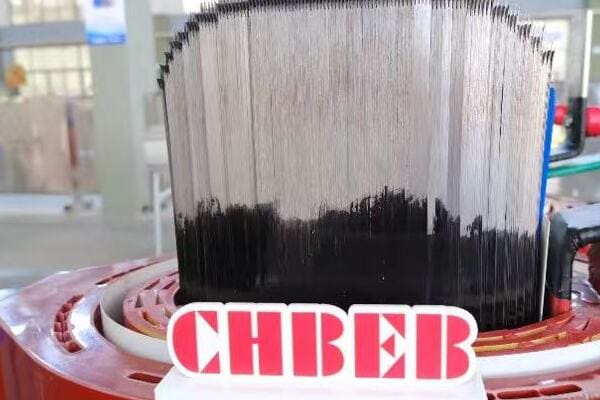
The Importance of Environmental Factors in Transformer Choice
Let’s delve deeper into why environmental considerations should be at the forefront of your transformer selection process:
1. Regulatory Compliance
Key points:
- Increasingly stringent environmental regulations
- Potential fines and legal issues for non-compliance
- Future-proofing against expected regulatory changes
I once worked on a project where a client had to replace their entire transformer fleet due to new environmental regulations. The cost and disruption could have been avoided if environmental factors had been considered in the initial selection.
2. Risk Mitigation
Environmental risks include:
- Soil and groundwater contamination from oil leaks
- Air pollution from potential fires
- Long-term health impacts on surrounding communities
3. Safety Enhancements
Safety benefits of environmentally friendly transformers:
- Reduced fire hazards
- Elimination of oil spill risks
- Safer handling and maintenance procedures
4. Cost Implications
Long-term cost factors:
- Lower insurance premiums for safer installations
- Reduced environmental management and monitoring costs
- Avoidance of potential cleanup and remediation expenses
Here’s a comparison table of environmental considerations for different transformer types:
| Aspect | Oil-Filled Transformer | Dry Type Transformer |
|---|---|---|
| Risk of Oil Leaks | High | None |
| Fire Hazard | Significant | Minimal |
| Indoor Use Safety | Limited | Excellent |
| Environmental Monitoring | Extensive | Minimal |
| End-of-Life Disposal | Complex | Simpler |
In my experience, the importance of environmental factors in transformer selection often becomes apparent long after the initial installation. I recall a project where a company chose standard oil-filled transformers to save on upfront costs. Years later, they faced significant expenses and reputational damage due to a minor oil leak that contaminated the surrounding soil. This incident highlighted the long-term value of environmentally friendly options like dry type transformers.
The impact on corporate sustainability goals is another crucial factor. I recently consulted for a company aiming to achieve carbon neutrality. By selecting eco-friendly dry type transformers, they not only reduced their environmental footprint but also improved their sustainability ratings, which had a positive impact on their brand image and stakeholder relations.
Public perception and community relations can be significantly influenced by transformer choices. In a project for a substation near a residential area, the selection of dry type transformers helped alleviate community concerns about safety and environmental impact. This choice facilitated a smoother approval process and better long-term community acceptance of the installation.
The adaptability to future environmental standards is an often-overlooked aspect. I’m currently working on a project where we’re implementing transformers that not only meet current standards but are also designed to comply with anticipated future regulations. This forward-thinking approach protects the client from potential costly upgrades or replacements due to regulatory changes.
Lastly, the role of transformers in achieving broader environmental goals shouldn’t be underestimated. In a recent smart grid project, the selection of environmentally friendly transformers was a key component in the overall strategy to create a more sustainable and efficient power distribution system. This holistic approach demonstrated how individual component choices can contribute to larger environmental initiatives.
Considering environmental factors in transformer selection is not just about compliance or risk mitigation; it’s about making a responsible choice that aligns with broader sustainability goals. By prioritizing these considerations, you’re not only protecting the environment but also making a decision that often proves to be more cost-effective and operationally sound in the long run. As we continue to face growing environmental challenges, the choice of eco-friendly transformer solutions like dry type units becomes increasingly important in building a sustainable and resilient power infrastructure.
No Oil, No Risk – The Pollution-Free Design Advantage?
Are you tired of worrying about potential oil leaks and environmental contamination from your transformers? You’re not alone. Many facility managers and environmental officers grapple with the risks associated with oil-filled transformers. But what if there was a solution that eliminated these concerns entirely?
**Dry type transformers offer a pollution-free design advantage:
- No oil means zero risk of leaks or spills
- Eliminates the need for containment systems
- Reduces environmental monitoring and reporting requirements
- Simplifies maintenance and disposal procedures
- Ideal for environmentally sensitive locations**

Exploring the Benefits of Oil-Free Transformer Design
Let’s delve into the advantages of the oil-free design in dry type transformers:
1. Elimination of Oil Leaks
Key benefits:
- No risk of soil or water contamination
- Avoidance of costly cleanup operations
- Protection of surrounding ecosystems
I once worked on a project replacing oil-filled transformers in a water treatment facility. The switch to dry type units eliminated the constant worry about potential oil contamination of the water supply, providing peace of mind to both operators and the community.
2. Simplified Environmental Compliance
Advantages in regulatory compliance:
- Reduced reporting requirements
- Elimination of oil handling and disposal regulations
- Easier permitting process for sensitive locations
3. Lower Maintenance and Operational Costs
Cost-saving aspects:
- No need for regular oil testing and replacement
- Elimination of oil filtration systems
- Reduced need for specialized handling equipment
4. Enhanced Safety for Personnel
Safety improvements:
- No exposure to potentially harmful transformer oils
- Reduced risk of slips and falls from oil leaks
- Simplified emergency response procedures
Here’s a comparison table of environmental risks between oil-filled and dry type transformers:
| Environmental Risk | Oil-Filled Transformer | Dry Type Transformer |
|---|---|---|
| Soil Contamination | High | None |
| Water Pollution | Significant | None |
| Hazardous Waste Generation | Regular (oil disposal) | Minimal |
| Wildlife Impact | Potential | Negligible |
| Long-term Environmental Liability | Substantial | Minimal |
In my experience, the pollution-free design of dry type transformers often leads to significant long-term benefits. I recall a project for a manufacturing plant located near a protected wetland. The choice of dry type transformers not only simplified the environmental impact assessment process but also provided ongoing assurance against potential ecological damage. This decision proved invaluable when the local environmental regulations became more stringent years later.
The simplification of maintenance procedures is another major advantage. In a recent industrial project, we replaced several aging oil-filled units with dry type transformers. The maintenance team reported a dramatic reduction in routine tasks and associated costs. They no longer needed to perform regular oil tests, manage oil inventories, or worry about disposal of contaminated oil.
The impact on emergency preparedness is often underappreciated. I worked with a facility that transitioned to dry type transformers as part of a comprehensive safety upgrade. The elimination of oil significantly simplified their emergency response plans and reduced the potential severity of incidents. This not only enhanced safety but also led to reduced insurance premiums.
For installations in environmentally sensitive areas, dry type transformers can be a game-changer. In a recent project near a national park, the use of oil-free transformers was crucial in obtaining permits. The absence of potential oil contamination risks made it much easier to demonstrate environmental responsibility and gain approval from conservation authorities.
The end-of-life considerations also favor dry type transformers. I’m currently advising on a large-scale transformer replacement program where the simplified disposal process of dry type units is a key factor. Unlike oil-filled transformers, which require careful handling and disposal of potentially contaminated oil, dry type units can be more easily recycled, aligning better with circular economy principles.
Lastly, the adaptability to changing environmental standards is a significant advantage. In an ongoing smart grid project, we’re implementing dry type transformers as part of a future-proof design. Their oil-free nature provides flexibility in meeting potential future regulations on hazardous materials and environmental protection.
The pollution-free design of dry type transformers offers a compelling advantage in today’s environmentally conscious world. By eliminating the risks associated with oil leaks and spills, these transformers provide a safer, more environmentally friendly option for power distribution. The benefits extend beyond just environmental protection to include simplified maintenance, enhanced safety, and easier regulatory compliance. As we continue to prioritize sustainability and environmental responsibility in our infrastructure, the oil-free design of dry type transformers represents a significant step forward in creating cleaner, safer electrical systems.
Fire Safety Benefits of Dry Type Transformers?
Are you concerned about fire risks in your electrical infrastructure? You should be. Transformer fires can be catastrophic, leading to extensive damage, costly downtime, and potential loss of life. But what if there was a transformer option that significantly reduced these fire risks?
**Dry type transformers offer superior fire safety benefits:
- Non-flammable materials eliminate the risk of oil fires
- Higher fire resistance ratings (up to class F1)
- Reduced need for extensive fire suppression systems
- Safer for indoor and populated areas
- Lower insurance premiums due to reduced fire risk**
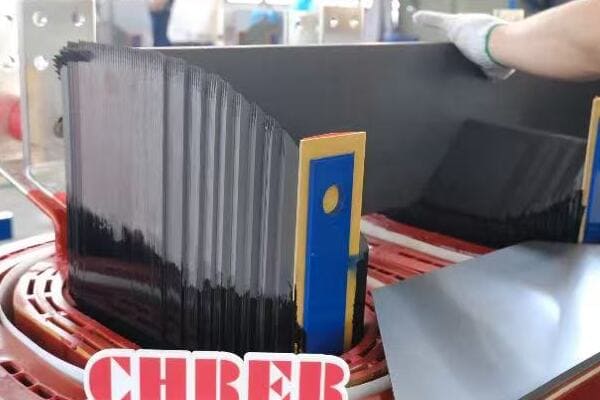
Exploring the Fire Safety Advantages of Dry Type Transformers
Let’s delve into the specific fire safety benefits that make dry type transformers a superior choice:
1. Non-Flammable Construction
Key features:
- Use of fire-resistant insulation materials
- Absence of combustible oil
- Reduced fire propagation potential
I once consulted on a project retrofitting an old urban substation. The switch to dry type transformers allowed us to significantly reduce the fire risk in a densely populated area, easing both regulatory approvals and community concerns.
2. Enhanced Fire Resistance Ratings
Fire safety classifications:
- F0: No specific fire behavior requirements
- F1: Limited flammability and self-extinguishing properties
- F2: Highest level of fire resistance (rare in transformers)
3. Simplified Fire Protection Systems
Advantages in fire safety infrastructure:
- Reduced need for extensive fire walls
- Minimized requirements for oil containment and drainage
- Potential elimination of dedicated fire suppression systems
4. Improved Safety in Populated Areas
Benefits for public safety:
- Safer for installation near residential or commercial areas
- Reduced evacuation zone requirements
- Lower risk to surrounding structures in case of failure
Here’s a comparison table of fire safety aspects between oil-filled and dry type transformers:
| Fire Safety Aspect | Oil-Filled Transformer | Dry Type Transformer |
|---|---|---|
| Flammable Materials | Yes (oil) | No |
| Fire Initiation Risk | Higher | Lower |
| Fire Spread Potential | Significant | Minimal |
| Smoke Generation | Heavy, toxic | Limited |
| Required Fire Suppression | Extensive | Minimal |
In my experience, the fire safety benefits of dry type transformers often become most apparent in retrofit projects. I recall a case where we replaced oil-filled transformers in the basement of a high-rise office building. The switch to dry type units not only enhanced fire safety but also allowed for the repurposing of space previously dedicated to fire containment, adding valuable real estate to the building.
The impact on insurance costs can be substantial. In a recent industrial project, the client saw a significant reduction in their insurance premiums after switching to dry type transformers. The insurance company recognized the reduced fire risk, translating to immediate cost savings for the facility.
For critical infrastructure, the fire safety of dry type transformers can be crucial. I worked on a project for a data center where minimizing fire risk was paramount. The use of F1-rated dry type transformers was a key factor in achieving the stringent fire safety standards required for this high-reliability environment.
The simplified emergency response planning is another significant advantage. In a hospital upgrade project, the adoption of dry type transformers allowed for a streamlined fire safety strategy. The reduced fire risk simplified evacuation procedures and minimized potential disruptions to critical care areas in case of electrical system issues.
Environmental considerations often intersect with fire safety. In a recent project near a protected forest area, the use of dry type transformers was crucial in obtaining environmental permits. The elimination of oil fire risks was a key factor in demonstrating the project’s commitment to environmental protection and fire safety.
Lastly, the evolving landscape of urban development is making the fire safety benefits of dry type transformers increasingly relevant. I’m currently advising on a smart city project where the compact, fire-safe nature of dry type transformers is enabling more flexible and integrated electrical infrastructure design in densely populated areas.
The fire safety benefits of dry type transformers represent a significant advancement in electrical system safety. By eliminating flammable materials and offering superior fire resistance, these transformers provide a safer option for a wide range of applications, from urban environments to critical facilities. The reduced fire risk not only enhances safety for personnel and the public but also offers tangible benefits in terms of simplified fire protection systems and potential cost savings. As we continue to prioritize safety in our infrastructure, the fire-resistant properties of dry type transformers make them an increasingly attractive choice for modern electrical systems.
Ideal for Indoor and Public Space Installations?
Are you struggling to find a safe and efficient transformer solution for indoor or public space installations? You’re not alone. Many engineers and facility managers face challenges when it comes to placing transformers in areas with high foot traffic or limited ventilation. But what if there was a transformer type specifically designed to excel in these environments?
**Dry type transformers are ideal for indoor and public space installations:
- Compact design fits in space-constrained areas
- No oil leaks or fumes, ensuring clean and safe environments
- Quiet operation suitable for noise-sensitive locations
- Minimal ventilation requirements
- Enhanced safety for high-traffic areas
- Compliance with stringent indoor installation codes**
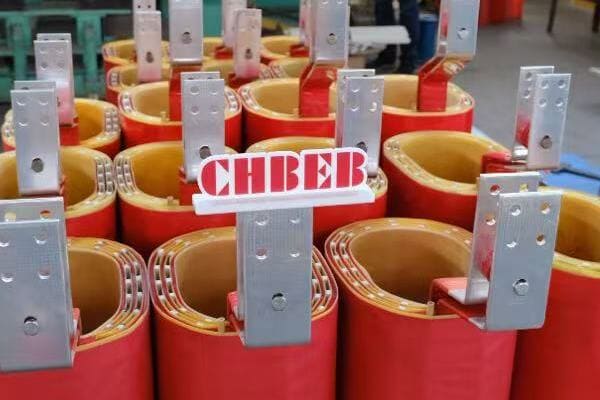
Exploring the Advantages of Dry Type Transformers in Indoor and Public Spaces
Let’s delve into why dry type transformers are the superior choice for indoor and public installations:
1. Space Efficiency
Key benefits:
- Smaller footprint compared to oil-filled units
- Flexible installation options (floor, wall-mounted)
- Easier integration into building designs
I once worked on a project retrofitting an old office building with a new electrical system. The compact size of dry type transformers allowed us to install them in the basement, close to the main distribution panel, without sacrificing valuable floor space.
2. Enhanced Safety for Occupants
Safety advantages:
- No risk of oil leaks or spills in public areas
- Reduced fire hazard
- Minimal exposure to electromagnetic fields
3. Quiet Operation
Noise reduction features:
- Low sound levels suitable for offices, hospitals, and schools
- Elimination of cooling fan noise in many models
- Compliance with strict noise regulations in urban areas
4. Simplified Ventilation Requirements
Ventilation benefits:
- Reduced need for extensive cooling systems
- Lower heat generation compared to oil-filled units
- Easier compliance with indoor air quality standards
Here’s a comparison table of indoor installation aspects between oil-filled and dry type transformers:
| Aspect | Oil-Filled Transformer | Dry Type Transformer |
|---|---|---|
| Space Requirement | Larger (oil tank, cooling) | Compact |
| Safety in Public Areas | Limited | Excellent |
| Noise Level | Higher | Lower |
| Ventilation Needs | Extensive | Minimal |
| Installation Flexibility | Limited | High |
In my experience, the suitability of dry type transformers for indoor installations often leads to creative design solutions. I recall a project for a modern art museum where we integrated compact dry type transformers into the building’s architecture. Their silent operation and absence of oil allowed for installations near gallery spaces without compromising the visitor experience or artwork safety.
The impact on building safety systems can be significant. In a recent high-rise residential project, the use of dry type transformers simplified the building’s fire safety design. We were able to place transformers on various floors without the need for extensive fire suppression systems or oil containment measures, enhancing overall building efficiency and safety.
Ventilation requirements are a crucial factor in indoor installations. I worked on a data center project where the reduced heat generation and minimal ventilation needs of dry type transformers were key advantages. This allowed for a more efficient cooling system design, contributing to the facility’s overall energy efficiency goals.
The flexibility in placement is another significant benefit. In a recent university library renovation, we were able to install dry type transformers in the basement, freeing up valuable space on upper floors for student areas. The quiet operation and minimal electromagnetic interference ensured no disruption to study spaces above.
For public transit projects, dry type transformers offer unique advantages. I consulted on a subway station upgrade where the compact, oil-free design of dry type units was crucial. We installed them in confined spaces within the station, improving power distribution without compromising passenger safety or comfort.
The impact on indoor air quality is often overlooked. In a hospital expansion project, the choice of dry type transformers eliminated concerns about oil fumes or potential contamination. This was particularly important in areas near patient rooms and operating theaters, where air quality is paramount.
Lastly, the adaptability to smart building technologies is becoming increasingly relevant. I’m currently involved in a smart office complex project where dry type transformers are being integrated with building management systems. Their compatibility with advanced monitoring and control systems is enabling more efficient energy management and predictive maintenance strategies.
The suitability of dry type transformers for indoor and public space installations represents a significant advancement in urban and commercial power distribution. Their compact size, enhanced safety features, quiet operation, and minimal ventilation requirements make them an ideal choice for a wide range of applications, from office buildings to hospitals and educational institutions. As our built environments become more complex and space-constrained, the versatility and safety of dry type transformers will likely make them an increasingly popular choice for indoor and public space power solutions.
Green Energy Compliance: RoHS, REACH, and Sustainable Materials?
Are you concerned about meeting increasingly stringent environmental regulations in your power distribution projects? You’re not alone. Many engineers and project managers struggle to navigate the complex landscape of green energy compliance. But what if there was a transformer solution that not only met these standards but exceeded them?
**Dry type transformers offer excellent green energy compliance:
- Meet or exceed RoHS and REACH standards
- Use of sustainable and recyclable materials
- Lower environmental impact throughout lifecycle
- Easier compliance with green building certifications
- Reduced carbon footprint in manufacturing and operation**

Exploring Green Energy Compliance in Dry Type Transformers
Let’s delve into how dry type transformers align with key environmental standards and sustainable practices:
1. RoHS Compliance
Key aspects of RoHS (Restriction of Hazardous Substances) compliance:
- Elimination of lead, mercury, and other hazardous materials
- Use of alternative, environmentally friendly substances
- Reduced environmental impact at end-of-life disposal
I once worked on a project upgrading a manufacturing facility’s electrical system to meet RoHS standards. The switch to dry type transformers was crucial in achieving compliance, particularly in eliminating the use of certain restricted flame retardants common in older transformer designs.
2. REACH Adherence
REACH (Registration, Evaluation, Authorization and Restriction of Chemicals) considerations:
- Careful selection of chemicals and materials
- Transparency in material composition
- Reduced risk of harmful substance exposure
3. Sustainable Material Usage
Eco-friendly material choices:
- Recyclable metals and plastics
- Bio-based insulation materials
- Reduction in use of scarce or environmentally harmful resources
4. Lifecycle Environmental Impact
Factors contributing to reduced environmental footprint:
- Energy-efficient operation
- Longer lifespan reducing replacement frequency
- Easier and cleaner disposal at end-of-life
Here’s a comparison table of environmental compliance aspects between traditional and dry type transformers:
| Aspect | Traditional Transformer | Dry Type Transformer |
|---|---|---|
| RoHS Compliance | Often challenging | Typically compliant |
| REACH Adherence | Varies | Generally adherent |
| Recyclable Materials | Limited | Extensive use |
| Lifecycle Impact | Higher | Lower |
| Green Building Certification | More difficult | Easier to achieve |
In my experience, the green compliance of dry type transformers often becomes a decisive factor in modern construction projects. I recall a LEED-certified office building project where the use of environmentally compliant dry type transformers contributed significantly to achieving the desired green building rating. Their low environmental impact and use of sustainable materials aligned perfectly with the project’s sustainability goals.
The impact on corporate sustainability initiatives can be substantial. In a recent project for a multinational company, the selection of REACH-compliant dry type transformers was a key component of their broader environmental responsibility program. This choice not only ensured regulatory compliance but also supported the company’s public commitment to sustainable practices.
For projects in environmentally sensitive areas, the green credentials of dry type transformers can be crucial. I worked on an installation near a protected watershed where the use of RoHS-compliant transformers was essential in obtaining environmental permits. The absence of hazardous substances provided assurance against potential ecological impacts.
The recyclability aspect of dry type transformers is becoming increasingly important. In a recent large-scale urban development project, we emphasized the use of transformers with highly recyclable components. This approach not only aligned with circular economy principles but also simplified end-of-life planning for the electrical infrastructure.
Energy efficiency is a critical component of green compliance. I’m currently advising on a smart grid project where the energy-efficient operation of dry type transformers is contributing to overall system sustainability. Their lower losses and optimized performance are key factors in reducing the grid’s carbon footprint.
Lastly, the trend towards more transparent supply chains is influencing transformer selection. In an ongoing project for a sustainability-focused tech company, we’re implementing dry type transformers with fully traceable material sourcing. This level of transparency in the supply chain is becoming increasingly important for companies committed to comprehensive environmental and ethical standards.
The green energy compliance of dry type transformers represents a significant step forward in creating more sustainable electrical infrastructure. By meeting and often exceeding standards like RoHS and REACH, and incorporating sustainable materials and practices, these transformers offer a solution that aligns with the growing emphasis on environmental responsibility. As regulations continue to evolve and sustainability becomes increasingly central to project planning, the environmental benefits of dry type transformers will likely make them an even more attractive choice for forward-thinking engineers and project managers.
Summary: Top 5 Environmental Advantages of Dry Type Transformers?
Are you looking for a quick overview of why dry type transformers are the environmentally superior choice? You’re in the right place. After exploring the various aspects of their eco-friendly design, let’s summarize the key environmental benefits that make dry type transformers stand out in today’s green-conscious world.
**Top 5 environmental advantages of dry type transformers:
- Oil-free design eliminates risk of soil and water contamination
- Enhanced fire safety reduces environmental hazards
- Ideal for indoor use, minimizing impact on surroundings
- Compliance with RoHS and REACH for reduced chemical risks
- Lower lifecycle environmental impact and easier recycling**

Detailed Look at the Top Environmental Advantages
Let’s explore each of these advantages in more detail:
1. Oil-Free Design: Environmental Protection
Key benefits:
- Zero risk of oil leaks or spills
- No soil or groundwater contamination
- Simplified environmental management
Throughout my career, I’ve seen numerous cases where oil leaks from traditional transformers caused significant environmental damage. In one memorable project, replacing oil-filled units with dry type transformers in a water treatment facility eliminated the constant risk of water supply contamination, providing peace of mind to both operators and the community.
2. Enhanced Fire Safety: Reduced Environmental Hazards
Safety advantages:
- Minimal fire risk due to non-flammable materials
- Reduced need for fire suppression systems
- Lower risk of releasing toxic fumes in case of failure
3. Indoor Use Suitability: Minimized Environmental Footprint
Benefits for indoor installations:
- Compact design reduces space requirements
- Lower noise and heat emissions
- Reduced need for extensive ventilation systems
4. RoHS and REACH Compliance: Chemical Risk Reduction
Regulatory compliance benefits:
- Elimination of hazardous substances
- Safer for both environment and human health
- Easier adherence to global environmental standards
5. Lifecycle Environmental Impact: Sustainability from Start to Finish
Long-term environmental advantages:
- Energy-efficient operation reduces carbon footprint
- Longer lifespan means less frequent replacements
- Easier and cleaner disposal and recycling at end-of-life
Here’s a summary table of these environmental advantages:
| Advantage | Environmental Benefit | Impact on Operations |
|---|---|---|
| Oil-Free Design | Eliminates contamination risk | Simplified maintenance |
| Fire Safety | Reduces hazardous emissions | Enhanced overall safety |
| Indoor Suitability | Minimizes spatial impact | Flexible installation options |
| Chemical Compliance | Reduces harmful substances | Easier global market access |
| Lifecycle Impact | Lower carbon footprint | Long-term cost savings |
In my experience, these environmental advantages often translate into tangible benefits for projects and organizations. I recall a university campus renovation where the switch to dry type transformers addressed multiple environmental concerns simultaneously. The oil-free design eased worries about potential spills on campus grounds, while the fire-safe nature allowed for installations closer to student areas, improving power distribution efficiency.
The impact on corporate sustainability goals can be significant. In a recent project for an environmentally conscious tech company, the use of RoHS and REACH compliant dry type transformers was a key factor in achieving their green certification goals. This not only improved their environmental scorecard but also enhanced their brand image as a responsible corporate citizen.
For urban development projects, the indoor suitability of dry type transformers offers unique advantages. I worked on a high-rise mixed-use development where the compact, clean, and quiet operation of dry type units allowed for more flexible power distribution design. This resulted in better space utilization and reduced the building’s overall environmental footprint.
The lifecycle environmental impact is becoming an increasingly important consideration. In an ongoing infrastructure upgrade project, we’re implementing dry type transformers specifically chosen for their energy efficiency and long lifespan. The reduced operational carbon footprint and less frequent replacement needs align perfectly with the client’s long-term sustainability objectives.
Lastly, the ease of recycling at end-of-life is a often overlooked but crucial advantage. I’m currently advising on a large-scale transformer replacement program where the simplified disposal process of dry type units is a key factor. Unlike oil-filled transformers, which require careful handling of potentially hazardous materials, dry type units can be more easily recycled, supporting circular economy principles.
The environmental advantages of dry type transformers make them a compelling choice for a wide range of applications, from urban developments to industrial facilities and critical infrastructure. Their oil-free design, enhanced safety, indoor suitability, regulatory compliance, and reduced lifecycle impact collectively contribute to a significantly lower environmental footprint. As we continue to prioritize sustainability and environmental responsibility in our infrastructure projects, the multiple ecological benefits of dry type transformers position them as a future-forward solution in the evolving landscape of power distribution.
Conclusion
Dry type transformers offer significant environmental benefits including oil-free operation, enhanced fire safety, suitability for indoor use, compliance with green standards, and reduced lifecycle impact. These advantages make them an ideal choice for environmentally conscious projects across various sectors.
♻️ Looking for an eco-safe and fire-resistant transformer for your next project?
📩 Contact us today to explore compliant dry type transformer options for your commercial, industrial, or renewable application.