Isolation Transformer

Isolation transformer for cleaner and more stable power

Why Our Isolation Transformers Are Worth Choosing

Built for cleaner power, better equipment protection, and more stable operation.
A practical choice for projects that need reliability, not just a basic transformer.

Compact structure, easier to install and ship
Custom-built for your voltage, load, and application
Cleaner power for sensitive equipment and stable operation
Solid materials and workmanship you can trust

2026 Isolation Transformer Collection

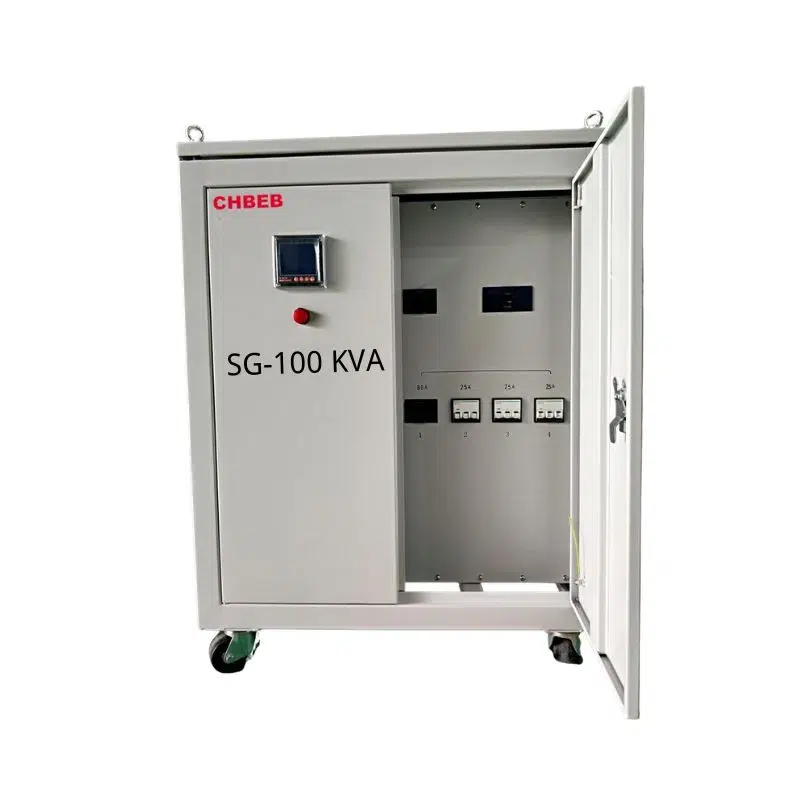
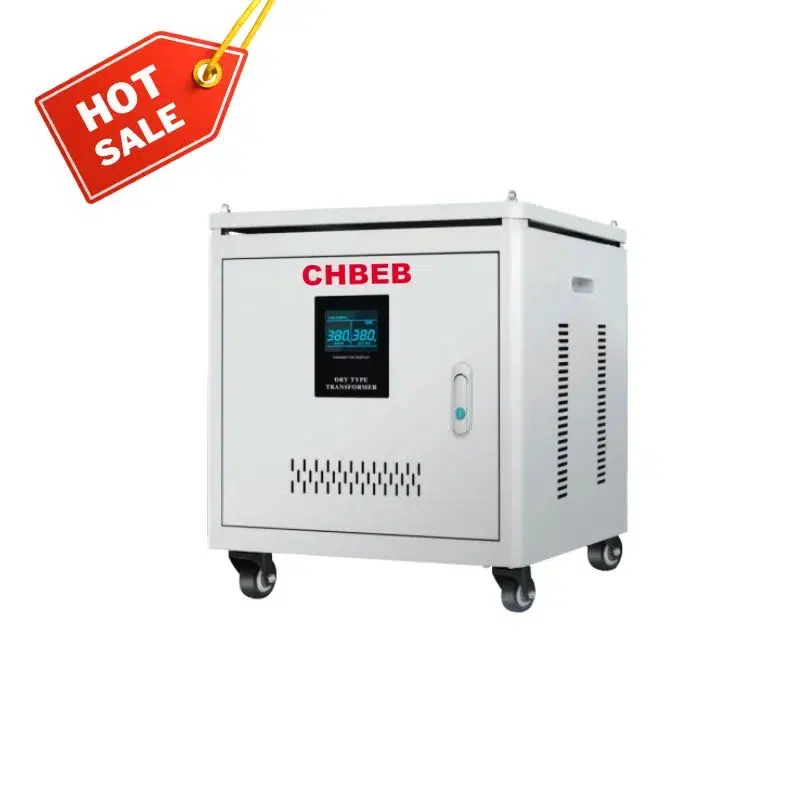
100 Kva Isolation Transformer
100kVA isolation transformer for stable power supply and electrical equipment protection
Capacity
100 kVA
Phase
Three Phase
Type
Dry Type
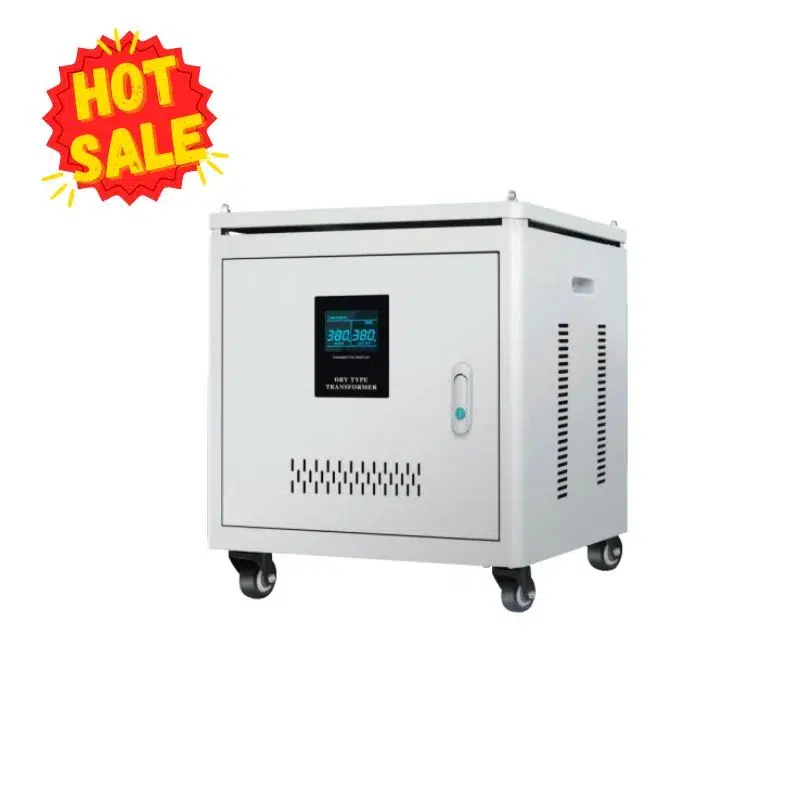
3 Phase Isolation Transformer
Three phase isolation transformer for stable power supply and electrical equipment protection
Type
Three Phase Isolation Transformer
Frequency
50/60 Hz
Cooling Type
Dry Type
45 kva Isolation Transformer
45kVA isolation transformer for stable power supply and electrical equipment protection
Capacity
45 kVA
Phase
Three Phase
Type
Dry Type
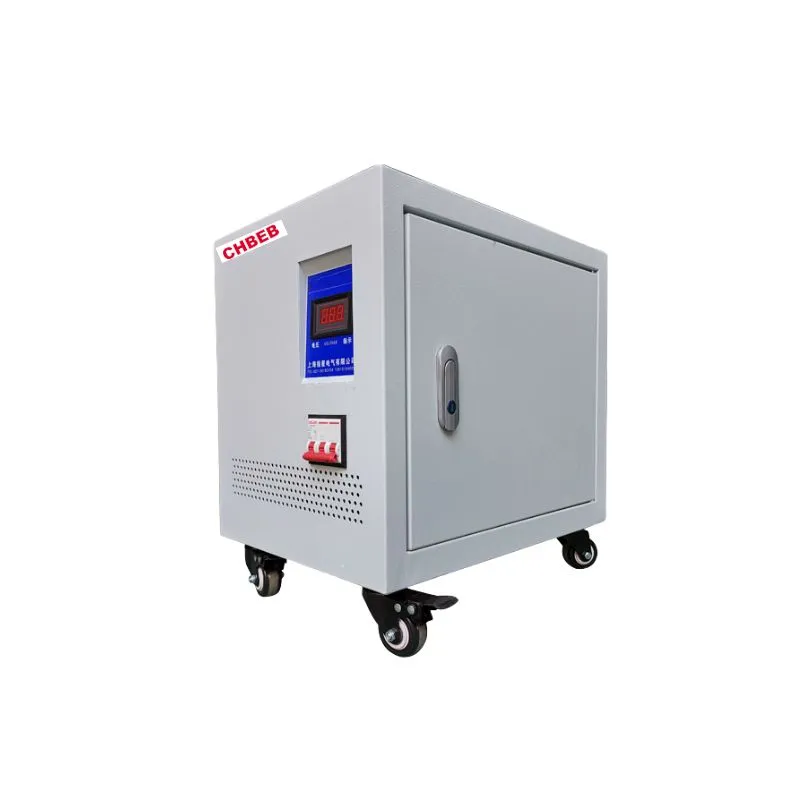
480V to 480V 3 Phase Isolation Transformer
480V to 480V 3 phase isolation transformer for stable power supply and equipment protection
Phase
3 Phase
Input Voltage
480V
Output Voltage
480V
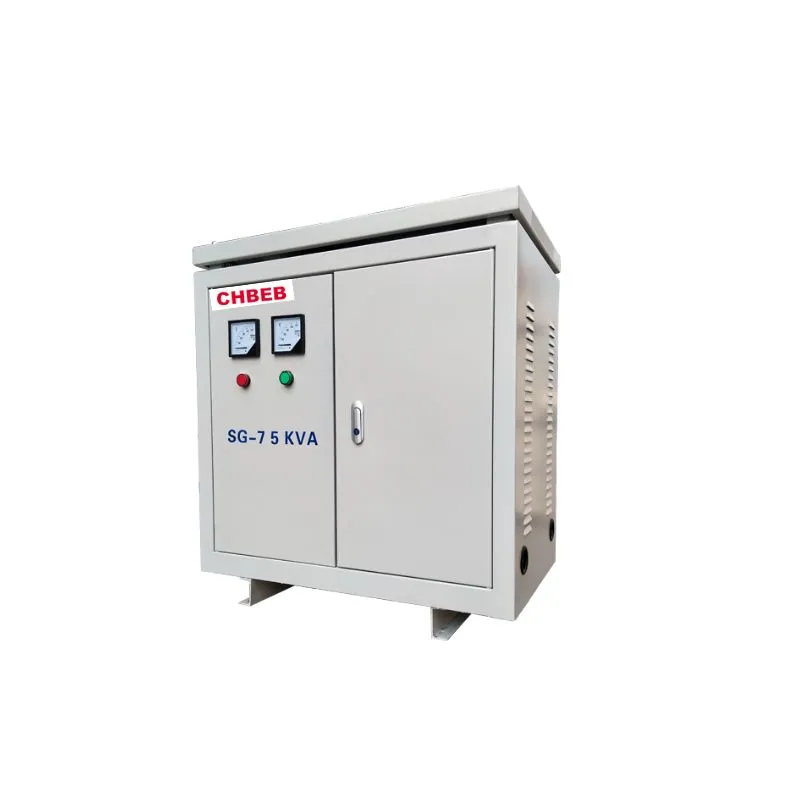
75kva Isolation Transformer
75kVA isolation transformer for stable power supply and electrical equipment protection
Capacity
75 kVA
Phase
Three Phase
Type
Dry Type
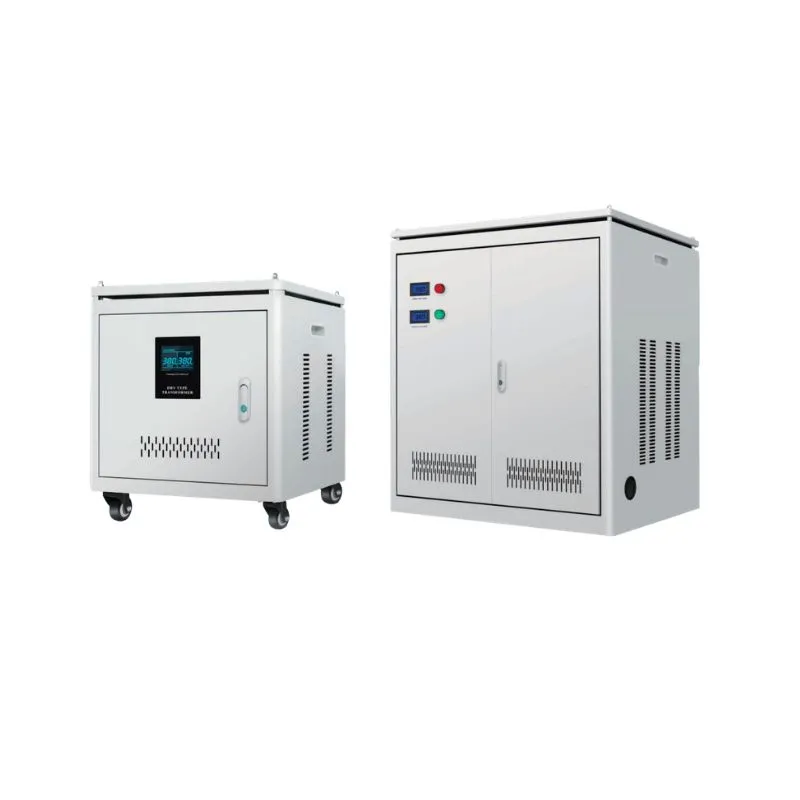
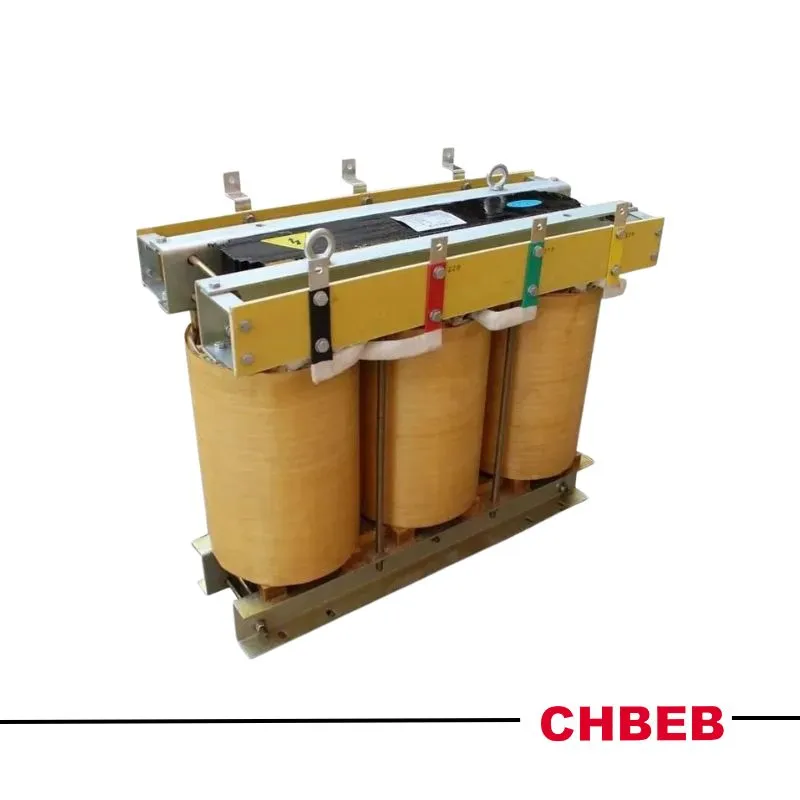
Dry Type Isolation Transformer
Dry type isolation transformer with custom capacity options, including 30kVA isolation transformer, 50 kVA isolation transformer, and 150 kVA isolation transformer
Capacity
Custom
Phase
Three Phase
Cooling
Air Cooled

Isolation Transformer Functions

Built for projects that need cleaner power, better equipment protection, and more stable operation. Isolation transformers are widely used in control systems, medical rooms, industrial lines, and sensitive electronic environments where power quality matters.


Industrial Control Systems

Helps reduce electrical interference and supports more stable operation for control cabinets, automation systems, and precision equipment.

Medical & Healthcare Spaces

Used where safety and power quality are critical, helping protect medical equipment and support more reliable day-to-day operation.

Sensitive Electronic Equipment

A practical choice for laboratories, testing rooms, and electronic devices that need cleaner power and better isolation from disturbance.

UPS, Data & Server Rooms

Supports cleaner and steadier power delivery for UPS systems, server rooms, and other installations where power continuity matters.

Isolation Transformer Choosing Guide

Before production, we help you confirm the key details—such as voltage, capacity, phase type, insulation, enclosure, and winding material—so the isolation transformer fits your project from the start.

Voltage & Capacity

This defines how much power the transformer handles and what input/output voltage your equipment needs.

Single or Three Phase

We choose single phase or three phase based on the type of equipment and power system you use.

Insulation Level

The right insulation level helps improve safety and makes the transformer more suitable for its working environment.

Shielding Option

A shielding layer can help reduce electrical noise and protect sensitive equipment from interference.

Enclosure Protection

The enclosure affects protection, installation, and daily use, especially in dusty, humid, or indoor environments.

Copper or Aluminum

The winding material affects cost, performance, and delivery time, so we help you choose based on your priorities.

Advantages of Isolation Transformer

The core value of an isolation transformer lies in the electrical separation between the source side and the load side. This separation helps improve power safety, reduce certain types of electrical interference, and provide a cleaner, more stable supply condition for sensitive equipment, control systems, and specialized power applications.

Strong Electrical Isolation for Better Safety

Because the primary and secondary windings are not directly connected, energy is transferred through electromagnetic induction rather than a direct electrical path. This helps separate the supply side from the load side and provides a safer power arrangement for applications where operator safety and equipment protection are important.

Better Common-Mode Noise Suppression

Isolation transformers can help reduce the impact of common-mode noise, high-frequency interference, and ground-related disturbances from the incoming power side. When used with shielding design, they can further improve power quality for automation systems, communication equipment, and precision instruments.

Better Protection for Sensitive Equipment

For loads that are more vulnerable to transient interference, coupled surges, or stray electrical noise, an isolation transformer can provide an added layer of buffering and separation. While it is not a replacement for every power conditioning device, it often helps improve operating stability and supply reliability for sensitive equipment.

Well Suited to Testing and Special Power Setups

Isolation transformers are widely used in maintenance benches, electrical test platforms, laboratories, and power system modification projects. They help create a more independent supply condition for observation, testing, and equipment handling, while also supporting safer working conditions during specialized operations.

Isolation Transformer FAQs

What is an Isolation Transformer?

An Isolation Transformer is a transformer that electrically separates the primary circuit from the secondary circuit while transferring power through electromagnetic induction.

Its main purpose is to:

  • provide electrical isolation
  • improve safety
  • reduce electrical noise
  • suppress common-mode interference
  • protect sensitive equipment
  • reduce grounding-related problems

A regular power transformer mainly focuses on voltage conversion and power transfer. An isolation transformer places special emphasis on electrical separation between input and output, often for safety, interference reduction, or system grounding control.

Yes, especially common-mode noise. Because of the isolation between the windings, it can reduce the coupling of some unwanted electrical disturbances from the source side to the load side.

Key points include:

  • input and output voltage
  • single-phase or three-phase
  • required kVA rating
  • 1:1 or step-up/down requirement
  • shielding requirement
  • installation environment
  • temperature rise class
  • load type
  • harmonic content
  • grounding scheme
  • enclosure protection level

The biggest selling point is usually this:

It provides a safer, cleaner, and more stable power supply by electrically isolating the load from the source.

Blogs About Transformer Manufacturers

Ask For A Quick Quote

We will reply to you within 1–2 business days.Please pay attention to the email with the suffix”@chbebpower.com”.