
Are you struggling to understand the differences between Delta and Wye configurations in 3 phase transformers? You’re not alone. Many engineers and project managers find themselves confused when choosing between these two wiring options. But what if you could easily grasp the pros and cons of each configuration to make informed decisions for your projects?
Delta and Wye are the two main wiring configurations in 3-phase distribution transformers. Delta offers higher phase-to-phase voltage and no neutral, ideal for industrial loads. Wye provides a neutral point and safer grounding, making it suitable for balanced residential or commercial applications.
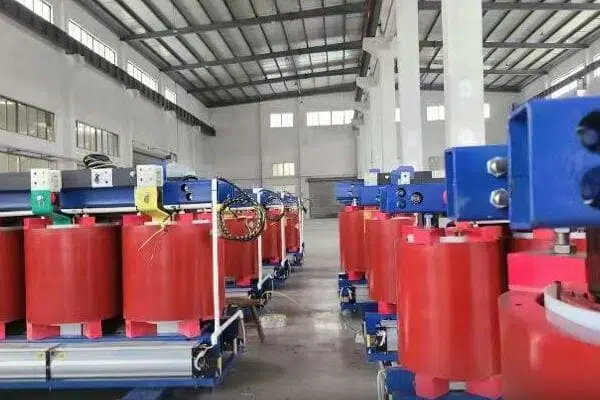
In this comprehensive guide, I’ll walk you through the ins and outs of Delta and Wye configurations in 3 phase distribution transformers. Whether you’re a seasoned electrical engineer or a project manager looking to expand your knowledge, this article will provide you with the insights you need to understand and apply these crucial wiring configurations effectively.
What Are Delta and Wye Wiring Configurations?
Have you ever wondered why some transformers have three wires while others have four? This is where Delta and Wye configurations come into play. But what exactly are these configurations, and how do they differ in structure?
Delta and Wye are the two primary wiring configurations for 3 phase transformers. In a Delta configuration, windings are connected in a triangle shape with no neutral point. Wye configuration forms a Y-shape with a central neutral point. These configurations affect voltage relationships, grounding options, and load handling capabilities of the transformer.
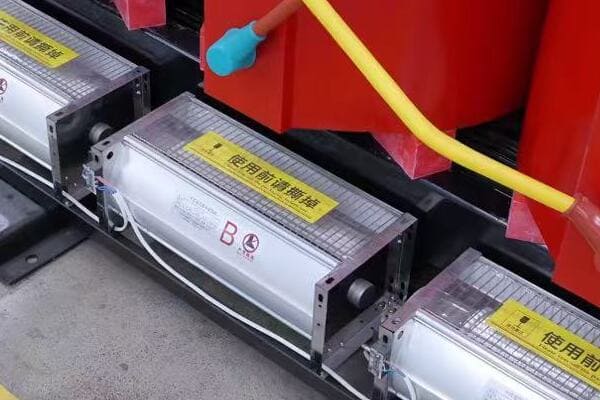
Understanding Delta and Wye Configurations
Let’s break down the key aspects of these configurations:
- Basic Structure
- Voltage Relationships
- Neutral Point Presence
- Common Applications
Basic Structure
Delta Configuration:
- Three windings connected end-to-end forming a triangle
- No neutral point
- Three-wire system
Wye Configuration:
- Three windings connected at a common point (neutral)
- Four-wire system (including neutral)
I remember my first encounter with these configurations during an industrial plant upgrade. The visual difference in wiring diagrams was striking, and understanding their implications was crucial for the project’s success.
Voltage Relationships
Delta Configuration:
- Line voltage = Phase voltage
- Suitable for high current, low voltage applications
Wye Configuration:
- Line voltage = √3 × Phase voltage
- Offers both high voltage (line-to-line) and low voltage (line-to-neutral) options
During a recent project for a manufacturing facility, choosing the right configuration based on voltage relationships was key to optimizing power distribution efficiency.
Neutral Point Presence
Delta Configuration:
- No neutral point
- Cannot supply single-phase loads efficiently
Wye Configuration:
- Neutral point available
- Can easily supply both three-phase and single-phase loads
The presence of a neutral point in Wye configurations proved invaluable in a mixed-use building project I worked on, allowing for efficient distribution of both three-phase and single-phase power.
Common Applications
Here’s a quick reference table for common applications:
| Configuration | Typical Applications | Key Advantage |
|---|---|---|
| Delta | Industrial motors, Welding equipment | Higher current capacity |
| Wye | Residential power, Office buildings | Versatility in voltage options |
Understanding these basic differences is crucial for proper system design and integration. I once encountered a situation where an incorrectly specified Delta configuration led to grounding issues in a commercial setting. This experience underscored the importance of understanding these configurations in real-world applications.
As we delve deeper into the differences and applications of Delta and Wye configurations, keep in mind that each has its unique strengths and ideal use cases. The choice between them can significantly impact the efficiency, safety, and versatility of your power distribution system.
Key Differences Between Delta and Wye in 3 Phase Transformers?
Are you finding it challenging to distinguish between Delta and Wye configurations in practical scenarios? You’re not alone. Many professionals struggle to identify the key technical differences that make each configuration suitable for specific applications. But what if you had a clear comparison to guide your decision-making process?
Delta and Wye configurations differ in several key aspects. Delta offers higher efficiency for balanced loads and is ideal for high-current applications. Wye provides better voltage stability, easier grounding, and is suitable for both three-phase and single-phase loads. Delta has no neutral point, while Wye offers a neutral for grounding and single-phase power. These differences affect their suitability for various industrial, commercial, and residential applications.
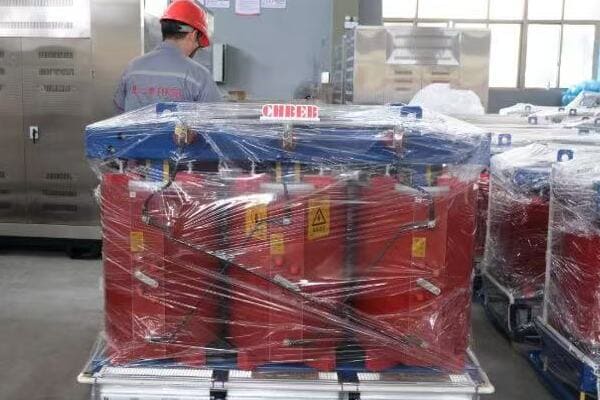
Analyzing Key Differences
Let’s explore the crucial differences between Delta and Wye configurations:
- Voltage and Current Characteristics
- Efficiency and Load Handling
- Grounding and Fault Protection
- Harmonics and Power Quality
Voltage and Current Characteristics
Delta Configuration:
- Higher line current (1.73 times phase current)
- Line voltage equal to phase voltage
- Suitable for high-current, low-voltage applications
Wye Configuration:
- Lower line current
- Line voltage 1.73 times higher than phase voltage
- Offers both high-voltage and low-voltage options
I recall a project where we switched from Wye to Delta configuration for a large industrial motor. The higher current capacity of Delta was crucial for the motor’s startup requirements.
Efficiency and Load Handling
Delta Configuration:
- Generally more efficient for balanced loads
- Better performance with non-linear loads
- Can continue operating if one phase is lost (open delta)
Wye Configuration:
- More efficient for unbalanced loads
- Better suited for mixed single-phase and three-phase loads
- Loses functionality if one phase is lost
During an energy audit for a manufacturing plant, we found that switching certain balanced, high-power processes to Delta configuration resulted in noticeable energy savings.
Grounding and Fault Protection
Delta Configuration:
- No neutral point for grounding
- Requires special grounding methods
- Can be challenging for fault detection
Wye Configuration:
- Neutral point available for easy grounding
- Simplifies ground fault detection and protection
- Preferred in many commercial and residential applications for safety
In a recent data center project, we opted for Wye configuration due to its superior grounding capabilities, which were crucial for the sensitive electronic equipment.
Harmonics and Power Quality
Delta Configuration:
- Better at handling certain harmonics (e.g., triplen harmonics)
- Can help in reducing harmonic distortion in the system
Wye Configuration:
- More susceptible to certain harmonic issues
- May require additional harmonic mitigation measures in some applications
Here’s a comparison table summarizing these differences:
| Aspect | Delta Configuration | Wye Configuration |
|---|---|---|
| Voltage Relationship | Vline = Vphase | Vline = √3 × Vphase |
| Current Relationship | Iline = √3 × Iphase | Iline = Iphase |
| Neutral Point | Not available | Available |
| Efficiency for Balanced Loads | Higher | Lower |
| Suitability for Unbalanced Loads | Lower | Higher |
| Grounding | Challenging | Easy |
| Harmonic Handling | Better for certain harmonics | May require mitigation |
Key considerations when choosing between Delta and Wye:
- Load characteristics (balanced vs. unbalanced)
- Voltage requirements of the application
- Importance of grounding and fault protection
- Presence of harmonic-generating equipment
- Need for single-phase power distribution
In my experience, understanding these differences is crucial for optimal transformer selection and system design. I’ve seen projects where overlooking these factors led to efficiency issues or safety concerns that could have been easily avoided with the right configuration choice.
As we move forward to discuss specific application scenarios, keep these technical differences in mind. They form the foundation for making informed decisions about when to use Delta or Wye configurations in various industrial, commercial, and residential settings.
When to Use Delta vs Wye: Application Scenarios?
Are you unsure about which transformer configuration to choose for your specific project? This common dilemma can lead to suboptimal system performance if not addressed properly. But how can you confidently select between Delta and Wye configurations for different application scenarios?
Choose Delta configuration for high-current industrial applications like welding equipment and large motors. It’s ideal for balanced three-phase loads and systems requiring harmonic mitigation. Opt for Wye configuration in commercial and residential settings, where mixed single-phase and three-phase loads are common. Wye is also preferred for applications requiring easy grounding and fault protection, such as in data centers and healthcare facilities.

Application Scenarios for Delta and Wye Configurations
Let’s explore when to use each configuration:
- Industrial Applications
- Commercial and Residential Settings
- Utility and Power Distribution
- Specialized Applications
Industrial Applications
Delta Configuration is often preferred in industrial settings:
- Large motors and heavy machinery
- Welding equipment
- Metal fabrication plants
- Oil and gas facilities
I once worked on a project for a steel manufacturing plant where we exclusively used Delta configurations for the high-power arc furnaces. The ability to handle high currents efficiently was crucial for the energy-intensive process.
Wye Configuration in industry is suitable for:
- Mixed load environments (both three-phase and single-phase)
- Facilities requiring strict grounding for safety
- Applications with sensitive electronic equipment
Commercial and Residential Settings
Wye Configuration is more common in commercial and residential applications:
- Office buildings
- Shopping malls
- Apartment complexes
- Schools and universities
During a recent renovation of a multi-use commercial building, we opted for Wye configuration to accommodate the diverse power needs, from lighting to HVAC systems, while ensuring easy grounding for safety.
Delta Configuration in commercial settings might be used for:
- Specific high-power equipment
- Harmonic mitigation in buildings with many non-linear loads
Utility and Power Distribution
In utility-scale applications:
- Delta-Wye combinations are common (Delta on high voltage side, Wye on low voltage side)
- Wye is often used for long-distance transmission due to grounding benefits
- Delta might be used at substations for specific voltage transformation needs
I was involved in a rural electrification project where we used Delta-Wye transformers at substations. The Delta high-voltage side provided efficiency, while the Wye low-voltage side offered the necessary grounding for distribution.
Specialized Applications
Some specialized scenarios have specific preferences:
| Application | Preferred Configuration | Reason |
|---|---|---|
| Data Centers | Wye | Better grounding, fault protection |
| Renewable Energy | Often Wye | Easier integration with grid |
| Healthcare Facilities | Typically Wye | Safety, grounding for medical equipment |
| Marine Applications | Often Delta | Space efficiency, no neutral needed |
Key considerations for choosing between Delta and Wye:
- Load characteristics (balanced vs. unbalanced)
- Voltage requirements and transformation needs
- Grounding and safety considerations
- Harmonic concerns in the system
- Future expansion and flexibility needs
In my experience, the choice between Delta and Wye often comes down to a balance of efficiency, safety, and system requirements. I recall a project for a new manufacturing facility where we initially planned for all Delta configurations. However, after a detailed analysis of the diverse load types and safety requirements, we ended up with a mix of Delta for high-power processes and Wye for areas with more varied and sensitive equipment.
Remember, while these guidelines are helpful, each project may have unique requirements. Always consider conducting a thorough analysis of your specific needs, possibly involving simulations or consultations with experts, to make the best choice for your application.
As we continue to explore the pros and cons of each configuration, keep these application scenarios in mind. They provide a practical context for understanding when and why you might choose one configuration over the other in real-world situations.
Pros and Cons of Delta and Wye Configurations?
Are you weighing the advantages and disadvantages of Delta and Wye configurations for your transformer project? This decision can significantly impact your system’s performance, efficiency, and safety. But how can you clearly understand the trade-offs between these two configurations to make the best choice for your specific needs?
Delta configurations excel in handling high currents and balanced loads, making them ideal for industrial applications. They offer better harmonic suppression but lack a neutral point. Wye configurations provide easier grounding, support both three-phase and single-phase loads, and offer better voltage stability. However, they can be less efficient for purely balanced three-phase loads and may require additional harmonic mitigation in some cases.

Analyzing Pros and Cons
Let’s break down the advantages and disadvantages of each configuration:
- Delta Configuration
- Wye Configuration
- Comparative Analysis
Delta Configuration
Pros:
- Higher efficiency for balanced three-phase loads
- Better handling of harmonic currents
- Can operate as an open delta if one phase is lost
- Ideal for high-current, low-voltage applications
Cons:
- No neutral point for grounding
- More complex fault detection
- Not suitable for supplying single-phase loads
- Higher cost for equivalent kVA rating
I recall a project in a metal fabrication plant where the Delta configuration’s ability to handle harmonics from welding equipment was crucial. It significantly reduced power quality issues that had plagued the facility previously.
Wye Configuration
Pros:
- Provides a neutral point for easy grounding
- Suitable for both three-phase and single-phase loads
- Offers both high and low voltage options
- Simpler fault detection and protection
Cons:
- Less efficient for purely balanced three-phase loads
- More susceptible to certain harmonic issues
- Loses functionality if one phase is lost
- May require larger conductors for equivalent power transfer
During a recent data center upgrade, we opted for Wye configuration. The ability to easily establish a solid ground and support both three-phase servers and single-phase networking equipment was invaluable.
Comparative Analysis
Here’s a detailed comparison table:
| Aspect | Delta Configuration | Wye Configuration |
|---|---|---|
| Efficiency (Balanced Loads) | Higher | Lower |
| Voltage Options | Limited | More flexible |
| Current Handling | Better for high currents | Limited by neutral |
| Grounding | Challenging | Easy |
| Harmonic Mitigation | Better | May require additional measures |
| Fault Detection | More complex | Simpler |
| Load Flexibility | Mainly three-phase | Both three-phase and single-phase |
| Cost (for same kVA) | Generally higher | Generally lower |
| Reliability under Phase Loss | Can operate as open delta | Loses functionality |
Key considerations when weighing pros and cons:
- Nature of the load (balanced vs. unbalanced, three-phase vs. mixed)
- Importance of grounding and safety in the application
- Presence of harmonic-generating equipment
- Budget constraints and long-term efficiency needs
- Future expansion possibilities and system flexibility
In my experience, the choice between Delta and Wye often involves trade-offs. I remember a manufacturing facility project where we initially leaned towards Delta for its efficiency with large motors. However, the need for robust grounding and the presence of sensitive control equipment led us to choose Wye for certain areas, resulting in a hybrid approach that balanced performance and safety.
Remember, while these pros and cons provide a general guide, the best choice depends on your specific application requirements. It’s often beneficial to consult with experts or conduct detailed simulations to fully understand the implications of each configuration in your unique context.
As we move forward to discuss top transformer brands offering Delta and Wye options, keep these advantages and disadvantages in mind. They will help you appreciate why certain manufacturers might excel in specific configurations and how this aligns with your project needs.
Top Transformer Brands Offering Delta and Wye Options (2025)?
Are you finding it challenging to choose between different brands offering Delta and Wye transformer configurations? With so many options on the market, it’s easy to feel overwhelmed. But what if you had a clear comparison of top brands to guide your decision for your 2025 projects?
Leading brands offering both Delta and Wye configurations include ABB, Siemens, TBEA, SUNTEN, and Huapeng. ABB excels in energy-efficient designs for both configurations. Siemens offers advanced monitoring for Delta and Wye options. TBEA specializes in high-capacity industrial transformers. SUNTEN provides compact Wye designs for urban applications. Huapeng offers cost-effective solutions for both configurations in various sectors.
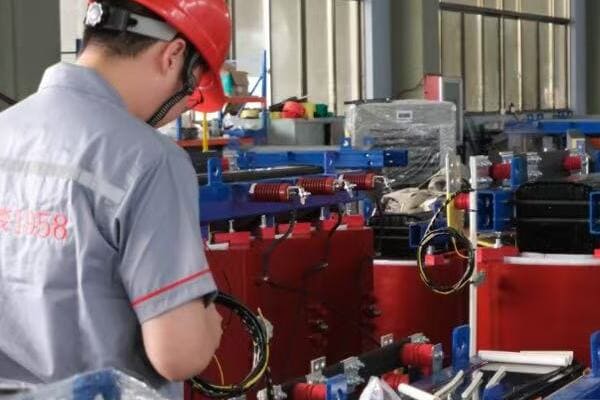
Analyzing Top Transformer Brands for Delta and Wye Options
Let’s explore the offerings of these leading brands:
- ABB
- Siemens
- TBEA
- SUNTEN
- Huapeng
ABB
ABB is known for its innovative and efficient transformers:
- Delta Configuration: High-efficiency designs for industrial applications
- Wye Configuration: Advanced grounding solutions for commercial and utility use
- Specializes in smart transformer technology for both configurations
I recently worked on a large industrial project where we chose ABB’s Delta configuration transformers. Their energy efficiency and robust design were perfect for the high-power demands of the manufacturing equipment.
Siemens
Siemens offers cutting-edge monitoring and control:
- Delta Configuration: Focuses on harmonic mitigation in industrial settings
- Wye Configuration: Emphasizes safety features for commercial and residential use
- Provides integrated digital solutions for both configurations
During a smart grid upgrade project, Siemens’ Wye configuration transformers with advanced monitoring capabilities proved invaluable in optimizing power distribution across a diverse urban area.
TBEA
TBEA specializes in high-capacity transformers:
- Delta Configuration: Excels in heavy industrial applications
- Wye Configuration: Offers reliable solutions for utility-scale projects
- Known for customizable options in both configurations
I recall a power plant project where TBEA’s high-capacity Delta transformers were crucial in handling the enormous power output efficiently.
SUNTEN
SUNTEN focuses on compact and efficient designs:
- Delta Configuration: Offers space-saving solutions for industrial use
- Wye Configuration: Specializes in urban distribution transformers
- Emphasizes eco-friendly materials in both configurations
In a recent urban renewal project, SUNTEN’s compact Wye transformers were perfect for the space-constrained environments of modern city infrastructure.
Huapeng
Huapeng provides cost-effective solutions:
- Delta Configuration: Reliable options for small to medium industries
- Wye Configuration: Versatile designs for various commercial applications
- Offers a good balance of performance and affordability in both configurations
For a series of small industrial park developments, Huapeng’s cost-effective Delta transformers provided an excellent balance of performance and budget-friendliness.
Here’s a comparison table of these top brands:
| Brand | Delta Strength | Wye Strength | Unique Feature |
|---|---|---|---|
| ABB | Industrial efficiency | Advanced grounding | Smart technology integration |
| Siemens | Harmonic mitigation | Safety features | Digital monitoring solutions |
| TBEA | High-capacity industrial | Utility-scale reliability | Customization options |
| SUNTEN | Compact industrial | Urban distribution | Eco-friendly materials |
| Huapeng | Cost-effective industrial | Versatile commercial | Balanced performance and cost |
Key considerations when choosing a brand:
- Specific application requirements (industrial, commercial, utility)
- Energy efficiency needs and long-term operational costs
- Space constraints and installation environment
- Budget considerations and return on investment
- After-sales support and warranty terms
In my experience, the choice of brand often comes down to a balance of technical specifications, budget, and specific project requirements. For instance, in a recent data center project, we opted for Siemens’ Wye configuration transformers due to their advanced monitoring capabilities, which were crucial for maintaining the high reliability demanded by the client.
Remember, while these are top brands, the best choice depends on your specific needs. Always consider factors like local support, compatibility with existing infrastructure, and future expansion plans when making your decision.
As we move on to discuss how to read wiring diagrams for Delta and Wye configurations, keep these brand comparisons in mind. They’ll provide context for understanding how different manufacturers might represent these configurations in their technical documentation.
How to Read a Wiring Diagram: Delta vs Wye Explained Visually?
Are you finding it challenging to interpret wiring diagrams for Delta and Wye configurations? You’re not alone. Many engineers and technicians struggle with this crucial skill. But what if you had a clear, step-by-step guide to help you easily distinguish and understand these configurations visually?
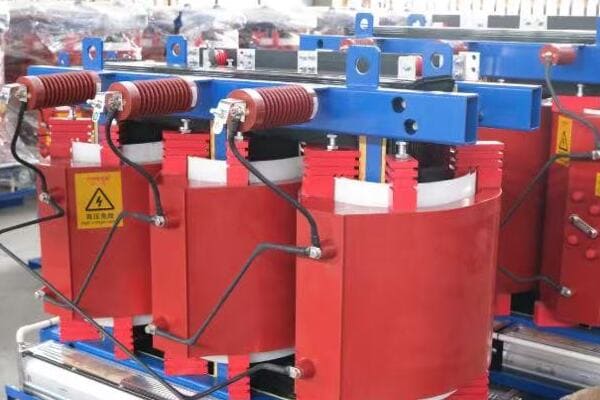
Reading Delta and Wye wiring diagrams involves recognizing key visual cues. Delta diagrams show three windings connected in a triangle, with no neutral point. Wye diagrams display windings connected at a central point, forming a Y-shape with a neutral. Delta has three connection points, while Wye has four (including neutral). Understanding these visual differences is crucial for proper installation and maintenance of 3-phase transformers.
Key Elements in Reading Delta and Wye Diagrams
Let’s break down the essential components to look for:
- Basic Shape and Connection Points
- Winding Representations
- Voltage and Current Indications
- Grounding and Neutral Points
Basic Shape and Connection Points
Delta Configuration:
- Look for a triangular arrangement of windings
- Three connection points (no neutral)
- Often labeled A, B, C or H1, H2, H3 (high voltage) / X1, X2, X3 (low voltage)
Wye Configuration:
- Identify a Y-shaped or star arrangement
- Four connection points (including neutral)
- Typically labeled A, B, C, N or H1, H2, H3, H0 / X1, X2, X3, X0
I remember a project where a junior engineer misinterpreted a Delta diagram as Wye due to unclear labeling. This experience highlighted the importance of carefully observing the basic shape and connection points.
Winding Representations
Delta Configuration:
- Windings form a closed loop
- No common connection point for all windings
Wye Configuration:
- Windings meet at a common point (neutral)
- Clear central junction visible in the diagram
During a recent transformer replacement project, correctly identifying the winding arrangement in the existing Delta configuration was crucial for ensuring compatibility with the new unit.
Voltage and Current Indications
Delta Configuration:
- Line voltage equals phase voltage
- Line current is √3 times phase current
Wye Configuration:
- Line voltage is √3 times phase voltage
- Line current equals phase current
Understanding these relationships is vital. In a factory upgrade, misinterpreting voltage ratings in a Delta diagram led to incorrect equipment specifications, causing project delays.
Grounding and Neutral Points
Delta Configuration:
- No neutral point shown
- Grounding, if present, is typically on one corner of the delta
Wye Configuration:
- Clear neutral point visible
- Grounding usually shown connected to the neutral point
Here’s a quick reference table for diagram interpretation:
| Feature | Delta Diagram | Wye Diagram |
|---|---|---|
| Shape | Triangle | Star or Y |
| Connection Points | 3 | 4 (including neutral) |
| Neutral | Not present | Clearly visible |
| Winding Arrangement | Closed loop | Meeting at center |
| Typical Labeling | A, B, C or H1, H2, H3 | A, B, C, N or H1, H2, H3, H0 |
Key tips for reading these diagrams:
- Always start by identifying the overall shape (triangle or star)
- Count the number of external connection points
- Look for the presence or absence of a neutral point
- Check for any grounding indications
- Verify voltage and current markings against the configuration type
In my experience, proficiency in reading these diagrams comes with practice. I encourage technicians and engineers to study various examples, even creating their own sketches to reinforce understanding.
Remember, accurate interpretation of these diagrams is crucial for proper installation, maintenance, and troubleshooting. Whether you’re working on a new installation or modifying an existing system, this skill is invaluable in ensuring the correct and safe operation of 3-phase transformer systems.
FAQs About Delta and Wye in 3 Phase Transformers?
Are you still grappling with questions about Delta and Wye configurations in 3 phase transformers? You’re not alone. Many professionals in the field find themselves seeking clarity on various aspects of these configurations. But what are the most common questions, and how can understanding their answers help you in your projects?
FAQs about Delta and Wye configurations often revolve around their differences, applications, and technical aspects. Common questions include which configuration is better for specific uses, grounding methods, efficiency comparisons, and how to choose between them. Understanding these FAQs is crucial for making informed decisions in transformer selection, installation, and maintenance for various industrial, commercial, and utility applications.
Addressing Common Questions About Delta and Wye Configurations
Let’s explore some frequently asked questions:
- Which is better: Delta or Wye?
- Can you ground a Delta system?
- Why use Delta-Wye transformers?
- How do harmonics affect Delta and Wye configurations?
- Can you convert from Delta to Wye?
1. Which is better: Delta or Wye?
Answer: Neither is universally "better." The choice depends on the specific application:
- Delta is often preferred for industrial settings with high-current, balanced loads
- Wye is typically better for mixed loads and where a neutral is needed
I once consulted on a project where the client insisted on Delta for a commercial building, believing it was "better." After explaining how Wye would better suit their mixed load requirements and safety needs, they agreed to change, resulting in a more efficient and safer installation.
2. Can you ground a Delta system?
Answer: Yes, but it’s more complex than grounding a Wye system:
- Corner grounding is one method used in Delta systems
- Artificial neutral grounding can also be implemented
- Grounding in Delta requires careful consideration of fault currents
During an industrial retrofit, we implemented corner grounding on a Delta system. This provided some of the safety benefits of a grounded system while maintaining the advantages of Delta for the high-power equipment.
3. Why use Delta-Wye transformers?
Answer: Delta-Wye transformers offer several advantages:
- They provide isolation between primary and secondary
- Help in reducing harmonics
- Allow for voltage level changes between primary and secondary
- Useful in creating a neutral point on the secondary side
In a recent power distribution upgrade for a manufacturing plant, we used Delta-Wye transformers to step down voltage from transmission levels while also creating a neutral for the facility’s mixed load requirements.
4. How do harmonics affect Delta and Wye configurations?
Answer:
- Delta configurations tend to trap triplen harmonics within the delta
- Wye configurations can allow triplen harmonics to flow into the neutral
- Delta is often preferred in harmonic-rich environments
I worked on a project for a data center where the high harmonic content from numerous computer power supplies made Delta the preferred choice for the main transformers, significantly reducing harmonic-related issues.
5. Can you convert from Delta to Wye?
Answer: Direct conversion is not possible without rewiring the transformer:
- Changing from Delta to Wye (or vice versa) requires physical reconfiguration
- In some cases, it’s more practical to replace the transformer entirely
- Auto-transformers can be used to derive a neutral from a Delta system
Here’s a quick reference table for these FAQs:
| Question | Delta | Wye |
|---|---|---|
| Better for high current? | Yes | No |
| Easier to ground? | No | Yes |
| Handles harmonics better? | Generally yes | May require mitigation |
| Provides a neutral? | No | Yes |
| Common in industrial settings? | Yes | Less common |
Key takeaways from these FAQs:
- The choice between Delta and Wye should be based on specific application needs
- Grounding methods differ significantly between the two configurations
- Delta-Wye combinations offer unique advantages in certain situations
- Harmonic considerations can influence the choice of configuration
- Changing between configurations is not a simple task and requires careful planning
In my experience, understanding these common questions and their answers is crucial for anyone working with 3 phase transformers. I’ve seen projects succeed or struggle based on how well these concepts were understood and applied.
Remember, while these FAQs provide general guidance, each project may have unique requirements. Always consider consulting with experts or conducting detailed analysis when dealing with complex transformer applications.
Conclusion
Understanding the differences between Delta and Wye configurations is crucial for effective transformer selection and application. Delta excels in industrial settings with high currents and balanced loads, while Wye is ideal for mixed loads and where grounding is essential. The choice between them impacts efficiency, safety, and system performance. Always consider your specific application needs, load characteristics, and future requirements when selecting between Delta and Wye configurations.
Remember, at chbeb-ele, we’re not just sharing information – we’re empowering you to be part of the solution in creating a secure, clean, and efficient energy future. Let’s continue this journey together.