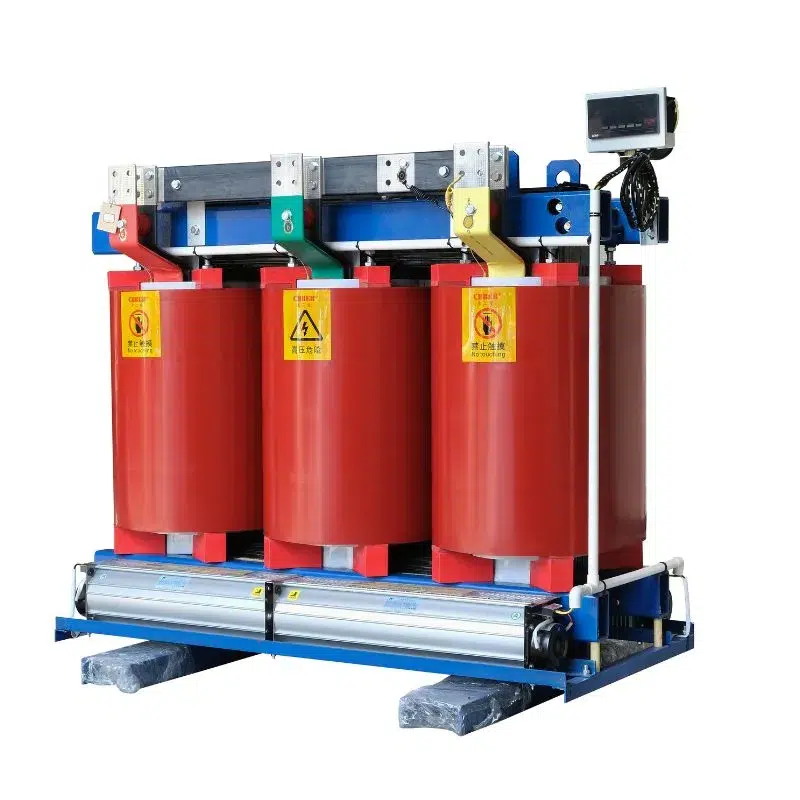
Dry Type Transformer

Dry type transformer designed for safe indoor use and stable power supply

What Makes Our Dry Type Transformers Stand Out?

Clean layout makes the unit look more organized and reliable.
Well-finished structure makes installation and use more dependable.
Routine testing before shipment keeps quality more consistent.
Routine testing before shipment helps keep quality consistent.

2026 Dry Type Transformer Models

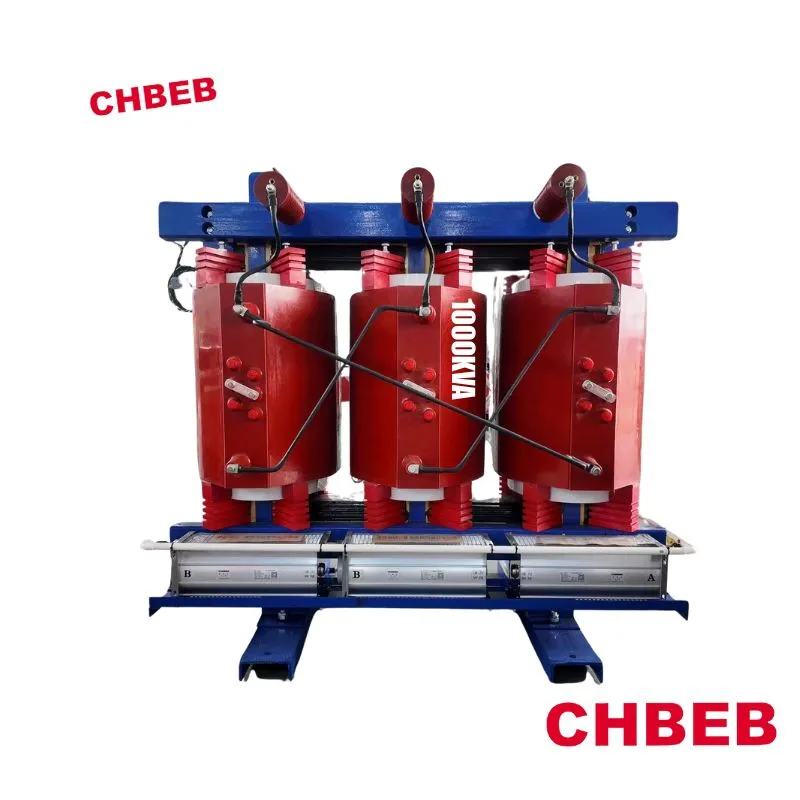
1000 kVA Three Phase Dry Type Transformer
1000 kVA cast resin three phase dry type transformer for commercial and industrial power distribution
Primary Voltage
10kV / 11kV
Secondary Voltage
0.4kV / 0.48kV
Application
Commercial / Industrial Distribution
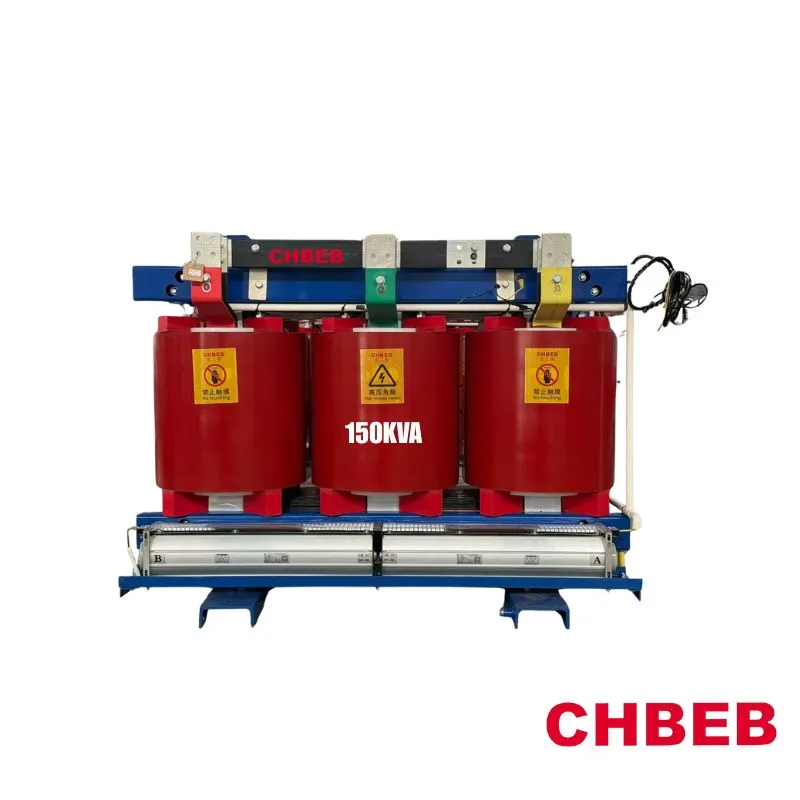
150 kVA Three Phase Dry Type Transformer
150 kVA cast resin three phase dry type transformer for commercial buildings and indoor power distribution
Primary Voltage
10kV / 11kV
Secondary Voltage
0.4kV
Application
Commercial Buildings / Indoor Use
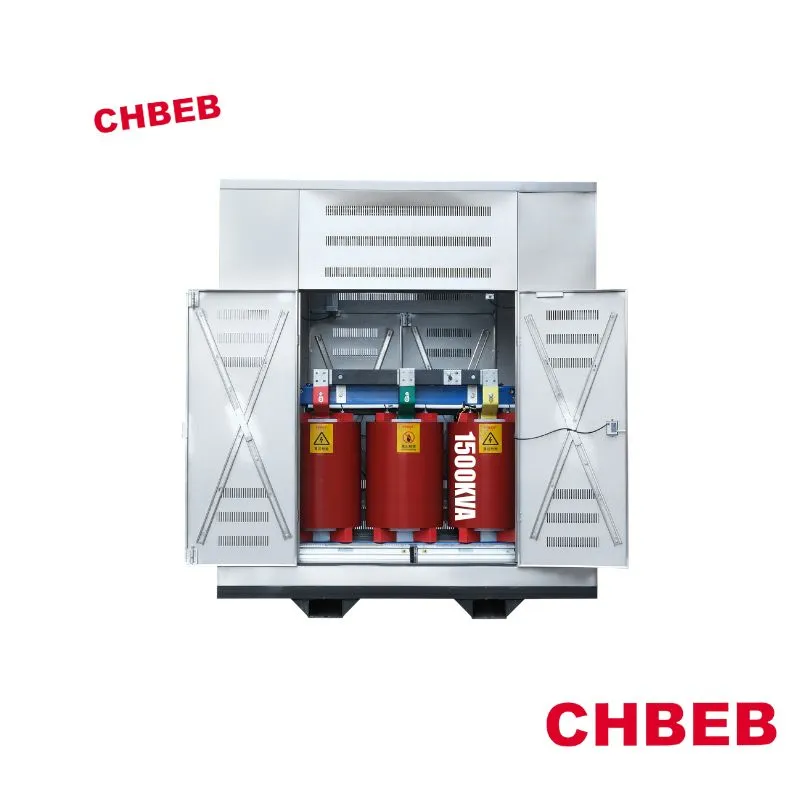
1500 kVA Three Phase Dry Type Transformer
1500 kVA cast resin three phase dry type transformer for data centers and industrial plants
Primary Voltage
11kV / 13.8kV
Secondary Voltage
0.4kV / 0.48kV
Application
Data Centers / Industrial Plants
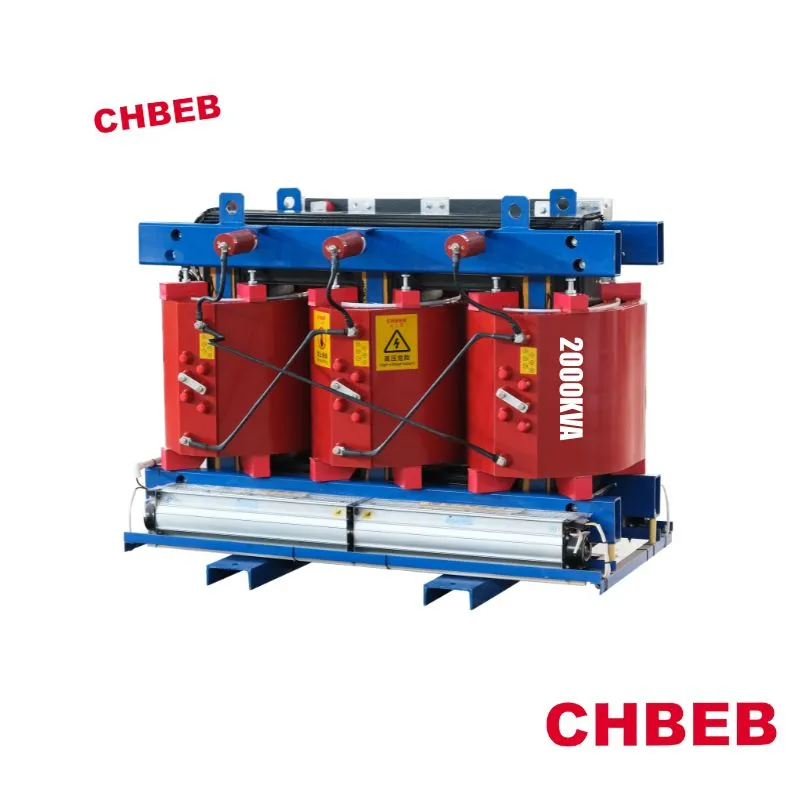
2000 kVA Three Phase Dry Type Transformer
2000 kVA cast resin three phase dry type transformer for heavy industrial and indoor distribution systems
Primary Voltage
11kV / 13.8kV
Secondary Voltage
0.4kV / 0.48kV
Application
Heavy Industrial / Indoor Distribution
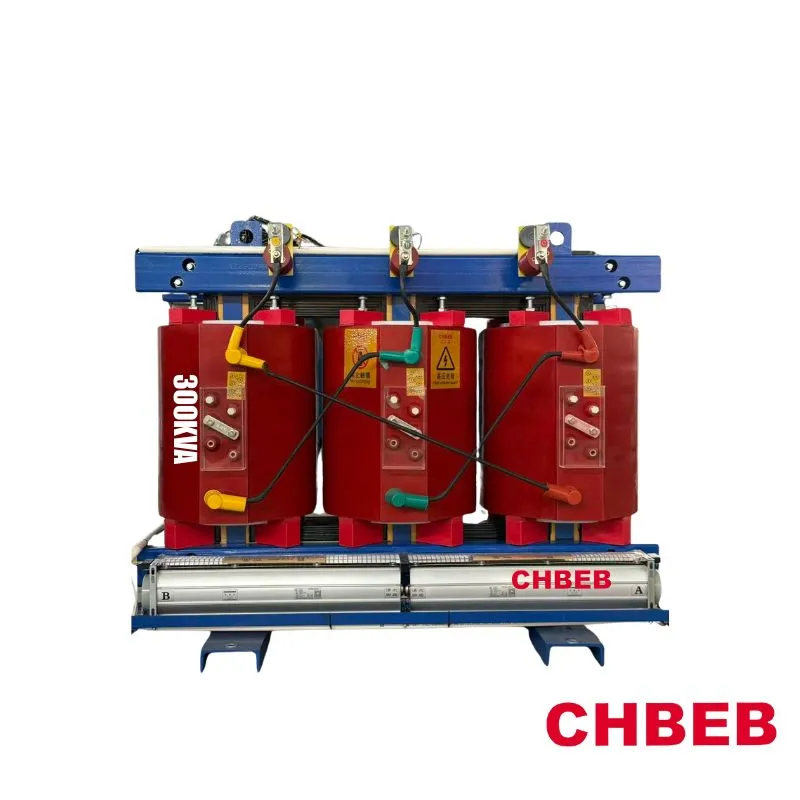
300 kVA Three Phase Dry Type Transformer
300 kVA cast resin three phase dry type transformer for industrial facilities and indoor power distribution
Primary Voltage
10kV / 11kV
Secondary Voltage
0.4kV
Application
Industrial Facilities / Indoor Use
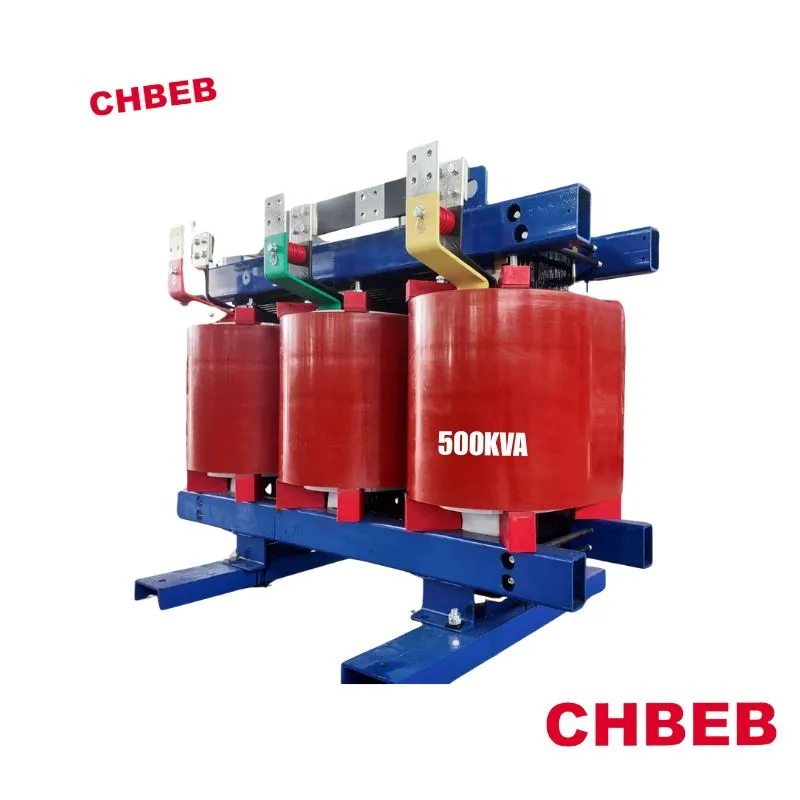
500 kVA Three Phase Dry Type Transformer
500 kVA cast resin three phase dry type transformer for factories and building power supply
Primary Voltage
10kV / 11kV
Secondary Voltage
0.4kV
Application
Factories / Building Power Supply

Dry Type Transformer Environments

Built for indoor distribution where safety, cleanliness, and stable operation matter. Dry type transformers are widely used in commercial buildings, factories, public facilities, and other projects that need dependable power without oil-filled installation concerns.


Commercial Buildings

A practical choice for malls, offices, hotels, and other indoor spaces that need safe and stable power distribution.

Factories & Workshops

Supports reliable power for production lines, equipment loads, and daily factory operation in demanding environments.

Schools & Public Facilities

Well suited for campuses, stations, hospitals, and public projects where safer indoor installation is important.

Data Rooms & Critical Loads

Used where power continuity and dependable indoor operation matter, including equipment rooms and sensitive load areas.

Dry Type Transformer Selection Guide

We lock in the key items early—pole transformer voltage, insulation level, taps, vector group, and accessories—so what arrives on site matches your drawings, not “closest available.”

Voltage & Capacity

Matched to your actual load and power system for safer, more stable operation.

Single or Three Phase

Chosen to suit your equipment type, installation setup, and application needs.

Insulation Class

Selected to match the working environment and safety level your project requires.

Enclosure Protection

Different enclosure options help the transformer fit indoor conditions more reliably.

Temperature Rise

Proper temperature rise design helps support stable daily operation and longer service life.

Copper or Aluminum

Choose the winding material based on budget, efficiency goals, and delivery expectations.

Advantages of Dry Type Transformer

Dry type transformers are valued for their higher fire safety, strong suitability for indoor and enclosed environments, and better fit for locations where oil-immersed transformers are not preferred. They are widely used in high-rise buildings, commercial centers, transport hubs, communication facilities, important public infrastructure, and selected industrial applications where safety, environmental conditions, and installation location all play an important role.

Stronger Fire Safety for High-Risk Installations

One of the main advantages of a dry type transformer is its suitability for environments with stricter fire protection requirements. In projects such as high-rise buildings, transport facilities, and public infrastructure, where fire safety carries greater operational importance, this type of transformer offers a more appropriate solution.

Better Suited to Dense Urban and Public Areas

Dry type transformers are often a better fit for installations located closer to end users and public activity zones, such as commercial centers, communication facilities, and important city infrastructure. In dense urban settings, they are generally more aligned with practical needs in safety, installation environment, and distribution layout.

More Suitable for Underground and Enclosed Spaces

In underground buildings, metro systems, and other enclosed environments, ventilation, evacuation planning, and fire control usually require closer attention. Dry type transformers are better suited to these conditions, which is why they are commonly selected for this kind of installation.

More Flexible Enclosure Options for Protection and Appearance

Dry type transformers offer greater flexibility in enclosure materials and protective design. This makes it easier to adapt the product to different project requirements while balancing protection performance, visual appearance, and packaged distribution system needs.

Explore Our Factory: In-House Core, Winding, Assembly & Testing

You can trace how each unit is made: core cutting, coil winding, assembly, oil handling, and testing are managed in-house for consistency. That’s what separates serious pole mounted transformer manufacturers from trading-only suppliers.
Project-Focused Services: Precise Support for EPC & Utilities

Engineering team reviewing drawings and technical requirements for a custom electrical equipment project
On-site electrical work and project support for equipment installation, inspection, and delivery coordination
Project documents and quality records prepared to support approval, inspection, and delivery

Fast Technical Alignment

Clear replies and quick confirmation on drawings, specs, and deviations.

Compliance-First Configuration

Standard requirements checked upfront to avoid rework and rejection.

Flexible MOQs & Model Options

Support mixed models and practical minimum order planning.

Complete Document Package

Datasheets, GA drawings, test plan, and ITP prepared in one list.

Repeatable Quality Control

Stable process control to keep batch-to-batch performance consistent.

Labeling & Nameplate Support

Nameplate, marking, and language layout tailored to your market.

Inspection & Delivery Coordination

Factory inspection booking, packing plan, and shipment timing aligned early.

Acceptance-Ready Records

Routine test reports and traceable QC records for site acceptance.

Sales Support Materials

Product photos, manuals, and quick spec sheets for faster quoting.

One-Stop Delivery: Technical Proposal, Production, Testing, Shipping Docs

We package the full set: technical proposal, production plan, test reports, packing list, nameplate details, and export paperwork—so your site team and logistics team don’t have to chase missing pieces.

Design to Your Specs

Know Your Project Needs

Best Value Delivered

Quality You Can Trust

Finish On Schedule

Win Your Local Market

Maximize Total Value with Our Tailored Solutions

Send your specs or drawings, and we’ll confirm ratings and standards first. Then we provide a clear proposal and quotation, move into production with quality checks, issue the test report, and pack for shipment. The goal is simple: the right configuration, consistent quality, and fewer surprises—so your total cost stays under control.

Share your project details first, and we’ll review the key requirements before anything moves forward.

Send Your Specs / Drawings

We check voltage, capacity, standards, and application needs early, so the solution fits your project from the start.

Confirm Ratings & Standards

You receive a clear technical proposal and quotation, making it easier to compare options and move faster.

Get Proposal + Quotation

After confirmation, we move into production with process control and routine checks to keep quality consistent.

Production + Quality Checks

Testing records and reports are prepared before shipment, so you have the documents needed for review and approval.

Test Report Issued

The product is packed for export and shipped on schedule, helping your project stay on track with fewer surprises.

Pack & Ship to Port

Ensure Every Order Is Produced On Time, with Quality Assured.

Technical team confirming transformer ratings, voltage, standards, and delivery requirements
Transformer proposal sheet and drawings prepared for technical confirmation

Step 1: Confirm Requirements

We review the key basics first, including rating, voltage, standards, and delivery expectations.

Transformer proposal sheet and drawings prepared for technical confirmation

Step 2: Proposal & Drawings

Technical details are aligned early through proposal sheets, drawings, or specification confirmation.

Key transformer materials checked before production to support stable quality

Step 3: Material Inspection

Key materials are checked before production starts to reduce errors and keep quality under control.

Transformer core processing with controlled cutting and stacking operations

Step 4: Core Processing

Core cutting, stacking, or related processing is carried out under controlled production standards.

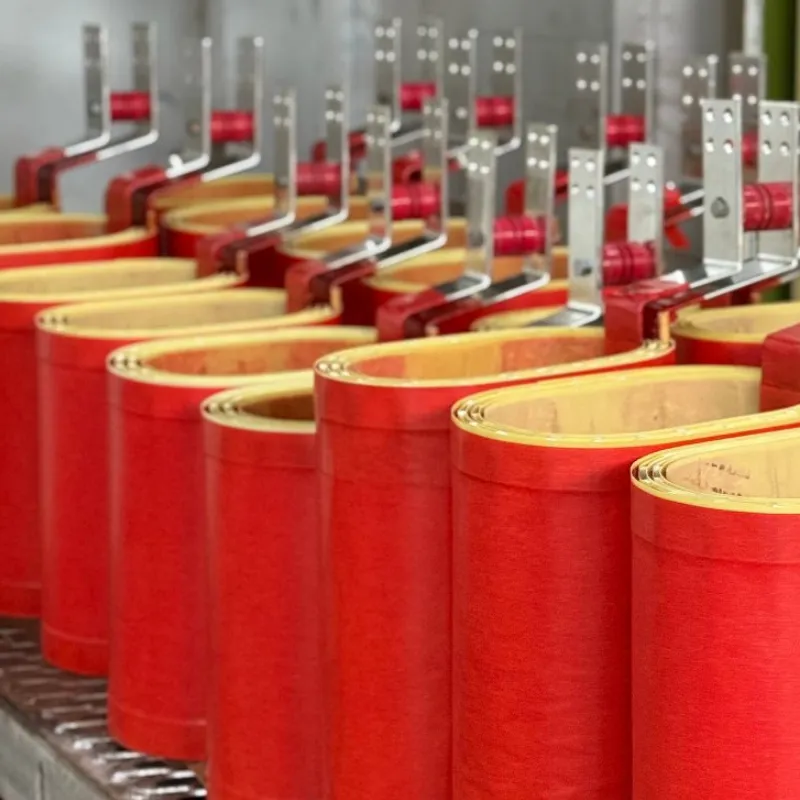
Transformer coil winding carried out according to the confirmed design

Step 5: Coil Winding

Coils are produced according to the confirmed design, with process control for consistency and traceability.


Transformer insulation treatment process to improve stability and long-term performance

Step 6: Insulation Treatment

Required drying, curing, or insulation processes are applied based on the product type and design needs.

Transformer final assembly with key parts fitted and connections checked

Step 7: Final Assembly

Main components are assembled and key connections are checked to support reliable operation.

Routine transformer testing completed before final approval and shipment

Step 8: Routine Testing

Routine tests are completed according to product standards before the unit moves to the next stage.

Transformer nameplate, reports, and supporting documents prepared for delivery

Step 9: Nameplate & Document Pack

Nameplates, reports, and supporting documents are prepared to match the confirmed product details.

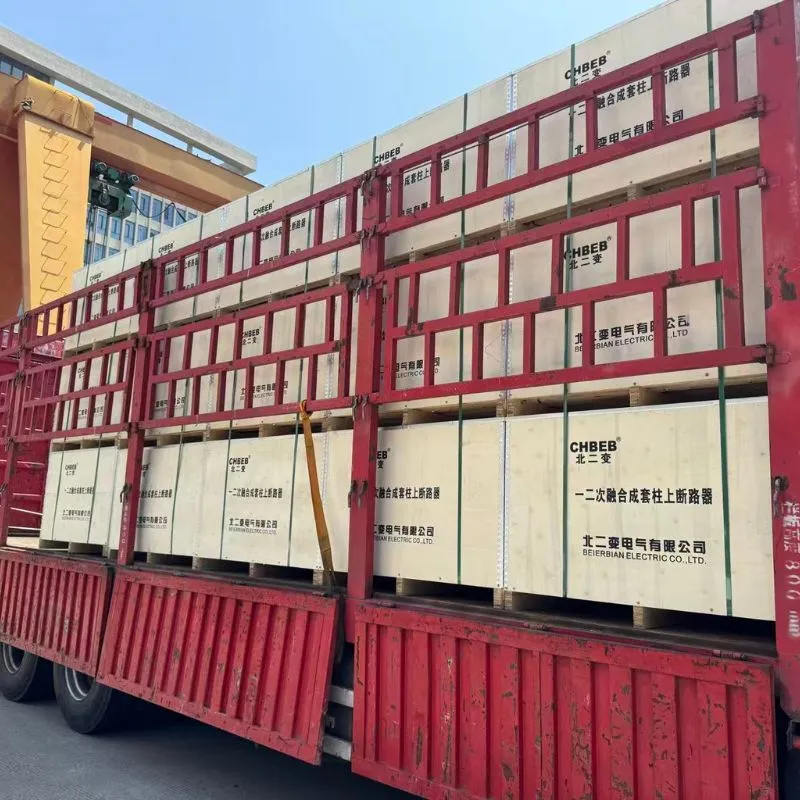
Transformer packed for safe transport and arranged for shipment according to plan

Step 10: Packing & Shipment

The transformer is packed for safe transport and arranged for shipment according to the delivery plan.

We don’t pass problems to customers—this is our principle.

CHBEB Electrical Transformer Manufacturers

Professional production workshop with quality-tested units prepared for logistics and shipping
High-precision component assembly ensuring technical excellence and superior insulation standards
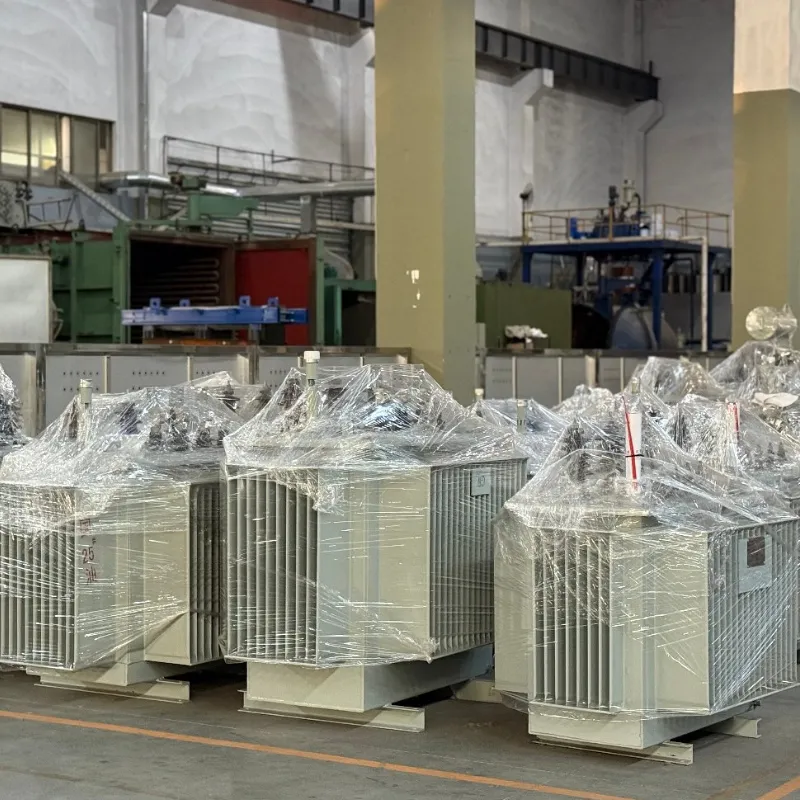
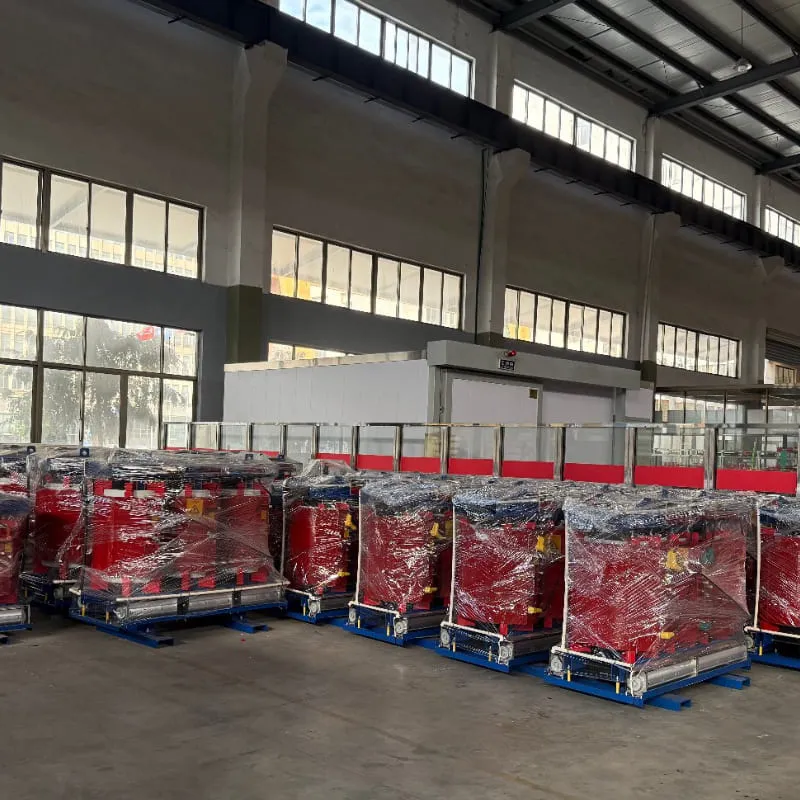
Packaged units lined up neatly in the workshop, waiting for the next shipping arrangement.
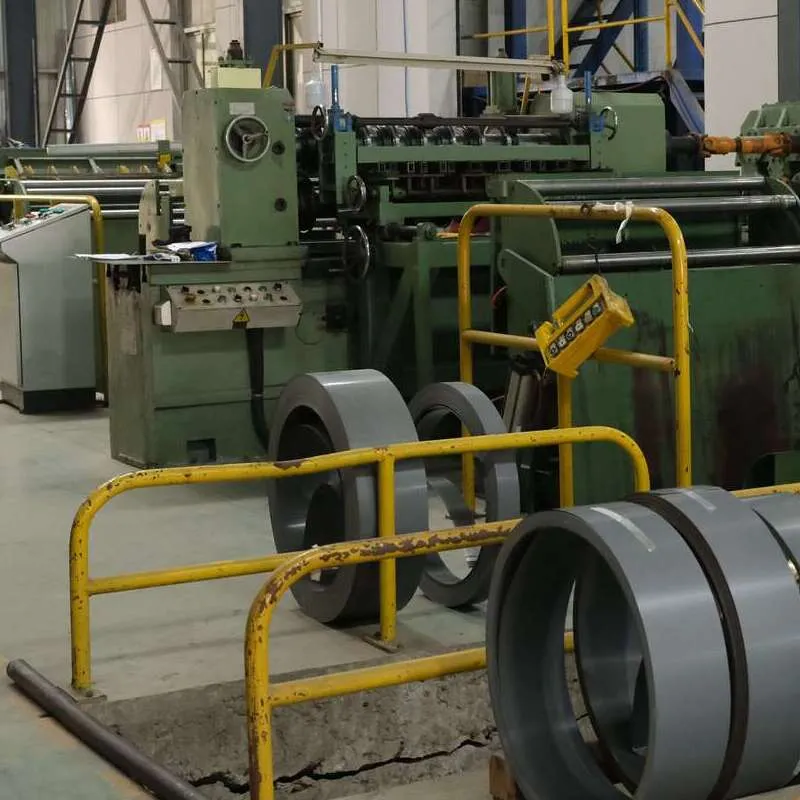
Metal processing equipment and raw material area in the workshop.
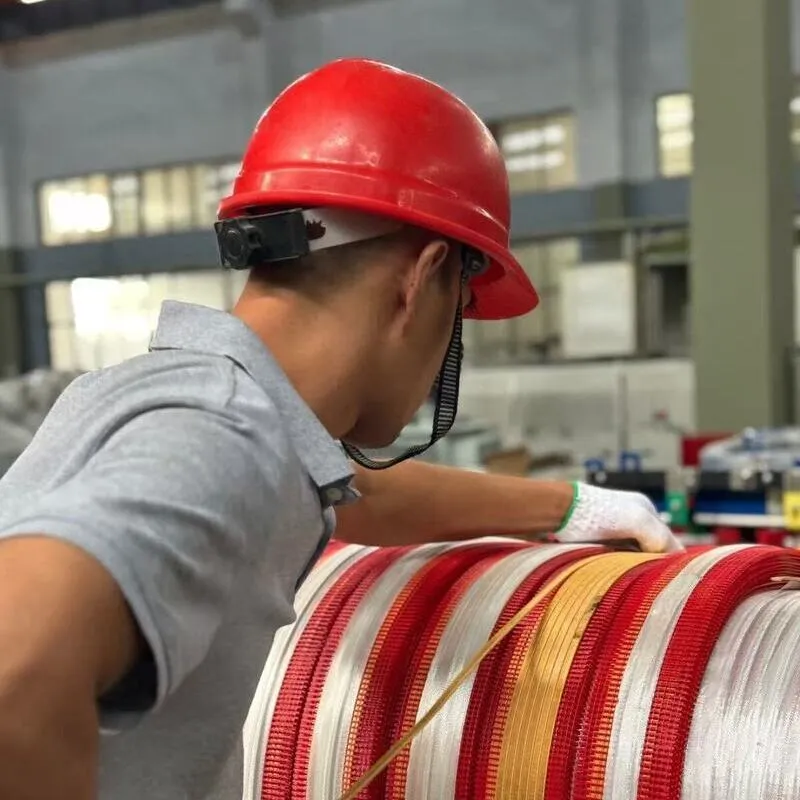
Technician carrying out coil processing and on-site inspection in the factory workshop.
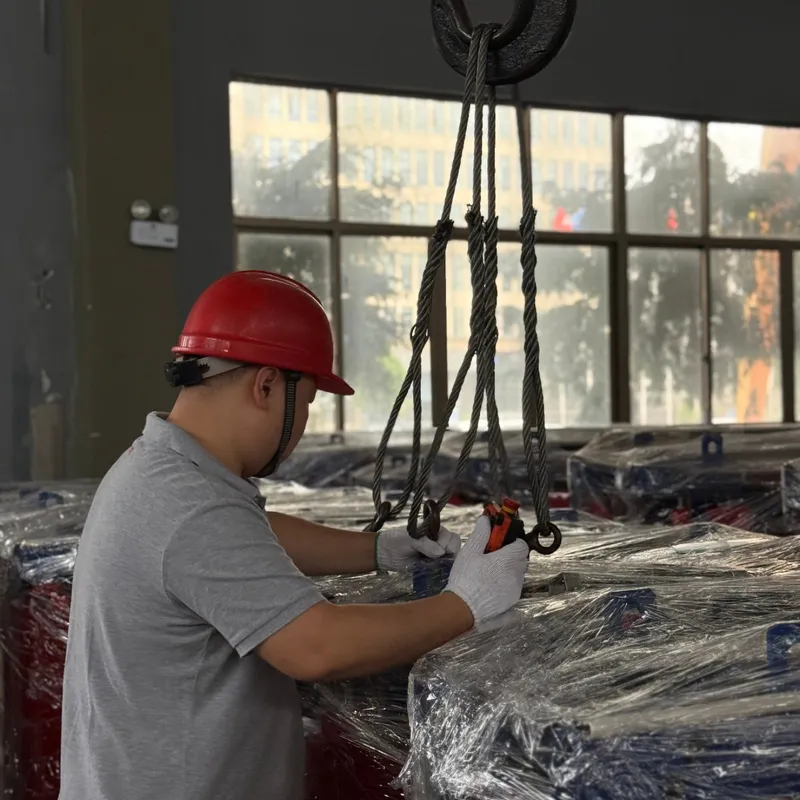
Worker inspecting packaged units before lifting operation in the workshop.

Every Batch Ready to Meet Your Customers' Expectations

Globally Recognized Quality Certifications

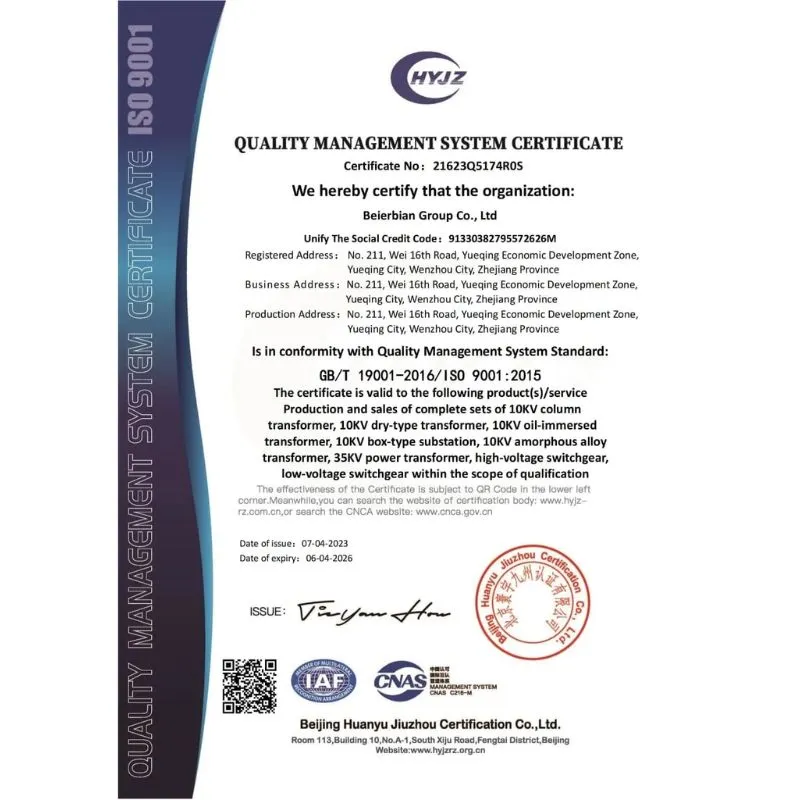
ISO 9001:2015 quality management system certificate
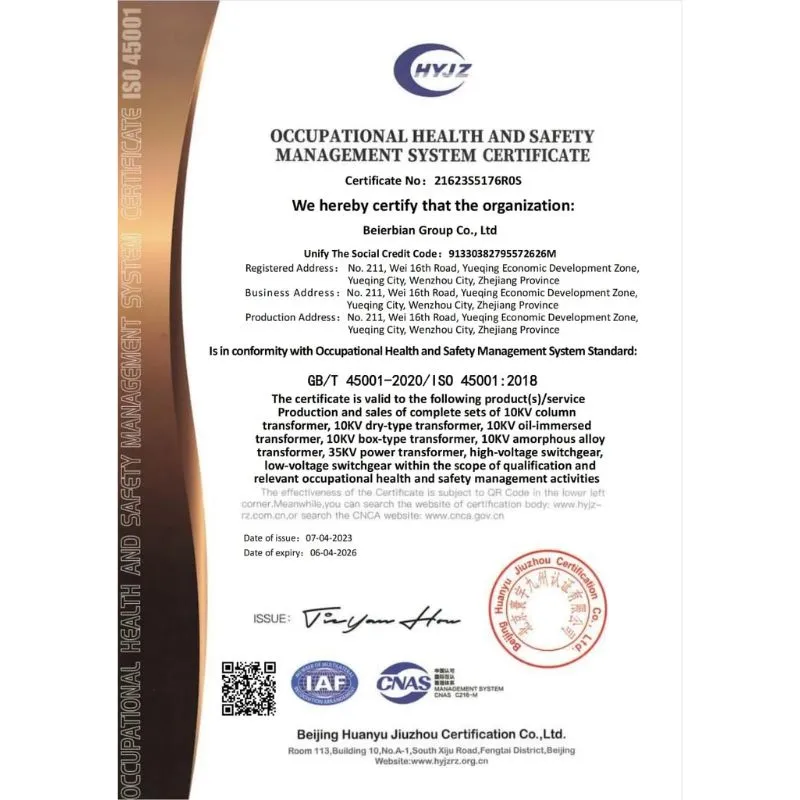
ISO 45001 occupational health and safety management system certificate
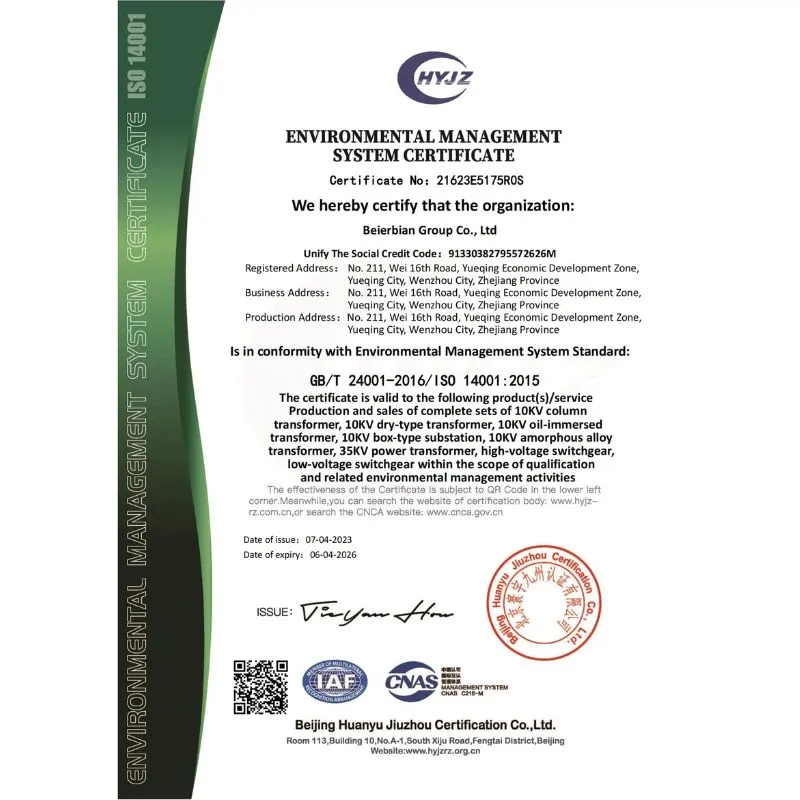
ISO 14001 environmental management system certificate
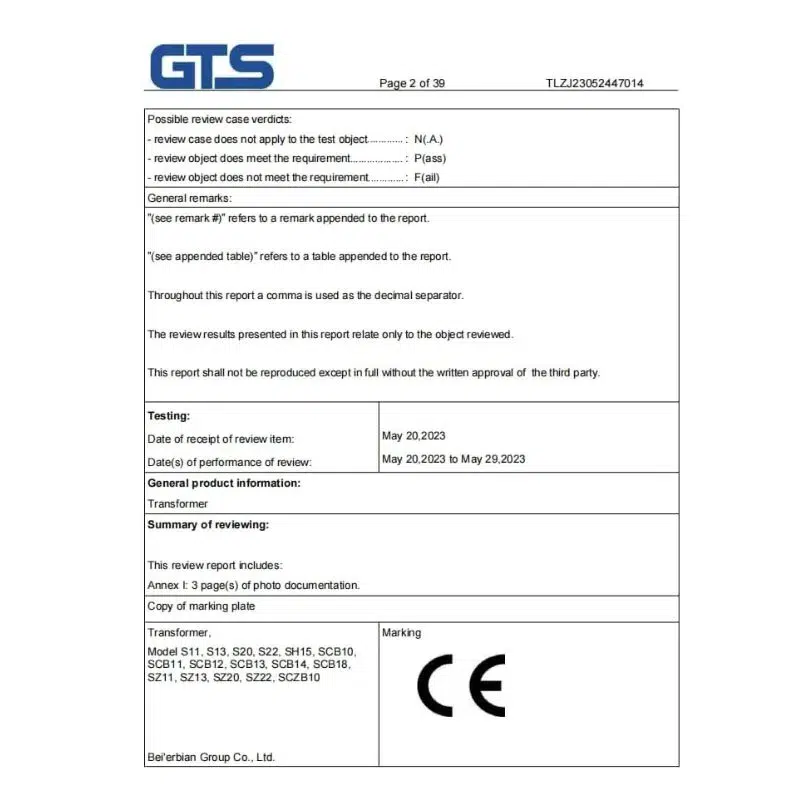
CE conformity report for transformer
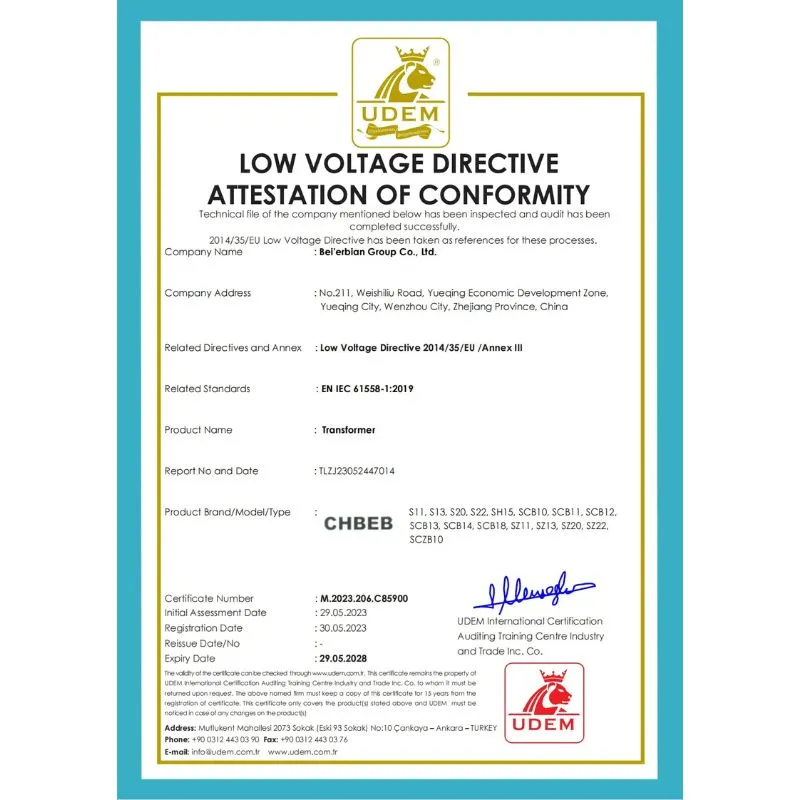
Low Voltage Directive conformity attestation
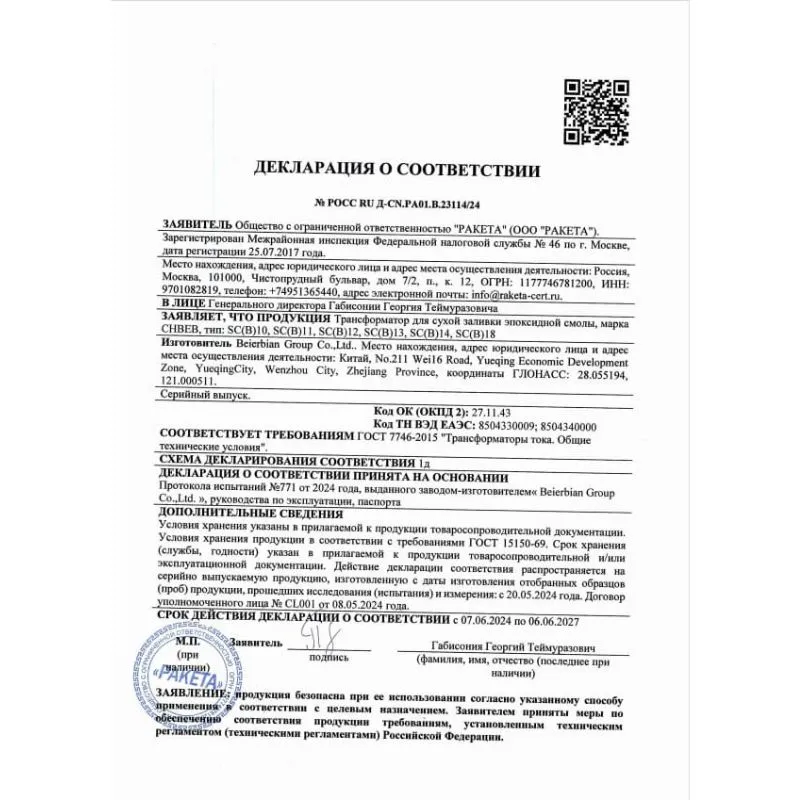
GOST declaration of conformity

Dry Type Transformer FAQs

What is a Dry Type Transformer?

A Dry Type Transformer is a transformer that uses air and solid insulation materials instead of insulating oil for insulation and cooling. Its windings are not immersed in liquid dielectric.

The main difference is the insulation and cooling medium.
A Dry Type Transformer uses solid insulation and air cooling, while an Oil-Immersed Transformer uses insulating oil for both insulation and heat dissipation.

They are commonly used in:

  • commercial buildings
  • hospitals
  • schools
  • airports
  • data centers
  • shopping malls
  • office buildings
  • industrial plants
  • metro and rail systems
  • indoor substations
  • high-rise buildings

They are especially suitable where fire safety, environmental cleanliness, or indoor installation is important.

Yes. This is one of its biggest advantages.
Dry Type Transformers are widely used indoors because they are well suited for buildings where oil containment, fire separation, and environmental cleanliness are major concerns.

The main advantages are:

  • no oil leakage risk
  • good fire safety characteristics
  • suitable for indoor installation
  • cleaner operation
  • reduced environmental concern
  • simpler oil-free maintenance
  • good suitability for public and commercial facilities

Key points include:

  • rated power
  • primary and secondary voltage
  • frequency
  • insulation class
  • temperature rise limit
  • cooling method
  • installation location
  • enclosure protection level
  • ambient conditions
  • harmonic content
  • noise requirement
  • fire safety requirement
  • short-circuit strength

Blogs About Transformer Manufacturers

Ask For A Quick Quote

We will reply to you within 1–2 business days.Please pay attention to the email with the suffix”@chbebpower.com”.