Choosing the wrong transformer causes project failures and high costs. Understanding their core differences is key to making the right choice for your power system’s
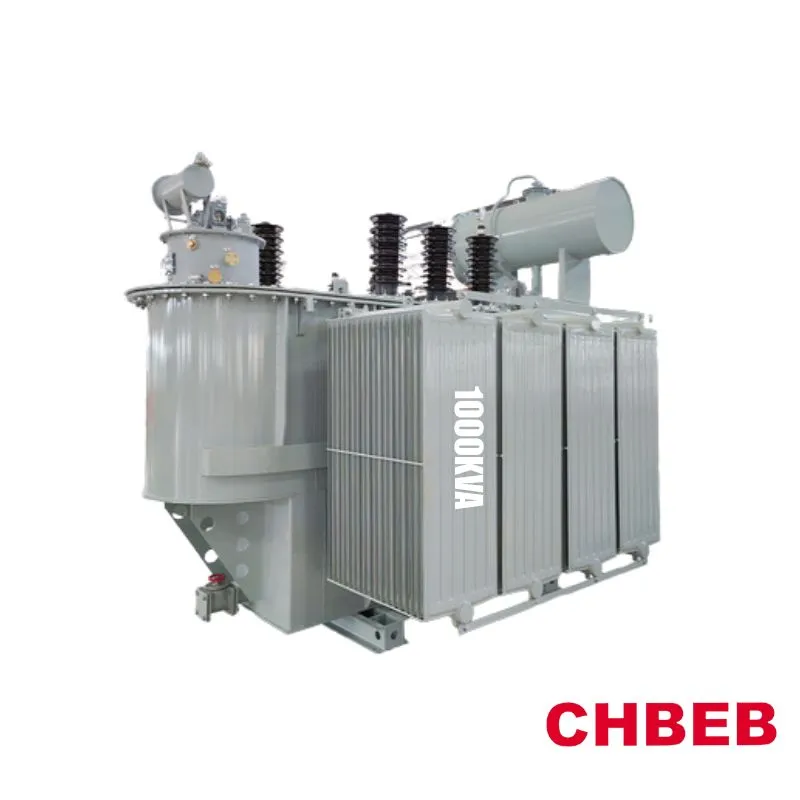
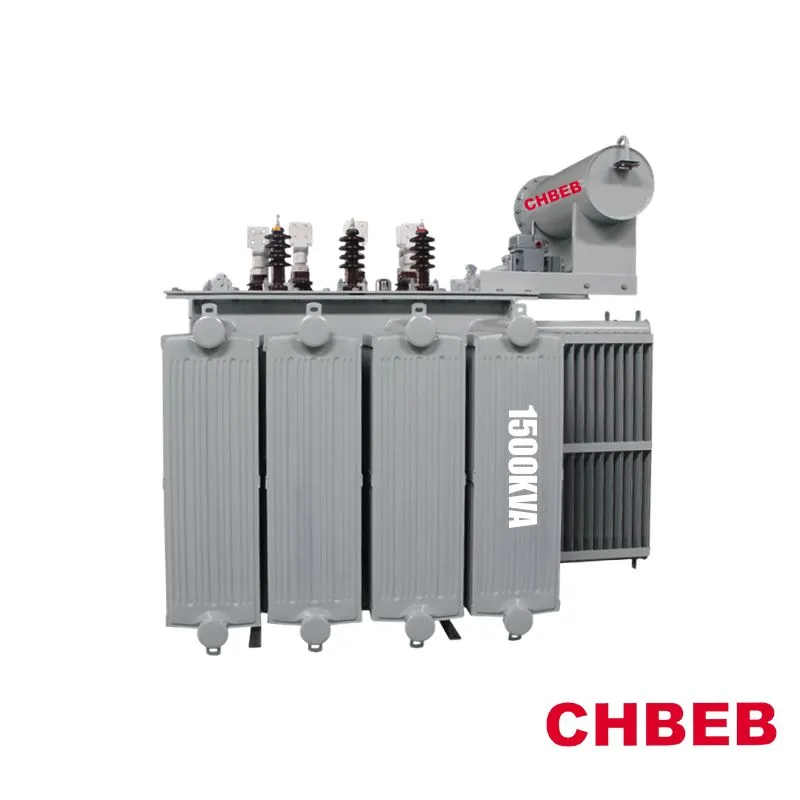
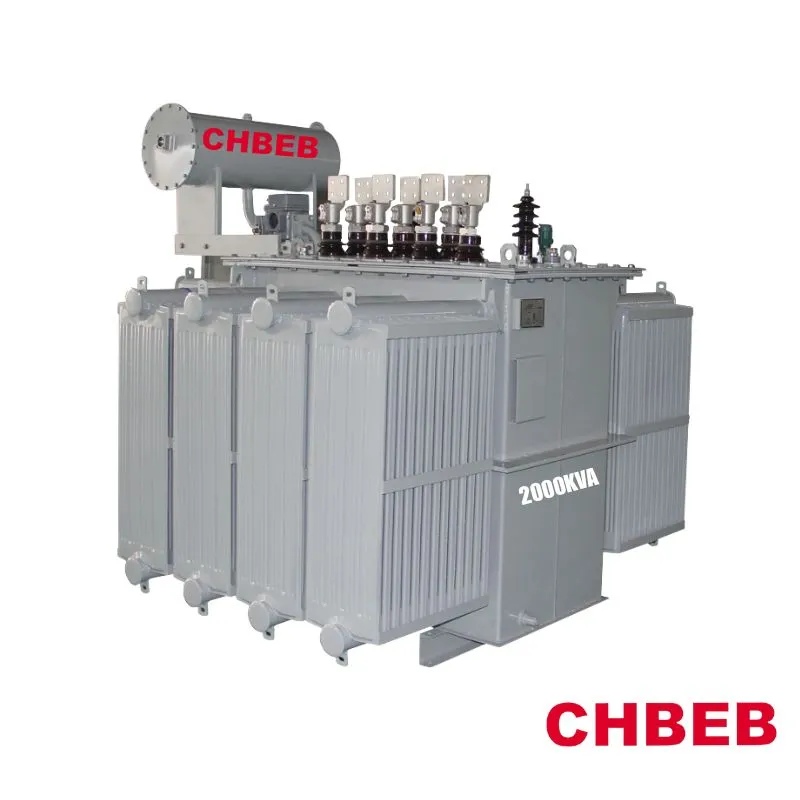
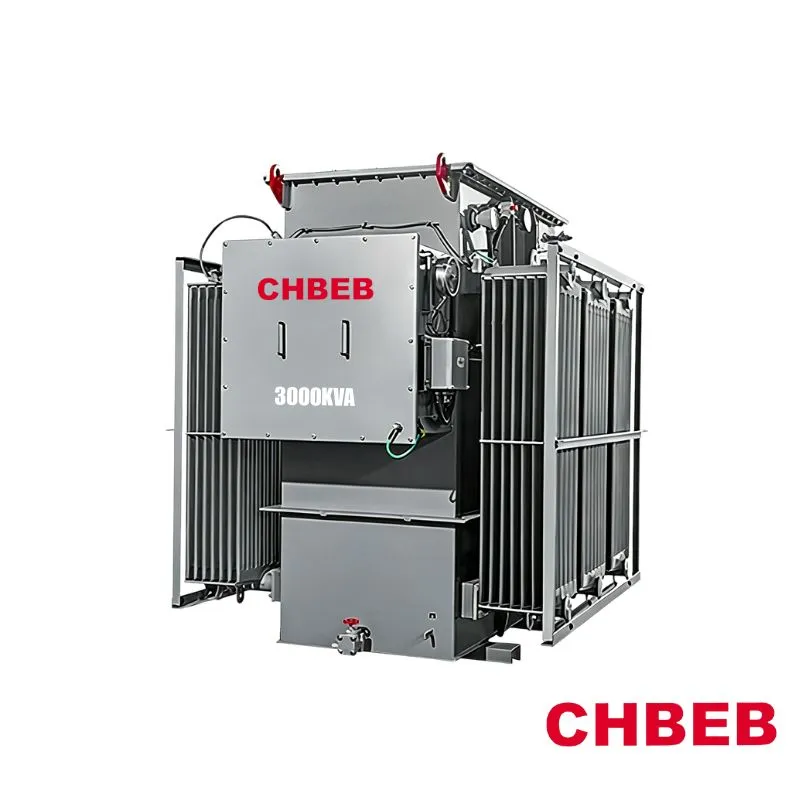
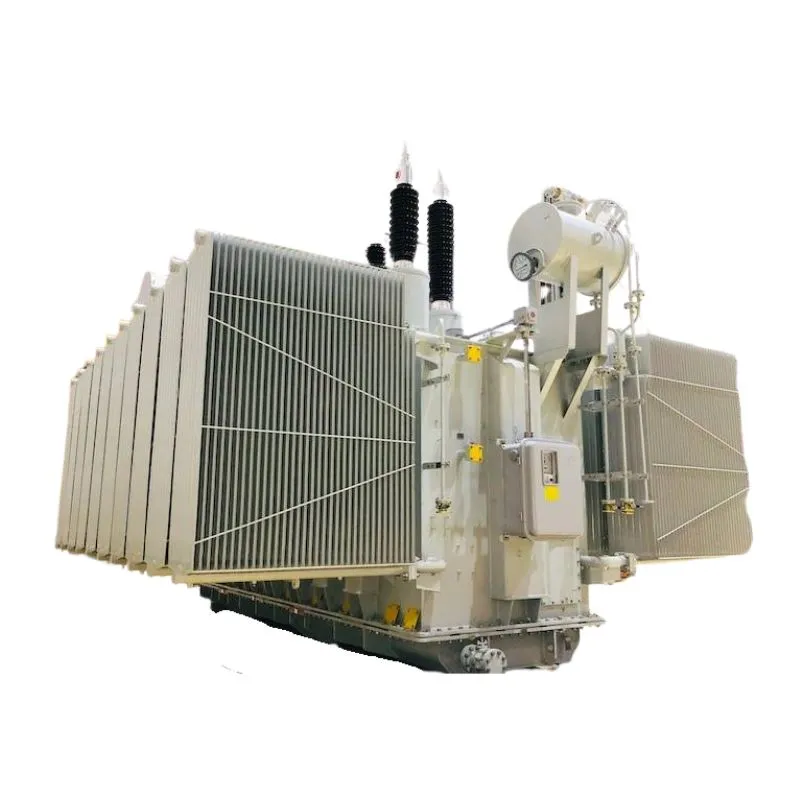
Designed for substations, industrial plants, utility networks, and large energy projects, our substation transformer solutions help keep power stable where capacity, reliability, and continuous operation matter most.
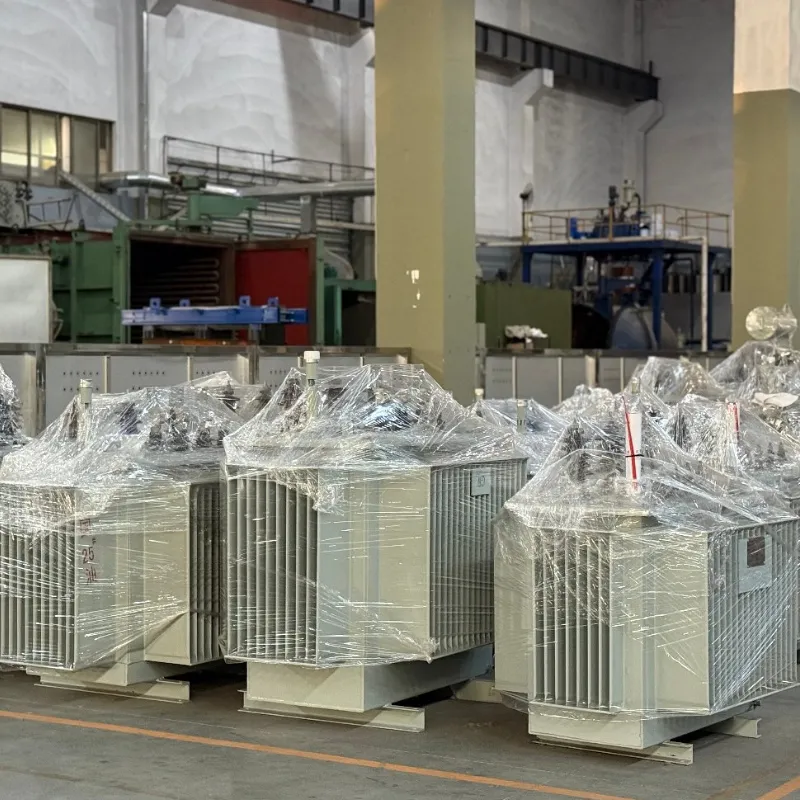
Every project has its own voltage, grid standard, site condition, and installation plan. That’s why our substation transformer solutions are built around real project needs, with flexible options in voltage, insulation, phase configuration, loss target, and material selection. Whether you need an oil immersed transformer or oil filled transformer, we help you get a solution that fits the job from the start.
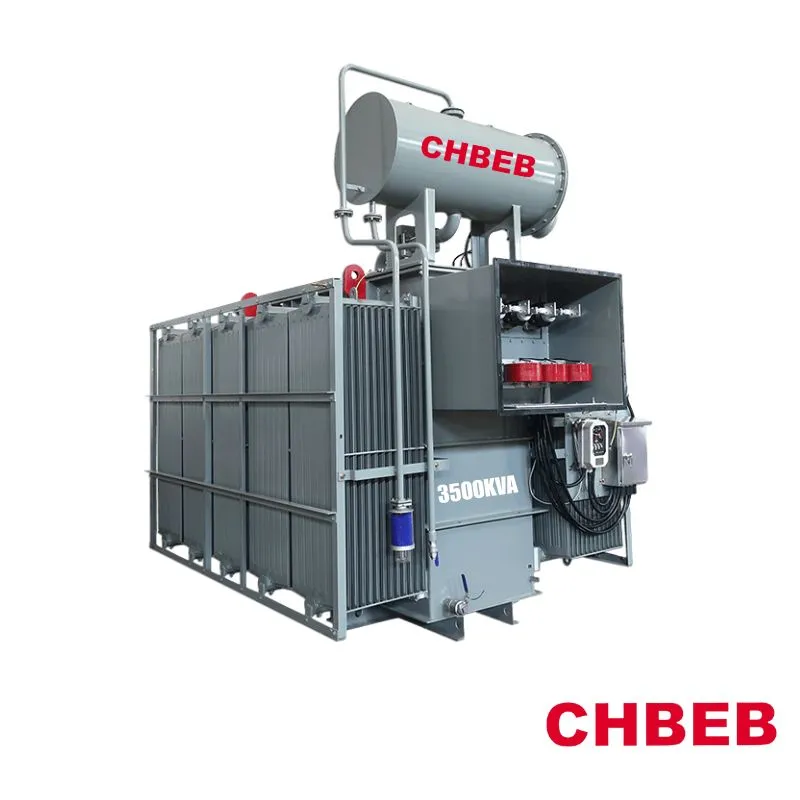
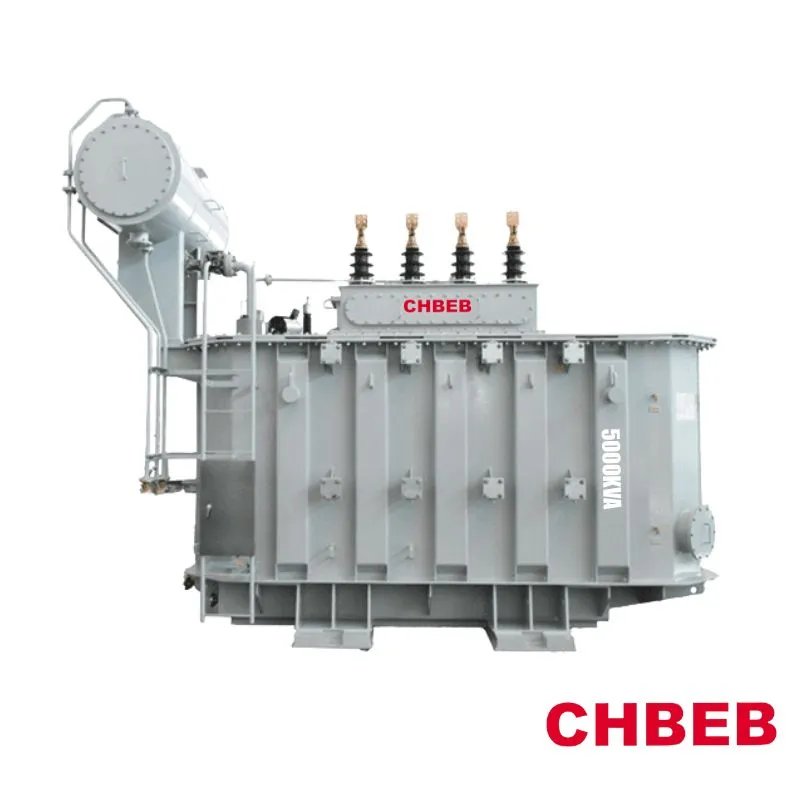
Substation transformers are built for utility substations, regional load centers, and large industrial power systems where capacity, operating efficiency, and long-term asset value matter most. Compared with general distribution transformers, they are better suited to projects that require higher power transfer capability, continuous operation, and stronger engineering adaptability.
Substation transformers are designed to handle much larger power flow and load concentration than standard distribution transformers. This makes them a practical choice for substations, backbone network nodes, and heavy-duty industrial systems where large-scale power transfer is essential.
These transformers are typically selected for long-term infrastructure projects where reliability and durability directly affect asset performance. For utilities and major industrial users, they are not only electrical equipment, but also long-life assets that support stable system operation over many years.
Because substation transformers often operate under sustained load conditions, efficiency plays an important role in lifetime operating cost. With optimized core design, winding structure, and loss control, they are better suited to continuous service and more economical long-term operation.
Substation transformers are supported by well-established manufacturing, testing, and operation standards, giving them strong engineering maturity. At the same time, they can be adapted to different voltage classes, capacities, cooling methods, impedance requirements, transport limits, and site conditions for a better project fit.
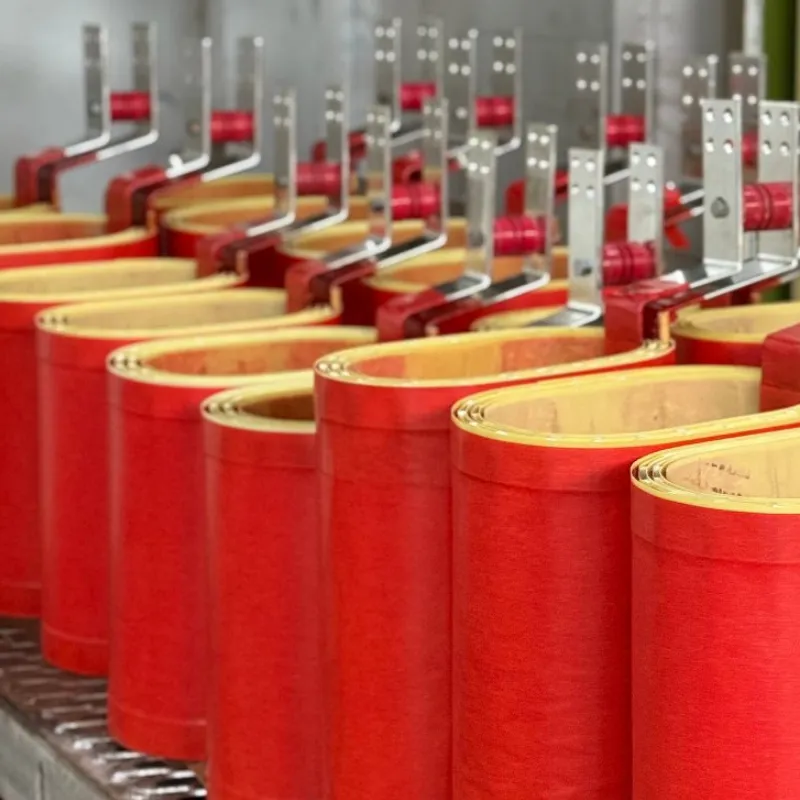
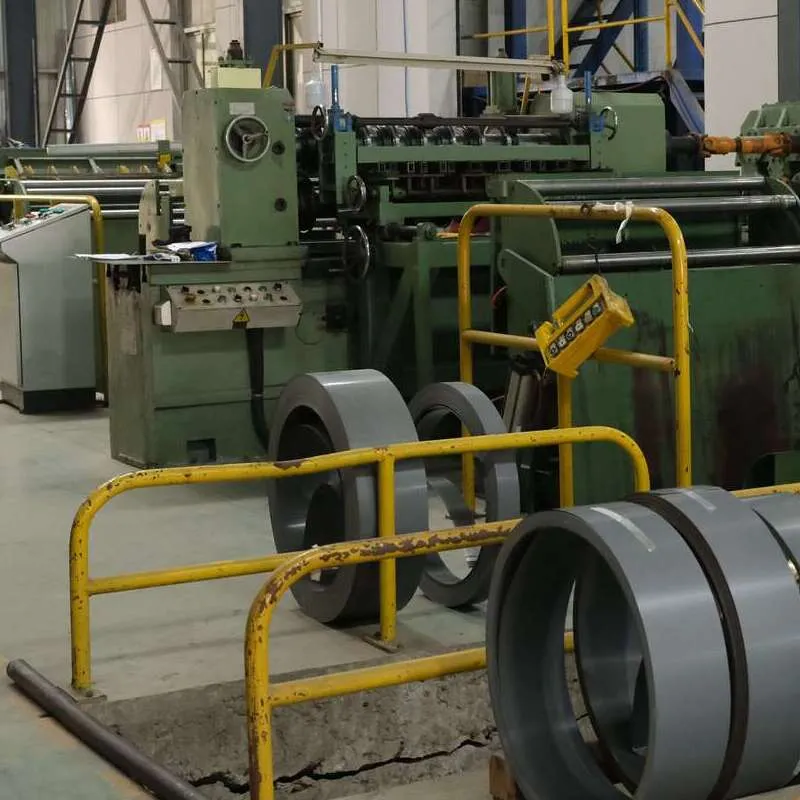
You can trace how each unit is made: core cutting, coil winding, assembly, oil handling, and testing are managed in-house for consistency. That’s what separates serious pole mounted transformer manufacturers from trading-only suppliers.
Clear replies and quick confirmation on drawings, specs, and deviations.
Standard requirements checked upfront to avoid rework and rejection.
Support mixed models and practical minimum order planning.
Datasheets, GA drawings, test plan, and ITP prepared in one list.
Stable process control to keep batch-to-batch performance consistent.
Nameplate, marking, and language layout tailored to your market.
Factory inspection booking, packing plan, and shipment timing aligned early.
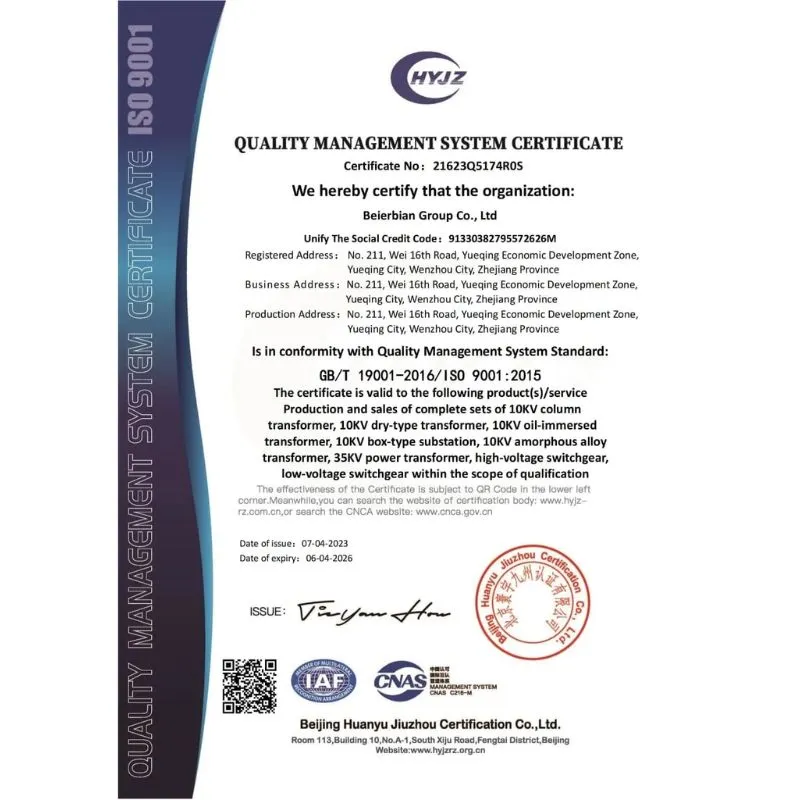
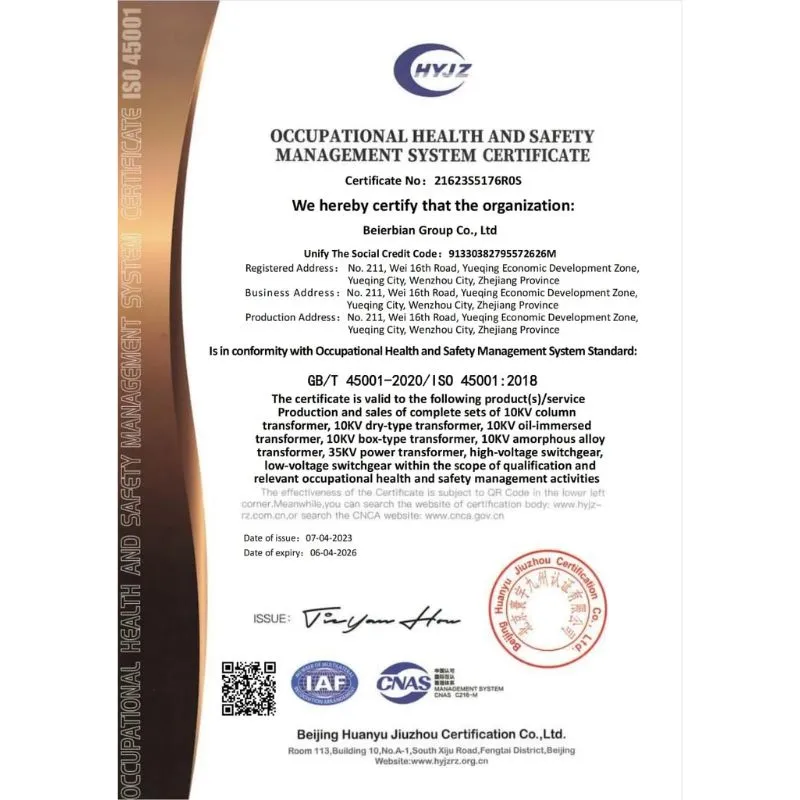
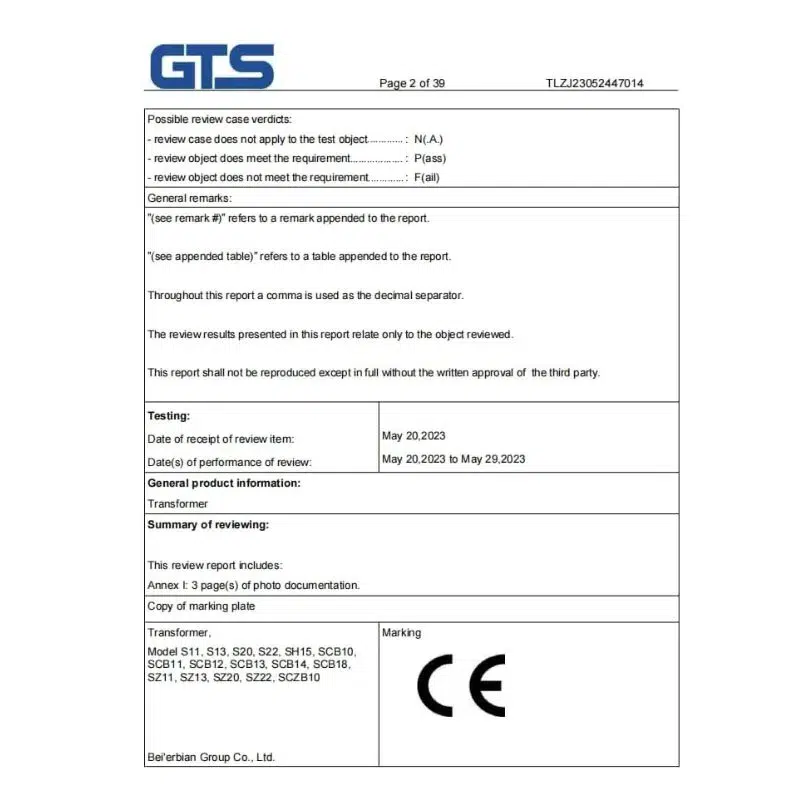
Routine test reports and traceable QC records for site acceptance.
Product photos, manuals, and quick spec sheets for faster quoting.
We package the full set: technical proposal, production plan, test reports, packing list, nameplate details, and export paperwork—so your site team and logistics team don’t have to chase missing pieces.
Send your specs or drawings, and we’ll confirm ratings and standards first. Then we provide a clear proposal and quotation, move into production with quality checks, issue the test report, and pack for shipment. The goal is simple: the right configuration, consistent quality, and fewer surprises—so your total cost stays under control.


We review the key basics first, including rating, voltage, standards, and delivery expectations.
Technical details are aligned early through proposal sheets, drawings, or specification confirmation.
Key materials are checked before production starts to reduce errors and keep quality under control.
Core cutting, stacking, or related processing is carried out under controlled production standards.
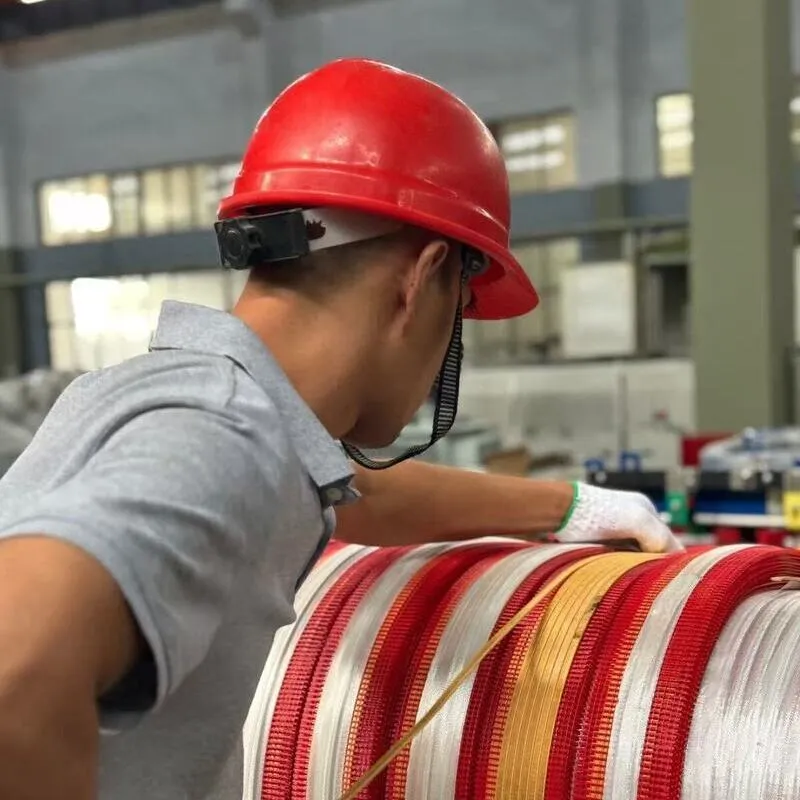
Coils are produced according to the confirmed design, with process control for consistency and traceability.
Required drying, curing, or insulation processes are applied based on the product type and design needs.
Main components are assembled and key connections are checked to support reliable operation.
Routine tests are completed according to product standards before the unit moves to the next stage.
Nameplates, reports, and supporting documents are prepared to match the confirmed product details.
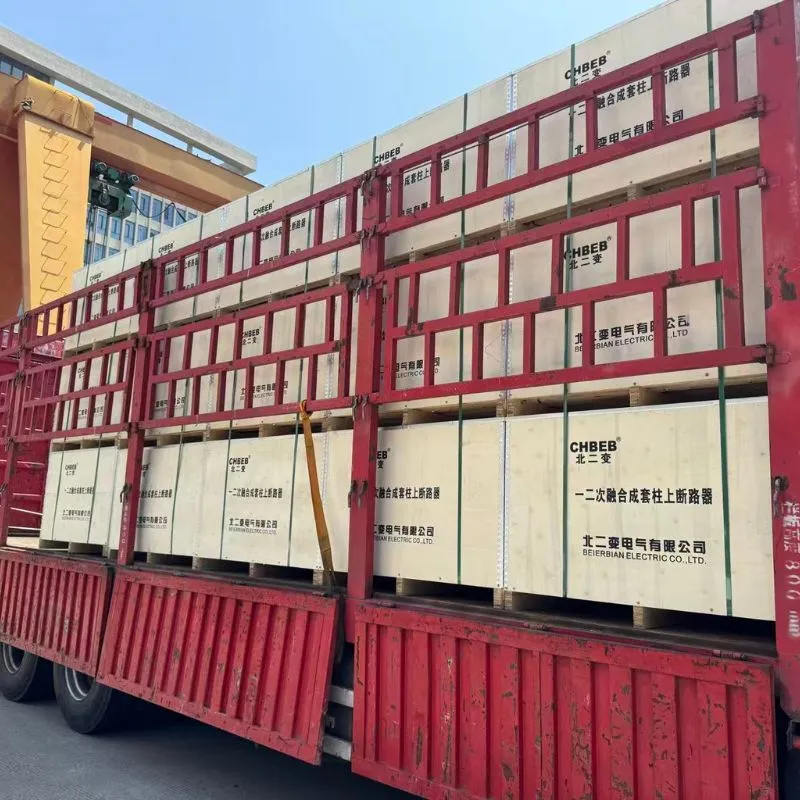
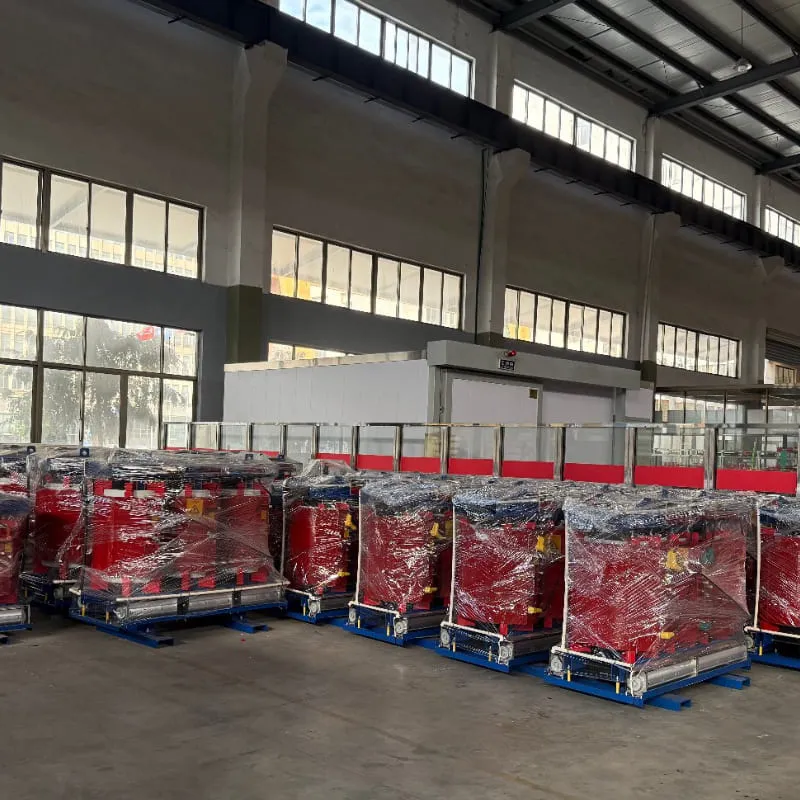
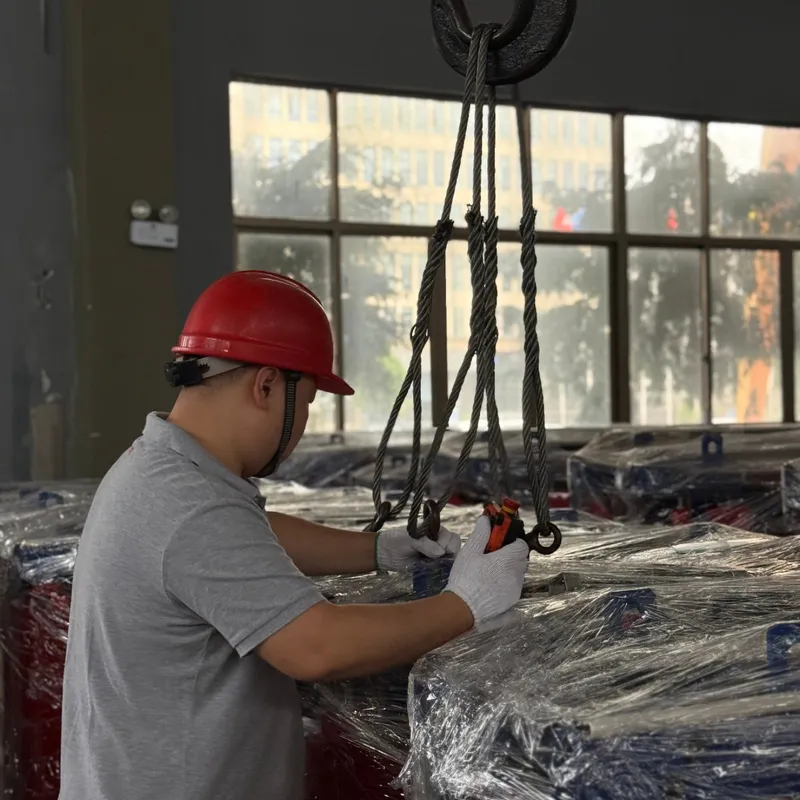
The transformer is packed for safe transport and arranged for shipment according to the delivery plan.
A Substation Transformer is a power transformer used in substations to convert electricity from one voltage level to another within the transmission or distribution network.
A Substation Transformer usually operates at higher voltage levels and larger capacities, and it serves as a major network transformation point.
A Distribution Transformer is typically closer to end users and is mainly used for final voltage reduction to utilization levels.
Its main purpose is to:
Yes, many of them can.
A major feature of many substation transformers is the use of tap changers, especially on-load tap changers, to help maintain system voltage within the required range while the transformer remains energized.
The biggest selling point is usually this:
It provides reliable, large-capacity voltage transformation for critical power system nodes, enabling efficient and stable grid operation.
Key considerations include:
Choosing the wrong transformer causes project failures and high costs. Understanding their core differences is key to making the right choice for your power system’s
In-Depth Engineering: How Pad-Mounted Transformers Master the Heat Challenge Introduction In residential, business, and utility networks, pad-mounted transformers function quietly, but they are always combating
China Power Transformer Market Survey: Sourcing HV Capabilities and International OEM Solutions Introduction It can be hard to buy high-voltage transformers from China since there

CHINA BEI ER BIAN (CHBEB) GROUP, with 218 million in registered capital, originated from Beijing Beierbian Transformer Group. Headquartered in Beijing for R&D, it operates major production bases in Nanjing and Yueqing, producing high-quality products.
No 3,RongJing East Road,BeiJing Economic Technological Development Area,BeiJing,China
No 7️Xiangfeng Road,Jiangning,NanJing,JiangSu,China
No.211, Wei 16 Road, Industrial Zone, Yueqing, Wenzhou, Zhejiang, China.
XiangYang Industrial Zone ,YueQing,WenZhou,ZheJiang,China
Copyright © Bei Er Bian Group
click to chats
I am Online Now!
Hello! 👋 Welcome to CHBEB.
We are a transformer manufacturer with 60+ years of experience.
✅ Distribution & Power Transformers (Oil & Dry Type)
✅ Customized EPC & OEM Solutions
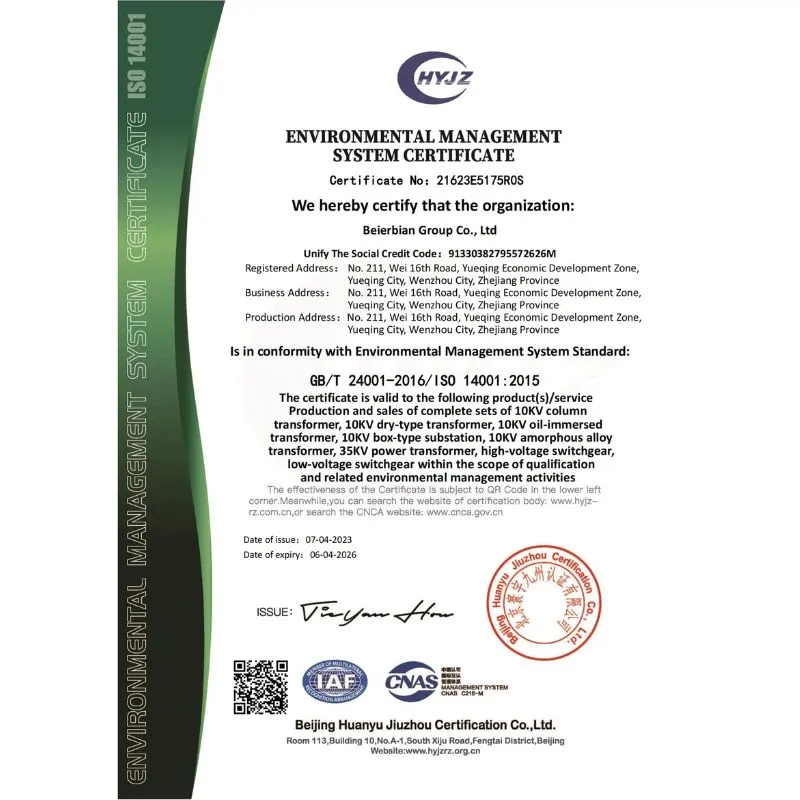
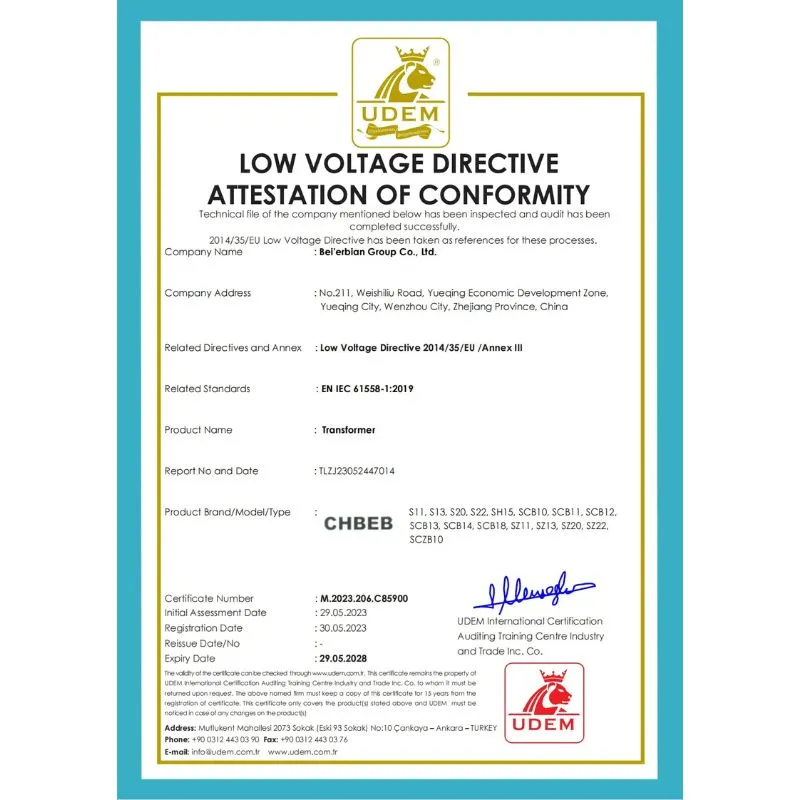
✅ Fast Delivery & International Certifications
How can we support your project today?
WhatsApp Us
Online | Privacy policy
We will reply to you within 1–2 business days.Please pay attention to the email with the suffix”@chbebpower.com”.