Substation Transformer

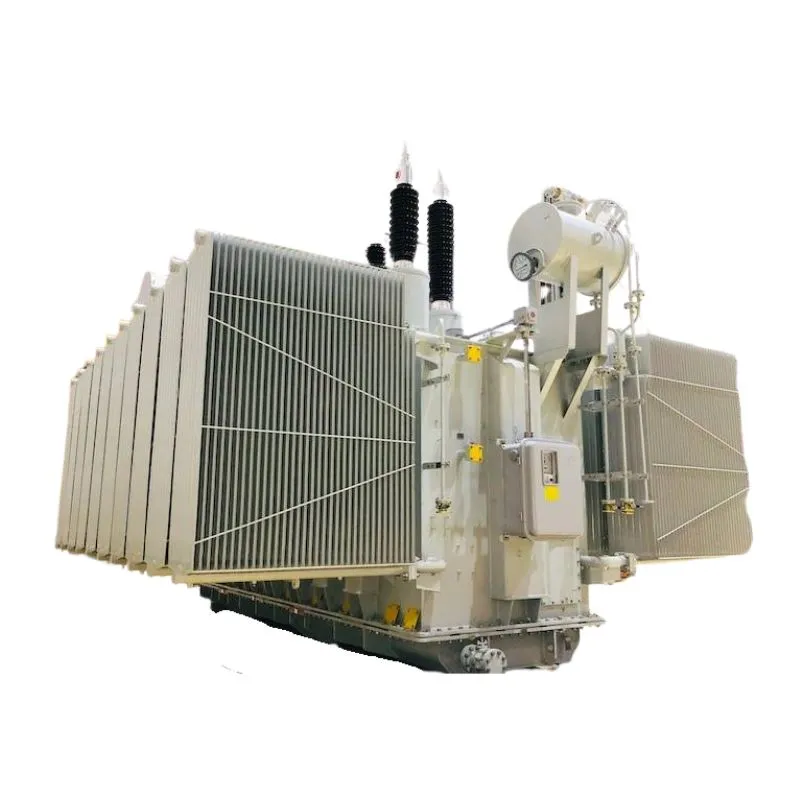
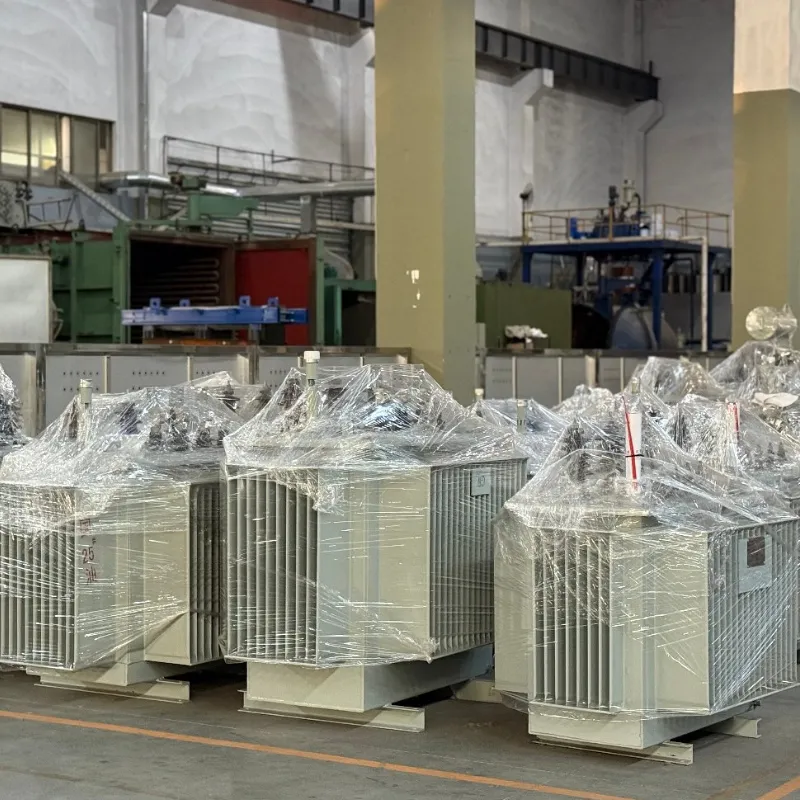
Oil immersed substation transformer for stable power supply in utility, industrial, and large energy distribution projects.

What Makes Our Substation Transformers Stand Out?

Stable power you can count on for critical projects.
Smart design that saves space and simplifies installation.
Built to handle bigger loads and tougher power demands.
Made to fit your project, not the other way around.

2026 Substation Transformer Inventory

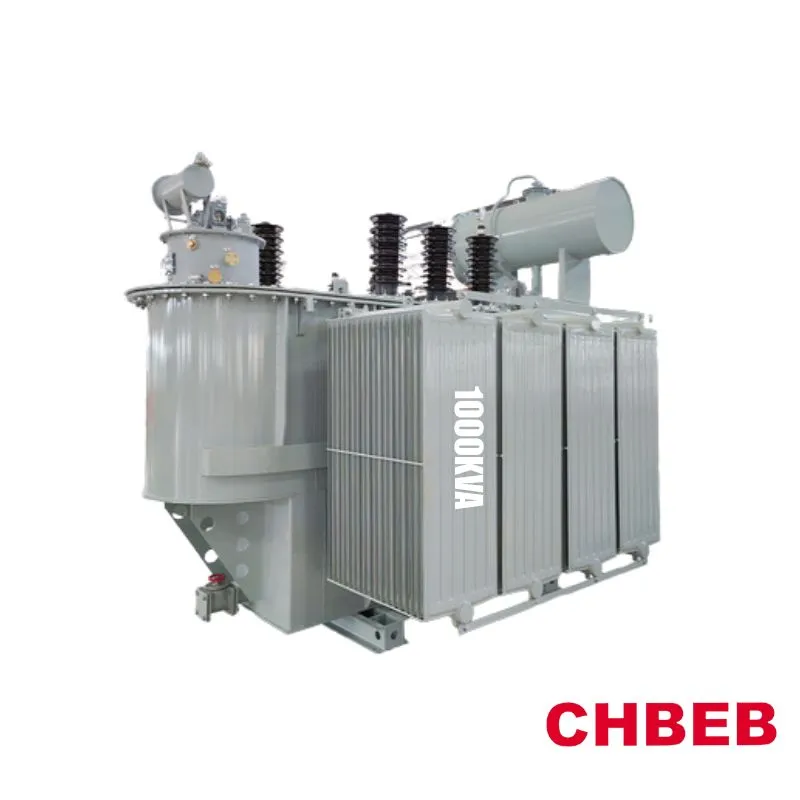
1000 kVA Three Phase Substation Transformer
1000 kVA three phase substation transformer for industrial and utility power distribution
Primary Voltage
10kV
Secondary Voltage
0.4kV
Application
Industrial / Utility Distribution
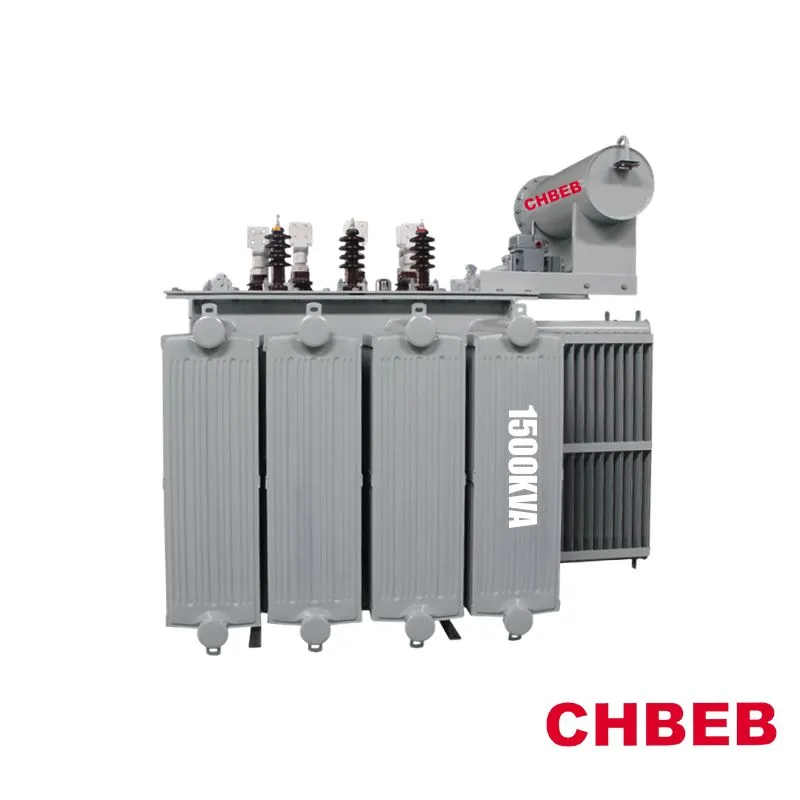
1500 kVA Three Phase Substation Transformer
1500 kVA three phase substation transformer for commercial and industrial power supply
Primary Voltage
11kV
Secondary Voltage
0.4kV
Application
Commercial / Industrial Supply
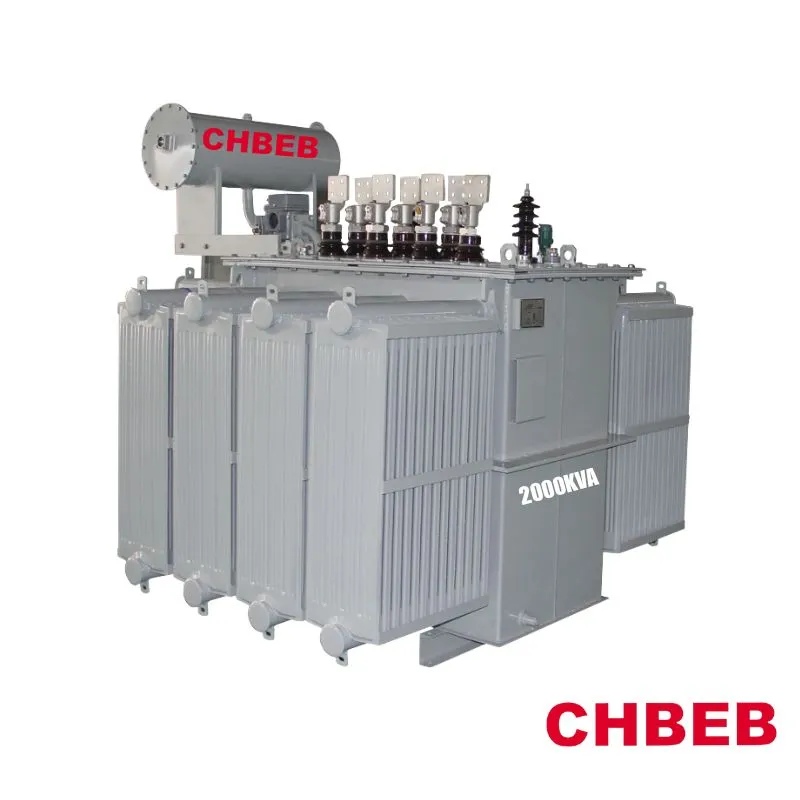
2000 kVA Three Phase Substation Transformer
2000 kVA three phase substation transformer for factory and infrastructure projects
Primary Voltage
13.8kV
Secondary Voltage
0.4kV
Application
Factory / Infrastructure Projects
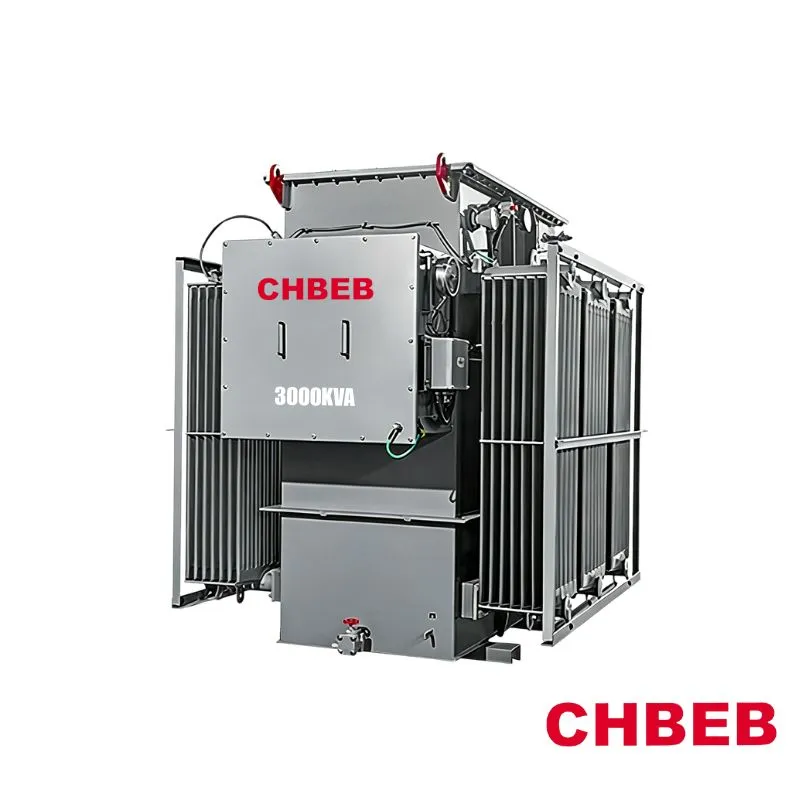
3000 kVA Three Phase Substation Transformer
3000 kVA three phase substation transformer for medium-scale grid distribution projects
Primary Voltage
10kV / 11kV / 13.8kV
Secondary Voltage
0.4kV / 0.48kV
Application
Medium-Scale Grid Distribution
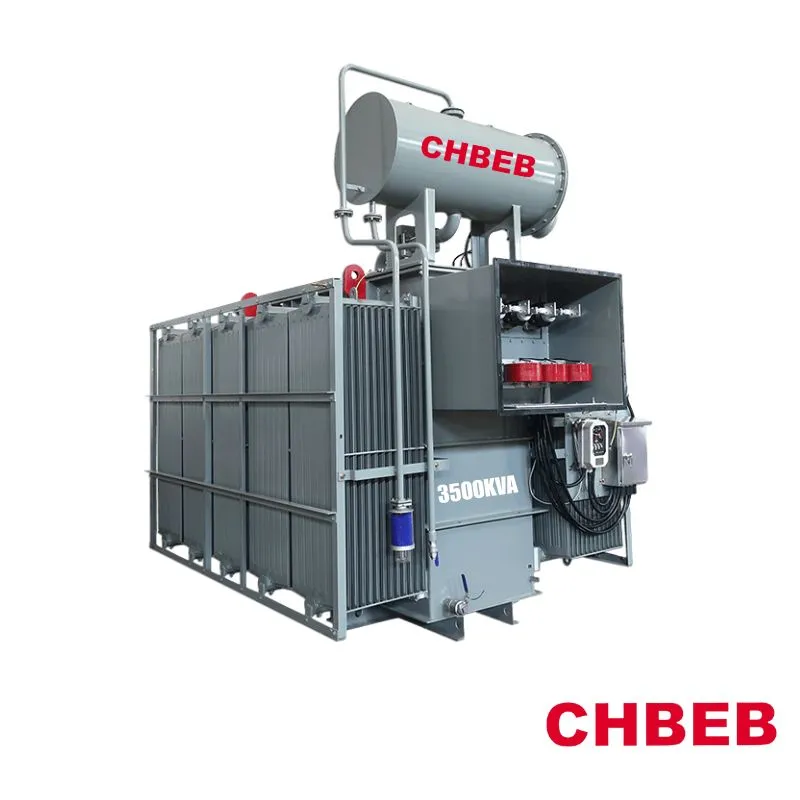
3500 kVA Three Phase Substation Transformer
3500 kVA oil immersed three phase substation transformer for heavy industrial and utility projects
Primary Voltage
35kV
Secondary Voltage
0.4kV / 0.48kV
Application
Heavy Industrial / Utility Projects
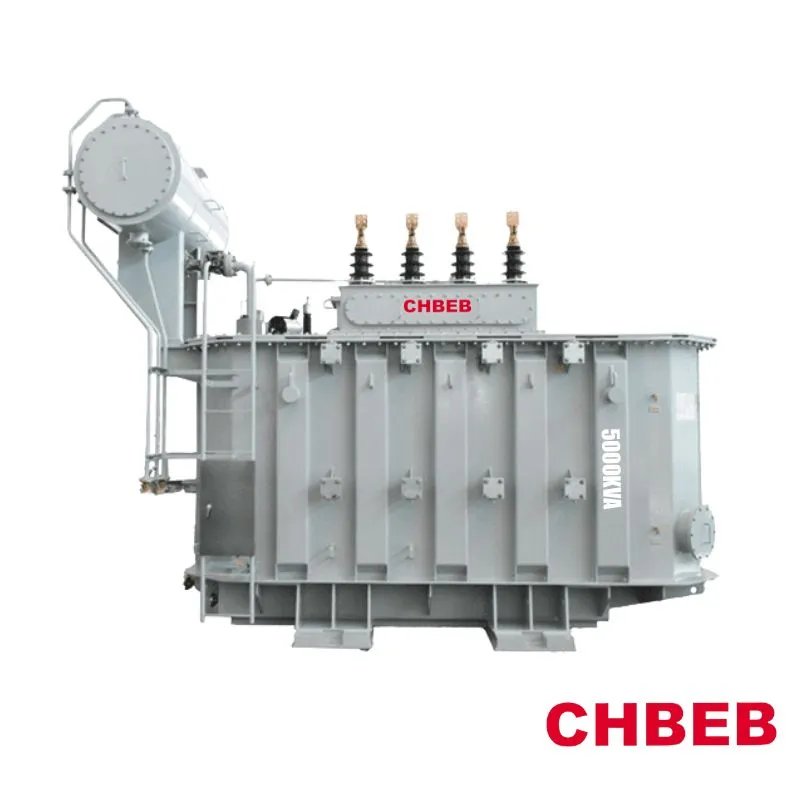
5000 kVA Three Phase Substation Transformer
5000 kVA oil immersed substation transformer for heavy industrial power distribution
Primary Voltage
33kV
Secondary Voltage
0.48kV
Application
Heavy Industrial / Power Distribution

Substation Transformer Use Cases

Designed for substations, industrial plants, utility networks, and large energy projects, our substation transformer solutions help keep power stable where capacity, reliability, and continuous operation matter most.


Utility Substations

Built for grid nodes where stable voltage and long-term reliability are essential.

Industrial Plants & Heavy Loads

A strong choice for factories and heavy-duty operations that need dependable power every day.

Renewable & Energy Facilities

Supports large power flow and stable distribution in solar, wind, and energy connection projects.

Commercial & Infrastructure Projects

Ideal for airports, transit hubs, hospitals, and other infrastructure that cannot afford unstable power.

Substation Transformer Purchase Guide

Every project has its own voltage, grid standard, site condition, and installation plan. That’s why our substation transformer solutions are built around real project needs, with flexible options in voltage, insulation, phase configuration, loss target, and material selection. Whether you need an oil immersed transformer or oil filled transformer, we help you get a solution that fits the job from the start.
 

Voltage & Taps

Matched to your grid, load demand, and project scale from the beginning.

Insulation Level

Selected to suit local standards and the environment where the transformer will operate.

Single / Three Phase

Configured to fit your power system and the way your load is used on site.

Impedance Match

Adjusted to support system coordination, smoother operation, and better power stability.

Low-Loss Design

A smarter choice for reducing operating cost over the long run.

Copper or aluminum

Choose the winding material that best fits your budget, lead time, and project goals.

Advantages of Substation Transformer

Substation transformers are built for utility substations, regional load centers, and large industrial power systems where capacity, operating efficiency, and long-term asset value matter most. Compared with general distribution transformers, they are better suited to projects that require higher power transfer capability, continuous operation, and stronger engineering adaptability.

High Capacity for Grid-Level Power Transfer

Substation transformers are designed to handle much larger power flow and load concentration than standard distribution transformers. This makes them a practical choice for substations, backbone network nodes, and heavy-duty industrial systems where large-scale power transfer is essential.

Long Service Life with Higher Asset Value

These transformers are typically selected for long-term infrastructure projects where reliability and durability directly affect asset performance. For utilities and major industrial users, they are not only electrical equipment, but also long-life assets that support stable system operation over many years.

High Efficiency for Continuous Operation

Because substation transformers often operate under sustained load conditions, efficiency plays an important role in lifetime operating cost. With optimized core design, winding structure, and loss control, they are better suited to continuous service and more economical long-term operation.

Mature Engineering with Flexible Project Adaptation

Substation transformers are supported by well-established manufacturing, testing, and operation standards, giving them strong engineering maturity. At the same time, they can be adapted to different voltage classes, capacities, cooling methods, impedance requirements, transport limits, and site conditions for a better project fit.

Explore Our Factory: In-House Core, Winding, Assembly & Testing

You can trace how each unit is made: core cutting, coil winding, assembly, oil handling, and testing are managed in-house for consistency. That’s what separates serious pole mounted transformer manufacturers from trading-only suppliers.

Project-Focused Services: Precise Support for EPC & Utilities

Engineering team reviewing drawings and technical requirements for a custom electrical equipment project
On-site electrical work and project support for equipment installation, inspection, and delivery coordination
Project documents and quality records prepared to support approval, inspection, and delivery

Fast Technical Alignment

Clear replies and quick confirmation on drawings, specs, and deviations.

Compliance-First Configuration

Standard requirements checked upfront to avoid rework and rejection.

Flexible MOQs & Model Options

Support mixed models and practical minimum order planning.

Complete Document Package

Datasheets, GA drawings, test plan, and ITP prepared in one list.

Repeatable Quality Control

Stable process control to keep batch-to-batch performance consistent.

Labeling & Nameplate Support

Nameplate, marking, and language layout tailored to your market.

Inspection & Delivery Coordination

Factory inspection booking, packing plan, and shipment timing aligned early.

Acceptance-Ready Records

Routine test reports and traceable QC records for site acceptance.

Sales Support Materials

Product photos, manuals, and quick spec sheets for faster quoting.

One-Stop Delivery: Technical Proposal, Production, Testing, Shipping Docs

We package the full set: technical proposal, production plan, test reports, packing list, nameplate details, and export paperwork—so your site team and logistics team don’t have to chase missing pieces.

Design to Your Specs

Know Your Project Needs

Best Value Delivered

Quality You Can Trust

Finish On Schedule

Win Your Local Market

Maximize Total Value with Our Tailored Solutions

Send your specs or drawings, and we’ll confirm ratings and standards first. Then we provide a clear proposal and quotation, move into production with quality checks, issue the test report, and pack for shipment. The goal is simple: the right configuration, consistent quality, and fewer surprises—so your total cost stays under control.

Share your project details first, and we’ll review the key requirements before anything moves forward.

Send Your Specs / Drawings

We check voltage, capacity, standards, and application needs early, so the solution fits your project from the start.

Confirm Ratings & Standards

You receive a clear technical proposal and quotation, making it easier to compare options and move faster.

Get Proposal + Quotation

After confirmation, we move into production with process control and routine checks to keep quality consistent.

Production + Quality Checks

Testing records and reports are prepared before shipment, so you have the documents needed for review and approval.

Test Report Issued

The product is packed for export and shipped on schedule, helping your project stay on track with fewer surprises.

Pack & Ship to Port

Ensure Every Order Is Produced On Time, with Quality Assured.

Technical team confirming transformer ratings, voltage, standards, and delivery requirements
Transformer proposal sheet and drawings prepared for technical confirmation

Step 1: Confirm Requirements

We review the key basics first, including rating, voltage, standards, and delivery expectations.

Transformer proposal sheet and drawings prepared for technical confirmation

Step 2: Proposal & Drawings

Technical details are aligned early through proposal sheets, drawings, or specification confirmation.

Key transformer materials checked before production to support stable quality

Step 3: Material Inspection

Key materials are checked before production starts to reduce errors and keep quality under control.

Transformer core processing with controlled cutting and stacking operations

Step 4: Core Processing

Core cutting, stacking, or related processing is carried out under controlled production standards.

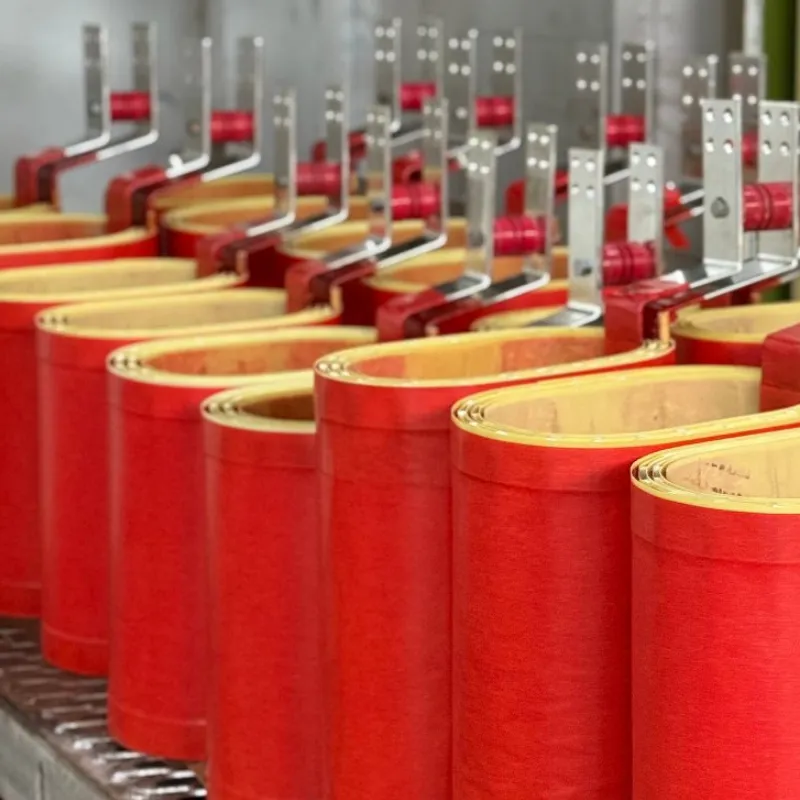
Transformer coil winding carried out according to the confirmed design

Step 5: Coil Winding

Coils are produced according to the confirmed design, with process control for consistency and traceability.


Transformer insulation treatment process to improve stability and long-term performance

Step 6: Insulation Treatment

Required drying, curing, or insulation processes are applied based on the product type and design needs.

Substation transformer in final assembly, with main components fitted and key connections checked before testing.

Step 7: Final Assembly

Main components are assembled and key connections are checked to support reliable operation.

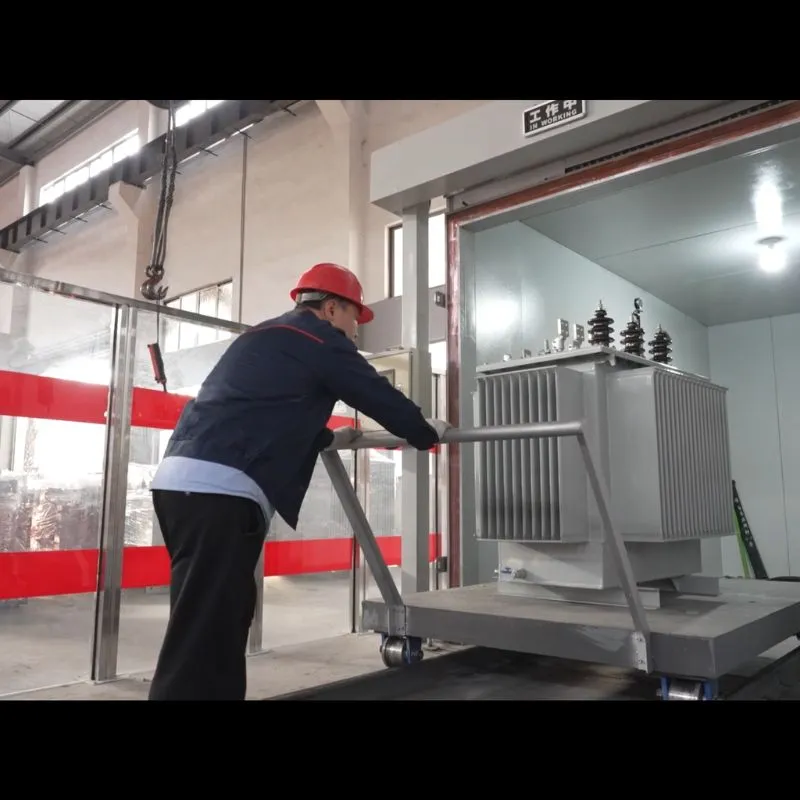
Oil immersed transformer undergoing routine testing before delivery to ensure stable performance and reliable operation.

Step 8: Routine Testing

Routine tests are completed according to product standards before the unit moves to the next stage.

Substation transformer prepared with nameplate, test reports, and project documents based on confirmed order details.

Step 9: Nameplate & Document Pack

Nameplates, reports, and supporting documents are prepared to match the confirmed product details.

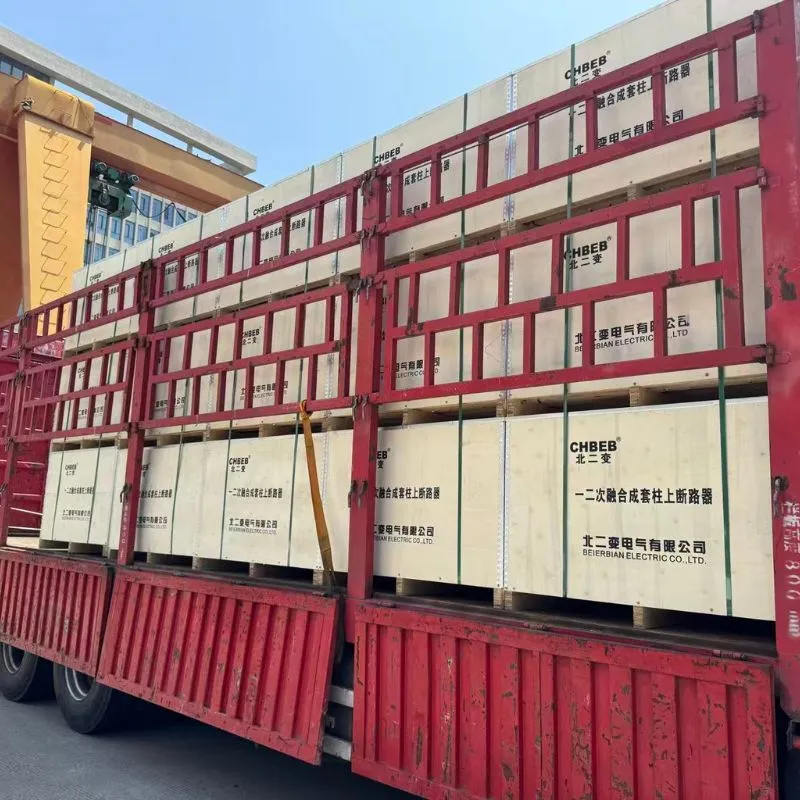
Transformer packed for safe transport and arranged for shipment according to plan

Step 10: Packing & Shipment

The transformer is packed for safe transport and arranged for shipment according to the delivery plan.

We don’t pass problems to customers—this is our principle.

CHBEB Electrical Transformer Manufacturers

Professional production workshop with quality-tested units prepared for logistics and shipping
High-precision component assembly ensuring technical excellence and superior insulation standards
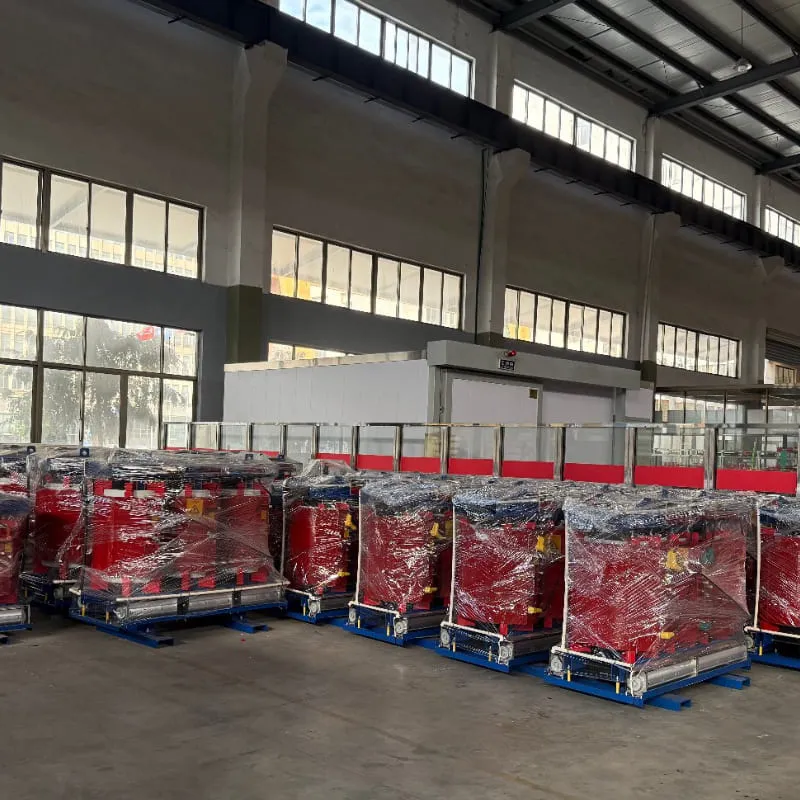
Packaged units lined up neatly in the workshop, waiting for the next shipping arrangement.
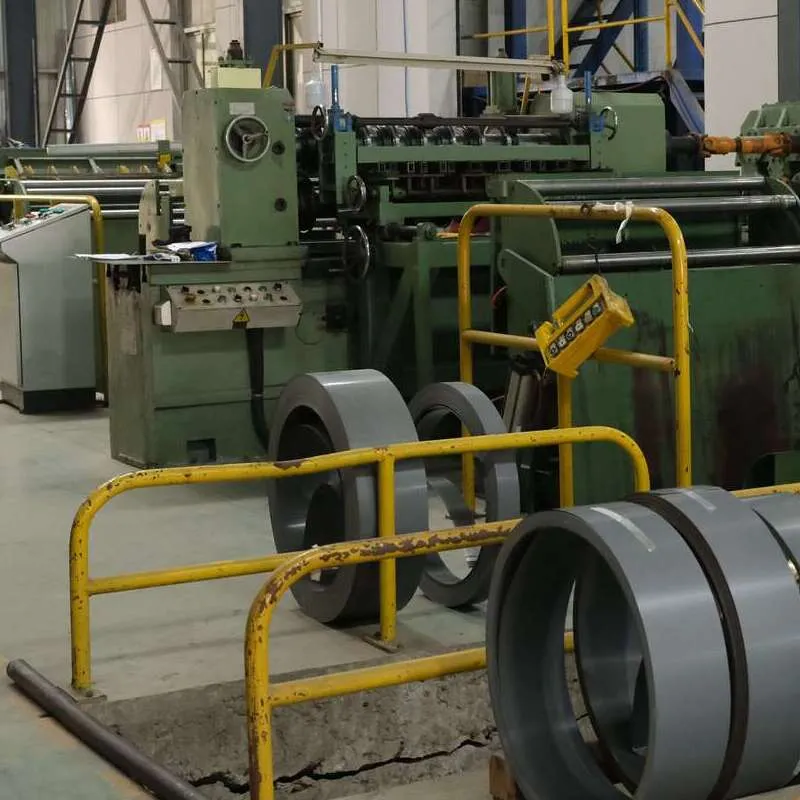
Metal processing equipment and raw material area in the workshop.
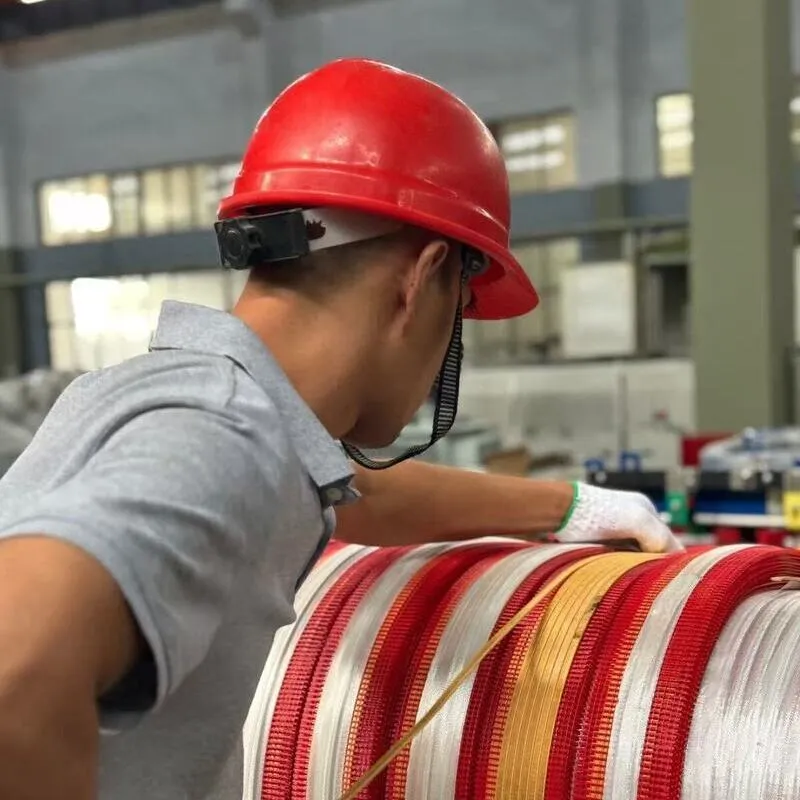
Technician carrying out coil processing and on-site inspection in the factory workshop.
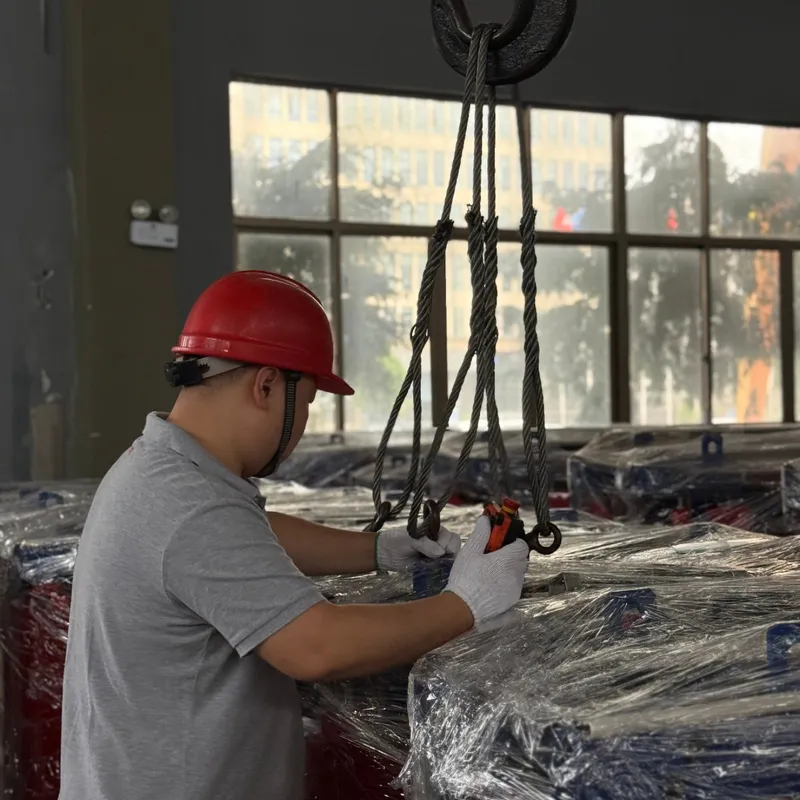
Worker inspecting packaged units before lifting operation in the workshop.

Every Batch Ready to Meet Your Customers' Expectations

Globally Recognized Quality Certifications

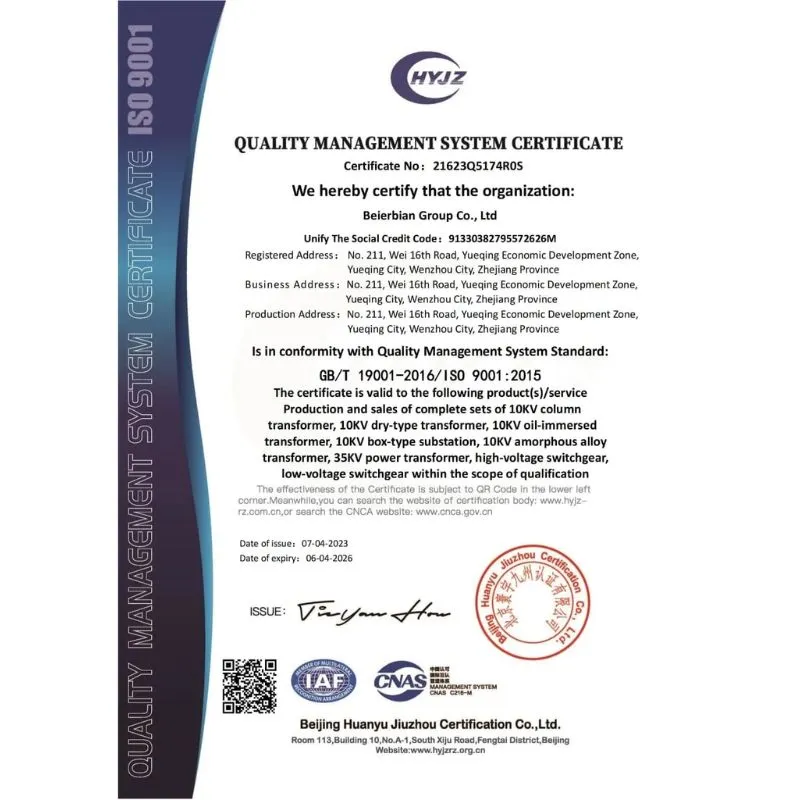
ISO 9001:2015 quality management system certificate
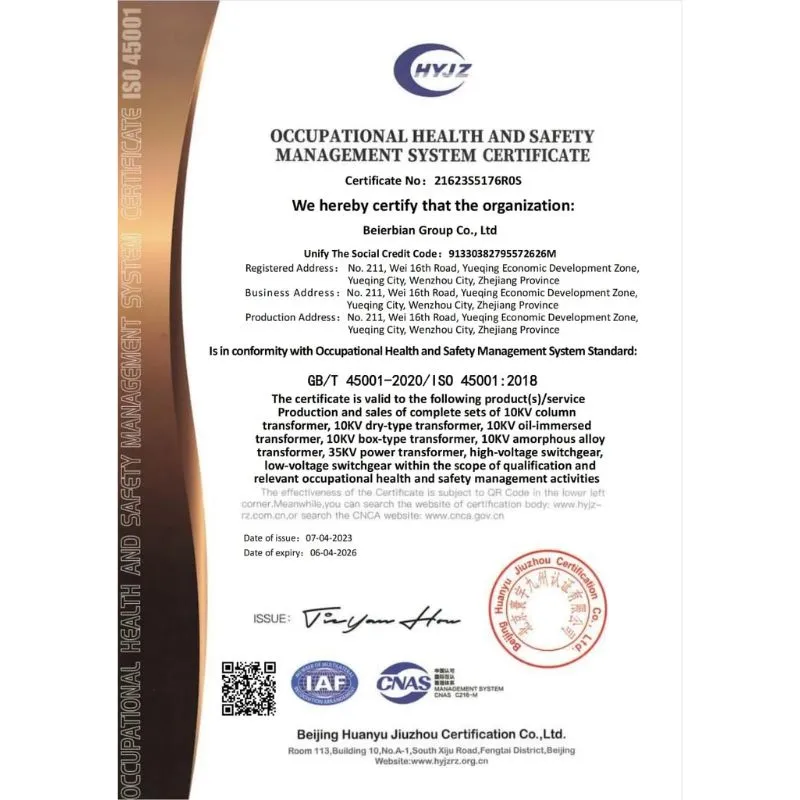
ISO 45001 occupational health and safety management system certificate
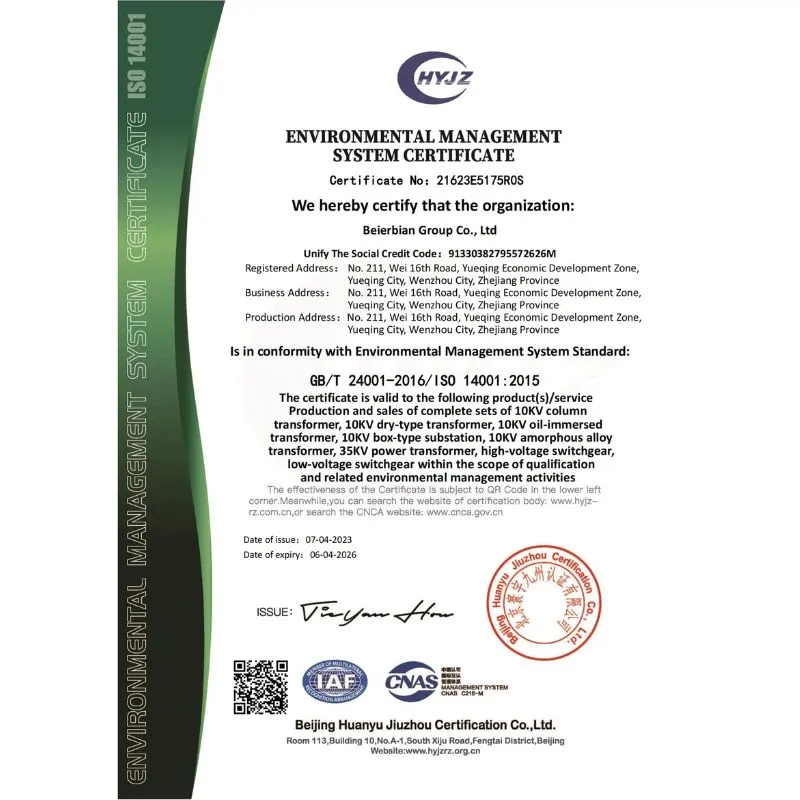
ISO 14001 environmental management system certificate
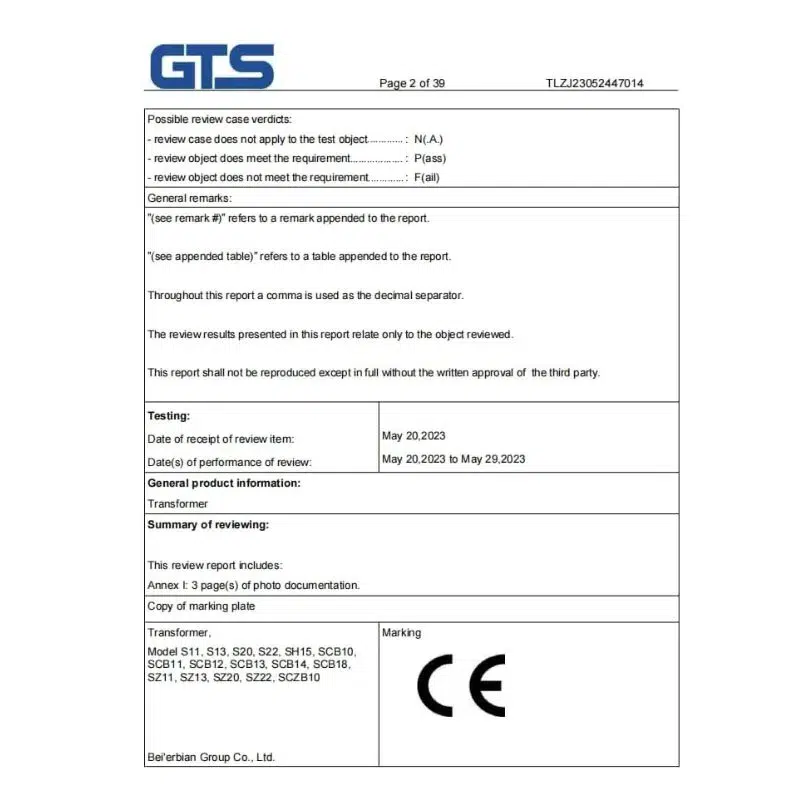
CE conformity report for transformer
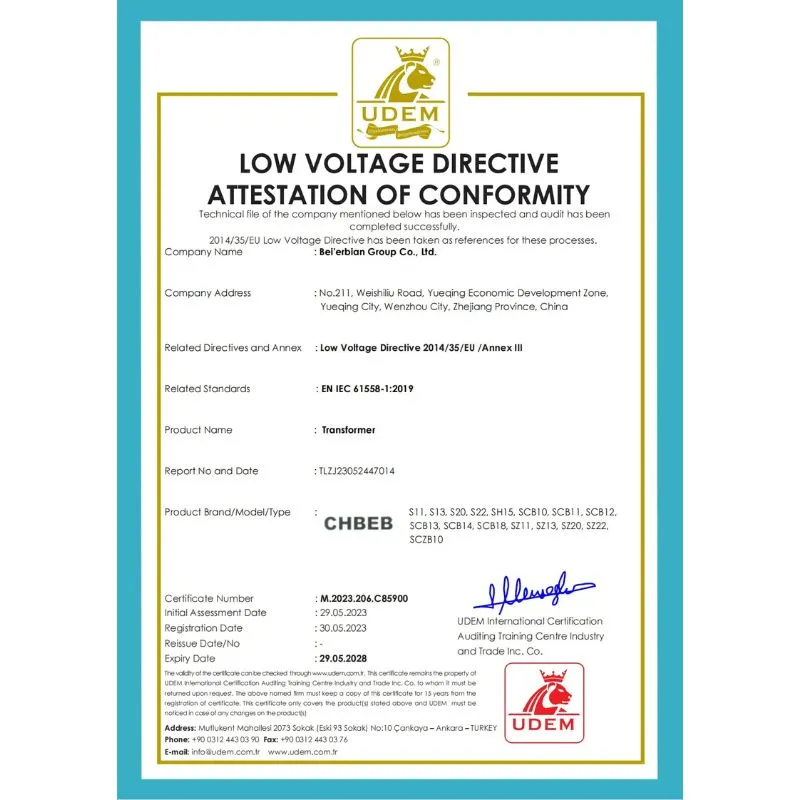
Low Voltage Directive conformity attestation
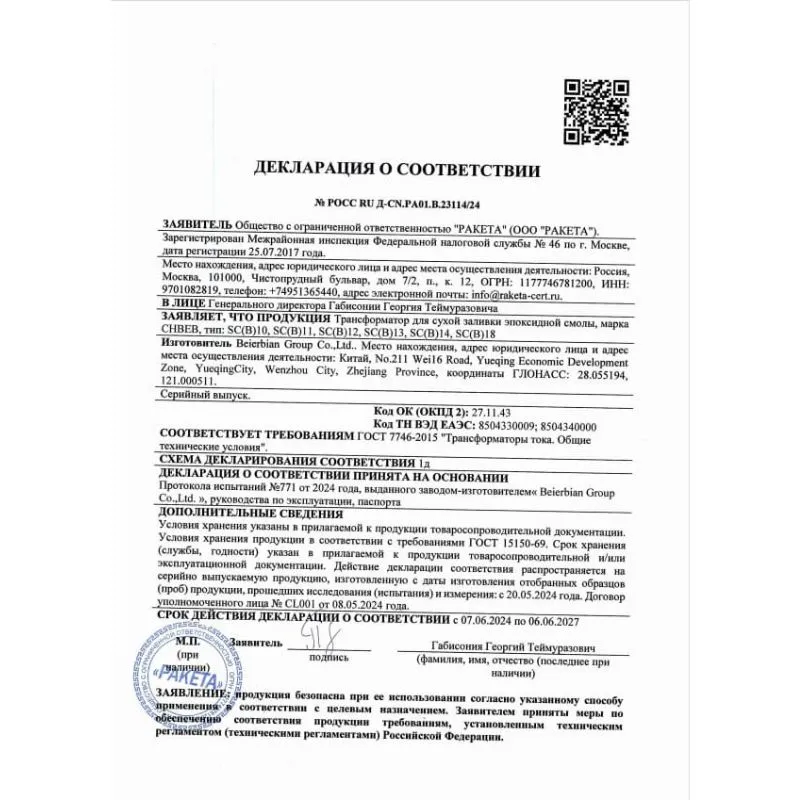
GOST declaration of conformity

Substation Transformer FAQs

What is a Substation Transformer?

A Substation Transformer is a power transformer used in substations to convert electricity from one voltage level to another within the transmission or distribution network.

A Substation Transformer usually operates at higher voltage levels and larger capacities, and it serves as a major network transformation point.
A Distribution Transformer is typically closer to end users and is mainly used for final voltage reduction to utilization levels.

Its main purpose is to:

  • step voltage up or down between network levels
  • transfer large amounts of power efficiently
  • connect different parts of the power system
  • support voltage control
  • help distribute power to downstream networks

Yes, many of them can.
A major feature of many substation transformers is the use of tap changers, especially on-load tap changers, to help maintain system voltage within the required range while the transformer remains energized.

The biggest selling point is usually this:

It provides reliable, large-capacity voltage transformation for critical power system nodes, enabling efficient and stable grid operation.

Key considerations include:

  • rated power
  • primary and secondary voltage
  • frequency
  • impedance
  • cooling method
  • insulation level
  • short-circuit withstand capability
  • tap changer requirement
  • loss requirement
  • noise requirement
  • installation environment
  • transportation limitations
  • protection and monitoring needs

Blogs About Transformer Manufacturers

Ask For A Quick Quote

We will reply to you within 1–2 business days.Please pay attention to the email with the suffix”@chbebpower.com”.