Choosing the wrong transformer causes project failures and high costs. Understanding their core differences is key to making the right choice for your power system’s
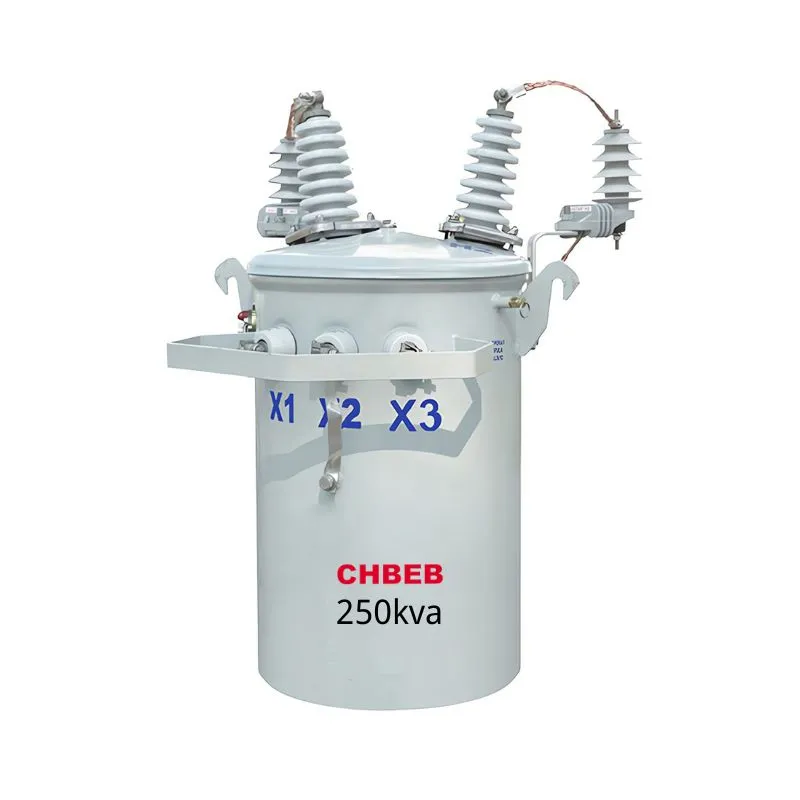
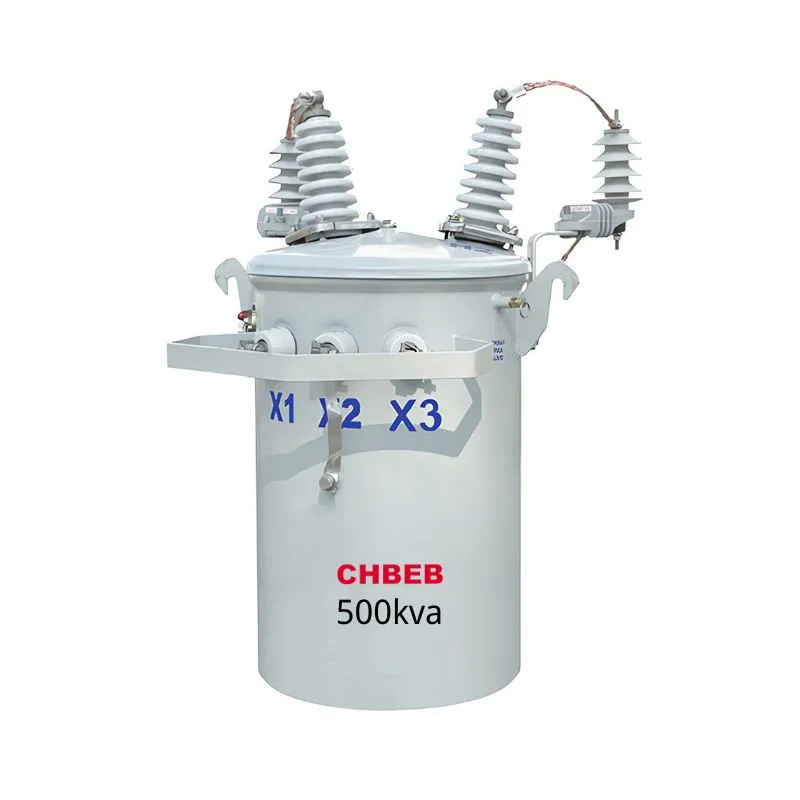
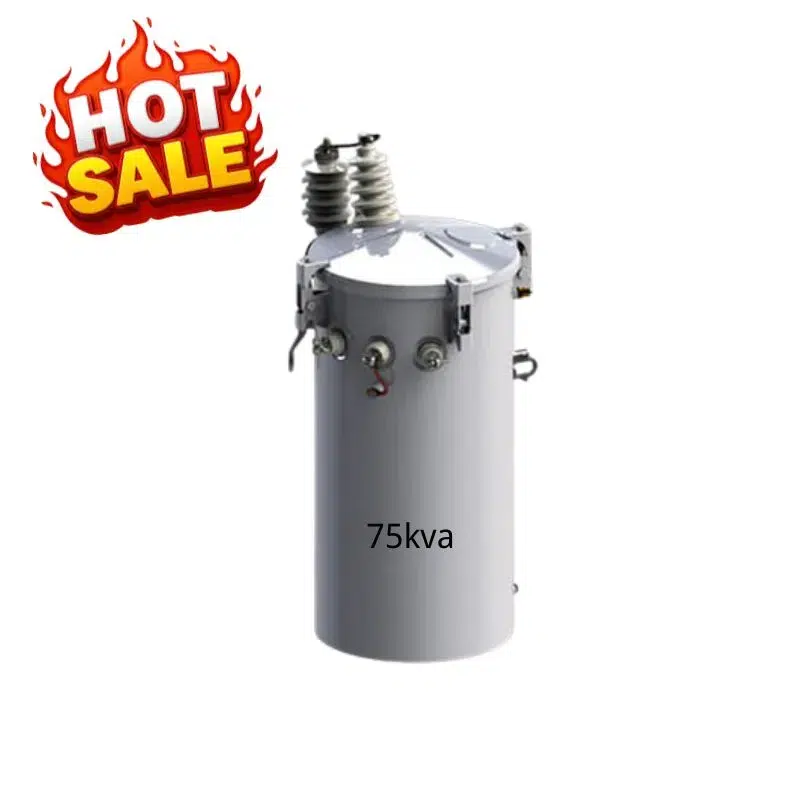
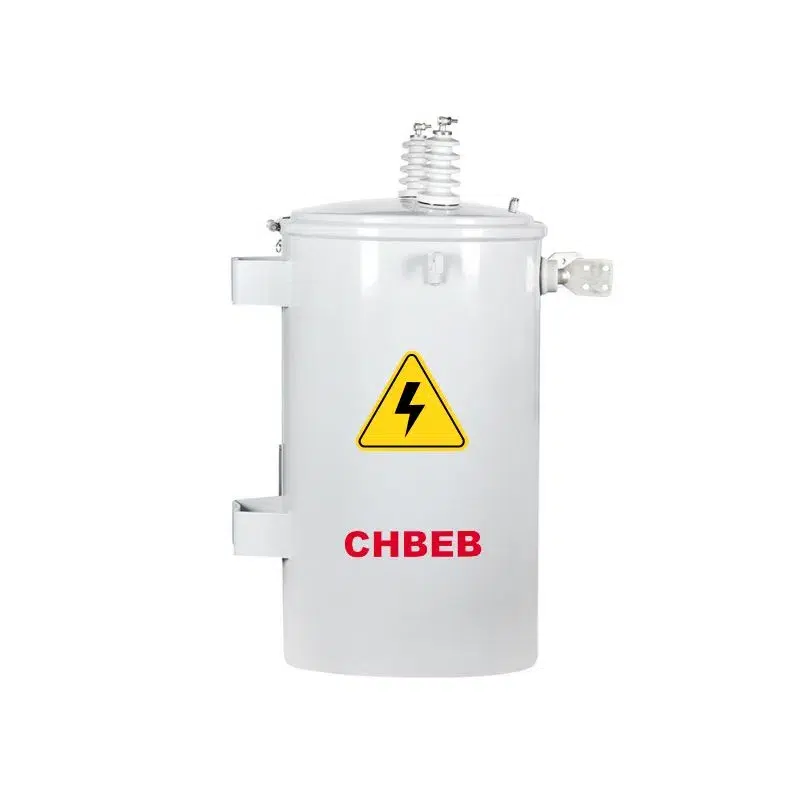
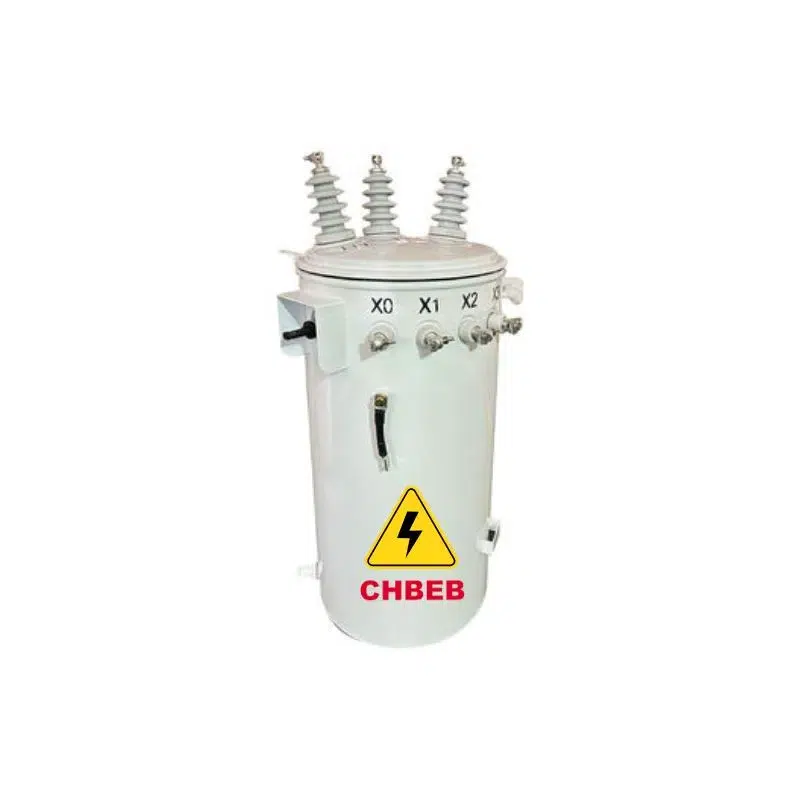
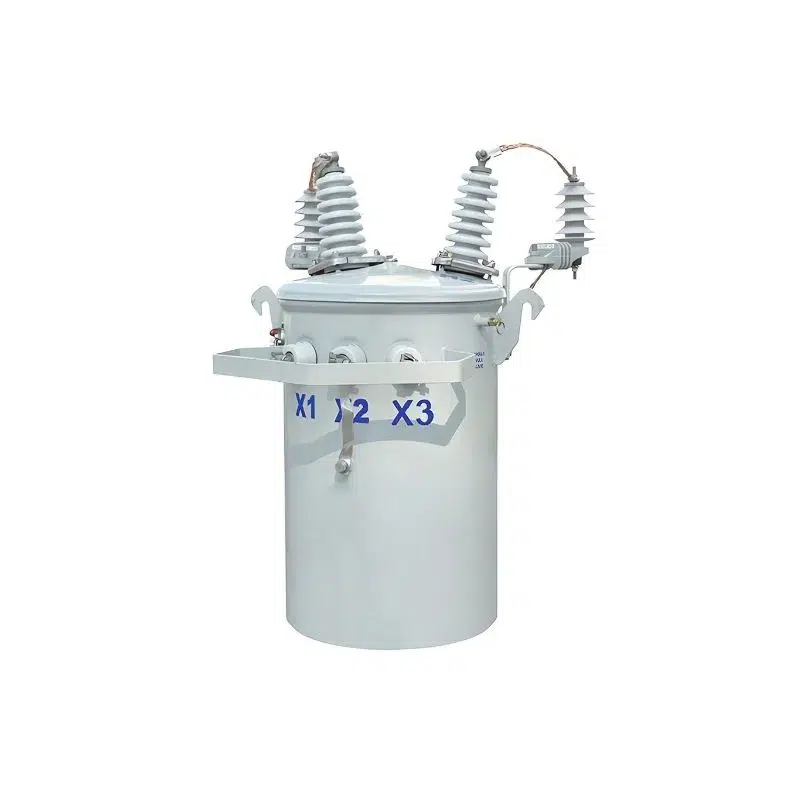
Our 2026 pole-mounted transformers are engineered for stable performance, robust construction, and flexible specification options. Produced in-house with rigorous quality control, they provide a reliable choice for customers seeking dependable supply and long-term service value.
Built for everyday distribution work—rural feeders, new residential areas, street lighting, and park branches. As a pole distribution transformer, it’s made to stay steady when the network conditions aren’t perfect.
We lock in the key items early—pole transformer voltage, insulation level, taps, vector group, and accessories—so what arrives on site matches your drawings, not “closest available.”
Pole mounted transformers are widely used in rural networks, roadside distribution, industrial edge loads, and temporary power supply points because they are easier to install, more economical to deploy, take up very little ground space, and work well in distributed load areas. They also offer practical advantages for future expansion and smart distribution upgrades.
Pole mounted transformers are installed directly on poles or dedicated support structures, so they usually do not require a separate transformer room or large foundation. This helps reduce civil work, land use, and project coordination pressure.
For small and medium dispersed load points, pole mounted transformers are often a more cost-effective solution. Their compact structure, simpler installation, and lower supporting infrastructure needs help keep the total investment more manageable.
By being placed closer to the load area, they help shorten low-voltage line length, reduce voltage drop, and improve end-user voltage quality. Their pole-mounted design also makes them suitable for roadsides, rural areas, plant boundaries, and other narrow locations.
Pole mounted transformers are convenient for staged capacity expansion, relocation, and routine inspection. They also work well with modern monitoring devices such as load, voltage, oil temperature, and fault alarm sensors, making them a practical choice for digital distribution networks.
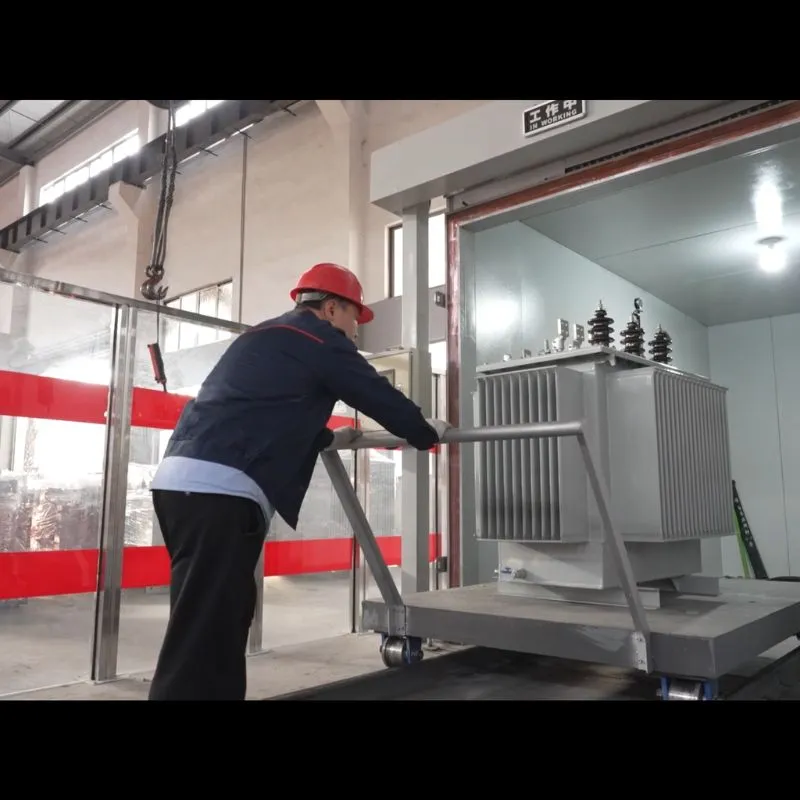
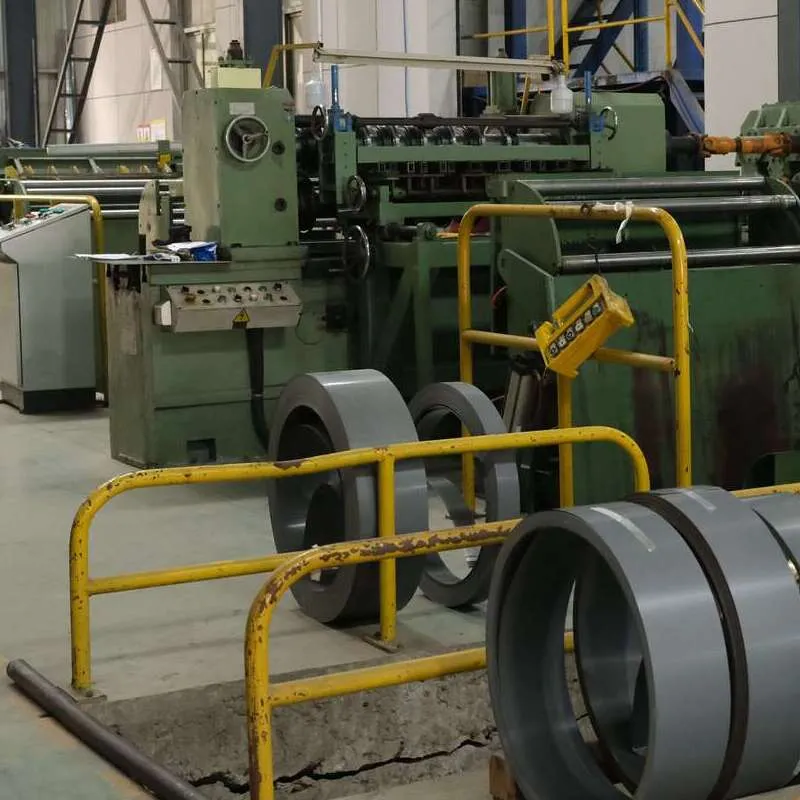
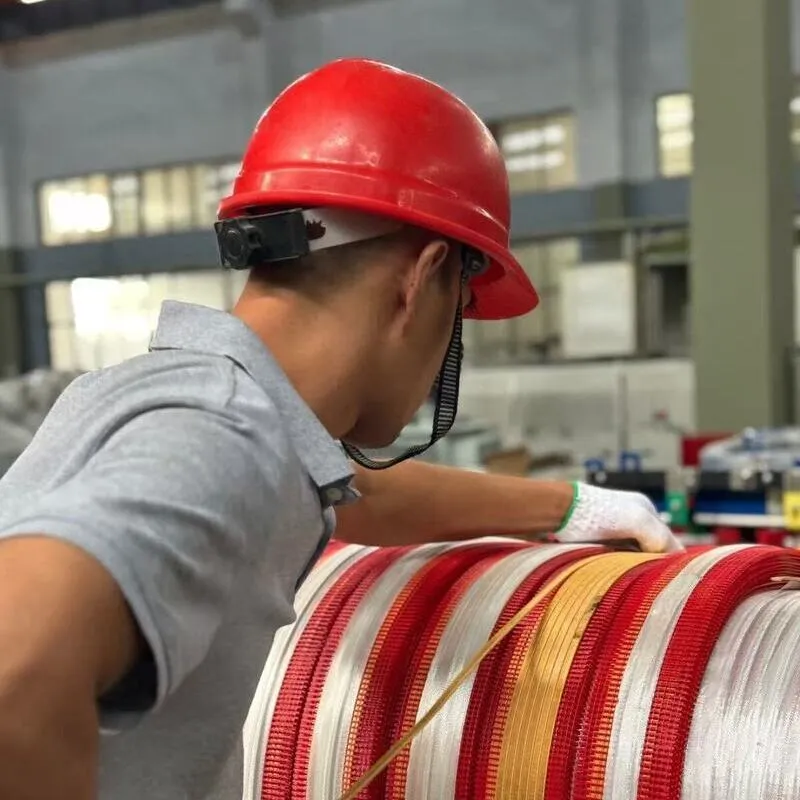
You can trace how each unit is made: core cutting, coil winding, assembly, oil handling, and testing are managed in-house for consistency. That’s what separates serious pole mounted transformer manufacturers from trading-only suppliers.
Clear replies and quick confirmation on drawings, specs, and deviations.
Standard requirements checked upfront to avoid rework and rejection.
Support mixed models and practical minimum order planning.
Datasheets, GA drawings, test plan, and ITP prepared in one list.
Stable process control to keep batch-to-batch performance consistent.
Nameplate, marking, and language layout tailored to your market.
Factory inspection booking, packing plan, and shipment timing aligned early.
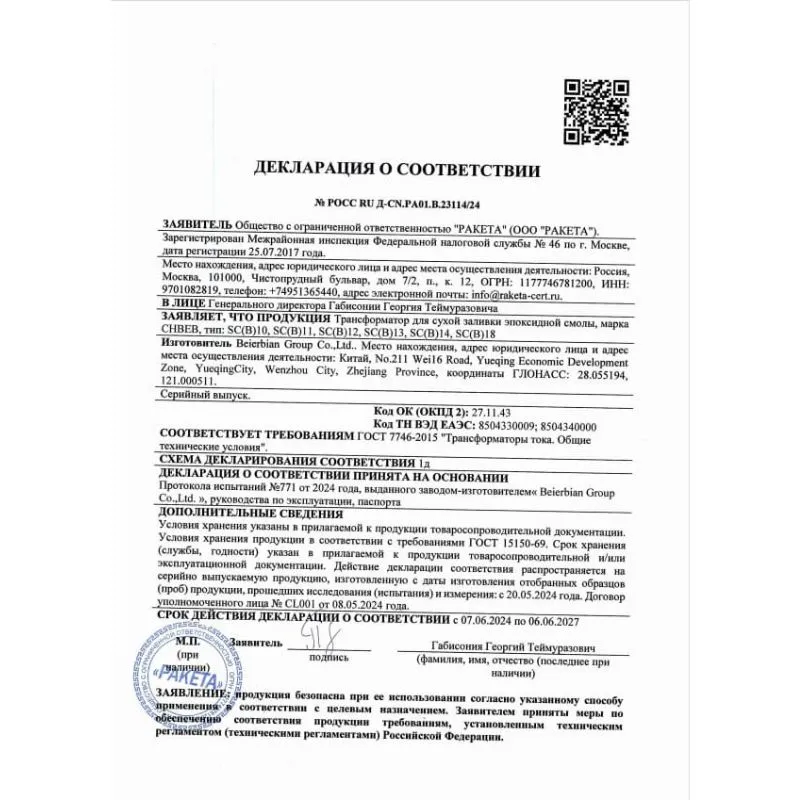
Routine test reports and traceable QC records for site acceptance.
Product photos, manuals, and quick spec sheets for faster quoting.
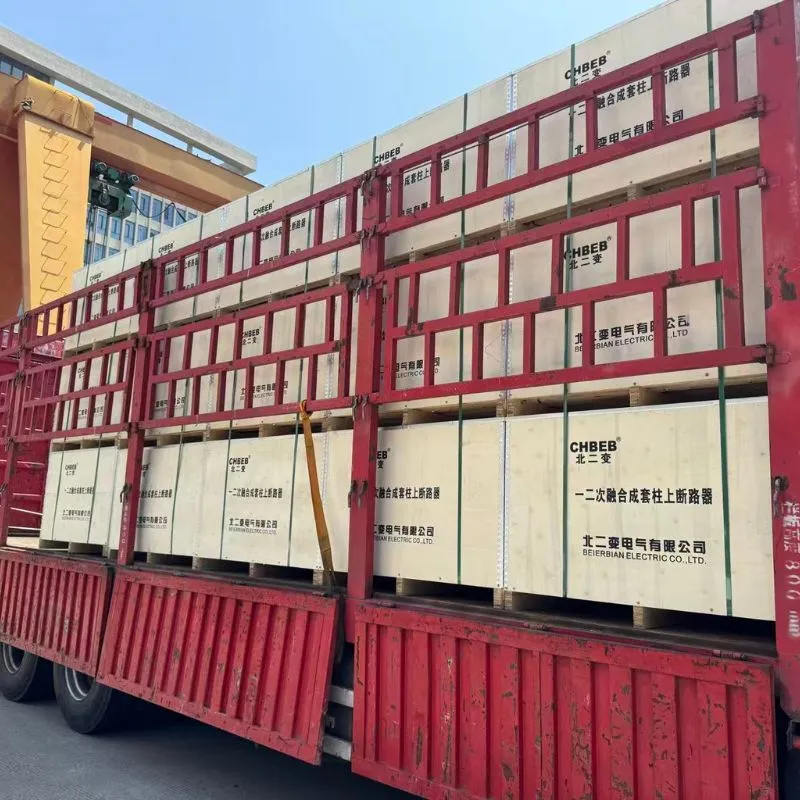
We package the full set: technical proposal, production plan, test reports, packing list, nameplate details, and export paperwork—so your site team and logistics team don’t have to chase missing pieces.
Send your specs or drawings, and we’ll confirm ratings and standards first. Then we provide a clear proposal and quotation, move into production with quality checks, issue the test report, and pack for shipment. The goal is simple: the right configuration, consistent quality, and fewer surprises—so your total cost stays under control.


We review the key basics first, including rating, voltage, standards, and delivery expectations.
Technical details are aligned early through proposal sheets, drawings, or specification confirmation.
Key materials are checked before production starts to reduce errors and keep quality under control.
Core cutting, stacking, or related processing is carried out under controlled production standards.
Coils are produced according to the confirmed design, with process control for consistency and traceability.
Required drying, curing, or insulation processes are applied based on the product type and design needs.
Main components are assembled and key connections are checked to support reliable operation.
Routine tests are completed according to product standards before the unit moves to the next stage.
Nameplates, reports, and supporting documents are prepared to match the confirmed product details.
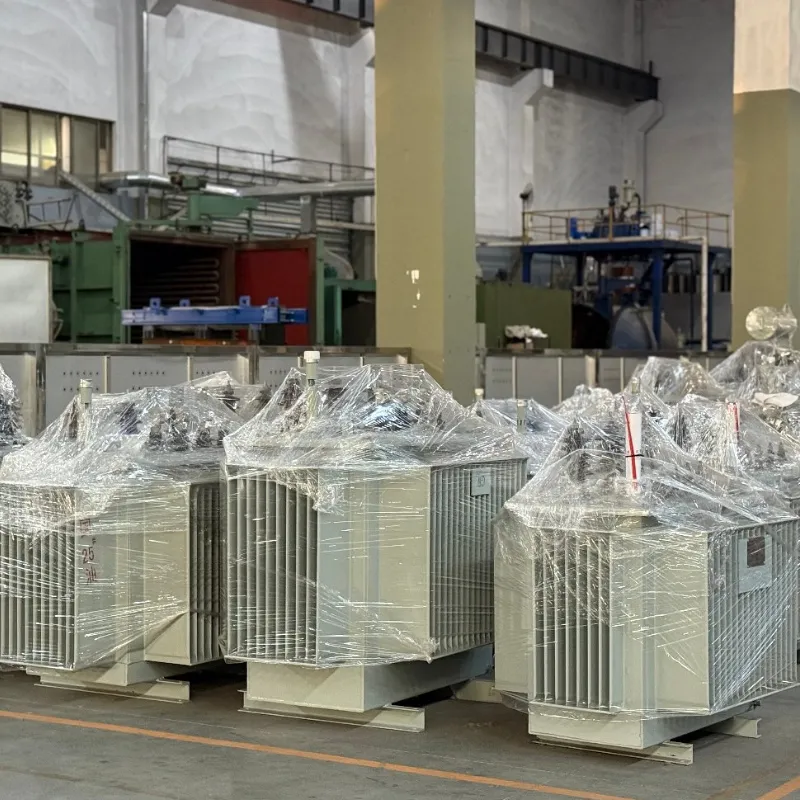
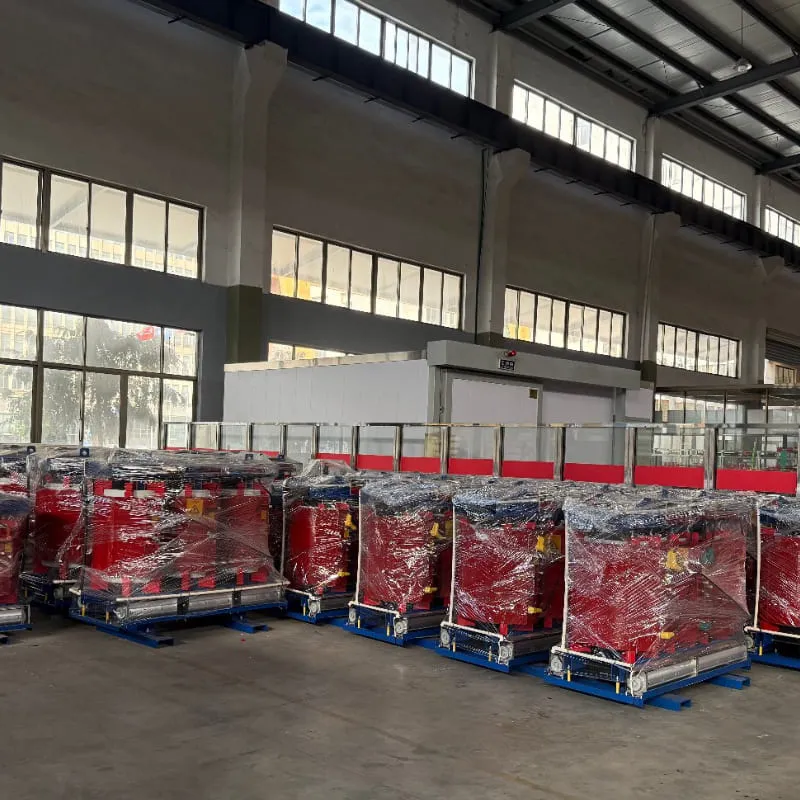
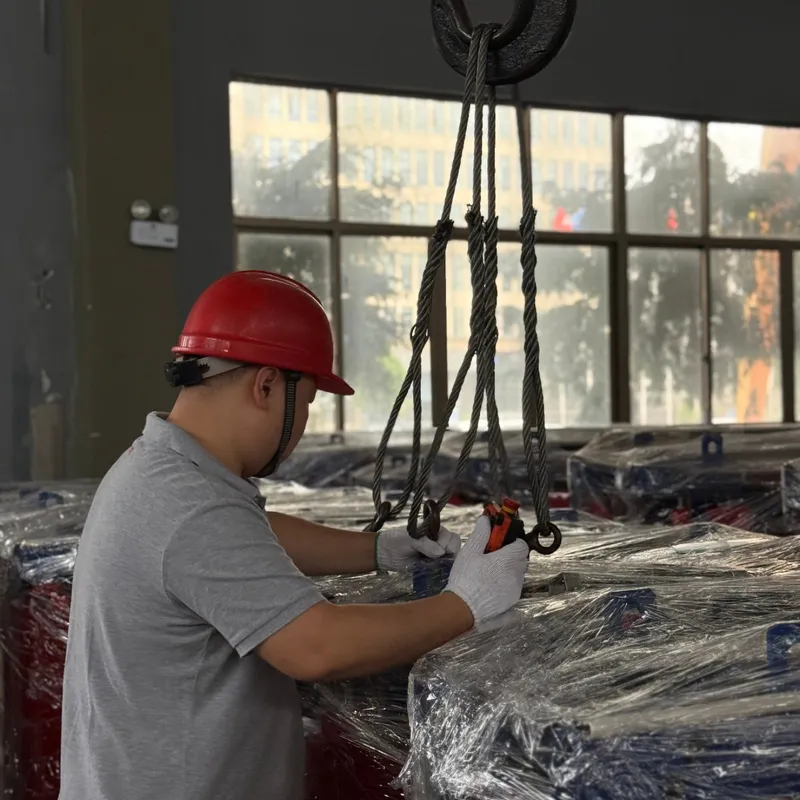
The transformer is packed for safe transport and arranged for shipment according to the delivery plan.
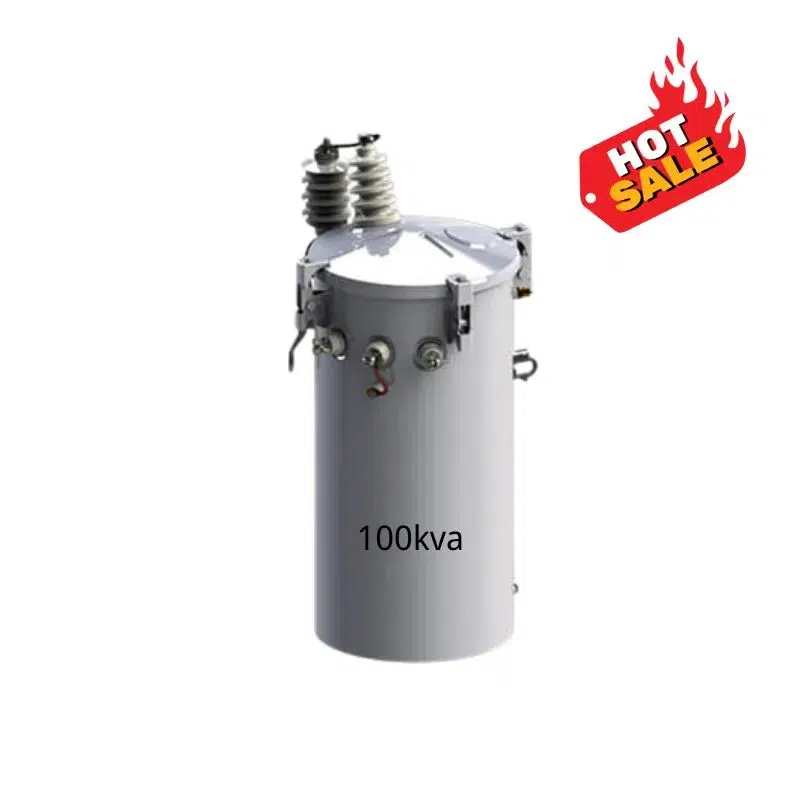
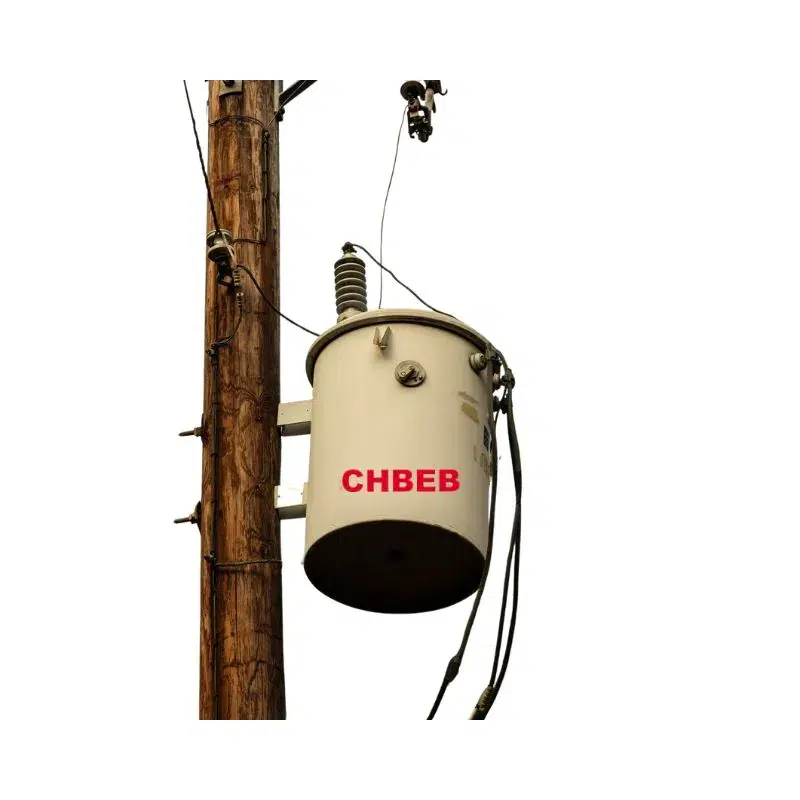
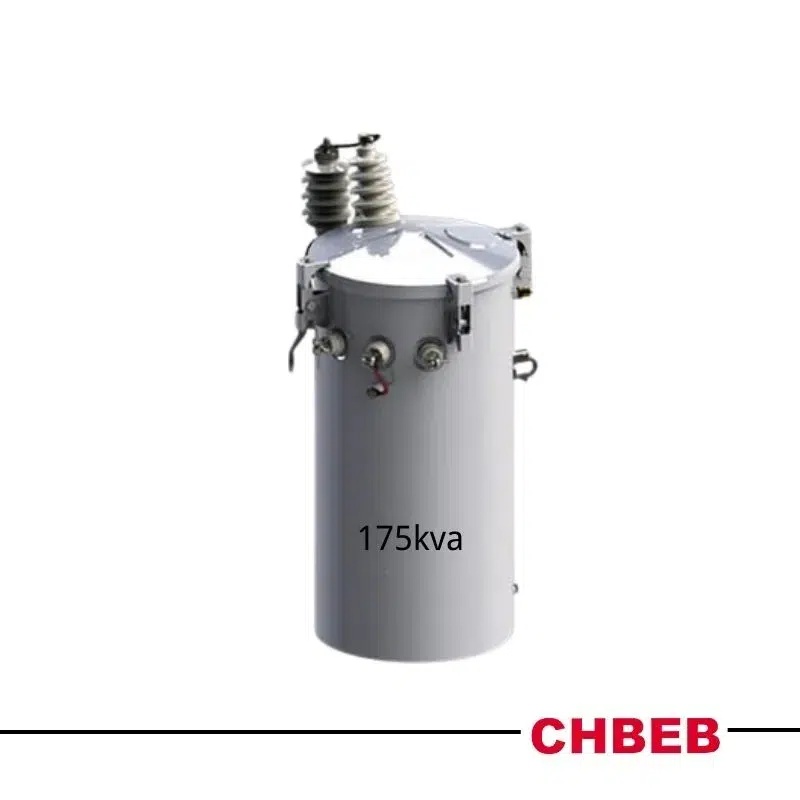
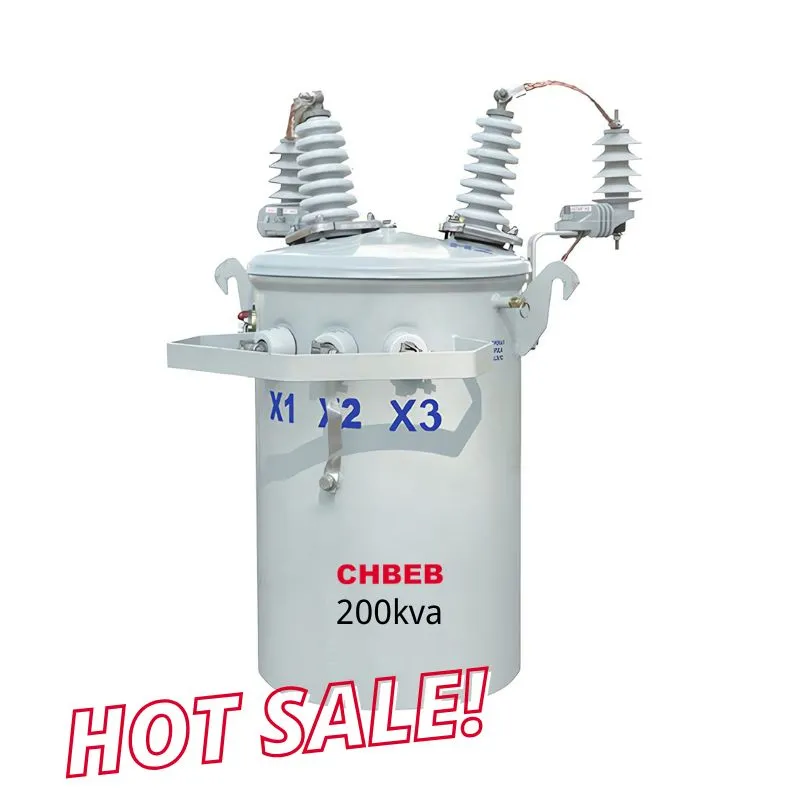
A Pole Mounted Transformer is a distribution transformer installed on a utility pole. It is used to step medium voltage down to low voltage for end users such as homes, farms, shops, and small industrial loads.
It is mainly used in:
It is especially suitable for applications where loads are dispersed, overhead lines are the main network type, and there is no need or no desire to build a transformer room or a pad mounted substation foundation.
The main reasons are:
In simple terms, pole mounted transformers are better suited to overhead networks and dispersed users, while pad mounted transformers are more suitable for cable networks and densely populated urban areas.
Its main advantages are:
Yes. It can usually be customized based on:
Key considerations include:
Choosing the wrong transformer causes project failures and high costs. Understanding their core differences is key to making the right choice for your power system’s
In-Depth Engineering: How Pad-Mounted Transformers Master the Heat Challenge Introduction In residential, business, and utility networks, pad-mounted transformers function quietly, but they are always combating
China Power Transformer Market Survey: Sourcing HV Capabilities and International OEM Solutions Introduction It can be hard to buy high-voltage transformers from China since there

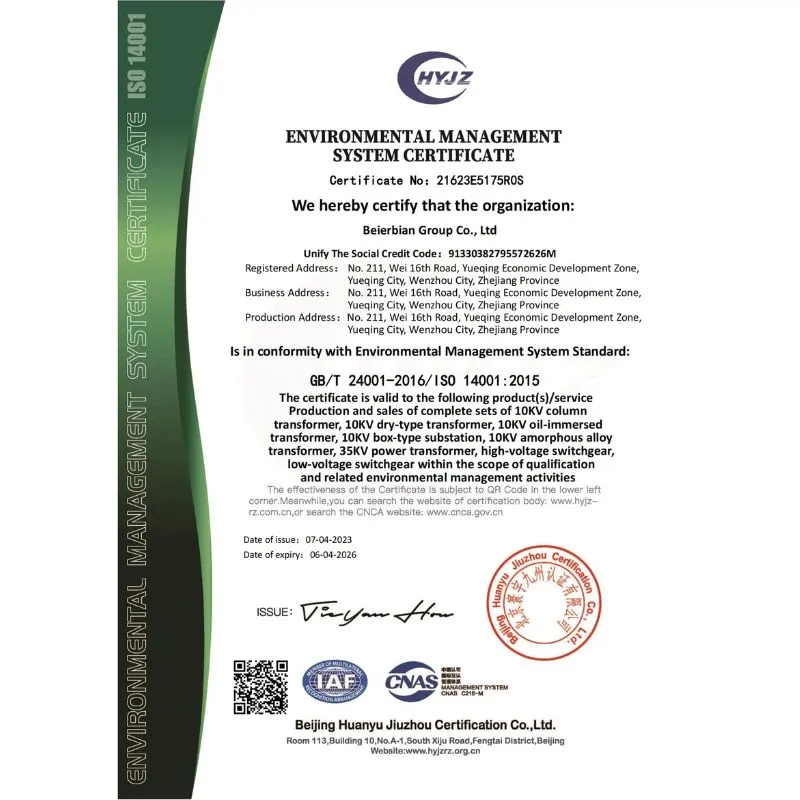
CHINA BEI ER BIAN (CHBEB) GROUP, with 218 million in registered capital, originated from Beijing Beierbian Transformer Group. Headquartered in Beijing for R&D, it operates major production bases in Nanjing and Yueqing, producing high-quality products.
No 3,RongJing East Road,BeiJing Economic Technological Development Area,BeiJing,China
No 7️Xiangfeng Road,Jiangning,NanJing,JiangSu,China
No.211, Wei 16 Road, Industrial Zone, Yueqing, Wenzhou, Zhejiang, China.
XiangYang Industrial Zone ,YueQing,WenZhou,ZheJiang,China
Copyright © Bei Er Bian Group
click to chats
I am Online Now!
Hello! 👋 Welcome to CHBEB.
We are a transformer manufacturer with 60+ years of experience.
✅ Distribution & Power Transformers (Oil & Dry Type)
✅ Customized EPC & OEM Solutions
✅ Fast Delivery & International Certifications
How can we support your project today?
WhatsApp Us
Online | Privacy policy
We will reply to you within 1–2 business days.Please pay attention to the email with the suffix”@chbebpower.com”.