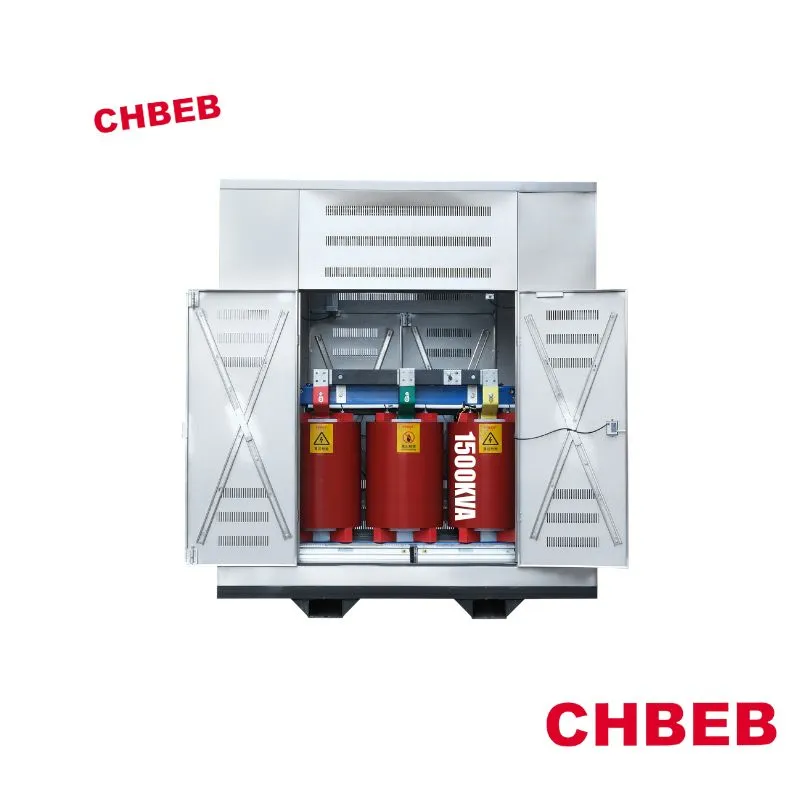
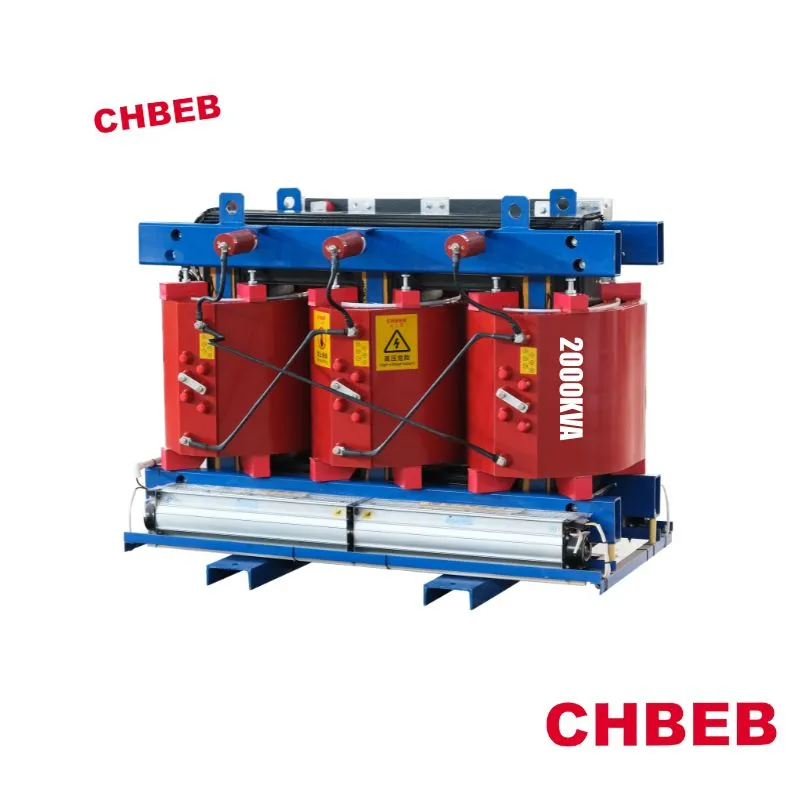
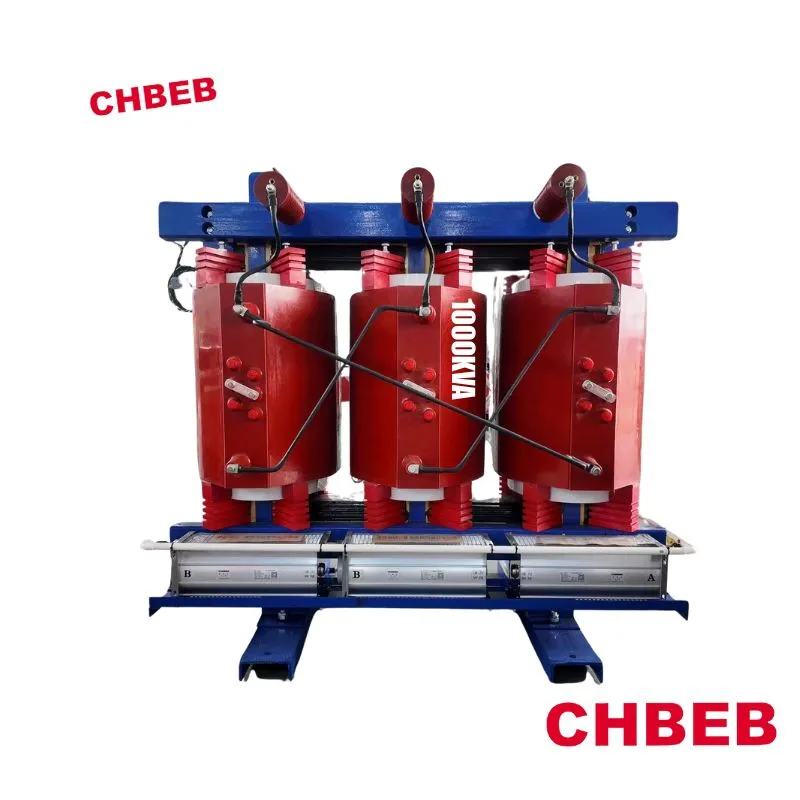
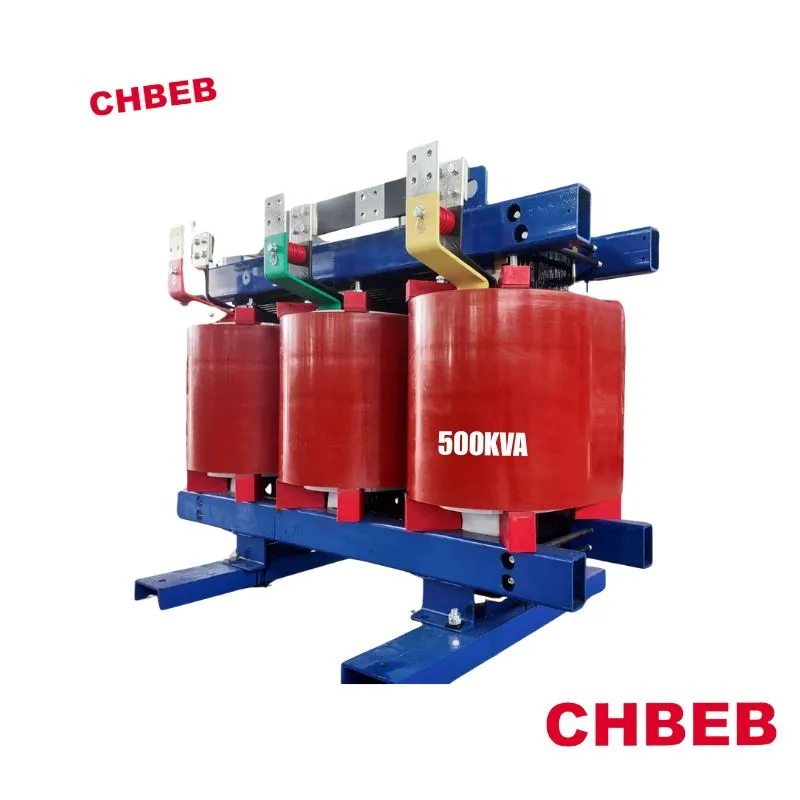
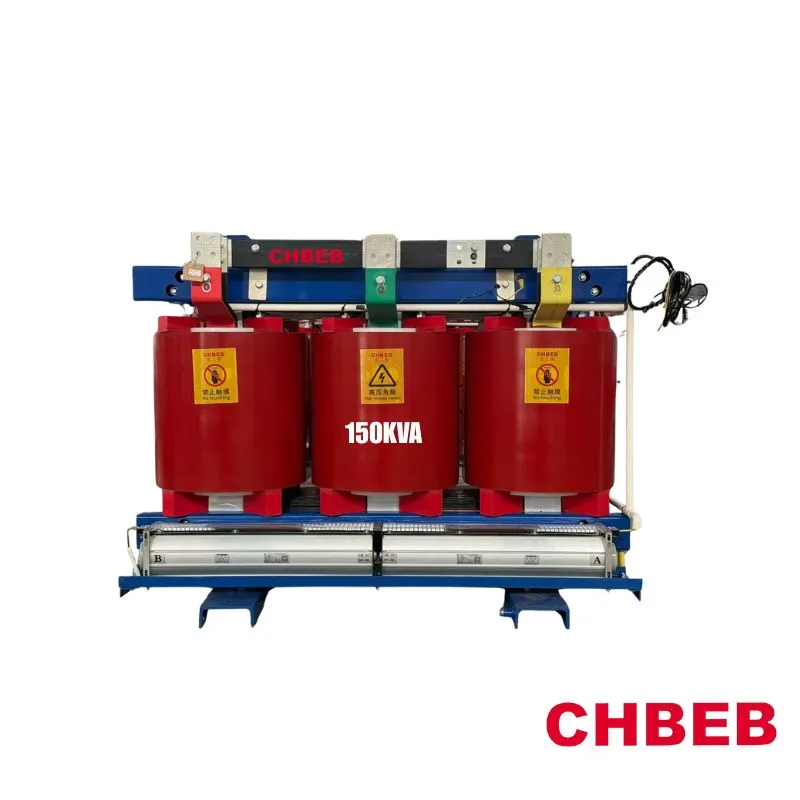
1500 kVA Three Phase Dry Type Transformer

Primary Voltage: 11KV

Secondary Voltage: 0.415KV

Power Rating: 1500 KVA

Connection Type: Dyn11/Yyno or others

Transformer Type: Dry Type Transformer

Standards: ANSI/IEEE, CSA/CAN, DOE

Certificate: UL, cUL, CSA, SGS, CE

A dry-type transformer is a commonly used power equipment. It adopts resin-cast coils and an oil-free dry-type structure, has excellent insulation and short-circuit resistance performance, supports natural air cooling / forced air cooling, operates safely, requires low maintenance workload, and is suitable for key power distribution scenarios requiring long-term continuous operation.

Selection points of 1500 kVA dry-type transformer

Voltage Level Matching

Common voltage levels of dry-type transformers include 10 kV, 35 kV, etc. Customers can choose according to actual power demand. Taking the 1500 kVA Three Phase Dry Type Transformer as an example, the 10 kV level is suitable for small and medium-sized factories, commercial complexes and other scenarios, while the 35 kV level is mostly used in large substations or high-voltage distribution systems.

Temperature Rise Limit Requirements

The temperature rise limit of dry-type transformers is a key indicator, taking GB/T 1094.11-2013 as an example. The temperature rise limit of a 1500 kVA dry-type transformer is generally 105K for Class A insulation and 155K for Class F insulation. Customers should select the appropriate insulation class according to the operating ambient temperature.

Protection Level Selection

When dry-type transformers are used outdoors, a protection level above IP20 can basically meet the requirements. If installed in a humid or dusty environment, it is recommended to choose a protective enclosure of IP30 or higher to prevent dust and rainwater from entering.

Structural features

The main structural features of the 1500 kVA Three Phase Dry Type Transformer are as follows:

  • Core: CHBEB dry-type transformers are made of new high-quality silicon steel sheets stacked together, featuring high magnetic permeability and low hysteresis loss. At the same time, the shape and structure of the core are optimized to reduce magnetic resistance and eddy current loss, improving transformer efficiency.
  • Winding: The winding is very important to the transformer and can be wound with copper wire or aluminum wire. It is then sealed and protected by materials such as cast epoxy resin or sprayed epoxy powder.
  • Cooling system: Different from oil-immersed transformers, dry-type transformers usually use natural cooling or forced air cooling for heat dissipation.
  • Protection level: Because dry-type transformers use different protection levels according to different installation environments, the 1500 kVA Three Phase Dry Type Transformer produced by our company usually provides customers with an IP20 enclosure, which means it can prevent solid foreign objects with a diameter greater than 12.5 mm from entering and prevent water droplets from entering.
  • Noise level: The noise level of dry-type transformers is usually low. The noise level of the 1500 kVA Three Phase Dry Type Transformer is usually between 50 and 70 decibels.

Common application scenarios of 1500 kVA dry-type transformer

Industrial Production Field

In manufacturing, 1500 kVA dry-type transformers are commonly used in factory distribution systems because of their significant advantages of low noise and low loss, providing stable power for production lines, machine tools and other equipment. For example, enterprises such as precision instruments in electronics factories and automobile production lines have high requirements for voltage stability, while dry-type transformers also have the advantages of low noise and low loss.

Commercial Building Distribution

In commercial buildings such as shopping malls and office buildings, dry-type transformers can serve as distribution centers to supply power to lighting, air conditioning, elevators and other equipment. Their compact size and flexible installation make them suitable for installation in floor distribution rooms or basements, reducing space occupation.

New Energy Supporting Facilities

In new energy projects such as photovoltaic and wind power stations, 1500 kVA dry-type transformers can step up the low-voltage electricity from the power generation side to the voltage required for grid connection, achieving efficient transmission of clean energy.

Daily maintenance and fault handling

Key Points of Regular Inspection

Daily inspection should focus on transformer operating temperature, sound, appearance, etc. During normal operation, the dry-type transformer should have no abnormal noise, and the surface temperature should not exceed ambient temperature +65K. For example, if the ambient temperature is 30°C, the surface temperature should be ≤95°C. If abnormal temperature rise or a “humming” abnormal sound is found, the machine should be stopped for inspection in time.

Moisture Prevention and Cleaning

In humid environments, it is necessary to regularly check whether the inside of the transformer is damp. At the same time, attention should also be paid to whether there is dust accumulation on the outside, which will affect heat dissipation. It is recommended to clean the surface once every quarter to ensure good ventilation.

Common Fault Handling

If a short circuit occurs on the low-voltage side, the power supply should be disconnected immediately and the protection device should be checked. If the insulation resistance decreases, it may be caused by moisture or aging, and drying treatment or replacement of insulating parts is required. During maintenance, the power must be strictly cut off and warning signs must be hung to ensure operational safety.

In short, the 1500 kVA dry-type transformer plays an important role in power systems with its characteristics of safety, reliability, and convenient maintenance. Customers should combine actual working conditions when selecting the model and pay attention to daily maintenance to ensure long-term stable operation of the equipment.