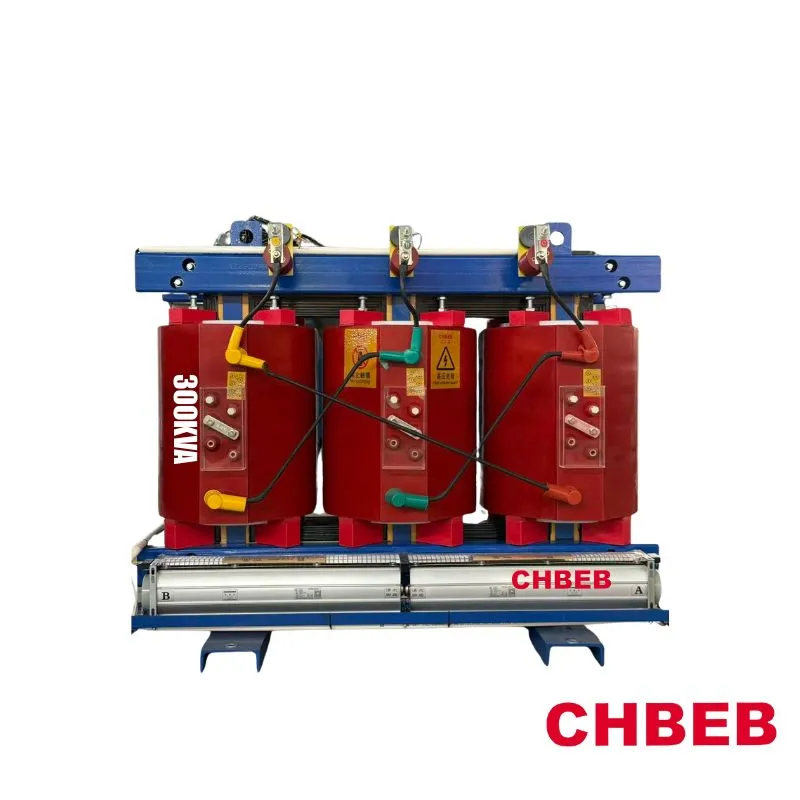
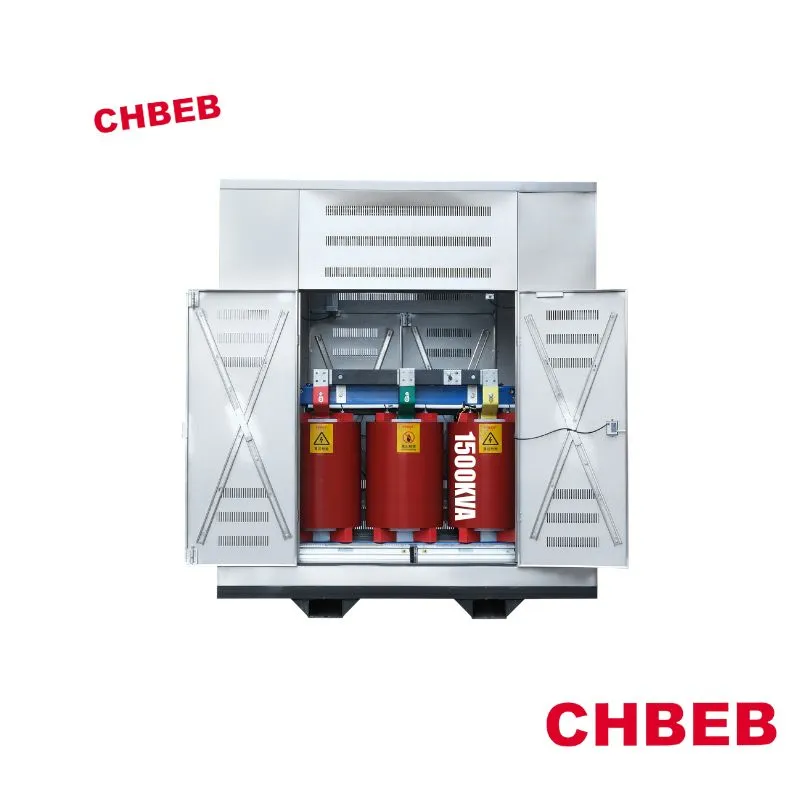
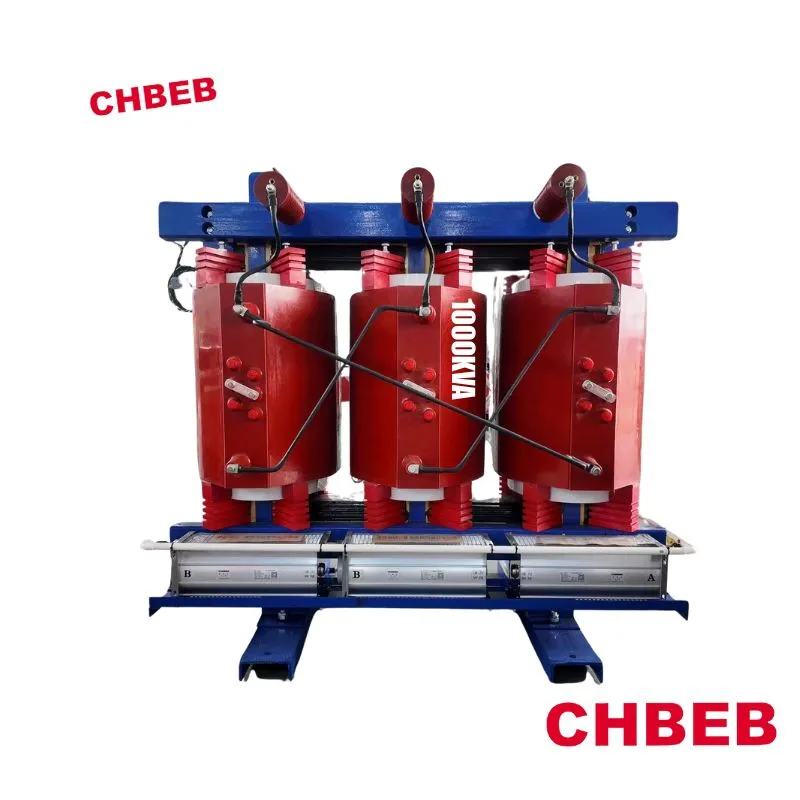
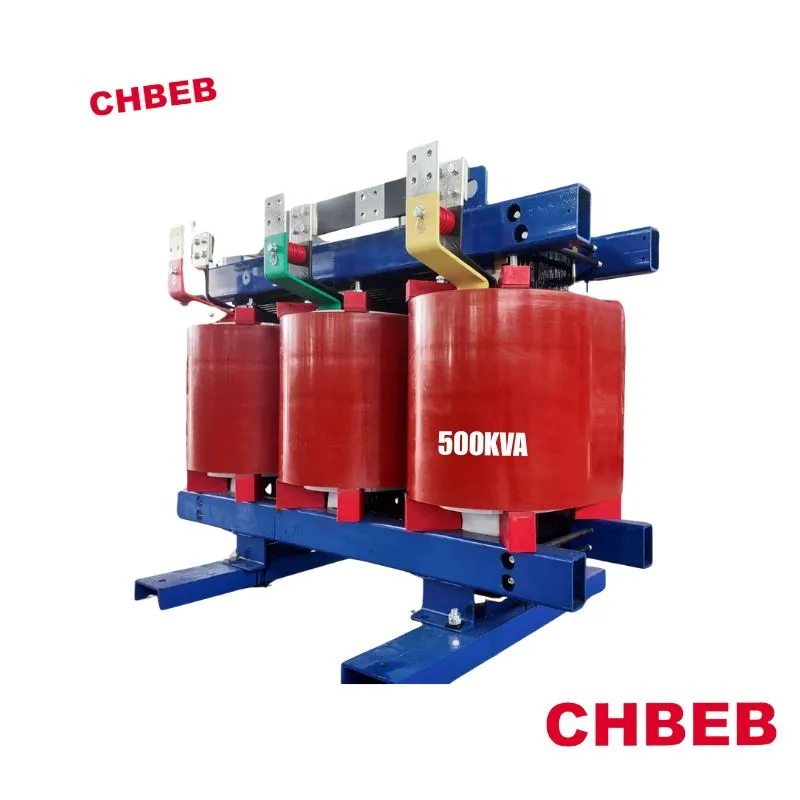
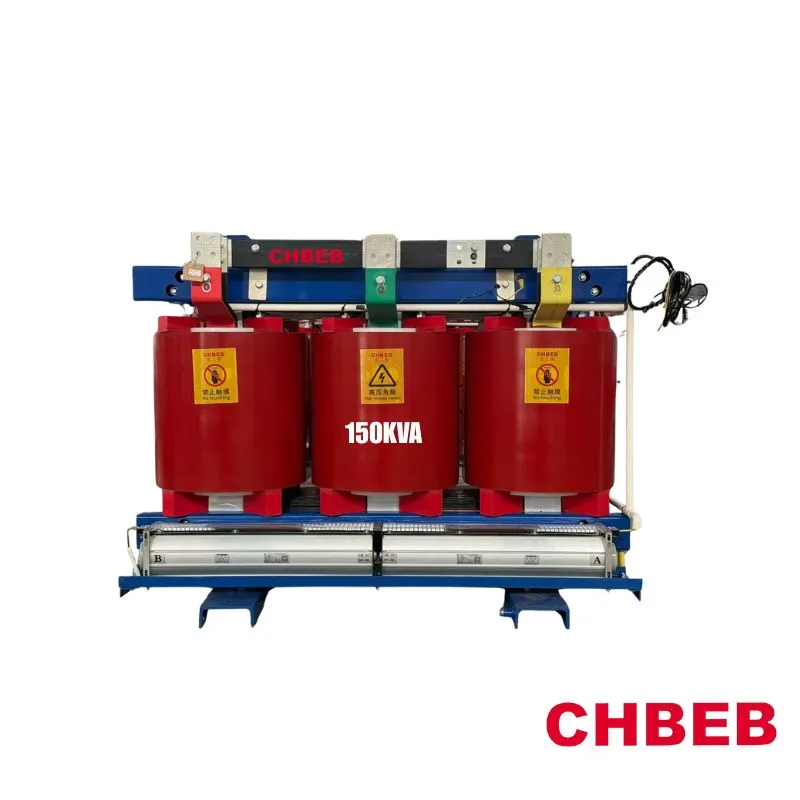
300 kVA Three Phase Dry Type Transformer

Primary Voltage: 11KV

Secondary Voltage: 0.4KV

Power Rating: 300 KVA

Connection Type: Dyn11/Yyno or others

Transformer Type: Dry Type

Transformer Standards: ANSI/IEEE, CSA/CAN, DOE

Certificate: UL, cUL, CSA, SGS, CE

Transformers play a very important role in power systems. They can convert high voltage into low voltage, thereby reducing voltage losses in transmission lines and improving transmitted power. Therefore, transformers are one of the important pieces of equipment in power systems, and their safe operation directly affects the stability of the entire power system.

The 300 kVA Three Phase Dry Type Transformer has the advantages of simple structure, convenient use, and low operation and maintenance workload.

Understanding the parameters

300KVA Three Phase Dry Type Transformer. This series of epoxy resin cast dry-type transformers is made of high-quality materials and scientific formulas, and is manufactured with advanced production and testing equipment according to strict processes. The product features high reliability and long service life. According to different operating environments, enclosures with different protection levels can be configured, or no enclosure can be used.

Why are our transformers more energy-saving and efficient?

First is insulation class and temperature rise control: The insulation class of a dry-type transformer, such as Class F and Class H, determines the maximum operating temperature it can withstand. However, this does not mean that the higher the class, the better the choice. For example, for a transformer with Class F insulation, which can withstand 155°C, its design temperature rise is usually controlled at 100K, meaning the average winding temperature rise does not exceed 100°C. This parameter directly affects the aging speed of insulation materials and the service life of the equipment. Good temperature rise control means that under the same load, the transformer has lower thermal loss and more stable long-term operation, especially suitable for places with large load fluctuations or limited ventilation conditions. Our company’s CHBEB dry-type transformers use epoxy resin casting technology to fully seal the coils, providing excellent moisture-proof and anti-pollution barriers, while working with reasonable air duct design to ensure heat dissipation efficiency.

Second is load loss and energy efficiency level: Transformer losses are divided into no-load loss and load loss. For the 300 kVA capacity range, load loss is the core indicator for measuring its economical operation. As energy-saving products, our company’s CHBEB dry-type transformers optimize the core material, using high-quality cold-rolled silicon steel sheets, and the winding structure, reducing electromagnetic losses. When outputting the same power, the higher the power conversion efficiency, the lower the long-term electricity cost. Choosing our dry-type transformer brings a more stable, economical, and environmentally friendly power solution to the overall project.

Key performance advantages

Safe, fireproof, pollution-free, and can operate directly at the load center.

High mechanical strength, strong short-circuit resistance, low partial discharge, good thermal stability, high reliability, and long service life.

Low loss, low noise, obvious energy-saving effect, and maintenance-free.

Application scenarios and installation precautions

Typical application scenarios

It is most suitable for harsh environments with high fire protection requirements, large load fluctuations, and polluted or humid conditions. For example: it is suitable for various middle-mounted switchgear, high-voltage switchgear, high-rise buildings, commercial centers, airports, tunnels, chemical plants, and other important or special environments.

Installation Points

A safety distance of more than 1.5 meters should be maintained around the transformer, good ventilation should be ensured, and direct sunlight should be avoided. It is recommended to configure a load switch and protection device on the high-voltage side, and grounding treatment should be properly done on the low-voltage side.

Operation and maintenance recommendations

Maintenance Type Frequency
Daily inspection Daily / Weekly
Cleaning inspection 3–6 months
Electrical test 6–12 months
Major maintenance inspection Carried out according to operating conditions and manufacturer requirements

Dry-type transformers, with their advantages of strong thermal shock resistance, large overload capacity, flame retardancy, high fire protection performance, and low sensitivity to humidity and dust, have wide adaptability.