Send us a message if you have any questions or request a quote. Our experts will give you a reply within 24 hours and help you select the right valve you want.
Are you struggling to understand auto transformers? You’re not alone. Many engineers and technicians find this technology confusing at first.
Auto transformers are unique power devices that use a single winding for both primary and secondary circuits. They offer efficient voltage regulation and power distribution in a compact design, making them essential in various industries from power grids to industrial applications.
Auto transformer diagram
In my 20 years as an electrical engineer, I’ve seen auto transformers revolutionize power systems. This guide will walk you through everything you need to know, from basic principles to advanced applications. Whether you’re a beginner or an experienced professional, you’ll find valuable insights to enhance your understanding of auto transformers.
The Fundamentals of Auto Transformers: How They Work?
Have you ever wondered how auto transformers can be so efficient? The secret lies in their unique design and operating principle.
Auto transformers work by using a single winding with taps at different points. This design allows for direct electrical connections between input and output, resulting in higher efficiency and smaller size compared to traditional two-winding transformers.
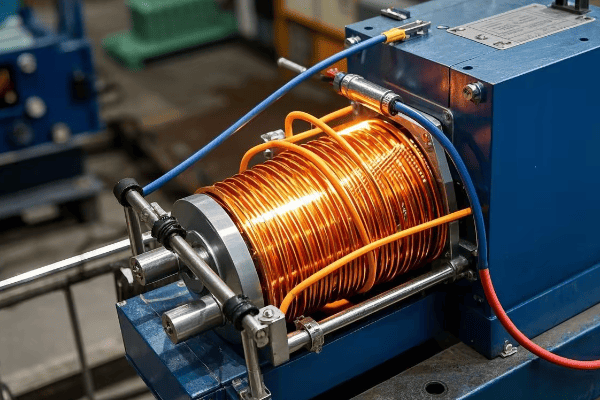
Auto transformer operation
Let’s dive deeper into how auto transformers function:
Basic Operating Principle
Auto transformers operate on the principle of electromagnetic induction, just like traditional transformers. However, their unique design sets them apart. Here’s how they work:
Single Winding Design:
Unlike traditional transformers, auto transformers use a single continuous winding.
This winding is tapped at different points to create various voltage ratios.
Electromagnetic Induction:
When AC voltage is applied to one part of the winding, it creates a changing magnetic field.
This changing field induces voltage in the entire winding.
Voltage Transformation:
The voltage ratio is determined by the number of turns between the selected taps.
By choosing different taps, we can achieve various output voltages.
I remember working on a project where we needed to boost voltage by just 10%. Using a traditional transformer would have been overkill. An auto transformer solved the problem efficiently, saving both space and cost.
Advantages of This Design
The unique design of auto transformers offers several advantages:
Higher Efficiency:
Less copper loss due to shared winding.
Particularly efficient for small voltage changes.
Compact Size:
Fewer windings and less core material needed.
Ideal for applications where space is limited.
Cost-Effectiveness:
Lower material costs.
Reduced manufacturing expenses.
Here’s a comparison table to illustrate the differences:
Feature
Auto Transformer
Traditional Transformer
Winding
Single with taps
Separate primary and secondary
Size
Compact
Larger
Efficiency
Higher for small changes
Lower for small changes
Cost
Lower for small ratios
Higher
Isolation
Limited or none
Complete
Understanding these fundamentals is crucial for anyone working with electrical systems. Auto transformers offer unique advantages, but they also come with specific considerations that we’ll explore further in this guide.
Key Components and Design Features of Auto Transformers?
Are you curious about what makes up an auto transformer? Let’s break down its key components and design features.
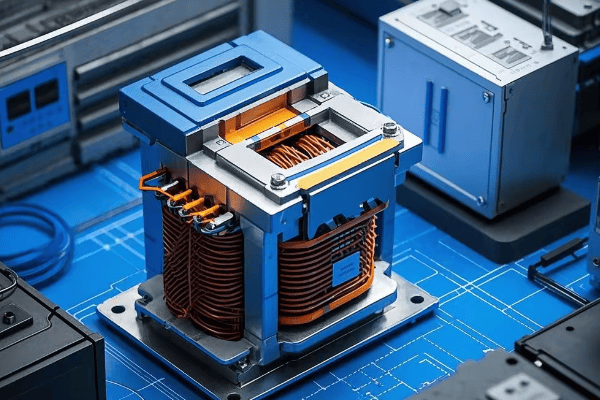
Auto transformers consist of a single winding, a core, taps, and terminals. Their design features include variable tapping points, efficient core structures, and compact winding arrangements, all contributing to their unique performance characteristics.
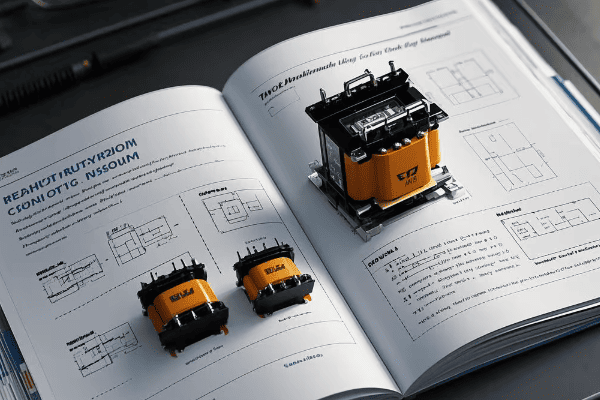
Auto transformer parts
Let’s explore these components and design features in detail:
Core Components
Winding:
Single continuous coil of insulated wire.
Usually made of copper for better conductivity.
Core:
Laminated steel sheets to reduce eddy current losses.
Provides a low reluctance path for magnetic flux.
Taps:
Connection points along the winding.
Allow for different voltage ratios.
Terminals:
Connection points for input and output.
Usually marked for easy identification.
I once worked on refurbishing an old auto transformer. When we opened it up, I was amazed at how simple yet effective the design was. The single winding wrapped around the core was a work of engineering art.
Unique Design Features
Variable Tapping:
Some auto transformers have movable taps for adjustable voltage ratios.
This feature is crucial in applications requiring variable output voltages.
Efficient Core Structure:
Core design optimized for the single winding configuration.
Reduces magnetic flux leakage and improves efficiency.
Compact Winding Arrangement:
Clever winding techniques to maximize space utilization.
Contributes to the overall compact size of auto transformers.
Cooling Systems:
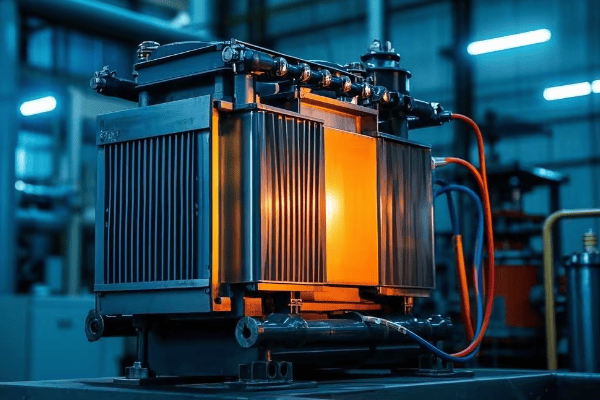
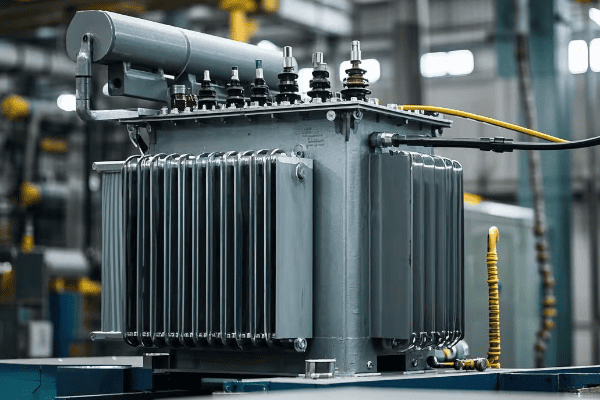
For larger units, oil-immersed designs with radiators.
Smaller units often use natural air cooling.
Here’s a table summarizing the key components and their functions:
Component
Function
Design Considerations
Winding
Carries current and creates magnetic field
Material choice, insulation
Core
Provides path for magnetic flux
Lamination thickness, material grade
Taps
Allow for voltage ratio selection
Placement, number of taps
Terminals
Connect to external circuits
Current rating, insulation
Cooling System
Manages operating temperature
Type (air/oil), capacity
Understanding these components and design features is essential for anyone working with auto transformers. They not only affect the performance but also influence the selection, installation, and maintenance of these devices.
Auto Transformers vs. Traditional Transformers: A Comparative Analysis?
Wondering whether to choose an auto transformer or a traditional transformer for your project? This decision can significantly impact your system’s performance and cost-effectiveness.
Auto transformers excel in efficiency and compact size for small voltage changes, while traditional transformers offer better isolation and flexibility for large voltage transformations. The choice depends on your specific application requirements, safety needs, and budget constraints.
Transformer types comparison
Let’s break down the key differences:
Design and Construction
Winding Configuration:
Auto Transformer: Single winding with taps
Traditional Transformer: Separate primary and secondary windings
Core Structure:
Auto Transformer: Often simpler, with less core material
Traditional Transformer: More complex, typically requiring more core material
I once worked on a project where space was at a premium. By choosing an auto transformer instead of a traditional one, we were able to fit the necessary voltage regulation equipment into a much smaller enclosure, saving valuable floor space.
Performance Comparison
Efficiency:
Auto Transformer: Higher efficiency, especially for small voltage changes
Traditional Transformer: Lower efficiency for small voltage changes, but consistent across wider range
Voltage Regulation:
Auto Transformer: Often better voltage regulation, especially in variable types
Traditional Transformer: Good voltage regulation, but may require additional equipment for fine control
Isolation:
Auto Transformer: Limited or no electrical isolation
Traditional Transformer: Complete electrical isolation between primary and secondary
Cost and Size Analysis
Here’s a comparative table of auto transformers and traditional transformers:
Feature
Auto Transformer
Traditional Transformer
Initial Cost
Lower for small voltage changes
Higher
Size and Weight
Smaller and lighter
Larger and heavier
Efficiency
98-99% for small changes
95-98%
Electrical Isolation
Limited or none
Complete
Suitable Voltage Ratios
Best for ratios close to 1:1
Effective for any ratio
Fault Current Levels
Potentially higher
Lower
Maintenance Requirements
Generally lower
Moderate
Applications
Voltage regulation, small adjustments
Wide range of voltage transformations
When to Choose Each Type
Choose an Auto Transformer when:
You need small voltage adjustments (typically within 2:1 ratio)
Space and weight are constrained
High efficiency is crucial
Electrical isolation is not a primary concern
Choose a Traditional Transformer when:
You need large voltage transformations
Electrical isolation is essential
You’re dealing with high fault current environments
The application requires a wide range of voltage adjustments
Remember, the right choice can lead to significant cost savings and improved system performance. Always consider your specific requirements and consult with experts when making this decision.
Efficiency and Power Handling: Understanding Auto Transformer Performance?
Are you wondering how efficient auto transformers really are? And how much power can they handle? These are crucial questions for any engineer or system designer.
Auto transformers are highly efficient, often reaching 98-99% efficiency for small voltage changes. Their power handling capacity varies widely, from small units handling a few VA to large ones managing several MVA. Performance depends on design, cooling, and application.
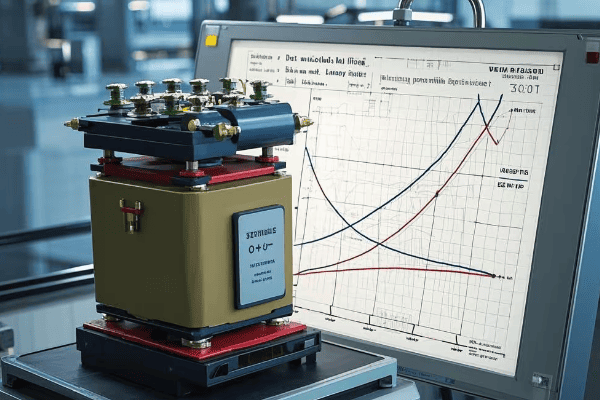
Efficiency vs. load curve
Let’s dive into the details of auto transformer performance:
Efficiency Factors
Copper Losses:
Reduced due to shared winding
Lower I²R losses compared to traditional transformers
Core Losses:
Similar to traditional transformers
Dependent on core material and design
Load Factor:
Efficiency varies with load
Typically highest at 50-75% of rated load
I once optimized an industrial power system by replacing multiple traditional transformers with auto transformers. We saw a 2% increase in overall system efficiency, which translated to significant energy savings over time.
Power Handling Capacity
Auto transformers come in a wide range of power ratings:
Small Units:
Few VA to several kVA
Often used in electronics and small appliances
Medium Units:
Tens to hundreds of kVA
Common in industrial applications
Large Units:
Several MVA
Used in power distribution and large industrial settings
The power handling capacity depends on:
Winding design and material
Core size and material
Cooling method (air-cooled, oil-immersed, etc.)
Here’s a table summarizing efficiency and power handling characteristics:
Aspect
Characteristics
Influencing Factors
Efficiency
98-99% for small changes
Voltage ratio, load, design
Power Range
Few VA to several MVA
Size, cooling, application
Copper Losses
Lower than traditional transformers
Winding design, material
Core Losses
Similar to traditional transformers
Core material, design
Optimal Load
50-75% of rated capacity
Design, application
Cooling Methods
Air, oil, or forced cooling
Power rating, environment
Understanding these performance aspects is crucial for selecting and operating auto transformers effectively. Always consider the specific requirements of your application when evaluating efficiency and power handling needs.
Common Applications of Auto Transformers in Various Industries?
Curious about where auto transformers are most commonly used? Their unique properties make them invaluable in a wide range of industries and applications.
Auto transformers are widely used in power distribution, industrial processes, transportation systems, and consumer electronics. They excel in applications requiring voltage regulation, power factor correction, and efficient small voltage transformations.
Industry applications diagram
Let’s explore some key areas where auto transformers make a significant impact:
Power Distribution and Transmission
Voltage Regulation:
Used in substations to maintain consistent voltage levels
Help compensate for voltage drops in long transmission lines
Grid Interconnection:
Connect different voltage levels within power grids
Enable efficient power transfer between regions
I once worked on a project to improve voltage stability in a rural area. By strategically placing auto transformers along the distribution line, we reduced voltage fluctuations by 40%, significantly improving power quality for the residents.
Industrial Applications
Motor Starting:
Reduce inrush current during large motor start-ups
Provide smoother acceleration and less stress on motors
Welding Equipment:
Adjust voltage for different welding processes
Improve arc stability and weld quality
Furnace Control:
Precise voltage control for electric furnaces
Enhance energy efficiency in metal processing
Transportation Systems
Railway Electrification:
Convert high-voltage transmission to usable levels for trains
Maintain consistent power supply along rail lines
Electric Vehicle Charging:
Adjust grid voltage to suitable levels for EV chargers
Enable fast charging capabilities
Consumer Electronics
Voltage Converters:
Used in travel adapters for international voltage conversion
Found in some power supplies for electronic devices
Audio Equipment:
Used in some high-end audio amplifiers for impedance matching
Here’s a table summarizing key applications of auto transformers across different industries:
Industry
Application
Benefits
Power Distribution
Voltage regulation, grid interconnection
Improved power quality, efficient transmission
Manufacturing
Motor starting, welding, furnace control
Reduced equipment stress, precise process control
Transportation
Railway power, EV charging
Consistent power supply, fast charging capabilities
Consumer Electronics
Voltage conversion, audio equipment
International compatibility, improved audio quality
Renewable Energy
Wind and solar power integration
Efficient grid connection, voltage matching
Oil & Gas
Pipeline cathodic protection
Corrosion prevention, extended infrastructure life
Lighting
Large-scale dimming systems
Energy savings, flexible lighting control
The versatility of auto transformers makes them an invaluable component in many modern electrical systems. Their ability to efficiently adjust voltages and handle varying loads contributes to improved performance and energy efficiency across multiple industries.
Selecting the Right Auto Transformer: Factors to Consider?
Are you feeling overwhelmed by the options when choosing an auto transformer? You’re not alone. Selecting the right auto transformer is crucial for optimal system performance and longevity.
Choosing the right auto transformer involves considering factors like voltage ratio, power rating, efficiency, cooling method, and environmental conditions. The right choice depends on your specific application, load requirements, and operating environment.
Selection guide diagram
Let’s break down the key factors you need to consider:
Voltage Ratio and Range
Input and Output Voltages:
Determine the required voltage transformation
Consider any potential future voltage changes
Tap Range:
For variable auto transformers, consider the range of adjustment needed
Power Rating
Load Requirements:
Calculate the maximum load the transformer will need to handle
Include a safety margin for potential future expansion
Duty Cycle:
Consider whether the load is continuous or intermittent
I once consulted on a project where the client underestimated their future power needs. Within two years, they had to replace their auto transformers. Always plan for growth when selecting power ratings.
Efficiency and Losses
Core Losses:
Look for high-quality core materials to minimize losses
Copper Losses:
Consider the efficiency at different load levels
Cooling Method
Natural Air Cooling (Dry Type):
Suitable for indoor, clean environments
Lower maintenance requirements
Oil-Immersed:
Better for outdoor or harsh environments
Provides better cooling for higher capacities
Environmental Factors
Temperature Range:
Consider both ambient temperature and potential temperature rise
Humidity and Altitude:
May affect insulation and cooling efficiency
Enclosure Type:
Choose based on indoor/outdoor installation and environmental conditions
Here’s a decision matrix to help you select the right auto transformer:
Factor
Considerations
Options
Voltage Ratio
Input/Output voltages, Future needs
Fixed ratio, Variable ratio
Power Rating
Max load, Growth potential
Range from few VA to MVA
Efficiency
Core material, Winding design
Standard, High efficiency models
Cooling Method
Environment, Capacity
Dry type, Oil-immersed
Environmental Factors
Temperature, Humidity, Altitude
Indoor, Outdoor, Special enclosures
Application
Continuous/Intermittent use
Industrial grade, Light duty
Special Features
Taps, Monitoring systems
Basic, Advanced models
Remember, the right auto transformer for your needs may not always be the most expensive or feature-rich option. It’s about finding the best fit for your specific application and operating conditions. Always consult with experts or manufacturers if you’re unsure about any aspect of your selection.
Installation and Maintenance Best Practices for Auto Transformers?
Are you confident about properly installing and maintaining your auto transformer? Proper care is crucial for ensuring long-term reliability and safety of your electrical systemProper installation of auto transformers involves correct positioning, secure mounting, appropriate wiring, and thorough testing. Regular maintenance includes insulation checks, connection tightening, and monitoring for signs of wear or damage.
Installation and maintenance diagram
Let’s explore the key aspects of installation and maintenance:
Installation Best Practices
Site Preparation:
Ensure adequate ventilation and cooling
Provide a clean, dry environment
Secure a stable mounting surface
Mounting:
Use appropriate brackets or frames
Ensure the auto transformer is level and secure
Wiring:
Use correctly sized cables
Make proper connections to input, output, and ground terminals
Implement appropriate overcurrent protection
Testing:
Conduct insulation resistance tests
Verify voltage ratios and polarity
Check for proper grounding
I once consulted on a project where improper installation led to overheating issues. By repositioning the auto transformer for better airflow and upgrading the cooling system, we resolved the problem and prevented potential failures.
Maintenance Best Practices
Regular Inspections:
Visual checks for signs of damage or corrosion
Listen for unusual noises during operation
Electrical Tests:
Periodic insulation resistance tests
Check winding resistance and turns ratio
Thermal Monitoring:
Use infrared cameras to detect hot spots
Monitor operating temperatures regularly
Cleaning:
Remove dust and debris
Clean cooling fins or radiators
Connection Checks:
Tighten all electrical connections
Ensure mechanical fasteners are secure
Here’s a maintenance checklist for auto transformers:
Maintenance Task
Frequency
Importance
Visual Inspection
Monthly
High
Insulation Resistance Test
Annually
Critical
Thermal Imaging
Quarterly
High
Cleaning
Quarterly
Medium
Connection Tightening
Annually
High
Oil Analysis (for oil-filled types)
Annually
Critical
Winding Resistance Check
Annually
High
Tap Changer Inspection (if applicable)
Semi-annually
Medium
Grounding System Check
Annually
Critical
Cooling System Inspection
Quarterly
High
Remember, proper installation and regular maintenance are key to maximizing the lifespan and efficiency of your auto transformer. Always follow manufacturer guidelines and consult with experts for complex issues or major maintenance tasks.
Safety Considerations and Regulatory Compliance in Auto Transformer Use?
Are you aware of the safety risks associated with auto transformers? Understanding these risks and the relevant regulations is crucial for protecting your personnel and equipment.
Auto transformers pose unique safety challenges due to their lack of electrical isolation. Key safety considerations include proper grounding, overcurrent protection, and adherence to electrical codes. Regulatory compliance varies by region and application, requiring careful attention to local standards.
Safety measures illustration
Let’s explore the critical safety aspects and regulatory requirements:
Key Safety Considerations
Electrical Isolation:
Auto transformers lack the isolation of traditional transformers
This can lead to increased risk of shock and fault propagation
Grounding:
Proper grounding is crucial for safe operation
Improper grounding can lead to dangerous voltage potentials
Overcurrent Protection:
Must be sized correctly for both primary and secondary sides
Consider the potential for higher fault currents in auto transformers
Thermal Management:
Ensure adequate cooling to prevent overheating
Monitor temperature during operation
I once consulted on a project where improper grounding of an auto transformer led to equipment damage and a near-miss incident. We implemented a comprehensive grounding system review process to prevent future occurrences.
Regulatory Compliance
Compliance requirements can vary significantly based on location and application. Here are some general areas to consider:
Electrical Codes:
National Electrical Code (NEC) in the US
IEC standards internationally
Safety Standards:
UL listings in North America
CE marking in Europe
Energy Efficiency Regulations:
DOE efficiency standards in the US
ErP Directive in the EU
Industry-Specific Regulations:
Additional requirements for sectors like healthcare or transportation
Here’s a table summarizing key safety and compliance aspects:
Aspect
Consideration
Relevant Standards/Regulations
Electrical Isolation
Limited in auto transformers
IEC 61558, UL 5085
Grounding
Essential for safety
NEC Article 250, IEC 60364-5-54
Overcurrent Protection
Must be properly sized
NEC Article 450, IEC 60364-4-43
Thermal Management
Prevent overheating
IEC 60076-2, IEEE C57.12.01
Energy Efficiency
Meet minimum standards
DOE 10 CFR Part 431, EU Regulation 548/2014
Environmental Protection
Consider oil containment for oil-filled types
EPA regulations, EU REACH
EMC Compliance
Electromagnetic compatibility
IEC 61000 series, FCC Part 15
Labeling and Documentation
Clear safety warnings and instructions
OSHA requirements, ISO 3864
Remember, safety should always be your top priority when working with auto transformers. Regular safety audits, proper training for personnel, and staying updated on the latest regulations are essential practices. When in doubt, always consult with safety experts or regulatory authorities to ensure full compliance and safe operation.
Conclusion
Auto transformers are powerful tools in electrical systems, offering efficiency and compact design. Understanding their principles, applications, and safety considerations is crucial for optimal use. By carefully selecting, installing, and maintaining auto transformers, you can enhance your power distribution systems while ensuring safety and regulatory compliance.
Hello! 👋 Welcome to CHBEB.
We are a transformer manufacturer with 60+ years of experience.
✅ Distribution & Power Transformers (Oil & Dry Type)
✅ Customized EPC & OEM Solutions
✅ Fast Delivery & International Certifications