Send us a message if you have any questions or request a quote. Our experts will give you a reply within 24 hours and help you select the right valve you want.
Are you struggling to decide between Chinese and Indian suppliers for your oil immersed transformer needs? You’re not alone. Many buyers find themselves torn between these two manufacturing powerhouses. But what if you had a comprehensive comparison to guide your decision?
China and India are leading exporters of oil immersed transformers, but differ in pricing, lead time, and certifications. China offers faster delivery and broader compliance, while India may provide lower pricing for custom orders. Learn which supplier fits your project best.
China vs India Transformer Supplier Comparison
In this detailed guide, I’ll walk you through a side-by-side comparison of Chinese and Indian oil immersed transformer suppliers. We’ll explore pricing strategies, lead times, certification standards, and more to help you make an informed decision for your specific project needs.
Why Buyers Compare China and India for Transformer Sourcing?
Have you ever wondered why China and India are the go-to countries for sourcing oil immersed transformers? It’s not just about low prices. But what specific factors make these two nations the primary choices for global buyers in the transformer market?
Buyers compare China and India for transformer sourcing due to their massive production capacities, competitive labor costs, and mature technological capabilities. Both countries offer a wide range of options from budget-friendly to high-end transformers, catering to diverse global market needs. Their established export infrastructures and experience in meeting international standards make them attractive to buyers worldwide.
China and India Transformer Production and Export Comparison
Key Factors Driving Buyer Interest
Let’s explore the main reasons buyers focus on these two countries:
Massive Production Capacity
Competitive Labor Costs
Technological Maturity
Export-Oriented Infrastructure
Diverse Product Range
Massive Production Capacity
Both countries boast impressive manufacturing capabilities:
China: Can produce millions of units annually
India: Rapidly expanding capacity, especially in medium voltage transformers
I recently visited a transformer factory in Guangdong, China, that could produce over 50,000 distribution transformers annually. This scale is hard to match in many other countries.
Competitive Labor Costs
Lower labor costs contribute to competitive pricing:
China: Historically known for low-cost labor, though costs are rising
India: Currently offers some of the most competitive labor rates in the sector
During a recent project comparison, I found that labor costs in certain Indian manufacturing hubs were about 20% lower than in comparable Chinese facilities.
Technological Maturity
Both countries have developed advanced manufacturing capabilities:
China: Leader in high-volume, standardized production
India: Strong in customized, engineering-intensive projects
Here’s a quick comparison of technological strengths:
Aspect
China
India
Automation Level
High
Moderate to High
R&D Investment
Extensive
Growing Rapidly
Customization Ability
Good
Excellent
High-Volume Production
Excellent
Good
Export-Oriented Infrastructure
Well-developed export systems facilitate global trade:
China: Extensive port facilities and streamlined export processes
India: Improving logistics, especially in special economic zones
I’ve worked with suppliers from both countries and found that Chinese manufacturers often have more experience navigating complex international shipping and customs procedures.
Diverse Product Range
Both countries offer a wide spectrum of transformer types:
China: Excels in standard designs and high-volume production
India: Strong in specialized and custom-engineered transformers
Key reasons buyers compare China and India:
Ability to meet diverse budget and quality requirements
Established track records in international markets
Flexibility in production volumes, from small batches to large orders
Growing focus on energy-efficient and smart transformer technologies
Competitive pricing due to manufacturing efficiencies and scale
In my experience, the choice between Chinese and Indian suppliers often comes down to specific project requirements. I’ve seen cases where Chinese suppliers were unbeatable for large, standardized orders, while Indian manufacturers excelled in projects requiring extensive customization.
For instance, in a recent project for a Middle Eastern utility company, we sourced standard distribution transformers from China due to their competitive pricing and quick turnaround. However, for a specialized industrial application in Southeast Asia, an Indian supplier’s ability to tailor the design to unique specifications gave them the edge.
As we move forward to compare prices between Chinese and Indian suppliers, keep these factors in mind. They play a crucial role in understanding the pricing strategies and overall value proposition of suppliers from both countries.
Price Comparison – Typical Transformer Cost from China vs India?
Are you curious about how transformer prices stack up between Chinese and Indian suppliers? Price is often a decisive factor in procurement decisions. But how do these two manufacturing giants compare when it comes to the cost of oil immersed transformers, and what factors influence their pricing?
Chinese suppliers generally offer lower prices for standard oil immersed transformers, especially in high-volume orders. Indian manufacturers may be more competitive for customized or low-volume orders. For a typical 500kVA/11kV transformer, Chinese prices range from $8,000 to $12,000, while Indian prices range from $8,500 to $13,000. However, prices vary based on specifications, order volume, and market conditions.
China vs India Transformer Price Comparison
Detailed Price Analysis
Let’s break down the pricing comparison:
Sample Price for 500kVA/11kV Transformer
Price Ranges Across Different Capacities
Factors Influencing Price Differences
Cost Breakdown Analysis
Price Trends and Projections
Sample Price for 500kVA/11kV Transformer
A typical comparison for a standard unit:
China: $8,000 – $12,000
India: $8,500 – $13,000
I recently sourced quotes for a project requiring twenty 500kVA transformers. The average Chinese quote was about 7% lower than the Indian counterpart for similar specifications.
Price Ranges Across Different Capacities
Prices vary significantly based on capacity:
Capacity
China Price Range
India Price Range
100 kVA
$3,000 – $5,000
$3,200 – $5,500
500 kVA
$8,000 – $12,000
$8,500 – $13,000
1000 kVA
$15,000 – $22,000
$16,000 – $24,000
2500 kVA
$30,000 – $45,000
$32,000 – $48,000
Note: These ranges are approximate and can vary based on specific requirements and market conditions.
Factors Influencing Price Differences
Several key factors contribute to price variations:
Labor costs: Generally lower in India, but China’s efficiency often offsets this
Raw material sourcing: China often has an advantage due to larger scale
Manufacturing scale: Chinese factories typically have higher production volumes
Customization costs: Indian suppliers may be more cost-effective for highly customized orders
During a recent project, I noticed that while the base price from an Indian supplier was slightly higher, their customization costs were lower, making them more competitive for our specialized requirements.
Cost Breakdown Analysis
Understanding the cost components:
Raw materials (copper, steel): 60-70% of cost
Labor: 10-15% in China, 15-20% in India
Overheads and profit margin: 15-20%
Key considerations in price comparison:
Chinese prices are generally more competitive for standard, high-volume orders
Indian suppliers may offer better prices for customized or low-volume orders
Raw material prices significantly impact final costs from both countries
Exchange rate fluctuations can affect price competitiveness
Additional costs like shipping and customs should be factored into total landed cost
In my experience, while Chinese suppliers often quote lower prices, it’s crucial to consider the total cost of ownership. I’ve seen cases where slightly higher upfront costs from Indian suppliers were offset by better after-sales support and easier communication.
For example, in a recent project for a Southeast Asian utility, we initially leaned towards a Chinese supplier due to lower quoted prices. However, after factoring in customization needs and long-term support, an Indian manufacturer proved more cost-effective overall.
As we move on to compare lead times and logistics between Chinese and Indian suppliers, remember that price is just one piece of the puzzle. The ability to deliver on time and navigate complex shipping requirements can significantly impact the total project cost and timeline.
Lead Time and Logistics – Which Country Delivers Faster?
Are you wondering which country can get transformers to your project site quicker? In the fast-paced world of power infrastructure, delivery speed can be as crucial as price. But how do China and India compare when it comes to lead times and logistics efficiency for oil immersed transformers?
China generally offers faster delivery times for oil immersed transformers, with average lead times of 30-45 days compared to India’s 45-60 days. Chinese suppliers benefit from more efficient production processes and well-established export infrastructure. However, India can be competitive for certain customized orders. Shipping routes, port efficiency, and customs procedures also play crucial roles in overall delivery timelines.
China vs India Transformer Delivery Comparison
Analyzing Lead Times and Logistics
Let’s break down the key aspects of delivery and logistics:
Average Production Lead Times
Shipping and Port Efficiency
Customs and Export Procedures
Logistics Infrastructure
Factors Affecting Delivery Speed
Average Production Lead Times
Typical production times vary:
China: 30-45 days for standard orders
India: 45-60 days, with some variation based on manufacturer and order complexity
I recently managed a project where we needed 50 distribution transformers quickly. The Chinese supplier delivered in 35 days, while the fastest Indian quote was 50 days.
Shipping and Port Efficiency
Port operations play a crucial role:
China: Highly efficient ports like Shanghai and Ningbo
India: Improving efficiency, with ports like Mumbai and Chennai
Here’s a comparison of key shipping aspects:
Aspect
China
India
Major Ports
Shanghai, Ningbo, Shenzhen
Mumbai, Chennai, Kolkata
Container Handling Efficiency
Very High
Moderate to High
Shipping Frequency
Very Frequent
Frequent
Average Port Turnaround Time
1-2 days
2-3 days
Customs and Export Procedures
Ease of export processes affects overall lead time:
China: Streamlined procedures, experienced in high-volume exports
India: Improving processes, but can sometimes face more bureaucratic hurdles
During a recent large order, I noticed that Chinese customs clearance was completed about 2 days faster than a similar shipment from India.
China: Extensive and modern highway and rail networks
India: Rapidly improving infrastructure, but still faces some challenges in certain regions
Factors Affecting Delivery Speed
Several elements can influence overall delivery time:
Order volume and complexity
Customization requirements
Seasonal factors (e.g., Chinese New Year, Indian monsoon season)
Global shipping congestion
Key considerations for lead times and logistics:
Chinese suppliers generally offer faster delivery for standard products
Indian manufacturers can be competitive in lead times for highly customized orders
Consider the entire logistics chain, not just production time
Factor in potential delays due to customs or shipping congestion
Evaluate the trade-off between speed and other factors like cost and customization
In my experience, while Chinese suppliers often have an edge in delivery speed, it’s important to consider the specific requirements of your project. I’ve seen cases where Indian suppliers, despite longer lead times, were preferred due to their ability to meet unique specifications or provide better long-term support.
For instance, in a recent project in Southeast Asia, we chose an Indian supplier despite a slightly longer lead time because they offered a customized design that better suited the local grid requirements. The extra two weeks in delivery was offset by the reduced need for on-site modifications.
As we move on to discuss certification and compliance standards, remember that the fastest delivery isn’t always the best choice if it compromises on quality or specific project needs. The ability to meet required standards and certifications is crucial in ensuring long-term project success.
Certification and Compliance: Who Meets Global Standards Better?
Are you concerned about ensuring your transformers meet all necessary global standards? In the international market, certifications and compliance are non-negotiable. But how do Chinese and Indian suppliers compare when it comes to meeting these crucial requirements?
Both Chinese and Indian suppliers have made significant strides in meeting global standards, but their strengths differ. Chinese manufacturers generally have broader certification coverage, including IEC 60076, CE, and ISO standards. Indian suppliers excel in BIS certification and are adept at customizing to specific regional standards. China often has an edge in standardized global certifications, while India shows strength in adapting to unique market requirements.
China vs India Transformer Certification Comparison
Analyzing Certification and Compliance Standards
Let’s explore the certification landscape for both countries:
International Standards Compliance
Regional Certification Strengths
Quality Management Systems
Environmental and Safety Standards
Customization Capabilities for Specific Markets
International Standards Compliance
Both countries have made significant progress in international certifications:
China: Strong in IEC 60076, CE marking, and ISO standards
India: Excels in IEC compliance, growing presence in global certifications
I recently worked on a project requiring IEC 60076 compliance. Both Chinese and Indian suppliers met the standards, but the Chinese manufacturer had a more extensive track record of certified products.
Regional Certification Strengths
Each country has its specialties:
China: Often preferred for projects requiring broad international compliance
India: Strong in meeting specific standards for South Asian and Middle Eastern markets
Here’s a comparison of regional certification strengths:
Region
China’s Strength
India’s Strength
Europe
CE Marking
Customized EU Standards
Middle East
SASO, DEWA
Gulf SQAS
Southeast Asia
General IEC
Specific Country Standards
Africa
IEC + Cost-effective
Tailored Solutions
Quality Management Systems
Quality certifications are crucial:
China: Widespread adoption of ISO 9001, many with ISO 14001
India: Strong ISO 9001 presence, growing adoption of integrated management systems
During factory audits, I’ve noticed that top-tier suppliers from both countries maintain comparable quality management systems, though Chinese factories often have more extensive documentation due to their larger scale operations.
Environmental and Safety Standards
Growing focus on environmental and safety compliance:
China: Leading in RoHS and REACH compliance for global markets
India: Strong in environmental standards, particularly for projects in developing countries
Customization Capabilities for Specific Markets
Ability to meet unique market requirements:
China: Efficient in adapting designs for large-scale compliance
India: Excels in customizing for niche market requirements
Key considerations for certification and compliance:
Chinese suppliers often have more comprehensive global certification coverage
Indian manufacturers show strength in adapting to specific regional standards
Both countries are continuously improving their compliance with international norms
Consider the specific certification requirements of your target market
Evaluate the supplier’s experience with your required standards
In my experience, while Chinese suppliers often have an edge in standardized global certifications, Indian manufacturers can be particularly adept at meeting unique or emerging market standards. I’ve seen cases where Indian suppliers were able to quickly adapt to new regional requirements, especially in developing markets.
For example, in a recent project in Africa, an Indian supplier was able to swiftly obtain a newly introduced local certification, which was crucial for the project’s approval. Their flexibility in adapting to these new requirements gave them an advantage over competitors who were more accustomed to standardized global certifications.
As we move on to discuss top export-oriented brands from both countries, keep in mind that certification and compliance capabilities can vary significantly between individual manufacturers. It’s crucial to verify the specific certifications and compliance track record of any supplier you’re considering, regardless of their country of origin.
Top Export-Oriented Brands from China and India (with Performance Notes)?
Are you looking for reliable transformer brands from China and India but feeling overwhelmed by the options? With so many manufacturers in both countries, it can be challenging to identify the top performers. But which brands have consistently delivered quality products and service in the global market?
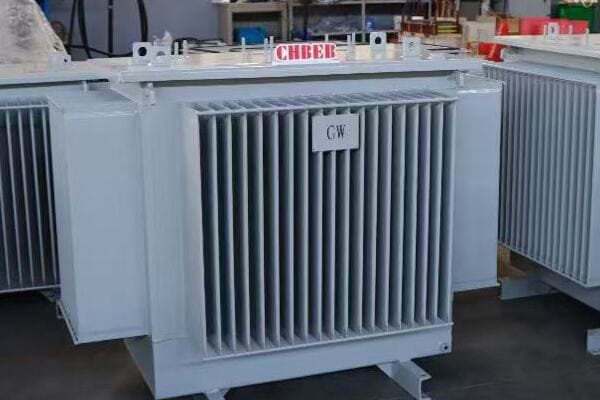
Top export-oriented transformer brands from China include TBEA, XD Group, CHBEB, and SUNTEN, known for their extensive global presence and high-volume capabilities. From India, leading brands are Voltamp, ABB India, Kirloskar, and Kotsons, recognized for their customization abilities and expertise in specific regional standards. Chinese brands generally excel in large-scale projects and standardized production, while Indian brands often stand out in customized solutions and niche market requirements.
Top Chinese and Indian Transformer Brands
Analyzing Top Transformer Brands
Let’s examine the leading brands from both countries:
Top Chinese Brands
Leading Indian Manufacturers
Performance Comparison
Export Strengths and Weaknesses
Notable Project Case Studies
Top Chinese Brands
China’s leading transformer exporters:
TBEA (特变电工)
Strengths: High-capacity transformers, extensive global presence
Notable for: Belt and Road Initiative projects
XD Group (西电集团)
Strengths: Advanced R&D, strong in ultra-high voltage
Strengths: Energy-efficient designs, strong in distribution transformers
Notable for: Smart grid applications
I recently visited TBEA’s facility in Xinjiang and was impressed by their state-of-the-art testing equipment for ultra-high voltage transformers. This technology has been crucial in securing several major international contracts.
Leading Indian Manufacturers
India’s top transformer exporters:
Voltamp Transformers
Strengths: Custom engineering, strong in medium-voltage range
Notable for: Projects in Middle East and Africa
ABB India
Strengths: Global brand recognition, advanced technology
Notable for: High-efficiency transformers for industrial applications
Strengths: Specialization in small to medium capacity transformers
Notable for: Flexibility in design and quick turnaround
During a recent project in Southeast Asia, I was impressed by Voltamp’s ability to quickly adapt their designs to meet specific local grid requirements, showcasing the flexibility of Indian manufacturers.
Performance Comparison
Let’s compare these brands across key performance indicators:
Weaknesses: Sometimes less flexible for small, highly customized orders
Indian brands:
Strengths: Strong in customization, good understanding of developing market needs
Weaknesses: Generally lower production volumes, may have longer lead times for large orders
Notable Project Case Studies
TBEA’s Success in Middle East:
Project: Supplied over 1000 units of 11kV oil-immersed transformers to Saudi Electricity Company
Performance: All units passed rigorous IEC and SASO certifications
Voltamp’s Achievement in Africa:
Project: Delivered customized transformers for a rural electrification project in Kenya
Performance: Successfully adapted designs to harsh environmental conditions
Key takeaways about top brands:
Chinese brands excel in large-scale, standardized projects
Indian manufacturers shine in customized, engineering-intensive orders
Both countries have brands capable of meeting high international standards
Choice often depends on specific project requirements and regional preferences
Consider factors beyond brand reputation, such as after-sales support and local presence
In my experience, the choice between top Chinese and Indian brands often comes down to the specific needs of the project. I’ve seen cases where Chinese brands were unbeatable for large infrastructure projects requiring high volumes of standardized units. Conversely, Indian brands have often been preferred for projects requiring extensive customization or deep understanding of specific regional standards.
For instance, in a recent large-scale grid modernization project in Southeast Asia, we chose CHBEB from China due to their ability to deliver a high volume of transformers with consistent quality and competitive pricing. However, for a specialized industrial application in the Middle East, Voltamp from India won the contract because of their willingness to extensively modify their designs to meet unique operational requirements.
As we move to our final section on choosing the right country for your project, remember that brand performance can vary significantly based on the specific requirements of your project. It’s crucial to evaluate not just the brand’s overall reputation, but also their track record in projects similar to yours and their ability to meet your specific technical and logistical needs.
Which Country is Better for Your Project? (Decision Guide)
Are you still unsure whether to choose a Chinese or Indian supplier for your transformer project? With the wealth of information we’ve covered, making a final decision can feel overwhelming. But how can you synthesize all these factors to make the best choice for your specific needs?
Choosing between China and India for your transformer project depends on your specific requirements. China is generally better for large-scale projects needing quick delivery and standardized products with broad certifications. India often excels in projects requiring extensive customization, specialized designs, or deep understanding of specific regional standards. Consider factors like project scale, customization needs, budget constraints, and target market requirements to make the best decision.
Transformer Supplier Decision Guide
Making the Right Choice for Your Project
Let’s break down the decision-making process:
Assessing Your Project Requirements
Matching Requirements to Country Strengths
Considering Budget and Timeline Constraints
Evaluating Long-Term Support Needs
Making the Final Decision
Assessing Your Project Requirements
Start by clearly defining your needs:
Project scale and volume requirements
Level of customization needed
Specific certifications and standards to be met
Target market and its unique requirements
I recently worked on two contrasting projects: a large-scale grid upgrade requiring 500 standard units, and a specialized industrial application needing 20 highly customized transformers. The requirements for each were vastly different, influencing the choice of supplier country.
Matching Requirements to Country Strengths
Align your needs with each country’s strengths:
Choose China if: You need high volume, standardized units, quick delivery, and broad international certifications
Choose India if: You require extensive customization, specialized designs, or have specific regional standard requirements
Here’s a quick decision guide:
Requirement
Recommended Choice
Reason
Large Volume (500+ units)
China
Better equipped for high-volume production
High Customization
India
More flexible for unique specifications
Tight Deadline
China
Generally faster production and delivery
Specific Regional Standards
India
Often more adaptable to unique market needs
Lowest Cost (Standard Units)
China
More competitive for standardized products
Considering Budget and Timeline Constraints
Factor in financial and time considerations:
China often offers lower prices for standard units and faster delivery
India may be more cost-effective for highly customized orders, but might have longer lead times
Evaluating Long-Term Support Needs
Think beyond the initial purchase:
Consider after-sales support and spare parts availability
Evaluate the supplier’s local presence in your target market
Making the Final Decision
Weigh all factors to make an informed choice:
Prioritize your most critical requirements
Consider conducting a trial order if possible
Don’t hesitate to negotiate with suppliers from both countries
Key considerations for your final decision:
Prioritize suppliers that best match your specific project requirements
Don’t base your decision solely on price – consider total cost of ownership
Evaluate the long-term reliability and support capabilities of potential suppliers
Consider the geopolitical and economic factors that might affect your choice
Be open to splitting your order between countries if it best serves your needs
In my experience, the most successful projects often result from a careful matching of project requirements to supplier strengths, regardless of country. I’ve seen cases where choosing based solely on price or general reputation led to challenges, while a more nuanced approach yielded better results.
For example, in a recent project for a Middle Eastern utility company, we initially leaned towards a Chinese supplier due to their competitive pricing and fast delivery for a large order. However, after careful consideration of the specific regional standards and the need for ongoing local support, we ultimately chose an Indian manufacturer. Their ability to provide extensive customization and establish a strong local presence for long-term support proved more valuable in the long run.
Remember, there’s no one-size-fits-all answer. The best choice depends on your unique project requirements, budget constraints, and long-term objectives. By carefully considering all the factors we’ve discussed throughout this guide, you’ll be well-equipped to make an informed decision that best serves your project’s needs.
Conclusion
Choosing between Chinese and Indian transformer suppliers requires careful consideration of various factors including price, lead time, certifications, and specific project requirements. While Chinese suppliers often excel in high-volume, standardized production with faster delivery times, Indian manufacturers stand out in customization and adapting to unique market needs. The best choice depends on your project’s specific demands, budget constraints, and long-term objectives. Careful evaluation of these factors will lead to a successful procurement decision.
Remember, at chbeb-ele, we’re not just sharing information – we’re empowering you to be part of the solution in creating a secure, clean, and efficient energy future. Let’s continue this journey together.
Hello! 👋 Welcome to CHBEB.
We are a transformer manufacturer with 60+ years of experience.
✅ Distribution & Power Transformers (Oil & Dry Type)
✅ Customized EPC & OEM Solutions
✅ Fast Delivery & International Certifications