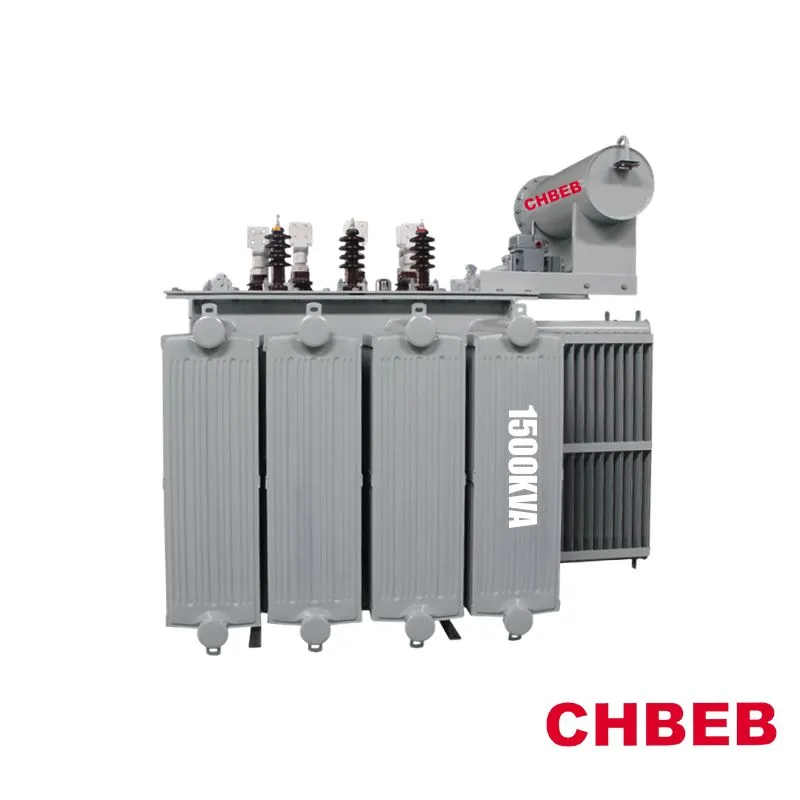
Basic structure and composition
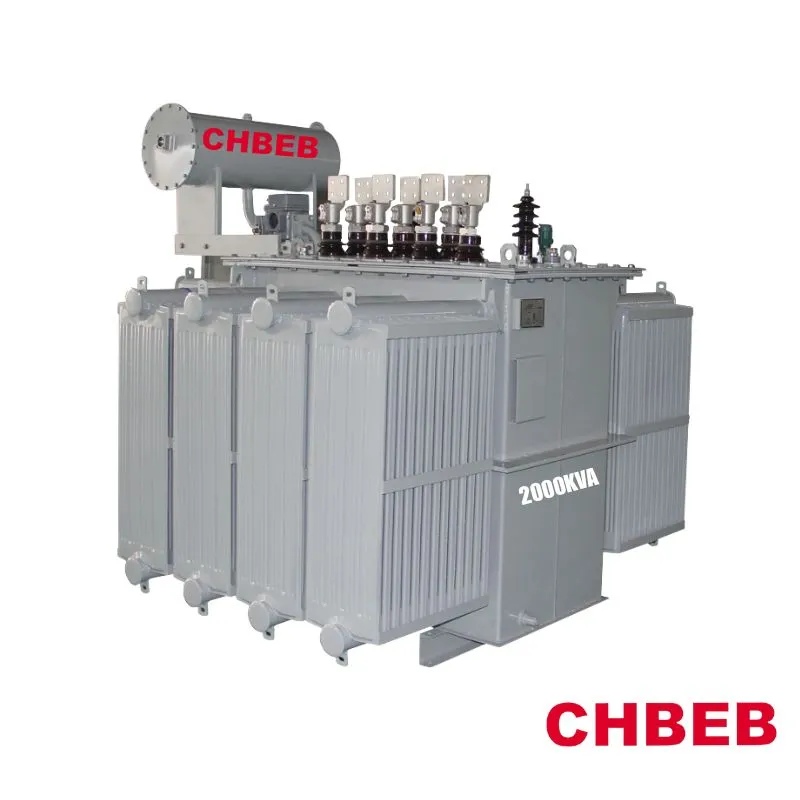
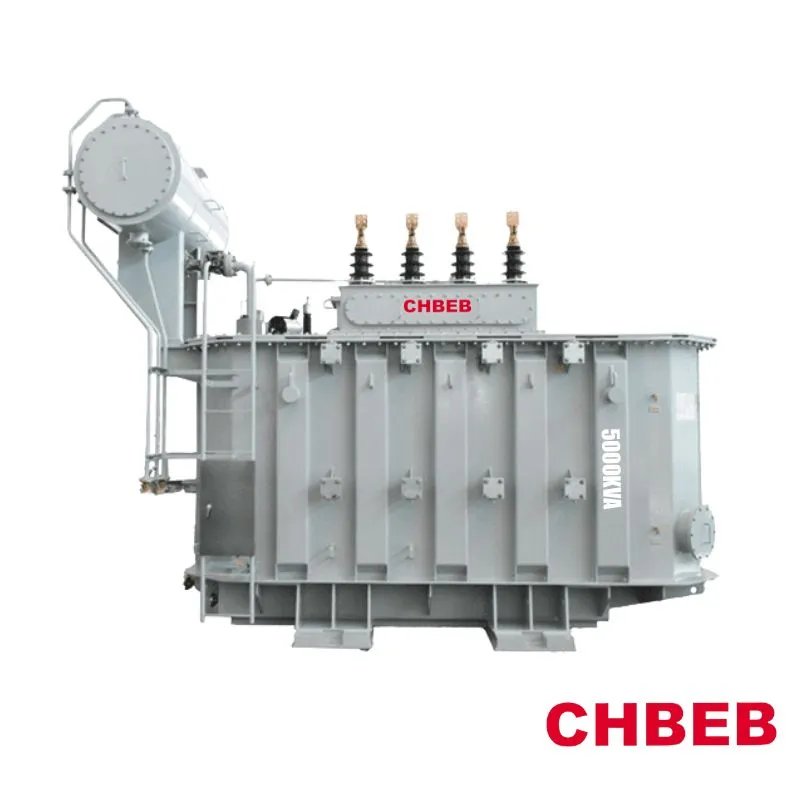
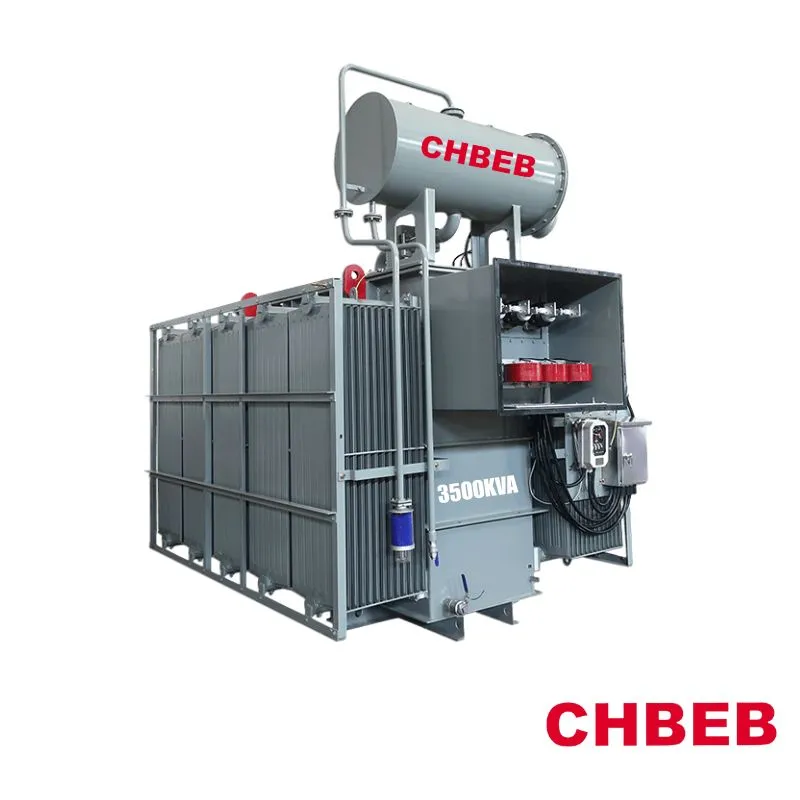
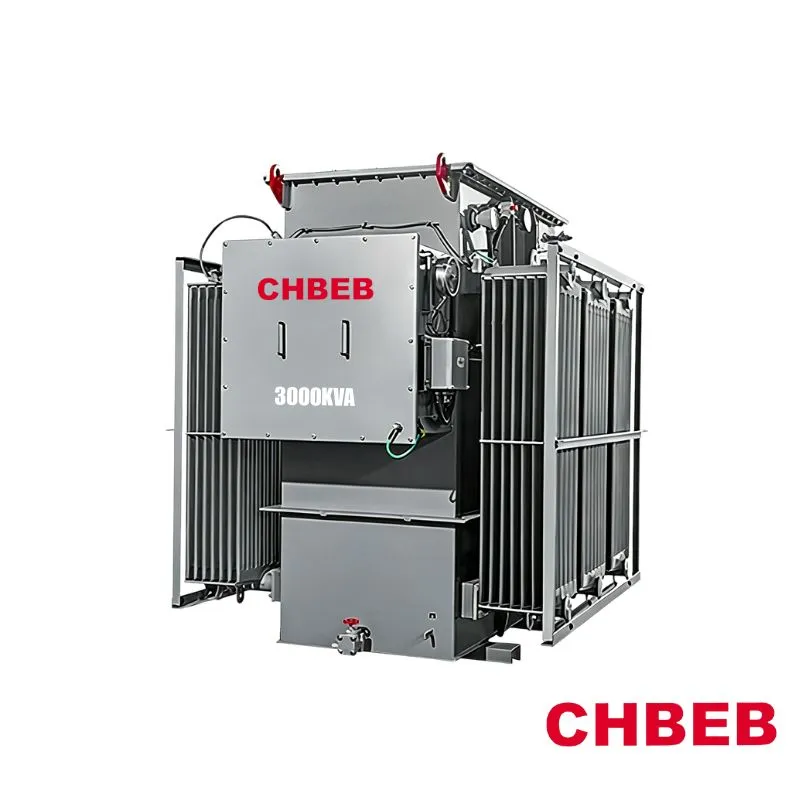
The 2000 kVA Three Phase Substation Transformer is mainly composed of core, windings, oil tank, insulating oil, cooling system, protection devices, etc. The core is made of high-permeability silicon steel sheets laminated together, used to form a magnetic circuit and reduce energy loss. The windings use copper or aluminum conductors, respectively as high-voltage and low-voltage windings. Of course, they can also be connected according to customer design requirements. The oil tank serves as the enclosure and is used to contain insulating oil and internal components. A high-quality oil tank can provide better mechanical strength and sealing performance. The cooling system can adopt natural convection or forced air cooling design, depending on actual installation conditions, such as adding radiators or fans, to improve heat dissipation efficiency. Protection devices include gas relay, thermometer, and pressure relief valve, which monitor the operating status of the transformer and send alarms or operate when equipment abnormalities occur, preventing equipment damage and unnecessary economic losses.
Technical Parameters
| Category |
Item |
Unit |
Parameter |
| High Voltage Section |
Rated Frequency |
HZ |
50 |
| Rated Voltage |
KV |
6 / 10 / 35 |
| Highest Operating Voltage |
KV |
6.9 / 11.5 / 40.5 |
| Power Frequency Withstand Voltage (Phase-to-Ground / Isolation Gap) |
KV |
32/36 / 42/48 / 95/118 |
| Lightning Impulse Withstand Voltage (Phase-to-Ground / Isolation Gap) |
KV |
60/70 / 75/85 / 185/215 |
| Rated Current |
A |
400 / 630 |
| Rated Short-Time Withstand Current |
KV |
12.5(2S) / 16(2S) / 20(2S) |
| Rated Peak Withstand Current |
KV |
31.5 / 40 / 50 |
| Low Voltage Section |
Rated Voltage |
V |
380 / 220 |
| Main Circuit Rated Current |
A |
100~3200 |
| Rated Short-Time Withstand Current |
KV |
15 / 30 / 50 |
| Rated Peak Withstand Current |
KV |
30 / 63 / 110 |
| Branch Current |
A |
10~800 |
| Number of Branch Circuits |
— |
1~12 |
| Compensation Capacity |
KVAR |
0~360 |
| Transformer Section |
Rated Capacity |
KVA |
50~2000 |
| Short-Circuit Impedance |
% |
4 / 6 |
| Tap Range |
— |
±2×2.5% / ±5% |
| Connection Group |
— |
Yyn0 / Dyn11 |
Performance characteristics and application scenarios
The advantages of the 2000 kVA Three Phase Substation Transformer produced by CHBEB include: higher overload capacity, good insulation performance, and long service life. The use of high-quality insulating oil not only provides reliable dielectric strength, but also suppresses partial discharge and arc phenomena. This makes our substation transformer more suitable for medium-load scenarios, such as small industrial parks, commercial buildings, rural power grid renovation, or grid connection conversion in renewable energy projects such as photovoltaic and wind power. In the actual procurement process, our company can customize parameters according to customers’ specific requirements, such as voltage level, for example 10 kV/0.4 kV, connection group, and impedance value, to ensure compatibility with the existing power grid.
Procurement process and quality control
The procurement of a 2000 kVA Three Phase Substation Transformer involves multiple stages such as design, production, testing, and delivery. CHBEB first designs according to the technical specifications provided by the customer, ensuring compliance with various standards or industry standards, such as GB or IEC specifications. During production, our company focuses on controlling material selection, such as high-quality silicon steel sheets and electrolytic copper, and process precision to reduce no-load loss and load loss. Before leaving the factory, CHBEB transformers undergo multiple tests, including insulation resistance measurement, ratio verification, temperature rise test, and short-circuit withstand capability assessment, to verify their reliability and safety. When shipping, our company will provide technical documents and operation manuals, and assist with installation and commissioning to ensure that your project can be perfectly implemented.
Cost and maintenance
From the cost perspective, the initial investment and operating cost of a Substation Transformer need to be comprehensively evaluated. The price varies depending on material cost, brand, and customization requirements. Generally, the price of a single Substation Transformer usually ranges from several thousand US dollars to tens of thousands of US dollars, depending on configuration and market supply and demand.
During operation, the active losses of the transformer mainly come from iron loss and copper loss, among which iron loss is approximately no-load loss and exists as long as the transformer is energized for a long time; copper loss is approximately load loss and increases as load current increases. However, efficient design can reduce long-term energy consumption.
In terms of maintenance, it is necessary to regularly check oil level, oil quality, and sealing performance, and replace insulating oil or clean components when necessary. Good maintenance can extend equipment life and reduce downtime risk. As a supplier, we also provide after-sales services, such as technical support and spare parts supply.
Contact us to learn more details.
About capacity and installation dimensions
Minimum clearance table between transformer outline and transformer room walls and doors
| Transformer Capacity (kVA) |
Clearance between Transformer Outline and Rear/Side Walls (mm) |
Clearance between Transformer Outline and Door (mm) |
| 200~1000 |
600 |
800 |
| 1250~2000 |
800 |
1000 |
Description: The clearance is the necessary space reserved for future maintenance operations. When transformer capacity is greater than 2000 kVA, the clearance needs to be increased during drawing design, usually rear wall/side wall ≥1000 mm and door ≥1200 mm.
Phase-to-phase distance table for high-voltage busbars corresponding to different capacities and voltage levels
| Transformer Capacity (kVA) |
High-Voltage Busbar Voltage Level |
High-Voltage Busbar Phase-to-Phase Distance (L, mm) |
| 200~630 |
10 (6) kV |
250 |
| 800~2000 |
10 (6) kV |
350 |
| 200~630 |
20 kV |
400 |
| 800~2000 |
20 kV |
500 |
Description: The electrical safety distance must meet the phase-to-phase distance requirement to prevent high-voltage arc discharge. When the altitude is greater than 1000 m, the phase-to-phase distance should be increased by 10% for every additional 1000 m.
Fuse tube/fuse current table for 6 kV, 12 kV, and 20 kV transformers
| Transformer Capacity (kVA) |
6kV Fuse (Tube/Fuse Current, A) |
12kV Fuse (Tube/Fuse Current, A) |
20kV Fuse (Tube/Fuse Current, A) |
| 200 |
100/20 |
100/20 |
100/10 |
| 250 |
100/20 |
100/20 |
100/10 |
| 315 |
100/40 |
100/20 |
100/10 |
| 400 |
100/40 |
100/30 |
100/15 |
| 500 |
100/50 |
100/30 |
100/15 |
| 630 |
100/75 |
100/40 |
100/20 |
| 800 |
100/50 |
100/100 |
100/25 |
| 1000 |
100/100 |
100/60 |
– |
| 1250 |
200/150 |
100/75 |
– |
Description: The fuse needs to match the rated current of the transformer. The fuse current is approximately 1.2–1.5 times the transformer rated current, preventing failure to blow in time during overload or short circuit.
Why choose CHBEB
With the development of new energy and computing power centers, Substation Transformers are also gradually evolving. For example, new environmentally friendly insulating oils, such as vegetable-based oils, are also gradually being promoted to reduce environmental impact. Together with the integration of digital monitoring systems, such as online temperature and gas monitoring, operating efficiency and safety are further improved. Facing such a market, CHBEB, as a manufacturer, pays more attention to product innovation and compliance to meet increasingly strict energy efficiency standards. In the future, Substation Transformers will continue to play an important role in the distribution field, especially in distributed energy and microgrid projects.
The supply of a 2000 kVA Three Phase Substation Transformer is a comprehensive process involving technical, economic, and application-related factors. When selecting and purchasing, priority should be given to product quality, matching degree, and after-sales service, rather than only focusing on price. Choosing CHBEB means choosing a higher-quality and professional supplier. We believe that CHBEB transformers can provide more stable and reliable support for your power project.