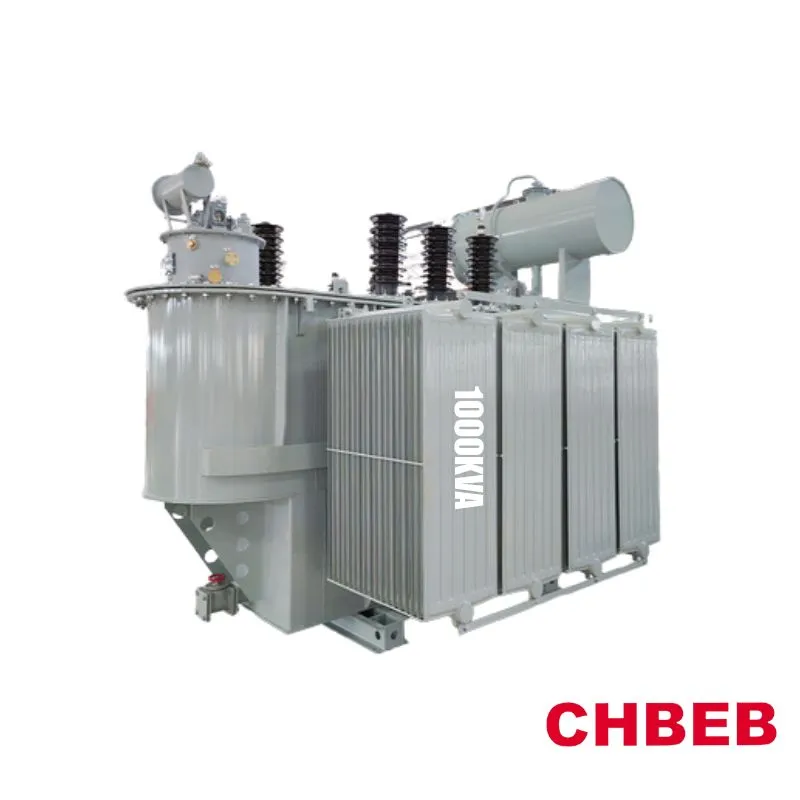
How to calculate the capacity of a Substation Transformer
Capacity matching: Select according to actual load calculation and reserve more than 20% margin to avoid long-term overload.
About transformer capacity calculation: First, select the rated voltage of the transformer. The high-voltage side voltage should be equal to the connected grid voltage, and the low-voltage side voltage should be 10% or 5% higher than the voltage of the low-voltage side grid, depending on the transformer voltage level and impedance voltage; then select the rated capacity.
Calculate the load carried by the transformer, which requires calculating the maximum combined load and converting the active load kW value into apparent power kVA. If there are two transformers, the capacity of each transformer can be selected according to 70% of the maximum combined load. If there is one transformer, it should be considered according to the total load and leave an appropriate redundancy. Other nameplate parameters can be considered appropriately according to the transformer product.
For example: select a 35/10 kV transformer. Assuming the maximum load is 3500 kW, the power factor is 0.8, and two transformers are selected, the capacity S = 0.7 × 3500 / 0.8 = 3062 kVA. A 3150 kVA transformer can be selected, with a voltage ratio of 35 kV/10.5 kV. Then select the model from the product catalog.
Installation environment: It should be kept away from flammable and explosive areas, maintain good ventilation, and the ground load-bearing capacity should be ≥250 kg/m².
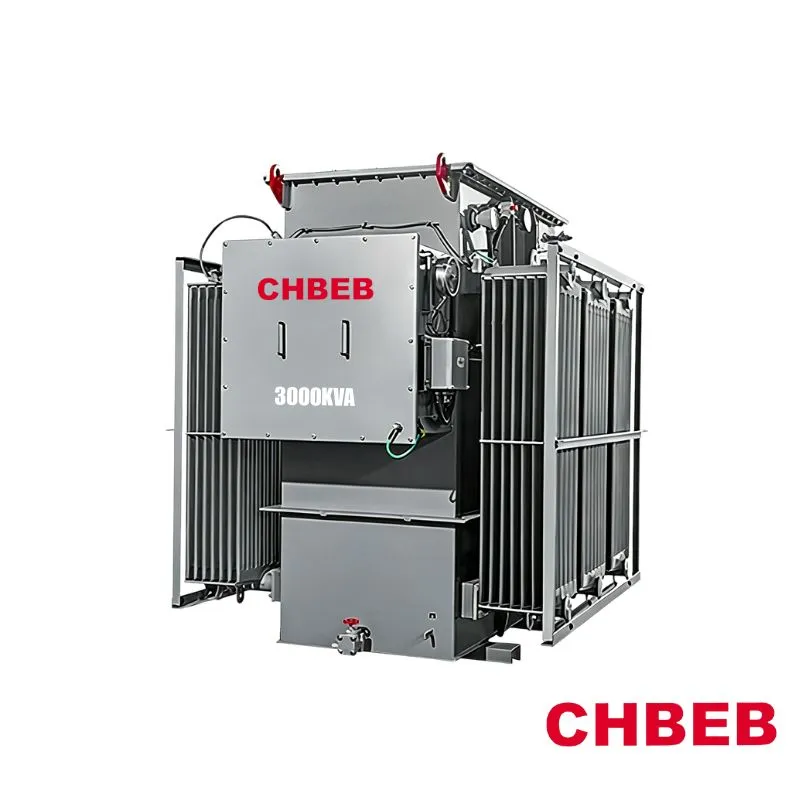
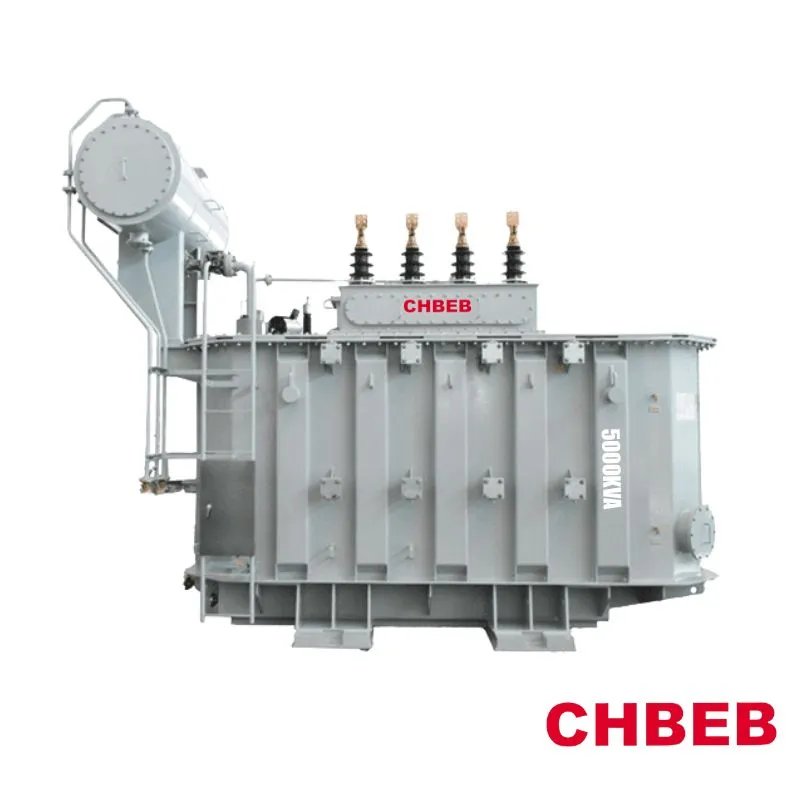
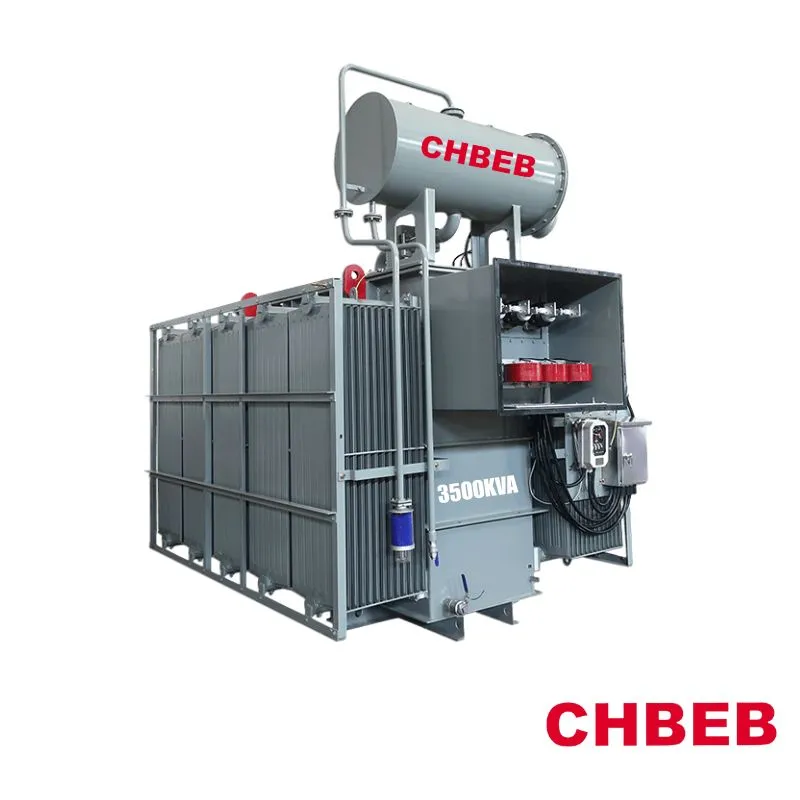
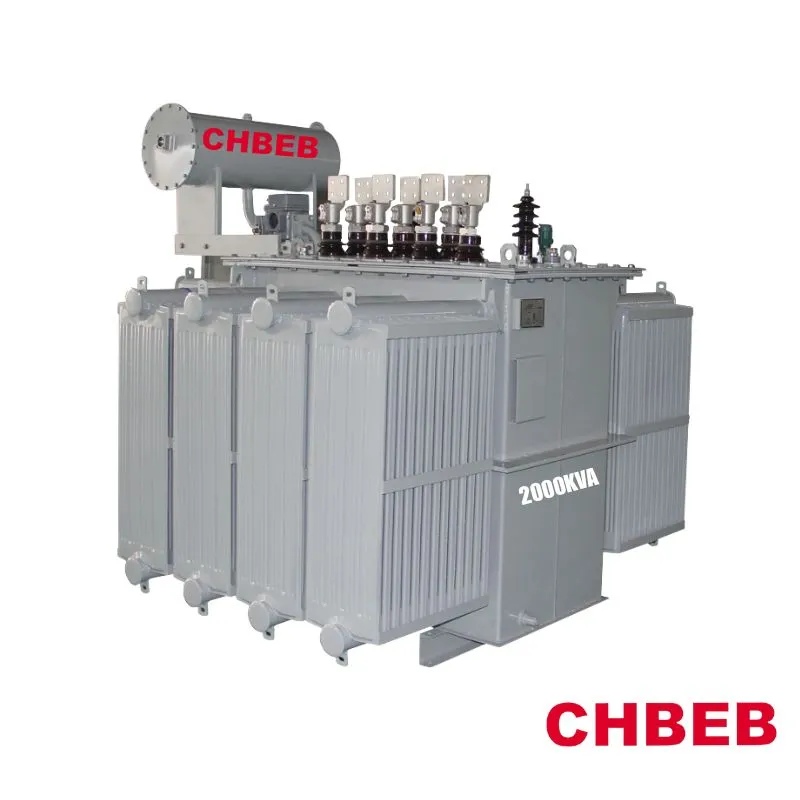
The 3150 kVA Substation Transformer occupies an important position in the power transmission field with its mature technology and stable performance. Users should combine their own application scenarios when selecting the model, and give priority to energy efficiency level and operation and maintenance cost to achieve long-term safe operation.