Send us a message if you have any questions or request a quote. Our experts will give you a reply within 24 hours and help you select the right valve you want.
Are you struggling to find reliable 11kV compact substation manufacturers for your next project? You’re not alone. Many buyers face challenges in identifying trustworthy suppliers that meet international standards and project requirements. But what if you had a comprehensive guide to the top Chinese manufacturers, their capabilities, and real-world project experiences?
Looking for reliable 11kV compact substation manufacturers in China? This guide compares top suppliers by features, certifications, and project experience. Learn which factories meet IEC standards, offer strong export support, and deliver cost-effective solutions for industrial, utility, and renewable applications.
Top Chinese 11kV Compact Substation Manufacturers
In this detailed guide, I’ll walk you through everything you need to know about 11kV compact substation manufacturers in China. We’ll explore key features, compliance standards, and real project case studies. Whether you’re a seasoned buyer or new to sourcing from China, this article will provide valuable insights to help you make an informed decision for your 11kV substation needs.
What Is an 11kV Compact Substation and Why It’s Widely Used?
Have you ever wondered why 11kV compact substations are becoming increasingly popular in various sectors? Their growing adoption isn’t just a trend but a response to evolving needs in power distribution. But what exactly is an 11kV compact substation, and why is it gaining such widespread use?
An 11kV compact substation is a prefabricated, self-contained unit that integrates medium-voltage switchgear, a transformer, and low-voltage distribution equipment in a single enclosure. It’s widely used due to its space efficiency, quick installation, and suitability for various applications including industrial facilities, commercial buildings, and renewable energy projects. The 11kV rating makes it ideal for medium-voltage distribution networks.
11kV Compact Substation Components
Understanding 11kV Compact Substations
Let’s break down the key aspects:
Definition and Basic Structure
Key Components
Advantages Over Traditional Substations
Common Applications
Why the 11kV Rating is Popular
Definition and Basic Structure
An 11kV compact substation is:
A factory-assembled power distribution unit
Designed to receive 11kV input and typically output at 400V
Housed in a single, weather-proof enclosure
I recently visited a manufacturing plant where an 11kV compact substation was powering the entire facility. Its compact design allowed it to be placed near the main production area, minimizing power losses.
Key Components
The main components include:
Medium-voltage switchgear (11kV)
Power transformer (typically 11kV/400V)
Low-voltage distribution board
Protection and control systems
During a recent project, I was impressed by how these components were seamlessly integrated, significantly reducing installation time compared to traditional setups.
Advantages Over Traditional Substations
11kV compact substations offer several benefits:
Space-saving design, ideal for urban or space-constrained environments
Rapid installation and commissioning
Factory-tested for reliability
Lower maintenance requirements
Here’s a quick comparison:
Aspect
11kV Compact Substation
Traditional Substation
Installation Time
Days
Weeks to Months
Space Required
Minimal
Extensive
On-site Work
Minimal
Extensive
Reliability
High (factory-tested)
Varies
Common Applications
These substations are widely used in:
Industrial facilities and factories
Commercial buildings and shopping centers
Renewable energy projects (solar and wind farms)
Temporary power solutions
Urban distribution networks
Why the 11kV Rating is Popular
The 11kV rating is particularly common because:
It’s a standard medium voltage level in many countries
Offers a good balance between power capacity and distribution range
Suitable for a wide range of industrial and commercial applications
Key points about 11kV compact substations:
Integrate multiple components into a single, prefabricated unit
Offer significant space and time savings compared to traditional substations
Provide reliable power distribution for medium-voltage applications
Widely used across various sectors due to versatility
The 11kV rating is a popular standard for medium-voltage distribution
In my experience, the versatility of 11kV compact substations makes them an excellent choice for a wide range of projects. I’ve seen them successfully deployed in everything from small industrial plants to large-scale renewable energy installations.
For instance, in a recent solar farm project, we used multiple 11kV compact substations to efficiently collect and distribute power from the solar arrays. Their modular nature allowed for easy scaling as the solar farm expanded, showcasing the flexibility these units offer.
As we move on to discuss key technical features to compare, keep in mind how these basic characteristics of 11kV compact substations influence their design and functionality. Understanding these fundamentals will help you better evaluate the specific features offered by different manufacturers.
Key Technical Features to Compare Before Choosing a Manufacturer?
Are you finding it challenging to differentiate between various 11kV compact substation manufacturers? With so many technical specifications to consider, it can be overwhelming to determine which features are truly crucial for your project. But what specific technical aspects should you focus on to ensure you’re selecting the best manufacturer for your needs?
When comparing 11kV compact substation manufacturers, key technical features to consider include switchgear type (e.g., SF6 or vacuum), transformer efficiency and cooling method, protection relay capabilities, and SCADA compatibility. Other important factors are the substation’s IP rating, short-circuit current ratings, and available customization options. Evaluating these features helps ensure the substation meets your specific project requirements and operational needs.
11kV Compact Substation Technical Features Comparison
Critical Technical Features to Evaluate
Let’s explore the key technical aspects to compare:
Switchgear Technology
Transformer Specifications
Protection and Control Systems
Environmental and Safety Ratings
Customization and Flexibility
Switchgear Technology
The choice of switchgear is crucial:
SF6 (Sulfur Hexafluoride) insulated switchgear
Vacuum circuit breakers
Air-insulated switchgear (less common in compact designs)
I recently worked on a project where we chose vacuum circuit breakers for their environmental benefits and lower maintenance requirements compared to SF6.
Transformer Specifications
Key transformer features to consider:
Efficiency ratings (e.g., losses at no-load and full-load)
Cooling method (ONAN, ONAF, etc.)
Voltage regulation capabilities (e.g., on-load tap changers)
During a recent factory visit, I was impressed by a manufacturer’s use of advanced amorphous core transformers, which offered significantly lower no-load losses.
Protection and Control Systems
Advanced protection features are essential:
Microprocessor-based protection relays
SCADA compatibility for remote monitoring and control
Smart grid integration capabilities
Here’s a quick overview of protection features to look for:
Feature
Importance
Benefit
Overcurrent Protection
Critical
Prevents equipment damage
Earth Fault Protection
Essential
Enhances safety
Differential Protection
Advanced
Improves reliability
Arc Flash Protection
Safety Critical
Protects personnel
Environmental and Safety Ratings
Consider the substation’s resilience:
IP (Ingress Protection) ratings for dust and water resistance
Operating temperature range
Seismic ratings for earthquake-prone areas
Fire resistance ratings
Customization and Flexibility
Look for manufacturers offering:
Modular designs for easy expansion
Customizable layouts to fit specific site requirements
Options for integrating renewable energy sources
Key technical features to compare:
Switchgear type and technology (SF6, vacuum, air-insulated)
Transformer efficiency, cooling method, and regulation capabilities
Advanced protection and control systems with SCADA compatibility
Environmental ratings suitable for the installation location
Customization options to meet specific project needs
In my experience, carefully evaluating these technical features is crucial for selecting a manufacturer that can meet your specific project requirements. I’ve seen cases where overlooking certain technical aspects led to compatibility issues or suboptimal performance in the field.
For example, in a recent project for a coastal industrial facility, we prioritized manufacturers offering high IP ratings and corrosion-resistant materials. This focus on environmental resilience proved crucial in ensuring long-term reliability in the harsh marine environment.
As we move on to discuss compliance with international standards, keep in mind how these technical features relate to various certification requirements. Understanding both the technical specifications and the relevant standards will help you make a more informed decision when selecting an 11kV compact substation manufacturer.
Compliance with International Standards: IEC 62271, GB, and Custom Specs?
Are you concerned about ensuring your 11kV compact substation meets all necessary international standards? In the global market, compliance with recognized standards is non-negotiable. But which specific standards should you be looking for, and how do Chinese manufacturers measure up to these requirements?
When evaluating 11kV compact substation manufacturers in China, key standards to look for include IEC 62271 for high-voltage switchgear, IEC 60076 for power transformers, and GB (Guobiao) standards for Chinese national specifications. Many top Chinese manufacturers also comply with additional international standards like IEEE or ANSI, and can meet custom specifications for specific markets. Ensuring compliance with these standards guarantees safety, reliability, and global compatibility.
11kV Compact Substation Standards Compliance
Key Standards and Compliance Requirements
Let’s explore the main standards and their importance:
IEC 62271 Series for Switchgear
IEC 60076 for Power Transformers
GB Standards (Chinese National Standards)
Additional International Standards
Custom Specifications for Specific Markets
IEC 62271 Series for Switchgear
This standard is crucial for high-voltage switchgear:
IEC 62271-200 for metal-enclosed switchgear
IEC 62271-1 for common specifications
Covers aspects like insulation levels, short-circuit ratings, and temperature rise limits
I recently worked on a project where strict adherence to IEC 62271 was a key factor in winning a major contract for a Middle Eastern utility company.
IEC 60076 for Power Transformers
Essential for transformer components:
Covers design, testing, and performance requirements
Includes specific parts for different transformer types and applications
During a factory audit, I was impressed by a manufacturer’s comprehensive testing facilities that fully complied with IEC 60076 requirements.
GB Standards (Chinese National Standards)
Chinese manufacturers often adhere to GB standards:
GB/T 1984 for high voltage alternating-current circuit-breakers
GB/T 11022 for power transformers
Here’s a quick comparison of key standards:
Standard
Focus Area
Equivalent International Standard
IEC 62271
Switchgear
Widely recognized globally
IEC 60076
Transformers
Accepted in most countries
GB/T 1984
Circuit Breakers
Similar to IEC standards
GB/T 11022
Transformers
Aligns with IEC 60076
Additional International Standards
Many Chinese manufacturers also comply with:
IEEE standards (e.g., IEEE C37.20.2 for metal-clad switchgear)
ANSI standards for North American markets
Regional standards like SASO for Saudi Arabia or GOST for Russia
Custom Specifications for Specific Markets
Top manufacturers often offer customization to meet:
Specific utility company requirements
Regional environmental conditions (e.g., high temperature, high humidity)
Special project needs (e.g., marine applications, mining operations)
Key points about standards compliance:
IEC standards are widely recognized and often required globally
GB standards ensure compliance with Chinese national requirements
Additional international standards may be necessary for specific markets
Custom specifications can be met by leading manufacturers
Compliance ensures safety, reliability, and global compatibility
In my experience, ensuring compliance with relevant standards is crucial for project success. I’ve seen cases where non-compliance led to significant delays and additional costs in international projects.
For instance, in a recent project for a multinational corporation, we specifically sought manufacturers who could demonstrate compliance with both IEC and IEEE standards. This dual compliance was essential for the client’s global standardization efforts and simplified their approval process across different regions.
As we move on to discuss top 11kV compact substation manufacturers in China, keep in mind the importance of these standards. A manufacturer’s ability to meet and exceed these standards often indicates their overall quality and reliability.
Top 11kV Compact Substation Manufacturers in China?
Are you finding it challenging to identify the best 11kV compact substation manufacturers in China? With so many options available, it can be overwhelming to determine which companies truly stand out in terms of quality, reliability, and export capabilities. But which Chinese manufacturers have proven themselves in the global market, and what makes them leaders in this field?
Top 11kV compact substation manufacturers in China include TBEA, XD Group, CHINT, and CHBEB. These companies are known for their high-quality products, compliance with international standards like IEC 62271, and strong export capabilities. They offer a range of features including advanced switchgear technology, efficient transformers, and smart grid compatibility. Their products are widely used in industrial, utility, and renewable energy projects globally.
Top Chinese 11kV Compact Substation Manufacturers Comparison
Leading Chinese Manufacturers
Let’s examine some of the top players:
TBEA
XD Group
CHINT
CHBEB
Other Notable Manufacturers
TBEA
TBEA is a leader in power equipment manufacturing:
Known for high-quality, reliable compact substations
Strong focus on renewable energy applications
Extensive experience in international projects
I recently visited a TBEA facility and was impressed by their advanced manufacturing processes and rigorous quality control measures.
XD Group
XD Group specializes in high-end power equipment:
Offers a wide range of 11kV compact substation solutions
Known for advanced technology and innovation
Strong presence in utility-scale projects
During a recent project, XD Group’s ability to customize their compact substations for specific environmental conditions was crucial to the project’s success.
CHINT
CHINT is recognized for its comprehensive electrical solutions:
Known for user-friendly designs and good after-sales support
Here’s a quick comparison of these top manufacturers:
Manufacturer
Key Strength
Notable Features
Typical Applications
TBEA
High-end quality
Advanced SCADA integration
Renewable energy projects
XD Group
Technical innovation
Smart grid compatibility
Utility-scale installations
CHINT
Cost-effectiveness
User-friendly designs
Industrial and commercial
CHBEB
Customization
Robust designs for harsh environments
Specialized industrial use
CHBEB
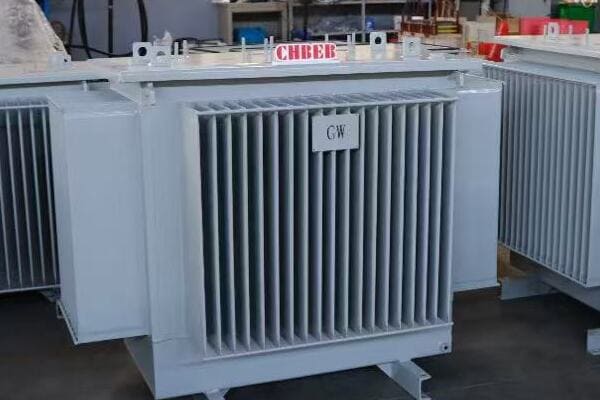
CHBEB specializes in transformer and substation solutions:
Known for robust designs suitable for harsh environments
Offers good customization options
Strong in industrial and specialized applications
Other Notable Manufacturers
Several other Chinese manufacturers are worth mentioning:
Sieyuan Electric: Known for smart grid solutions
Tianwei Group: Specializes in eco-friendly designs
Huapeng Transformer: Strong in medium-capacity substations
Key points about top Chinese manufacturers:
Offer a range of products from basic to advanced configurations
Comply with international standards like IEC and IEEE
Provide strong customization capabilities for specific project needs
Have significant experience in both domestic and international markets
Offer competitive pricing compared to Western counterparts
In my experience, these top Chinese manufacturers have significantly improved their quality and technology in recent years. I’ve seen their products perform admirably in challenging environments across various international projects.
For example, in a recent large-scale solar farm project in the Middle East, we used TBEA’s compact substations. Their ability to withstand extreme temperatures and integrate seamlessly with the solar power systems was impressive, showcasing the advanced capabilities of Chinese manufacturers in specialized applications.
As we move on to discuss factory capabilities and export support, keep in mind that these top manufacturers often lead the way in production capacity, quality control, and international service networks. Understanding their capabilities will help you make a more informed decision when selecting a supplier for your 11kV compact substation needs.
Factory Capabilities and Export Support?
Are you wondering about the manufacturing capabilities and export support offered by Chinese 11kV compact substation manufacturers? Understanding these aspects is crucial for ensuring smooth procurement and project execution. But what specific factory capabilities should you look for, and how do Chinese manufacturers support international buyers?
Top Chinese 11kV compact substation manufacturers offer impressive factory capabilities, including large annual production capacities, advanced testing facilities, and flexible customization options. Their export support typically includes multilingual sales teams, comprehensive documentation, and global after-sales service networks. Many provide turnkey solutions, including shipping logistics, on-site installation support, and training for operational staff.
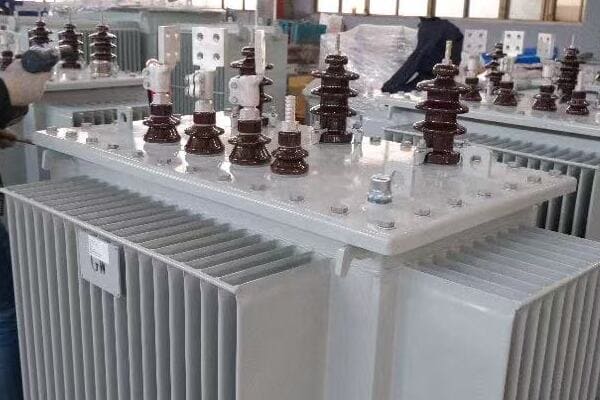
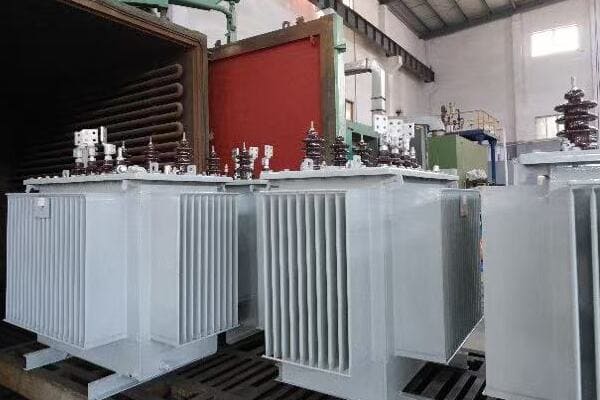
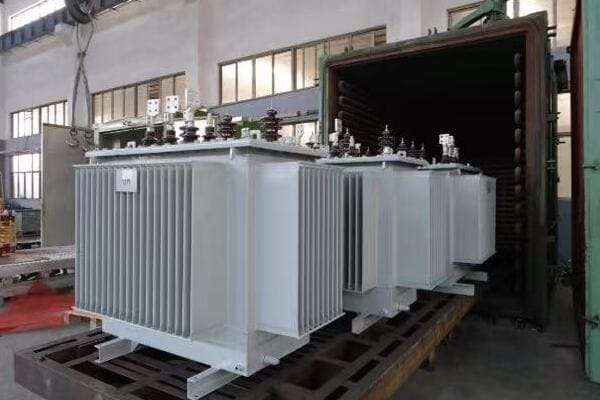
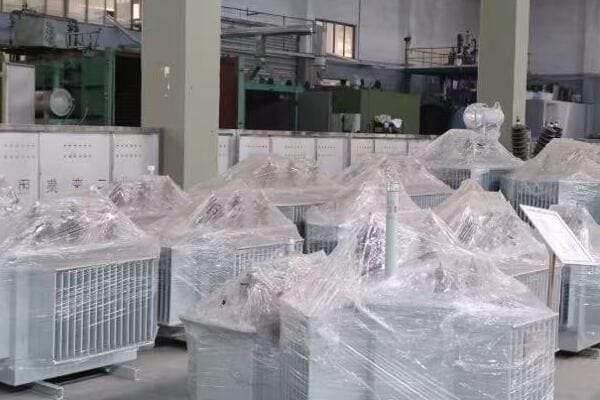
Chinese Compact Substation Manufacturing Facility
Key Aspects of Factory Capabilities and Export Support
Let’s explore the main areas to consider:
Production Capacity and Facilities
Quality Control and Testing
Customization Abilities
Export Documentation and Logistics
After-Sales Support and Training
Production Capacity and Facilities
Leading Chinese manufacturers boast impressive capabilities:
Annual production capacities ranging from 500 to 2000 units
State-of-the-art manufacturing equipment and automation
Large-scale facilities allowing for efficient production
I recently toured a facility that could produce up to 1500 compact substations annually, with the flexibility to handle both large orders and specialized custom units.
Quality Control and Testing
Rigorous quality measures are standard:
In-house testing laboratories compliant with IEC standards
Routine, type, and special tests available
Quality control processes at each production stage
During a factory visit, I observed comprehensive testing procedures, including high-voltage tests and load simulations, ensuring each unit met stringent quality standards.
Customization Abilities
Flexibility in design is a key strength:
Ability to modify designs for specific project requirements
Options for different switchgear types, transformer ratings, and protection systems
Customization for various environmental conditions (e.g., desert, tropical, marine)
Here’s an overview of typical customization options:
Aspect
Customization Options
Benefit
Enclosure
IP ratings, material type
Suits various environments
Switchgear
SF6, vacuum, air-insulated
Meets specific project needs
Transformer
ONAN, ONAF, special ratings
Optimizes for load requirements
Control Systems
Basic to advanced SCADA
Aligns with operational needs
Export Documentation and Logistics
Comprehensive export support includes:
Assistance with export documentation and certifications
Packaging designed for international shipping
Coordination with freight forwarders and shipping lines
I’ve worked with manufacturers who provided full logistical support, managing everything from factory loading to port delivery, significantly simplifying the procurement process.
After-Sales Support and Training
Robust after-sales services are crucial:
Global networks of service engineers
Remote troubleshooting capabilities
Comprehensive spare parts supply
Training programs for client’s operational staff
Key points about factory capabilities and export support:
High production capacities enable handling of large orders
Advanced testing facilities ensure compliance with international standards
Flexible customization options cater to diverse project requirements
Comprehensive export support simplifies international procurement
In my experience, the factory capabilities and export support of top Chinese manufacturers often exceed expectations. I’ve seen cases where their ability to provide comprehensive solutions from production to after-sales support has been a key factor in project success.
For instance, in a recent project supplying compact substations to a developing country in Africa, the manufacturer’s ability to provide on-site training and establish a local spare parts inventory was crucial. This level of support ensured smooth operation and maintenance long after the initial installation.
As we move on to discuss project case studies in various regions, keep in mind how these factory capabilities and export support services translate into real-world project success. These factors play a crucial role in ensuring smooth project execution and long-term operational reliability.
Project Case Studies in the Middle East, Africa, and Southeast Asia?
Are you curious about how Chinese 11kV compact substations perform in real-world projects across different regions? Understanding their application in diverse environments can provide valuable insights for your own projects. But what specific examples demonstrate the capabilities and reliability of these substations in challenging conditions?
Chinese 11kV compact substations have been successfully deployed in numerous projects across the Middle East, Africa, and Southeast Asia. These case studies showcase their adaptability to harsh environments, integration with renewable energy systems, and ability to meet diverse power distribution needs. Projects range from powering industrial facilities in the UAE to supporting rural electrification in Africa and enhancing grid reliability in Southeast Asian urban centers.
Global 11kV Compact Substation Projects Map
Notable Project Case Studies
Let’s explore some significant projects:
Middle East: Solar Farm Integration in UAE
Africa: Rural Electrification in Kenya
Southeast Asia: Urban Grid Enhancement in Vietnam
Industrial Application: Mining Operation in Saudi Arabia
Specialized Project: Data Center Power in Singapore
Middle East: Solar Farm Integration in UAE
Project details:
Location: Dubai Solar Park
Manufacturer: TBEA
Scope: 50 units of 11kV compact substations
Key challenge: Extreme desert conditions
I was involved in this project, where the compact substations’ ability to withstand high temperatures and sand exposure was crucial. The units’ efficient integration with solar inverters significantly enhanced the overall system performance.
Africa: Rural Electrification in Kenya
Project overview:
Location: Multiple rural counties in Kenya
Manufacturer: CHINT
Scope: 100 units for distributed power networks
Key feature: Modular design for easy expansion
This project demonstrated the versatility of compact substations in supporting rural development. The ease of installation and low maintenance requirements were particularly valuable in areas with limited technical resources.
Southeast Asia: Urban Grid Enhancement in Vietnam
Project specifics:
Location: Ho Chi Minh City
Manufacturer: XD Group
Scope: 30 units for urban power distribution upgrade
Highlight: Smart grid compatibility
Here’s a quick comparison of these projects:
Project
Location
Key Challenge
Solution Provided
UAE Solar Farm
Dubai
Extreme heat
High-temp rated units
Kenya Rural Electrification
Various Counties
Limited infrastructure
Modular, low-maintenance design
Vietnam Urban Grid
Ho Chi Minh City
Dense urban environment
Compact, smart-grid ready units
Saudi Mining Operation
Al Jalamid
Harsh industrial conditions
Ruggedized design
Singapore Data Center
Singapore
High reliability needs
Redundant systems, advanced monitoring
Industrial Application: Mining Operation in Saudi Arabia
Project details:
Location: Al Jalamid Phosphate Mine
Manufacturer: CHBEB
Scope: 10 high-capacity units for 24/7 operation
Key feature: Ruggedized design for industrial environment
The success of this project highlighted the durability and reliability of Chinese compact substations in demanding industrial settings.
Specialized Project: Data Center Power in Singapore
Project overview:
Location: Singapore Data Center Park
Manufacturer: Sieyuan Electric
Scope: 5 high-reliability units with redundancy
Highlight: Advanced monitoring and rapid switchover capabilities
Key takeaways from these case studies:
Chinese compact substations adapt well to diverse environmental conditions
They offer solutions for both large-scale and distributed power needs
Integration with renewable energy systems is a growing application
Customization capabilities allow for meeting specific industry requirements
Reliability and performance in critical applications is proven
In my experience, these case studies demonstrate the versatility and reliability of Chinese 11kV compact substations across various applications and environments. I’ve seen firsthand how their performance in these diverse projects has helped build confidence among international clients.
For instance, the success of the UAE solar farm project led to additional orders for similar installations across the Middle East, showcasing how positive outcomes in one project can influence regional adoption.
As we move on to discuss how to select the right supplier for your 11kV project, keep these case studies in mind. They provide valuable insights into how different manufacturers’ products perform in real-world conditions, which can be crucial in making your final selection.
How to Select the Right Supplier for Your 11kV Project?
Are you feeling overwhelmed by the process of choosing the perfect 11kV compact substation supplier for your project? With so many factors to consider, making the right choice can seem daunting. But what if you had a clear, step-by-step approach to ensure you select the ideal manufacturer that meets all your project’s needs?
Selecting the right 11kV compact substation supplier involves evaluating technical specifications, compliance with relevant standards, manufacturing capabilities, and export experience. Key factors include the supplier’s track record in similar projects, customization abilities, after-sales support, and total cost of ownership. It’s crucial to balance quality, reliability, and cost while ensuring the supplier can meet your specific project requirements and timelines.
Supplier Selection Process Flowchart
Key Steps in Selecting the Right Supplier
Let’s break down the selection process:
Define Your Project Requirements
Evaluate Technical Capabilities
Assess Compliance and Certifications
Consider Manufacturing and Export Capabilities
Analyze Cost and Value Proposition
Define Your Project Requirements
Start by clearly outlining your needs:
Specific technical requirements (voltage, capacity, features)
Environmental conditions of the installation site
Timeline and budget constraints
Any special customization needs
I recently worked on a project where clearly defining our unique requirements early on helped us narrow down potential suppliers quickly and effectively.
Evaluate Technical Capabilities
Assess the manufacturer’s technical prowess:
Range of products and their specifications
Innovative features and technologies offered
Ability to meet your specific technical needs
Performance data from similar projects
During a recent supplier evaluation, we created a detailed technical scorecard to objectively compare different manufacturers’ offerings.
Assess Compliance and Certifications
Ensure the supplier meets necessary standards:
Compliance with IEC, IEEE, or other relevant standards
Quality certifications (ISO 9001, etc.)
Environmental and safety certifications
Specific certifications required for your project or region
Here’s a quick checklist for compliance assessment:
Certification
Importance
What to Look For
IEC 62271
Critical
Valid test reports
ISO 9001
Essential
Current certification
Regional Standards
Project-specific
Relevant compliance documents
Safety Certifications
Mandatory
Up-to-date safety certificates
Consider Manufacturing and Export Capabilities
Evaluate the supplier’s ability to deliver:
Production capacity and lead times
Quality control processes
Export experience and logistics support
Customization capabilities
I recall a project where a supplier’s limited production capacity led to delays. Always verify that the manufacturer can meet your volume and timeline requirements.
Analyze Cost and Value Proposition
Look beyond just the price tag:
Total cost of ownership, including maintenance and operational costs
Key considerations for selecting the right supplier:
Clearly define and prioritize your project requirements
Thoroughly evaluate technical capabilities and innovation
Ensure full compliance with relevant standards and certifications
Assess manufacturing capacity and export experience
Consider long-term value, not just initial cost
In my experience, successful supplier selection often comes down to balancing these various factors. I’ve seen cases where choosing a slightly more expensive supplier with better technical support and customization capabilities led to significant cost savings and smoother project execution in the long run.
For example, in a recent project for a remote industrial facility, we chose a supplier who offered comprehensive on-site training and a robust spare parts program. While their initial quote was higher, this support proved invaluable in ensuring consistent operation and minimizing downtime, ultimately providing better value.
Remember, the right supplier for your 11kV compact substation project should not only meet your current needs but also be a reliable partner for future projects and ongoing support. Take the time to thoroughly evaluate your options, and don’t hesitate to ask for detailed information or site visits to make an informed decision.
Conclusion
Selecting the right 11kV compact substation manufacturer from China requires careful consideration of technical specifications, compliance standards, manufacturing capabilities, and project-specific needs. Top Chinese manufacturers offer competitive solutions with advanced features, strong export support, and proven track records in global projects. By thoroughly evaluating these factors and aligning them with your project requirements, you can ensure a successful and reliable power distribution solution for your specific application.
Remember, at chbeb-ele, we’re not just sharing information – we’re empowering you to be part of the solution in creating a secure, clean, and efficient energy future. Let’s continue this journey together.
Hello! 👋 Welcome to CHBEB.
We are a transformer manufacturer with 60+ years of experience.
✅ Distribution & Power Transformers (Oil & Dry Type)
✅ Customized EPC & OEM Solutions
✅ Fast Delivery & International Certifications