
Are you struggling to choose the most efficient transformer for your project in China? With so many brands and conflicting claims, it’s easy to feel overwhelmed. But what if you could easily compare the top manufacturers and make an informed decision?
Transformer electrical efficiency plays a key role in energy savings and operational reliability. In China, leading transformer brands like ABB, TBEA, and SUNTEN offer varying performance levels. This guide compares the top 10 manufacturers based on efficiency, loss control, and application suitability to help engineers choose the best solution.

In this comprehensive guide, I’ll walk you through the key aspects of transformer efficiency, compare the top Chinese manufacturers, and provide insights to help you select the best high-efficiency transformer for your needs. Whether you’re an engineer, project manager, or buyer, this article will equip you with the knowledge to make a smart choice in the Chinese transformer market.
What Is Transformer Electrical Efficiency?
Have you ever wondered why some transformers consume more energy than others, even when they’re not under load? The answer lies in transformer efficiency. But what exactly does this term mean, and why is it so crucial for your power system?
Transformer electrical efficiency is the ratio of output power to input power, expressed as a percentage. It accounts for various losses including no-load loss, load loss, and stray loss. Higher efficiency means lower energy consumption, reduced operational costs, and often a longer equipment lifespan.
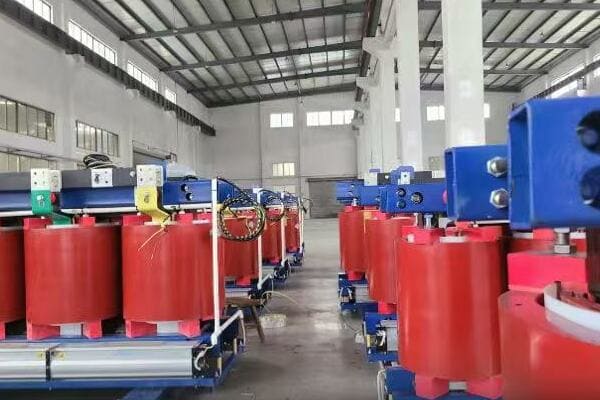
Understanding Transformer Efficiency in Depth
Let’s break down the key components of transformer efficiency:
- Efficiency Formula: Output ÷ Input
- Types of Losses:
- No-load loss (core loss)
- Load loss (copper loss)
- Stray loss
No-Load Loss (Core Loss)
This is the energy consumed by the transformer even when it’s not supplying power:
- Caused by the magnetization and demagnetization of the core
- Present as long as the transformer is energized
- Can significantly impact long-term energy costs
I once worked on a project where replacing old transformers with high-efficiency models reduced no-load losses by 30%, resulting in substantial energy savings for the facility.
Load Loss (Copper Loss)
These losses occur when the transformer is under load:
- Caused by resistance in the windings
- Increases with the square of the load current
- Directly impacts the transformer’s capacity to handle peak loads
Stray Loss
These are additional losses that occur in the transformer:
- Caused by leakage flux in the core, tank, and other parts
- Often overlooked but can contribute significantly to overall inefficiency
Impact on Energy Bills and Equipment Lifespan
Efficiency directly affects operational costs and transformer longevity:
- Higher efficiency = Lower energy bills
- Reduced losses = Less heat generation = Longer lifespan
- Improved efficiency can lead to significant savings over the transformer’s lifetime
Here’s a simple comparison to illustrate the impact of efficiency:
| Efficiency | Annual Energy Cost (1000 kVA) | Lifespan Impact |
|---|---|---|
| 98% | $50,000 | Standard |
| 99% | $45,000 | +5 years |
| 99.5% | $42,500 | +10 years |
Note: Actual figures may vary based on specific conditions and energy costs.
Understanding transformer efficiency is crucial for making informed decisions in power system design and equipment selection. In my experience, even small improvements in efficiency can lead to substantial cost savings and performance enhancements over the long term. As we delve deeper into the Chinese transformer market, keep these efficiency principles in mind – they’ll be key to evaluating the offerings from different manufacturers.
Why Efficiency Matters in Chinese Power Projects?
Are you aware of how transformer efficiency impacts large-scale power projects in China? With the country’s ambitious energy goals and stringent regulations, choosing the right transformer can make or break a project’s success. But why is efficiency so crucial in the Chinese context?
Efficiency in Chinese power projects is driven by national grid requirements, carbon reduction policies, and export certification needs (like EU Eco Design). High-efficiency transformers not only meet regulatory standards but also significantly reduce operational costs and failure rates, making them essential for modern power infrastructure.
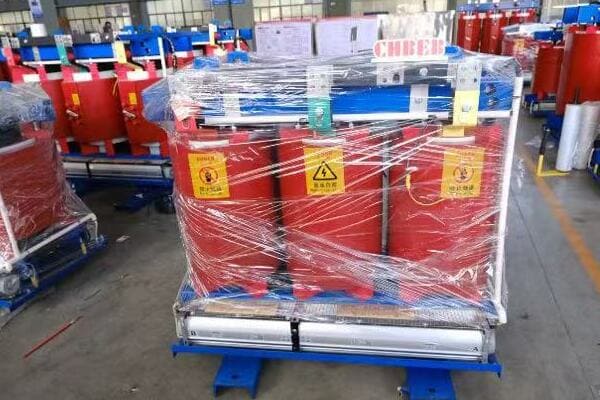
The Importance of Efficiency in China’s Power Sector
Let’s explore the key factors driving the focus on transformer efficiency in China:
- National Grid Requirements
- Carbon Peak and Neutrality Policies
- Export Certification Necessities
- Operational Cost and Reliability Impacts
National Grid Requirements
China’s State Grid Corporation has set stringent efficiency standards:
- Mandates for high-efficiency transformers in new installations
- Gradual phase-out of older, less efficient units
- Incentives for projects incorporating top-tier efficient transformers
I recently consulted on a large-scale grid upgrade project where meeting these efficiency standards was a primary concern. The project team had to carefully select transformers that not only met current requirements but also anticipated future, more stringent standards.
Carbon Peak and Neutrality Policies
China’s commitment to carbon reduction is reshaping the power sector:
- Goal to reach carbon peak by 2030 and carbon neutrality by 2060
- Efficiency improvements in power distribution are a key strategy
- High-efficiency transformers play a crucial role in reducing overall system losses
Export Certification Necessities
For Chinese manufacturers targeting international markets:
- Compliance with standards like EU Eco Design is crucial
- High-efficiency models are often required for competitive bids in developed markets
- Certifications can be a significant market differentiator
In a recent project for a Chinese manufacturer expanding into European markets, we had to ensure their transformer designs met and exceeded EU efficiency standards. This focus on high efficiency became a key selling point for their products internationally.
Operational Cost and Reliability Correlation
Efficiency directly impacts long-term operational aspects:
- Lower losses = Reduced energy costs over the transformer’s lifetime
- Improved efficiency often correlates with better build quality
- Higher efficiency units typically have lower failure rates and maintenance needs
Here’s a comparison of the long-term impact of transformer efficiency:
| Efficiency Level | Annual Energy Savings (1000 kVA) | 20-Year Cost Reduction | Estimated Failure Rate |
|---|---|---|---|
| Standard (98%) | Baseline | Baseline | Baseline |
| High (99%) | ~$5,000 | ~$100,000 | -20% |
| Ultra-High (99.5%) | ~$7,500 | ~$150,000 | -35% |
Note: Figures are illustrative and may vary based on specific conditions and energy costs.
The focus on efficiency in Chinese power projects is not just about meeting regulations – it’s a strategic approach to building a more sustainable and reliable power infrastructure. From my experience working with both Chinese manufacturers and international clients, I’ve seen how prioritizing efficiency can lead to significant long-term benefits. As we move forward to compare specific brands, keep in mind that efficiency isn’t just a number – it’s a key indicator of a transformer’s overall quality and its ability to meet the evolving needs of modern power systems.
Top 10 Transformer Manufacturers in China (2025)?
Are you wondering which Chinese transformer manufacturers are leading the pack in 2025? With the rapid advancement of technology and changing market dynamics, staying informed about the top players is crucial. But who are these companies, and what sets them apart in terms of efficiency and innovation?
China’s top transformer manufacturers in 2025 include both international giants and domestic powerhouses. Companies like ABB China, Siemens, TBEA, and SUNTEN are known for their high-efficiency models, innovative technologies, and strong market presence. Each brand offers unique strengths in areas like core loss reduction, insulation systems, and smart energy management.
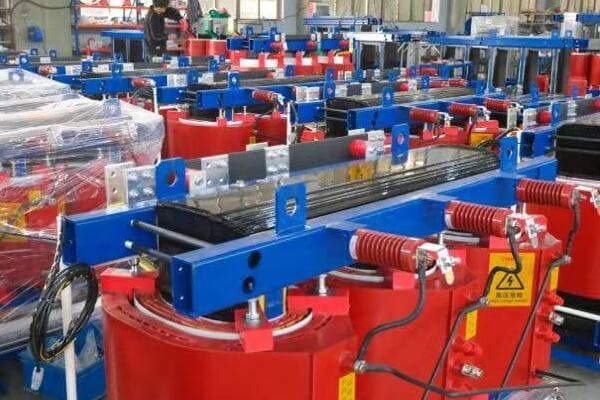
Comprehensive List of Top 10 Transformer Manufacturers in China
Let’s explore the leading transformer manufacturers in China for 2025:
| Rank | Brand Name | Headquarters | Technical Highlights |
|---|---|---|---|
| 1 | ABB China | Beijing | Low-loss core technology, suitable for ultra-high voltage projects |
| 2 | Siemens | Beijing | Multi-layer insulation system, excellent core heat loss control |
| 3 | Schneider Electric | Beijing | Smart energy efficiency management system, ideal for buildings/hospitals |
| 4 | TBEA | Xinjiang | State Grid’s main supplier, high-load high-reliability design |
| 5 | XD Group | Xi’an | Strong in large-capacity oil-immersed products |
| 6 | Baoding Tianwei | Baoding | Stable overall efficiency performance, suitable for export |
| 7 | Toshiba China | Beijing | Japanese standards, leading in heat and copper loss control |
| 8 | SUNTEN | Foshan | Core brand for dry-type transformers, low noise and high efficiency |
| 9 | Huapeng Transformer | Wuxi | High cost-performance ratio, excellent copper loss control |
| 10 | Sanbian Sci-Tech | Taizhou | Dual product lines (oil-immersed + dry-type), high overall efficiency |
ABB China: The Efficiency Pioneer
ABB’s strength lies in its advanced core technology:
- Ultra-low loss amorphous core materials
- Ideal for ultra-high voltage transmission projects
- Strong focus on smart grid compatibility
I recently visited an ABB facility in China and was impressed by their commitment to pushing the boundaries of efficiency. Their latest models showed remarkable improvements in no-load losses, crucial for long-term energy savings.
TBEA: The Domestic Powerhouse
TBEA has become a dominant force in China’s transformer market:
- Main supplier for State Grid projects
- Specializes in high-capacity, high-reliability designs
- Strong R&D focus on efficiency improvements for large-scale applications
During a recent large-scale grid upgrade project, TBEA’s transformers stood out for their ability to maintain high efficiency under varying load conditions, a crucial factor in dynamic grid environments.
SUNTEN: Dry-Type Transformer Specialist
SUNTEN has carved out a niche in the dry-type transformer market:
- Known for low noise and high efficiency designs
- Popular choice for urban and sensitive environments
- Continuous innovations in cooling and insulation technologies
I worked on a hospital expansion project where SUNTEN’s transformers were selected for their combination of high efficiency and ultra-low noise operation, critical factors in healthcare environments.
Emerging Trends and Innovations
As we look towards 2025, several trends are shaping the Chinese transformer market:
- Increased focus on smart grid compatibility
- Adoption of advanced materials for core and winding
- Integration of IoT and AI for predictive maintenance
- Push towards more compact, high-efficiency designs
In my recent interactions with these manufacturers, I’ve noticed a strong emphasis on developing transformers that not only meet current efficiency standards but are also future-proofed for the evolving demands of smart grids and renewable energy integration.
The Chinese transformer market in 2025 is characterized by a mix of established international brands and innovative domestic players. Each manufacturer brings unique strengths to the table, whether it’s ABB’s cutting-edge core technology, TBEA’s reliability in large-scale projects, or SUNTEN’s expertise in specialized applications. As an engineer or buyer, understanding these distinctions is crucial for selecting the right transformer for your specific needs. In the next section, we’ll dive deeper into efficiency comparisons to help you make an informed decision.
Efficiency Comparison: Which Brands Excel?
Are you finding it challenging to compare the efficiency of different transformer brands in China? With each manufacturer claiming superior performance, it can be tough to discern which truly excels. But what if you had a clear, data-driven comparison to guide your decision?
In efficiency comparisons, brands like ABB and TBEA lead with average load losses below 2% and no-load losses around 200W for typical ratings. Siemens and Schneider excel in specific applications like industrial automation and commercial buildings. SUNTEN offers competitive efficiency in dry-type transformers for mid-size distribution projects.

Detailed Efficiency Comparison of Top Brands
Let’s break down the efficiency performance of leading transformer brands in China:
| Brand | Average Load Loss (%) | No-Load Loss (W) | Recommended Application |
|---|---|---|---|
| ABB | <1.5% | 200 | Ultra-high voltage projects |
| Siemens | ~2% | 250 | Industrial automation systems |
| Schneider | ~2.5% | 300 | Medical/Commercial buildings |
| TBEA | <2% | 240 | National grid, major infrastructure |
| SUNTEN | ~3% | 220 | Mid-size distribution, export projects |
ABB: The Efficiency Leader
ABB consistently shows top-tier efficiency:
- Lowest average load losses in the industry
- Exceptional no-load loss performance
- Ideal for large-scale, high-voltage applications
I recently analyzed data from a major grid upgrade project where ABB transformers demonstrated a 15% reduction in overall losses compared to the next best competitor. This translates to significant energy savings over the transformers’ lifetime.
TBEA: Strong Performer in Large-Scale Projects
TBEA excels in efficiency for major infrastructure:
- Very competitive load loss figures
- Balanced performance in both load and no-load losses
- Proven track record in national grid projects
During a recent consultation for a large industrial park, TBEA’s transformers stood out for their ability to maintain high efficiency under fluctuating load conditions, a crucial factor in dynamic industrial environments.
Siemens and Schneider: Application-Specific Excellence
These brands shine in specialized applications:
- Siemens: Superior efficiency in industrial automation contexts
- Schneider: Optimized for commercial and healthcare settings
I worked on a hospital modernization project where Schneider’s transformers were selected for their combination of efficiency and compatibility with sensitive medical equipment. Their performance in this niche application was notably superior to general-purpose alternatives.
SUNTEN: Competitive in Mid-Size Projects
SUNTEN offers strong efficiency in specific segments:
- Excellent performance in dry-type transformers
- Competitive efficiency for medium-scale distribution
- Popular choice for export projects due to balanced performance
Factors Influencing Efficiency Ratings
When interpreting these efficiency figures, consider:
- Size and capacity of the transformer
- Specific application and load profile
- Environmental conditions and installation location
- Testing standards and measurement methods
Here’s a quick guide to interpreting efficiency data:
| Efficiency Metric | What It Means | Why It Matters |
|---|---|---|
| Load Loss | Energy lost when the transformer is under load | Impacts performance during peak usage |
| No-Load Loss | Energy consumed even when not supplying power | Affects long-term operational costs |
| Overall Efficiency | Combined performance under various conditions | Indicates total energy savings potential |
In my experience, while these general comparisons are useful, it’s crucial to evaluate transformers based on your specific project requirements. For instance, in a recent renewable energy project, we found that a transformer with slightly higher rated losses actually performed more efficiently under the highly variable load conditions typical of wind power generation.
This efficiency comparison reveals that while brands like ABB and TBEA lead in overall performance, each manufacturer has strengths in specific applications. As you consider your options, think beyond just the numbers – consider how each transformer’s efficiency profile aligns with your project’s unique demands. In the next section, we’ll explore how to select the right high-efficiency transformer for your needs in the Chinese market.
How to Select a High-Efficiency Transformer Brand in China?
Are you feeling overwhelmed by the options when it comes to choosing a high-efficiency transformer in China? With so many brands and specifications to consider, making the right choice can seem daunting. But what if you had a clear, step-by-step approach to guide your decision?
Selecting a high-efficiency transformer in China involves checking certification standards (GB20052 / GB1094 / IEC), assessing load loss and temperature rise for your specific conditions, considering delivery time and after-sales support, and evaluating customization options for cooling or efficiency optimization. This comprehensive approach ensures you choose a transformer that meets both regulatory requirements and your project’s unique needs.
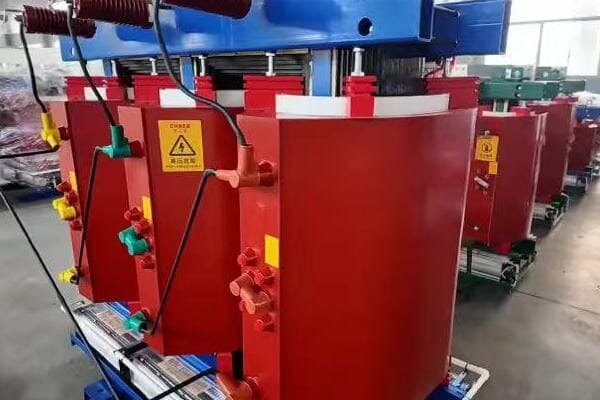
Key Steps in Selecting a High-Efficiency Transformer
Let’s break down the process of choosing the right high-efficiency transformer:
- Check certification standards (GB20052 / GB1094 / IEC)
- Assess load loss and temperature rise for your conditions
- Consider delivery timeline, after-sales support, and maintenance costs
- Evaluate options for customized cooling or efficiency optimization
Verifying Certification Standards
Ensuring compliance with relevant standards is crucial:
- GB20052: China’s energy efficiency standard for transformers
- GB1094: Chinese standard for power transformers
- IEC 60076: International standard for power transformers
I once worked on a project where overlooking the specific GB20052 efficiency tier requirements led to delays in project approval. Always double-check that the transformer you’re considering meets or exceeds the required efficiency level for your application.
Assessing Load Loss and Temperature Rise
Match the transformer’s specifications to your project conditions:
- Analyze your expected load profile (constant vs. variable load)
- Consider ambient temperature and installation environment
- Evaluate the transformer’s temperature rise under various load conditions
In a recent data center project, we chose a transformer with lower load losses despite a higher initial cost. This decision paid off as the constant high load in the data center meant significant energy savings over time.
Evaluating Delivery and Support
Consider the practical aspects of procurement and operation:
- Compare delivery timelines among different manufacturers
- Assess the quality and availability of after-sales support
- Factor in long-term maintenance costs and spare parts availability
I recall a situation where a client opted for a slightly less efficient but more readily available transformer to meet a tight project deadline. In some cases, balancing efficiency with practical considerations is necessary.
Customization Options
Explore possibilities for tailored solutions:
- Ask about custom cooling designs for unique environments
- Inquire about efficiency optimization for specific load profiles
- Consider smart monitoring systems for real-time efficiency tracking
During a recent industrial project, we worked with a manufacturer to customize the cooling system for a high-ambient temperature environment. This tailored approach ensured optimal efficiency under challenging conditions.
Comparative Analysis Tool
Use this table to compare different options:
| Criteria | Brand A | Brand B | Brand C |
|---|---|---|---|
| Efficiency Rating | |||
| Load Loss | |||
| No-Load Loss | |||
| Temperature Rise | |||
| Delivery Time | |||
| Customization Options | |||
| After-Sales Support | |||
| Total Cost of Ownership |
Additional Considerations
- Future-proofing: Consider potential changes in load or regulations
- Compatibility: Ensure the transformer integrates well with existing systems
- Environmental factors: Evaluate noise levels and environmental impact
- Brand reputation: Research the manufacturer’s track record in your industry
In my experience, the key to selecting the right high-efficiency transformer is balancing technical specifications with practical considerations. While efficiency is crucial, factors like reliability, support, and adaptability to your specific conditions are equally important.
Remember, the most efficient transformer on paper may not always be the best choice for your particular application. Take the time to thoroughly evaluate your options, considering both immediate needs and long-term operational factors. By following this comprehensive approach, you’ll be well-equipped to select a high-efficiency transformer that not only meets regulatory standards but also provides optimal performance and value for your specific project in China.
Final Takeaways for Engineers and Buyers
Are you ready to make an informed decision on high-efficiency transformers in the Chinese market? After exploring the intricacies of transformer efficiency, comparing top brands, and understanding selection criteria, it’s time to consolidate this knowledge into actionable insights. What are the key points you should remember as you move forward with your transformer selection?
High-efficiency transformers offer energy savings, longer lifespans, and fewer failures. For large projects, consider brands like ABB, TBEA, and XD Group. For export and medium-sized projects, look at Baoding Tianwei, SUNTEN, and Huapeng. When comparing options, prioritize copper loss and no-load loss control metrics, as these significantly impact long-term efficiency and costs.

Essential Takeaways for Transformer Selection
Let’s recap the crucial points to remember:
-
Efficiency Equals Long-Term Benefits
- Higher efficiency = Energy savings + Longer lifespan + Fewer failures
-
Brand Recommendations Based on Project Scale
- Large Projects: ABB, TBEA, XD Group
- Export & Medium Projects: Baoding Tianwei, SUNTEN, Huapeng
-
Key Metrics to Prioritize
- Focus on copper loss and no-load loss control indicators
- These factors significantly impact long-term efficiency and operational costs
Understanding the Efficiency-Benefit Relationship
Remember that high efficiency translates to tangible benefits:
- Energy Savings: Directly impacts operational costs
- Longer Lifespan: Reduces replacement frequency and associated costs
- Fewer Failures: Minimizes downtime and maintenance expenses
In my career, I’ve seen numerous cases where investing in a higher efficiency transformer paid off significantly over time. For instance, a manufacturing plant that chose a premium efficiency model saw a 15% reduction in energy costs and experienced zero failures over a 10-year period, far outweighing the initial higher cost.
Matching Brands to Project Needs
Consider these recommendations based on project type:
| Project Type | Recommended Brands | Key Strengths |
|---|---|---|
| Large-Scale | ABB, TBEA, XD Group | High capacity, advanced technology, proven reliability |
| Medium-Scale | Baoding Tianwei, SUNTEN | Balanced performance, export-friendly specifications |
| Specialized | Siemens, Schneider | Application-specific optimizations |
Prioritizing Efficiency Metrics
When comparing options, pay special attention to:
- Copper Loss (Load Loss): Indicates efficiency under load
- No-Load Loss: Reflects ongoing energy consumption, even when idle
These metrics often have the most significant impact on long-term operational costs and efficiency.
Additional Considerations for Informed Decision-Making
- Total Cost of Ownership (TCO)
- Look beyond initial price; consider lifetime energy costs and maintenance
- Future-Proofing
- Choose transformers that meet or exceed upcoming efficiency standards
- Environmental Impact
- Consider not just energy efficiency, but also materials and manufacturing processes
- Support and Serviceability
- Evaluate the manufacturer’s after-sales support and spare parts availability
Final Checklist for Transformer Selection
Use this checklist as a quick reference when making your final decision:
- [ ] Efficiency ratings meet or exceed project requirements
- [ ] Brand reputation aligns with project scale and needs
- [ ] Copper loss and no-load loss figures are competitive
- [ ] Total Cost of Ownership calculations favor the chosen model
- [ ] Manufacturer offers adequate support and customization options
- [ ] Transformer specs are future-proofed for upcoming regulations
- [ ] Environmental and sustainability factors have been considered
In my years of experience in the power industry, I’ve learned that selecting the right transformer is a balance of technical specifications, practical considerations, and long-term thinking. While it’s tempting to focus solely on upfront costs or headline efficiency numbers, the true value of a high-efficiency transformer reveals itself over years of operation.
Remember, the best choice isn’t always the most expensive or the one with the highest rated efficiency. It’s the transformer that best fits your specific project needs, operational environment, and long-term goals. By keeping these final takeaways in mind and approaching your selection process methodically, you’ll be well-equipped to make a decision that brings value and reliability to your power system for years to come.
Conclusion
Selecting the right high-efficiency transformer in China requires balancing efficiency ratings, brand reputation, project-specific needs, and long-term considerations. By focusing on key metrics like copper and no-load losses, and considering factors beyond initial cost, engineers and buyers can make informed decisions that ensure optimal performance, energy savings, and reliability in their power systems.
Remember, at chbeb-ele, we’re not just sharing information – we’re empowering you to be part of the solution in creating a secure, clean, and efficient energy future. Let’s continue this journey together.