Send us a message if you have any questions or request a quote. Our experts will give you a reply within 24 hours and help you select the right valve you want.
Are you struggling to understand why quotes for 1000 kVA oil-immersed transformers vary so widely? You’re not alone. Many project managers and procurement teams find themselves confused by the range of prices they receive. But what if you could decode the factors that truly drive these costs?
The price of a 1000 kVA oil-immersed transformer is influenced by several key factors: core and winding materials (copper vs. aluminum), insulation quality, cooling method (ONAN/ONAF), tap changer type (OLTC/NLTC), voltage class, and additional features like monitoring systems. External factors such as raw material prices, logistics costs, and certification requirements also play a significant role. Prices typically range from $7,000 to $14,000, depending on specifications and supplier.
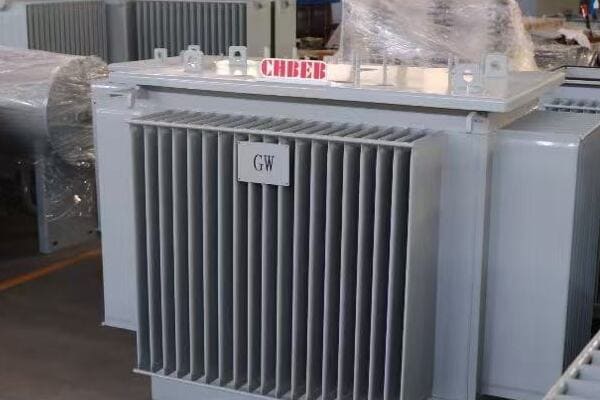
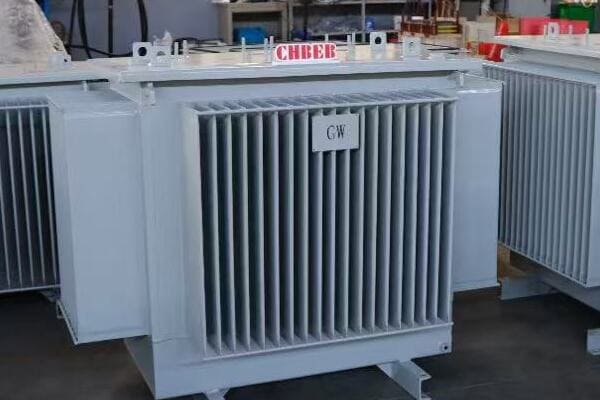
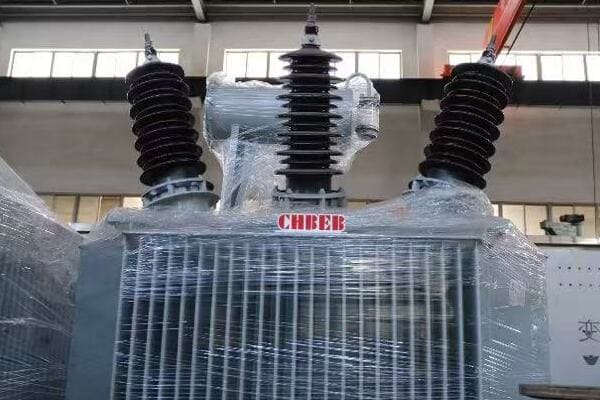
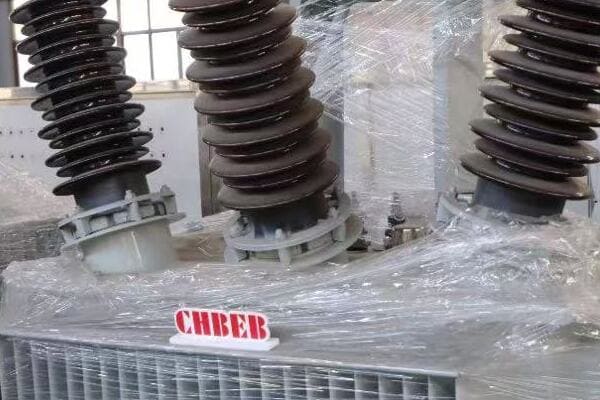
1000 kVA Oil-Immersed Transformer Components
In this comprehensive guide, I’ll walk you through the various factors that affect the pricing of 1000 kVA oil-immersed transformers. We’ll explore why these transformers are common in industrial and utility projects, break down the cost components, and examine how technical specifications impact the final price. Whether you’re planning a new installation or upgrading existing infrastructure, this article will provide valuable insights to help you make informed decisions and get the best value for your investment.
Why 1000 kVA Oil-Immersed Transformers Are Common in Industrial and Utility Projects?
Have you ever wondered why 1000 kVA transformers seem to be everywhere in industrial settings and utility projects? The answer lies in their versatility and optimal capacity for a wide range of applications. But what specific advantages do these transformers offer that make them so popular?
1000 kVA oil-immersed transformers are widely used in industrial and utility projects due to their versatile capacity, which is ideal for medium-sized factories, small substations, and renewable energy installations. They are commonly found in 11kV, 20kV, and 33kV systems, providing an excellent balance between power capacity and cost-effectiveness. These transformers are particularly suitable for backup power systems, medium-voltage step-down points, and primary power distribution in various industrial and commercial settings.
1000 kVA Transformer Applications
Key Applications and Advantages
Let’s explore the main reasons for the popularity of 1000 kVA transformers:
Versatile Capacity for Various Settings
Compatibility with Common Voltage Systems
Cost-Effective Power Distribution
Reliability and Durability
Flexibility for Future Expansion
Versatile Capacity for Various Settings
Ideal power range for multiple applications:
Medium-sized manufacturing facilities
Commercial complexes and shopping centers
Small to medium-sized data centers
Renewable energy projects (solar and wind farms)
I recently worked on a project for a new manufacturing plant where we installed two 1000 kVA transformers. This setup provided ample power for the production lines while allowing for future expansion, showcasing the versatility of this capacity range.
Compatibility with Common Voltage Systems
Adaptable to various distribution voltages:
11kV systems common in urban distribution
20kV networks often found in industrial parks
33kV systems for larger industrial or utility applications
During a recent utility upgrade project, we chose 1000 kVA transformers for their ability to easily integrate into the existing 33kV/400V distribution system, providing a seamless transition without major infrastructure changes.
Cost-Effective Power Distribution
Balancing capacity and economics:
Optimal size for efficient power distribution
Lower initial cost compared to larger units
Reduced maintenance expenses
Here’s a quick comparison of transformer sizes and their typical applications:
Transformer Size
Typical Application
Cost-Effectiveness
500 kVA
Small commercial buildings
Higher cost per kVA
1000 kVA
Medium industries, data centers
Optimal balance
2000 kVA
Large industries, substations
Lower cost per kVA, but higher initial investment
Reliability and Durability
Built for long-term performance:
Oil-immersed design for excellent cooling
Suitable for continuous operation in harsh environments
Long service life with proper maintenance
Flexibility for Future Expansion
Adaptable to growing power needs:
Capacity to handle load increases
Potential for parallel operation
Easier to upgrade compared to multiple smaller units
Key points about the popularity of 1000 kVA transformers:
They offer versatile capacity suitable for various industrial and commercial applications
Compatible with common medium-voltage distribution systems
Provide a cost-effective solution for power distribution
Known for reliability and durability in demanding environments
Offer flexibility for future power demand increases
In my experience, the 1000 kVA transformer often serves as a "sweet spot" in capacity for many projects. I recall a case where we were designing the power distribution for a new technology park. By choosing 1000 kVA units, we were able to efficiently serve a diverse range of tenants, from small startups to medium-sized tech companies, all while maintaining the flexibility to accommodate future growth.
For example, in a recent renewable energy project involving a mid-sized solar farm, we utilized 1000 kVA transformers as the interface between the solar inverters and the grid connection point. This capacity proved ideal for managing the variable output of the solar arrays while meeting the utility’s interconnection requirements.
As we move on to discuss the key cost components of 1000 kVA oil-immersed transformers, keep in mind how these versatile units fit into various project scenarios. Understanding their applications will help you appreciate the factors that influence their pricing and selection.
Key Cost Components of a 1000 kVA Oil-Immersed Transformer?
Are you finding it challenging to understand why transformer quotes can vary so significantly? You’re not alone. Many project managers struggle to decipher the breakdown of costs in transformer pricing. But what are the main components that contribute to the overall cost of a 1000 kVA oil-immersed transformer?
The key cost components of a 1000 kVA oil-immersed transformer include the core material (typically silicon steel or amorphous metal), winding material (copper or aluminum), insulating oil, tank construction, and accessories like bushings and tap changers. The core and windings usually account for 50-60% of the total cost, with the core material choice significantly impacting efficiency and price. Other factors include the cooling system design (ONAN/ONAF), protection devices, and the overall build quality and brand reputation of the manufacturer.
1000 kVA Transformer Cost Breakdown
Breaking Down the Cost Structure
Let’s examine the main cost components:
Core Material
Winding Material
Insulating Oil and Tank
Accessories and Protection Devices
Manufacturing and Brand Value
Core Material
The heart of the transformer:
Cold-rolled grain-oriented (CRGO) silicon steel: Standard choice
Amorphous metal: Higher efficiency, but more expensive
Core design and construction affect no-load losses
I recently worked on a project where we compared CRGO and amorphous core transformers. While the amorphous core unit was about 20% more expensive, its significantly lower no-load losses made it more economical over its lifetime, especially for applications with long idle periods.
Winding Material
Conductor choices and their impact:
Copper: Higher conductivity, more expensive
Aluminum: Lower cost, but larger size for same capacity
Winding design affects load losses and short-circuit strength
During a recent industrial transformer upgrade, we opted for copper windings despite the higher initial cost. The decision was driven by the need for a compact design in a space-constrained substation and the client’s focus on long-term efficiency.
Tank size and material affect overall weight and price
Here’s a simplified cost breakdown of a typical 1000 kVA transformer:
Component
Percentage of Total Cost
Notes
Core
25-30%
Varies with material choice
Windings
25-30%
Copper vs. Aluminum
Oil and Tank
15-20%
Depends on oil type and tank design
Accessories
10-15%
Bushings, tap changers, etc.
Labor and Overhead
10-15%
Varies by manufacturer and location
Accessories and Protection Devices
Enhancing functionality and safety:
Bushings: Type and rating affect cost
Tap changers: OLTC more expensive than NLTC
Monitoring and protection devices: Temperature gauges, pressure relief valves
Manufacturing and Brand Value
Intangible but significant factors:
Manufacturing efficiency and quality control
R&D investments reflected in design improvements
Brand reputation and after-sales support
Key points about cost components of 1000 kVA transformers:
Core and winding materials are the most significant cost factors
Insulating oil and tank design play a crucial role in overall pricing
Accessories and protection devices can significantly impact the final cost
Manufacturing processes and brand value influence pricing
Energy efficiency features may increase upfront costs but offer long-term savings
In my experience, understanding these cost components is crucial for making informed decisions. I recall a project where the client initially focused solely on the lowest bid. By breaking down the costs and explaining the long-term benefits of higher-quality components, we were able to justify a slightly higher investment in a more efficient transformer that ultimately provided better value over its lifecycle.
For example, in a recent data center project, we chose a transformer with an amorphous core and copper windings, despite the higher initial cost. This decision was driven by the 24/7 operational nature of the facility, where even small improvements in efficiency translated to significant energy savings over time. The additional investment in advanced monitoring systems also provided better reliability and predictive maintenance capabilities, crucial for such a critical application.
As we move on to discuss the technical specifications that impact transformer price, keep these cost components in mind. Understanding the relationship between these factors and the technical choices you make will help you optimize your transformer selection for both performance and cost-effectiveness.
Technical Specifications That Impact Transformer Price?
Are you struggling to understand why seemingly small changes in transformer specifications can lead to significant price differences? You’re not alone. Many project managers and engineers find themselves puzzled by the complex relationship between technical specs and costs. But which specifications have the most substantial impact on the price of a 1000 kVA oil-immersed transformer?
Key technical specifications that impact the price of a 1000 kVA oil-immersed transformer include voltage class (HV/LV ratings), insulation level, tap changer type (OLTC vs. NLTC), efficiency standards (losses), cooling method (ONAN/ONAF), and special requirements like low noise levels or high short-circuit strength. The choice between standard and custom designs, as well as additional features like advanced monitoring systems, can also significantly affect the final price. Higher voltage classes, better efficiency, and more sophisticated control options generally lead to increased costs.
Transformer Specifications vs Price Impact
Key Technical Factors Influencing Price
Let’s examine the main specifications that affect pricing:
Voltage Class and Insulation Level
Tap Changer Configuration
Efficiency and Loss Evaluation
Cooling System Design
Special Requirements and Additional Features
Voltage Class and Insulation Level
Impact on design and materials:
Higher voltage classes require more insulation
Affects clearances and overall size
Influences bushing selection and cost
I recently worked on a project comparing 11kV and 33kV transformers of the same capacity. The 33kV unit was about 15% more expensive due to the additional insulation requirements and higher-rated bushings needed.
Tap Changer Configuration
Voltage regulation options:
No-Load Tap Changer (NLTC): Basic, lower cost
On-Load Tap Changer (OLTC): More expensive, better regulation
Number of tap positions and range affect complexity and price
During a recent grid stability improvement project, we opted for an OLTC with a wide ±10% range. While this increased the transformer cost by about 20%, it provided crucial voltage regulation capabilities in an area with significant voltage fluctuations.
Efficiency and Loss Evaluation
Balancing initial cost with long-term savings:
Lower loss designs typically more expensive upfront
Efficiency standards (e.g., EU Ecodesign) impact design and materials
Capitalization of losses in tender evaluations
Here’s a simplified view of how efficiency choices affect price:
Efficiency Level
Price Impact
Long-Term Benefit
Standard
Base price
Standard operating costs
High Efficiency
+10-15%
Lower energy costs
Ultra-High Efficiency
+20-30%
Significant long-term savings
Cooling System Design
Thermal management choices:
ONAN (Oil Natural Air Natural): Basic, lower cost
ONAF (Oil Natural Air Forced): Better cooling, higher cost
OFAF/ODAF: For high-capacity or special applications, most expensive
Special Requirements and Additional Features
Customization and enhancements:
Low noise requirements increase cost
High short-circuit strength designs
Advanced monitoring and control systems
Special paint or corrosion protection for harsh environments
Key points about technical specifications impacting transformer price:
Voltage class and insulation level significantly affect material costs
Tap changer type and range influence regulation capabilities and price
Efficiency standards play a crucial role in design and long-term costs
Cooling system choice impacts performance and price
Special requirements can substantially increase costs but may be necessary for specific applications
In my experience, understanding the impact of these specifications is crucial for optimizing transformer selection. I recall a case where a client initially specified a highly customized design with features they didn’t actually need. By carefully reviewing their requirements and explaining the cost implications of each specification, we were able to optimize the design, resulting in a more cost-effective solution that still met all their operational needs.
For example, in a recent renewable energy project, we had to balance the need for high efficiency with cost constraints. By opting for a slightly higher efficiency design with an OLTC, we increased the initial cost by about 12%. However, this choice significantly improved the transformer’s ability to handle the variable output from wind turbines, ultimately leading to better grid integration and higher overall system efficiency.
As we move on to discuss external factors affecting pricing, keep these technical specifications in mind. Understanding how they interact with market conditions and manufacturing processes will give you a more comprehensive view of transformer pricing dynamics.
External Factors Affecting Pricing: Raw Materials, Logistics, and Certification?
Are you finding it challenging to understand why transformer prices can fluctuate even when specifications remain unchanged? You’re not alone. Many buyers are puzzled by price variations that seem unrelated to the transformer itself. But what external factors play a significant role in determining the final cost of a 1000 kVA oil-immersed transformer?
External factors significantly impacting transformer pricing include raw material costs (especially copper and electrical steel), global logistics expenses, and certification requirements. Copper prices, which can be highly volatile, directly affect winding costs. Shipping fees, particularly for international orders, can add substantially to the total price. Certification processes like IEC, ANSI, or regional standards compliance involve testing costs and potential design modifications. Additionally, exchange rate fluctuations and trade policies can influence pricing for international purchases.
Let’s examine the main external elements affecting pricing:
Raw Material Costs
Logistics and Shipping
Certification and Testing
Global Economic Factors
Regulatory and Environmental Considerations
Raw Material Costs
Volatile commodities impacting pricing:
Copper: Major component in windings, prices fluctuate significantly
Electrical steel: Core material, affected by global steel markets
Transformer oil: Influenced by petroleum prices
I recently managed a large transformer procurement project where we had to adjust our budget mid-project due to a 15% spike in copper prices. This unexpected change highlighted the importance of considering material cost trends in long-term planning.
Logistics and Shipping
Transportation challenges and costs:
Domestic vs. international shipping
Special handling for large transformers
Import duties and customs clearance
During a recent international project, we found that shipping costs for a 1000 kVA transformer from China to South America accounted for nearly 10% of the total cost, significantly impacting the overall project budget#### Certification and Testing
Ensuring compliance and quality:
IEC, ANSI, or regional standard certifications
Type testing and routine testing costs
Special certifications for specific markets or applications
Here’s a quick overview of how certification requirements can impact costs:
Certification Type
Cost Impact
Benefit
Basic (e.g., ISO 9001)
Minimal
Quality assurance
IEC/ANSI Compliance
Moderate
International acceptance
Special (e.g., UL, CSA)
Significant
Market-specific entry
Custom Requirements
High
Meeting unique project needs
Global Economic Factors
Macroeconomic influences on pricing:
Exchange rate fluctuations
Trade policies and tariffs
Global demand for electrical equipment
Regulatory and Environmental Considerations
Adapting to changing standards:
Energy efficiency regulations
Environmental restrictions on materials
Safety standards evolution
Key points about external factors affecting transformer pricing:
Raw material costs, especially copper, can cause significant price fluctuations
Logistics expenses vary greatly based on destination and transformer size
Certification requirements add to costs but are often necessary for market entry
Global economic factors can impact pricing, especially for international purchases
Regulatory changes may necessitate design modifications, affecting costs
In my experience, these external factors can sometimes have a more significant impact on pricing than minor changes in technical specifications. I recall a project where we were sourcing transformers from an overseas manufacturer. A sudden change in trade policies resulted in new tariffs, increasing our costs by nearly 8%. This situation taught us the importance of building contingencies into our budgets for international procurement.
For example, during a recent renewable energy project, we had to navigate the complexities of obtaining specialized certifications for grid-connected transformers. The additional testing and documentation required for these certifications added about 5% to the overall cost of each transformer. However, this investment was crucial for ensuring compliance with local grid codes and securing project approvals.
As we move on to compare price ranges for domestic and export transformers, keep these external factors in mind. Understanding how they interact with market dynamics and regional requirements will help you better anticipate and manage the total cost of your transformer procurement.
Price Range Comparison: Domestic vs Export Transformers?
Are you struggling to understand the price differences between domestically sourced and exported transformers? You’re not alone. Many buyers find themselves confused by the sometimes significant price gaps between local and international options. But what factors contribute to these differences, and how can you determine which option offers the best value for your project?
The price range for 1000 kVA oil-immersed transformers varies significantly between domestic and export markets. Domestic prices in China typically range from $7,000 to $9,000, while export prices can range from $8,000 to $11,000 or more. This difference is primarily due to factors such as higher-grade materials for exports, additional certification costs, more robust packaging for international shipping, and import/export fees. Export transformers often meet stricter international standards, which can justify their higher prices but also provide better quality and reliability.
Domestic vs Export Transformer Price Comparison
Understanding Price Differences
Let’s break down the key factors influencing domestic and export pricing:
Material Quality and Standards
Certification and Testing Requirements
Packaging and Shipping Costs
Market-Specific Customizations
Economic Factors and Profit Margins
Material Quality and Standards
Differences in component specifications:
Export models often use higher grade electrical steel
More stringent quality control for export units
Enhanced insulation materials for international standards
I recently compared domestic and export versions of a 1000 kVA transformer from the same manufacturer. The export model used higher grade CRGO steel in its core, resulting in lower losses but a 10% higher price tag.
Certification and Testing Requirements
Meeting diverse global standards:
International certifications (IEC, ANSI) for export models
Additional type testing for different markets
Documentation and traceability requirements
During a recent project for a multinational client, we had to source transformers that met both IEC and ANSI standards. This dual certification requirement added about 15% to the cost compared to standard export models.
Packaging and Shipping Costs
Preparing for international transit:
Robust packaging for long-distance shipping
Special handling and transportation arrangements
Insurance and customs clearance costs
Here’s a simplified comparison of costs for domestic vs. export transformers:
Cost Factor
Domestic
Export
Base Price
100%
110-120%
Packaging
Basic
Enhanced (+3-5%)
Shipping
Local rates
International rates (+5-10%)
Certification
Standard
Comprehensive (+5-8%)
Total
100%
123-143%
Market-Specific Customizations
Adapting to regional requirements:
Voltage and frequency adjustments
Climate-specific design modifications
Compliance with local grid codes
Economic Factors and Profit Margins
Balancing costs and returns:
Currency exchange rate impacts
Different profit margins for domestic and export markets
Volume discounts and long-term contract considerations
Key points about domestic vs. export transformer pricing:
Export transformers generally cost more due to higher quality materials and standards
Certification and testing requirements add significant costs to export models
Packaging and shipping expenses are substantially higher for exports
Market-specific customizations can further increase export prices
Economic factors and profit strategies differ between domestic and export sales
In my experience, the decision between domestic and export transformers often involves more than just price. I recall a project where we initially considered lower-priced domestic units for a critical infrastructure application. However, after a thorough analysis of long-term reliability and performance data, we opted for slightly more expensive export models. The higher upfront cost was justified by better efficiency, more comprehensive warranties, and easier integration with international standards.
For example, in a recent industrial expansion project in Southeast Asia, we compared transformers from local manufacturers with exported units from China. While the exported transformers were about 20% more expensive, they offered superior performance in the high-humidity environment and came with more comprehensive after-sales support. This choice proved valuable when we encountered installation challenges, and the manufacturer provided expert on-site assistance.
As we move on to discuss the top suppliers in China offering 1000 kVA oil-immersed transformers, keep these price considerations in mind. Understanding the factors behind pricing differences will help you make a more informed decision when selecting a supplier for your specific needs.
Top 10 Suppliers in China Offering 1000 kVA Oil-Immersed Transformers (2025 Edition)?
Are you finding it challenging to identify reliable suppliers for 1000 kVA oil-immersed transformers in China? You’re not alone. With so many options available, it can be overwhelming to determine which manufacturers offer the best balance of quality, price, and service. But which companies stand out in 2025 for their expertise in producing these crucial power distribution components?
The top 10 suppliers of 1000 kVA oil-immersed transformers in China for 2025 include industry leaders like TBEA, CHINT, and XD Group, alongside specialized manufacturers such as CHBEB and Shandong Taikai. These companies are distinguished by their advanced manufacturing capabilities, international certifications, strong export presence, and expertise in specific market segments. They offer a range of options from high-end, ultra-efficient models to more economical solutions, catering to diverse project requirements and budgets across global markets.
Top 10 Chinese 1000 kVA Transformer Manufacturers
Leading 1000 kVA Transformer Manufacturers in China
Let’s examine the top 10 companies and their key strengths:
TBEA
CHINT
CHBEB (China Bei Er Bian)
XD Group
Sieyuan Electric
Shandong Taikai
Pinggao Group
Tianwei Group
Hengyang Transformer
Shanghai Electric
TBEA
High-end transformer specialist:
Price range: $10,000 – $13,000
Key features: Advanced OLTC, high efficiency
Target markets: National Grid projects, Central Asia, Africa
Certifications: IEC, CNAS, ISO
I recently visited TBEA’s manufacturing facility and was impressed by their state-of-the-art testing lab, which ensures each transformer meets stringent quality standards before shipment.
CHINT
Value-oriented distribution transformer expert:
Price range: $8,000 – $10,500
Strengths: Rapid delivery, cost-effective for medium voltage
Key markets: Southeast Asia, Africa, Latin America
Certifications: CE, ISO
During a recent project in Thailand, we sourced CHINT transformers for a large industrial park. Their competitive pricing and quick turnaround time were crucial for meeting our tight project schedule.
CHBEB (China Bei Er Bian)
Customization specialists:
Price range: $7,500 – $9,800
Unique offering: Tailored solutions for harsh environments
Key markets: Middle East, South America, Eastern Europe
Certifications: IEC, ISO, CE
Here’s a quick overview of CHBEB’s typical 1000 kVA transformer specifications:
Feature
Specification
Voltage Class
10kV/0.4kV
Cooling Method
ONAN/ONAF
Tap Changer
OLTC, ±10%, 17 positions
Efficiency
>98.6%
Special Features
Smart monitoring system
XD Group
State grid standard supplier:
Price range: $10,000+
Focus: High-reliability designs for critical infrastructure
Key markets: Domestic projects, Belt and Road initiatives
Key points about China’s top 1000 kVA transformer manufacturers:
They offer a wide range of options from budget-friendly to high-end models
Many have strong international presence and export capabilities
Several specialize in specific applications or market segments
There’s a growing focus on energy efficiency and smart grid compatibility
Customization and after-sales support are becoming key differentiators
In my experience, the diversity of these top manufacturers provides excellent options for various project needs. I recall a large-scale grid modernization project where we sourced transformers from multiple Chinese manufacturers on this list. By leveraging the specific strengths of each company – such as TBEA’s high-efficiency models for critical nodes and CHINT’s cost-effective units for widespread distribution – we were able to optimize the overall system performance while managing costs effectively.
For example, in a recent renewable energy project involving both solar and wind power integration, we utilized transformers from Shandong Taikai. Their experience with variable renewable inputs and grid connection requirements was crucial in ensuring stable power output and meeting stringent grid codes.
As we conclude our discussion, remember that choosing the right supplier involves balancing technical specifications, price, and long-term reliability. Consider your specific project requirements, budget constraints, and the level of after-sales support you need when making your selection.
Conclusion: How to Balance Cost, Performance, and Supplier Reliability
Selecting the right 1000 kVA oil-immersed transformer involves carefully weighing cost, performance specifications, and supplier reliability. Consider long-term efficiency and maintenance costs, not just the initial price. Evaluate suppliers based on their technical expertise, customization capabilities, and after-sales support. Always request detailed quotations that break down costs and specifications to make informed comparisons. Remember, the cheapest option isn’t always the most cost-effective in the long run.
Remember, at chbeb-ele, we’re not just sharing information – we’re empowering you to be part of the solution in creating a secure, clean, and efficient energy future. Let’s continue this journey together.
Hello! 👋 Welcome to CHBEB.
We are a transformer manufacturer with 60+ years of experience.
✅ Distribution & Power Transformers (Oil & Dry Type)
✅ Customized EPC & OEM Solutions
✅ Fast Delivery & International Certifications