
Are you struggling to find accurate size information for pad mounted transformers? You’re not alone. Many engineers and project managers face challenges when estimating space requirements or planning installations. But what if you had a comprehensive size chart at your fingertips?
Pad mounted transformer sizes vary significantly based on kVA rating and voltage class. Typical dimensions range from 950x800x1050mm for 100kVA units to 2000x1350x1650mm for 2500kVA transformers. Weight increases from about 450kg to over 3200kg across this range. Factors like cooling method and manufacturer design also influence size. Understanding these dimensions is crucial for site planning, transportation logistics, and ensuring proper clearances for installation and maintenance.
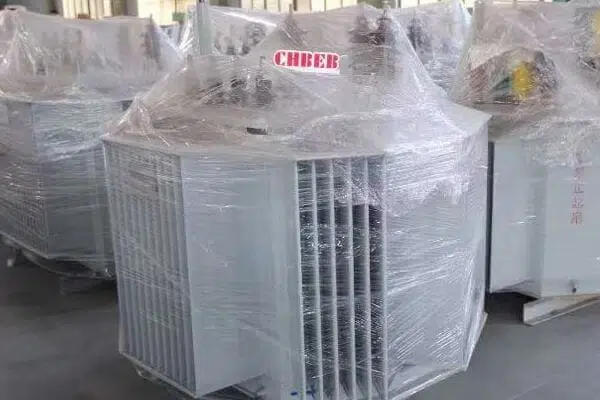
In this guide, I’ll provide you with detailed size charts for common pad mounted transformer ratings, explain key installation considerations, and compare dimensions across major Chinese manufacturers. Whether you’re in the early stages of project planning or finalizing your procurement specs, this information will help you make informed decisions and avoid costly mistakes.
What Is a Pad Mounted Transformer and Why Size Matters?
Have you ever wondered why some transformers are mounted on concrete pads instead of poles or inside buildings? Pad mounted transformers offer unique advantages, but their size and placement are critical factors. Why is understanding these dimensions so important for your project’s success?
A pad mounted transformer is a ground-level electrical distribution transformer enclosed in a tamper-resistant steel cabinet, typically installed on a concrete pad. Size matters because it directly impacts site planning, transportation logistics, and installation requirements. Larger kVA ratings generally mean bigger dimensions and heavier units. Accurate size information is crucial for determining pad dimensions, clearance spaces, crane requirements, and even shipping costs. Underestimating size can lead to installation delays, increased expenses, and potential safety hazards.

Key Aspects of Pad Mounted Transformer Sizing
Let’s break down the important factors:
- Basic Structure and Components
- Factors Affecting Size
- Importance in Project Planning
- Safety and Clearance Considerations
- Impact on Cost and Logistics
Basic Structure and Components
Understanding the layout:
- Sealed steel enclosure housing the transformer
- High-voltage and low-voltage compartments
- Cooling fins or radiators for heat dissipation
I recently inspected a newly installed 1000kVA pad mounted transformer. The compact design, with its neatly arranged internal components, was a testament to modern engineering efficiency.
Factors Affecting Size
Key elements influencing dimensions:
- kVA rating: Higher capacity generally means larger size
- Voltage class: Higher voltages require more insulation space
- Cooling method: Oil-filled vs. dry-type affects overall dimensions
During a recent project, we had to choose between two 500kVA transformers from different manufacturers. Despite the same rating, their sizes varied by nearly 10% due to different cooling designs.
Importance in Project Planning
Why size data is crucial:
- Determines concrete pad dimensions and reinforcement
- Affects site layout and space allocation
- Influences transportation and installation equipment needs
Here’s a quick overview of how size impacts various project aspects:
| Aspect | Impact of Transformer Size |
|---|---|
| Site Planning | Determines space allocation and clearances |
| Pad Design | Affects concrete dimensions and load-bearing requirements |
| Transportation | Influences shipping method and costs |
| Installation | Determines crane capacity and access requirements |
Safety and Clearance Considerations
Ensuring proper spacing:
- Minimum clearances for ventilation and heat dissipation
- Access space for maintenance and repairs
- Safety distances from buildings and other equipment
Impact on Cost and Logistics
Financial implications of size:
- Larger units generally cost more to transport
- Installation costs increase with size and weight
- Site preparation expenses vary based on transformer dimensions
Key points about pad mounted transformer sizing:
- Size directly correlates with kVA rating and voltage class
- Accurate dimensions are crucial for effective project planning
- Size affects safety clearances and maintenance accessibility
- Transformer dimensions impact transportation and installation costs
- Different manufacturers may have slight variations in size for the same ratings
In my experience, having detailed size information early in the project can prevent numerous issues. I recall a case where a client underestimated the size of a 2000kVA transformer, leading to last-minute changes in the substation layout. This oversight resulted in additional costs and delays that could have been easily avoided with accurate size data.
For example, in a recent residential development project, we used a comprehensive size chart to plan the placement of multiple pad mounted transformers. This foresight allowed us to optimize the layout for both aesthetics and functionality, ensuring adequate spacing for maintenance while minimizing the visual impact on the community.
As we move on to examine specific size charts for different kVA ratings, keep in mind how crucial these dimensions are for every stage of your project. Understanding these details will help you make more informed decisions and ensure smoother implementation of your power distribution plans.
Pad Mounted Transformer Sizes Chart by kVA (Typical Dimensions in mm)?
Are you finding it challenging to estimate the space requirements for different pad mounted transformer ratings? Many project planners struggle with this crucial aspect of design. But what if you had a comprehensive chart detailing the dimensions for common kVA ratings at your fingertips?
Pad mounted transformer sizes vary significantly based on kVA rating. Typical dimensions range from 950x800x1050mm (LxWxH) for 100kVA units to 2000x1350x1650mm for 2500kVA transformers. Weight increases from about 450kg to over 3200kg across this range. For example, a common 1000kVA unit measures approximately 1600x1200x1400mm and weighs around 1950kg. These dimensions are crucial for site planning, pad design, and logistics considerations. However, slight variations may exist between manufacturers, so always verify with specific supplier specifications.

Detailed Size Chart for Common kVA Ratings
Let’s examine the typical dimensions for various capacities:
| Rated Capacity (kVA) | Common Voltage | Length (mm) | Width (mm) | Height (mm) | Approx. Weight (kg) |
|---|---|---|---|---|---|
| 100 | 11/0.4 kV | 950 | 800 | 1050 | 450 |
| 250 | 11/0.4 kV | 1100 | 900 | 1150 | 780 |
| 500 | 11/0.4 kV | 1250 | 1050 | 1250 | 1200 |
| 1000 | 11 or 22/0.4 kV | 1600 | 1200 | 1400 | 1950 |
| 1600 | 22/0.4 kV | 1800 | 1250 | 1500 | 2500 |
| 2500 | 33/0.4 kV | 2000 | 1350 | 1650 | 3200 |
Note: Dimensions may vary slightly between manufacturers. Always verify with specific supplier drawings for precise measurements.
Analyzing the Size Progression
Understanding the trends:
- Length increases by about 200-250mm for each doubling of kVA
- Width grows more gradually, about 100-150mm per doubling
- Height shows the least variation, increasing by 50-100mm per step
- Weight roughly doubles with each doubling of kVA rating
I recently worked on a substation upgrade project where we replaced several older transformers with new units. The size difference between the 500kVA and 1000kVA units was particularly noticeable, emphasizing the importance of accurate sizing information for layout planning.
Factors Influencing Size Variations
Why dimensions might differ:
- Cooling method (ONAN vs ONAF) affects overall size
- Voltage class impacts insulation requirements and compartment sizes
- Manufacturer-specific designs can lead to slight variations
- Special features (e.g., advanced monitoring systems) may add to dimensions
During a factory tour last month, I observed the assembly of both standard and custom pad mounted transformers. The customized units, designed for a specific industrial application, had slightly larger dimensions to accommodate additional cooling features.
Practical Applications of the Size Chart
How to use this information:
- Initial site layout and space allocation
- Concrete pad design and reinforcement planning
- Transportation and logistics planning
- Crane and equipment selection for installation
Here’s a quick guide on how to apply this size information:
| Project Phase | How to Use Size Data |
|---|---|
| Site Planning | Allocate space, plan clearances |
| Pad Design | Determine concrete dimensions, load calculations |
| Logistics | Plan transportation, select appropriate vehicles |
| Installation | Choose crane capacity, plan access routes |
Considerations Beyond Basic Dimensions
Other factors to keep in mind:
- Clearance requirements for ventilation and maintenance
- Access door swing space for both high and low voltage compartments
- Additional space for cable entry and termination
- Future expansion or replacement considerations
Key points about pad mounted transformer sizes:
- Dimensions increase progressively with kVA rating
- Weight grows more rapidly than physical dimensions
- Slight variations exist between manufacturers and models
- Cooling method and voltage class influence overall size
- Size data is crucial for multiple project phases
In my experience, having this size chart has been invaluable in the early stages of project planning. I recall a case where we were able to quickly determine that a site originally planned for a 1600kVA unit could actually accommodate a 2500kVA transformer. This realization allowed for future load growth without requiring additional site modifications later.
For example, in a recent renewable energy project, we used this size data to optimize the layout of multiple pad mounted transformers in a solar farm. By accurately predicting the footprint of each unit, we were able to minimize cable runs and maximize energy efficiency across the entire installation.
As we move on to discuss installation considerations based on transformer size, keep this chart in mind. Understanding these dimensions is just the first step in ensuring a successful pad mounted transformer installation.
Installation Considerations Based on Transformer Size?
Are you wondering how transformer size affects installation requirements? Many project managers overlook crucial details when planning pad mounted transformer installations. But what specific considerations should you keep in mind to ensure a smooth and safe setup?
Installation considerations for pad mounted transformers vary significantly based on size. Larger units require more robust concrete pads, typically extending 300-500mm beyond the transformer’s dimensions. Clearance requirements increase with size, ranging from 1-3 meters around the unit for ventilation and maintenance access. Cable entry space, door swing clearance, and equipment access for installation and future replacement must all be factored in. Additionally, weight impacts foundation design, with larger transformers often requiring reinforced concrete and specific soil compaction standards.

Key Installation Factors Based on Size
Let’s examine the main considerations:
- Concrete Pad Design
- Clearance Requirements
- Access and Maintenance Space
- Cable Entry and Termination
- Environmental and Safety Considerations
Concrete Pad Design
Ensuring a stable foundation:
- Pad dimensions typically extend 300-500mm beyond transformer footprint
- Thickness increases with transformer weight
- Reinforcement requirements based on soil conditions and transformer size
I recently oversaw the installation of a 2500kVA pad mounted transformer where we had to significantly reinforce the concrete pad due to poor soil conditions. The extra effort in foundation design was crucial for long-term stability.
Clearance Requirements
Maintaining safe distances:
- Minimum clearances vary by transformer size and local regulations
- Typically 1-3 meters around the unit for ventilation and safety
- Additional space needed for door swing and maintenance access
During a recent urban substation project, we had to carefully plan the layout of multiple transformers to ensure adequate clearances while maximizing space utilization. This balance was crucial in the confined urban environment.
Access and Maintenance Space
Ensuring long-term serviceability:
- Space for equipment access during installation
- Adequate room for future replacement or upgrades
- Maintenance access to all sides of the transformer
Here’s a general guide for clearance requirements:
| Transformer Size | Minimum Side Clearance | Front Clearance (for access) |
|---|---|---|
| Up to 500kVA | 1 meter | 2 meters |
| 500-1000kVA | 1.5 meters | 2.5 meters |
| Above 1000kVA | 2 meters | 3 meters |
Note: Always check local regulations and manufacturer recommendations for specific requirements.
Cable Entry and Termination
Planning for connections:
- Adequate space for cable bending radii
- Proper positioning of cable entry points relative to site layout
- Consideration for future capacity upgrades
Environmental and Safety Considerations
Adapting to site conditions:
- Flood protection measures for low-lying areas
- Fire barrier requirements in certain applications
- Noise considerations for residential areas
- Oil containment systems for larger units
Key points about installation considerations:
- Concrete pad design must account for transformer size and weight
- Clearance requirements increase with transformer capacity
- Access for installation and maintenance is crucial
- Cable entry planning is essential for proper connection
- Environmental factors play a significant role in installation design
In my experience, thorough planning based on transformer size can prevent numerous issues. I recall a project where inadequate clearance was left around a 1600kVA transformer. This oversight led to difficulties during routine maintenance and eventually required costly modifications to the installation site.
For example, in a recent industrial park development, we used detailed 3D modeling to plan the installation of multiple pad mounted transformers of varying sizes. This approach allowed us to optimize space usage while ensuring all clearance and access requirements were met, resulting in a highly efficient and maintainable power distribution system.
As we move on to discuss size and weight differences among major Chinese manufacturers, keep these installation considerations in mind. Understanding how different manufacturers approach these design aspects can help you make more informed decisions when selecting a supplier for your specific project needs.
Size and Weight Differences Among Major Chinese Manufacturers?
Are you finding it challenging to compare pad mounted transformers from different Chinese manufacturers? Many buyers struggle to understand how size and weight can vary between suppliers, even for the same kVA rating. But why do these differences matter, and how can they impact your project?
Size and weight variations among Chinese pad mounted transformer manufacturers can be significant. For instance, a 1000kVA transformer might range from 1550x1150x1350mm to 1650x1250x1450mm in dimensions, with weights varying from 1900kg to 2100kg. CHBEB typically offers compact designs suitable for space-constrained projects. CHINT focuses on cost-effective, standard sizes popular in residential developments. TBEA produces larger, more robust units for industrial applications. Sieyuan specializes in integrated GIS solutions, often resulting in unique dimensions. These variations can affect installation planning, transportation costs, and site preparation requirements.

Comparing Major Chinese Manufacturers
Let’s examine the differences among top suppliers:
| Manufacturer | kVA Range | Size (L×W×H mm) for 1000kVA | Weight (kg) for 1000kVA | Export Region | Notes |
|---|---|---|---|---|---|
| CHBEB | 100–2500kVA | 1580x1200x1400 | 1950 | Middle East, Africa | Customizable enclosure/IP rating |
| CHINT | 50–2000kVA | 1600x1180x1380 | 1920 | Southeast Asia | Cost-effective, suited for residential |
| TBEA | 500–3150kVA | 1650x1250x1450 | 2100 | Central Asia | Robust design for harsh environments |
| Sieyuan | 630–2500kVA | 1700x1300x1500 | 2050 | Africa, LATAM | Integrated GIS solutions available |
Note: Dimensions and weights are approximate and may vary based on specific design requirements.
Factors Influencing Size and Weight Variations
Understanding the differences:
- Design philosophy (compact vs. robust)
- Cooling system efficiency
- Material quality and quantity
- Integration of additional features (e.g., monitoring systems)
I recently visited factories of both CHBEB and TBEA. The difference in their approach to transformer design was evident. CHBEB focused on space-efficient designs for urban applications, while TBEA emphasized durability for harsh industrial environments.
Impact on Project Planning and Execution
How these differences affect your project:
- Site layout and pad design adjustments
- Transportation logistics and costs
- Installation equipment requirements
- Long-term maintenance considerations
During a recent project in Southeast Asia, we had to switch manufacturers mid-planning due to site constraints. The more compact design of CHINT’s transformers allowed us to fit the required capacity into a tighter space, saving significant costs on site preparation.
Customization Options and Flexibility
Adapting to specific needs:
- CHBEB offers highly customizable enclosures and IP ratings
- CHINT provides cost-effective standard sizes with some customization
- TBEA specializes in ruggedized designs for extreme conditions
- Sieyuan excels in integrated solutions with switchgear
Here’s a quick overview of customization capabilities:
| Manufacturer | Enclosure Customization | Special Features | Typical Lead Time |
|---|---|---|---|
| CHBEB | High | Enhanced cooling options | 4-6 weeks |
| CHINT | Moderate | Cost-optimized designs | 3-5 weeks |
| TBEA | High | Extreme environment protection | 5-7 weeks |
| Sieyuan | High | Integrated GIS options | 6-8 weeks |
Export Considerations
Regional preferences and certifications:
- Middle East and Africa often prefer CHBEB for customization options
- Southeast Asia leans towards CHINT for cost-effective solutions
- Central Asian projects often choose TBEA for durability
- Sieyuan’s integrated solutions are popular in developing markets
Key points about manufacturer differences:
- Size and weight variations can be significant even for the same kVA rating
- Design philosophies differ, impacting dimensions and features
- Customization options vary among manufacturers
- Export regions often have preferences based on local needs
- These differences can significantly impact project planning and costs
In my experience, understanding these manufacturer differences is crucial for successful project execution. I recall a case where a client initially specified TBEA transformers for a residential project based on their reputation for durability. However, after considering the urban setting and space constraints, we switched to CHBEB’s more compact design, which better suited the project’s needs without compromising on quality.
For example, in a recent industrial park development in a harsh desert environment, we opted for TBEA’s robust designs despite their larger size. The added durability and specialized cooling systems were essential for the extreme conditions, justifying the additional space requirements and higher initial cost.
As we conclude our discussion on pad mounted transformer sizes, it’s clear that choosing the right manufacturer involves more than just comparing basic specifications. Understanding these nuances in size, weight, and design philosophy can lead to better-informed decisions and more successful project outcomes.
Download the Full Pad Transformer Size & Specs PDF
Are you looking for more detailed specifications and dimensional drawings for pad mounted transformers? Many engineers and project managers need comprehensive data for accurate planning. To help you with your project, we’ve compiled a detailed PDF guide with full specifications and CAD drawings.
Our comprehensive Pad Mounted Transformer Size & Specs PDF includes detailed dimensional drawings, weight specifications, and technical parameters for transformers ranging from 100kVA to 2500kVA. It covers standard voltage classes (11kV, 22kV, 33kV) and provides comparative data from major Chinese manufacturers. The guide also includes installation clearance recommendations, pad design guidelines, and typical accessory specifications. This resource is invaluable for precise project planning, from initial site layout to final installation details.
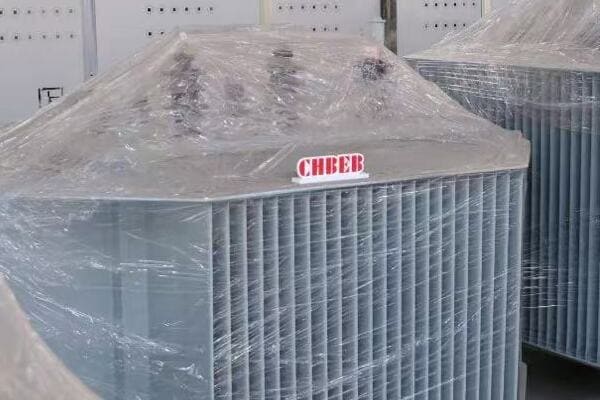
What’s Included in the PDF Guide
The guide contains:
- Detailed Dimensional Drawings
- Comprehensive Specifications Tables
- Manufacturer Comparison Charts
- Installation Guidelines
- CAD Files for Common Models
How to Use This Resource
Maximizing the value of the guide:
- Use CAD files for accurate site planning
- Reference clearance guidelines for safety compliance
- Compare specifications across manufacturers for informed decisions
To get your copy of the full guide, simply click the download button below:
🔵 [📥 Download Full Pad Transformer Size & Specs PDF]
Customized Quotation Service
Need a specific transformer configuration? We offer a customized quotation service:
- Fill out our online form with your project requirements
- Our engineers will review and provide tailored recommendations
- Receive a detailed quotation within 48 hours
To get started with a custom quote, click here:
🔵 [📩 Request a Custom Transformer Quote]
By downloading our guide or requesting a quote, you’re taking a significant step towards more efficient and accurate project planning. These resources are designed to save you time, reduce errors, and ultimately lead to more successful transformer installations.
Conclusion
Understanding pad mounted transformer sizes is crucial for effective project planning and execution. From basic dimensions to manufacturer-specific variations, this knowledge impacts every stage of your power distribution project. By utilizing the provided size charts, considering installation factors, and leveraging detailed specifications, you can make informed decisions that lead to more efficient, cost-effective, and reliable transformer installations.
Remember, at chbeb-ele, we’re not just sharing information – we’re empowering you to be part of the solution in creating a secure, clean, and efficient energy future. Let’s continue this journey together.