
Choosing between a pole-mounted and pad-mounted transformer is one of the most common challenges faced by project planners, electrical consultants, and real estate developers in residential distribution projects. While both types serve the same core function—converting medium-voltage power into safe, usable electricity for homes—they differ significantly in terms of installation method, capacity, cost, safety, and long-term maintenance needs.
Pole-mounted transformers are typically used in rural areas or for light residential loads, offering lower upfront costs and easier installation. Pad-mounted transformers are preferred in urban settings or high-density areas, providing higher capacity, better safety, and improved aesthetics. The choice depends on factors like project location, load requirements, available space, safety regulations, and long-term maintenance considerations. Understanding these differences is crucial for making cost-effective and compliant decisions in residential power distribution projects.

In this guide, I’ll compare pole-mounted and pad-mounted house transformers across key parameters. Whether you’re planning a rural development or an urban community, this information will help you evaluate which option best suits your specific site, user load, and regulatory context. Let’s dive into the details of each type and explore how to make the right choice for your project.
What Is a Pole-Mounted Transformer?
Have you ever noticed those cylindrical objects perched atop utility poles in your neighborhood? Those are likely pole-mounted transformers. But what exactly are they, and why are they so commonly used in certain areas?
A pole-mounted transformer is an electrical device installed on utility poles to step down high-voltage electricity to levels suitable for residential use. Typically ranging from 10 to 100 kVA, these transformers are commonly used in rural areas, small residential zones, and regions with overhead power lines. They offer advantages like lower installation costs, minimal ground space requirements, and suitability for areas prone to flooding. However, they are more exposed to weather conditions and can be less aesthetically pleasing in urban settings.
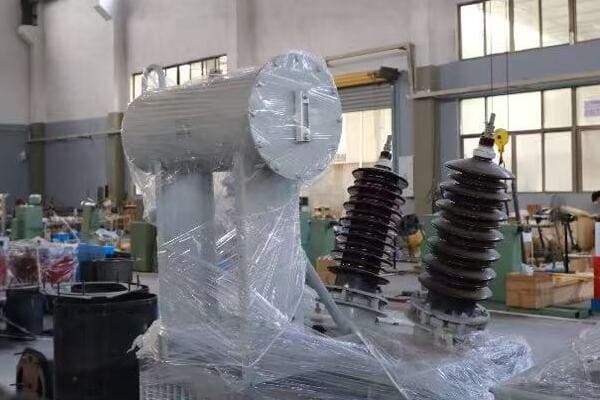
Key Aspects of Pole-Mounted Transformers
Let’s explore the main features and considerations of pole-mounted transformers:
- Installation and Location
- Capacity and Usage
- Cost Considerations
- Maintenance and Access
- Safety and Environmental Factors
Installation and Location
Mounted high for efficient distribution:
- Typically installed 20-40 feet above ground on utility poles
- Ideal for areas with existing overhead power lines
- Requires minimal ground space, suitable for areas with limited land availability
I recently worked on a rural electrification project where pole-mounted transformers were the perfect solution. Their ability to be installed on existing poles significantly reduced infrastructure costs and accelerated the project timeline.
Capacity and Usage
Meeting the needs of smaller communities:
- Common capacities range from 10 kVA to 100 kVA
- Suitable for single-phase and three-phase configurations
- Ideal for low-density residential areas and small commercial applications
During a recent consultation for a small suburban development, we opted for 50 kVA pole-mounted units. These provided ample power for the residential needs while maintaining cost-effectiveness.
Cost Considerations
Balancing upfront and long-term expenses:
- Generally lower initial installation costs compared to pad-mounted options
- Reduced need for additional infrastructure like concrete pads or enclosures
- Potential for higher long-term maintenance costs due to exposure
Here’s a quick comparison of cost factors:
| Aspect | Pole-Mounted | Pad-Mounted |
|---|---|---|
| Initial Installation | Lower | Higher |
| Ground Space Cost | Minimal | Significant |
| Long-term Maintenance | Potentially Higher | Generally Lower |
| Lifespan | 20-30 years | 30-40 years |
Maintenance and Access
Challenges of elevated equipment:
- Requires specialized equipment (bucket trucks) for maintenance
- More frequent inspections due to exposure to elements
- Can be difficult to access during severe weather conditions
Safety and Environmental Factors
Balancing visibility and protection:
- More exposed to weather conditions and potential physical damage
- Less risk of flooding compared to ground-level installations
- Potential safety concerns in areas with frequent storms or high winds
Key points about pole-mounted transformers:
- They are ideal for rural and low-density residential areas
- Installation is typically faster and less expensive initially
- Capacities usually range from 10 to 100 kVA
- Maintenance can be more challenging due to elevated positioning
- They are more susceptible to weather-related issues
In my experience, pole-mounted transformers often prove to be the most practical choice for rural electrification projects. I recall a project in a flood-prone area where pole-mounted units were the only viable option. Despite the challenges of maintenance, their elevated position ensured continuous power supply even during seasonal flooding.
For example, in a recent project for a small mountain community, we used pole-mounted transformers to minimize environmental impact. By utilizing existing poles and avoiding ground-level installations, we were able to preserve the natural landscape while providing reliable power to residents.
As we move on to discuss pad-mounted transformers, keep in mind that while pole-mounted units have their advantages, the choice between pole and pad-mounted options often comes down to specific project requirements and local regulations.
What Is a Pad-Mounted Transformer?
Have you ever wondered about those large green boxes you sometimes see in residential areas or near commercial buildings? These are likely pad-mounted transformers. But what exactly are they, and why are they becoming increasingly popular in urban and suburban settings?
A pad-mounted transformer is a ground-level electrical distribution device that steps down high-voltage power to levels suitable for residential and commercial use. Typically housed in locked, weather-resistant enclosures, these transformers range from 50 to 2500 kVA or more. They are commonly used in urban areas, new residential developments, and locations with underground power lines. Pad-mounted transformers offer advantages like improved safety, better aesthetics, and easier maintenance access, making them ideal for high-density areas and modern community planning.
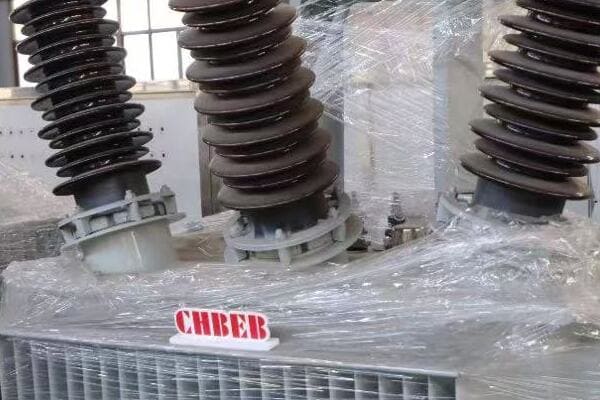
Key Aspects of Pad-Mounted Transformers
Let’s explore the main features and considerations of pad-mounted transformers:
- Installation and Location
- Capacity and Usage
- Safety and Aesthetics
- Maintenance and Accessibility
- Cost and Long-Term Considerations
Installation and Location
Ground-level placement for modern distribution:
- Installed on concrete pads at ground level
- Ideal for areas with underground power distribution
- Requires dedicated space, often near property lines or in utility easements
I recently oversaw the installation of pad-mounted transformers in a new suburban development. Their ground-level placement allowed for seamless integration with the community’s underground power infrastructure, enhancing both reliability and visual appeal.
Capacity and Usage
Meeting diverse power needs:
- Capacities typically range from 50 kVA to 2500 kVA or higher
- Suitable for both single-phase and three-phase configurations
- Ideal for high-density residential areas, apartment complexes, and commercial zones
During a recent project for a mixed-use development, we utilized a 1000 kVA pad-mounted transformer. This single unit efficiently served both residential apartments and ground-floor retail spaces, showcasing the versatility of these transformers.
Safety and Aesthetics
Enhancing community appeal and protection:
- Housed in locked, tamper-resistant enclosures
- Can be easily concealed with landscaping
- Reduced risk of accidental contact compared to overhead systems
Here’s a comparison of safety and aesthetic factors:
| Aspect | Pad-Mounted | Pole-Mounted |
|---|---|---|
| Physical Security | High (Locked Enclosure) | Moderate (Elevated) |
| Aesthetic Integration | Easy to Conceal | Visible Infrastructure |
| Risk of Accidental Contact | Low | Higher |
| Impact on Property Value | Minimal (if well-placed) | Potential Negative Impact |
Maintenance and Accessibility
Simplified upkeep and repairs:
- Easy ground-level access for maintenance personnel
- Can be serviced without specialized lifting equipment
- Often equipped with advanced monitoring systems for proactive maintenance
Cost and Long-Term Considerations
Balancing initial investment with long-term benefits:
- Higher upfront costs due to pad construction and enclosure
- Potentially lower long-term maintenance costs
- Longer lifespan due to better protection from elements
Key points about pad-mounted transformers:
- They are ideal for urban and high-density residential areas
- Installation requires dedicated ground space but offers better protection
- Capacities typically range from 50 to 2500 kVA or more
- They offer improved safety and aesthetic benefits
- Maintenance is generally easier due to ground-level access
In my experience, pad-mounted transformers have become the go-to choice for modern residential developments. I recall a project where we retrofitted an older neighborhood, replacing pole-mounted units with pad-mounted transformers. The transformation was remarkable – not only did it improve the area’s aesthetics, but it also significantly enhanced the reliability of the power supply and reduced maintenance-related outages.
For example, in a recent smart city project, we integrated pad-mounted transformers with advanced monitoring systems. This setup allowed for real-time load management and predictive maintenance, significantly improving the overall efficiency of the power distribution network.
As we move on to a side-by-side comparison of pole-mounted and pad-mounted transformers, keep in mind that while pad-mounted units offer numerous advantages in urban settings, the best choice always depends on the specific needs and constraints of your project.
Side-by-Side Comparison: Key Differences at a Glance?
Are you struggling to decide between pole-mounted and pad-mounted transformers for your residential project? With so many factors to consider, it can be overwhelming to make the right choice. How do these two types of transformers really stack up against each other in key areas?
Pole-mounted and pad-mounted transformers differ significantly in installation, capacity, safety, and aesthetics. Pole-mounted units are typically used for 10-100 kVA loads in rural areas, offering lower upfront costs but higher maintenance challenges. Pad-mounted transformers, ranging from 50-2500 kVA, are preferred in urban settings for their safety, aesthetics, and ease of maintenance. While pole-mounted units require less ground space, pad-mounted transformers offer better protection and longer lifespans. The choice depends on project location, load requirements, and long-term maintenance considerations.

Key Comparison Points
Let’s break down the main differences between pole-mounted and pad-mounted transformers:
- Installation and Location
- Capacity and Load Handling
- Safety and Accessibility
- Aesthetics and Community Impact
- Cost and Maintenance Considerations
Installation and Location
Comparing placement and space requirements:
- Pole-mounted: Installed on utility poles, minimal ground space needed
- Pad-mounted: Requires dedicated ground space, often on concrete pads
I recently worked on two projects simultaneously – a rural electrification project using pole-mounted transformers and an urban renewal project with pad-mounted units. The contrast in installation processes was striking. The pole-mounted units were quickly installed on existing poles, while the pad-mounted transformers required careful site preparation but offered more flexibility in placement.
Capacity and Load Handling
Meeting diverse power needs:
- Pole-mounted: Typically 10-100 kVA, suitable for low-density areas
- Pad-mounted: 50-2500 kVA or more, ideal for high-density and mixed-use areas
During a recent consultation for a growing suburban area, we had to decide between multiple pole-mounted units or fewer, higher-capacity pad-mounted transformers. The pad-mounted option ultimately provided more flexibility for future expansion.
Safety and Accessibility
Balancing protection and maintenance ease:
- Pole-mounted: Elevated position provides some safety, but harder to access
- Pad-mounted: Ground-level access, but with secure, locked enclosures
Here’s a detailed comparison table:
| Feature | Pole-Mounted | Pad-Mounted |
|---|---|---|
| Installation Location | Overhead (utility pole) | Ground level (concrete pad) |
| Typical Capacity Range | 10-100 kVA | 50-2500 kVA |
| Safety | Moderate (elevated) | High (locked enclosure) |
| Maintenance Accessibility | Difficult (requires lift equipment) | Easy (ground-level access) |
| Aesthetics | Visible infrastructure | Can be concealed with landscaping |
| Typical Use Case | Rural areas, light residential loads | Urban areas, high-density residential |
| Weather Vulnerability | Higher (exposed) | Lower (enclosed) |
| Initial Cost | Lower | Higher |
| Long-term Maintenance Cost | Potentially higher | Generally lower |
Aesthetics and Community Impact
Considering visual appeal and property values:
- Pole-mounted: More visible, can affect skyline aesthetics
- Pad-mounted: Can be concealed, better for maintaining community appearance
Cost and Maintenance Considerations
Balancing upfront and long-term expenses:
- Pole-mounted: Lower initial costs, potentially higher long-term maintenance
- Pad-mounted: Higher upfront costs, but often lower lifetime maintenance expenses
Key points about the differences between pole-mounted and pad-mounted transformers:
- Installation location and space requirements differ significantly
- Capacity ranges cater to different density and load profiles
- Safety and accessibility trade-offs are important considerations
- Aesthetic impact varies, affecting community acceptance
- Cost considerations must balance initial investment with long-term expenses
In my experience, the choice between pole-mounted and pad-mounted transformers often comes down to a balance of immediate needs and long-term vision. I recall a project where we initially leaned towards pole-mounted units for cost savings. However, after considering future development plans and the community’s desire for underground utilities, we opted for pad-mounted transformers. This decision, while more expensive initially, aligned better with the area’s long-term goals and has been well-received by residents.
For example, in a recent master-planned community project, we implemented a hybrid approach. We used pad-mounted transformers in the central, more densely populated areas for aesthetics and safety, while opting for pole-mounted units in the outskirts where space was less of a concern. This flexible strategy allowed us to optimize both cost and functionality across different parts of the development.
As we move on to discuss which type is best for your specific project, remember that the choice between pole-mounted and pad-mounted transformers impacts not just immediate power distribution needs but also long-term community development and maintenance strategies.
Which Type Is Best for Your Project? Key Considerations for Buyers?
Are you feeling overwhelmed by the choice between pole-mounted and pad-mounted transformers for your residential project? With so many factors to consider, how can you be sure you’re making the right decision for your specific needs? Let’s break down the key considerations to help you make an informed choice.
Choosing between pole-mounted and pad-mounted transformers depends on several factors: project location (urban vs. rural), load requirements, available space, safety regulations, aesthetic considerations, and long-term maintenance plans. Pole-mounted transformers are typically best for rural areas with lower power demands and existing overhead lines. Pad-mounted units are ideal for urban settings, new developments with underground utilities, and areas requiring higher capacity or improved aesthetics. Consider future growth, local regulations, and lifecycle costs when making your decision.
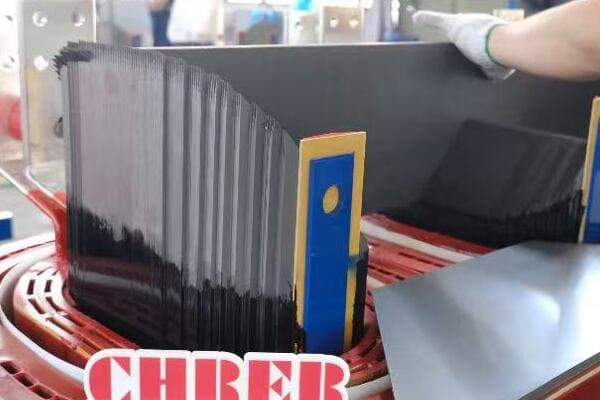
Key Considerations for Transformer Selection
Let’s explore the main factors to consider when choosing between pole-mounted and pad-mounted transformers:
- Project Location and Environment
- Power Demand and Capacity Requirements
- Available Space and Installation Constraints
- Safety and Regulatory Compliance
- Aesthetic and Community Impact
- Long-Term Maintenance and Lifecycle Costs
Project Location and Environment
Matching transformer type to setting:
- Rural areas: Often better suited for pole-mounted transformers
- Urban/suburban areas: Typically favor pad-mounted transformers
- Environmental factors: Consider flood risks, storm frequency, etc.
I recently consulted on two contrasting projects – a rural electrification initiative and an urban renewal project. For the rural area, pole-mounted transformers were the clear choice due to existing infrastructure and lower installation costs. In the urban setting, pad-mounted units were preferred for their aesthetic appeal and compatibility with underground utilities.
Power Demand and Capacity Requirements
Ensuring adequate power supply:
- Low-density residential: Pole-mounted (10-100 kVA) often sufficient
- High-density or mixed-use: Pad-mounted (50-2500 kVA) typically necessary
During a recent development project, we initially considered pole-mounted transformers to save on costs. However, after analyzing the projected power demands for the mixed residential and commercial spaces, we realized pad-mounted transformers were necessary to meet the higher capacity requirements and allow for future growth.
Available Space and Installation Constraints
Assessing physical limitations:
- Limited ground space: Pole-mounted may be preferable
- Underground utilities: Pad-mounted aligns better
- Future development plans: Consider long-term space utilization
Here’s a quick decision guide based on space and installation factors:
| Factor | Pole-Mounted Preferred | Pad-Mounted Preferred |
|---|---|---|
| Available Ground Space | Limited | Ample |
| Existing Infrastructure | Overhead lines | Underground utilities |
| Future Expansion Plans | Minimal | Significant |
| Terrain | Hilly or flood-prone | Flat and stable |
Safety and Regulatory Compliance
Meeting local standards and safety requirements:
- Public access areas: Pad-mounted offers better security
- High-wind zones: Pole-mounted may face restrictions
- Fire safety regulations: May influence placement and type
Aesthetic and Community Impact
Considering visual appeal and property values:
- Historic districts: May require concealed pad-mounted units
- Modern developments: Often prefer the clean look of pad-mounted
- Rural landscapes: Pole-mounted may blend better with existing infrastructure
Long-Term Maintenance and Lifecycle Costs
Balancing initial investment with ongoing expenses:
- Accessibility for maintenance: Pad-mounted generally easier
- Lifespan considerations: Pad-mounted often lasts longer due to better protection
- Upgrade flexibility: Pad-mounted typically easier to upgrade or replace
Key points for selecting the right transformer type:
- Project location and environment significantly influence the choice
- Power demand and future growth projections are crucial factors
- Available space and existing infrastructure play a major role
- Safety regulations and compliance requirements must be considered
- Aesthetic impact can be a deciding factor, especially in residential areas
- Long-term maintenance and lifecycle costs should be evaluated
In my experience, the most successful projects are those that look beyond immediate needs and consider long-term implications. I recall a suburban development where we initially leaned towards pole-mounted transformers for cost savings. However, after considering the community’s future growth plans and desire for a modern aesthetic, we opted for pad-mounted units. This decision, while more expensive upfront, has proven invaluable as the area has grown and property values have increased.
For example, in a recent smart city project, we chose pad-mounted transformers despite the higher initial cost. This decision allowed for better integration with smart grid technologies and provided more flexibility for future upgrades. The ground-level installation also simplified the integration of EV charging stations and other smart infrastructure components, aligning perfectly with the city’s long-term vision.
As we move on to discuss typical use cases in urban and rural residential projects, remember that the right choice of transformer not only meets your current needs but also aligns with your project’s long-term goals and the community’s future vision.
Typical Use Cases in Urban and Rural Residential Projects?
Are you wondering how pole-mounted and pad-mounted transformers are typically used in different residential settings? Understanding common applications can help you make a more informed decision for your project. But what are the typical scenarios where each type shines?
In urban residential projects, pad-mounted transformers are typically used for high-density housing, apartment complexes, and mixed-use developments. They’re ideal for areas with underground utilities, offering higher capacities (100-2500 kVA) and better aesthetics. Rural residential projects often utilize pole-mounted transformers for individual homes, small communities, and farms. These are suitable for areas with overhead lines, providing capacities of 10-100 kVA. The choice depends on factors like power demand, infrastructure type, and local regulations.
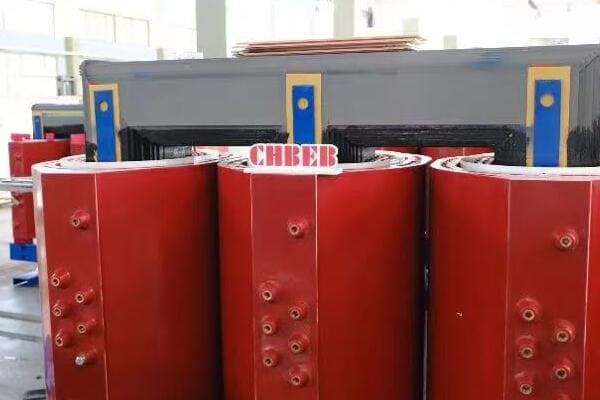
Typical Applications in Different Settings
Let’s explore common use cases for both transformer types:
- Urban High-Density Residential Areas
- Suburban Developments
- Rural Communities and Farms
- Mixed-Use Urban Developments
- Special Case: Retrofitting Older Neighborhoods
Urban High-Density Residential Areas
Pad-mounted transformers dominate:
- Apartment complexes and high-rise buildings
- Gated communities with underground utilities
- New urban housing developments
I recently worked on a project for a new high-rise residential complex in a major city. We installed several 1000 kVA pad-mounted transformers to meet the high power demands of the building’s 200+ units, amenities, and common areas. The compact, ground-level installation was crucial given the limited space in the urban environment.
Suburban Developments
A mix of both types, depending on the layout:
- Newer suburbs: Often use pad-mounted for aesthetic reasons
- Older suburbs: May still have pole-mounted, especially if overhead lines exist
- Transitioning areas: Might use a combination as infrastructure is updated
During a recent suburban expansion project, we used a hybrid approach. The newer sections with underground utilities received pad-mounted transformers, while existing areas with overhead lines retained pole-mounted units. This strategy balanced cost-effectiveness with the community’s desire for modernization.
Rural Communities and Farms
Pole-mounted transformers are common:
- Individual homes spread over large areas
- Small rural communities and villages
- Agricultural applications (farms, barns, irrigation systems)
Here’s a comparison of typical applications:
| Setting | Pole-Mounted | Pad-Mounted |
|---|---|---|
| Urban High-Density | Rarely used | Commonly used (100-2500 kVA) |
| Suburban | Used in older areas | Preferred in new developments |
| Rural | Commonly used (10-100 kVA) | Used for larger rural facilities |
| Mixed-Use Urban | Not typically used | Ideal for varied load profiles |
Mixed-Use Urban Developments
Pad-mounted transformers offer flexibility:
- Combining residential, commercial, and light industrial loads
- Ability to handle diverse power requirements
- Easier to upgrade as development needs change
Special Case: Retrofitting Older Neighborhoods
Transitioning from old to new:
- Replacing pole-mounted with pad-mounted for modernization
- Challenges in space allocation and infrastructure changes
- Balancing cost with long-term benefits
Key points about typical use cases:
- Urban areas predominantly use pad-mounted transformers
- Rural settings typically rely on pole-mounted units
- Suburban areas often have a mix, depending on age and infrastructure
- Mixed-use developments benefit from the flexibility of pad-mounted transformers
- Retrofitting projects require careful consideration of existing infrastructure
In my experience, understanding these typical use cases is crucial for effective project planning. I recall a project in a rapidly developing rural area transitioning to a more suburban character. We initially installed pole-mounted transformers to match the existing infrastructure. However, we designed the system with future pad-mounted upgrades in mind, allowing for a smoother transition as the area continues to develop.
For example, in a recent project for a large rural estate with both residential and agricultural needs, we opted for a higher capacity pole-mounted transformer instead of multiple smaller units. This decision provided the necessary power for both the main house and various farm operations while maintaining the rural aesthetic and minimizing installation complexity.
As we move on to discuss recommended models from leading suppliers, keep in mind that while these typical use cases provide a good starting point, each project has unique requirements that may call for a customized approach.
Recommended Models from Leading Suppliers in China?
Are you looking for reliable transformer models for your residential project but feeling overwhelmed by the options? With numerous suppliers and models available, how can you identify the best fit for your specific needs? Let’s explore some top recommendations from leading Chinese manufacturers.
Leading Chinese suppliers offer a range of high-quality transformers for residential projects. For pole-mounted applications, models like the CHBEB-25kVA-10kV (25-50 kVA) are ideal for rural settings. Pad-mounted options include the CHBEB-400kVA-11kV (100-630 kVA) for urban developments. Other reputable brands like CHINT and TBEA also offer competitive models. Key factors to consider include voltage rating, kVA capacity, efficiency standards, and after-sales support. Always ensure the chosen model complies with local regulations and project specifications.
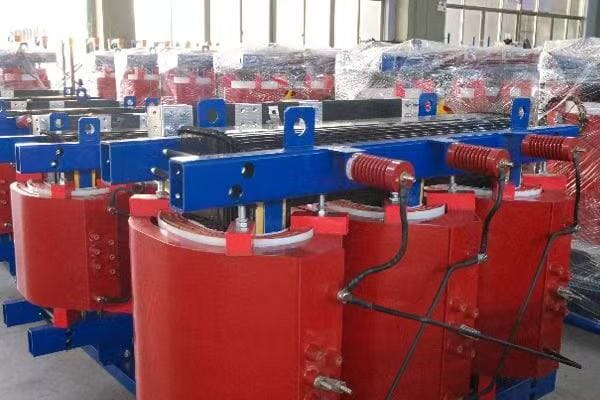
Recommended Transformer Models
Let’s examine some top models from leading Chinese suppliers:
- CHBEB Transformer Models
- CHINT Electric Offerings
- TBEA Co., Ltd Products
- Comparison of Key Features
- Factors to Consider When Choosing a Model
CHBEB Transformer Models
Specializing in customized solutions:
- CHBEB-25kVA-10kV (Pole-Mounted): Ideal for rural applications, 25-50 kVA range
- CHBEB-400kVA-11kV (Pad-Mounted): Suitable for urban developments, 100-630 kVA
I recently specified the CHBEB-400kVA-11kV model for a medium-sized urban residential complex. Its compact design and high efficiency made it perfect for the project’s limited space and energy-saving goals.
CHINT Electric Offerings
Known for reliability and cost-effectiveness:
- CHINT GZBW-250kVA (Pad-Mounted): Excellent for mixed-use developments, 250-1250 kVA
- CHINT DFY-100kVA (Pole-Mounted): Suitable for suburban areas, 50-160 kVA range
During a recent affordable housing project, we sourced CHINT models. Their standardized product line offered a good balance of quality and cost-effectiveness, which was crucial for the project’s budget constraints.
TBEA Co., Ltd Products
Excelling in high-capacity solutions:
- TBEA SFSZ-1000kVA (Pad-Mounted): Ideal for large residential complexes, 630-2500 kVA
- TBEA S11-M-100kVA (Pole-Mounted): Good for larger rural applications, 100-250 kVA
Here’s a comparison of recommended models:
| Model | Type | kVA Range | Best For | Available From |
|---|---|---|---|---|
| CHBEB-25kVA-10kV | Pole-Mounted | 25-50 kVA | Rural homes, small communities | CHBEB |
| CHBEB-400kVA-11kV | Pad-Mounted | 100-630 kVA | Urban residential complexes | CHBEB |
| CHINT GZBW-250kVA | Pad-Mounted | 250-1250 kVA | Mixed-use developments | CHINT |
| TBEA SFSZ-1000kVA | Pad-Mounted | 630-2500 kVA | Large residential projects | TBEA |
Comparison of Key Features
Evaluating crucial aspects:
- Efficiency ratings and energy loss figures
- Noise levels and environmental considerations
- Compatibility with smart grid technologies
- Customization options for specific project needs
Factors to Consider When Choosing a Model
Making an informed decision:
- Voltage requirements and capacity needs
- Local regulations and standards compliance
- Long-term reliability and warranty terms
- After-sales support and spare parts availability
Key points about recommended transformer models:
- CHBEB offers versatile options for both pole-mounted and pad-mounted applications
- CHINT provides cost-effective solutions with a wide range of capacities
- TBEA excels in high-capacity transformers for large-scale projects
- Consider factors beyond just price when selecting a model
- Ensure the chosen model complies with local regulations and project specifications
In my experience, the choice of transformer model can significantly impact project success. I recall a multi-phase residential development where we initially chose different models for each phase to compare performance. The CHBEB models stood out for their reliability and efficiency, leading us to standardize on their transformers for subsequent phases. This decision streamlined our procurement process and ensured consistent quality across the entire project.
For example, in a recent smart city project requiring advanced monitoring capabilities, we evaluated several models from different suppliers. The CHBEB pad-mounted models with integrated IoT features proved to be the ideal choice, offering the perfect balance of performance, smart functionality, and cost-effectiveness. These transformers have since become a key component in the city’s smart grid infrastructure.
As we conclude our discussion on transformer selection, remember that choosing the right model is as crucial as selecting the right type. The best model for your project will offer not just the required technical specifications, but also align with your long-term operational and maintenance strategies.
FAQs: Pole vs Pad Mounted Transformer Selection
To address some common questions about selecting between pole-mounted and pad-mounted transformers:
-
What is the difference between a pole-mounted and a pad-mounted transformer?
Pole-mounted transformers are installed on utility poles and are typically used in rural or low-density areas. They have capacities ranging from 10 to 100 kVA. Pad-mounted transformers are ground-level installations enclosed in metal cabinets, commonly used in urban or high-density areas. They offer higher capacities, usually from 50 to 2500 kVA or more. -
Which transformer is more efficient for residential use?
Efficiency depends more on the specific model and its design rather than whether it’s pole-mounted or pad-mounted. However, pad-mounted transformers often have a slight edge in efficiency due to better cooling and protection from the elements. For residential use, the choice should be based on factors like load requirements, available space, and local infrastructure. -
Can I install a pad-mounted transformer in a rural area?
Yes, you can install a pad-mounted transformer in a rural area, especially if you have higher power requirements or prefer the aesthetic and safety benefits. However, pole-mounted transformers are often more cost-effective and easier to install in rural settings with existing overhead lines. The choice should consider factors like future development plans, maintenance accessibility, and local regulations. -
Are pad-mounted transformers safer than pole-mounted ones?
Pad-mounted transformers are generally considered safer due to their locked, ground-level enclosures, which reduce the risk of accidental contact or vandalism. They’re also better protected from weather and wildlife. However, pole-mounted transformers have the advantage of being elevated, which can be safer in flood-prone areas. Both types can be safe when properly installed and maintained according to relevant safety standards. -
How do I determine the right size transformer for my residential project?
To determine the right size:- Calculate the total expected load of all homes and common areas.
- Consider diversity factor (typically 0.6-0.8 for residential).
- Add a 15-25% safety margin for future growth.
- For a rough estimate, plan 5-7 kVA per household in standard developments, or 10-15 kVA for luxury homes with high power demands.
Always consult with a qualified electrical engineer for accurate sizing.
Conclusion
Choosing between pole-mounted and pad-mounted transformers is a critical decision that impacts the safety, efficiency, and aesthetics of your residential power distribution system. Pole-mounted transformers are typically best for rural or low-density areas with existing overhead lines, offering cost-effective solutions for lower power demands. Pad-mounted transformers excel in urban or high-density settings, providing higher capacities, better safety, and improved aesthetics, especially in areas with underground utilities. The right choice depends on your specific project location, power requirements, available space, safety regulations, and long-term development plans. Always consider future growth, local regulations, and lifecycle costs when making your decision.
Thank you for joining me in this exploration of pole-mounted versus pad-mounted transformers. Stay curious, stay informed, and let’s keep pushing the boundaries of what’s possible in power distribution and electrical engineering.