Send us a message if you have any questions or request a quote. Our experts will give you a reply within 24 hours and help you select the right valve you want.
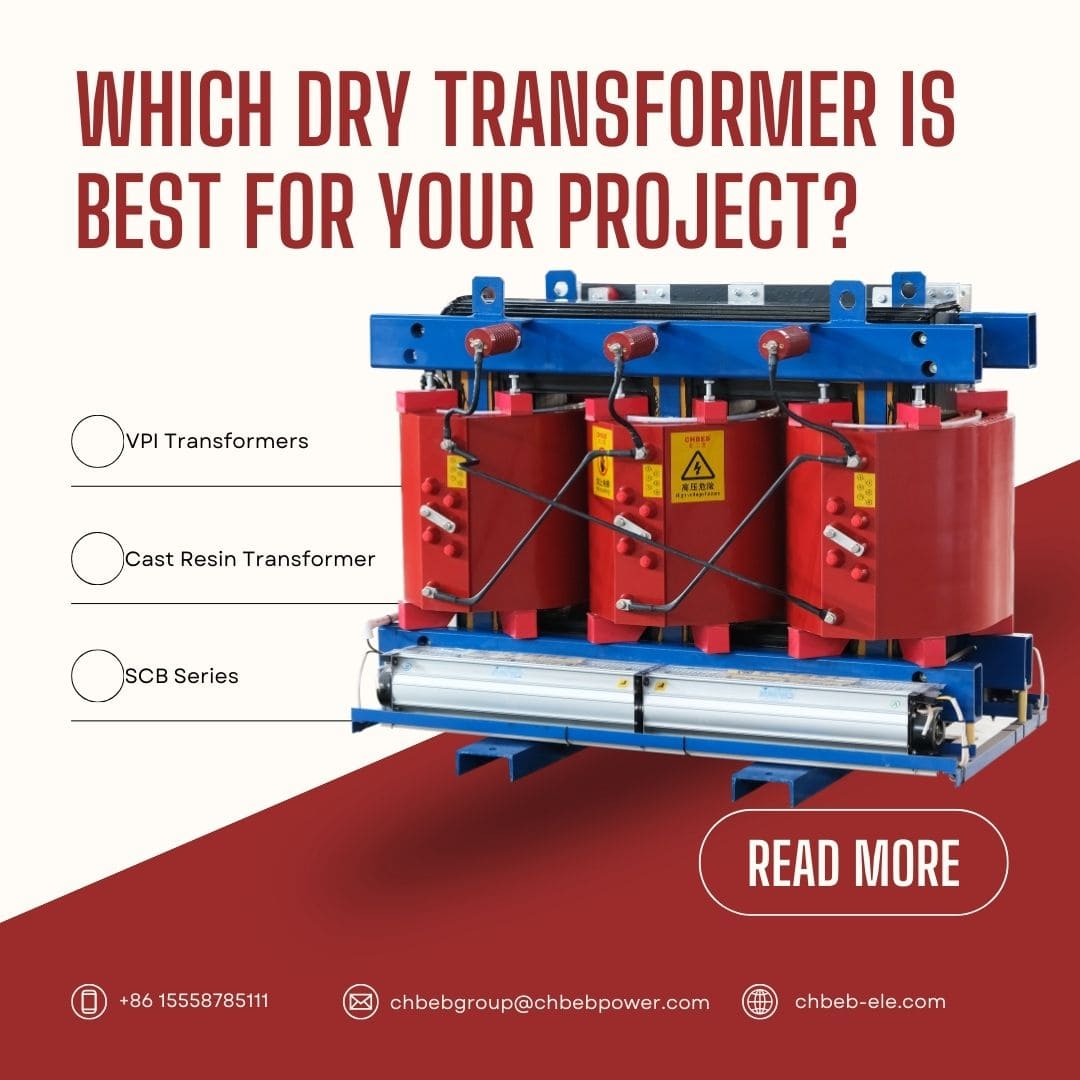
Are you having trouble deciding which dry-type transformer is best for your power distribution requirements? The abundance of choices can be daunting and may result in expensive errors. By demystifying VPI, Cast Resin, and SCB transformers, this thorough guide will enable you to choose the best option for your project.
Core Comparison: VPI vs. Cast Resin Dry-Type Transformers
Are you perplexed by the distinctions between cast resin and VPI transformers? You’re not by yourself. Many experts fail to notice important subtleties that have a big influence on project results. To help you understand your alternatives, let’s examine each type’s essential traits.
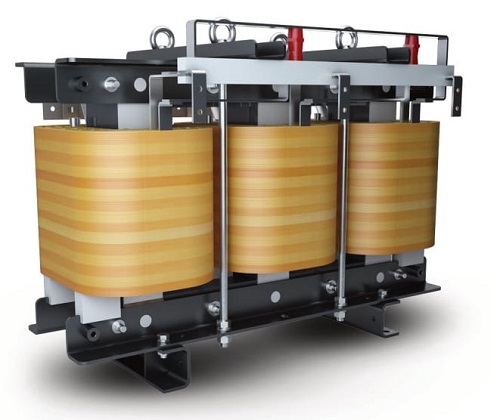
Insulating resin is applied to the windings of VPI (Vacuum Pressure Impregnation) transformers using a unique procedure. What you should know is as follows:
Production Method:
Insulating material is woven around the windings.
A vacuum chamber is used to hold the assembly.
Under pressure, epoxy resin is added and enters the windings.
After the resin cures, a solid, void-free insulation is produced.
Principal Benefits:
Outstanding resistance to moisture
High heat conductivity
Ideal for outdoor projects that have the appropriate enclosures
In general, less expensive than cast resin
Restrictions:
somewhat less fire resistant than cast resin
After the resin cures, a solid, void-free insulation is produced.
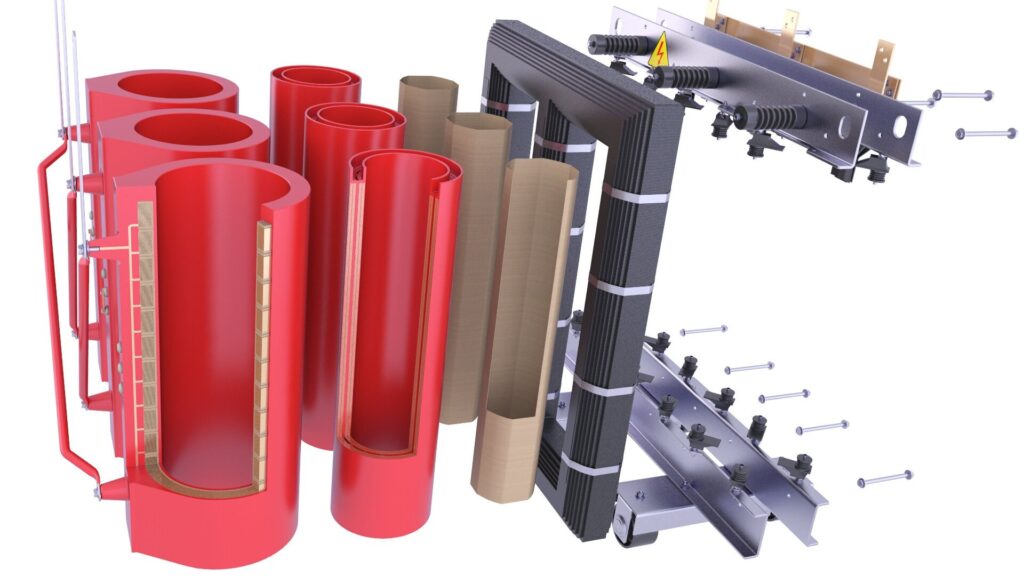
The windings of cast resin transformers, sometimes referred to as epoxy resin transformers, are covered in solid epoxy resin. What distinguishes them is this:
Production Method:
Molds are used to hold windings.
Under vacuum, epoxy resin is poured into the molds.
After curing, the resin solidifies into a block surrounding the windings.
Principal Benefits:
Outstanding resistance to flames
Better defense against hostile conditions
Low maintenance needs
Perfect for installations indoors in congested regions
Restrictions:
More costly than VPI transformers in general
heavier than their VPI equivalents
may be limited in situations with extremely high humidity levels.
VPI vs. Cast Resin: Key Features at a Glance
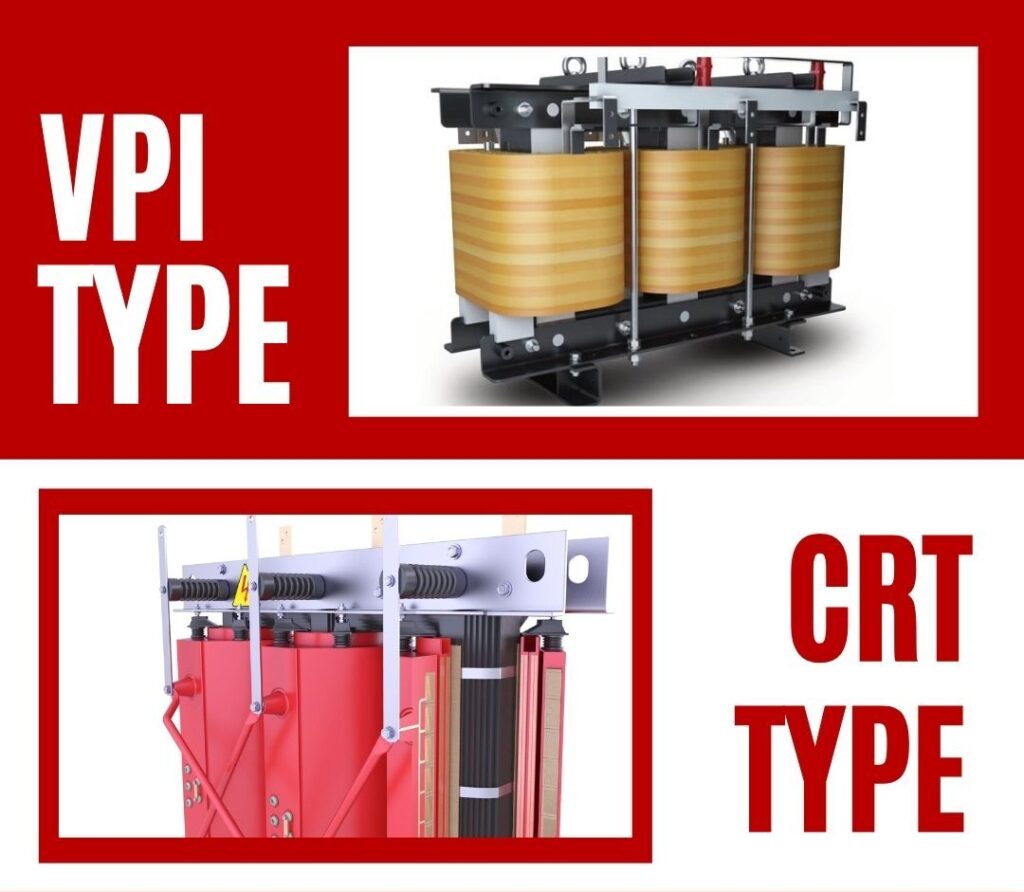
VPI vs CRT dry type transformer structure
Here is a comparative table of important features to assist you in making an informed choice:
Feature
VPI Transformer
Cast Resin Transformer
Insulation Method
Vacuum Pressure Impregnation
Epoxy Encapsulation
Fire Resistance
Good
Excellent
Moisture Resistance
Excellent
Very Good
Initial Cost
Lower
Higher
Maintenance
Moderate
Low
Weight
Lighter
Heavier
Outdoor Suitability
Good (with enclosure)
Excellent
Noise Level
Lower
Slightly Higher
Overload Capacity
Higher
Lower
Clarifying the Concept and Standards for SCB Series Transformers
SCB series dry type transformer photo
A particular kind of dry-type transformer that combines elements of both VPI and Cast Resin technologies is called a SCB (Shielded Cast-Resin Bushing) transformer. Important things to comprehend:
Design:
improves insulation by using cast resin bushings.
VPI or Cast Resin winding technology may be used.
Criteria:
conforms to IEC 60076-113 for transformers of the dry type.
fulfills particular specifications for bushing performance and design.
Uses:
frequently employed in commercial and industrial contexts
It can be installed both indoors and outdoors (with the right enclosures).
Benefits:
Increased security as a result of protected bushings
Enhanced dependability in demanding settings
Adaptable design to satisfy certain project needs
How to Make the Best Choice for Your Project? A Decision Guide
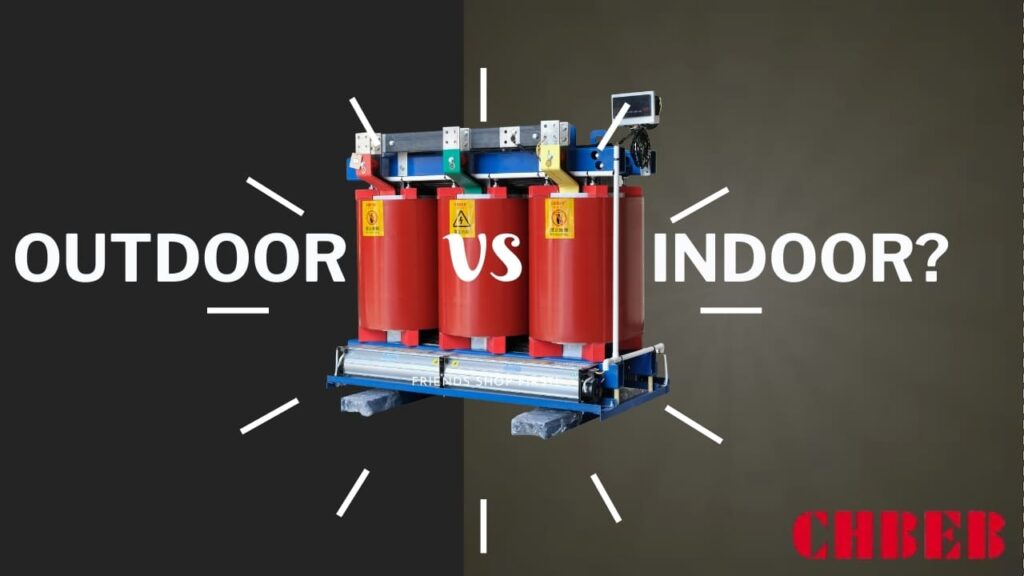
indoor vs outdoor dry type transformer installation
Are you having trouble deciding which kind of transformer is best for your particular requirements? You’re not by yourself. Many project managers fail to consider important aspects that could result in less than ideal performance or needless expenses. To help you make the best choices, let’s dissect the main deciding elements.
First and foremost, the project environment and safety requirements
When selecting the appropriate transformer, safety and the installation environment are crucial factors. Think about these factors:
Comparing Outdoor and Indoor Installation
VPI: Suitable for both, but for outside use, a suitable enclosure is needed.
Cast resin is great indoors, particularly in crowded places, but it may also be utilized outside with the right protection.
SCB: Adaptable to both outdoor and indoor settings
It’s crucial to match the transformer’s performance to the particular needs of your project:
Rating of Power:
Make sure the type you’ve selected is available within the kVA range you need.
Think about the requirement for future expansion.
Class of Voltage:
VPI: usually as high as 35kV
Cast Resin: Suitable for applications requiring higher voltages (up to 36kV or more)
SCB: varies; refer to the manufacturer’s details.
Capacity to Overload:
In general, VPI provides superior overload capacity.
Think about your load profile and requirements for peak demand.
Efficiency Criteria:
Verify that local energy efficiency laws are being followed.
Examine losses under various load levels.
Particular Needs:
Seismic ratings for regions vulnerable to earthquakes
Taking altitude into account for installations at high elevations
particular industry norms (marine applications, for example)
Conclusion
When deciding between VPI, Cast Resin, and SCB transformers, you must carefully evaluate the technical requirements, budget, and environment of your project. You may choose the best dry-type transformer for your particular application by weighing these important considerations, which will guarantee dependability, security, and affordability.
Explore our full range of Dry Type Transformers to match your project requirements, or download our Product Catalog for detailed specifications and technical data.
Hello! 👋 Welcome to CHBEB.
We are a transformer manufacturer with 60+ years of experience.
✅ Distribution & Power Transformers (Oil & Dry Type)
✅ Customized EPC & OEM Solutions
✅ Fast Delivery & International Certifications