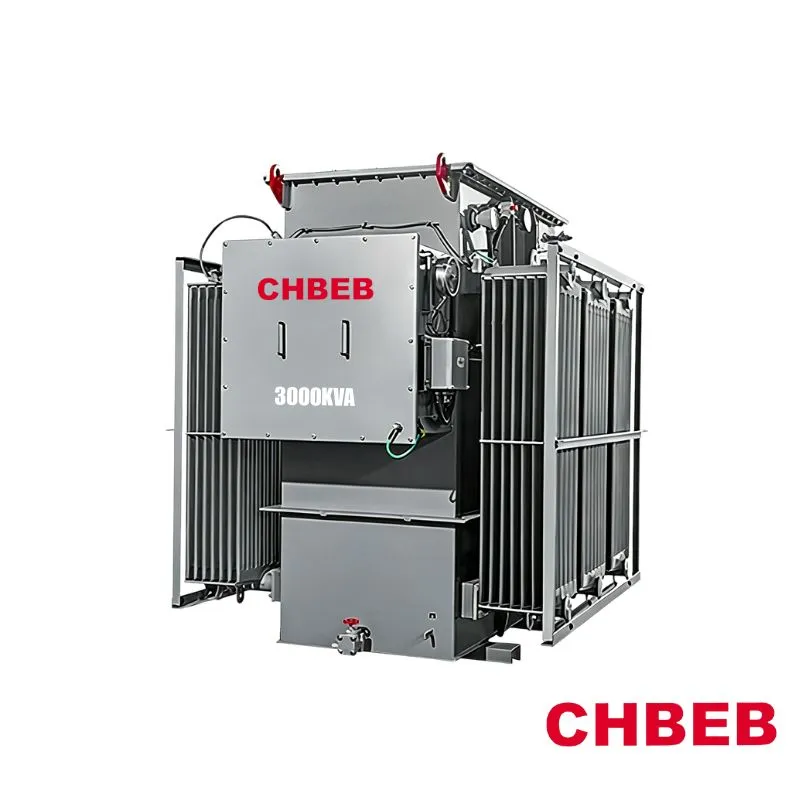
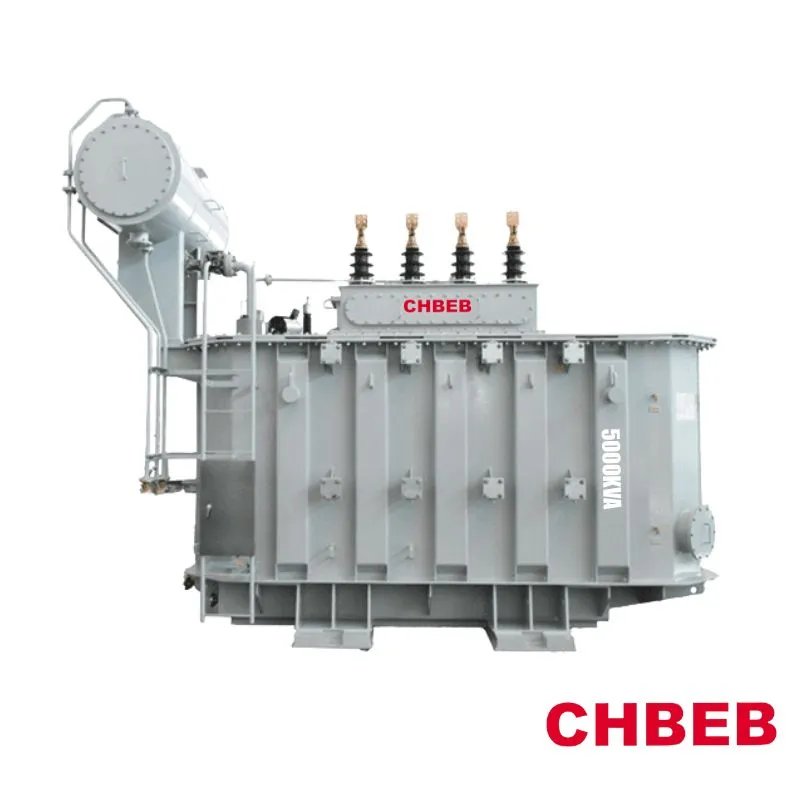
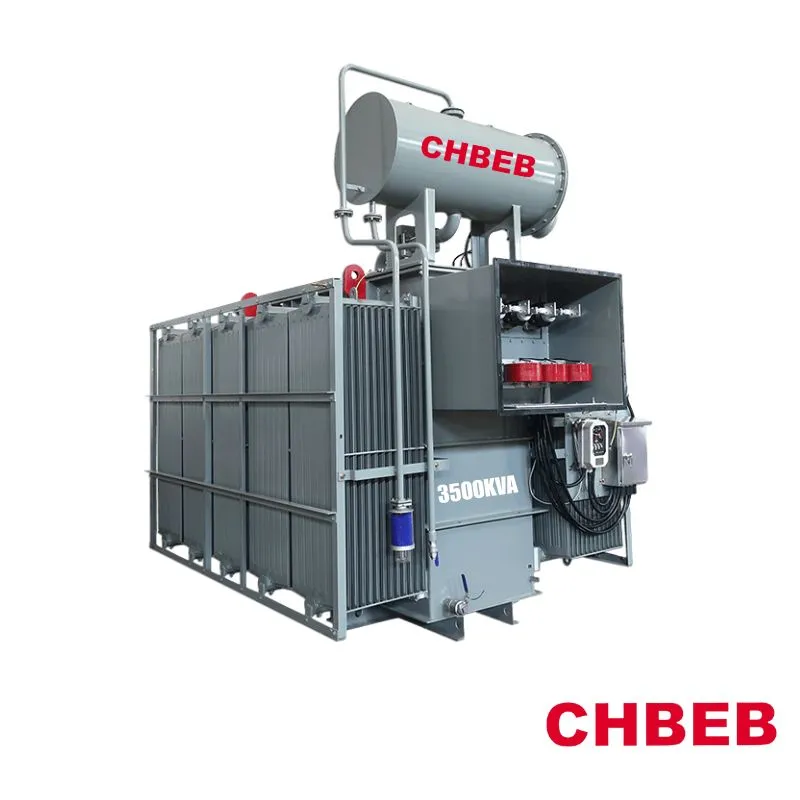
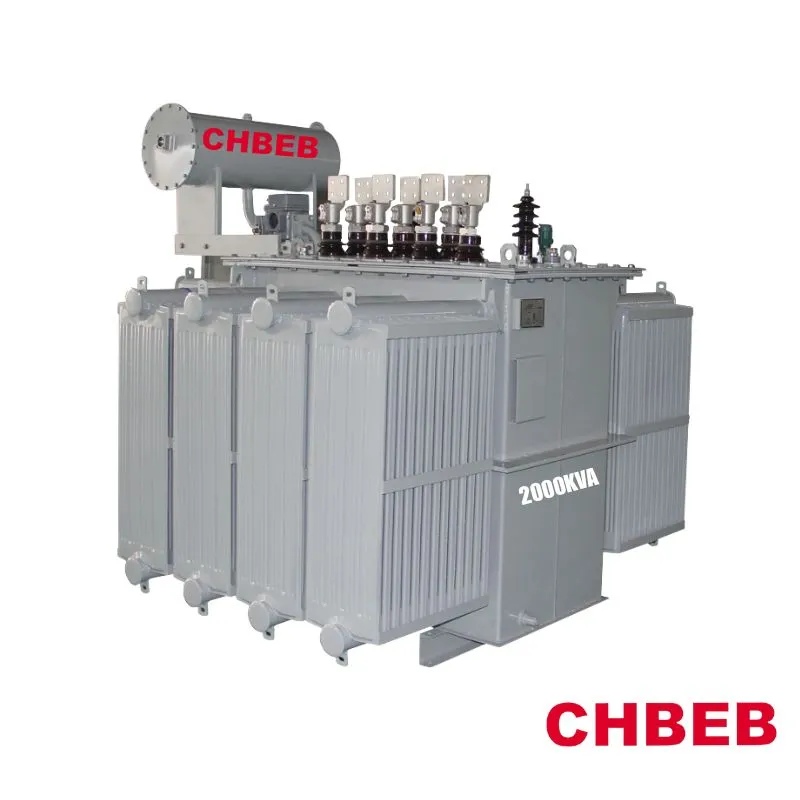
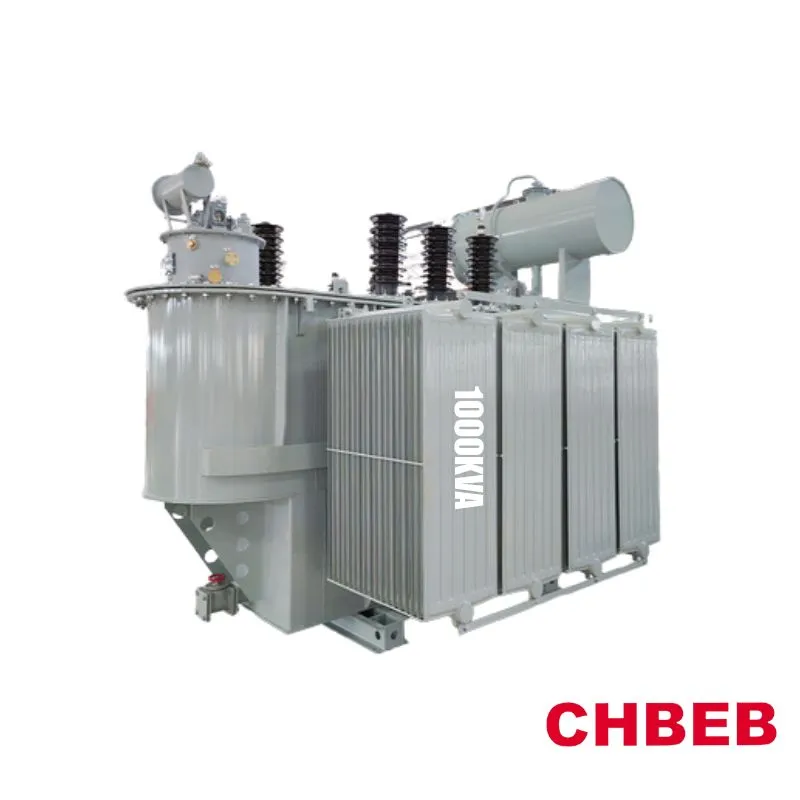
3000 kVA Three Phase Substation Transformer

Primary Voltage: 33.5KV

Secondary Voltage: 0.48KV

Power Rating: 3000 KVA

Connection Type: Dyn11/Yyn0 or others

Transformer Type: Oil Immersed Substation Transformer

Standards: IEC, ANSI/IEEE, CSA/CAN, DOE

Certificates: CE, UL, GOST, SGS

3000 kVA oil-immersed Substation Transformer, as key equipment in power systems, is widely used in industrial, commercial, and residential power distribution fields. Its core features are moderate capacity and high reliability, making it suitable for medium-load power supply requirements.

Analysis of key performance parameters

Rated Capacity

3000 kVA, indicating the maximum apparent power that the equipment can operate stably for a long time.

Voltage Level

Common specification is 10/0.4 kV, with 10 kV on the high-voltage side and 0.4 kV on the low-voltage side. It can be adjusted according to the actual grid voltage.

Loss Parameters

No-load loss: about 1200–1500 W, and load loss about 5500–6000 W. The specific values may vary slightly according to different project standards.

Structural features of oil-immersed Substation Transformer

Insulation Performance

Transformer oil is used as both the insulating medium and cooling medium, and its heat dissipation effect is better than that of dry-type transformers.

Sealed Design

The core and windings are completely sealed inside the oil tank to avoid moisture and dust intrusion, extending service life.

Cooling Method

Natural air cooling (ONAN) is mainly used, suitable for areas where the ambient temperature is below 40°C. Heat dissipation can be enhanced by fans.

Safety Protection

The enclosure adopts anti-rust steel plate with IP20 protection level to prevent foreign objects from contacting live parts.

Typical application scenarios

Industrial Production

Steel plants, chemical plants and other large workshops, providing stable power for production lines.

Commercial Centers

Distribution rooms in shopping malls and office buildings, meeting load requirements such as air conditioning and lighting.

Municipal Projects

Backup power systems for public facilities such as hospitals and schools.

Agricultural Irrigation

Power supply for high-power equipment such as pump stations and fish ponds in remote areas.

How to calculate the capacity of a Substation Transformer

Capacity matching: Select according to actual load calculation and reserve more than 20% margin to avoid long-term overload.

About transformer capacity calculation: First, select the rated voltage of the transformer. The high-voltage side voltage should be equal to the connected grid voltage, and the low-voltage side voltage should be 10% or 5% higher than the voltage of the low-voltage side grid, depending on the transformer voltage level and impedance voltage; then select the rated capacity.

Calculate the load carried by the transformer, which requires calculating the maximum combined load and converting the active load kW value into apparent power kVA. If there are two transformers, the capacity of each transformer can be selected according to 70% of the maximum combined load. If there is one transformer, it should be considered according to the total load and leave an appropriate redundancy. Other nameplate parameters can be considered appropriately according to the transformer product.

For example: select a 35/10 kV transformer. Assuming the maximum load is 3500 kW, the power factor is 0.8, and two transformers are selected, the capacity S = 0.7 × 3500 / 0.8 = 3062 kVA. A 3150 kVA transformer can be selected, with a voltage ratio of 35 kV/10.5 kV. Then select the model from the product catalog.

Installation environment: It should be kept away from flammable and explosive areas, maintain good ventilation, and the ground load-bearing capacity should be ≥250 kg/m².

The 3150 kVA Substation Transformer occupies an important position in the power transmission field with its mature technology and stable performance. Users should combine their own application scenarios when selecting the model, and give priority to energy efficiency level and operation and maintenance cost to achieve long-term safe operation.