Send us a message if you have any questions or request a quote. Our experts will give you a reply within 24 hours and help you select the right valve you want.
Have you ever wondered how remote villages get electricity? The answer might be hanging right above your head. Pole mounted distribution transformers are changing the game in rural electrification.
Pole mounted distribution transformers are revolutionizing rural electrification by integrating smart grid technologies. These transformers combine traditional reliability with advanced features, enabling efficient power distribution and management in remote areas previously underserved by conventional grid systems.
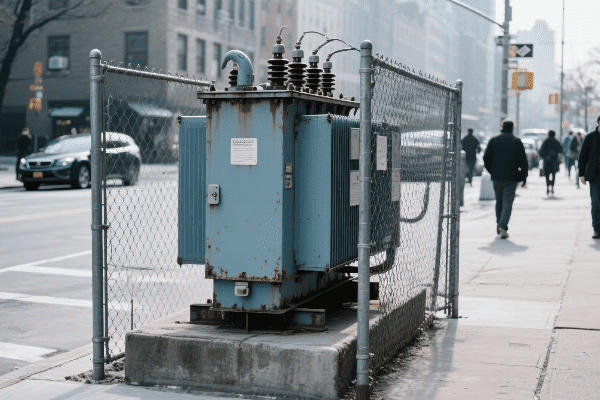
Smart pole transformer powering a rural village
As someone who’s worked in the power industry for years, I’ve seen firsthand how these transformers are making a difference. Let’s explore how pole mounted distribution transformers are reshaping the landscape of rural power distribution.
Rural Power Evolution: Enhancing Electricity Access with Advanced Pole Mounted Technology?
Ever thought about the challenges of bringing power to remote areas? Advanced pole mounted technology is solving problems we once thought insurmountable.
Advanced pole mounted technology enhances rural electricity access by overcoming geographical barriers and infrastructure limitations. These transformers offer improved reliability, efficiency, and smart grid capabilities, making quality power distribution possible even in the most remote locations.
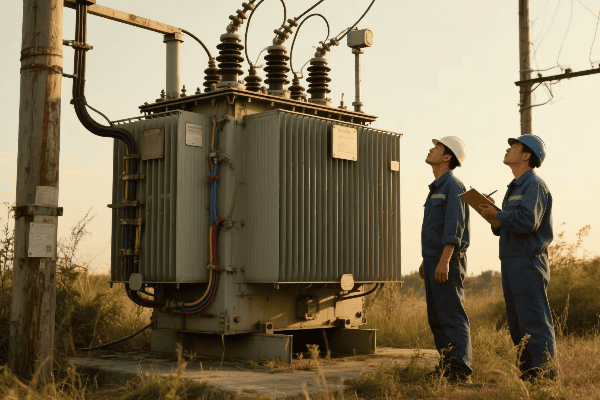
Cutting-edge pole transformer technology
Let’s dive into how this technology is evolving rural power distribution:
Improved Reliability
Keeping the lights on in challenging environments:
Enhanced protection against lightning strikes and surges
Weather-resistant designs for extreme conditions
Self-healing capabilities to isolate faults and restore power quickly
Increased Efficiency
Making every watt count:
Low-loss core materials to reduce energy waste
Optimized winding designs for better power transfer
Smart load management to balance demand across the network
Remote Monitoring and Control
Managing power from afar:
Real-time data transmission on transformer health and performance
Remote diagnostics to identify issues before they cause outages
Ability to adjust settings without on-site visits
Scalability and Flexibility
Adapting to growing rural needs:
Modular designs for easy capacity upgrades
Compatibility with renewable energy sources like solar and wind
Support for microgrids and islanded operation
Environmental Considerations
Powering responsibly:
Use of biodegradable oils to minimize environmental impact
Reduced noise pollution for quieter rural environments
Compact designs to minimize visual impact on landscapes
Feature
Rural Benefit
Impact on Electrification
Improved Reliability
Fewer outages
Enhanced quality of life
Increased Efficiency
Lower energy losses
More power available to users
Remote Monitoring
Quick issue resolution
Reduced maintenance costs
Scalability
Adaptable to growth
Future-proof infrastructure
Environmental Design
Minimal ecological impact
Sustainable rural development
I remember a project in a remote mountain village that had struggled with unreliable power for decades. We installed advanced pole mounted transformers with remote monitoring capabilities. Within months, the change was dramatic. The local school principal told me, "For the first time, our computers run without interruption. It’s opening up a world of online learning for our students."
Another eye-opening experience was in a coastal community prone to severe storms. We implemented self-healing transformer networks. During the next big storm, the system automatically isolated faults and rerouted power. What would have been a week-long blackout was reduced to brief, localized outages. A resident remarked, "It’s like our power grid has become storm-proof overnight."
These experiences have shown me that advanced pole mounted technology is more than just an upgrade to rural power systems. It’s a lifeline, bringing reliable, efficient, and smart power to areas that have long been underserved. As we continue to innovate in this field, we’re not just electrifying rural areas; we’re empowering communities and opening doors to new opportunities that were once thought impossible in remote locations.
Smart Integration: Bridging the Gap Between Traditional Grids and Modern Rural Networks?
Have you ever wondered how we can bring cutting-edge smart grid technology to remote areas? The answer lies in the smart integration capabilities of modern pole mounted transformers.
Smart integration in pole mounted transformers bridges the gap between traditional grids and modern rural networks by incorporating advanced communication and control features. These transformers act as intelligent nodes, enabling data-driven grid management and paving the way for smart rural electrification.
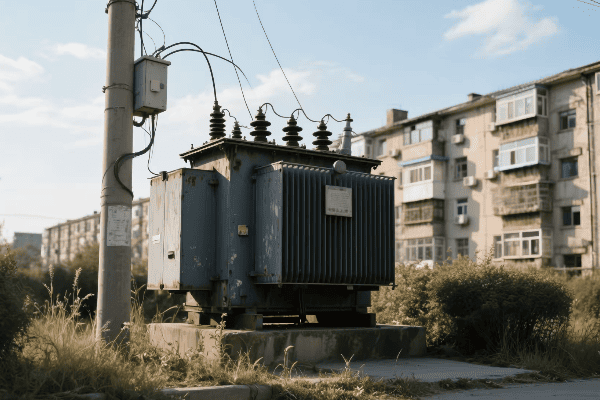
Pole transformer as smart grid node
Let’s explore how these transformers are making rural grids smarter:
Advanced Communication Capabilities
Connecting the rural grid:
Built-in cellular or satellite communication modules
Real-time data exchange with central control systems
Integration with IoT platforms for comprehensive grid monitoring
Intelligent Power Management
Optimizing rural energy distribution:
Automated load balancing to prevent overloads
Voltage regulation to maintain power quality
Demand response capabilities to manage peak loads
Data Analytics and Predictive Maintenance
Staying ahead of issues:
AI-driven analysis of transformer performance data
Predictive algorithms to forecast potential failures
Optimization of maintenance schedules based on real-time insights
Renewable Energy Integration
Supporting green rural power:
Ability to handle bidirectional power flow from solar and wind sources
Smart inverter coordination for stable grid operation
Energy storage management for improved reliability
Cybersecurity Features
Protecting rural power infrastructure:
Encrypted communications to prevent unauthorized access
Intrusion detection systems to identify potential threats
Regular security updates to address evolving risks
Smart Feature
Traditional Grid Limitation
Modern Rural Network Benefit
Advanced Communication
Limited visibility
Real-time grid awareness
Intelligent Management
Manual load balancing
Automated efficiency optimization
Data Analytics
Reactive maintenance
Proactive issue prevention
Renewable Integration
One-way power flow
Flexible, green energy support
Cybersecurity
Vulnerable to attacks
Robust digital protection
I recall a project in a rural area where we were integrating these smart transformers into an aging grid. The local utility was skeptical about the investment. But within months, the benefits were clear. They could now detect and resolve issues before they led to outages. The utility manager told me, "It’s like we’ve gone from flying blind to having a high-tech control tower. We can see and manage everything."
Another fascinating experience was in a farming community embracing solar energy. The smart transformers we installed could handle the variable input from solar panels while maintaining grid stability. During a sunny week, the community became a net energy exporter. A farmer proudly said, "Our fields are now growing both crops and electricity."
These experiences have shown me that smart integration in pole mounted transformers is not just about adding technology to the grid. It’s about transforming rural power networks into intelligent, responsive systems. By bridging the gap between traditional infrastructure and modern smart grid capabilities, we’re not just improving power distribution; we’re enabling rural communities to participate fully in the energy revolution. This smart integration is key to creating resilient, efficient, and future-ready rural power systems that can support the growing needs of remote areas.
Overcoming Rural Challenges: Innovative Solutions in Pole Transformer Design?
Rural areas present unique challenges for power distribution. How are pole transformer designs evolving to meet these specific needs?
Innovative pole transformer designs overcome rural challenges through weather-resistant construction, enhanced reliability features, and adaptability to diverse environments. These solutions ensure consistent power supply in remote areas, addressing issues like extreme weather, wildlife interference, and limited maintenance access.
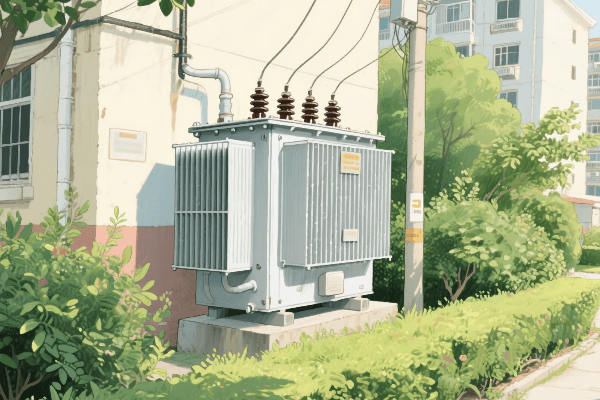
Advanced rural-focused transformer design
Let’s explore the key innovations addressing rural power distribution challenges:
Weather-Resistant Construction
Standing up to nature’s fury:
Reinforced housing to withstand high winds and ice loads
Corrosion-resistant materials for coastal and high-humidity areas
Enhanced insulation for extreme temperature variations
Wildlife Protection
Coexisting with local fauna:
Animal guards to prevent climbing and nesting
Insulated bushings to reduce wildlife-related short circuits
Avian-friendly designs to minimize bird collisions
Remote Diagnostics and Self-Healing
Minimizing the need for on-site interventions:
Built-in sensors for continuous health monitoring
Automatic fault detection and isolation capabilities
Self-reconfiguring systems to restore power quickly
Modular and Scalable Designs
Adapting to changing rural needs:
Easy-to-upgrade components for growing power demands
Plug-and-play modules for quick installation and replacement
Compatibility with various voltage levels and configurations
Off-Grid and Microgrid Support
Enabling power independence:
Ability to operate in islanded mode during main grid outages
Integration with local renewable energy sources
Energy storage management for consistent power supply
Rural Challenge
Innovative Solution
Impact on Power Distribution
Extreme Weather
Reinforced Construction
Increased uptime during storms
Wildlife Interference
Protective Barriers
Reduced outages from animal contact
Limited Access
Remote Diagnostics
Fewer maintenance visits required
Changing Demands
Modular Design
Easy adaptation to growth
Unreliable Main Grid
Microgrid Capabilities
Enhanced local energy resilience
I remember a project in a remote mountain region plagued by frequent lightning strikes. We installed pole transformers with advanced surge protection and self-healing capabilities. The change was remarkable. During the next storm season, the area experienced zero lightning-related outages. A local business owner told me, "For the first time in years, we didn’t have to shut down during thunderstorms. It’s been a game-changer for our operations."
Another challenging case was in a wildlife-rich area where animal interactions frequently disrupted power. We implemented transformers with comprehensive wildlife protection features. Within a year, animal-related outages dropped by 80%. A conservation officer remarked, "It’s great to see technology that not only improves power reliability but also protects our local wildlife."
These experiences have taught me that innovative pole transformer designs are crucial for overcoming the unique challenges of rural power distribution. By addressing specific issues like extreme weather, wildlife interference, and limited accessibility, these transformers are not just delivering electricity; they’re providing reliability and peace of mind to rural communities. As we continue to refine these designs, we’re not only improving power distribution but also enhancing the quality of life in remote areas, making reliable electricity a reality even in the most challenging environments.
Efficiency at Height: Maximizing Performance of Elevated Smart Grid Components?
Ever wondered how we can make those transformers perched high on poles work smarter and more efficiently? The key lies in maximizing the performance of these elevated smart grid components.
Maximizing the performance of elevated smart grid components involves integrating advanced monitoring systems, optimizing energy efficiency, and enhancing remote management capabilities. These improvements ensure that pole mounted transformers operate at peak efficiency, reducing losses and improving overall grid performance.
High-performance elevated transformer
Let’s dive into how we’re boosting efficiency in these high-flying grid components:
Advanced Monitoring Systems
Keeping a constant eye on performance:
Real-time monitoring of load, temperature, and oil conditions
Predictive analytics to forecast potential issues
Integration with smart grid management systems for comprehensive oversight
Energy Loss Reduction
Minimizing waste in power distribution:
High-efficiency core materials to reduce no-load losses
Optimized winding designs for lower copper losses
Improved cooling systems for better heat dissipation
Smart Load Management
Balancing power distribution efficiently:
Dynamic load balancing across phases
Automatic tap changing for voltage optimization
Demand response capabilities to manage peak loads
Remote Diagnostics and Control
Managing transformers from afar:
Remote access for diagnostics and troubleshooting
Over-the-air firmware updates to enhance functionality
Ability to adjust settings without physical intervention
Environmental Adaptation
Optimizing performance in diverse conditions:
Adaptive cooling systems for varying climate conditions
Automatic de-icing features for cold regions
Dust and pollution resistant designs for harsh environments
Efficiency Feature
Performance Benefit
Impact on Grid Operation
Advanced Monitoring
Early issue detection
Reduced downtime
Loss Reduction
Lower energy waste
Improved overall efficiency
Smart Load Management
Balanced power distribution
Enhanced grid stability
Remote Capabilities
Quick problem resolution
Reduced maintenance costs
Environmental Adaptation
Consistent performance
Reliable operation in all conditions
I recall a project where we upgraded a rural network with these high-efficiency pole transformers. The utility was skeptical about the investment, but the results were eye-opening. Within the first year, they saw a 15% reduction in distribution losses. The operations manager told me, "We’re not just saving energy; we’re delivering more power to our customers without upgrading our generation capacity."
Another fascinating experience was implementing smart load management in a small town with a large seasonal population fluctuation. The transformers could automatically adjust to the changing demand patterns. During peak tourist season, the grid handled the load surge smoothly without any outages. A local hotel owner remarked, "It’s the first summer we haven’t had to worry about power cuts during our busiest weeks."
These experiences have shown me that efficiency at height is about more than just reducing losses. It’s about creating a smarter, more responsive power distribution system that can adapt to changing conditions and demands. By maximizing the performance of these elevated components, we’re not just improving the efficiency of individual transformers; we’re enhancing the overall resilience and capability of the entire grid. This approach is crucial for creating sustainable, reliable power systems that can meet the evolving needs of rural communities while minimizing waste and operational costs.
Future-Ready Rural Grids: Pole Transformers as Catalysts for Countryside Modernization?
Have you ever imagined a future where rural areas have power systems as advanced as big cities? Pole transformers are turning this vision into reality, acting as catalysts for countryside modernization.
Pole transformers are catalyzing countryside modernization by enabling smart grid technologies in rural areas. These advanced units support renewable integration, facilitate data-driven grid management, and provide the foundation for future innovations like electric vehicle charging and energy storage systems.
Pole transformers in modernized rural setting
Let’s explore how these transformers are shaping the future of rural power grids:
Renewable Energy Integration
Powering a green rural future:
Bidirectional power flow management for solar and wind integration
Smart inverter coordination for stable grid operation
Microgrid support for local energy independence
Data-Driven Grid Management
Bringing big data to small towns:
Advanced sensors for comprehensive grid monitoring
AI-powered analytics for predictive maintenance and optimization
Integration with smart meters for detailed consumption insights
Electric Vehicle (EV) Charging Support
Preparing for rural e-mobility:
Load management capabilities for EV charging stations
Time-of-use pricing support to encourage off-peak charging
Vehicle-to-grid (V2G) readiness for future energy storage applications
Energy Storage Integration
Balancing supply and demand:
Compatibility with battery storage systems
Peak shaving and load shifting capabilities
Enhanced grid resilience during outages
IoT and Smart City Technologies
Enabling connected rural communities:
Support for smart street lighting and traffic management systems
Integration with agricultural IoT devices for smart farming
Backbone for rural broadband and 5G network deployment
Modernization Aspect
Traditional Rural Grid
Future-Ready Rural Grid
Energy Sources
Centralized, fossil-fuel based
Distributed, renewable-integrated
Grid Management
Manual, reactive
Automated, predictive
Vehicle Support
Basic electricity supply
EV charging infrastructure
Energy Storage
Limited or none
Integrated battery systems
Connectivity
Basic power distribution
IoT and smart technology enabler
I remember a project in a forward-thinking rural community that wanted to become a model for sustainable living. We installed advanced pole transformers capable of integrating solar power and supporting EV charging. Within a year, the town had increased its renewable energy usage by 200% and saw a surge in EV adoptions. The mayor proudly told me, "We’re not just keeping up with cities; we’re setting the pace for green energy adoption."
Another eye-opening experience was in a farming region embracing precision agriculture. The smart pole transformers we installed not only provided reliable power but also served as nodes for an IoT network. Farmers could now monitor soil conditions, automate irrigation, and optimize crop yields. A tech-savvy farmer remarked, "These transformers aren’t just powering our equipment; they’re powering a whole new way of farming."
These experiences have shown me that pole transformers are more than just components of the rural grid; they’re the foundation of a modernized countryside. By enabling smart grid technologies, supporting renewable energy, and facilitating advanced applications, these transformers are bridging the gap between rural and urban infrastructure. They’re not just bringing power to remote areas; they’re bringing the future of energy management and smart technologyto rural communities. As we continue to innovate and deploy these advanced systems, we’re not just electrifying the countryside; we’re empowering it to become a leader in sustainable, efficient, and technologically advanced living.
The role of pole transformers in this rural modernization goes beyond just providing electricity. They’re becoming the nervous system of a new, smarter rural infrastructure. By supporting technologies like IoT, smart agriculture, and advanced energy management, these transformers are helping to create vibrant, connected rural communities that can compete with urban areas in terms of quality of life and economic opportunities.
As we look to the future, the potential for further advancements is exciting. We might see pole transformers integrating more advanced AI for even smarter grid management, or supporting new technologies we haven’t even imagined yet. The key is that by building this flexible, future-ready infrastructure now, we’re setting up rural areas to adapt and thrive in whatever the future may bring.
Conclusion
Pole mounted distribution transformers are revolutionizing rural electrification by integrating smart grid technologies, overcoming unique challenges, maximizing efficiency, and catalyzing countryside modernization. They are key to creating resilient, sustainable, and technologically advanced rural power systems.
Hello! 👋 Welcome to CHBEB.
We are a transformer manufacturer with 60+ years of experience.
✅ Distribution & Power Transformers (Oil & Dry Type)
✅ Customized EPC & OEM Solutions
✅ Fast Delivery & International Certifications