
In residential power distribution projects, transformer installation is often seen as a final technical step—but in reality, it’s a mission-critical process that directly affects safety, compliance, and long-term reliability. A transformer that is installed with improper clearance, poor grounding, or without adherence to NEC guidelines can lead to serious issues, including overheating, electrical hazards, inspection failures, or even legal liabilities after project handover.
Proper house transformer installation requires adherence to specific clearance, grounding, and NEC compliance standards. Key requirements include maintaining minimum clearances (typically 3 feet front access), ensuring grounding resistance of ≤10 Ω, and following NEC 450 guidelines for fire protection and accessibility. Correct installation is crucial for safety, efficiency, and long-term reliability of residential power systems. Compliance with these standards helps prevent overheating, electrical hazards, and potential legal issues.
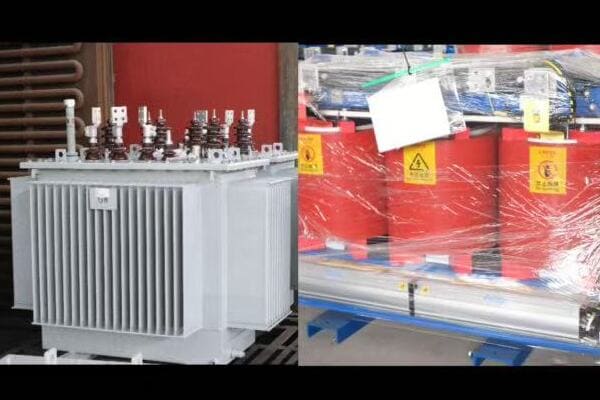
This guide walks you through the essential installation requirements for house transformers, including safe spacing, grounding specifications, and compliance with NEC 450 and IEC 60076—so you can ensure every unit installed meets technical, legal, and safety standards from day one. Whether you’re a developer, electrical contractor, or project manager, understanding these requirements is crucial for successful project completion and long-term operational safety.
Why Proper Installation Matters for House Transformers?
Have you ever wondered why some neighborhoods experience frequent power outages or why certain transformers seem to fail prematurely? The root cause often traces back to improper installation. But why exactly is correct installation so crucial, and what risks are you taking by cutting corners?
Proper installation of house transformers is critical for several reasons: it ensures safety by preventing electrical hazards, optimizes performance and efficiency, extends the transformer’s lifespan, and ensures compliance with legal and regulatory standards. Incorrect installation can lead to overheating, increased energy losses, frequent outages, and potential fire hazards. Moreover, it can result in failed inspections, costly repairs, and even legal liabilities for property developers. Proper installation is not just a technical requirement—it’s a fundamental aspect of responsible and efficient power distribution.
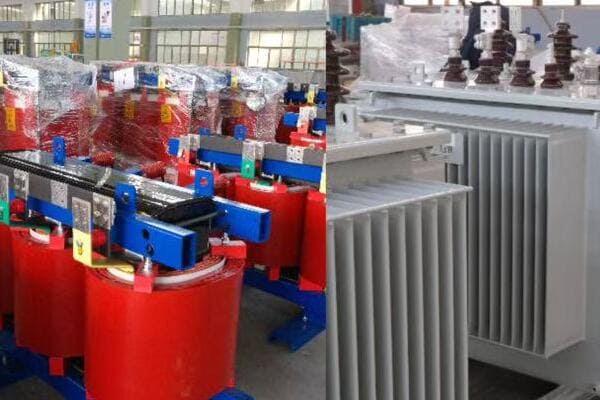
Key Aspects of Proper Transformer Installation
Let’s explore the main reasons why correct installation is crucial:
- Safety Considerations
- Performance and Efficiency
- Regulatory Compliance
- Long-term Reliability
- Cost Implications
Safety Considerations
Protecting lives and property:
- Prevention of electrical shock hazards
- Minimizing fire risks
- Ensuring proper insulation and containment
I recently consulted on a project where a poorly installed transformer led to a near-miss incident. The lack of proper clearance caused overheating, which could have resulted in a fire if not caught during a routine inspection. This experience underscored the critical importance of following installation guidelines to the letter.
Performance and Efficiency
Optimizing transformer operation:
- Ensuring proper cooling and ventilation
- Minimizing energy losses
- Maintaining voltage stability
During a recent energy audit, we discovered that improperly installed transformers in a housing development were contributing to higher-than-expected energy losses. Correcting the installation issues led to a 5% reduction in overall energy consumption for the community.
Regulatory Compliance
Meeting legal and industry standards:
- Adherence to NEC and local electrical codes
- Passing inspection and certification processes
- Avoiding legal liabilities and penalties
Here’s a quick overview of compliance benefits:
| Aspect | Compliant Installation | Non-Compliant Installation |
|---|---|---|
| Legal Status | Meets all regulations | Potential for fines and legal issues |
| Insurance | Fully covered | May void coverage |
| Resale Value | Maintains property value | Can negatively impact appraisals |
| Operational Approval | Smooth process | Potential for delayed occupancy |
Long-term Reliability
Ensuring sustained performance:
- Extending the transformer’s operational lifespan
- Reducing frequency of maintenance and repairs
- Improving overall power quality and stability
Cost Implications
Balancing upfront and long-term expenses:
- Avoiding costly retrofits and corrections
- Reducing energy waste and operational costs
- Preventing premature replacement of equipment
Key points about the importance of proper transformer installation:
- It directly impacts the safety of residents and property
- Correct installation optimizes performance and energy efficiency
- Compliance with regulations prevents legal and financial risks
- Proper installation extends the transformer’s operational life
- It minimizes long-term costs associated with maintenance and energy losses
In my experience, the importance of correct installation often becomes most apparent when things go wrong. I recall a multi-family housing project where the developer opted for a quicker, non-standard installation process to save time. Within months, they faced frequent outages, resident complaints, and ultimately had to replace the transformer entirely—costing far more than if they had done it correctly from the start.
For example, in a recent smart community project, we meticulously followed all installation guidelines, including advanced clearance for future maintenance needs. This foresight not only ensured immediate compliance but also facilitated easier integration of smart grid technologies later on, showcasing how proper initial installation can support long-term innovation and efficiency.
As we move on to discuss specific clearance requirements, remember that proper installation is not just about following rules—it’s about creating a foundation for safe, efficient, and future-proof power distribution in residential communities.
Clearance Requirements According to NEC and IEC Standards?
Have you ever wondered why transformers need so much space around them? Or why some installations seem cramped while others have ample room? Understanding clearance requirements is crucial for safe and efficient transformer operation. But what exactly do the NEC and IEC standards say about this, and how can you ensure compliance?
NEC and IEC standards specify minimum clearance requirements for transformer installations to ensure safety and accessibility. According to NEC 450.26, a minimum of 3 feet (0.9 m) of clearance is required in front of transformer enclosures for inspection and maintenance. IEC 60076-11 recommends similar spacing, with additional considerations for ventilation. Side and rear clearances typically range from 1 to 3 feet, depending on voltage and accessibility needs. These clearances are crucial for preventing overheating, ensuring proper ventilation, and allowing safe access for maintenance and emergency situations.
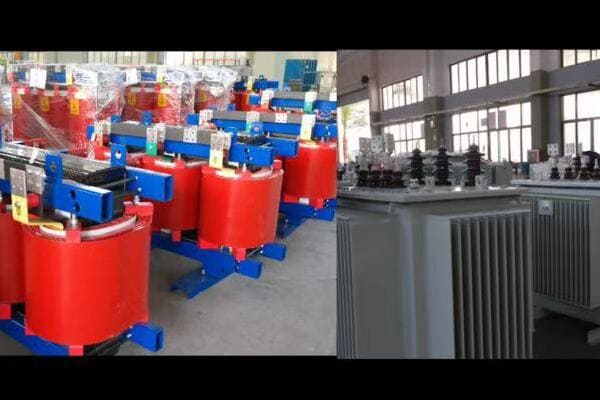
Key Aspects of Transformer Clearance Requirements
Let’s break down the main clearance considerations:
- Front Access Clearance
- Side and Rear Clearances
- Overhead Clearance
- Clearance from Buildings and Combustible Materials
- Special Considerations for Different Transformer Types
Front Access Clearance
Ensuring safe and easy access:
- NEC 450.26 requirement: Minimum 3 feet (0.9 m) in front of enclosure
- Purpose: Allow for inspection, maintenance, and emergency access
- Consideration for door swing and equipment removal
I recently consulted on a project where inadequate front clearance made routine maintenance challenging. We had to redesign the installation area, which was costly and time-consuming. This experience reinforced the importance of planning for proper clearances from the outset.
Side and Rear Clearances
Balancing space constraints with safety:
- Typical requirements: 1 to 3 feet, depending on voltage and ventilation needs
- Consideration for heat dissipation and air circulation
- Access for cable connections and potential repairs
During a recent urban development project, we faced space constraints that made side clearances challenging. By working closely with the manufacturer and local inspectors, we developed a custom ventilation solution that allowed for slightly reduced side clearances while still meeting safety standards.
Overhead Clearance
Ensuring proper ventilation and safety:
- Minimum clearance above transformer: Usually 3 to 5 feet
- Considerations for indoor vs. outdoor installations
- Importance for natural convection cooling
Here’s a quick reference guide for clearance requirements:
| Location | NEC Requirement | IEC Recommendation | Purpose |
|---|---|---|---|
| Front | 3 feet (0.9 m) | 1-1.5 m | Access and maintenance |
| Sides | 1-3 feet (0.3-0.9 m) | 0.5-1 m | Ventilation and access |
| Rear | 1-3 feet (0.3-0.9 m) | 0.5-1 m | Ventilation |
| Overhead | 3-5 feet (0.9-1.5 m) | 1-2 m | Heat dissipation |
Clearance from Buildings and Combustible Materials
Mitigating fire risks:
- NEC 450.21: Minimum 12 inches from combustible materials for dry-type transformers
- Increased clearances for oil-filled transformers
- Consideration of fire-resistant barriers when space is limited
Special Considerations for Different Transformer Types
Adapting clearances to specific needs:
- Pad-mounted vs. pole-mounted transformers
- Dry-type vs. oil-filled transformers
- Indoor vs. outdoor installations
Key points about transformer clearance requirements:
- Front access clearance is critical for maintenance and safety
- Side and rear clearances are important for ventilation and heat dissipation
- Overhead clearance ensures proper cooling and safety
- Clearance from buildings and combustible materials mitigates fire risks
- Different transformer types may have specific clearance needs
In my experience, adhering to clearance requirements often requires creative problem-solving, especially in urban environments. I recall a project in a densely packed city center where space was at a premium. We worked with the architectural team to design a dedicated transformer room that not only met all clearance requirements but also blended seamlessly with the building’s aesthetic. This approach ensured compliance without compromising on the project’s design vision.
For example, in a recent smart grid project, we anticipated future needs by providing extra clearance around pad-mounted transformers. This foresight allowed for easier integration of monitoring equipment and smart switches later on, showcasing how proper clearance planning can support long-term grid modernization efforts.
As we move on to discuss grounding requirements, remember that proper clearances are not just about meeting code—they’re about creating a safe, accessible, and future-proof installation that supports the long-term reliability of your power distribution system.
Grounding Requirements: System Safety and Surge Protection?
Have you ever wondered why proper grounding is so crucial for transformer installations? Or what happens if grounding is neglected? Grounding is often overlooked, but it’s a critical aspect of transformer safety and performance. So, what are the key grounding requirements, and how do they protect your system?
Proper grounding is essential for transformer safety and surge protection. NEC Article 250 requires a grounding electrode system with a resistance of 25 ohms or less, while many utilities aim for 5 ohms or lower. Key components include grounding rods (minimum 8 feet long), copper conductors (typically #2 AWG or larger), and proper bonding to the transformer case and neutral. Effective grounding protects against electric shock, helps in fault clearance, and provides a path for surge currents, enhancing overall system reliability and safety.
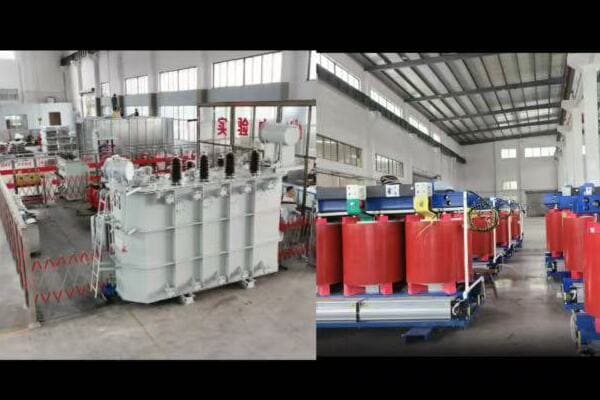
Key Aspects of Transformer Grounding Requirements
Let’s explore the main elements of a proper grounding system:
- Grounding Electrode System
- Grounding Conductor Sizing
- Bonding Requirements
- Surge Protection Considerations
- Testing and Maintenance of Grounding Systems
Grounding Electrode System
Establishing a solid earth connection:
- Use of grounding rods, typically copper-clad steel
- Minimum rod length: 8 feet (2.4 m)
- Multiple rods may be required to achieve desired resistance
I recently worked on a project where the soil conditions made it challenging to achieve the required grounding resistance with standard methods. We ended up using a combination of deep-driven rods and a ground ring to meet the specifications. This experience highlighted the importance of adapting grounding strategies to local conditions.
Grounding Conductor Sizing
Ensuring adequate current-carrying capacity:
- Typically #2 AWG copper or larger
- Size based on transformer kVA rating and fault current levels
- Consideration for voltage drop in longer runs
During a recent transformer upgrade project, we discovered that the existing grounding conductor was undersized for the new, higher-capacity unit. Upgrading the grounding system was crucial to ensure the safety and proper operation of the new transformer.
Bonding Requirements
Creating a unified grounding system:
- Bonding of transformer case to grounding system
- Proper connection of neutral point to ground
- Bonding of nearby metallic structures for equipotential surfaces
Here’s a quick reference for grounding requirements:
| Component | Specification | Purpose |
|---|---|---|
| Grounding Rod | 8 ft (2.4 m) minimum, copper-clad | Establish earth connection |
| Grounding Conductor | #2 AWG copper or larger | Carry fault currents |
| Ground Resistance | ≤25 Ω (NEC), ≤5 Ω (common utility standard) | Ensure effective grounding |
| Bonding | Transformer case, neutral, nearby metal | Create equipotential zone |
Surge Protection Considerations
Safeguarding against transient voltages:
- Installation of surge arresters at transformer
- Coordination with downstream surge protection devices
- Importance in areas prone to lightning strikes
Testing and Maintenance of Grounding Systems
Ensuring long-term effectiveness:
- Initial testing of ground resistance upon installation
- Periodic retesting, especially after soil disturbances
- Maintenance of connections and conductors
Key points about transformer grounding requirements:
- A proper grounding electrode system is crucial for safety and performance
- Grounding conductor size must be adequate for the transformer’s capacity
- Bonding creates a unified, equipotential grounding system
- Surge protection is an integral part of the grounding strategy
- Regular testing and maintenance ensure continued effectiveness
In my experience, the importance of proper grounding often becomes apparent during extreme events. I recall a case where a well-grounded transformer system successfully dissipated a direct lightning strike, preventing damage to connected equipment and avoiding a potentially lengthy power outage. This incident underscored the critical role of grounding in protecting not just the transformer, but the entire power distribution system.
For example, in a recent smart grid project, we implemented an advanced grounding system that not only met safety requirements but also provided a robust foundation for sensitive monitoring and communication equipment. This approach ensured both personnel safety and the reliability of smart grid functions, demonstrating how proper grounding supports both traditional safety needs and modern grid technologies.
As we move on to discuss NEC compliance for residential transformer installations, remember that effective grounding is not just about meeting minimum standards—it’s about creating a resilient foundation for your entire electrical system, protecting both equipment and people from potential hazards.
NEC Compliance Checklist for Residential Transformer Installations?
Are you feeling overwhelmed by the numerous NEC requirements for transformer installations? With so many codes and standards to follow, how can you ensure your residential transformer installation is fully compliant? Let’s break down the key NEC requirements into a manageable checklist.
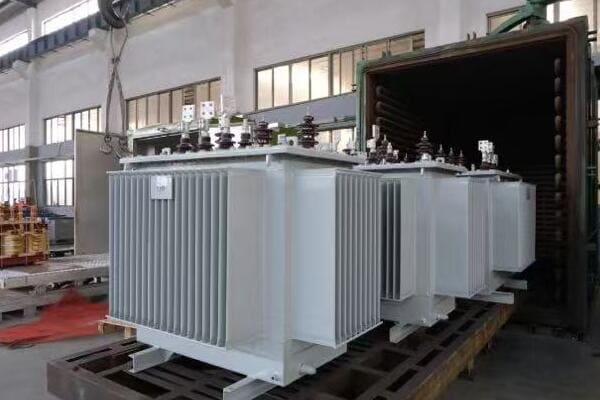
NEC compliance for residential transformer installations involves several key areas: proper sizing (NEC 450.3), overcurrent protection (NEC 450.3), ventilation (NEC 450.9), grounding (NEC 250), clearances (NEC 450.26), and labeling (NEC 450.11). Essential requirements include adequate transformer capacity for the load, proper fusing or circuit breaker protection, sufficient clearance for ventilation and maintenance, proper grounding with resistance ≤25 Ω, and clear labeling of transformer characteristics. Compliance ensures safety, reliability, and legal operation of the transformer installation.
Key Aspects of NEC Compliance for Transformer Installations
Let’s explore the main elements of NEC compliance:
- Transformer Sizing and Selection (NEC 450.3)
- Overcurrent Protection Requirements (NEC 450.3)
- Ventilation and Temperature Considerations (NEC 450.9)
- Grounding and Bonding (NEC 250)
- Clearances and Accessibility (NEC 450.26)
Transformer Sizing and Selection (NEC 450.3)
Ensuring adequate capacity:
- Proper calculation of load requirements
- Consideration of future load growth
- Selection of appropriate transformer kVA rating
I recently consulted on a project where the initial transformer sizing didn’t account for planned future expansions. We had to revise the plans to include a larger transformer, which, while more expensive initially, prevented costly upgrades down the line.
Overcurrent Protection Requirements (NEC 450.3)
Safeguarding against electrical faults:
- Proper sizing of primary and secondary protection- Coordination of protective devices
- Consideration of transformer impedance
During a recent residential complex project, we discovered that the overcurrent protection was undersized for the transformer’s secondary. This oversight could have led to nuisance tripping under normal load conditions. We quickly corrected it, highlighting the importance of careful protection coordination.
Ventilation and Temperature Considerations (NEC 450.9)
Ensuring proper cooling:
- Adequate airflow around the transformer
- Temperature monitoring provisions
- Special considerations for enclosed installations
Here’s a quick reference for NEC compliance in transformer installations:
| NEC Section | Requirement | Key Considerations |
|---|---|---|
| 450.3 | Overcurrent Protection | Sized for 125% of rated current |
| 450.9 | Ventilation | Sufficient airflow, <30°C ambient temp |
| 250 | Grounding | ≤25 Ω resistance, proper bonding |
| 450.26 | Clearances | Min. 3 ft front clearance for access |
| 450.11 | Labeling | Clear marking of ratings and characteristics |
Grounding and Bonding (NEC 250)
Establishing a safe electrical system:
- Proper grounding electrode system
- Correct sizing of grounding conductors
- Bonding of transformer case and neutral
Clearances and Accessibility (NEC 450.26)
Ensuring safe operation and maintenance:
- Minimum front clearance of 3 feet
- Adequate side and rear clearances
- Consideration for future maintenance needs
Key points about NEC compliance for transformer installations:
- Proper sizing and selection are crucial for long-term reliability
- Overcurrent protection must be carefully coordinated
- Ventilation requirements ensure safe operating temperatures
- Grounding and bonding are essential for safety and proper operation
- Clearances must be maintained for accessibility and safety
In my experience, achieving full NEC compliance often requires a holistic approach. I recall a project where initial plans met most NEC requirements but fell short on accessibility. By working closely with the architectural team, we redesigned the transformer location to ensure full compliance without compromising the building’s aesthetics or functionality.
For example, in a recent smart home development, we integrated NEC compliance with advanced monitoring systems. This approach not only met safety standards but also allowed for real-time tracking of transformer performance, showcasing how compliance can be aligned with cutting-edge technology for improved overall system management.
As we move on to discuss site preparation and mounting, remember that NEC compliance is not just about ticking boxes—it’s about creating a safe, efficient, and future-proof electrical installation that serves as the foundation for reliable power distribution in residential settings.
Site Preparation and Mounting: Pad Foundation or Pole Brackets?
Are you unsure whether to opt for a pad-mounted or pole-mounted transformer for your residential project? The choice between these two mounting options can significantly impact installation ease, accessibility, and long-term maintenance. But how do you decide which is best for your specific situation?
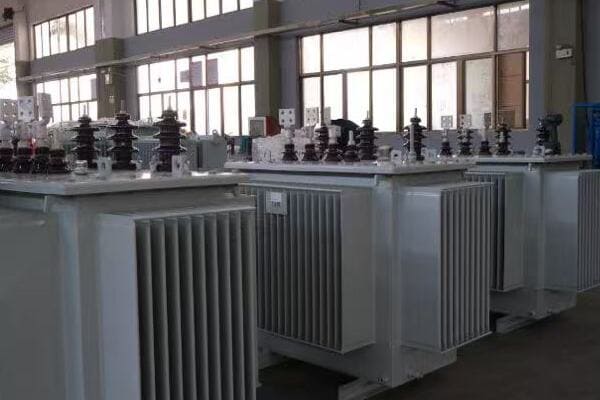
Site preparation for transformer installation varies significantly between pad-mounted and pole-mounted options. Pad-mounted transformers require a concrete foundation (typically 15-20 cm thick, with C25 strength or higher) and proper drainage. Pole-mounted transformers need sturdy poles (usually wood or steel) with appropriate brackets and guy-wires if necessary. The choice depends on factors like available space, aesthetic considerations, local regulations, and long-term accessibility needs. Pad-mounted installations are common in urban areas and new developments, while pole-mounted options are often used in rural or areas with existing overhead lines.
Key Aspects of Site Preparation and Mounting
Let’s explore the main considerations for both pad and pole mounting:
- Pad Foundation Requirements
- Pole Mounting Specifications
- Site Assessment and Preparation
- Equipment and Access Considerations
- Long-term Maintenance Implications
Pad Foundation Requirements
Creating a stable base for pad-mounted transformers:
- Concrete pad specifications (thickness, strength, size)
- Proper drainage and water management
- Anchor bolt placement and specifications
I recently oversaw a pad-mounted transformer installation where we encountered unexpected soil conditions. We had to redesign the foundation to include additional reinforcement and improved drainage. This experience underscored the importance of thorough site assessment before finalizing foundation plans.
Pole Mounting Specifications
Ensuring secure pole-mounted installations:
- Pole material and strength requirements
- Bracket and hardware specifications
- Guy-wire considerations for additional support
During a recent rural electrification project, we opted for pole-mounted transformers due to the challenging terrain. Careful selection of pole materials and proper guying techniques were crucial in ensuring stability in areas prone to high winds.
Site Assessment and Preparation
Evaluating and preparing the installation location:
- Soil testing and ground preparation
- Accessibility for installation equipment
- Consideration of future site development
Here’s a comparison of pad and pole mounting considerations:
| Aspect | Pad-Mounted | Pole-Mounted |
|---|---|---|
| Foundation | Concrete pad (15-20 cm thick) | Sturdy pole (wood or steel) |
| Site Prep | Excavation, leveling, drainage | Hole digging, pole setting |
| Typical Location | Urban areas, new developments | Rural areas, existing overhead lines |
| Accessibility | Ground level, easy access | Requires climbing or lift equipment |
| Aesthetics | Can be concealed with landscaping | More visible, part of overhead infrastructure |
Equipment and Access Considerations
Planning for installation and future maintenance:
- Access routes for heavy equipment
- Clearances for crane or lift operations
- Consideration of underground utilities
Long-term Maintenance Implications
Anticipating future needs:
- Ease of access for routine inspections
- Space for potential equipment upgrades
- Considerations for surrounding landscape growth
Key points about site preparation and mounting:
- Pad foundations require careful design and construction
- Pole mounting needs proper pole selection and installation techniques
- Thorough site assessment is crucial for both options
- Equipment access must be considered for installation and future maintenance
- Long-term maintenance needs should influence the mounting choice
In my experience, the choice between pad and pole mounting often involves balancing multiple factors. I recall a project in a developing suburban area where we initially planned for pole-mounted transformers to match existing infrastructure. However, after considering future development plans and long-term maintenance needs, we opted for pad-mounted units. This decision, while more costly initially, aligned better with the area’s growth trajectory and simplified future maintenance operations.
For example, in a recent smart community project, we chose pad-mounted transformers despite the higher initial cost. This decision allowed for better integration with underground utilities and smart grid components. The ground-level installation also simplified the integration of advanced monitoring systems, showcasing how mounting choices can impact not just current needs but also future technological integrations.
As we move on to discuss procurement considerations, remember that the choice between pad and pole mounting impacts not just the initial installation but also long-term operational efficiency and maintenance strategies. Careful consideration of site-specific factors and future needs is crucial for making the right decision.
Procurement Checklist: Questions to Ask Your Supplier Before Installation?
Are you about to order transformers for your residential project but feeling unsure about what to ask your supplier? With so many technical specifications and installation requirements, how can you ensure you’re getting all the necessary information and support? Let’s explore the key questions you should ask to make your procurement process smooth and your installation successful.
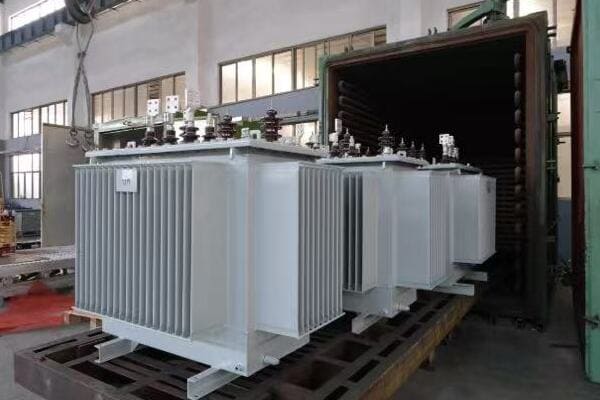
When procuring transformers, key questions for suppliers should cover technical specifications, installation support, and compliance. Essential inquiries include: 1) Does the transformer meet project-specific voltage and kVA requirements? 2) Are detailed installation instructions and drawings provided? 3) What are the exact clearance and foundation requirements? 4) Is on-site technical support available during installation? 5) Does the unit comply with relevant NEC and local standards? 6) What warranty and after-sales support is offered? Asking these questions ensures you receive a transformer that fits your project needs and can be installed correctly and safely.
Key Aspects of Transformer Procurement
Let’s break down the main areas to cover with your supplier:
- Technical Specifications and Compatibility
- Installation Support and Documentation
- Compliance and Certification
- Delivery and Handling
- Warranty and After-Sales Support
Technical Specifications and Compatibility
Ensuring the right fit for your project:
- Voltage ratings (primary and secondary)
- kVA capacity and overload capabilities
- Impedance and efficiency ratings
- Special features (e.g., taps, monitoring systems)
I recently worked on a project where the initial transformer order didn’t account for future load growth. By discussing long-term plans with the supplier, we were able to select a unit with higher capacity and tap changing capabilities, avoiding costly upgrades down the line.
Installation Support and Documentation
Facilitating smooth on-site setup:
- Availability of detailed installation manuals
- Provision of foundation and mounting specifications
- Access to technical support during installation
- Training options for maintenance personnel
During a recent large-scale residential development, the supplier’s comprehensive installation guide and on-call technical support were invaluable. They helped us navigate some unexpected site challenges, ensuring a correct and timely installation.
Compliance and Certification
Meeting regulatory and safety standards:
- Conformity with NEC requirements
- Relevant UL or equivalent certifications
- Compliance with local utility standards
- Environmental and efficiency certifications
Here’s a checklist of key questions to ask your supplier:
| Category | Questions to Ask |
|---|---|
| Technical Specs | 1. Does the transformer meet project voltage/kVA requirements? 2. What are the efficiency ratings and loss figures? |
| Installation | 1. Are detailed installation instructions provided? 2. What are the exact clearance and foundation requirements? |
| Compliance | 1. Does the unit comply with NEC and local standards? 2. What certifications does the transformer have? |
| Support | 1. Is on-site technical support available during installation? 2. What warranty and after-sales support is offered? |
Delivery and Handling
Ensuring safe and timely arrival:
- Expected lead times and delivery schedules
- Special handling or transportation requirements
- On-site delivery and positioning capabilities
- Packaging and storage recommendations
Warranty and After-Sales Support
Protecting your investment:
- Warranty terms and coverage period
- Availability of spare parts
- Response time for emergency support
- Options for extended warranty or service contracts
Key points to remember when procuring transformers:
- Verify that technical specifications match your project requirements
- Ensure comprehensive installation support and documentation
- Confirm compliance with all relevant standards and regulations
- Clarify delivery logistics and on-site handling needs
- Understand the warranty terms and available after-sales support
In my experience, thorough communication with suppliers during the procurement phase can prevent numerous issues down the line. I recall a project where initial discussions overlooked the need for special corrosion-resistant coatings for a coastal installation. By catching this oversight early in the procurement process, we were able to specify the correct coating, avoiding potential long-term reliability issues.
For example, in a recent smart grid project, our detailed discussions with the supplier led to the selection of transformers with advanced monitoring capabilities. This foresight not only met our immediate needs but also positioned the installation for easy integration with future smart grid technologies, showcasing how comprehensive procurement discussions can support long-term project goals.
As we conclude our discussion on transformer installation requirements, remember that effective procurement is not just about getting the right product—it’s about ensuring you have all the necessary information, support, and assurances to make your installation successful and your power distribution system reliable for years to come.
FAQs: Transformer Installation in Residential Projects
To address some common questions about transformer installation in residential projects:
-
How much clearance is required around a house transformer?
According to NEC 450.26, a minimum of 3 feet (0.9 m) of clearance is required in front of transformer enclosures for inspection and maintenance. Side and rear clearances typically range from 1 to 3 feet, depending on the transformer type and local regulations. Always consult your local codes as they may have additional requirements. -
What is the minimum depth for transformer grounding rods?
The NEC requires a minimum length of 8 feet (2.4 m) for grounding rods. However, the actual depth may need to be greater to achieve the required ground resistance, typically 25 ohms or less. In some cases, multiple rods or alternative grounding methods may be necessary to meet resistance requirements. -
Does the NEC require pad-mounted transformers to be fenced?
The NEC does not explicitly require fencing for all pad-mounted transformers. However, NEC 450.8 requires that transformers be protected by enclosures or guards to prevent accidental contact with energized parts. In practice, many utilities and local codes require fencing or locked enclosures for pad-mounted transformers in public areas. -
Can a residential transformer be installed indoors?
Yes, transformers can be installed indoors, but they must meet specific NEC requirements. Indoor installations must comply with NEC 450.9 for ventilation, NEC 450.21 for dry-type transformers, or NEC 450.26 for oil-insulated transformers. Indoor installations often require additional fire protection measures and must ensure adequate cooling and accessibility. -
What size transformer do I need for a typical single-family home?
The size of the transformer depends on the home’s electrical load. For a typical single-family home, a 25 kVA transformer is often sufficient. However, larger homes or those with high-power demands (e.g., electric heating, pool equipment) may require 37.5 kVA or 50 kVA transformers. Always perform a detailed load calculation to determine the appropriate size.
Conclusion
Proper installation of house transformers is crucial for ensuring safety, reliability, and compliance in residential power distribution. By adhering to clearance requirements, implementing correct grounding practices, following NEC guidelines, and carefully considering mounting options, you can create a robust and efficient electrical infrastructure. Remember to engage closely with suppliers during procurement to ensure all technical and support needs are met. Careful attention to these details will result in a transformer installation that not only meets current needs but is also prepared for future developments in residential power systems.
Thank you for joining me in this exploration of house transformer installation requirements. Stay curious, stay informed, and let’s keep pushing the boundaries of what’s possible in power distribution and electrical engineering.