
Have you ever wondered why your lights don’t flicker every time your neighbor turns on their air conditioner? The answer lies in a device you’ve probably never thought about: the electrical transformer. These unsung heroes are the backbone of our power grid stability.
Electrical transformers maintain grid stability through voltage regulation, load balancing, reactive power management, and fault protection. They act as critical control points in the power system, adjusting voltage levels, managing power flow, and isolating faults to ensure a consistent and reliable electricity supply across the network.

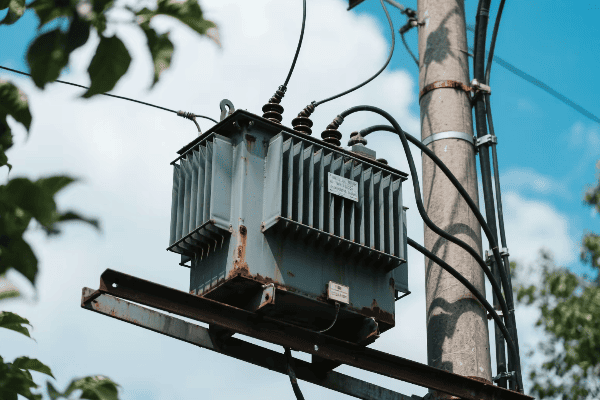
I’ve spent years working with transformers, and I’m always amazed at how these devices keep our power grid running smoothly. From massive substation units to small pole-mounted boxes, transformers are everywhere, silently working to maintain the delicate balance of our electrical system. Let’s dive into the fascinating world of transformers and discover how they keep our grid stable.
Voltage Regulation: Transformer Mechanisms for Maintaining Consistent Power Supply?
Have you ever plugged in a sensitive device and worried about power surges? Transformers are your first line of defense. But how do they keep voltage levels steady in a constantly changing grid?
Transformers maintain consistent power supply through voltage regulation mechanisms such as tap changers, automatic voltage regulators, and reactive power compensation. These systems continuously monitor and adjust voltage levels, ensuring that power delivered to end-users remains within acceptable limits despite fluctuations in generation or demand.
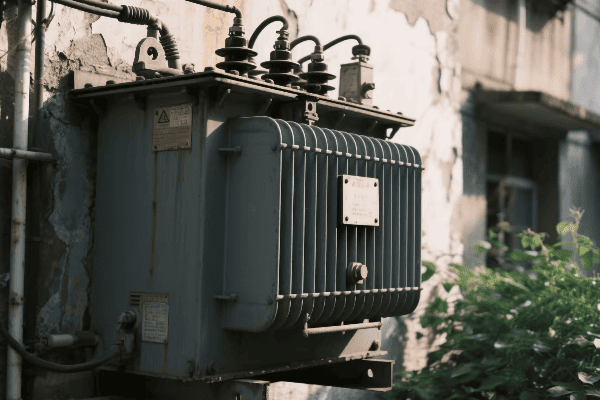
In my years of experience, I’ve seen firsthand how crucial voltage regulation is for grid stability. Here’s a deeper look at how transformers accomplish this:
On-Load Tap Changers (OLTC)
The real-time voltage adjusters:
- Continuous Monitoring: OLTCs constantly check output voltage.
- Automatic Adjustment: They change transformer turns ratio without interrupting power flow.
- Rapid Response: Modern OLTCs can make adjustments in seconds.
I once worked on upgrading a substation with new OLTC-equipped transformers. The improvement in voltage stability was remarkable, especially during peak demand hours when load fluctuations were most severe.
Automatic Voltage Regulators (AVR)
Keeping voltage in the sweet spot:
| Component | Function | Benefit |
|---|---|---|
| Voltage Sensor | Detects voltage deviations | Enables quick response |
| Control Unit | Processes sensor data | Determines necessary adjustments |
| Tap Changer | Executes voltage corrections | Maintains stable output |
In a recent smart grid project, we implemented AVRs that could communicate with each other across the network. This coordinated approach allowed for more precise voltage control across the entire distribution system.
Reactive Power Compensation
Balancing the invisible side of power:
- Capacitor Banks: Provide reactive power to boost voltage.
- Reactors: Absorb reactive power to lower voltage.
- Static VAR Compensators: Offer rapid, flexible reactive power control.
I helped design a reactive power compensation system for a large industrial park. The improvement in power factor and voltage stability reduced energy costs for all the businesses in the area and significantly improved overall grid stability.
Load Balancing: How Transformers Adapt to Fluctuating Energy Demands?
Ever wondered how the grid copes when everyone turns on their AC on a hot day? Transformers play a key role in this balancing act. But how do they manage these sudden spikes in demand?
Transformers adapt to fluctuating energy demands through load balancing techniques. They use tap changers, parallel operation, and smart monitoring systems to distribute load evenly, prevent overloading, and maintain efficiency. This flexibility allows the grid to handle varying demands without compromising stability or power quality.
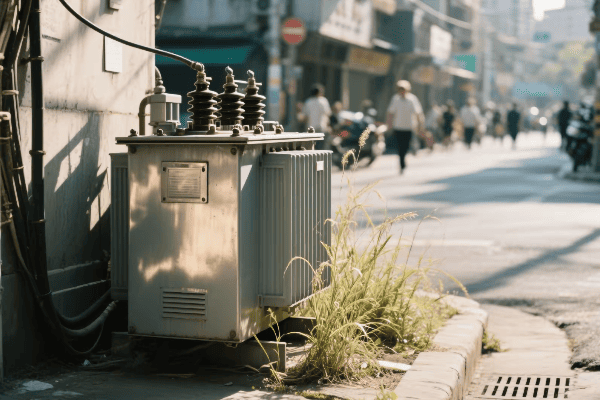
Throughout my career, I’ve seen how critical load balancing is for maintaining a stable grid. Here’s how transformers make it happen:
Parallel Operation
Sharing the load:
- Multiple Transformers: Work together to handle total load.
- Load Sharing: Distributes demand across units for optimal efficiency.
- Redundancy: Provides backup in case of transformer failure.
I once worked on a project where we implemented parallel operation in a large substation. The system’s ability to dynamically distribute load among multiple transformers significantly improved reliability and efficiency.
Dynamic Rating
Adapting to changing conditions:
| Factor | Impact | Adjustment |
|---|---|---|
| Ambient Temperature | Affects cooling efficiency | Adjust load capacity |
| Load History | Indicates thermal stress | Modify short-term ratings |
| Cooling System Status | Influences heat dissipation | Adjust maximum load |
In a recent smart grid implementation, we used transformers with dynamic rating capabilities. They could adjust their capacity based on real-time conditions, allowing for a 20% increase in power throughput during cooler periods without risking overheating.
Smart Load Management
Using data to optimize performance:
- Real-Time Monitoring: Tracks load patterns and transformer health.
- Predictive Analytics: Anticipates demand spikes and potential issues.
- Automated Load Shifting: Redistributes power to prevent overloading.
I helped implement a smart load management system for a utility company. The system’s ability to predict and proactively manage load fluctuations reduced transformer failures by 30% in the first year.
Reactive Power Management: The Role of Transformers in Grid Power Factor Correction?
Have you ever heard of "phantom power" in the grid? That’s reactive power, and managing it is crucial for grid stability. But how do transformers help control this invisible yet vital component of our power system?
Transformers play a key role in reactive power management and power factor correction. They use tap changers, specialized windings, and auxiliary equipment like capacitor banks to adjust the balance between real and reactive power. This management is crucial for maintaining voltage stability, reducing losses, and improving overall grid efficiency.
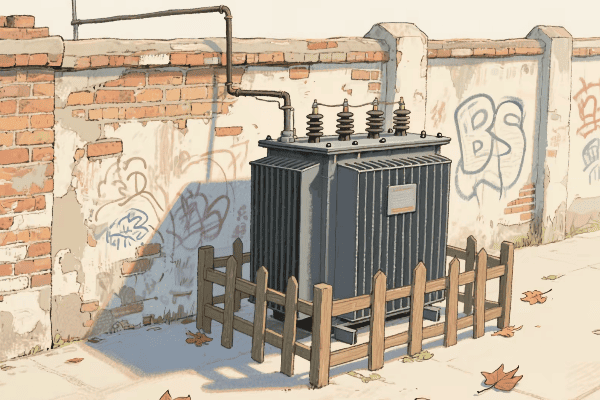
In my years working with power systems, I’ve seen how critical reactive power management is for grid stability. Here’s how transformers contribute to this essential function:
Tap Changing for Power Factor Correction
Fine-tuning the power balance:
- Voltage Adjustment: Changes turns ratio to modify reactive power flow.
- Automatic Operation: Responds to power factor deviations in real-time.
- Coordinated Control: Works with other grid components for optimal correction.
I once worked on upgrading a industrial substation with advanced tap-changing transformers. The improvement in power factor was significant, leading to reduced energy losses and lower electricity bills for the connected factories.
Specialized Transformer Designs
Built-in power factor management:
| Design Feature | Function | Benefit |
|---|---|---|
| Delta-Connected Tertiary Winding | Provides path for harmonic currents | Improves power quality |
| Phase-Shifting Transformers | Controls power flow between grid sections | Optimizes reactive power distribution |
| Zig-Zag Windings | Balances loads and provides neutral point | Enhances system stability |
In a recent project, we used phase-shifting transformers to manage power flow between two regions of the grid. This allowed for more efficient use of transmission capacity and improved overall system stability.
Auxiliary Reactive Power Equipment
Transformers working with supporting devices:
- Capacitor Banks: Often connected to transformer tertiaries for voltage support.
- Static VAR Compensators: Rapid reactive power adjustment for dynamic stability.
- Synchronous Condensers: Provide inertia and reactive power support in renewable-heavy grids.
I helped design a hybrid system using transformers and static VAR compensators for a large solar farm. The combination allowed for precise control of reactive power, ensuring the farm could meet grid code requirements even under varying sunlight conditions.
Fault Protection and Isolation: Transformers as Guardians Against System Disruptions?
Ever wondered why a problem in one part of the grid doesn’t take down the entire system? Transformers play a crucial role in this. But how do these devices act as guardians against widespread disruptions?
Transformers provide fault protection and isolation through specialized designs and protective equipment. They use features like differential protection, overcurrent relays, and circuit breakers to quickly detect and isolate faults. This rapid response prevents small issues from cascading into large-scale blackouts, maintaining overall grid stability.
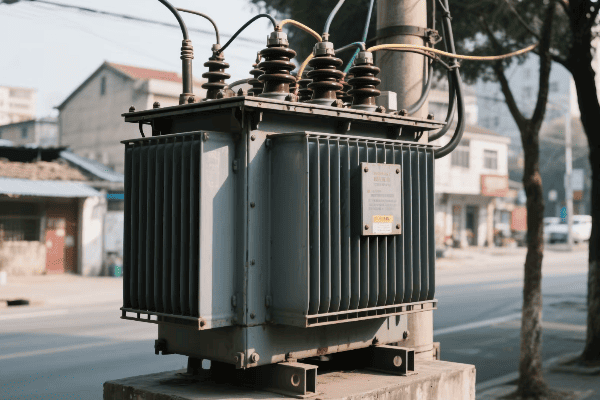
Throughout my career, I’ve seen transformers save the day in numerous fault scenarios. Here’s how they protect our grid:
Differential Protection
Catching internal faults fast:
- Current Comparison: Monitors input and output currents.
- Instantaneous Response: Triggers within milliseconds of detecting a mismatch.
- Selective Isolation: Pinpoints and isolates the exact location of the fault.
I once witnessed a differential protection system prevent a major substation failure. It detected and isolated a developing fault in a transformer winding before it could cause widespread damage.
Overcurrent Protection
Guarding against overloads:
| Protection Type | Function | Application |
|---|---|---|
| Instantaneous Overcurrent | Trips immediately for severe faults | Short circuit protection |
| Time-Delayed Overcurrent | Allows for temporary overloads | Coordination with other devices |
| Thermal Overload | Protects against long-term overheating | Prevents insulation damage |
In a recent grid modernization project, we implemented a sophisticated overcurrent protection scheme. It successfully prevented equipment damage during several severe weather events, keeping the power on for thousands of customers.
Buchholz Relay
The gas detector for oil-filled transformers:
- Gas Accumulation Detection: Identifies internal faults that produce gases.
- Oil Level Monitoring: Alerts to potential leaks or severe internal damage.
- Two-Stage Alarm: Provides warning and trip functions for different severity levels.
I remember a case where a Buchholz relay detected a developing fault in a large power transformer. Its early warning allowed for a planned outage and repair, avoiding a potential catastrophic failure and prolonged blackout.
Smart Transformer Technologies: Enhancing Grid Stability in the Age of Renewable Energy?
With the rise of solar and wind power, our grid faces new challenges. How are transformers evolving to keep up? Smart transformer technologies are the answer, but what makes them so smart?
Smart transformer technologies enhance grid stability by incorporating advanced monitoring, control, and communication capabilities. These transformers use real-time data analytics, adaptive algorithms, and two-way power flow management to handle the variability of renewable energy sources, optimize power distribution, and respond quickly to grid disturbances.
I’ve been fortunate to work on several smart grid projects, and the capabilities of these new transformers are truly impressive. Here’s how they’re revolutionizing grid stability:
Real-Time Monitoring and Analytics
The eyes and brains of the smart grid:
- Advanced Sensors: Monitor voltage, current, temperature, and more in real-time.
- Big Data Processing: Analyzes vast amounts of grid data instantly.
- Predictive Maintenance: Forecasts potential issues before they cause disruptions.
In a recent city-wide smart grid implementation, our intelligent transformers could detect and report anomalies in power quality within milliseconds, allowing for immediate corrective action.
Adaptive Voltage Control
Transformers that learn and adapt:
| Feature | Function | Benefit |
|---|---|---|
| Machine Learning Algorithms | Optimize voltage based on historical data | Improves efficiency |
| Dynamic Set Points | Adjust target voltage levels in real-time | Enhances stability |
| Demand Response Integration | Coordinates with utility programs | Reduces peak loads |
I worked on a pilot program where smart transformers used adaptive voltage optimization. The system reduced overall energy consumption by 3% while improving power quality, saving the utility millions annually.
Renewable Energy Integration
Smoothing out the green energy roller coaster:
- Bi-directional Power Flow Management: Handles input from distributed energy resources.
- Ramp Rate Control: Manages sudden changes in renewable generation.
- Harmonic Mitigation: Addresses power quality issues from inverter-based sources.
In a recent project integrating a large solar farm into the grid, the smart transformers’ ability to manage the variable output made it possible to increase the renewable energy capacity of the local grid by 40% without compromising stability.
Conclusion
Electrical transformers maintain grid stability through voltage regulation, load balancing, reactive power management, fault protection, and smart technologies. These functions are crucial for a reliable, efficient, and increasingly renewable-powered electrical grid.