
Are you struggling to select the perfect transformer for your project? You’re not alone. Many engineers and project managers find themselves overwhelmed by the myriad of options and technical specifications. But what if you could navigate this complex decision with confidence and ease?
Choosing the correct transformer rating involves matching your voltage requirements, load profile, and application type. This guide explains how to calculate kVA, align input/output voltage, and select the appropriate transformer type to ensure safe, efficient, and compliant power distribution.
In this comprehensive guide, I’ll walk you through the step-by-step process of selecting the right transformer rating. Whether you’re working on a small commercial project or a large industrial installation, this article will equip you with the knowledge to make an informed decision and avoid costly mistakes.
What Does Transformer Rating Mean?
Have you ever wondered what all those numbers and letters on a transformer nameplate actually mean? Understanding transformer ratings is crucial for selecting the right equipment, but it can be confusing if you’re not familiar with the terminology. So, what exactly does a transformer rating tell us?
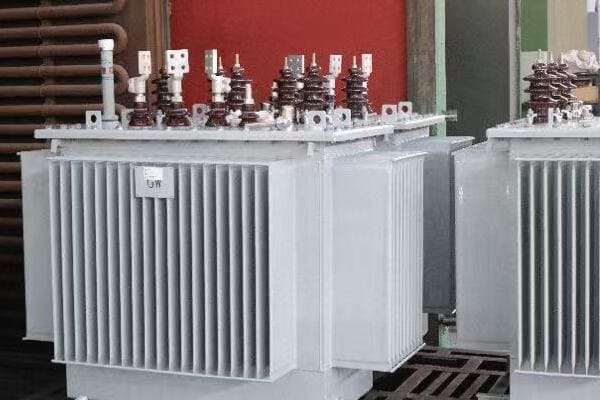
A transformer rating encompasses key parameters including voltage (primary & secondary), kVA capacity (power rating), frequency (Hz), and phase (single or three-phase). These ratings define the transformer’s operational limits and capabilities, ensuring it matches your specific power distribution needs.
Diving Deeper into Transformer Ratings
Let’s break down the main components of a transformer rating:
Voltage Rating
This specifies the input (primary) and output (secondary) voltages:
- Primary voltage: Matches your supply voltage (e.g., 11kV, 13.2kV)
- Secondary voltage: Aligns with your equipment needs (e.g., 400V, 480V)
I once worked on a project where the wrong voltage rating was specified, resulting in equipment damage. This experience taught me the critical importance of double-checking voltage ratings against both supply and load requirements.
kVA Capacity
The kilovolt-ampere (kVA) rating indicates the transformer’s power capacity:
- Determines the maximum load the transformer can handle
- Crucial for ensuring the transformer isn’t overloaded or underutilized
Frequency Rating
Specifies the operating frequency, typically 50Hz or 60Hz:
- Must match your local power grid frequency
- Affects core design and efficiency
Phase Rating
Indicates whether the transformer is single-phase or three-phase:
- Single-phase: Common in residential and light commercial applications
- Three-phase: Standard for industrial and larger commercial installations
Additional Rating Factors
Other important ratings include:
- Impedance: Affects short-circuit current and voltage regulation
- Temperature rise: Indicates thermal performance
- Insulation class: Determines temperature limits and lifespan
Here’s a quick reference table for common transformer ratings:
| Rating Type | Example Values | Importance |
|---|---|---|
| Primary Voltage | 11kV, 33kV | Must match supply |
| Secondary Voltage | 400V, 480V | Must match load |
| kVA Capacity | 100kVA, 1000kVA | Determines max load |
| Frequency | 50Hz, 60Hz | Matches grid frequency |
| Phase | Single, Three | Matches system configuration |
| Impedance | 4%, 5.75% | Affects system performance |
Understanding these ratings is crucial for proper transformer selection. In my experience, mismatched ratings are a common cause of transformer failures and system inefficiencies. By carefully considering each aspect of the transformer rating, you can ensure that your chosen transformer will operate safely, efficiently, and reliably in your specific application.
Step 1 – Calculate Your Load Requirements (in kW or kVA)
Are you unsure about how much power your transformer needs to handle? Accurately calculating your load requirements is the crucial first step in selecting the right transformer. But how do you go about determining this, especially when dealing with diverse equipment and varying load profiles?
Calculating load requirements involves summing all connected loads (motors, lighting, HVAC, etc.), applying a safety margin (typically 20%), and converting between kW and kVA. This process ensures your transformer can handle peak demands while providing room for future expansion.
Key Steps in Load Calculation
Let’s break down the process of calculating your load requirements:
- Sum all connected loads (motors, lighting, HVAC, etc.)
- Apply safety margin (typically 20%)
- Use formulas:
- For kVA: kW ÷ PF
- For amps: kVA × 1000 ÷ (Voltage × √3 for 3-phase)
Identifying and Summing Connected Loads
Start by listing all electrical equipment that will be powered by the transformer:
- Motors: Check nameplate ratings
- Lighting: Sum total wattage
- HVAC systems: Include compressors and fan motors
- Office equipment: Computers, printers, etc.
- Future expansions: Estimate additional loads
I once worked on a project where the client forgot to account for a planned expansion. We had to replace the transformer just a year later, which was costly and disruptive. This experience taught me to always discuss future plans with clients during the load calculation phase.
Applying a Safety Margin
Adding a safety margin is crucial for several reasons:
- Accounts for simultaneous peak loads
- Provides capacity for unforeseen additions
- Compensates for potential calculation errors
A typical safety margin is 20%, but this can vary based on the application:
- Commercial buildings: 15-20%
- Industrial facilities: 20-30%
- Data centers: Up to 40% due to critical nature
Using Formulas for Conversion
Converting between different units is often necessary:
-
kW to kVA conversion:
kVA = kW ÷ Power Factor (PF)Example: 100kW load with 0.8 PF
kVA = 100 ÷ 0.8 = 125kVA -
kVA to Amperes (for 3-phase systems):
Amps = (kVA × 1000) ÷ (Voltage × √3)Example: 125kVA at 400V
Amps = (125 × 1000) ÷ (400 × 1.732) = 180.4A
Practical Tips for Accurate Load Calculation
- Use actual measured data when available
- Consider load diversity factors
- Account for power factor correction equipment
- Don’t forget about harmonic loads (e.g., VFDs, UPS systems)
Here’s a simple load calculation table example:
| Equipment | Quantity | Unit kW | Total kW |
|---|---|---|---|
| Motors | 5 | 10 | 50 |
| Lighting | 100 | 0.1 | 10 |
| HVAC | 2 | 25 | 50 |
| Office Equipment | 50 | 0.5 | 25 |
| Subtotal | 135 | ||
| Safety Margin (20%) | 27 | ||
| Total Load | 162 kW |
Assuming a power factor of 0.85:
Total kVA = 162 kW ÷ 0.85 = 190.6 kVA
In this case, you might choose a 200kVA transformer to adequately cover the load requirements.
Accurate load calculation is the foundation of proper transformer sizing. In my experience, taking the time to thoroughly assess and document all loads, including potential future needs, can save significant costs and headaches down the line. Remember, it’s always better to have a slightly oversized transformer than one that’s too small for your needs.
Step 2 – Match Primary and Secondary Voltages
Have you ever wondered why voltage matching is so crucial in transformer selection? Mismatched voltages can lead to equipment failure, inefficiency, and even safety hazards. But how do you ensure you’re choosing the right voltage ratings for both the primary and secondary sides of your transformer?
Matching primary and secondary voltages involves aligning the transformer’s input with your local utility supply (e.g., 11kV, 13.2kV) and its output with your equipment needs (e.g., 400V, 480V, 230V). This step is critical for ensuring compatibility with both the power grid and your electrical systems.
Key Considerations in Voltage Matching
Let’s explore the essential aspects of matching primary and secondary voltages:
- Local utility input (e.g., 11kV, 13.2kV)
- Equipment voltage (e.g., 400V, 480V, 230V)
- Common step-down and step-up combinations
- Reference international voltage standards
Understanding Primary Voltage
The primary voltage must match your local utility supply:
- Common medium voltage levels: 11kV, 13.2kV, 33kV
- Verify with your local power company
- Consider future changes in utility supply voltage
I once worked on a project where the client assumed the utility voltage without checking. This led to ordering a transformer with the wrong primary voltage, causing significant delays and additional costs. Always verify the actual supply voltage with the utility company.
Selecting Secondary Voltage
Secondary voltage should align with your equipment needs:
- Common low voltage levels: 400V, 480V, 230V
- Check equipment specifications carefully
- Consider voltage drop in long cable runs
Common Voltage Combinations
Familiarize yourself with standard step-down ratios:
- 11kV/400V: Common in many countries
- 13.2kV/480V: Typical in parts of North America
- 33kV/11kV: Used in sub-transmission systems
International Voltage Standards
Reference relevant standards for your region:
- IEC 60038: International voltage standards
- ANSI C84.1: North American voltage ratings
- BS 7671: British standard for electrical installations
Here’s a quick reference table for common voltage combinations:
| Primary Voltage | Secondary Voltage | Typical Application |
|---|---|---|
| 11kV | 400V | Commercial/light industrial |
| 13.2kV | 480V | Industrial (North America) |
| 33kV | 11kV | Sub-transmission |
| 400V | 230V | Step-down for single-phase loads |
Practical Tips for Voltage Matching
- Always confirm utility supply voltage in writing
- Consider voltage regulation requirements
- Account for tap changer ranges if applicable
- Be aware of special voltage requirements for sensitive equipment
Voltage Matching Challenges
Some common challenges in voltage matching include:
- Non-standard voltages in older facilities
- Mixed voltage requirements in the same installation
- Dealing with international equipment with different voltage standards
In a recent project, we encountered a facility with both 400V and 480V equipment due to a mix of European and North American machinery. We solved this by using a transformer with dual secondary windings, providing both voltages from a single unit.
Impact of Incorrect Voltage Matching
Choosing the wrong voltage ratings can have serious consequences:
- Equipment damage due to overvoltage
- Poor performance or failure due to undervoltage
- Increased energy losses and operating costs
- Safety hazards from improper insulation levels
Proper voltage matching is crucial for the safe and efficient operation of your electrical system. In my experience, taking the time to thoroughly verify and document voltage requirements at both the supply and load ends can prevent costly mistakes and ensure optimal transformer performance. Remember, when in doubt, always consult with a qualified electrical engineer or the transformer manufacturer to confirm your voltage selections.
Step 3 – Select the Right Transformer Type for Your Application
Are you confused about which type of transformer best suits your needs? With so many options available, choosing the right transformer type can be overwhelming. But what if you could easily match your application requirements to the ideal transformer design?
Selecting the right transformer type involves considering factors like installation environment, load characteristics, and safety requirements. Options include dry-type for indoor and fire-sensitive areas, oil-immersed for outdoor and heavy industrial loads, and specialized types like isolation or autotransformers for specific applications.
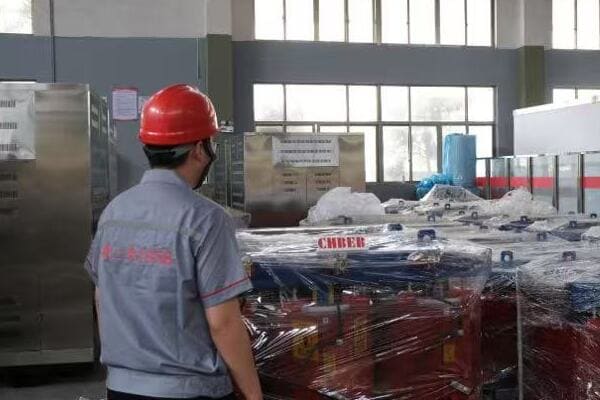
Key Transformer Types and Their Applications
Let’s explore the main types of transformers and their ideal use cases:
- Dry-type: indoor, fire-safe, commercial buildings
- Oil-immersed: outdoor, heavy industrial loads
- Isolation / autotransformers / step-up or step-down
- Pad-mounted, pole-mounted, or substation
Dry-Type Transformers
Ideal for indoor and fire-sensitive applications:
- No fire risk from combustible liquids
- Suitable for commercial buildings, hospitals, schools
- Available in cast resin or vacuum pressure impregnated (VPI) designs
I once recommended a dry-type transformer for a hospital expansion project. Its fire-safe characteristics and low maintenance needs made it perfect for the sensitive healthcare environment.
Oil-Immersed Transformers
Best for outdoor and heavy industrial applications:
- Excellent cooling properties for high capacity needs
- Suitable for harsh environments
- Requires containment measures for environmental protection
Specialized Transformer Types
-
Isolation Transformers:
- Provide electrical isolation between circuits
- Used in sensitive equipment protection
-
Autotransformers:
- Compact design for small voltage changes
- Common in motor starting applications
-
Step-Up/Step-Down Transformers:
- Specifically designed for voltage increase or decrease
- Used in renewable energy systems and grid connections
Mounting Options
-
Pad-Mounted:
- Ground-level installation
- Common in urban and commercial areas
-
Pole-Mounted:
- Elevated installation on utility poles
- Typical for rural power distribution
-
Substation:
- Large, high-capacity transformers
- Used in power transmission and distribution networks
Here’s a comparison table of transformer types:
| Type | Advantages | Best For | Considerations |
|---|---|---|---|
| Dry-Type | Fire-safe, low maintenance | Indoor, commercial | Higher initial cost |
| Oil-Immersed | High capacity, efficient cooling | Outdoor, industrial | Environmental concerns |
| Isolation | Circuit protection, noise reduction | Sensitive equipment | Larger size |
| Autotransformer | Compact, economical | Small voltage adjustments | Limited isolation |
Factors to Consider in Type Selection
When choosing a transformer type, consider:
- Installation environment (indoor/outdoor)
- Load characteristics (continuous/intermittent)
- Safety requirements (fire risk, environmental concerns)
- Maintenance capabilities and access
- Future expansion needs
- Local regulations and standards
In a recent industrial project, we initially considered oil-immersed transformers for their high capacity. However, strict environmental regulations in the area led us to opt for high-capacity dry-type units instead. This decision satisfied both the power requirements and compliance needs.
Common Mistakes in Type Selection
Avoid these pitfalls:
- Choosing based on initial cost alone
- Overlooking environmental factors
- Underestimating future load growth
- Ignoring maintenance requirements
Selecting the right transformer type is crucial for the success of your power distribution system. In my experience, carefully matching the transformer type to your specific application needs leads to better performance, longer equipment life, and fewer operational issues. Remember, the cheapest option isn’t always the most cost-effective in the long run. Consider the total lifecycle cost, including maintenance and potential upgrades, when making your decision.
Step 4 – Consider Environmental and Compliance Factors
Are you aware of how environmental conditions and regulatory requirements can impact your transformer choice? Overlooking these factors can lead to premature failure, legal issues, and safety hazards. But how do you ensure your transformer selection meets all necessary environmental and compliance standards?
Considering environmental and compliance factors is crucial in transformer selection. This includes adhering to standards like RoHS, REACH, UL, IEC, and ISO, as well as considering cooling needs, IP ratings, and installation location (indoor vs outdoor). Proper consideration ensures safety, reliability, and legal compliance.
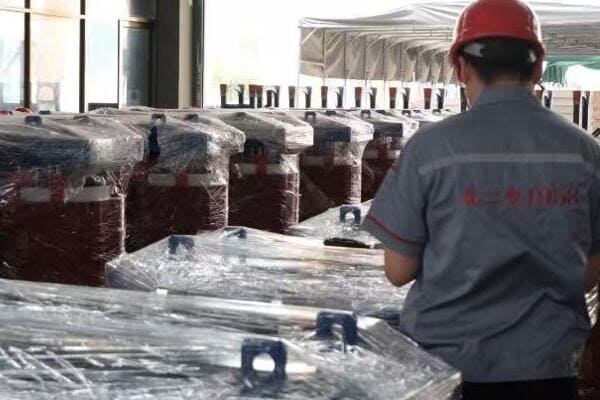
Key Environmental and Compliance Considerations
Let’s explore the critical factors to consider:
- RoHS / REACH / UL / IEC / ISO compliance
- Cooling needs (ONAN, AN, ONAF…)
- IP enclosure rating
- Indoor vs outdoor installation
Regulatory Compliance
Adhering to relevant standards is non-negotiable:
- RoHS (Restriction of Hazardous Substances): Ensures the transformer is free from restricted materials
- REACH (Registration, Evaluation, Authorization and Restriction of Chemicals): Addresses the production and use of chemical substances
- UL (Underwriters Laboratories): Safety certification, especially important in North America
- IEC (International Electrotechnical Commission): Global standards for electrical equipment
- ISO (International Organization for Standardization): Quality management standards
I once worked on a project where overlooking RoHS compliance led to issues with exporting the equipment to Europe. This experience taught me to always verify compliance requirements early in the selection process.
Cooling Systems
Proper cooling is essential for transformer longevity:
- ONAN (Oil Natural Air Natural): Common in oil-filled transformers
- AN (Air Natural): Used in dry-type transformers
- ONAF (Oil Natural Air Forced): For higher capacity oil-filled units
- AF (Air Forced): For high-capacity dry-type transformers
The choice of cooling system depends on load, environment, and maintenance capabilities. In a recent data center project, we opted for ONAF cooling to handle the high, continuous loads while minimizing noise.
IP Enclosure Rating
IP (Ingress Protection) ratings define protection against solids and liquids:
- First digit: Protection against solid objects (0-6)
- Second digit: Protection against liquids (0-8)
Common ratings include:
- IP23: Typical for indoor dry-type transformers
- IP54: Suitable for dusty environments
- IP65: Protects against water jets, used in outdoor installations
Indoor vs Outdoor Installation
Installation location significantly impacts transformer design:
- Indoor: Focus on fire safety, noise reduction, and space efficiency
- Outdoor: Emphasis on weather resistance, vandalism protection, and environmental containment
Here’s a comparison table for environmental and compliance factors:
| Factor | Indoor Consideration | Outdoor Consideration |
|---|---|---|
| Temperature | HVAC impact | Extreme weather |
| Humidity | Condensation risk | Corrosion protection |
| Pollution | Dust accumulation | Salt spray, industrial pollutants |
| Noise | Acoustic enclosures | Less critical |
| Safety | Fire resistance | Lightning protection |
Additional Environmental Considerations
- Altitude: Affects cooling efficiency and insulation requirements
- Seismic activity: May require special mounting and structural considerations
- Electromagnetic compatibility (EMC): Important in sensitive environments like hospitals or data centers
Compliance Documentation
Always ensure you have proper documentation:
- Certificates of compliance
- Test reports
- Material declarations
Common Mistakes in Environmental and Compliance Considerations
Avoid these pitfalls:
- Assuming one-size-fits-all for different regions
- Overlooking local environmental regulations
- Underestimating the impact of extreme weather conditions
- Neglecting future compliance requirements
In a recent project for a coastal industrial facility, we initially overlooked the corrosive effects of salt spray. This led to premature degradation of the transformer enclosure. We resolved the issue by specifying a higher IP rating and additional corrosion-resistant coatings, but it was a costly lesson in the importance of thorough environmental assessment.
Considering environmental factors and compliance requirements is not just about meeting regulations; it’s about ensuring the long-term reliability and safety of your power distribution system. In my experience, a thorough analysis of these factors early in the selection process can prevent costly modifications or replacements down the line. Remember, a transformer that works perfectly in one environment may fail prematurely in another. Always consider the specific conditions of your installation site and the relevant regulatory landscape.
Final Checklist – Confirm Before You Order
Are you ready to place your transformer order but worried you might have overlooked something crucial? This final step is your safety net, ensuring all key factors have been considered before making your purchase. But what exactly should you double-check to avoid costly mistakes?
Before ordering a transformer, it’s essential to confirm all critical parameters. This includes verifying voltage levels, load capacity, transformer type, compliance certifications, and delivery timeline. A final checklist ensures that all aspects of your transformer selection align with your project requirements and specifications.
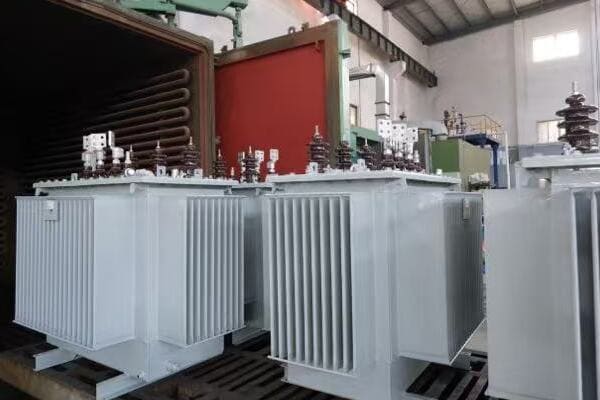
Comprehensive Final Checklist
Use this checklist to ensure you’ve covered all bases before placing your order:
| Item | Description | Checked |
|---|---|---|
| Voltage levels | Primary & secondary clearly defined | ☐ |
| Load capacity | kVA rating covers total + buffer | ☐ |
| Transformer type | Matches environment & load type | ☐ |
| Compliance | Meets local codes & certifications | ☐ |
| Delivery time | Aligns with project schedule | ☐ |
Let’s dive deeper into each of these critical items:
Voltage Levels
Confirm both primary and secondary voltages:
- Primary voltage matches utility supply
- Secondary voltage meets equipment needs
- Consider voltage regulation requirements
I once encountered a project where the secondary voltage was incorrectly specified as 400V instead of 415V. This small error led to significant issues with equipment performance. Always double-check voltage specifications against both utility documentation and equipment requirements.
Load Capacity
Ensure the kVA rating is sufficient:
- Covers calculated load plus safety margin
- Accounts for future expansion if planned
- Verify if overload capacity is required
Transformer Type
Confirm the selected type suits your application:
- Dry-type vs. oil-filled
- Core and winding configuration
- Special types (e.g., isolation, autotransformer)
Compliance and Certifications
Verify all necessary certifications are in place:
- Relevant standards (IEC, ANSI, BS, etc.)
- Environmental compliance (RoHS, REACH)
- Safety certifications (UL, CE)
In a recent international project, we almost overlooked a country-specific certification requirement. Catching this during the final checklist review saved us from potential legal issues and project delays.
Delivery Timeline
Ensure the delivery aligns with your project schedule:
- Confirm lead time with manufacturer
- Account for shipping and customs clearance if applicable
- Consider any site preparation requirements
Additional Checklist Items
Consider adding these items based on your specific project needs:
- [ ] Cooling system type (ONAN, ONAF, etc.)
- [ ] Impedance value
- [ ] Tap changer details (if applicable)
- [ ] Noise level requirements
- [ ] Physical dimensions and weight
- [ ] Special features (e.g., monitoring systems)
- [ ] Warranty terms
Common Oversights to Avoid
Be particularly vigilant about these often-overlooked aspects:
- Altitude considerations for installations above 1000m
- Harmonic load handling capabilities
- Seismic requirements for earthquake-prone areas
- Specific paint or finish requirements for corrosive environments
Documentation Review
Ensure you have all necessary documentation:
- Detailed technical specifications
- Compliance certificates
- Test reports
- Warranty information
I always recommend creating a project-specific checklist that incorporates any unique requirements of your installation. This tailored approach has helped me catch potential issues that generic checklists might miss.
By thoroughly reviewing this final checklist, you can significantly reduce the risk of ordering an unsuitable transformer. In my experience, the time spent on this final verification step is minimal compared to the potential costs and delays of correcting mistakes after the order is placed. Remember, it’s always better to delay an order by a day for thorough checking than to face weeks or months of project setbacks due to an incorrect specification.
Conclusion
Selecting the right transformer rating involves careful consideration of load requirements, voltage matching, transformer type, and environmental factors. By following this step-by-step guide and using the final checklist, you can ensure your transformer choice meets your project’s needs, complies with regulations, and operates efficiently and safely for years to come.
Remember, at chbeb-ele, we’re not just sharing information – we’re empowering you to be part of the solution in creating a secure, clean, and efficient energy future. Let’s continue this journey together.