
Are you struggling to choose the perfect oil-immersed transformer for your project? You’re not alone. Many engineers and project managers find themselves overwhelmed by the myriad of options and technical specifications. But what if you could navigate this complex decision with confidence and ease?
Choosing an oil-immersed transformer requires evaluating voltage levels, capacity, cooling method, and application environment. Industrial, utility, and renewable projects demand different technical specifications to ensure safe operation, grid compatibility, and long-term efficiency.
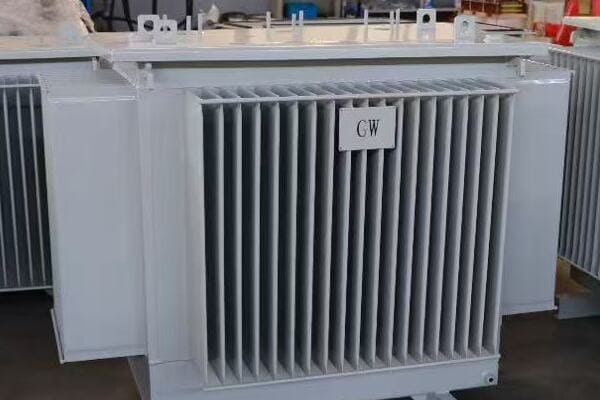
In this comprehensive guide, I’ll walk you through the key factors to consider when selecting an oil-immersed transformer. Whether you’re working on an industrial facility, a utility grid project, or a renewable energy installation, you’ll learn how to identify the right transformer that meets your specific needs. Let’s dive in and demystify the selection process together.
Understand the Role of Oil-Immersed Transformers in Different Power Systems?
Have you ever wondered why oil-immersed transformers are so widely used across various power systems? From industrial plants to utility grids and renewable energy projects, these transformers play a crucial role. But what makes them so versatile, and how do their functions differ across these diverse applications?
Oil-immersed transformers are vital in power systems due to their excellent insulation and cooling properties. In industrial settings, they handle variable loads and motor starts. For utilities, they ensure reliable power distribution. In renewable projects, they integrate fluctuating energy sources with the grid.
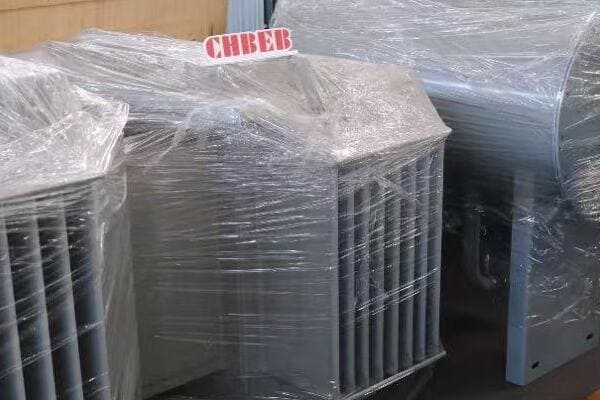
Exploring the Versatility of Oil-Immersed Transformers
Let’s delve deeper into how these transformers function in various power systems:
1. Industrial Applications
In industrial settings, oil-immersed transformers:
- Handle high inrush currents from motor starts
- Manage variable loads from different processes
- Provide reliable power for critical operations
I once worked on a project for a large manufacturing plant where we installed a 2500 kVA oil-immersed transformer. Its ability to handle the frequent load changes and motor starts was crucial for maintaining smooth operations.
2. Utility Grid Applications
For utility grids, these transformers:
- Step up voltage for efficient long-distance transmission
- Step down voltage for local distribution
- Maintain grid stability under varying load conditions
3. Renewable Energy Projects
In renewable energy systems, oil-immersed transformers:
- Adapt to fluctuating power generation from solar or wind
- Enable bidirectional power flow for grid integration
- Provide efficient voltage transformation for long-distance transmission
4. Advantages Across All Applications
Common benefits include:
- Excellent cooling and insulation properties
- Long operational life with proper maintenance
- Ability to handle overloads for short periods
Here’s a comparison table of transformer roles in different systems:
| Application | Primary Role | Key Features |
|---|---|---|
| Industrial | Power quality and reliability | High overload capacity, robust design |
| Utility Grid | Efficient power transmission and distribution | Large capacity, tap changers for voltage regulation |
| Renewable Energy | Integration of variable sources | Bidirectional capability, specialized designs for wind/solar |
In my experience, the adaptability of oil-immersed transformers is their greatest strength. I recall a project where we repurposed a utility-grade transformer for a large solar farm. With some modifications to the tap settings and protection systems, it performed excellently in this new role, handling the variable output of the solar panels efficiently.
The cooling efficiency of oil-immersed transformers is particularly valuable in high-load industrial environments. In a recent project for a steel mill, we implemented a large OFWF (Oil Forced Water Forced) cooled transformer. Its ability to maintain stable temperatures under extreme, fluctuating loads was impressive, ensuring uninterrupted operation of the electric arc furnaces.
For utility applications, the long-term reliability of oil-immersed transformers is crucial. I’ve been involved in the maintenance of substation transformers that have been in operation for over 40 years. With proper oil monitoring and maintenance, these units continue to perform efficiently, showcasing the longevity that makes them a preferred choice for utilities.
In renewable energy projects, the challenge often lies in managing variable inputs. I worked on a wind farm project where we used specially designed oil-immersed transformers with on-load tap changers. These units could adjust to the varying output of the wind turbines in real-time, ensuring stable power delivery to the grid.
The environmental considerations of oil-immersed transformers are becoming increasingly important. In a recent project, we implemented biodegradable ester fluids instead of traditional mineral oil. This choice not only reduced environmental risks but also improved fire safety, a critical factor for the indoor substation location.
Smart grid integration is another area where oil-immersed transformers are evolving. I’m currently involved in a project implementing transformers with advanced monitoring systems. These units can communicate real-time data on load, temperature, and oil condition, enabling predictive maintenance and improving overall grid reliability.
Lastly, the role of oil-immersed transformers in energy storage systems is an exciting development. In a recent battery storage project, we used specialized transformers designed to handle the rapid charge and discharge cycles. Their ability to manage bidirectional power flow and frequent load changes was key to the successful integration of the storage system with the grid.
Understanding the diverse roles of oil-immersed transformers in different power systems is crucial for selecting the right unit for your project. Whether it’s handling the dynamic loads of an industrial facility, ensuring the reliability of a utility grid, or integrating renewable sources, these transformers offer the versatility and performance needed in modern power systems. By considering the specific requirements of your application, you can choose a transformer that not only meets your current needs but also adapts to future changes in your power system.
Key Technical Parameters to Consider Before Selecting a Transformer?
Are you feeling overwhelmed by the technical specifications when choosing a transformer? You’re not alone. Many professionals struggle to prioritize the numerous parameters involved. But what if you had a clear roadmap of the most critical factors to consider?
**Key parameters to consider before selecting a transformer:
- Rated capacity (kVA): Match load demand with 20% buffer
- Primary & secondary voltage: Align with grid or equipment requirements
- Impedance: Crucial for fault current limitation
- Cooling method: ONAN, ONAF, or OFWF based on load profile
- Connection method: Dyn11, Yyn0, or custom
- Insulation class: A, B, F for different environments
- Protection level: IP20–IP55 for indoor/outdoor use
- Compliance standards: IEC, ANSI, GB, UL, CE**
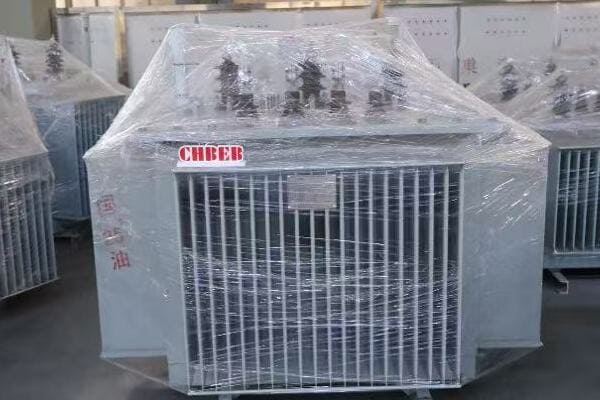
Diving Deeper into Transformer Selection Parameters
Let’s explore these critical parameters in more detail:
1. Rated Capacity (kVA)
Considerations for capacity selection:
- Current load requirements
- Future expansion plans
- Peak load handling capability
I once worked on a project where the client insisted on a transformer barely meeting their current needs. Within two years, they had to replace it due to expanded operations. Now, I always advise including at least a 20% capacity buffer for future growth.
2. Voltage Ratings
Key voltage considerations:
- Primary voltage matching grid supply
- Secondary voltage suitable for connected equipment
- Tap changer requirements for voltage regulation
3. Impedance
Importance of impedance:
- Fault current limitation
- System stability
- Parallel operation compatibility
4. Cooling Method
Factors influencing cooling choice:
- Load profile (steady vs variable)
- Environmental conditions
- Space constraints
Here’s a table summarizing cooling method characteristics:
| Cooling Method | Best For | Advantages | Considerations |
|---|---|---|---|
| ONAN | Small to medium loads | Simple, low maintenance | Limited capacity |
| ONAF | Medium to large loads | Adaptable to load changes | Requires fan maintenance |
| OFWF | Very large loads | High cooling efficiency | Complex, water supply needed |
In my experience, choosing the right cooling method is crucial for long-term performance. I recall a project where we initially selected ONAN cooling for a medium-sized industrial transformer. As the facility expanded, we had to upgrade to ONAF to handle the increased load, which could have been avoided with better initial planning.
The importance of proper voltage selection cannot be overstated. In a recent renewable energy project, we had to carefully consider the voltage requirements for integrating solar panels with the local grid. The transformer’s ability to handle the varying input voltage from the panels while maintaining a stable output was critical for the project’s success.
Impedance selection is often overlooked but can have significant implications. I worked on a utility substation upgrade where the new transformer’s impedance had to be carefully matched with existing units for parallel operation. This attention to detail ensured smooth integration and improved overall system stability.
The insulation class choice depends heavily on the operating environment. In a project for a paper mill with high ambient temperatures and humidity, we opted for Class F insulation. This decision, while increasing the initial cost, significantly extended the transformer’s lifespan in the challenging environment.
Protection levels are crucial, especially for outdoor installations. I once consulted on a coastal project where standard IP protection was insufficient. We had to specify a custom enclosure with enhanced corrosion resistance to withstand the salt-laden air, highlighting the importance of considering local environmental factors.
Compliance with relevant standards is non-negotiable. In an international project, we had to ensure the transformer met both IEC and ANSI standards, as it was part of a global supply chain. This dual compliance, while challenging, opened up broader market opportunities for the client.
The trend towards more efficient transformers is driving innovations in core materials. I’m currently involved in a project evaluating amorphous core transformers. While more expensive initially, their significantly lower no-load losses make them an attractive option for applications with long operating hours.
Lastly, the integration of smart monitoring systems is becoming increasingly important. In a recent large-scale deployment, we incorporated advanced sensors and communication capabilities into the transformers. This not only allowed for real-time monitoring but also enabled predictive maintenance, significantly improving reliability and reducing downtime.
Understanding and carefully considering these key technical parameters is crucial for selecting the right transformer for your project. Each parameter plays a vital role in ensuring the transformer’s performance, efficiency, and longevity. By thoroughly evaluating these factors in the context of your specific application and future needs, you can make an informed decision that balances technical requirements, cost-effectiveness, and long-term reliability. Remember, the right choice often involves looking beyond immediate needs to consider future growth and changing operational demands.
Transformer Requirements for Industrial Applications: What to Look For?
Are you tasked with selecting a transformer for an industrial project? The unique demands of industrial environments can make this choice challenging. But what specific features should you prioritize to ensure your transformer can handle the rigors of industrial use?
**For industrial applications, transformers should have:
- High overload capacity to handle motor starts and peak loads
- Robust mechanical design to withstand vibrations and harsh environments
- Efficient cooling systems (often ONAF or OFWF) for continuous heavy loads
- Tap changers for voltage regulation under varying load conditions
- Enhanced protection against harmonics and power quality issues
- Compatibility with industrial control and monitoring systems**

Key Considerations for Industrial Transformers
Let’s explore the critical aspects of transformers for industrial use:
1. Load Handling Capability
Industrial transformers must:
- Manage high inrush currents from motor starts
- Handle sustained overloads during peak production
- Adapt to rapidly changing load profiles
I once worked on a project for a large automotive plant where the transformer had to handle frequent welding machine operations. The high, short-duration current spikes required a transformer with exceptional overload capacity and rapid heat dissipation.
2. Mechanical Robustness
Key features for industrial environments:
- Reinforced tank and core construction
- Vibration-resistant design
- Enhanced protection against physical impacts
3. Cooling System Efficiency
Cooling considerations include:
- ONAF or OFWF systems for high-load applications
- Efficient heat dissipation in confined spaces
- Ability to operate in high ambient temperatures
4. Voltage Regulation
Important aspects:
- On-load tap changers for dynamic voltage adjustment
- Wide range of tap settings to accommodate voltage fluctuations
- Fast response to load changes
Here’s a table comparing transformer features for different industrial applications:
| Application | Key Feature | Cooling Method | Special Requirement |
|---|---|---|---|
| Heavy Manufacturing | High overload capacity | ONAF/OFWF | Robust mechanical design |
| Process Industry | Steady load handling | ONAN/ONAF | Corrosion-resistant materials |
| Data Centers | High efficiency | ONAF | Low noise, high reliability |
| Mining Operations | Rugged construction | OFWF | Dust and moisture protection |
In my experience, the choice of transformer for industrial applications often involves balancing multiple factors. I recall a project for a steel mill where we needed a transformer that could handle both the high continuous loads of the rolling mill and the periodic surges from the electric arc furnaces. We opted for an OFWF-cooled unit with enhanced short-circuit strength and an advanced on-load tap changer. This combination provided the necessary robustness and flexibility for the demanding application.
The importance of proper sizing cannot be overstated in industrial settings. In a recent expansion project for a chemical plant, we had to carefully consider not just the current load but also the planned future additions. We ended up selecting a transformer with 30% extra capacity, which proved invaluable when the plant expanded faster than initially projected.
Harmonic mitigation is a critical concern in many industrial applications. I worked on a project for a large printing facility where the numerous variable frequency drives were causing significant harmonic distortion. We implemented a transformer with a specialized winding design and additional filtering to manage these harmonics, greatly improving power quality and equipment longevity.
Environmental considerations can significantly impact transformer selection. In a project for a coastal industrial facility, we had to design a custom enclosure with enhanced corrosion resistance and specialized sealing to protect against salt-laden air and high humidity. This attention to environmental factors was crucial for ensuring long-term reliability in the harsh conditions.
The integration of transformers with industrial control systems is becoming increasingly important. I’m currently involved in a project implementing smart transformers in a large manufacturing complex. These units are equipped with advanced sensors and communication capabilities, allowing real-time monitoring and integration with the plant’s overall energy management system. This integration not only improves operational efficiency but also enables predictive maintenance, reducing downtime.
Energy efficiency is a growing concern in industrial transformer selection. In a recent project for an energy-intensive process industry, we conducted a detailed total cost of ownership analysis. Despite a higher initial cost, we chose a high-efficiency transformer with amorphous core technology. The energy savings over the transformer’s lifespan were projected to be substantial, aligning with the client’s sustainability goals and offering significant long-term cost benefits.
Noise considerations can be critical in certain industrial settings. I once worked on a project for a food processing plant where strict noise regulations applied. We had to carefully select a transformer with enhanced noise reduction features, including special core construction and tank design. Meeting these noise requirements while maintaining the necessary performance characteristics required close collaboration with the manufacturer.
Lastly, the trend towards modular and scalable industrial systems is influencing transformer design. In a recent project for a rapidly growing technology manufacturing facility, we implemented a modular transformer system. This approach allowed for easier capacity expansion and provided the flexibility to reconfigure the power distribution as the facility’s needs evolved.
Selecting the right transformer for industrial applications requires a thorough understanding of the specific operational demands and environmental conditions. By carefully considering factors such as load profile, mechanical stresses, cooling requirements, and power quality needs, you can choose a transformer that not only meets current demands but also provides the flexibility and reliability needed for future growth. Remember, in industrial settings, the cost of downtime often far outweighs the initial investment in a high-quality, well-specified transformer.
Utility-Grade Transformers: Meeting Grid Compliance and Reliability Standards?
Are you grappling with the complexities of selecting a transformer for utility grid applications? The stringent requirements and long-term reliability needs of power grids can make this a daunting task. But what specific features should you focus on to ensure your transformer meets both current standards and future grid demands?
**Utility-grade transformers must meet strict grid compliance and reliability standards. Key features include:
- High voltage insulation for transmission-level voltages
- Advanced tap changing capabilities for voltage regulation
- Robust short-circuit strength to withstand grid faults
- Enhanced efficiency to minimize transmission losses
- Smart monitoring systems for grid integration
- Compliance with specific utility and regulatory standards (e.g., IEEE, IEC)**
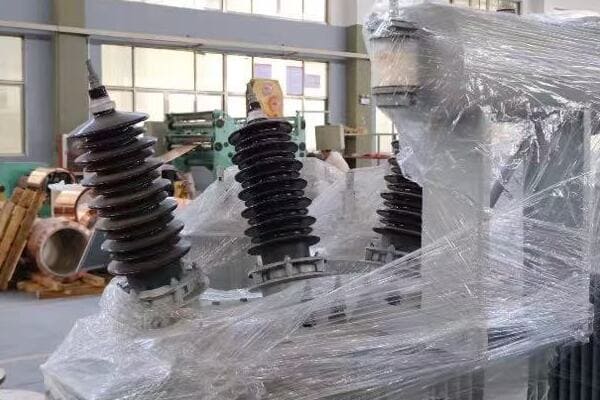
Essential Aspects of Utility-Grade Transformers
Let’s explore the critical features of transformers for utility applications:
1. Voltage Insulation and Regulation
Utility transformers require:
- High-grade insulation for transmission voltages (up to 765kV)
- On-load tap changers for dynamic voltage adjustment
- Wide regulation range to maintain grid stability
I once worked on a project upgrading a major substation where we installed a 500kV transformer. The insulation design was critical, not just for normal operation but also to withstand lightning strikes and switching surges. We implemented a hybrid insulation system that combined traditional oil-paper insulation with modern polymer insulators for enhanced performance.
2. Short-Circuit Strength and Reliability
Key considerations include:
- Robust mechanical design to withstand fault currents
- Enhanced winding reinforcement
- Extensive testing for short-circuit withstand capability
3. Efficiency and Loss Reduction
Focus areas for efficiency:
- Low-loss core materials (e.g., amorphous metals)
- Optimized winding designs
- Consideration of total owning cost (TOC) over lifespan
4. Smart Grid Integration
Modern utility transformers often feature:
- Advanced monitoring and diagnostic systems
- Communication interfaces for grid management
- Real-time data reporting for load balancing and predictive maintenance
Here’s a table comparing key features of utility transformers for different voltage classes:
| Voltage Class | Key Feature | Typical Capacity Range | Special Requirement |
|---|---|---|---|
| Distribution (≤69kV) | Load tap changers | 5-50 MVA | Smart metering integration |
| Sub-transmission (69-230kV) | Enhanced cooling | 50-200 MVA | Noise reduction for urban areas |
| Transmission (>230kV) | Advanced insulation | 200-1000 MVA | Seismic design for stability |
In my experience, the selection of utility-grade transformers often involves balancing multiple, sometimes competing, requirements. I recall a project for a growing urban area where we needed to upgrade the substation capacity while working within strict space and noise constraints. We opted for a highly efficient, low-noise design with ONAF cooling. The transformer incorporated advanced monitoring systems that allowed for dynamic loading, effectively increasing its capacity during peak hours without compromising its lifespan.
The importance of reliability in utility applications cannot be overstated. In a recent project for a critical grid interconnection point, we implemented a transformer with redundant cooling systems and advanced online monitoring. This included dissolved gas analysis (DGA) sensors that could detect potential issues before they became critical failures. The additional cost was justified by the transformer’s critical role in maintaining grid stability.
Efficiency considerations are becoming increasingly important in utility transformer selection. I worked on a large-scale grid modernization project where we conducted detailed loss evaluations for each transformer. By opting for low-loss amorphous core transformers in key locations, we projected significant energy savings over the transformers’ lifespans, aligning with the utility’s sustainability goals and regulatory efficiency requirements.
Environmental considerations often play a crucial role in utility transformer design. In a project for a coastal substation, we had to design for corrosive salt air, potential flooding, and hurricane-force winds. This led to a specialized enclosure design, enhanced sealing, and reinforced structural supports. We also used biodegradable ester fluid instead of traditional mineral oil to mitigate environmental risks in case of a leak.
The integration of renewable energy sources is posing new challenges for utility transformers. I’m currently involved in a project designing transformers for a large offshore wind farm. These units need to handle the variable input from wind turbines while providing stable output to the grid. We’re implementing advanced tap changers and reactive power compensation systems to manage the fluctuations effectively.
Cybersecurity is an emerging concern in utility transformer design. In a recent high-voltage substation upgrade, we incorporated advanced firewalls and encryption protocols into the transformer’s monitoring and control systems. This was crucial to protect against potential cyber threats that could compromise grid stability.
The trend towards more compact substations is influencing transformer design. I worked on an urban substation renovation where space was at a premium. We utilized a highly compact transformer design with advanced cooling systems to maximize power capacity within the limited footprint. This approach allowed for a significant capacity increase without expanding the substation’s physical boundaries.
Lastly, the increasing focus on grid resilience is driving innovations in transformer technology. I’m part of a research team exploring the use of modular, rapidly deployable transformer systems for emergency response. These units can be quickly installed to restore power in case of major outages or natural disasters, significantly improving grid recovery times.
Selecting the right utility-grade transformer requires a comprehensive understanding of both current grid requirements and future trends. By focusing on key aspects such as insulation quality, reliability, efficiency, and smart grid compatibility, you can choose a transformer that not only meets today’s standards but is also prepared for the evolving demands of modern power grids. Remember, in utility applications, the long-term reliability and adaptability of the transformer are paramount, often justifying higher initial investments for advanced features and robust designs.
Choosing the Right Transformer for Solar, Wind, or Energy Storage Projects?
Are you navigating the complex world of transformer selection for renewable energy projects? The unique challenges posed by solar, wind, and energy storage systems can make this task particularly daunting. But what specific features should you prioritize to ensure optimal performance and grid integration for these green energy solutions?
**For renewable energy projects, transformers should have:
- Ability to handle variable and bidirectional power flows
- High efficiency to maximize energy yield
- Robust design to withstand outdoor conditions
- Compatibility with inverters and grid codes
- Flexibility to operate under fluctuating loads
- Advanced monitoring for remote locations
- Compact design for space-constrained installations**
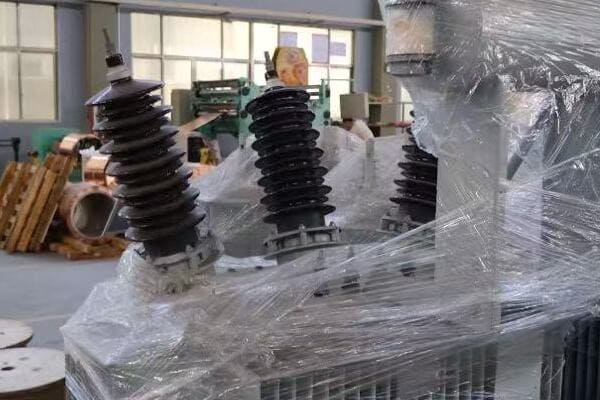
Key Considerations for Renewable Energy Transformers
Let’s explore the critical aspects of transformers for different renewable energy applications:
1. Solar Power Projects
Solar transformers need:
- Ability to handle DC input from inverters
- High efficiency at partial loads
- Thermal management for hot, dusty environments
I once worked on a large solar farm project where we implemented specially designed transformers with enhanced cooling systems. The units were optimized for the farm’s daytime-only generation profile, with efficient operation at varying loads as solar intensity changed throughout the day.
2. Wind Energy Systems
Wind power transformers require:
- Robust design for nacelle or base installation
- Ability to handle rapidly fluctuating inputs
- Compact size for offshore applications
3. Energy Storage Facilities
Transformers for storage systems need:
- Bidirectional power flow capability
- Fast response to charge/discharge cycles
- Integration with battery management systems
4. General Renewable Energy Requirements
Common features across renewable applications:
- Compliance with grid codes for renewable integration
- Remote monitoring and diagnostic capabilities
- Environmentally friendly designs (e.g., biodegradable oils)
Here’s a comparison table of transformer requirements for different renewable energy applications:
| Application | Key Feature | Typical Size Range | Special Requirement |
|---|---|---|---|
| Solar Farm | High efficiency at partial loads | 500 kVA – 10 MVA | Inverter compatibility |
| Wind Farm | Robust, compact design | 2 MVA – 50 MVA | Nacelle or base mounting options |
| Energy Storage | Bidirectional power flow | 1 MVA – 100 MVA | Rapid response to load changes |
| Hybrid Systems | Flexible operation | Varies | Advanced control integration |
In my experience, the selection of transformers for renewable energy projects often involves unique challenges. I recall a project for a large-scale solar farm in a desert environment. The extreme heat and dust posed significant cooling challenges. We implemented a custom ONAF cooling system with specially designed filters to prevent dust ingress. The transformers were also equipped with advanced thermal monitoring to ensure optimal performance in the harsh conditions.
The variability of renewable energy sources necessitates careful consideration of transformer efficiency across a wide load range. In a recent wind farm project, we selected transformers with amorphous metal cores. While more expensive initially, these units provided superior efficiency at the variable loads typical of wind generation, resulting in significant energy savings over the project’s lifespan.
For offshore wind projects, the transformer’s size and weight are critical factors. I worked on an offshore wind farm where space in the nacelle was at a premium. We utilized a compact, dry-type transformer design that minimized size and weight while still meeting the stringent marine environment requirements. The use of biodegradable insulating fluids also mitigated environmental risks.
Energy storage projects present unique challenges due to their bidirectional power flow. In a recent large-scale battery storage facility, we implemented transformers with specialized winding designs to handle the frequent transitions between charging and discharging states. The units were also equipped with advanced cooling systems to manage the heat generated during high-power discharge cycles.
The integration of transformers with renewable energy control systems is becoming increasingly important. I’m currently involved in a project developing smart transformers for a hybrid solar-wind-storage facility. These units incorporate advanced sensors and communication interfaces, allowing real-time adjustment of power flow and voltage levels to optimize overall system performance.
Environmental considerations are paramount in renewable energy projects. In a recent solar farm installation in an environmentally sensitive area, we used transformers filled with natural ester fluids instead of traditional mineral oil. This biodegradable option reduced the environmental risk and aligned with the project’s overall sustainability goals.
Grid compliance is a critical factor in renewable energy transformer selection. I worked on a project where we had to carefully design the transformer’s impedance and tap range to meet stringent grid code requirements for fault ride-through capability and voltage support. This ensured that the renewable energy facility could contribute to grid stability rather than compromising it.
The trend towards distributed energy resources is influencing transformer design for renewables. In a recent community solar project, we implemented multiple smaller transformers instead of a single large unit. This modular approach provided greater flexibility and reliability, allowing sections of the solar farm to remain operational even if one transformer required maintenance.
Lastly, the importance of remote monitoring and diagnostics cannot be overstated for renewable energy transformers, often located in isolated areas. In a wind farm project I consulted on, we integrated advanced IoT sensors and satellite communication systems into the transformers. This allowed for real-time performance monitoring and predictive maintenance, significantly reducing the need for on-site inspections and improving overall reliability.
Selecting the right transformer for renewable energy projects requires a deep understanding of the unique challenges posed by these dynamic and often remote power generation systems. By focusing on key aspects such as efficiency across variable loads, robust design for harsh environments, and smart integration capabilities, you can choose a transformer that not only meets the immediate needs of your renewable energy project but also provides the flexibility and reliability required for long-term success. As the renewable energy sector continues to evolve, transformers play a crucial role in efficiently and safely integrating these clean energy sources into our power grids.
Oil Type, Cooling Method, and Enclosure: Customization Options That Matter?
Are you feeling overwhelmed by the myriad of customization options available for oil-immersed transformers? The choices of oil type, cooling method, and enclosure design can significantly impact your transformer’s performance and lifespan. But how do you navigate these options to find the perfect combination for your specific needs?
**Customization options for oil-immersed transformers include:
- Oil types: Mineral oil, natural/synthetic esters, silicone fluids
- Cooling methods: ONAN, ONAF, OFAF, ODAF, OFWF
- Enclosure designs: Standard, low-profile, submersible, padmounted
Each option affects performance, maintenance, environmental impact, and cost. Choosing the right combination is crucial for optimal transformer operation in your specific environment.**
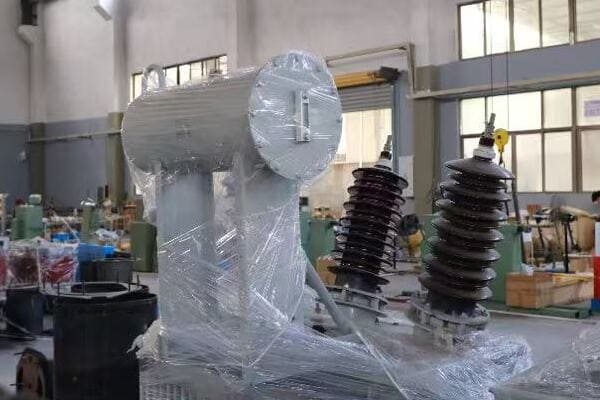
Exploring Transformer Customization Options
Let’s delve into the key customization areas and their implications:
1. Oil Types
Common oil options include:
- Mineral oil: Traditional, cost-effective
- Natural esters: Biodegradable, high fire point
- Synthetic esters: Enhanced performance, environmentally friendly
- Silicone fluids: Non-flammable, suitable for high-risk areas
I once worked on a project for an indoor substation in a densely populated area. We opted for a natural ester-filled transformer due to its high fire safety rating and biodegradability. This choice not only enhanced safety but also simplified the fire suppression system requirements, leading to overall cost savings.
2. Cooling Methods
Cooling options to consider:
- ONAN: Oil Natural Air Natural
- ONAF: Oil Natural Air Forced
- OFAF: Oil Forced Air Forced
- ODAF: Oil Directed Air Forced
- OFWF: Oil Forced Water Forced
3. Enclosure Designs
Enclosure types include:
- Standard: Typical for outdoor substations
- Low-profile: For areas with height restrictions
- Submersible: For flood-prone areas
- Padmounted: For urban or aesthetically sensitive locations
Here’s a comparison table of customization options:
| Aspect | Options | Best For | Considerations |
|---|---|---|---|
| Oil Type | Mineral Oil | Cost-effective solutions | Environmental concerns |
| Natural Esters | Environmentally sensitive areas | Higher cost | |
| Synthetic Esters | High-performance needs | Expensive | |
| Silicone Fluids | High fire-risk locations | Specialized handling | |
| Cooling | ONAN | Small to medium loads | Limited capacity |
| ONAF | Variable loads | Fan maintenance | |
| OFAF/ODAF | Large loads, limited space | Higher complexity | |
| OFWF | Very large loads | Water supply needed | |
| Enclosure | Standard | Typical outdoor use | Basic protection |
| Low-profile | Height-restricted areas | Cooling challenges | |
| Submersible | Flood-prone locations | Cost implications | |
| Padmounted | Urban/aesthetic needs | Security considerations |
In my experience, the right combination of these options can make a significant difference in transformer performance and longevity. I recall a project for a coastal power plant where we had to consider both environmental and performance factors. We chose a synthetic ester-filled transformer with an OFAF cooling system in a corrosion-resistant, sealed tank design. This combination provided excellent cooling efficiency while protecting against the harsh, salt-laden environment.
The choice of oil type can have far-reaching implications. In a recent project for a large data center, we opted for a silicone fluid-filled transformer due to its non-flammable properties. While more expensive initially, this choice eliminated the need for extensive fire suppression systems, ultimately reducing the overall project cost and improving safety.
Cooling method selection is crucial for optimizing performance and efficiency. I worked on an upgrade project for an industrial facility where space was at a premium. By switching from ONAN to ODAF cooling, we were able to significantly increase the transformer’s capacity without changing its footprint. The directed oil flow provided more efficient cooling, allowing for higher loads in the same physical space.
Enclosure design can be particularly important in challenging environments. For a substation project in a flood-prone area, we implemented a fully submersible design. While this increased the initial cost, it provided crucial protection against potential flood damage, ensuring power reliability even in extreme weather events.
The trend towards more environmentally friendly solutions is influencing customization choices. I’m currently involved in a project where we’re using natural ester-filled transformers across an entire utility network. While the upfront costs are higher, the improved biodegradability and higher fire point of the ester fluid align with the utility’s long-term sustainability goals and reduce environmental risks.
Smart monitoring systems are becoming an integral part of transformer customization. In a recent large-scale industrial project, we incorporated advanced sensors and IoT connectivity into the transformer design. This allowed for real-time monitoring of oil condition, temperature, and load patterns, enabling predictive maintenance and optimizing performance.
The choice of cooling method can significantly impact energy efficiency. In a comparative study I conducted for a utility company, we found that upgrading from ONAN to ONAF cooling in their distribution transformers led to a 2% improvement in overall efficiency. While seemingly small, this translated to substantial energy savings across their entire network.
Lastly, the importance of considering future needs in customization decisions cannot be overstated. In a recent project for a rapidly growing tech company, we chose a transformer with ONAF cooling but designed the radiators to accommodate a future upgrade to OFAF. This foresight allowed for easy capacity expansion as the company’s power needs grew, avoiding the need for a complete transformer replacement.
Navigating the customization options for oil-immersed transformers requires careful consideration of your specific operational needs, environmental conditions, and future growth plans. By understanding the implications of different oil types, cooling methods, and enclosure designs, you can make informed decisions that optimize performance, enhance safety, and ensure long-term reliability. Remember, the right customization choices not only address current requirements but also provide the flexibility to adapt to future changes in your power needs and regulatory landscape.
Procurement Tips: How to Balance Performance, Cost, and Lead Time?
Are you struggling to find the perfect balance between transformer performance, cost, and delivery time? This common challenge can leave many project managers feeling stuck between conflicting priorities. But what if you could optimize all three aspects without compromising your project’s success?
**To balance performance, cost, and lead time in transformer procurement:
- Clearly define technical requirements and prioritize must-have features
- Consider total cost of ownership, not just initial price
- Explore standardized designs for faster delivery
- Evaluate multiple suppliers and their production capacities
- Negotiate flexible delivery schedules for large orders
- Consider refurbished options for non-critical applications
- Invest in proper maintenance to extend transformer life and reduce long-term costs**
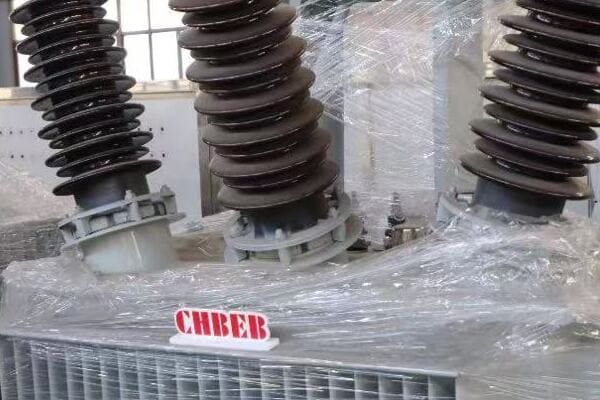
Strategies for Optimizing Transformer Procurement
Let’s explore effective ways to balance these crucial factors:
1. Define and Prioritize Requirements
Key steps include:
- Clearly outlining technical specifications
- Distinguishing between essential and desirable features
- Considering future needs and potential upgrades
I once worked on a project where the client initially specified a highly customized transformer. By carefully reviewing their needs, we identified that a more standard model with minor modifications could meet their requirements. This approach reduced both cost and lead time significantly without compromising performance.
2. Total Cost of Ownership (TCO) Analysis
Consider:
- Initial purchase price
- Installation and commissioning costs
- Operational efficiency and energy losses
- Maintenance requirements over the lifespan
- Potential disposal or recycling costs
3. Standardization vs. Customization
Evaluate:
- Availability of standard designs that meet your needs
- Cost and time implications of customization
- Potential for future modifications or upgrades
4. Supplier Evaluation
Key factors to assess:
- Production capacity and current order backlog
- Quality control processes and certifications
- After-sales support and warranty terms
- Financial stability and long-term reliability
Here’s a comparison table of procurement strategies:
| Strategy | Performance Impact | Cost Impact | Lead Time Impact |
|---|---|---|---|
| High Customization | Optimized for specific needs | Higher | Longer |
| Standard Design | Good for general applications | Lower | Shorter |
| Multiple Suppliers | Varied, needs careful management | Potential for savings | Can be optimized |
| Refurbished Units | Varies, suitable for non-critical use | Significantly lower | Often shorter |
| Bulk Ordering | Consistent across units | Volume discounts possible | May be longer |
In my experience, finding the right balance often requires creative thinking. I recall a large-scale project where we needed 20 transformers with tight delivery deadlines. Instead of ordering all units from one supplier, we split the order among three manufacturers. This strategy not only reduced overall lead time but also provided some cost benefits due to competitive pricing.
The importance of accurate load forecasting cannot be overstated in procurement planning. In a recent utility upgrade project, we conducted detailed load growth analysis before finalizing specifications. This foresight allowed us to select transformers with slightly higher capacity than immediately needed, avoiding costly upgrades in the near future while only marginally increasing the initial investment.
Exploring refurbished options can be a game-changer for certain applications. I worked on a temporary power supply project for a construction site where we used refurbished transformers. These units met the required specifications at a fraction of the cost of new equipment and were available immediately. This approach was perfect for the short-term nature of the project.
Negotiating flexible delivery schedules can yield significant benefits. In a large industrial expansion project, we arranged a phased delivery of transformers aligned with the construction timeline. This approach spread out the capital expenditure and allowed for just-in-time installation, reducing on-site storage needs and associated costs.
The trend towards more energy-efficient transformers is influencing procurement decisions. In a recent grid modernization project, we opted for higher efficiency units despite their higher initial cost. A TCO analysis showed that the energy savings over the transformers’ lifespan more than justified the additional upfront investment, aligning with both economic and environmental goals.
Standardization can significantly impact lead times and costs. I’m currently involved in a utility-scale project where we’ve standardized transformer specifications across multiple substations. This approach not only reduced design and procurement time but also simplified maintenance and spare parts management, leading to long-term operational benefits.
The role of digital tools in procurement is becoming increasingly important. In a recent large-scale procurement, we utilized an AI-driven analytics tool to optimize supplier selection and order allocation. This technology helped us balance cost, quality, and delivery time more effectively than traditional methods.
Lastly, the importance of clear communication and relationship building with suppliers cannot be overstated. I’ve seen cases where strong supplier relationships led to priority treatment during industry-wide supply shortages. Investing time in building these relationships can pay dividends in terms of responsiveness, quality, and even cost savings over time.
Balancing performance, cost, and lead time in transformer procurement requires a strategic approach that considers both immediate needs and long-term implications. By clearly defining requirements, considering total cost of ownership, exploring standardization opportunities, and building strong supplier relationships, you can optimize your procurement process. Remember, the goal is not always to find the cheapest or fastest option, but rather the solution that best meets your project’s specific needs while providing the best value over the transformer’s entire lifecycle. With careful planning and a holistic view of the procurement process, you can achieve a balance that ensures project success and long-term operational efficiency.
Summary Checklist: Match the Right Transformer to Your Project Needs?
Are you ready to make your final transformer selection but want to ensure you haven’t overlooked any crucial factors? This comprehensive checklist will guide you through the key considerations, helping you match the perfect transformer to your project’s unique requirements. Let’s make sure you’ve covered all the bases before making this critical decision.
Summary Checklist for Transformer Selection:
✅ Confirm your voltage input/output requirements
✅ Assess peak and average load profile (kVA)
✅ Choose a cooling method based on environment
✅ Match protection grade to installation location
✅ Select proper connection group (e.g., Dyn11)
✅ Verify local compliance standards (IEC / ANSI / GB)
✅ Consider delivery lead time and customization needs
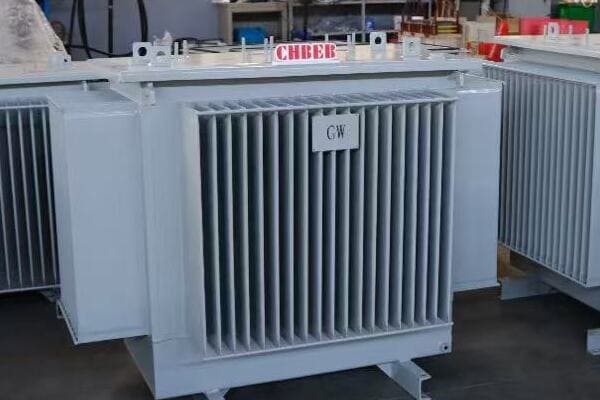
Detailed Transformer Selection Checklist
Let’s break down each point to ensure a thorough evaluation:
1. Voltage Requirements
- Primary voltage: ___ kV
- Secondary voltage: ___ kV
- Tap changer range: ±% in % steps
Ensure these align with your grid or equipment specifications. I once worked on a project where overlooking a minor voltage mismatch led to significant issues during commissioning. Always double-check these fundamental parameters.
2. Load Profile Assessment
- Peak load: ___ kVA
- Average load: ___ kVA
- Future load growth estimate: % over years
3. Cooling Method Selection
- [ ] ONAN
- [ ] ONAF
- [ ] OFAF
- [ ] OFWF
Consider environmental conditions and load profile.
4. Protection Grade
- Indoor: IP___
- Outdoor: IP___
Match to installation environment (e.g., IP55 for outdoor).
5. Connection Group
- [ ] Dyn11
- [ ] Yyn0
- [ ] Other: ___
Ensure compatibility with your system requirements.
6. Compliance Standards
- [ ] IEC
- [ ] ANSI
- [ ] GB
- [ ] Other local standards: ___
Verify all applicable standards are met.
7. Additional Considerations
- [ ] Noise level requirements
- [ ] Efficiency class (e.g., EU Ecodesign Tier 2)
- [ ] Special environmental considerations (e.g., high altitude, corrosive atmosphere)
- [ ] Smart monitoring capabilities
- [ ] Maintenance accessibility
Here’s a final decision matrix to help in your selection:
| Aspect | Options | Your Requirement | Notes |
|---|---|---|---|
| Capacity | Small / Medium / Large | ||
| Voltage Class | Low / Medium / High | ||
| Cooling | ONAN / ONAF / OFAF / OFWF | ||
| Application | Industrial / Utility / Renewable | ||
| Special Features | Smart Monitoring / Low Noise / Eco-friendly |
In my experience, this comprehensive checklist has been invaluable in ensuring all critical factors are considered. I recall a complex industrial project where we used a similar checklist. It helped us identify a potential issue with harmonic distortion that we might have otherwise overlooked. By addressing this early in the selection process, we avoided costly retrofits later.
The importance of future-proofing your selection cannot be overstated. In a recent utility upgrade project, we included estimated load growth in our calculations. This led us to select a transformer with slightly higher capacity than immediately needed. Within two years, this foresight proved invaluable as the area experienced unexpected rapid development.
Environmental considerations often play a crucial role. I worked on a project in a coastal area where we had to carefully consider corrosion resistance. The checklist prompted us to specify enhanced protective coatings and sealed designs, significantly extending the transformer’s expected lifespan in the harsh environment.
Don’t underestimate the importance of noise requirements, especially in urban settings. In a recent substation upgrade near a residential area, strict noise limits were a key factor. Our checklist highlighted this early, leading us to select a low-noise design with additional sound dampening features, crucial for obtaining local approvals.
Efficiency standards are becoming increasingly stringent. I’m currently involved in a large-scale grid modernization project where energy efficiency is a top priority. Our selection checklist includes specific efficiency targets that align with both current regulations and anticipated future standards, ensuring long-term compliance and operational cost savings.
The trend towards smart grids is influencing transformer selection. In a recent project, we included smart monitoring capabilities as a checklist item. This led to selecting transformers with advanced sensors and communication interfaces, enabling real-time monitoring and predictive maintenance, aligning with the utility’s smart grid initiatives.
Maintenance accessibility is often overlooked but can have significant long-term implications. I once consulted on a project where a transformer was installed in a location with limited access. This oversight, which a comprehensive checklist would have caught, led to increased maintenance costs and downtime over the years.
Lastly, always consider the total cost of ownership, not just the initial purchase price. In a recent industrial project, we used our checklist to compare different options based on their lifecycle costs. This analysis led us to choose a more efficient transformer with lower losses, which, despite a higher upfront cost, offered substantial savings over its operational life.
This summary checklist serves as a powerful tool to ensure you’ve considered all crucial aspects in your transformer selection process. By methodically working through each point, you can confidently choose a transformer that not only meets your current needs but is also well-suited for future demands. Remember, the right choice balances technical requirements, environmental considerations, regulatory compliance, and long-term operational efficiency. Take the time to thoroughly evaluate each aspect – it’s an investment that will pay dividends throughout the transformer’s operational life.
Conclusion
Selecting the right oil-immersed transformer requires careful consideration of technical specifications, application requirements, and long-term operational factors. By understanding key parameters, industry-specific needs, and customization options, you can make an informed decision that balances performance, cost, and reliability for your project’s success.
Frequently Asked Questions
Q1: How do I choose a transformer for a solar farm?
A: Look for low-loss oil-immersed transformers with ONAN or OFWF cooling, wide voltage range (0.4kV–33kV), and support for bidirectional energy flow. Ensure compliance with IEC/UL and local grid codes.
Q2: What cooling method is best for utility grid transformers?
A: ONAF cooling is most common in grid applications as it supports higher load capacity and operates reliably in fluctuating ambient conditions.
Q3: What’s the difference between transformers for industry vs renewable energy?
A: Industrial transformers are optimized for motor-driven loads and stability, while renewable ones focus on load fluctuation, reverse power flow, and low-loss design.
Still unsure which transformer fits your project?
📩 Contact us for a free technical consultation or request a custom quotation.