Send us a message if you have any questions or request a quote. Our experts will give you a reply within 24 hours and help you select the right valve you want.
Is your three-phase transformer not performing as it should? The culprit might be lurking in the form of unwanted moisture. This silent enemy can wreak havoc on your equipment.
Water inlet and moisture in three-phase transformers are often caused by environmental factors, poor sealing, and inadequate maintenance. These issues can lead to reduced efficiency, insulation breakdown, and even complete transformer failure if not addressed promptly.
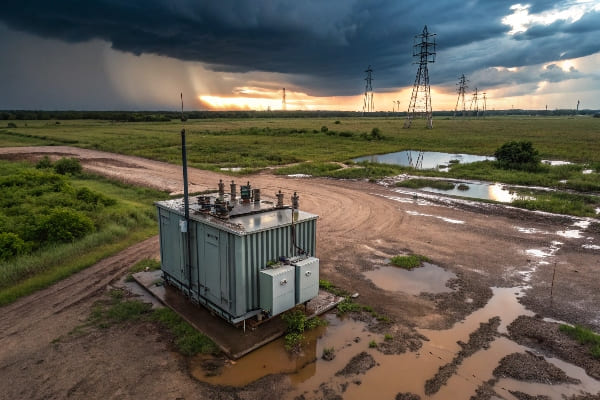
Three-phase transformer with moisture issues
In my years of experience with transformer maintenance, I’ve seen how moisture can turn a reliable piece of equipment into a ticking time bomb. Let’s dive into the causes and solutions for this common yet critical issue.
Introduction to Three-Phase Transformer Water Inlet and Moisture Issues: Why Should You Care?
Have you ever wondered why some transformers seem to age faster than others? The answer often lies in how well they’re protected from their worst enemy: moisture.
Water inlet and moisture issues in three-phase transformers can significantly reduce their lifespan and efficiency. These problems can lead to insulation degradation, increased electrical losses, and potential safety hazards. Understanding these issues is crucial for effective transformer maintenance and operation.
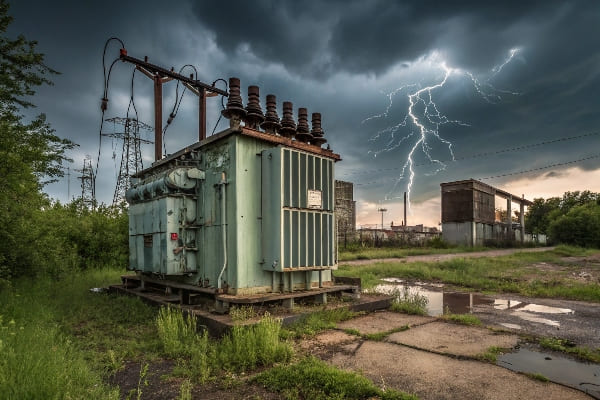
Moisture effects on transformer components
In my career, I’ve encountered numerous cases where moisture-related issues have caused unexpected downtime and costly repairs. Here’s why this topic deserves your attention:
The Hidden Danger of Moisture
Insulation Degradation:
Moisture weakens the insulating properties of transformer oil and paper
This can lead to electrical breakdowns and short circuits
Accelerated Aging:
Moisture catalyzes chemical reactions that degrade insulation materials
This can significantly shorten a transformer’s operational life
Reduced Efficiency:
Wet insulation increases electrical losses
This results in higher operating costs and reduced performance
Types of Moisture-Related Issues
Issue
Description
Potential Consequences
Water Ingress
External water entering the transformer
Immediate risk of failure
Moisture Absorption
Gradual accumulation of moisture from the air
Long-term degradation
Condensation
Water droplets forming due to temperature changes
Localized insulation breakdown
The Importance of Early Detection
Based on my experience, catching moisture issues early can save you from major headaches:
Regular Monitoring:
Implement routine moisture level checks in transformer oil
Use online monitoring systems for critical transformers
Visual Inspections:
Look for signs of water ingress or condensation
Check seals, gaskets, and breathers regularly
Performance Tracking:
Monitor transformer efficiency and power factor
Unexplained changes can be early indicators of moisture problems
I once worked on a project where a seemingly healthy transformer suddenly failed. Upon investigation, we found that years of undetected moisture accumulation had severely degraded its insulation. This incident led to a plant-wide review of moisture management practices, highlighting the importance of proactive measures.
Remember, when it comes to transformer moisture issues, prevention is always better than cure. Understanding the causes and impacts of moisture can help you implement effective strategies to protect your valuable assets.
Common Causes of Water Ingress in Three-Phase Transformers: Where’s the Leak?
Have you ever noticed water where it shouldn’t be in your transformer? You’re not alone. Water ingress is a common problem, but identifying the source can be tricky.
Water ingress in three-phase transformers often occurs due to poor sealing, damaged gaskets, cracked bushings, or inadequate protection from environmental elements. These issues can allow water to enter the transformer, leading to serious operational problems and potential failures.
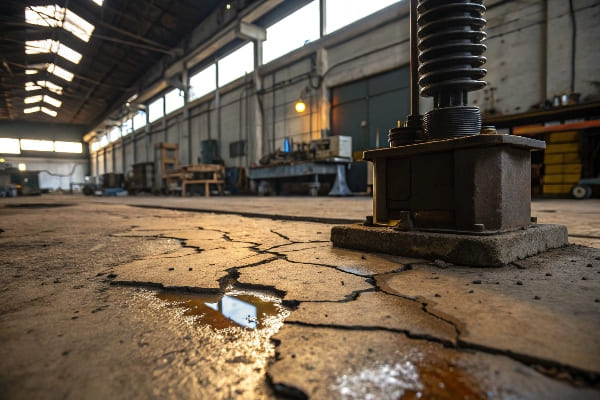
Transformer water ingress points
Throughout my career, I’ve encountered various causes of water ingress in transformers. Let’s explore the most common culprits:
Key Entry Points for Water
Gasket Failures:
Aging or improperly installed gaskets can allow water to seep in
Common locations include manhole covers and bushing mountings
Cracked Bushings:
Thermal cycling and physical stress can cause bushing cracks
Even hairline cracks can allow moisture to enter over time
Radiator Leaks:
Corrosion or physical damage to radiators can create entry points
Often overlooked during routine inspections
Environmental Factors Contributing to Water Ingress
Factor
Impact
Prevention Measures
Heavy Rain
Direct water exposure
Proper housing or weatherproof enclosures
Flooding
Submersion of lower components
Elevated installation or flood barriers
High Humidity
Moisture absorption through breathers
Use of dehumidifying breathers
Maintenance-Related Causes
In my experience, some water ingress issues stem from maintenance practices:
Improper Oil Handling:
Using wet or contaminated oil during maintenance
Failing to properly seal the transformer after oil changes
Neglected Seals:
Not replacing worn-out seals during routine maintenance
Using incorrect seal materials for the application
Breather Maintenance:
Failing to replace saturated silica gel in breathers
Improper installation of breather systems
I once investigated a transformer that was experiencing frequent trips. We initially suspected an electrical issue, but a thorough inspection revealed a tiny crack in one of the bushings. This small defect had allowed a significant amount of water to enter the transformer over time. It was a stark reminder of how even minor imperfections can lead to major problems if left unchecked.
Remember, preventing water ingress is a continuous effort. Regular inspections, proper maintenance procedures, and prompt addressing of any signs of water entry are crucial for keeping your transformers dry and operational.
Environmental Factors Contributing to Moisture Accumulation: Is Your Transformer’s Environment Working Against You?
Have you ever wondered why some transformers seem to attract moisture like a magnet? The answer often lies in their surrounding environment. Let’s explore how the world around your transformer can become its worst enemy.
Environmental factors significantly contribute to moisture accumulation in three-phase transformers. High humidity, temperature fluctuations, and exposure to rain or flooding can all lead to increased moisture levels. Understanding these factors is crucial for implementing effective moisture control strategies.
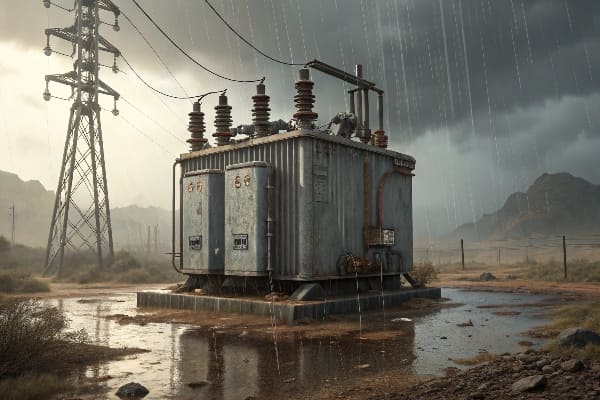
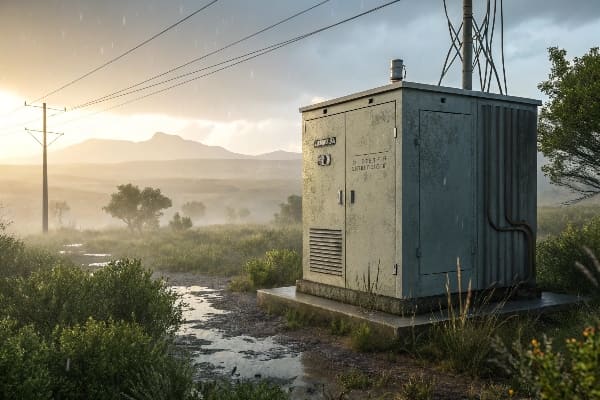
Transformer in challenging environment
Throughout my career, I’ve seen how environmental conditions can make or break a transformer’s moisture resistance. Here’s what you need to know:
Key Environmental Factors
Humidity:
High ambient humidity leads to moisture absorption
Especially problematic in coastal or tropical areas
Temperature Fluctuations:
Causes "breathing" in transformers, drawing in moist air
Can lead to condensation inside the transformer
Precipitation:
Direct exposure to rain or snow
Can find its way into the transformer through small openings
Based on my experience, seasonal changes can significantly affect moisture levels:
Rainy Seasons:
Increased risk of water ingress
Higher ambient humidity levels
Summer:
High temperatures can cause oil expansion and "breathing"
Increased air conditioning use can lead to condensation
Winter:
Cold temperatures can cause contraction and draw in moist air
Snow and ice can create unique ingress risks
I once worked on a project in a coastal area where transformers were failing at an alarming rate. We discovered that the salt-laden air was not only increasing moisture absorption but also accelerating corrosion of seals and gaskets. By implementing a comprehensive environmental protection plan, including specialized coatings and more frequent maintenance, we were able to significantly extend the transformers’ lifespans.
Location-Specific Considerations
Indoor vs. Outdoor Installations:
Indoor transformers generally face less extreme conditions
Outdoor units require more robust protection measures
Elevation:
Higher altitudes can lead to different pressure dynamics
May require specialized breather systems
Proximity to Water Bodies:
Increased humidity and potential for flooding
May need additional waterproofing measures
Remember, understanding your transformer’s environment is the first step in protecting it from moisture. Regular environmental assessments and adapting your maintenance strategy to local conditions can make a world of difference in keeping your transformer dry and efficient.
Impact of Moisture on Transformer Performance and Lifespan: What’s at Stake?
Have you ever wondered why moisture is considered such a menace in the world of transformers? The answer lies in its far-reaching and often devastating effects on both performance and longevity.
Moisture significantly impacts transformer performance and lifespan by degrading insulation, increasing electrical losses, and accelerating aging processes. It can lead to reduced efficiency, increased risk of failure, and substantial shortening of the transformer’s operational life.
Moisture impact on transformer components
In my years of working with transformers, I’ve seen firsthand how moisture can turn a reliable piece of equipment into a liability. Let’s break down the key impacts:
Insulation Degradation
Paper Insulation:
Moisture weakens cellulose fibers
Accelerates the breakdown of paper insulation
Oil Insulation:
Reduces dielectric strength of transformer oil
Can lead to partial discharges and eventual failure
Electrical Performance Issues
Issue
Cause
Consequence
Increased Losses
Higher conductivity of wet insulation
Reduced efficiency, higher operating costs
Partial Discharges
Moisture pockets in insulation
Gradual insulation breakdown, potential failure
Reduced Breakdown Voltage
Weakened dielectric strength
Increased risk of electrical faults
Accelerated Aging Process
Based on my experience, moisture dramatically speeds up the aging of transformers:
Chemical Reactions:
Moisture catalyzes hydrolysis of cellulose insulation
Each doubling of moisture content can halve insulation life
Leads to sludge formation and reduced cooling efficiency
I once investigated a transformer that had failed prematurely, just five years into its expected 30-year lifespan. Analysis revealed that chronic moisture issues had accelerated its aging process to an extreme degree. This case underscored the critical importance of moisture control in preserving transformer life.
Long-Term Economic Impact
Increased Maintenance Costs:
More frequent oil treatments and part replacements
Higher labor costs for inspections and repairs
Energy Efficiency Losses:
Wet transformers consume more power
Can significantly increase operational costs over time
Premature Replacement:
Moisture-damaged transformers may need early replacement
Substantial capital expenditure and potential downtime
Remember, the impact of moisture on transformers is not just a technical issue – it’s an economic one. Protecting your transformers from moisture is an investment in their longevity and your bottom line. Regular monitoring, prompt addressing of moisture issues, and proactive maintenance are key to maximizing the life and performance of your transformers.
Detection and Diagnosis of Water Inlet in Three-Phase Transformers: How to Spot the Silent Killer?
Ever felt like you’re playing detective with your transformer? Detecting water inlet can indeed feel like solving a mystery. But fear not, I’ve got some tricks up my sleeve to help you crack the case.
Detection and diagnosis of water inlet in three-phase transformers involve various methods including oil analysis, electrical tests, and visual inspections. Key indicators include increased moisture content in oil, changes in dielectric strength, and visible signs of water ingress or corrosion.
Transformer moisture detection methods
Throughout my career, I’ve developed a keen eye for spotting moisture issues. Here’s how you can become a moisture detective too:
Oil Analysis Techniques
Karl Fischer Titration:
Measures water content in transformer oil
Provides accurate quantitative results
Dielectric Strength Test:
Indicates the oil’s ability to withstand electrical stress
Decreased strength can signal moisture presence
Dissolved Gas Analysis (DGA):
Can reveal moisture-related faults
Helps distinguish between different types of issues
Electrical Testing Methods
Test
What It Measures
Moisture Indication
Power Factor
Dielectric losses
Increased losses suggest moisture
Capacitance
Insulation condition
Changes can indicate moisture ingress
Frequency Response Analysis
Winding movement
Can reveal moisture-related deformation
Visual Inspection Techniques
Based on my experience, never underestimate the power of a good visual inspection:
External Checks:
Look for rust or corrosion on the tank
Check for water droplets or stains around seals and gaskets
Internal Inspection:
Examine the inside of the tank during maintenance
Look for water droplets, rust, or sludge formation
Bushing Inspection:
Check for cracks or discoloration
Look for signs of water tracks or corrosion
I once encountered a transformer that had passed all routine electrical tests but was still underperforming. A thorough visual inspection revealed tiny water droplets forming inside the inspection window – a clear sign of a moisture problem that had been missed by standard tests. This experience taught me the value of combining multiple detection methods.
Advanced Detection Technologies
Online Moisture Monitoring:
Continuous real-time monitoring of moisture levels
Allows for early detection of developing issues
Acoustic Partial Discharge Detection:
Can detect moisture-related partial discharges
Useful for identifying localized moisture problems
Thermal Imaging:
Can reveal moisture-related hotspots
Useful for detecting issues in hard-to-reach areas
Remember, effective moisture detection is about more than just running tests – it’s about understanding your transformer and being alert to subtle changes. Regular, comprehensive checks using a combination of methods are your best defense against the silent killer that is moisture.
Preventive Measures and Maintenance Strategies for Moisture Control: How to Keep Your Transformer Dry and Happy?
Are you tired of constantly battling moisture in your transformers? It’s time to shift from reactive to proactive measures. Let’s explore how to keep your transformers as dry as a desert.
Effective moisture control in transformers involves a combination of preventive measures and regular maintenance. Key strategies include proper sealing, use of dehumidifying breathers, regular oil treatments, and environmental control. Implementing these measures can significantly extend transformer life and improve reliability.
Transformer moisture prevention techniques
In my years of transformer maintenance, I’ve learned that preventing moisture is far easier than dealing with its consequences. Here’s how to keep your transformers dry:
Sealing and Protection Strategies
High-Quality Gaskets and Seals:
Use materials resistant to aging and environmental factors
Regularly inspect and replace as needed
Weatherproofing:
Apply weather-resistant coatings to external surfaces
Ensure proper drainage around outdoor transformers
Breather Maintenance:
Use dehumidifying breathers to prevent moisture ingress
Regularly check and replace silica gel
Oil Maintenance Techniques
Technique
Purpose
Frequency
Oil Filtration
Remove water and contaminants
Annually or as needed
Vacuum Oil Processing
Deep moisture removal
Every 3-5 years
Oil Regeneration
Restore oil properties
When oil quality degrades
Environmental Control Measures
Based on my experience, controlling the transformer’s environment is crucial:
Temperature Regulation:
Use cooling systems to prevent condensation
Maintain consistent temperatures where possible
Humidity Control:
Install dehumidifiers in transformer rooms
Use dry air systems for critical applications
Flood Protection:
Elevate transformers in flood-prone areas
Install water detection and pumping systems
I once worked with a utility company that was struggling with moisture issues in their coastal substations. We implemented a comprehensive moisture control program, including advanced breather systems and regular oil treatments.The results were impressive – transformer failures due to moisture decreased by 80% over the next five years, saving millions in replacement costs and downtime.
Routine Maintenance Practices
Regular Inspections:
Conduct visual checks for signs of water ingress
Use infrared cameras to detect moisture-related hotspots
Periodic Testing:
Perform regular oil tests to monitor moisture levels
Conduct electrical tests to check for insulation degradation
Preventive Replacements:
Replace aging gaskets and seals before they fail
Upgrade to moisture-resistant components when possible
Advanced Moisture Control Technologies
Online Moisture Monitoring:
Install real-time moisture sensors
Set up alerts for when moisture levels exceed thresholds
Nitrogen Blanketing:
Use dry nitrogen to create a moisture-free environment above the oil
Particularly effective for transformers in high-humidity areas
Vacuum Oil Filling:
Fill transformers under vacuum to minimize moisture content
Especially important for new installations or after major maintenance
Remember, effective moisture control is an ongoing process, not a one-time fix. By implementing a comprehensive strategy that combines prevention, regular maintenance, and advanced technologies, you can significantly extend the life of your transformers and improve their reliability.
Conclusion
Moisture in three-phase transformers is a serious issue that can significantly impact performance and lifespan. By understanding the causes, implementing effective detection methods, and maintaining robust preventive measures, we can ensure optimal transformer operation and longevity.
Hello! 👋 Welcome to CHBEB.
We are a transformer manufacturer with 60+ years of experience.
✅ Distribution & Power Transformers (Oil & Dry Type)
✅ Customized EPC & OEM Solutions
✅ Fast Delivery & International Certifications