Send us a message if you have any questions or request a quote. Our experts will give you a reply within 24 hours and help you select the right valve you want.
Are you struggling to understand the complexities of power distribution systems? You’re not alone. Many engineers and project managers find themselves confused by the intricacies of liquid-filled transformers. But what if you had a clear, comprehensive guide that breaks down everything you need to know about these crucial components of our electrical infrastructure?
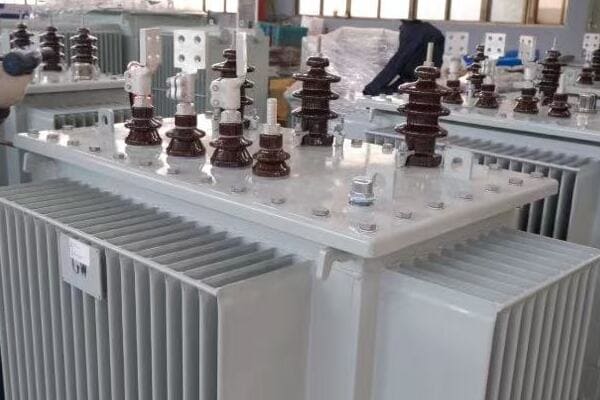
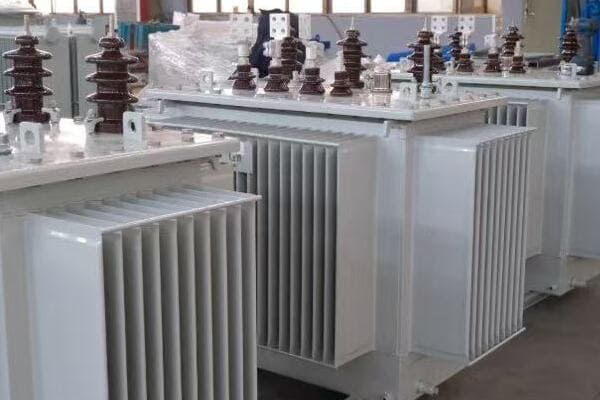
Liquid-filled transformers are electrical devices that use insulating fluids—such as mineral oil or synthetic esters—to cool and insulate the transformer core and windings. These fluids help dissipate heat generated during operation and provide electrical insulation between components. Liquid-filled transformers are widely used in industrial, utility, and renewable energy systems due to their high efficiency, long service life, and reliable performance in demanding environments.
Liquid-Filled Transformer Diagram
In this comprehensive guide, I’ll walk you through the working principle, key components, and types of cooling fluids used in liquid-filled transformers. We’ll explore their advantages, applications, and how they compare to dry-type transformers. Whether you’re a seasoned engineer or new to the field, this article will provide valuable insights to help you understand and work with these essential devices.
What Is a Liquid-Filled Transformer?
Have you ever wondered why some transformers are filled with liquid while others are not? The answer lies in the unique advantages that liquid-filled transformers offer. But what exactly are these transformers, and why are they so crucial in power distribution systems?
A liquid-filled transformer is an electrical device that uses insulating fluid, typically mineral oil or synthetic ester, to cool and insulate its internal components. These transformers are designed for high efficiency and long-term reliability, especially in high-power applications. They can handle a wide range of voltages, from distribution levels (below 35kV) to transmission levels (up to 765kV), making them versatile for various industrial and utility applications.
Transformer Type Comparison
Understanding Liquid-Filled Transformers
Let’s break down the key aspects:
Basic Definition and Function
Types of Liquid-Filled Transformers
Voltage Classes and Applications
Advantages Over Dry-Type Transformers
Environmental Considerations
Basic Definition and Function
A liquid-filled transformer is:
An electrical device that transfers energy between circuits
Filled with insulating and cooling fluid
Designed for efficient heat dissipation and electrical insulation
I recently worked on a project where we replaced an old dry-type transformer with a liquid-filled unit. The improvement in efficiency and cooling capacity was remarkable, especially during peak load periods.
Types of Liquid-Filled Transformers
Common types include:
Power transformers (high voltage, high capacity)
Distribution transformers (medium to low voltage)
Specialty transformers (e.g., for renewable energy systems)
During a recent factory tour, I observed the manufacturing process of both large power transformers and smaller distribution units, highlighting the versatility of liquid-filled designs.
Voltage Classes and Applications
Liquid-filled transformers cover a wide range:
Low voltage: Below 1kV (e.g., for industrial applications)
Medium voltage: 1kV to 35kV (common in distribution networks)
High voltage: Above 35kV (used in transmission systems)
Here’s a quick overview of voltage classes and typical applications:
Voltage Class
Range
Common Applications
Low Voltage
< 1kV
Industrial, Commercial
Medium Voltage
1kV – 35kV
Distribution Networks
High Voltage
> 35kV
Power Transmission
Advantages Over Dry-Type Transformers
Key benefits include:
Better cooling efficiency
Higher overload capacity
Longer service life
Suitable for outdoor installations
Environmental Considerations
Important factors:
Use of biodegradable fluids in modern designs
Proper containment and maintenance to prevent leaks
Recycling and disposal regulations for transformer oils
Key points about liquid-filled transformers:
They use insulating fluid for cooling and insulation
They can handle a wide range of voltages and power capacities
They offer better cooling and overload capacity than dry-type transformers
They are suitable for both indoor and outdoor installations
Modern designs address environmental concerns with eco-friendly fluids
In my experience, the choice between liquid-filled and dry-type transformers often comes down to specific application requirements. I recall a project for a large data center where we initially considered dry-type transformers for fire safety reasons. However, after a thorough analysis of cooling needs and efficiency requirements, we opted for liquid-filled units with biodegradable ester fluid. This decision resulted in better overall performance and lower operating temperatures.
As we move on to discuss how liquid-filled transformers work, keep in mind that understanding these basic concepts is crucial for making informed decisions about transformer selection and maintenance. The unique properties of liquid-filled transformers shape their working principle and applications in ways that we’ll explore in the next section.
How Do Liquid-Filled Transformers Work?
Have you ever wondered about the inner workings of a liquid-filled transformer? Understanding this process is key to appreciating why these transformers are so efficient and widely used. But what exactly happens inside the transformer, and how does the liquid play a crucial role in its operation?
Liquid-filled transformers work on the principle of electromagnetic induction, using a liquid medium for insulation and cooling. When alternating current flows through the primary winding, it creates a changing magnetic field in the core. This field induces a voltage in the secondary winding, transforming the voltage level. The insulating liquid, typically oil, serves two critical functions: it provides electrical insulation between components and efficiently dissipates heat generated during the transformation process.
Liquid-Filled Transformer Working Principle
Exploring the Working Process
Let’s break down the operation into key steps:
Electromagnetic Induction
Role of the Liquid Medium
Heat Generation and Dissipation
Load Cycle and Thermal Behavior
Protective Mechanisms
Electromagnetic Induction
The core principle:
Primary winding receives AC input
Changing current creates a magnetic field in the core
Magnetic field induces voltage in the secondary winding
I often use a simple demonstration with a small model transformer to show how changing the current in one coil induces voltage in another, even when separated by oil.
Role of the Liquid Medium
Dual function of the insulating fluid:
Provides electrical insulation between components
Transfers heat away from the core and windings
During a recent project, we used thermal imaging to visualize how effectively the oil circulates and dissipates heat in a large power transformer.
Heat Generation and Dissipation
Managing thermal energy:
Copper losses in windings generate heat
Core losses contribute to overall heat production
Oil circulates naturally or forcedly to remove heat
Here’s a simplified view of heat flow in a liquid-filled transformer:
Component
Heat Generation
Cooling Method
Windings
High
Direct oil contact
Core
Moderate
Oil circulation
Tank
Low
Radiators/Fins
Load Cycle and Thermal Behavior
Adapting to changing demands:
Transformer temperature varies with load
Oil expands and contracts with temperature changes
Cooling system adjusts to maintain safe operating temperatures
Protective Mechanisms
Ensuring safe operation:
Pressure relief devices prevent tank rupture
Buchholz relay detects gas accumulation
Temperature monitors trigger alarms or shutdowns
Key points about how liquid-filled transformers work:
They operate based on electromagnetic induction
The liquid medium provides both insulation and cooling
Heat management is crucial for efficient operation
Load cycles affect the transformer’s thermal behavior
Various protective devices ensure safe operation
In my experience, understanding these working principles is crucial for effective transformer management. I recall a case where a transformer was experiencing unusual heating. By analyzing its working process step-by-step, we identified a partial blockage in the oil circulation system, which was disrupting the heat dissipation process.
For example, during a recent commissioning of a large industrial transformer, we used advanced monitoring equipment to observe the oil flow and temperature distribution in real-time. This allowed us to fine-tune the cooling system, ensuring optimal performance under various load conditions.
As we move on to discuss the key components of liquid-filled transformers, keep this working process in mind. Understanding how these transformers function at their core will help you appreciate the role of each component in ensuring efficient and reliable power transformation.
Key Components of a Liquid-Filled Transformer?
Have you ever wondered what’s inside a liquid-filled transformer? Understanding the key components is crucial for anyone involved in transformer selection, maintenance, or troubleshooting. But what are these essential elements, and how do they work together to ensure efficient and reliable power transformation?
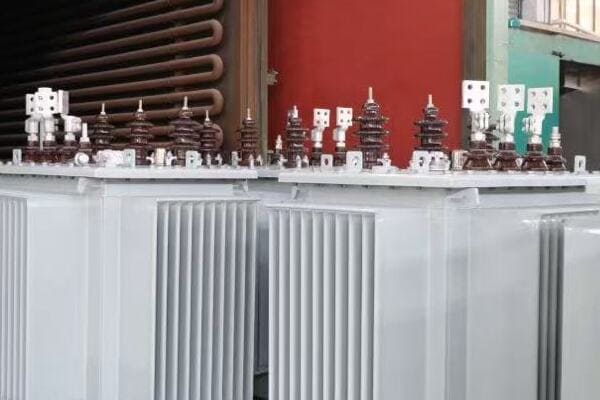
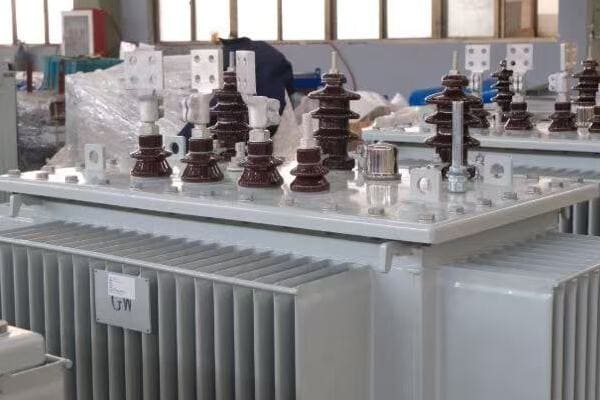
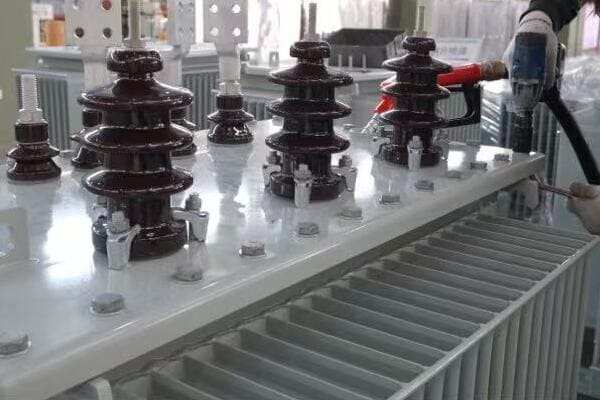
The key components of a liquid-filled transformer include the core, windings, insulating fluid, tank, radiators, bushings, and various protective devices. The core and windings form the heart of the transformer, where voltage transformation occurs. The insulating fluid, typically oil, provides cooling and electrical insulation. The tank contains these components, while radiators help dissipate heat. Bushings connect the internal windings to external circuits, and protective devices like Buchholz relays and pressure relief valves ensure safe operation.
Liquid-Filled Transformer Components
Exploring Essential Components
Let’s examine the main components and their functions:
Core and Windings
Insulating Fluid and Tank
Cooling System
Bushings and Terminals
Protective Devices
Core and Windings
The heart of the transformer:
Core: Made of laminated silicon steel for efficient magnetic flux
Primary winding: Receives input voltage
Secondary winding: Delivers transformed output voltage
I recently examined a transformer core during maintenance and was impressed by the precision of the lamination stacking, crucial for minimizing core losses.
Insulating Fluid and Tank
Containment and insulation:
Insulating fluid: Typically mineral oil or synthetic ester
Tank: Houses core, windings, and fluid
Expansion tank or conservator: Accommodates fluid expansion
During a recent project, we opted for a biodegradable ester fluid in an urban substation, balancing performance with environmental considerations.
Cooling System
Managing heat dissipation:
Radiators: External fins for heat exchange
Fans: For forced-air cooling in larger units
Oil pumps: Used in very large transformers for directed oil flow
Here’s a comparison of cooling methods:
Cooling Method
Description
Best For
ONAN
Oil Natural, Air Natural
Small to medium transformers
ONAF
Oil Natural, Air Forced
Medium to large transformers
OFAF
Oil Forced, Air Forced
Large power transformers
Bushings and Terminals
Connecting internal to external:
High-voltage bushings: For primary connections
Low-voltage bushings: For secondary connections
Often filled with oil or resin for insulation
Protective Devices
Ensuring safe operation:
Buchholz relay: Detects gas accumulation or oil flow issues
Pressure relief valve: Prevents tank rupture from overpressure
Temperature monitors: Track winding and oil temperatures
Key points about liquid-filled transformer components:
The core and windings are the primary functional elements
Insulating fluid plays a dual role in cooling and insulation
The cooling system is crucial for maintaining efficiency
Bushings provide safe electrical connections
Protective devices are essential for operational safety
In my experience, understanding these components is crucial for effective transformer management. I recall a case where a transformer was experiencing frequent trips. By systematically checking each component, we discovered a minor defect in a bushing that was causing partial discharges, highlighting the importance of each element in the system’s overall reliability.
For example, during a recent upgrade of a substation transformer, we focused on enhancing the cooling system by adding more efficient radiators and implementing a smart cooling control system. This not only improved the transformer’s capacity to handle peak loads but also extended its expected lifespan by reducing thermal stress on the insulation.
As we move on to discuss the types of cooling fluids used in transformers, keep in mind how these components interact with the fluid to maintain efficient and safe operation. The choice of cooling fluid can significantly impact the performance and maintenance requirements of the transformer.
Types of Cooling Fluids Used in Transformers?
Have you ever wondered why different types of fluids are used in transformers? The choice of cooling fluid can significantly impact a transformer’s performance, safety, and environmental impact. But what are the main types of fluids used, and how do they compare in terms of effectiveness and sustainability?
Transformer cooling fluids primarily include mineral oil, natural esters, synthetic esters, and silicone oil. Mineral oil is the most common due to its excellent cooling and insulating properties. Natural and synthetic esters are gaining popularity for their biodegradability and fire safety. Silicone oil is used in special applications requiring high fire resistance. Each fluid type offers different benefits in terms of thermal performance, environmental impact, and fire safety, influencing their selection for specific transformer applications.
Transformer Cooling Fluid Comparison
Analyzing Transformer Cooling Fluids
Let’s explore the main types of cooling fluids:
Mineral Oil
Natural Esters
Synthetic Esters
Silicone Oil
Emerging Alternatives
Mineral Oil
The traditional choice:
Excellent cooling and insulating properties
Cost-effective and widely available
Drawbacks include flammability and environmental concerns
I recently worked on a project where we had to replace mineral oil in an old transformer. The process highlighted the importance of proper handling and disposal to prevent environmental contamination.
Natural Esters
Environmentally friendly option:
Derived from vegetable oils (e.g., soybean, sunflower)
Biodegradable and renewable
Higher fire point than mineral oil
During a recent installation in an environmentally sensitive area, we chose natural ester fluid for its biodegradability, meeting both performance and environmental requirements.
Synthetic Esters
Balancing performance and sustainability:
Man-made compounds with tailored properties
Excellent thermal characteristics
Biodegradable but more expensive than mineral oil
Here’s a comparison of key fluid properties:
Fluid Type
Fire Point
Biodegradability
Cost
Mineral Oil
~160°C
Low
Low
Natural Ester
>300°C
High
Medium
Synthetic Ester
>300°C
High
High
Silicone Oil
>300°C
Low
Very High
Silicone Oil
Specialized applications:
Extremely high fire resistance
Stable over a wide temperature range
Used in areas with strict fire safety regulations
Emerging Alternatives
Innovative solutions:
Gas-to-liquid (GTL) fluids
Nanofluids for enhanced thermal performance
Hybrid mixtures for optimized properties
Key points about transformer cooling fluids:
Mineral oil remains the most widely used due to its overall performance
Natural and synthetic esters offer environmental benefits
Fire safety is a key consideration in fluid selection
Cost and availability influence choices, especially for large transformers
Emerging technologies are expanding fluid options
In my experience, the choice of cooling fluid can have far-reaching implications. I recall a project for a urban substation where fire safety was paramount. We opted for a synthetic ester fluid, which allowed for a more compact transformer design due to its higher fire point, ultimately saving space in the crowded urban environment.
For instance, in a recent renewable energy project involving offshore wind turbines, we selected biodegradable synthetic ester fluid for the transformers. This choice not only met the stringent environmental regulations for offshore installations but also provided excellent moisture tolerance, crucial in the marine environment.
As we move on to compare liquid-filled and dry-type transformers, keep in mind how the choice of cooling fluid influences various aspects of transformer design and operation. Understanding these differences is crucial for selecting the right type of transformer for specific applications.
Liquid-Filled vs Dry-Type Transformers: What’s the Difference?
Are you trying to decide between liquid-filled and dry-type transformers for your project? This choice can significantly impact your system’s efficiency, maintenance requirements, and overall costs. But what exactly sets these two types of transformers apart, and how do you know which one is right for your needs?
Liquid-filled transformers use insulating fluids for cooling and insulation, while dry-type transformers use air and solid insulation materials. Liquid-filled units generally offer higher efficiency, better overload capacity, and longer lifespan, making them ideal for outdoor and high-power applications. Dry-type transformers are typically used indoors, offer better fire safety, and require less maintenance, making them suitable for commercial and light industrial applications. The choice between them depends on factors like installation environment, power requirements, fire safety regulations, and maintenance capabilities.
Liquid-Filled vs Dry-Type Transformer Comparison
Comparing Liquid-Filled and Dry-Type Transformers
Let’s break down the key differences:
Cooling and Insulation
Efficiency and Performance
Size and Weight
Installation and Maintenance
Environmental and Safety Considerations
Cooling and Insulation
Fundamental differences:
Liquid-filled: Use oil or other fluids for cooling and insulation
Dry-type: Rely on air circulation and solid insulation materials
I recently worked on a project where we replaced several dry-type transformers with liquid-filled units in a large industrial facility. The improvement in cooling efficiency was remarkable, especially during peak load periods.
Efficiency and Performance
Operational characteristics:
Liquid-filled: Generally more efficient, especially at higher ratings
Dry-type: Slightly lower efficiency but more suitable for indoor use
During a recent energy audit, we found that upgrading to high-efficiency liquid-filled transformers resulted in a 2% increase in overall system efficiency for a manufacturing plant.
Size and Weight
Physical considerations:
Liquid-filled: Often smaller and lighter for the same rating
Dry-type: Typically larger and heavier due to air cooling requirements
Here’s a simplified comparison of size and weight:
Aspect
Liquid-Filled
Dry-Type
Size
Compact
Larger
Weight
Lighter
Heavier
Footprint
Smaller
Larger
Scalability
Highly scalable
Limited at high powers
Installation and Maintenance
Practical aspects:
Liquid-filled: Suitable for outdoor installation, require fluid monitoring
Dry-type: Ideal for indoor use, lower maintenance but may need air filtering
Environmental and Safety Considerations
Important factors:
Liquid-filled: Potential environmental concerns with oil leaks, higher fire load
Dry-type: Lower fire risk, no fluid leaks, but may produce more noise
Key points about liquid-filled vs dry-type transformers:
Liquid-filled transformers offer better cooling and efficiency
Dry-type transformers are preferred for indoor and fire-sensitive locations
Size and weight differences impact installation requirements
Maintenance needs vary significantly between the two types
Environmental and safety factors play a crucial role in selection
In my experience, the choice between liquid-filled and dry-type transformers often involves balancing multiple factors. I recall a project for a new hospital wing where we initially considered dry-type transformers for their perceived safety advantages. However, after a comprehensive risk assessment and efficiency analysis, we opted for liquid-filled units with biodegradable ester fluid. This decision provided the necessary power capacity and efficiency while meeting stringent safety requirements.
For example, in a recent data center project, we used a hybrid approach. We installed liquid-filled transformers for the main power supply due to their higher efficiency and capacity, while using dry-type units for critical indoor distribution points where fire safety was paramount. This combination allowed us to optimize both performance and safety throughout the facility.
As we move on to discuss the applications of liquid-filled transformers, keep these differences in mind. Understanding the strengths and limitations of each type is crucial for making informed decisions in various industrial and utility scenarios.
Applications of Liquid-Filled Transformers?
Have you ever wondered where liquid-filled transformers are most commonly used and why? Understanding the applications of these transformers is crucial for anyone involved in power distribution or large-scale electrical projects. But in what specific scenarios are liquid-filled transformers the preferred choice, and what advantages do they offer in these applications?
Liquid-filled transformers are widely used in utility power distribution, industrial facilities, renewable energy systems, and large commercial installations. They excel in outdoor substations, power generation plants, and high-capacity industrial applications due to their superior cooling efficiency, overload capacity, and ability to handle high voltages. These transformers are particularly valuable in harsh environments, remote locations, and applications requiring long-term reliability and efficiency, such as wind farms, solar power plants, and oil and gas facilities.
Liquid-Filled Transformer Applications
Exploring Key Applications
Let’s examine the main areas where liquid-filled transformers are commonly used:
Utility Power Distribution
Industrial Facilities
Renewable Energy Systems
Large Commercial Installations
Specialized Applications
Utility Power Distribution
Critical role in power grids:
Substation transformers for voltage step-down
Distribution transformers in residential and commercial areas
Mobile substations for temporary or emergency power
I recently worked on upgrading a suburban substation where we replaced aging transformers with modern liquid-filled units, significantly improving the grid’s reliability and efficiency.
Industrial Facilities
Powering heavy industry:
Steel mills and metal processing plants
Chemical and petrochemical facilities
Large manufacturing complexes
During a recent project for a paper mill, we installed a 40 MVA liquid-filled transformer that efficiently handled the facility’s high power demands and variable loads.
Renewable Energy Systems
Supporting green energy:
Wind farm step-up transformers
Solar power plant transformers
Hydroelectric power station transformers
Here’s a quick overview of transformer applications in renewable energy:
Energy Source
Transformer Role
Key Requirements
Wind Farms
Step-up for grid connection
Overload capacity, outdoor rating
Solar Plants
Inverter and substation units
High efficiency, temperature resilience
Hydroelectric
Generator step-up
High reliability, water resistance
Large Commercial Installations
Powering commercial hubs:
Shopping malls and large office complexes
Airports and transportation centers
Data centers and telecom facilities
Specialized Applications
Unique use cases:
Marine and offshore installations
Mining operations in remote locations
Mobile and portable power solutions
Key points about liquid-filled transformer applications:
They are crucial in utility-scale power distribution
Industrial applications benefit from their high capacity and reliability
Renewable energy systems rely on their efficiency and durability
Large commercial installations use them for consistent power supply
Specialized applications leverage their adaptability to harsh conditions
In my experience, the versatility of liquid-filled transformers becomes particularly evident in challenging environments. I recall a project for an offshore oil platform where we needed transformers that could withstand saltwater exposure, extreme temperatures, and constant vibration. Liquid-filled units with specially formulated insulating fluids proved to be the ideal solution, providing reliable power in these harsh conditions.
For instance, in a recent solar farm project in a desert environment, we faced the challenge of extreme heat and dust. We selected liquid-filled transformers with advanced cooling systems and sealed designs. These units not only handled the high daytime temperatures efficiently but also protected the internal components from sand and dust, ensuring long-term reliability in this challenging setting.
As we conclude our exploration of liquid-filled transformers, it’s clear that their applications span a wide range of industries and environments. Their ability to handle high power loads, operate efficiently in outdoor settings, and provide long-term reliability makes them an essential component in modern power systems.
Conclusion
Liquid-filled transformers play a crucial role in power distribution systems across various industries. Their superior cooling efficiency, ability to handle high voltages, and long-term reliability make them ideal for utility, industrial, and renewable energy applications. Understanding their working principles, components, and the types of cooling fluids used is essential for engineers and project managers in the power sector. As technology advances, we can expect further innovations in transformer design and cooling fluids, enhancing efficiency and environmental sustainability.
Hello! 👋 Welcome to CHBEB.
We are a transformer manufacturer with 60+ years of experience.
✅ Distribution & Power Transformers (Oil & Dry Type)
✅ Customized EPC & OEM Solutions
✅ Fast Delivery & International Certifications